

Free High Plains Travel Guide & Mobile App
Explore High Plains with free travel guides. Discover regional history, expert tips, proposed trips, and audio guides on web or mobile app.


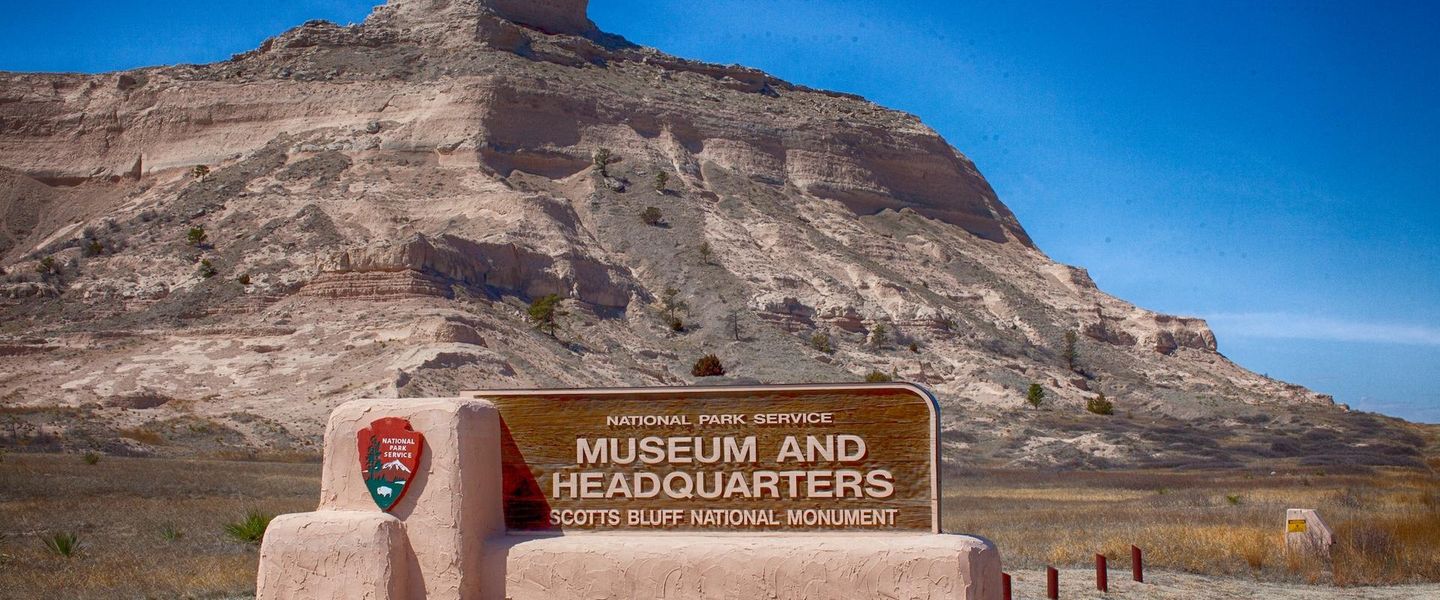


Explore High Plains Nebraska for vast grasslands, fossil sites, pioneer landmarks, rugged bluffs, ranch country and memorable western road journeys.
Read more about High Plains
Getting to and around High Plains
How to get there
Transportation
Top city travel guides in High Plains
The cities of High Plains, and the easiest places to base yourself.

Swipe for more cities
Destinations in High Plains
Resorts, valleys and scenic spots worth a trip of their own.
-

-

-

-

-
-


Swipe for more destinations
Best attractions in High Plains
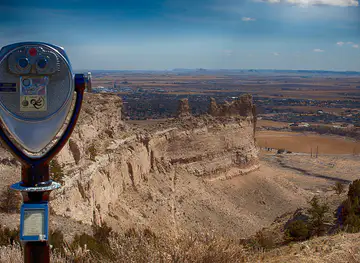
The High Plains’ attractions combine geological evidence, overland history, Indigenous heritage, ranching culture and open-country recreation. Scotts Bluff National Monument is the region’s best-known natural and historical site, with trails and viewpoints over the North Platte Valley and the routes followed by nineteenth-century emigrants. Nearby Chimney Rock National Historic Site interprets one of the most recognisable landmarks of the overland trails. Agate Fossil Beds National Monument, south of Harrison, offers trails and a museum centred on Miocene fossils, while Toadstool Geologic Park near Crawford presents eroded formations, fossil-bearing strata and a short trail network. Fort Robinson State Park provides extensive historic buildings, outdoor activities and access to the Pine Ridge landscape. Around Alliance, Carhenge offers a distinctly modern roadside interpretation of prehistoric monument forms. Museums in Scottsbluff, Alliance, Chadron, Sidney and other towns add context on railways, agriculture, military history, palaeontology and local communities. Birdwatching, wildlife observation, hiking, scenic driving and night-sky viewing are strongest when visitors plan for weather, distance and limited services between settlements.
-
Tourist attraction
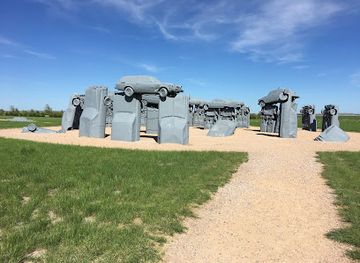
Carhenge
Experience the whimsical charm of Carhenge, a unique automotive tribute blending art, history, and creativity in Nebraska.
-
Historical place
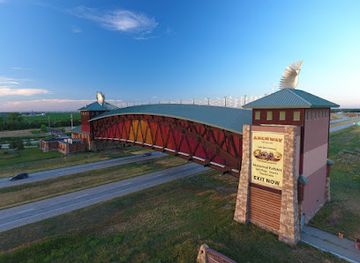
Great Platte River Road Archway Monument
Experience the spirit of America's westward expansion at the Great Platte River Road Archway Monument in Kearney, Nebraska.
-
Nature preserve
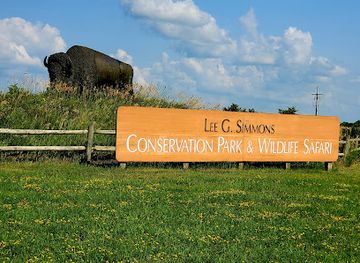
Wildlife Safari Park
Discover the beauty of wildlife up close at Wildlife Safari Park, a premier nature preserve in Ashland, Nebraska, perfect for families and nature enthusiasts.
-
Tourist attraction
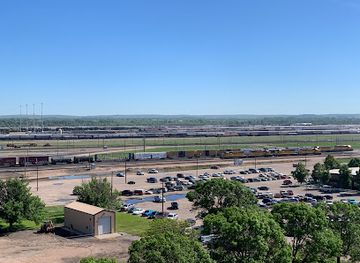
Golden Spike Tower
Discover breathtaking views of the world's largest rail yard at Golden Spike Tower in North Platte, Nebraska, where history and scenic beauty converge.
Best landmarks in High Plains
-
Tourist attraction
Carhenge
Explore Carhenge, a quirky automotive masterpiece in Alliance, Nebraska, offering a unique blend of art, history, and humor for all visitors.
-
Historical place
Great Platte River Road Archway Monument
Explore the Great Platte River Road Archway Monument in Kearney, Nebraska, a unique blend of history and culture celebrating America's westward expansion.
-
Monument
Scotts Bluff National Monument
Experience breathtaking views and rich pioneer history at Scotts Bluff National Monument, a must-visit natural landmark in Nebraska.
-
Tourist attraction
Golden Spike Tower
Discover breathtaking views and rich railroad history at the Golden Spike Tower in North Platte, Nebraska, a must-visit for all train enthusiasts.


Explore High Plains on the map
Plan your trip on one map. See where the top cities, national parks and sights are, and book hotels and experiences in a few clicks.
Best hotels in High Plains
Best restaurants in High Plains
Dining in the High Plains reflects Nebraska’s agricultural economy and the practical needs of widely separated communities. In Scottsbluff, Gering, Alliance, Sidney, Chadron and other larger towns, visitors will find family restaurants, cafés, bakeries, Mexican and other international cuisines, steakhouses and traditional American diners. Beef features prominently in a region shaped by ranching, while irrigated farming supports crops and seasonal produce in parts of the North Platte Valley and surrounding country. Rural cafés and town diners are useful for breakfast, coffee and straightforward meals, whereas historic inns and contemporary restaurants offer more occasion-focused dining in selected communities. Farmers’ markets and farm stands are seasonal rather than constant, so availability varies by town and time of year. Nebraska’s wider food traditions, including beef, corn, wheat and locally produced goods, are more commonly encountered than a single dish exclusive to the High Plains. Visitors should expect earlier closing times in smaller communities and should not rely on finding a full-service restaurant between remote attractions.
-
Steak
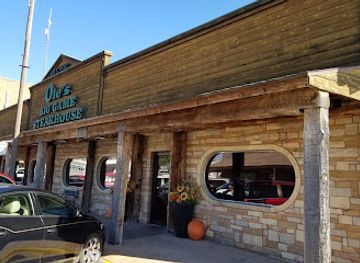
Ole's Big Game Steakhouse & Lounge
Experience the best steak in Nebraska at Ole's Big Game Steakhouse & Lounge - where flavor meets adventure in every bite.
-
Grill
Blue Moose
Experience the heartwarming flavors of American cuisine at Blue Moose in Bertrand, Nebraska - where great food meets friendly faces.
-
American
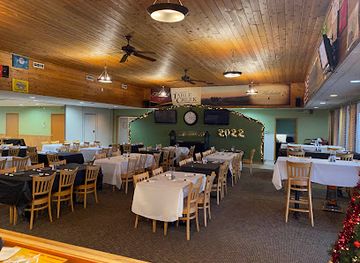
Great Plains Cafe
Experience authentic American cuisine at Great Plains Cafe in Genoa, Nebraska - where every bite tells a story!
-
Restaurant
Pin High Clubhouse & Grill
Discover culinary excellence at Pin High Clubhouse & Grill in Nebraska City - where local flavors meet inviting ambiance.

Best bars in High Plains
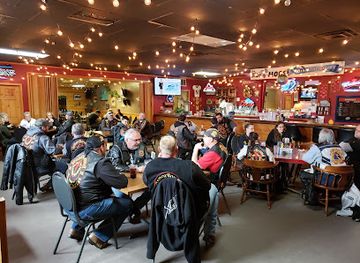
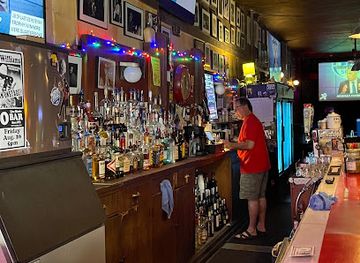
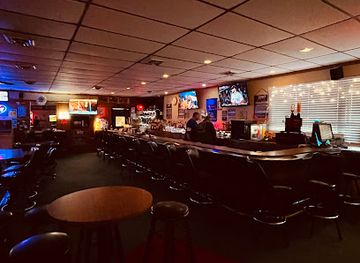
Evening life in the High Plains is concentrated in the larger towns and is generally centred on neighbourhood bars, traditional pubs, restaurants, breweries and occasional live-music venues rather than a large nightclub circuit. Scottsbluff and Gering provide the broadest choice in the western Panhandle, while Alliance, Chadron, Sidney and other county-seat communities have local bars and dining rooms where residents gather. College connections give Chadron a somewhat younger evening atmosphere, although nightlife remains modest compared with Nebraska’s major cities. Rural communities may have seasonal events, county-fair entertainment or community gatherings, but schedules change and should be checked locally. The region’s strongest after-dark experiences are often quieter: sunset over the bluffs, clear skies away from town lights and conversation in an established local bar or restaurant. Arrange transport in advance, especially outside town centres, and remember that drinking and driving is unsafe and illegal.
-
Grill
Buck's Bar and Grill
Experience the lively atmosphere and mouth-watering dishes at Buck's Bar and Grill, the heart of Waterloo's dining and entertainment scene.
-
Cocktail bar
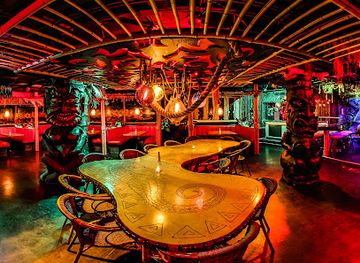
Laka Lono Rum Club
Discover a tropical escape at Laka Lono Rum Club, Omaha's premier cocktail bar known for its vibrant atmosphere and exquisite rum cocktails.
-
Bar
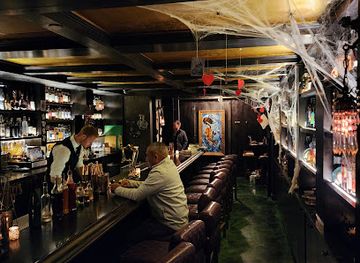
Wicked Rabbit
Discover Wicked Rabbit, a lively bar in downtown Omaha offering unique cocktails and a vibrant atmosphere for nightlife lovers.
-
Brewery
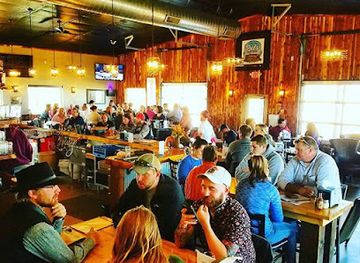
Pals Brewing Company
Experience the finest craft beers and delicious pizzas at Pals Brewing Company in North Platte, the heart of Nebraska's brewing scene.

Best nightclubs in High Plains
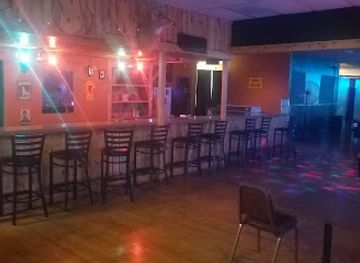
Evening life in the High Plains is concentrated in the larger towns and is generally centred on neighbourhood bars, traditional pubs, restaurants, breweries and occasional live-music venues rather than a large nightclub circuit. Scottsbluff and Gering provide the broadest choice in the western Panhandle, while Alliance, Chadron, Sidney and other county-seat communities have local bars and dining rooms where residents gather. College connections give Chadron a somewhat younger evening atmosphere, although nightlife remains modest compared with Nebraska’s major cities. Rural communities may have seasonal events, county-fair entertainment or community gatherings, but schedules change and should be checked locally. The region’s strongest after-dark experiences are often quieter: sunset over the bluffs, clear skies away from town lights and conversation in an established local bar or restaurant. Arrange transport in advance, especially outside town centres, and remember that drinking and driving is unsafe and illegal.
-
Lounge
Reverb Lounge
Discover Omaha's vibrant nightlife at Reverb Lounge, where live music and great drinks create an unforgettable experience.
-
Bar
Zoo Bar
Discover the energetic vibe of Zoo Bar in Lincoln, where live music meets a friendly atmosphere, perfect for a memorable night out.
-
Grill
Clubhouse Lounge
Experience the perfect blend of grill cuisine and cocktail culture at Clubhouse Lounge in Omaha, a vibrant spot for relaxation and entertainment.
-
Night club
The Platform Strip Club
Experience vibrant performances and exciting nightlife at The Platform Strip Club in Hastings, Nebraska, a top destination for adult entertainment.

Best shops in High Plains
Shopping in the High Plains is concentrated in the main streets and commercial areas of Scottsbluff, Gering, Alliance, Chadron, Sidney and other regional service towns. Expect practical retail, independent clothing and gift shops, bookstores, galleries, western wear, antiques, art and locally themed souvenirs rather than extensive luxury shopping. Museum shops and visitor centres are useful for books on Indigenous history, fossils, geology, overland travel and Nebraska landscapes. Farmers’ markets, seasonal produce stalls and craft fairs may offer baked goods, preserves, meat, handmade items and regional artwork, although dates and availability vary between communities. Western-style boots, hats, leather goods and ranch-inspired clothing are widely associated with the area, but quality and provenance differ, so ask questions before buying. Fossils and archaeological materials should be purchased only from lawful, reputable sellers; visitors must not remove objects from protected land. For food gifts, look for Nebraska-produced beef, grains, honey and other agricultural products while checking customs and import rules before taking them internationally.
-
Shopping mall
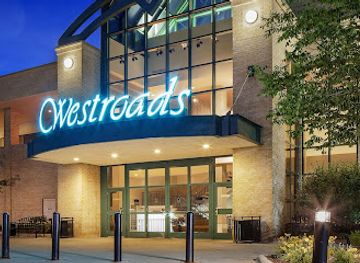
Westroads Mall
Explore Westroads Mall in Omaha, where shopping meets dining and entertainment in a vibrant community hub.
-
Shopping mall
Nebraska Crossing
Discover unbeatable shopping deals at Nebraska Crossing, the ultimate outlet mall experience in Gretna, Nebraska, featuring a variety of stores and delicious dining options.
-
Shopping mall
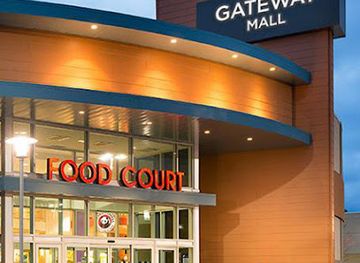
Gateway Mall
Explore Gateway Mall in Lincoln, Nebraska, for an unforgettable shopping experience with diverse stores, entertainment, and dining options.
-
Shopping mall
Village Pointe
Discover Village Pointe, an outdoor shopping oasis in Omaha, featuring diverse shops, dining experiences, and vibrant community events.
Get your free copy of our complete guide to High Plains, delivered straight to you.
Everything on this page, from attractions and restaurants to essentials and local phrases, in one PDF you can read offline, print or share.
Already have an account? Sign in
Your High Plains guide is ready.
We'll send it to · Not you? Sign out

Getting your guide ready…
We are putting together a fresh copy of the High Plains guide. This can take up to a minute.
This can take a few moments. If your browser asks, choose Allow so the download can start. You'll find the guide in your Downloads folder.
Nothing happened? Download it again
Sorry, the guide is taking longer than usual. Please try again in a minute, or get it by email instead.
High Plains essentials
Currency and Payment
Safety
Emergency Situations
Do's and Don'ts
Local Tips
From Eve
Local phrases worth knowing
You don't need to get them perfect. A few words go a long way, and locals appreciate the effort.
Basics
| English | Local | Say it |
|---|---|---|
| Hello | Howdy | [hau-dee] |
| Goodbye | See ya | [see yah] |
| Yes | Yep | [yehp] |
| No | Nope | [nohp] |
| Please/You're welcome | Sure thing | [shur thing] |
| Thank you | Thanks | [thangs] |
| Excuse me/Sorry | Pardon me | [par-dun mee] |
| How are you? | How ya doin'? | [how ya doin'] |
| Fine. And you? | Good. You? | [gud. yoo?] |
| Do you speak English? | Ya speak English? | [ya speek ing-glish?] |
| I don't understand | I ain't followin' | [I aint fol-ow-in'] |
Eating & Drinking
| English | Local | Say it |
|---|---|---|
| I'd like to see the menu, please | Can I see the menu? | [kan I see the men-yoo?] |
| I don't eat meat | I ain't eatin' meat | [I aint eat-in' meat] |
| Cheers! | Cheers! | [cheers] |
| I would like to pay, please | I'd like to settle up | [I'd lik to set-ul up] |
Emergencies
| English | Local | Say it |
|---|---|---|
| Help! | Help! | [help] |
| Go away! | Get lost! | [git lost] |
| Call the Police! | Call the cops! | [call the cops] |
| Call a doctor! | Get a doctor! | [get a doc-tor] |
| I'm lost | I'm turned around | [I'm turned a-round] |
| I'm ill | I'm sick | [I'm sik] |
Shopping
| English | Local | Say it |
|---|---|---|
| I'd like to buy... | I wanna buy... | [I wanna buy...] |
| I'm just looking | Just lookin' | [just look-in'] |
| How much is it? | What's the price? | [whats the price?] |
| That's too expensive | That's pricy | [thats pry-see] |
| Can you lower the price? | Can ya lower the price? | [kan ya low-er the price?] |
Time & Numbers
| English | Local | Say it |
|---|---|---|
| What time is it? | What time ya got? | [what time ya got?] |
| It's one o'clock | It's one | [its wun] |
| Half past (10) | Half past ten | [haf past ten] |
| Morning | Mornin' | [morn-in'] |
| Afternoon | Afternoon | [af-ter-noon] |
| Evening | Evenin' | [eve-nin'] |
| Yesterday | Yesterday | [yes-ter-day] |
| Today | Today | [to-day] |
| Tomorrow | Tomorrow | [to-mor-row] |
| 1 | One | [wun] |
| 2 | Two | [too] |
| 3 | Three | [three] |
| 4 | Four | [for] |
| 5 | Five | [five] |
| 6 | Six | [six] |
| 7 | Seven | [sev-en] |
| 8 | Eight | [ate] |
| 9 | Nine | [nine] |
| 10 | Ten | [ten] |
Transport & Directions
| English | Local | Say it |
|---|---|---|
| Where's a/the...? | Where's a...? | [wheres a...?] |
| What's the address? | What's the address? | [whats the ad-dress?] |
| Can you show me (on the map)? | Can ya point it out? | [can ya point it out?] |
| When's the next (bus)? | When's the next bus? | [wens the next bus?] |
| A ticket (to ....) | A ticket to... | [a tick-it to...] |
History of High Plains
Indigenous Homelands and Ancient Landscapes
The High Plains have been inhabited for thousands of years, and the region remains connected to Indigenous peoples including the Lakota, Cheyenne, Arapaho, Pawnee and other nations. Seasonal movement, hunting, trade and later equestrian cultures shaped relationships with the plains and river valleys. Archaeological evidence records much older communities as well, while the fossil beds around present-day western Nebraska preserve mammals that lived millions of years before people. Visitors should understand the landscape as a lived homeland rather than an empty frontier awaiting settlement.
Overland Trails and Westward Migration
During the nineteenth century, emigrants travelling towards the American West followed routes along the Platte and North Platte river valleys. Chimney Rock and Scotts Bluff became celebrated visual markers for the Oregon, California and Mormon trails, while nearby routes connected travellers with trading posts and river crossings. The journey was difficult, and the surviving landmarks represent only one part of a wider story involving Indigenous displacement, commercial expansion, disease and the transformation of the plains. Trail ruts and interpretive sites still help explain this period.
Military Posts and Frontier Administration
The United States Army established forts and temporary posts across the western plains as federal authority expanded and conflicts intensified during the nineteenth century. Fort Robinson, in the Pine Ridge near Crawford, became one of the region’s most important military installations and later played roles in the confinement of Indigenous people and in the administration of the frontier. Its surviving buildings provide a substantial physical record of military life, although the site’s history also demands attention to the violence and unequal policies associated with westward expansion.
Railroads and the Growth of Towns
Railway construction transformed western Nebraska from a corridor of overland travel into a network of permanent settlements, freight routes and livestock markets. The Union Pacific line across the state encouraged the growth of communities such as Sidney and North Platte, while branch lines helped develop agriculture and ranching in the Panhandle. Rail access brought people, goods and investment, but also accelerated land appropriation and altered established Indigenous economies. Many regional towns retain street plans, depots, museums and commercial buildings that reflect this late nineteenth-century expansion.
Ranching, Homesteading and Agricultural Change
Cattle ranching became central to the High Plains economy, particularly where dry grasslands were less suitable for intensive cultivation. Homesteading brought farms and new communities, while fencing and settlement changed patterns of grazing and mobility. The development of irrigation later expanded crop production in parts of the North Platte Valley and elsewhere, making water management a continuing concern in an arid environment. Today’s mixture of ranches, irrigated fields, feed operations and small towns reflects successive layers of agricultural adaptation rather than a single frontier tradition.
Fossils and the Scientific Record
Western Nebraska is internationally important for palaeontology. The Agate Fossil Beds preserve dense deposits of Miocene mammals, including ancient camel and rhinoceros relatives, and the surrounding region has produced important evidence about prehistoric life on the Great Plains. Fossil discoveries also shaped local scientific and educational institutions, including the legacy of homesteader and collector James Cook at Agate. Geological sites such as Toadstool Geologic Park demonstrate how erosion exposes successive ancient environments beneath the modern grassland.
Modern Water, Conservation and Rural Life
Twentieth-century development brought highways, improved irrigation, mechanised agriculture and changing patterns of rural settlement. The High Plains aquifer supports farming across much of the Great Plains, but its use has raised long-term questions about recharge, drought and competing demands. At the same time, national monuments, wildlife areas and historic sites have preserved representative landscapes and encouraged heritage tourism. Contemporary High Plains Nebraska therefore combines productive agriculture with conservation, scientific research and communities adapting to changing rural economies.
High Plains in Photos
Browse through our photo collection highlighting the charm and character of the destination.
Neighbouring regions of High Plains
The closest regions to High Plains, if you have time for more than one.
-

-
-
-

-


Swipe for more regions
Explore more

Explore more of Nebraska
Discover Nebraska: A blend of rich history, diverse landscapes, and unique attractions in the heartland of America.
Explore Nebraska