

Downtown Lincoln (Lincoln) Travel Guide - Free
Explore Downtown Lincoln in Lincoln with Evendo's free guide. Find the best shops, historic streets, restaurants, and gems on web or mobile.


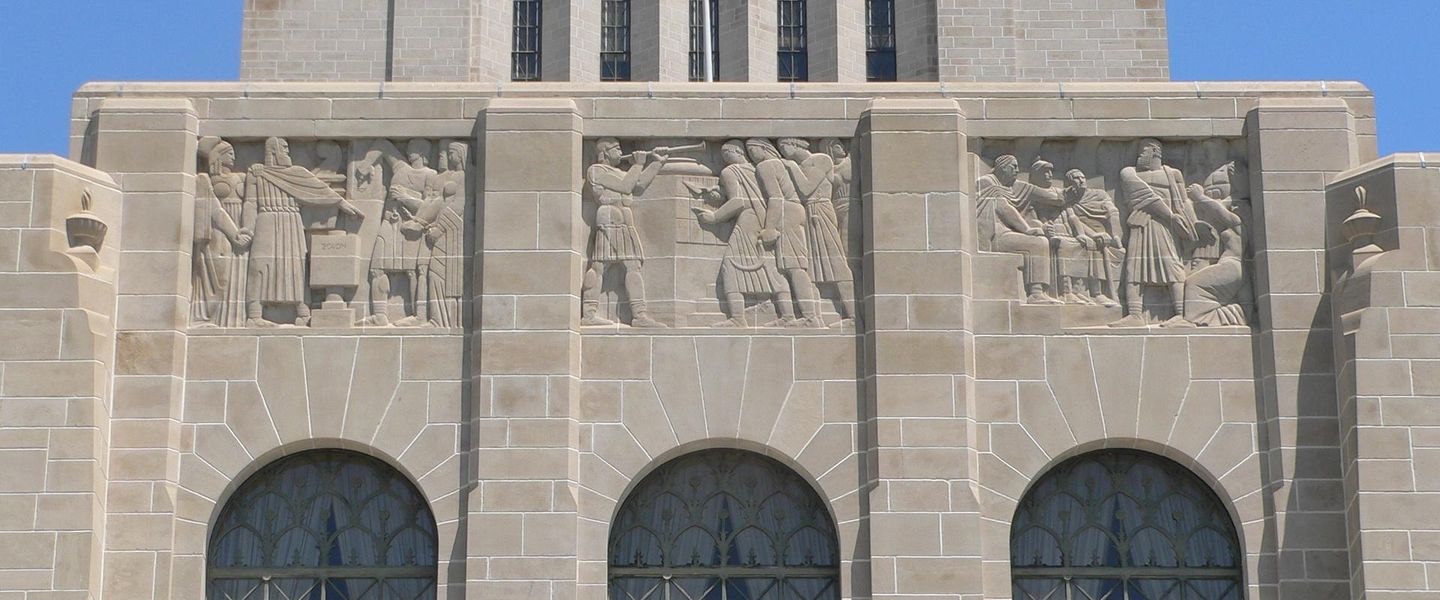


Downtown Lincoln, Nebraska pairs the State Capitol and historic Haymarket with museums, live music, local restaurants, markets and walkable city-centre streets.
A Compact Capital-City Centre
Downtown Lincoln occupies the central urban district of Nebraska’s capital, where the government quarter, historic commercial streets and the Haymarket meet within an easily walkable area. The Nebraska State Capitol rises above the surrounding blocks as the city’s defining landmark, while O Street and its neighbouring streets combine offices, independent businesses, restaurants, bars and cultural venues. The district feels more like a working regional capital than a resort-style centre: weekday activity is shaped by government, business and the University of Nebraska–Lincoln, while evenings bring diners, music audiences and sports crowds.Read more about Downtown Lincoln
History in the Streets
Culture, Food and Evening Life
Best attractions in Downtown Lincoln
Downtown Lincoln’s principal attractions are concentrated around the civic and historic centre. The Nebraska State Capitol offers guided and self-guided opportunities to see its monumental exterior, tower, mosaics and legislative interiors, while the Nebraska History Museum interprets the state’s past through exhibitions and collections. Nearby, the Sheldon Museum of Art presents American art in a modern building on the University of Nebraska–Lincoln campus. The Haymarket provides a different kind of sightseeing, with converted warehouses, public art, seasonal market activity, restaurants and event spaces occupying the former rail and wholesale quarter. Visitors can also follow downtown’s public art and historic-building details along the street grid, then continue west towards the wider Haymarket and arena district, noting that some newer venues sit at the edge of the traditional downtown rather than in its older civic core.
-
Park
Sunken Gardens
Explore the serene beauty of Sunken Gardens in Lincoln, Nebraska, where vibrant floral displays and tranquil paths create a perfect escape into nature.
6 min drive · 1.9 km from neighbourhood centre
-
Children's museum
Lincoln Children's Museum
Embark on an unforgettable journey of discovery at the Lincoln Children's Museum, where imagination meets education in a playful environment.
5 min walk · 0.4 km from neighbourhood centre
-
Historical place
Historic Haymarket
Explore the historic charm of Haymarket in Lincoln, Nebraska, where culture, shopping, and dining converge in a vibrant atmosphere.
8 min walk · 0.7 km from neighbourhood centre
-
 State government office
Nebraska State Capitol
Explore the architectural beauty and historical significance of the Nebraska State Capitol in Lincoln, a must-visit destination for all tourists.
6 min walk · 0.5 km from neighbourhood centre


Best landmarks in Downtown Lincoln
The Nebraska State Capitol is Downtown Lincoln’s defining landmark, its tall tower, dome and sculptural decoration rising above the city grid and expressing Nebraska’s twentieth-century civic ambitions. The building’s interior mosaics and artworks draw on themes from state history, agriculture, Indigenous cultures and government. In the Haymarket, the landmark quality is collective: brick warehouses, former commercial buildings and the retained railway setting recall Lincoln’s nineteenth-century trading economy. The Haymarket’s historic character is complemented by the nearby Lincoln Station, whose rail connection preserves the area’s long relationship with passenger and freight movement. Downtown’s cultural landmarks include the Sheldon Museum of Art and the Nebraska History Museum, which give the district an institutional dimension beyond restaurants and nightlife. Together, these places show how state administration, railway commerce, education and cultural preservation shaped the centre.
-
Historical place
Historic Haymarket
Experience the vibrant blend of history and culture at Historic Haymarket, Lincoln's charming district of shops, eateries, and seasonal events.
8 min walk · 0.7 km from neighbourhood centre
-
Museum
Nebraska History Museum
Discover the rich heritage of Nebraska at the Nebraska History Museum in Lincoln, a captivating journey through time and culture.
4 min walk · 0.3 km from neighbourhood centre
-
Historical landmark
Mueller Tower
Discover the historical charm of Mueller Tower in Lincoln, Nebraska, a symbol of educational heritage and architectural beauty.
11 min walk · 0.9 km from neighbourhood centre
-
Historical place
Lincoln Statue
Explore the Lincoln Statue in downtown Nebraska, a historical site celebrating the legacy of Abraham Lincoln and American democracy.
6 min walk · 0.5 km from neighbourhood centre


Explore Downtown Lincoln on the map
A handpicked selection of must-see spots in Downtown Lincoln, mapped for you.
Best hotels in Downtown Lincoln
Best restaurants in Downtown Lincoln
Downtown Lincoln has one of the city’s broadest concentrations of dining, with the strongest clusters around O Street and the Haymarket. Menus range from contemporary American cooking and Nebraska-sourced ingredients to Indian, Mediterranean, Asian and Italian influences, alongside burgers, pizza, cafés and bakeries suited to a quick daytime stop. The Haymarket’s repurposed warehouses provide much of the district’s restaurant atmosphere, while quieter side streets offer independent dining rooms and coffee shops away from the busiest event routes. Recognisable local venues include LeadBelly, Blue Orchid and The Oven, although the central scene changes over time and individual openings should be checked before visiting. The area is particularly convenient for combining dinner with a performance at Bourbon Theatre, a civic event or a University of Nebraska fixture, but event nights can make reservations and parking more important.
-
American
Buzzard Billy's
Experience the best of American and Creole cuisine at Buzzard Billy's in downtown Lincoln - where flavor meets fun!
9 min walk · 0.7 km from neighbourhood centre
-
American
LeadBelly
Discover LeadBelly in Downtown Lincoln: where innovative American cuisine meets a vibrant bar atmosphere perfect for family gatherings or casual nights out.
10 min walk · 0.8 km from neighbourhood centre
-
Restaurant
The Green Gateau
Experience culinary excellence at The Green Gateau in Lincoln—where every meal is a masterpiece waiting to be savored.
5 min walk · 0.4 km from neighbourhood centre
-
Mediterranean
Sultan's Kite
Experience authentic Mediterranean cuisine at Sultan's Kite in Lincoln - where fast food meets flavorful tradition.
2 min walk · 0.1 km from neighbourhood centre


Best bars in Downtown Lincoln
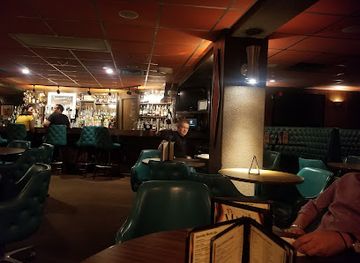
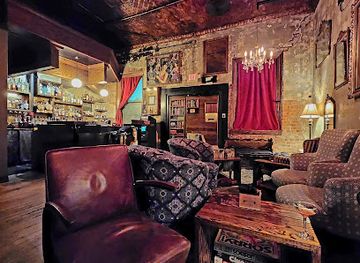
Downtown Lincoln’s nightlife is centred on bars, live music and event-led evenings rather than a large nightclub strip. The Haymarket and adjoining O Street blocks contain sports bars, beer-focused venues, cocktail rooms and casual gathering places, with crowds increasing before concerts and University of Nebraska events. Bourbon Theatre is a key live-music venue in the downtown area, presenting touring and local acts in a restored historic setting, while Duffy’s Tavern has long been associated with informal music and bar culture. Other venues, including The Other Room and bars around the Haymarket, contribute to a varied evening circuit. Lincoln’s nightlife remains relatively compact, so visitors can move between dinner, music and drinks on foot, while remembering that opening arrangements, age limits and event access vary by venue.
-
Bar
Zoo Bar
Discover the lively Zoo Bar in Lincoln, Nebraska, where great drinks, live music, and a welcoming atmosphere create unforgettable nights out.
4 min walk · 0.3 km from neighbourhood centre
-
Lounge
Starlite Lounge & Banquet Room
Discover the Starlite Lounge & Banquet Room in Lincoln, a vibrant cocktail bar and banquet hall perfect for any occasion.
9 min walk · 0.8 km from neighbourhood centre
-
Bar
Tavern On the Square
Discover the lively Tavern On the Square in Lincoln, NE, a perfect spot for brunch, drinks, and live music in the heart of the historic Haymarket.
8 min walk · 0.7 km from neighbourhood centre
-
Bar
The Other Room
Discover the vibrant cocktail culture at The Other Room, Lincoln's premier bar and lounge offering expertly crafted drinks and an inviting atmosphere.
8 min walk · 0.7 km from neighbourhood centre


Best nightclubs in Downtown Lincoln
Downtown Lincoln’s nightlife is centred on bars, live music and event-led evenings rather than a large nightclub strip. The Haymarket and adjoining O Street blocks contain sports bars, beer-focused venues, cocktail rooms and casual gathering places, with crowds increasing before concerts and University of Nebraska events. Bourbon Theatre is a key live-music venue in the downtown area, presenting touring and local acts in a restored historic setting, while Duffy’s Tavern has long been associated with informal music and bar culture. Other venues, including The Other Room and bars around the Haymarket, contribute to a varied evening circuit. Lincoln’s nightlife remains relatively compact, so visitors can move between dinner, music and drinks on foot, while remembering that opening arrangements, age limits and event access vary by venue.
-
Bar
Zoo Bar
Discover the vibrant nightlife at Zoo Bar in Lincoln, Nebraska, where great drinks and live music create an unforgettable experience for every visitor.
4 min walk · 0.3 km from neighbourhood centre
-
Lounge
Starlite Lounge & Banquet Room
Discover the vibrant nightlife at Starlite Lounge & Banquet Room in Lincoln, where unique cocktails meet unforgettable experiences.
9 min walk · 0.8 km from neighbourhood centre
-
Bar
The Other Room
Experience Lincoln's vibrant nightlife at The Other Room, a premier cocktail bar known for its innovative drinks and stylish ambiance.
8 min walk · 0.7 km from neighbourhood centre
-
Night club
Duffy's Tavern
Experience the vibrant nightlife at Duffy's Tavern, an Irish pub and live music venue in Lincoln, NE, perfect for food lovers and sports fans alike.
3 min walk · 0.2 km from neighbourhood centre


Best shops in Downtown Lincoln
Shopping in Downtown Lincoln is concentrated in independent businesses, specialist retailers, galleries and event-oriented spaces rather than a single enclosed shopping centre. The Haymarket’s converted commercial buildings offer boutiques, gifts, art-related retail and locally focused products, while O Street and nearby blocks add books, clothing, records, food and everyday services. The Lincoln Farmers’ Market, held seasonally in the Haymarket, brings Nebraska growers, makers and prepared-food vendors into the historic district when in operation. Visitors interested in local design and art can also browse around the Sheldon Museum of Art and other cultural venues, subject to current opening arrangements. Retail patterns change more quickly than the historic architecture, so the pleasure of shopping here lies in combining a few independent stops with the district’s restaurants, galleries and public spaces rather than expecting a continuous high-street selection.
-
Gift shop
Bodhi Imports
Explore Bodhi Imports, where unique gifts from local artists come together in a charming Lincoln, Nebraska gift shop for your perfect souvenir.
5 min drive · 1.8 km from neighbourhood centre
-
Gift shop
From Nebraska Gift Shop
Explore a unique blend of local gifts, artisanal foods, and fine wines at From Nebraska Gift Shop in Lincoln, where local culture comes alive.
9 min walk · 0.7 km from neighbourhood centre
-
Gift shop
Ten Thousand Villages
Explore Ten Thousand Villages for unique, fair trade gifts that support global artisans and promote ethical consumerism in Lincoln, Nebraska.
8 min walk · 0.7 km from neighbourhood centre
-
Gift shop
3 Daughters Boutique
Explore 3 Daughters Boutique in Downtown Lincoln for unique women's clothing and charming gifts that capture the essence of local style.
10 min walk · 0.8 km from neighbourhood centre


Downtown Lincoln essentials
Getting There
Getting Around
Safety
Emergency Situations
Do's and Don'ts
Local Tips

From Eve
Local phrases worth knowing
You don't need to get them perfect. A few words go a long way, and locals appreciate the effort.
Basics
| English | Local | Say it |
|---|---|---|
| Hello | Hey | [hey] |
| Goodbye | See ya | [see ya] |
| Yes | Yup | [yup] |
| No | Nah | [nah] |
| Please/You're welcome | Please/No problem | [please/no problem] |
| Thank you | Thanks | [thanks] |
| Excuse me/Sorry | Pardon me/My bad | [pardon me/my bad] |
| How are you? | How ya doin'? | [how ya doin] |
| Fine. And you? | Good. You? | [good. you] |
| Do you speak English? | Ya speak English? | [ya speak English] |
| I don't understand | I don't get it | [I don't get it] |
Eating & Drinking
| English | Local | Say it |
|---|---|---|
| I'd like to see the menu, please | Can I see the menu? | [can I see the menu] |
| I don't eat meat | I'm vegetarian | [I'm vegetarian] |
| Cheers! | Cheers! | [cheers] |
| I would like to pay, please | Check, please | [check, please] |
Emergencies
| English | Local | Say it |
|---|---|---|
| Help! | Help! | [help] |
| Go away! | Leave me alone! | [leave me alone] |
| Call the Police! | Call the cops! | [call the cops] |
| Call a doctor! | Get a doctor! | [get a doctor] |
| I'm lost | I'm lost | [I'm lost] |
| I'm ill | I'm sick | [I'm sick] |
Shopping
| English | Local | Say it |
|---|---|---|
| I'd like to buy... | I wanna buy... | [I wanna buy] |
| I'm just looking | Just browsing | [just browsing] |
| How much is it? | How much? | [how much] |
| That's too expensive | Too pricey | [too pricey] |
| Can you lower the price? | Can you do any better? | [can you do any better] |
Time & Numbers
| English | Local | Say it |
|---|---|---|
| What time is it? | What time is it? | [what time is it] |
| It's one o'clock | It's one | [it's one] |
| Half past (10) | Half past ten | [half past ten] |
| Morning | Morning | [morning] |
| Afternoon | Afternoon | [afternoon] |
| Evening | Evening | [evening] |
| Yesterday | Yesterday | [yesterday] |
| Today | Today | [today] |
| Tomorrow | Tomorrow | [tomorrow] |
| 1 | One | [one] |
| 2 | Two | [two] |
| 3 | Three | [three] |
| 4 | Four | [four] |
| 5 | Five | [five] |
| 6 | Six | [six] |
| 7 | Seven | [seven] |
| 8 | Eight | [eight] |
| 9 | Nine | [nine] |
| 10 | Ten | [ten] |
Transport & Directions
| English | Local | Say it |
|---|---|---|
| Where's a/the...? | Where's the...? | [where's the] |
| What's the address? | What's the address? | [what's the address] |
| Can you show me (on the map)? | Can you show me? | [can you show me] |
| When's the next (bus)? | When's the next one? | [when's the next one] |
| A ticket (to ....) | One ticket (to ...) | [one ticket (to)] |
History of Downtown Lincoln
A New Capital on the Prairie
Lincoln was founded in 1856 as Lancaster, a settlement associated with salt-making and farming, and was renamed when it became Nebraska’s capital in 1867. The decision transformed the area from a small county settlement into the administrative centre of the newly organised state. A planned street grid, public buildings and commercial premises followed, establishing the broad downtown framework still visible today. State government created a steady concentration of employment and investment, while the surrounding businesses supplied officials, residents and travellers. The capital’s location near the emerging rail network also helped Lincoln develop beyond its original agricultural role.
Railways and the Haymarket
Rail connections in the late nineteenth century strengthened downtown Lincoln’s position as a commercial and distribution centre. West of the civic core, the area now known as the Haymarket grew around railway sidings, freight movement, produce trading and wholesale businesses. Warehouses and brick commercial buildings reflected this working landscape, while nearby streets accommodated hotels, shops and services. The district’s name recalls its market function, and its surviving building stock provides a physical link to the period when rail transport shaped the city’s economy. As road freight and changing retail patterns reduced the importance of the old market area, many buildings lost their original industrial purpose.
The Capitol Takes Shape
Nebraska’s first permanent capitol buildings were replaced as the state government expanded, culminating in the present Nebraska State Capitol, constructed between 1922 and 1932 to designs by Bertram Grosvenor Goodhue and his associates. Its distinctive tower-and-dome composition broke with the low-rise character of much of the city and gave Lincoln a powerful civic landmark. Interior mosaics, sculpture and decorative programmes express themes from Nebraska’s Indigenous, agricultural and political history, although visitors should understand them within the era in which the building was designed. The Capitol remains both a working seat of government and the visual anchor of downtown.
Preservation and Downtown Renewal
During the twentieth century, changing shopping habits, suburban development and the growing dominance of the car put pressure on older central-city districts. Lincoln’s downtown response included preservation of historic buildings, investment in cultural institutions and the rehabilitation of the Haymarket’s warehouse fabric. The area evolved from a declining freight and wholesale quarter into a mixed district of restaurants, galleries, offices, events and nightlife. Later redevelopment around the university, the West Haymarket and Pinnacle Bank Arena extended downtown activity westwards, while the original civic and commercial core retained its role in state administration and city life.
Downtown Lincoln in Photos
Browse through our photo collection highlighting the charm and character of the destination.
Neighbourhoods near Downtown Lincoln
The closest neighbourhoods to Downtown Lincoln, if you have time for more than one stop.

Swipe for more neighbourhoods
Explore more

Explore more of Lincoln
Lincoln, Nebraska blends prairie-rooted history, the Nebraska State Capitol, lively Haymarket culture, museums, gardens and welcoming local experiences in a walkable city.
Explore Lincoln