

Platte River State Park Travel Guide - Free Web & App
Your ultimate guide to Platte River State Park. Discover top landmarks, proposed trips, and local tips. Free on the web or via the Evendo companion app.


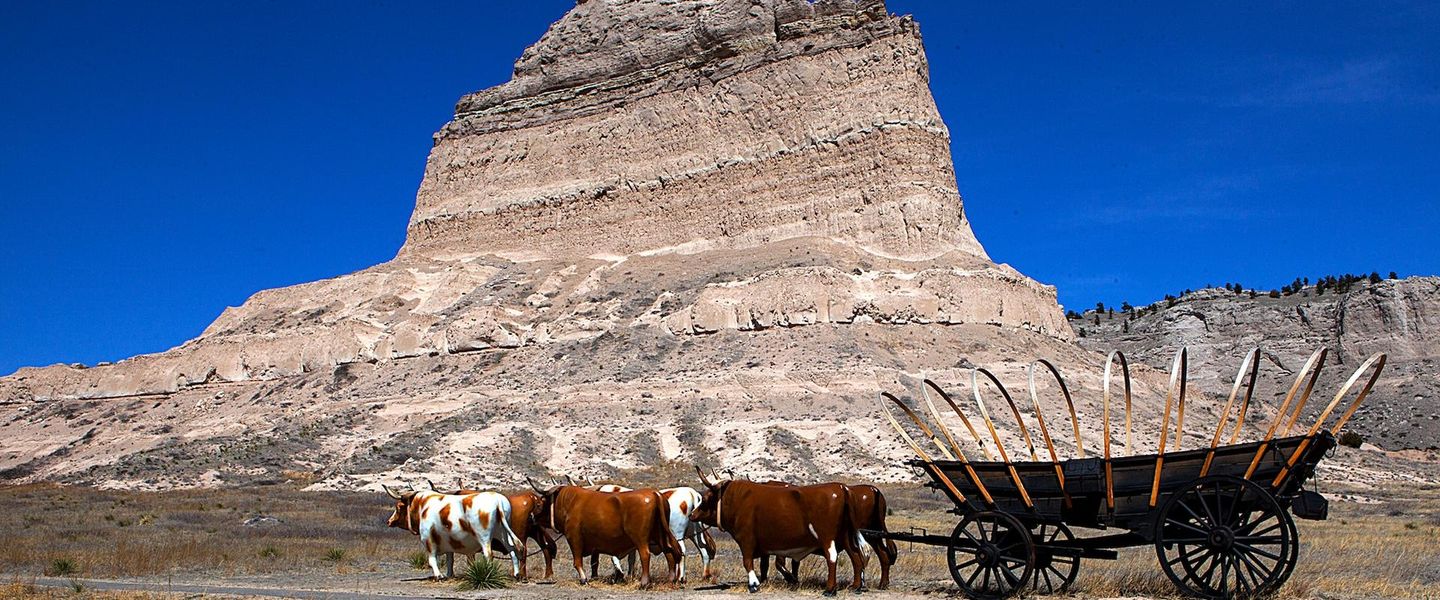


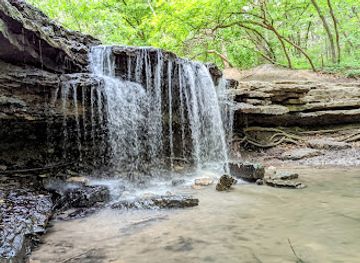
Explore Platte River State Park in Nebraska – a haven for nature enthusiasts with scenic trails, lush forests, waterfalls, and family-friendly activities.
Read more about Platte River State Park
When is the best time to visit Platte River State Park?
Best: May, September–October · 18–25°C| Month | High (°C) | Rainfall (mm) |
|---|---|---|
| January | 3 | 25 |
| February | 6 | 25 |
| March | 12 | 41 |
| April | 17 | 66 |
| May (best) | 23 | 91 |
| June | 28 | 102 |
| July | 31 | 102 |
| August | 29 | 91 |
| September (best) | 25 | 66 |
| October (best) | 18 | 51 |
| November | 11 | 25 |
| December | 3 | 25 |
Getting to and around Platte River State Park
How to get there
Transportation
Best attractions in Platte River State Park
Platte River State Park offers a blend of natural beauty and historical charm, making it a must-visit destination for all types of travelers. From hiking trails that wind through lush forests to picturesque picnic areas overlooking the tranquil river, visitors can immerse themselves in the great outdoors. History buffs will appreciate the park's historic cabins and the opportunity to learn about the area's fascinating past. For those seeking adventure, the park also offers opportunities for fishing, swimming, and camping, ensuring there is something for everyone to enjoy.

Explore Platte River State Park on the map
Plan your trip on one map. See where the top attractions, landmarks, restaurants and hotels are, and book hotels and experiences in a few clicks.
Best hotels in Platte River State Park
Best bars in Platte River State Park
While Platte River State Park may be known for its natural beauty and outdoor activities, visitors will be pleasantly surprised by the vibrant nightlife scene it has to offer. From cozy bars with live music to lively nightclubs where you can dance the night away, there is something for everyone. Enjoy local craft beers, delicious cocktails, and a friendly atmosphere as you mingle with locals and other travelers. Whether you're looking for a laid-back evening or a night of excitement, Platte River State Park has it all.
Best shops in Platte River State Park
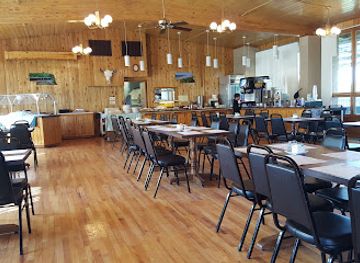
Visitors to Platte River State Park can enjoy a unique shopping experience that combines local artisan crafts with outdoor adventure gear. From handcrafted pottery and jewelry to hiking and camping equipment, the shopping scene offers something for everyone. Explore charming boutiques and specialty stores that showcase the best of Nebraska's craftsmanship and outdoor lifestyle. Don't miss the opportunity to take home a one-of-a-kind souvenir that captures the spirit of this picturesque park.
Get your free copy of our complete guide to Platte River State Park, delivered straight to you.
Everything on this page, from attractions and restaurants to essentials and local phrases, in one PDF you can read offline, print or share.
Already have an account? Sign in
Your Platte River State Park guide is ready.
We'll send it to · Not you? Sign out

Getting your guide ready…
We are putting together a fresh copy of the Platte River State Park guide. This can take up to a minute.
This can take a few moments. If your browser asks, choose Allow so the download can start. You'll find the guide in your Downloads folder.
Nothing happened? Download it again
Sorry, the guide is taking longer than usual. Please try again in a minute, or get it by email instead.
Platte River State Park essentials
Currency and Payment
Safety
Emergency Situations
Do's and Don'ts
Local Tips
From Eve
Local phrases worth knowing
You don't need to get them perfect. A few words go a long way, and locals appreciate the effort.
Basics
| English | Local | Say it |
|---|---|---|
| Hello | Howdy | [haw-dee] |
| Goodbye | So long | [soh lawng] |
| Yes | Yup | [yuhp] |
| No | Nope | [nohp] |
| Please/You're welcome | Please/No worries | [pleez/noh wur-eez] |
| Thank you | Thanks a heap | [thaynks uh heep] |
| Excuse me/Sorry | Pardon me/Sorry 'bout that | [pahr-dun mee/sawr-ee bowt that] |
| How are you? | Howdy | [haw-dee] |
| Fine. And you? | Jest fine. How 'bout you? | [jest fahyn. how bowt yuh?] |
| Do you speak English? | Y'all speak English? | [yawl speak ing-glish?] |
| I don't understand | I'm plumb lost | [ahm pluhm lost] |
Eating & Drinking
| English | Local | Say it |
|---|---|---|
| I'd like to see the menu, please | Kin I take a gander at the grub, please | [kin eye tayk uh gan-der at the gruhb, pleez] |
| I don't eat meat | I don't eat critters | [ah dohnt eet crit-ters] |
| Cheers! | Bottoms up! | [bah-tuhms up] |
| I would like to pay, please | I reckon I'll settle up, please | [ah rek-uhn ahl set-l up, pleez] |
Emergencies
| English | Local | Say it |
|---|---|---|
| Help! | Heck! | [hek] |
| Go away! | Git outta here! | [git out-uh heer] |
| Call the Police! | Send for the Sheriff! | [send fohr the sher-iff] |
| Call a doctor! | Fetch the Doc! | [fetch the dok] |
| I'm lost | I'm turned around | [ahm turnd uh-round] |
| I'm ill | I ain't feelin' right | [ahnt feel-in rahyt] |
Shopping
| English | Local | Say it |
|---|---|---|
| I'd like to buy... | I'm fixin' to buy... | [ahm fik-sin tuh bahy] |
| I'm just looking | I'm just browsin' | [ahm just brow-zin] |
| How much is it? | How much fer that? | [how much fur that] |
| That's too expensive | That's highfalutin' | [thatz hahy-fuh-lootin] |
| Can you lower the price? | Y'can do better on the price? | [y'kan doh bet-tur on the price] |
Time & Numbers
| English | Local | Say it |
|---|---|---|
| What time is it? | What's the time o' day? | [whuts the tahym oh day] |
| It's one o'clock | It's one o' the clock | [its wuhn oh the klok] |
| Half past (10) | Half past ten | [haf past ten] |
| Morning | Mornin' | [morn-in] |
| Afternoon | Afternoon | [af-tur-noon] |
| Evening | Evenin' | [even-in] |
| Yesterday | Yest'day | [yest-day] |
| Today | Today | [toh-day] |
| Tomorrow | Morrow | [moh-row] |
| 1 | One | [wuhn] |
| 2 | Two | [too] |
| 3 | Three | [three] |
| 4 | Four | [fawr] |
| 5 | Five | [fahyv] |
| 6 | Six | [siks] |
| 7 | Seven | [sev-uhn] |
| 8 | Eight | [ayt] |
| 9 | Nine | [nine] |
| 10 | Ten | [ten] |
Transport & Directions
| English | Local | Say it |
|---|---|---|
| Where's a/the...? | Where's the...at? | [wheres the...at] |
| What's the address? | What's the location? | [whuts the loh-kay-shun] |
| Can you show me (on the map)? | Can y'all point it out (on the map)? | [can yawl point it owt on the map] |
| When's the next (bus)? | When's the next stagecoach? | [whens the next stayj-coach] |
| A ticket (to ....) | A ticket (fer ....) | [a ticket fur] |
History of Platte River State Park
Indigenous Heritage
Long before European settlers arrived, the area now known as Platte River State Park was home to various indigenous tribes, including the Pawnee and the Otoe-Missouria. These tribes relied on the fertile plains and the Platte River for sustenance, engaging in hunting, fishing, and farming. The river was not only a crucial resource but also a spiritual and cultural landmark for these communities.
The Oregon Trail
In the mid-19th century, the Platte River Valley became a vital corridor for westward expansion. The Oregon Trail, which passed through this region, was a critical route for pioneers heading to the western United States. Platte River State Park's landscape still bears traces of these historic journeys, with wagon ruts and campsites providing tangible links to this era of American history.
Railroad Expansion
The advent of the transcontinental railroad in the late 1800s marked another significant chapter in the history of Platte River State Park. The Union Pacific Railroad, which ran parallel to the Platte River, brought an influx of settlers, commerce, and industry to the area. The railroad not only transformed transportation but also spurred economic development in Nebraska and the surrounding regions.
Creation of the Park
Platte River State Park was officially established in 1982, combining two former state recreation areas: Camp Harriet Harding and Camp Esther K. Newman. The park was developed to preserve the natural beauty of the region and provide recreational opportunities for visitors. Today, it spans over 500 acres and offers a variety of outdoor activities, including hiking, fishing, and camping.
Natural Disasters and Conservation Efforts
Over the years, Platte River State Park has faced numerous challenges from natural disasters such as floods and tornadoes. These events have prompted ongoing conservation and restoration efforts to preserve the park's ecological integrity. Initiatives include habitat restoration projects, wildlife conservation programs, and measures to protect the Platte River's water quality.
Cultural and Educational Programs
Platte River State Park is not just a hub for outdoor recreation; it also serves as a center for cultural and educational activities. The park hosts various programs that celebrate the history and natural heritage of the region, including guided nature walks, historical reenactments, and educational workshops. These programs aim to enrich visitors' understanding of the park's historical significance and environmental importance.
Platte River State Park in Photos
Browse through our photo collection highlighting the charm and character of the destination.
Neighbouring destination travel guides
The closest destinations to Platte River State Park, if you have time for more than one.
-

-
 Loess Hills
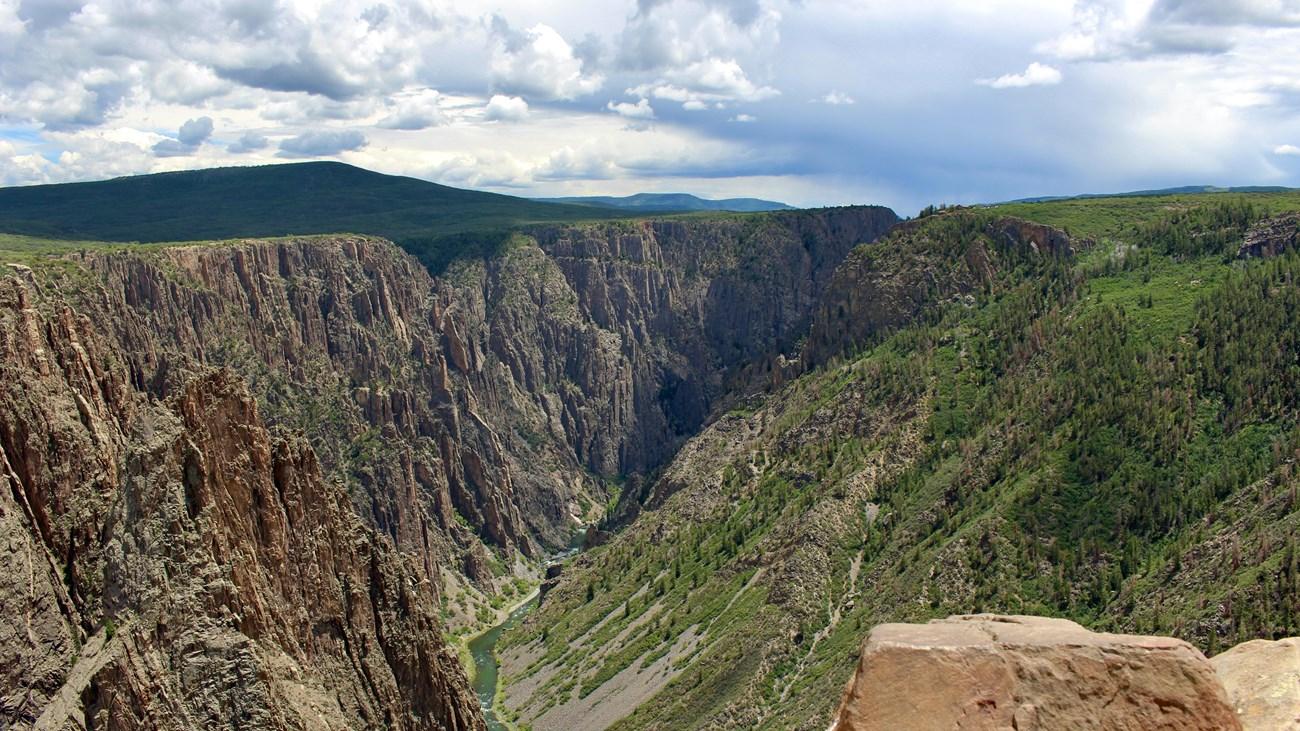
Discover the Loess Hills in Iowa: A breathtaking landscape of wind-blown silt hills perfect for hiking, bird-watching, and exploring the rich biodiversity and cultural history.
Loess Hills
Discover the Loess Hills in Iowa: A breathtaking landscape of wind-blown silt hills perfect for hiking, bird-watching, and exploring the rich biodiversity and cultural history.
-

-

-


Swipe for more destinations
Explore more
Explore more of Dissected Till Plains
Discover the serene beauty and rich history of Nebraska's Dissected Till Plains, a perfect blend of nature, culture, and adventure.
Explore Dissected Till Plains
Explore more of Nebraska
Discover Nebraska: A blend of rich history, diverse landscapes, and unique attractions in the heartland of America.
Explore Nebraska