

Free Amersfoort Travel Guide & Mobile App
Plan your Amersfoort trip with Evendo. Get free guides to top attractions, restaurants, hotels, and bars. Web access or download the mobile app.


Amersfoort, Netherlands, pairs a medieval walled centre with canals, museums, cafés and cycling-friendly streets for thoughtful culture and easy sightseeing.
A Medieval Centre by the Eem
Amersfoort stands in the province of Utrecht, where the Eem leaves the higher sandy grounds of the eastern Netherlands and flows towards the former Zuiderzee. Its compact historic centre retains an unusually complete sense of a medieval trading town: defensive walls, narrow lanes, canals and old merchants' houses converge around the broad Hof square. Above them rises the Onze Lieve Vrouwetoren, one of the Netherlands' tallest medieval church towers and the city's most recognisable landmark.Read more about Amersfoort
Streets Shaped by Trade and Craft
Culture, Green Space and Contemporary Life
When is the best time to visit Amersfoort?
Best: June–August · 21–23°C| Month | High (°C) | Rainfall (mm) |
|---|---|---|
| January | 6 | 60 |
| February | 6 | 50 |
| March | 9 | 45 |
| April | 12 | 40 |
| May | 17 | 45 |
| June (best) | 21 | 50 |
| July (best) | 23 | 50 |
| August (best) | 23 | 50 |
| September | 19 | 45 |
| October | 14 | 50 |
| November | 10 | 55 |
| December | 7 | 60 |
Getting to and around Amersfoort
How to get there
Transportation
Best attractions in Amersfoort
Amersfoort's compact centre rewards exploration on foot, beginning at the Hof, the broad square overlooked by the Onze Lieve Vrouwetoren and lined with historic façades, cafés and terraces. The Koppelpoort is the city's most distinctive surviving gate, combining a road passage with a water entrance, while Muurhuizen traces the former defensive ring through a sequence of old houses and quiet corners. Museum Flehite presents the history and visual culture of Amersfoort, and the Mondriaan House occupies the birthplace of Piet Mondrian, introducing the artist's early years and development. Kunsthal KAdE brings contemporary art and design to the Eemhaven area, where former industrial surroundings have acquired a cultural role. Families may explore DierenPark Amersfoort on the city's western side, while the riverfront, parks and cycle routes towards the Eemland provide a gentler counterpoint to the dense historic core.
-
-
Tourist attraction
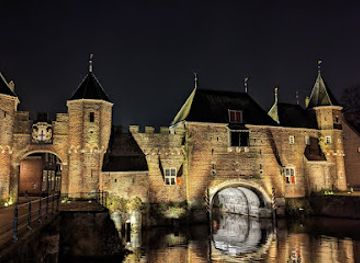
Koppelpoort
Explore Koppelpoort, Amersfoort’s stunning medieval gate, a symbol of rich history and picturesque views in the heart of the Netherlands.
13 min walk · 1.1 km from city centre
-
Castle
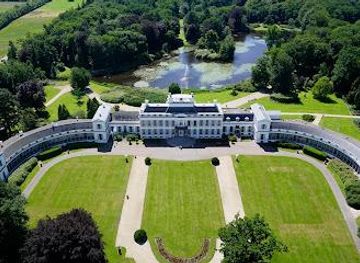
Soestdijk Palace
Explore the majestic Soestdijk Palace in Baarn, a captivating blend of royal history, stunning architecture, and beautiful gardens waiting for your discovery.
25 min drive · 8.4 km from city centre
-
Tourist attraction
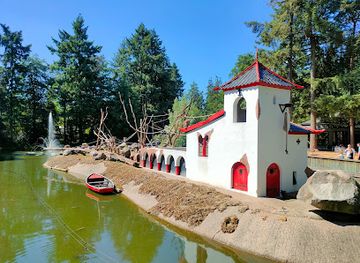
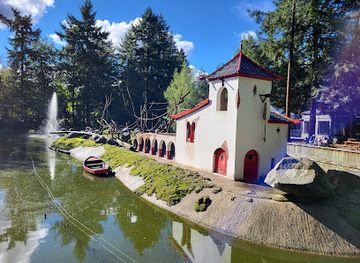
Park Schothorst
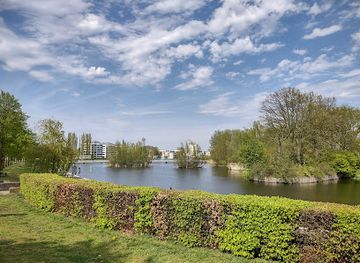
Explore the serene beauty of Park Schothorst in Amersfoort—an idyllic park for relaxation, picnics, and outdoor activities amidst nature's splendor.
10 min drive · 3.2 km from city centre
Best landmarks in Amersfoort
The Onze Lieve Vrouwetoren dominates Amersfoort's skyline, rising from the centre as the surviving tower of a church destroyed by a gunpowder explosion in 1787; its height has made it a long-standing civic marker and navigation point. At the eastern edge of the old town, the Koppelpoort demonstrates the city's medieval defensive ingenuity, with passages for both road traffic and the Eem's waterway. Muurhuizen follows the first city wall and presents one of the clearest examples of Amersfoort's fortifications being absorbed into domestic architecture. The Hof and its surrounding buildings form the historic civic heart, while the Sint-Joriskerk reflects the religious and urban importance of the square. The distinctive Onze Lieve Vrouwekerkhof and surviving canals further reveal how medieval planning shaped the city seen today.
-
Zoo
DierenPark Amersfoort
Discover DierenPark Amersfoort, a unique zoo where wildlife conservation meets family-friendly fun in a stunning natural setting.
7 min drive · 2.2 km from city centre
-
Historical landmark
Koppelpoort
Discover Koppelpoort, Amersfoort's iconic medieval gate, a stunning historical landmark rich in culture and surrounded by picturesque scenery.
13 min walk · 1.1 km from city centre
-
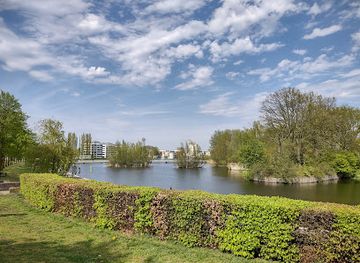
Park
Park Schothorst
Discover the tranquility of Park Schothorst in Amersfoort, a perfect blend of nature and outdoor leisure for every tourist.
10 min drive · 3.2 km from city centre
-
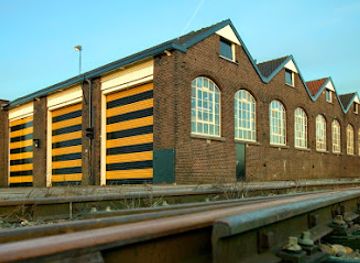
Event venue
De Rijtuigenloods
Discover the historic De Rijtuigenloods in Amersfoort, a versatile event venue blending rich culture with modern amenities, perfect for all occasions.
12 min walk · 1.0 km from city centre

Explore Amersfoort on the map
Plan your Amersfoort trip on one map. See where the top attractions, landmarks, restaurants, bars and hotels are, find what's near where you're staying, and book hotels and experiences in a few clicks.
Best hotels in Amersfoort
Best restaurants in Amersfoort
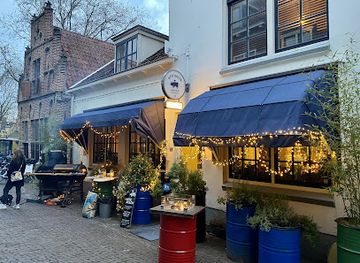
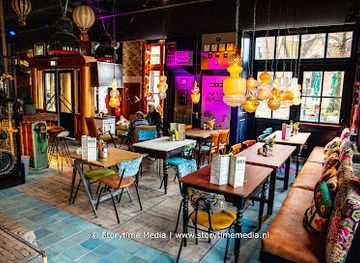
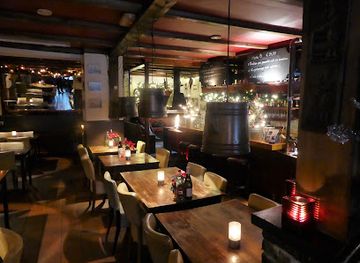
Amersfoort's dining scene combines Dutch café culture with contemporary restaurants, bakeries, international kitchens and small independent places around the Hof, Langestraat, Krommestraat and Eemkwartier. Traditional Dutch tastes appear in bread, cheese, apple tart, herring and seasonal dishes, while the surrounding province of Utrecht supplies dairy, vegetables and other regional produce. The city is well suited to a relaxed café lunch or coffee stop between museums, with the historic centre providing much of the street life and the Eem area offering a more modern setting. Markets and specialist food shops are useful for picking up cheese, bread and Dutch sweets, although market schedules vary. Menus increasingly reflect the Netherlands' international population, so visitors will find Indonesian, Mediterranean, Middle Eastern and other influences alongside modern interpretations of local cooking.
-
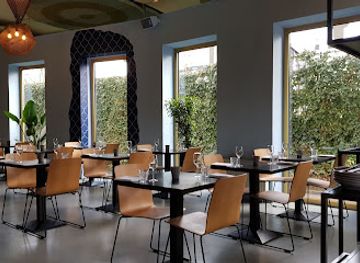
Restaurant
Dara
Experience culinary excellence at Dara in Amersfoort – where unique flavors meet exceptional service.
14 min walk · 1.1 km from city centre
-
Restaurant
Hete Kolen
Experience authentic Dutch cuisine at Hete Kolen in Amersfoort - where quality ingredients meet cozy ambiance.
9 min walk · 0.8 km from city centre
-
Restaurant
Dikke Dirck Amersfoort
Experience culinary excellence at Dikke Dirck Amersfoort – where vibrant flavors meet warm hospitality.
13 min walk · 1.1 km from city centre
-
Bistro
Bistro 't Kannetje
Discover Bistro 't Kannetje in Amersfoort: where traditional Dutch flavors meet modern dining in a cozy atmosphere.
10 min walk · 0.8 km from city centre
Best bars in Amersfoort
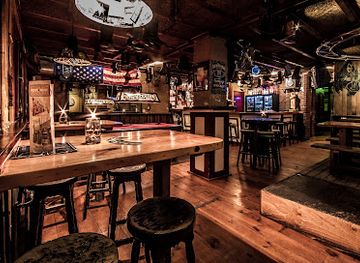
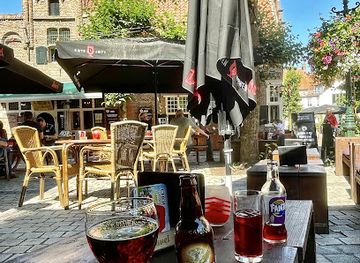
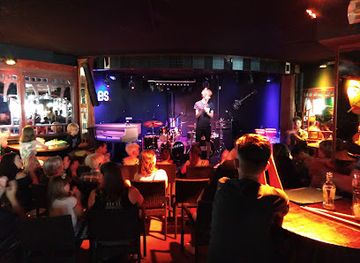
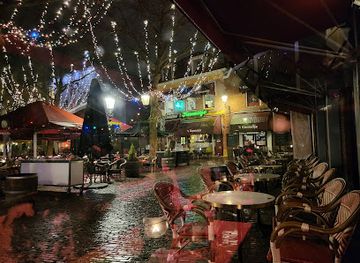
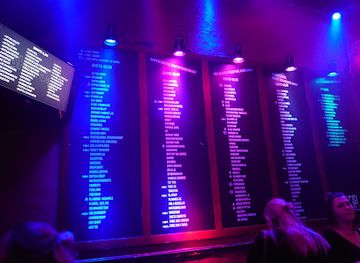
Evenings in Amersfoort are concentrated around the Hof and adjacent streets, where traditional brown cafés, modern bars and restaurant terraces create a sociable but relatively intimate nightlife scene. The city is better known for cafés, live music and cultural performances than for a large club circuit. FLUOR, near the Eemkwartier, is an established venue for concerts, club nights and creative programming, while De Lieve Vrouw combines cinema, theatre and cultural events in the historic centre. De Flint provides a larger programme of theatre and live performance. Students and younger residents add energy around the centre, but the overall scale remains that of a medium-sized Dutch city; late-night options are more limited than in Amsterdam or Utrecht. Check individual programmes and current arrangements before planning an evening.
-
Live music bar
Boothill Saloon Amersfoort
Discover the electrifying vibe at Boothill Saloon in Amersfoort, where live rock music meets gourmet hamburgers and handcrafted cocktails.
9 min walk · 0.7 km from city centre
-
Pub
Cafe Onder de Linde
Discover Café Onder de Linde, a cozy pub in Amersfoort offering local brews and delicious bites in a warm, inviting atmosphere.
13 min walk · 1.0 km from city centre
-
Live music bar
Café Miles
Discover Café Miles in Amersfoort: a lively live music bar offering delightful meals and an impressive wine selection in a vibrant atmosphere.
12 min walk · 0.9 km from city centre
-
Pub
Café Marktzicht
Experience the cozy ambiance and delightful menu at Café Marktzicht, a must-visit pub and beer garden in the heart of Amersfoort.
10 min walk · 0.8 km from city centre
Best nightclubs in Amersfoort
Evenings in Amersfoort are concentrated around the Hof and adjacent streets, where traditional brown cafés, modern bars and restaurant terraces create a sociable but relatively intimate nightlife scene. The city is better known for cafés, live music and cultural performances than for a large club circuit. FLUOR, near the Eemkwartier, is an established venue for concerts, club nights and creative programming, while De Lieve Vrouw combines cinema, theatre and cultural events in the historic centre. De Flint provides a larger programme of theatre and live performance. Students and younger residents add energy around the centre, but the overall scale remains that of a medium-sized Dutch city; late-night options are more limited than in Amsterdam or Utrecht. Check individual programmes and current arrangements before planning an evening.
-
Live music bar
Boothill Saloon Amersfoort
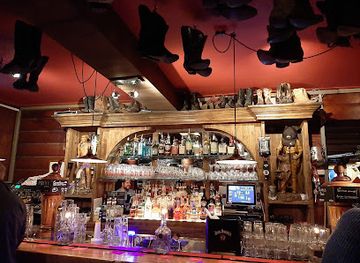
Discover the lively ambiance of Boothill Saloon Amersfoort, where live music meets delicious food and cocktails for an unforgettable night out.
9 min walk · 0.7 km from city centre
-
Pool hall
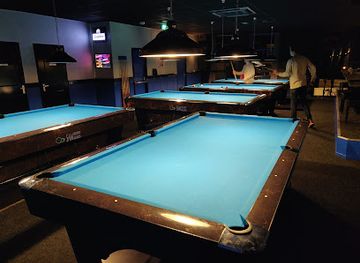
Pool & Lounge Café The Break
Discover the lively Pool & Lounge Café The Break in Amersfoort, a perfect blend of fun, relaxation, and socializing for all visitors.
12 min walk · 0.9 km from city centre
-
Bar
SHOTS! Amersfoort
Experience the vibrant nightlife at SHOTS! Amersfoort, the ultimate bar destination for cocktails, dancing, and socializing in the heart of the city.
13 min walk · 1.0 km from city centre
-
Cocktail bar
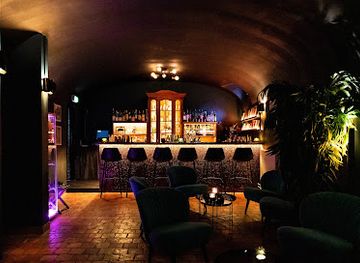
WestWing Speakeasy Cocktailbar
Experience vintage elegance and masterfully crafted cocktails at WestWing Speakeasy Cocktailbar in Amersfoort, a hidden gem for nightlife enthusiasts.
12 min walk · 1.0 km from city centre
Best shops in Amersfoort
Shopping in Amersfoort centres on the Langestraat, the city's principal retail street, with the Krommestraat, Kamp and nearby lanes adding independent boutiques, speciality shops, cafés and small galleries. The historic setting makes browsing part of the architectural experience, as modern window displays occupy old town houses and former merchant premises. Around the Hof and the centre's weekly market areas, visitors can look for Dutch cheeses, bread, sweets and other food products, while local design, clothing, books and handmade goods provide alternatives to standard souvenirs. The Nieuweweg and streets near the station extend the central retail area, and the Eemkwartier has a more contemporary creative character. Market days and individual opening patterns vary, so visitors should check current local arrangements rather than assume every stall or shop trades daily.
-
Shopping mall
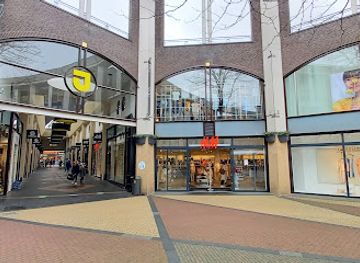
Winkelcentrum Sint Jorisplein
Explore Winkelcentrum Sint Jorisplein in Amersfoort for a vibrant shopping experience with diverse retail and dining options in a lively atmosphere.
8 min walk · 0.6 km from city centre
-
Shopping mall
Shopping centre Oppidium
Discover Shopping Centre Oppidium in Amersfoort: Your ultimate destination for shopping, dining, and entertainment!
12 min walk · 0.9 km from city centre
-
Gift shop
Action Amersfoort
Discover a treasure trove of gifts, home goods, and DIY supplies at Action Amersfoort, the ultimate shopping destination in the Netherlands.
8 min walk · 0.7 km from city centre
-
Cannabis store
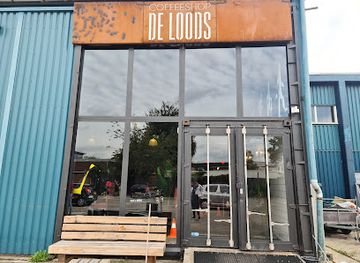
Coffeeshop DE LOODS Amersfoort
Experience the best of Amersfoort's cannabis culture at Coffeeshop DE LOODS, where quality meets a welcoming atmosphere.
5 min drive · 1.8 km from city centre
Get your free copy of our complete guide to Amersfoort, delivered straight to you.
Everything on this page, from attractions and restaurants to essentials and local phrases, in one PDF you can read offline, print or share.
Already have an account? Sign in
Your Amersfoort guide is ready.
We'll send it to · Not you? Sign out

Getting your guide ready…
We are putting together a fresh copy of the Amersfoort guide. This can take up to a minute.
This can take a few moments. If your browser asks, choose Allow so the download can start. You'll find the guide in your Downloads folder.
Nothing happened? Download it again
Sorry, the guide is taking longer than usual. Please try again in a minute, or get it by email instead.
Amersfoort essentials
Currency and Payment
Safety
Emergency Situations
Do's and Don'ts
Local Tips
From Eve
Local phrases worth knowing
You don't need to get them perfect. A few words go a long way, and locals appreciate the effort.
Basics
| English | Local | Say it |
|---|---|---|
| Hello | Hallo | [ha-lo] |
| Goodbye | Tot ziens | [tot zeens] |
| Yes | Ja | [ya] |
| No | Nee | [nee] |
| Please/You're welcome | Alsjeblieft | [als-ye-bleeft] |
| Thank you | Dank je wel | [dank ye vel] |
| Excuse me/Sorry | Sorry | [sor-ree] |
| How are you? | Hoe gaat het? | [hu gat het] |
| Fine. And you? | Goed. En met jou? | [hud. en met yow] |
| Do you speak English? | Spreek je Engels? | [spreek ye engels] |
| I don't understand | Ik begrijp het niet | [ik buh-greip het neet] |
Eating & Drinking
| English | Local | Say it |
|---|---|---|
| I'd like to see the menu, please | Ik wil graag de menukaart zien, alsjeblieft | [ik vil hrahg de me-nu-kart seen, als-ye-bleeft] |
| I don't eat meat | Ik eet geen vlees | [ik ayt khayn vlays] |
| Cheers! | Proost! | [prost] |
| I would like to pay, please | Ik wil graag betalen, alsjeblieft | [ik vil hrahg buh-ta-len, als-ye-bleeft] |
Emergencies
| English | Local | Say it |
|---|---|---|
| Help! | Help! | [help] |
| Go away! | Ga weg! | [ga vekh] |
| Call the Police! | Bel de politie! | [bel duh poh-lee-see] |
| Call a doctor! | Bel een dokter! | [bel ayn dok-ter] |
| I'm lost | Ik ben verdwaald | [ik ben vuhr-dwahld] |
| I'm ill | Ik ben ziek | [ik ben zik] |
Shopping
| English | Local | Say it |
|---|---|---|
| I'd like to buy... | Ik wil graag kopen... | [ik vil hrahg koh-pen] |
| I'm just looking | Ik kijk alleen maar | [ik kayk all-ain mahr] |
| How much is it? | Hoeveel kost het? | [hu-vayl kost het] |
| That's too expensive | Dat is te duur | [dat is tuh dur] |
| Can you lower the price? | Kunt u de prijs verlagen? | [kunt yu duh prays vur-lah-ghen] |
Time & Numbers
| English | Local | Say it |
|---|---|---|
| What time is it? | Hoe laat is het? | [hu laht is het] |
| It's one o'clock | Het is één uur | [het is ayn oor] |
| Half past (10) | Half elf | [half elf] |
| Morning | Ochtend | [okh-tend] |
| Afternoon | Middag | [mid-dahkh] |
| Evening | Avond | [ah-vont] |
| Yesterday | Gisteren | [khist-er-en] |
| Today | Vandaag | [fahn-dahkh] |
| Tomorrow | Morgen | [mor-khen] |
| 1 | Een | [ayn] |
| 2 | Twee | [tway] |
| 3 | Drie | [dree] |
| 4 | Vier | [veer] |
| 5 | Vijf | [vayf] |
| 6 | Zes | [zehs] |
| 7 | Zeven | [zay-ven] |
| 8 | Acht | [ahkht] |
| 9 | Negen | [nay-khen] |
| 10 | Tien | [teen] |
Transport & Directions
| English | Local | Say it |
|---|---|---|
| Where's a/the...? | Waar is de... | [var is de] |
| What's the address? | Wat is het adres? | [vat is het ah-dres] |
| Can you show me (on the map)? | Kunt u me laten zien (op de kaart)? | [kunt yu me lah-ten seen (op de kart)] |
| When's the next (bus)? | Wanneer is de volgende (bus)? | [vahn-er is de fohl-hen-de (bus)] |
| A ticket (to ....) | Een kaartje (naar ....) | [ayn kart-ye (nar)] |
History of Amersfoort
Early Settlements and the Eemland Landscape
The Amersfoort area has attracted settlement since prehistoric times because it lies between the higher sandy soils to the east and the wetter Eemland lowlands to the west. The Eem provided access to wider waterways, while nearby routes across the Utrechtse Heuvelrug connected communities and encouraged exchange. Before the medieval town emerged, the landscape supported farming, grazing and small settlements rather than a single urban centre. Archaeological evidence from the wider region indicates long human occupation, although the modern city's most recognisable form belongs to the medieval period. This relationship between higher ground, river and open meadowland remains visible today in the contrast between the built-up centre and the surrounding countryside.
The Medieval City Takes Shape
Amersfoort developed around an older settlement near the Eem and received city rights from Hendrik van Vianden, bishop of Utrecht, in 1259. Urban growth brought markets, workshops and religious institutions, while the town's position on routes between Utrecht, the eastern Netherlands and the river trade supported commercial expansion. The first defensive enclosure was later extended as the population and economy grew. Streets such as the Langestraat and areas around the Hof preserve the basic structure of this medieval town. The Onze Lieve Vrouwekerk and its tower became important religious and civic features, while the city's walls and gates expressed both its privileges and its need for protection.
Trade, Pilgrimage and Fortifications
During the later Middle Ages, Amersfoort prospered as a market town and regional centre. A pilgrimage tradition developed around an image of the Virgin Mary, which helped increase the importance of the Onze Lieve Vrouwekerk and brought visitors to the city. The outer line of fortifications was strengthened as Amersfoort expanded, and the Koppelpoort was constructed in the late fifteenth century as a combined land and water gate. Its unusual design reflects the city's dependence on both roads and the Eem. The surviving Muurhuizen, built along the former defensive line, also show how changing urban needs gradually turned fortification space into residential frontage.
War, Religion and a Changing Republic
The sixteenth century brought religious conflict and political upheaval to Amersfoort, as it did to much of the Low Countries. The Reformation altered the city's religious institutions, while the Dutch Revolt and the struggle between Spanish and Dutch forces affected regional security and trade. In the seventeenth-century Dutch Republic, Amersfoort continued as a market and administrative centre, though it did not develop into a major industrial port. Its historic buildings, canals and civic spaces reflect this period of gradual consolidation rather than large-scale metropolitan growth. The town's strategic position continued to matter militarily, particularly because routes through the central Netherlands linked Utrecht with the eastern provinces.
Industry, Railways and Urban Expansion
The nineteenth century brought more decisive change. Railway connections made Amersfoort increasingly accessible and strengthened its role as a transport centre between the western Netherlands and the east. Industrial activity expanded around the railway and the Eem, while new neighbourhoods grew beyond the medieval walls. The old centre gradually shifted from a fortified settlement to a historic urban quarter surrounded by modern streets, institutions and housing. Amersfoort's position subsequently developed further as rail links multiplied, making Amersfoort Centraal one of the Netherlands' important railway junctions. The railway age also encouraged new civic buildings and a broader regional role in commerce, administration and culture.
Twentieth-Century Growth and Cultural Identity
Amersfoort expanded substantially during the twentieth century as housing demand, improved transport and suburban development reshaped the city beyond its historic core. The old centre survived as a coherent architectural and commercial district, while newer quarters extended towards the railway, the Eem and surrounding municipalities. The city is also associated with Piet Mondrian, who was born in Amersfoort in 1872; the Mondriaan House now interprets his early life and artistic development. The Second World War left painful regional memories, including Kamp Amersfoort, which lies in neighbouring Leusden rather than in the city itself. Contemporary Amersfoort balances this difficult history with museums, performance spaces, creative industries and the continuing life of its medieval streets.
Amersfoort in Photos
Browse through our photo collection highlighting the charm and character of the destination.
Cities near Amersfoort
The closest cities to Amersfoort, if you have time for more than one stop.
-

-

-

-

-


Swipe for more cities
Explore more

Explore more of Netherlands
Discover the Netherlands: A blend of historic charm, artistic treasures, and scenic landscapes, perfect for an enriching travel experience.
Explore Netherlands