

Valley of Fire State Park Travel Guide - Free Web & App
Your ultimate guide to Valley of Fire State Park. Discover top landmarks, proposed trips, and local tips. Free on the web or via the Evendo companion app.


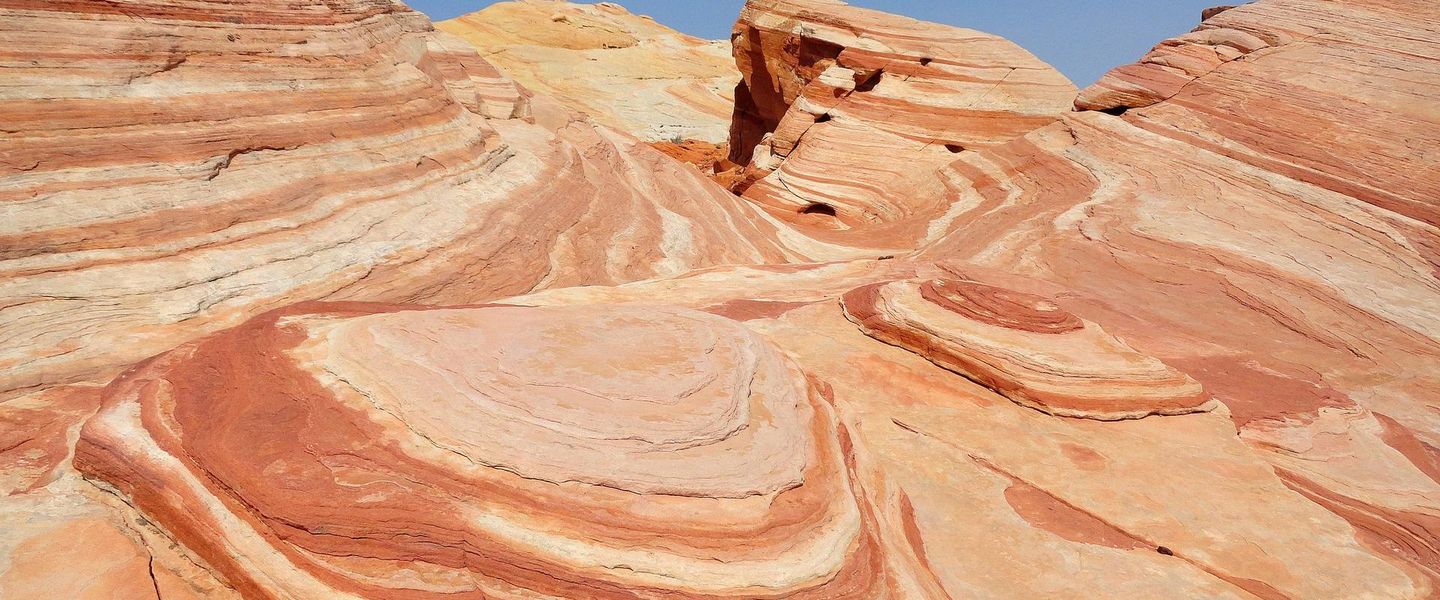


Valley of Fire State Park, Nevada, reveals red sandstone arches, petroglyphs, desert trails and campgrounds near Las Vegas and Lake Mead for memorable day trips.
Red Sandstone and Desert Light
Valley of Fire State Park occupies roughly 46,000 acres of the Mojave Desert in southern Nevada, about 50 miles north-east of Las Vegas and close to the town of Overton. Its name comes from the vivid red Aztec sandstone that appears to glow when angled by the sun, particularly around sunrise and late afternoon. Wind and water have shaped the rock into arches, narrow passages, ridges and rounded formations, creating a landscape that feels markedly different from the surrounding desert basin.Read more about Valley of Fire State Park
Ancient Marks in the Landscape
Exploring from Overton
When is the best time to visit Valley of Fire State Park?
Best: March–April, October · 21–29°C| Month | High (°C) | Rainfall (mm) |
|---|---|---|
| January | 13 | 10 |
| February | 16 | 9 |
| March (best) | 21 | 8 |
| April (best) | 28 | 7 |
| May | 34 | 6 |
| June | 40 | 3 |
| July | 43 | 10 |
| August | 41 | 9 |
| September | 37 | 8 |
| October (best) | 29 | 7 |
| November | 20 | 9 |
| December | 14 | 10 |
Getting to and around Valley of Fire State Park
How to get there
Transportation
Best attractions in Valley of Fire State Park
Valley of Fire’s principal attractions are its sculpted Aztec sandstone formations and the short trails that reveal them. Atlatl Rock combines a dramatic rock face with accessible petroglyph panels and views across the surrounding desert, while Mouse’s Tank follows a shallow canyon associated with a natural rock basin and further carvings. The Fire Wave is known for flowing bands of red, pink and cream sandstone, and the White Domes area brings together pale formations, narrow passages and a contrasting desert palette. Elephant Rock stands near the eastern entrance, while the Seven Sisters form a prominent group of weathered pinnacles. Arch Rock, Rainbow Vista and the Petrified Trees area add geological and scenic variety. The visitor centre provides interpretation of the landscape, wildlife and human history, and the park’s scenic roads connect these sites across a broad area rather than a single compact attraction zone.
-
Visitor center
Valley of Fire Visitor Center
Explore the stunning landscapes and rich history at the Valley of Fire Visitor Center in Nevada's breathtaking state park.
-
Hiking area
Fire Wave
Experience the stunning beauty of Fire Wave in Valley of Fire State Park, where vibrant rock formations and breathtaking landscapes await every adventurer.
-
Hiking area
Fire Wave Trailhead
Discover the mesmerizing beauty of Fire Wave Trailhead, where vibrant sandstone formations create a stunning hiking experience in Nevada's Valley of Fire.
-
Tourist attraction
Overton Wildlife Management Area
Discover the Overton Wildlife Management Area, a serene wildlife refuge in Nevada, perfect for birdwatching, hiking, and experiencing nature's beauty.


Best landmarks in Valley of Fire State Park
The park’s defining landmark is the series of red and cream Aztec sandstone formations that gives Valley of Fire its name. Fire Wave is recognised for its banded, wave-like surface, while Elephant Rock has been shaped into a readily identifiable animal profile near the eastern entrance. Atlatl Rock is important for its concentration of ancient rock art, and Mouse’s Tank combines a natural basin with a canyon setting and further petroglyphs. The White Domes display a strong contrast between pale sandstone and the surrounding red formations, while Arch Rock and the Seven Sisters illustrate the continuing effects of weathering and erosion. The Petrified Trees area adds evidence of an ancient biological landscape to the park’s predominantly geological character. Historic stone structures and roads constructed during the Civilian Conservation Corps era provide a human landmark layer within the protected desert setting.
-
Visitor center
Valley of Fire Visitor Center
Explore the Valley of Fire Visitor Center for insights into Nevada's stunning landscapes and rich cultural heritage.
-
Ravine
Valley of Fire
Explore the breathtaking landscapes of Valley of Fire, Nevada's oldest state park, where vibrant red rocks and ancient petroglyphs await your discovery.
-
Scenic spot
Fire Cave/Windstone Arch
Explore the breathtaking Fire Cave and Windstone Arch in Valley of Fire State Park, a natural wonder showcasing stunning red rock formations.


Explore Valley of Fire State Park on the map
Plan your trip on one map. See where the top attractions, landmarks, restaurants and hotels are, and book hotels and experiences in a few clicks.
Best hotels in Valley of Fire State Park
Best restaurants in Valley of Fire State Park
Dining inside Valley of Fire is limited, with the park primarily offering picnic facilities rather than a developed restaurant scene. Visitors normally bring food and water for a day in the desert, while the nearby town of Overton provides the most practical choice of everyday meals, cafés and supplies. The wider Moapa Valley has an agricultural character, and local food shopping may include products associated with farms and rural Nevada, although availability varies. Travellers staying in Las Vegas will find a far broader range of restaurants before or after their visit, but should not assume that city-style dining is available near every trailhead. Picnic meals are particularly useful for early starts, when temperatures are cooler and attractions may be visited before travelling onwards. Check current opening arrangements locally rather than relying on seasonal assumptions.
-
Pizza
Pirates Landing
Discover Pirates Landing in Moapa Valley - where delicious pizza meets family fun with live music and arcade games.

Best bars in Valley of Fire State Park
Valley of Fire has no dedicated nightlife district, nightclub scene or concentration of evening bars; after sunset, the atmosphere is defined by desert quiet, campground activity and dark skies rather than organised entertainment. Overton and the wider Moapa Valley offer a small-town selection of informal bars, restaurants and community venues, but evening options are limited compared with Las Vegas and may vary by day and season. Visitors staying in Las Vegas can return to the city for its extensive entertainment, although the drive makes a late-night combination less convenient. At the park, evening plans should take account of darkness, limited services and the need to follow camping and fire regulations rather than assuming that refreshments or transport will remain available.
-
Family-friendly
The Inside Scoop
Experience the ultimate family-friendly dining at The Inside Scoop, offering delicious American dishes and delightful ice cream in Moapa Valley.
-
Mexican
La Fonda Mexican Food
Experience the vibrant flavors of Mexico at La Fonda Mexican Food, an essential stop for delicious traditional dishes in Overton, NV.
-
Hiking area
The White Domes Trail
Explore the stunning landscapes and unique geological features along the White Domes Trail in Nevada's Valley of Fire State Park.
-
Fast Food
McDonald's
Enjoy fast and delicious meals at McDonald's in Overton, a must-stop for tourists craving a quick bite in the heart of Nevada.


Best shops in Valley of Fire State Park
Shopping within Valley of Fire is limited and centred on visitor information and practical supplies rather than a retail district. The park’s visitor centre may offer interpretive material and souvenirs, subject to current arrangements, but visitors should obtain food, fuel, hiking essentials and substantial water before reaching the trail areas. Overton is the nearest useful community for everyday shopping, with further choice available in the wider Las Vegas area. Regional purchases may include Nevada-themed crafts, desert-inspired artwork, books about geology or Indigenous history, and food products from the Moapa Valley, although stock differs between businesses and seasons. Outdoor equipment and specialist desert-walking supplies are more reliably found in larger towns before the journey. Avoid buying or removing natural materials from the park, since rocks, petrified wood, plants and archaeological objects belong within the protected landscape.
-
State park
Valley of Fire State Park
Explore the stunning landscapes and ancient history of Valley of Fire State Park, a breathtaking natural wonder in Nevada for all adventurers.
-
Visitor center
Valley of Fire Visitor Center
Explore the Valley of Fire Visitor Center for insights into Nevada's stunning landscapes and rich cultural heritage, a perfect start to your adventure.
-
Grocery store
Lin's Overton
Discover the flavors of Overton, NV at Lin's Grocery, your go-to destination for fresh produce, baked goods, and community spirit.
-
Family-friendly
The Inside Scoop
Discover the perfect blend of family-friendly dining and delightful ice cream at The Inside Scoop in Moapa Valley, NV.


Get your free copy of our complete guide to Valley of Fire State Park, delivered straight to you.
Everything on this page, from attractions and restaurants to essentials and local phrases, in one PDF you can read offline, print or share.
Already have an account? Sign in
Your Valley of Fire State Park guide is ready.
We'll send it to · Not you? Sign out

Getting your guide ready…
We are putting together a fresh copy of the Valley of Fire State Park guide. This can take up to a minute.
This can take a few moments. If your browser asks, choose Allow so the download can start. You'll find the guide in your Downloads folder.
Nothing happened? Download it again
Sorry, the guide is taking longer than usual. Please try again in a minute, or get it by email instead.
Valley of Fire State Park essentials
Currency and Payment
Safety
Emergency Situations
Do's and Don'ts
Local Tips
From Eve
Local phrases worth knowing
You don't need to get them perfect. A few words go a long way, and locals appreciate the effort.
Basics
| English | Local | Say it |
|---|---|---|
| Hello | Howdy | [hah-dee] |
| Goodbye | See ya later | [see yuh lay-ter] |
| Yes | Yup | [yuhp] |
| No | Nah | [nah] |
| Please/You're welcome | Please n' thank ya | [pleez n' thangk yuh] |
| Thank you | Thanks a bunch | [thanks uh bun-ch] |
| Excuse me/Sorry | Pardon me | [par-dun me] |
| How are you? | Howdy | [hah-dee] |
| Fine. And you? | Just dandy. You? | [just dan-dee. yuh?] |
| Do you speak English? | Ya speak English? | [yuh speak ing-glish?] |
| I don't understand | I'm plum confused | [I'm plum kun-fused] |
Eating & Drinking
| English | Local | Say it |
|---|---|---|
| I'd like to see the menu, please | I reckon I'll take a gander at the menu, if ya don't mind | [I reck-un I'll take uh gan-der at the menu, if yuh don't mind] |
| I don't eat meat | I ain't a meat eater | [I ain't uh meat eat-er] |
| Cheers! | Bottoms up! | [Bot-ums up!] |
| I would like to pay, please | I reckon I'll settle up now | [I reck-un I'll set-ul up now] |
Emergencies
| English | Local | Say it |
|---|---|---|
| Help! | I need a hand! | [I need uh hand!] |
| Go away! | Git on outta here! | [Git on out-uh here!] |
| Call the Police! | Get the law enforcement! | [Get the law en-force-ment!] |
| Call a doctor! | Fetch a doc! | [Fetch uh dock!] |
| I'm lost | I done gone and lost myself | [I done gone and lost myself] |
| I'm ill | I ain't feelin' too good | [I ain't feel-in' too good] |
Shopping
| English | Local | Say it |
|---|---|---|
| I'd like to buy... | I reckon I'll buy... | [I reck-un I'll buy...] |
| I'm just looking | Just browsing, thanks | [Just brows-ing, thanks] |
| How much is it? | What's the damage? | [What's the dam-age?] |
| That's too expensive | That's a mighty steep price | [That's uh might-ee steep price] |
| Can you lower the price? | Can ya cut me a deal? | [Can yuh cut me uh deal?] |
Time & Numbers
| English | Local | Say it |
|---|---|---|
| What time is it? | What's the time of day? | [What's the time of day?] |
| It's one o'clock | It's high noon | [It's high noon] |
| Half past (10) | 10:30 | [10:30] |
| Morning | Mornin' | [Morn-in'] |
| Afternoon | Afternoon | [Afternoon] |
| Evening | Evenin' | [Even-in'] |
| Yesterday | Yest'day | [Yest'day] |
| Today | Today | [Today] |
| Tomorrow | Tomorra | [Tomorra] |
| 1 | One | [One] |
| 2 | Two | [Two] |
| 3 | Three | [Three] |
| 4 | Four | [Four] |
| 5 | Five | [Five] |
| 6 | Six | [Six] |
| 7 | Seven | [Seven] |
| 8 | Eight | [Eight] |
| 9 | Nine | [Nine] |
| 10 | Ten | [Ten] |
Transport & Directions
| English | Local | Say it |
|---|---|---|
| Where's a/the...? | Where's the...? | [Where's the...?] |
| What's the address? | Where's it located? | [Where's it loc-ated?] |
| Can you show me (on the map)? | Can ya point it out (on the map)? | [Can yuh point it out (on the map)?] |
| When's the next (bus)? | When's the next (bus) comin'? | [When's the next (bus) com-in'?] |
| A ticket (to ....) | A ticket (to ....) | [A ticket (to ....)] |
History of Valley of Fire State Park
Jurassic Sandstone and Desert Uplift
Valley of Fire’s dominant red rock is Aztec sandstone, deposited during the Jurassic Period when shifting dunes covered much of the region. Later geological uplift, faulting, weathering and erosion exposed and sculpted these sandstone beds into arches, domes, narrow corridors and ridges. The formations are therefore products of deep geological time rather than a single historical event. Their colour comes from iron minerals within the rock, while changing light and the angle of the sandstone surfaces produce the park’s characteristic variation from orange to deep red.
Ancient Desert Communities
People have used the Valley of Fire landscape for thousands of years, leaving rock art and other traces of activity. Petroglyphs at locations such as Atlatl Rock and Mouse’s Tank record hunting, travel and symbolic expression by ancient communities, although individual images are not always precisely dated or attributable to a single group. The area later formed part of the wider homeland and travel landscape of Indigenous peoples of the Mojave Desert. These cultural remains are fragile archaeological evidence and are protected within the park.
Ranching, Roads and Regional Change
In the historic period, the wider Moapa Valley supported Indigenous communities, ranching, agriculture and transport connections between settlements in southern Nevada. Valley of Fire itself remained sparsely developed because of its arid terrain and limited water. The construction of roads and the growth of nearby communities gradually made the sandstone country more accessible to motorists, while the development of Lake Mead and the expansion of Las Vegas increased the region’s recreational importance.
Nevada’s First State Park
Valley of Fire was formally established as Nevada’s first state park in 1935. During the New Deal era, Civilian Conservation Corps crews helped construct roads, trails, picnic facilities and stone buildings, many of which contribute to the park’s historic character. Their work transformed a difficult desert landscape into a public recreation area while retaining its major geological features. The park’s early development established the combination of scenic driving, camping, interpretation and walking that still defines many visits.
Protection and Modern Stewardship
Modern management balances public access with the protection of fragile desert soils, wildlife habitat, geological formations and archaeological resources. Growing visitation from Las Vegas and the Lake Mead region has increased pressure on popular formations and trails, making designated routes, careful parking and respect for petroglyph sites increasingly important. The park’s significance now rests not only on its scenery but also on the preservation of evidence showing how geological change, Indigenous history and twentieth-century conservation meet in one landscape.
Valley of Fire State Park in Photos
Browse through our photo collection highlighting the charm and character of the destination.
Neighbouring destination travel guides
The closest destinations to Valley of Fire State Park, if you have time for more than one.
-

-

-

-

-


Swipe for more destinations
Explore more
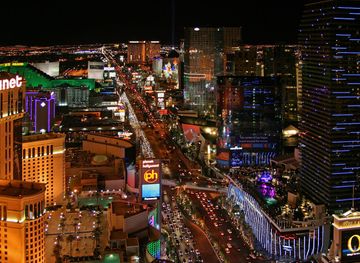
Explore more of Clark County
Explore Clark County, Nevada for Las Vegas entertainment, desert parks, Hoover Dam, Lake Mead, mountain scenery and distinctive Southwestern history.
Explore Clark County
Explore more of Nevada
Discover Nevada: From the bright lights of Las Vegas to the tranquil beauty of Lake Tahoe, Nevada offers a unique blend of excitement and natural wonder.
Explore Nevada