

Red Rock Canyon National Conservation Area Travel Guide - Free Web & App
Your ultimate guide to Red Rock Canyon National Conservation Area. Discover top landmarks, proposed trips, and local tips. Free on the web or via the Evendo companion app.


Red Rock Canyon National Conservation Area in Nevada pairs fiery sandstone cliffs, desert wildlife, scenic drives, hiking, climbing and Las Vegas access.
Geology and Desert Landscape
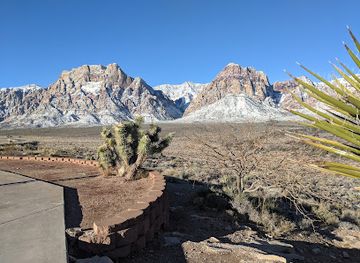
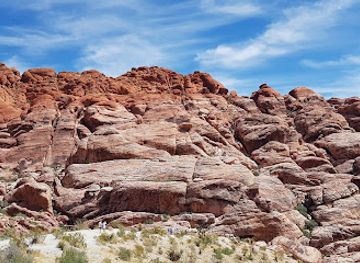
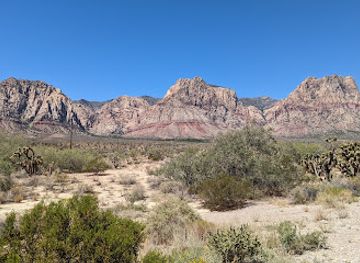
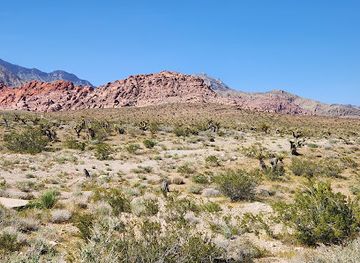
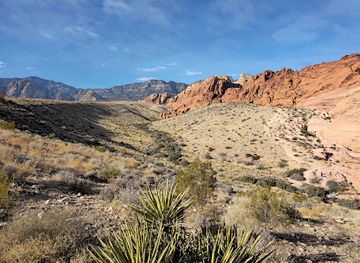
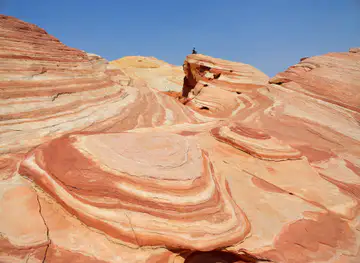
Red Rock Canyon National Conservation Area lies in the Mojave Desert, approximately 17 miles west of Las Vegas, where sharply coloured Aztec sandstone rises above broad desert basins and the Spring Mountains. Its most recognisable scenery unfolds along the 13-mile Scenic Drive, a one-way route passing the Calico Hills, Sandstone Quarry, High Point Overlook and the dramatic Wilson Cliffs. Bands of red, orange and cream rock record ancient dune fields, while older limestone and other mountain rocks form the rugged backdrop.Read more about Red Rock Canyon National Conservation Area
Wildlife and Outdoor Exploration
Heritage and Access
When is the best time to visit Red Rock Canyon National Conservation Area?
Best: April, October–November · 21–30°C| Month | High (°C) | Rainfall (mm) |
|---|---|---|
| January | 14 | 13 |
| February | 16 | 11 |
| March | 20 | 10 |
| April (best) | 25 | 8 |
| May | 31 | 6 |
| June | 38 | 3 |
| July | 42 | 9 |
| August | 41 | 10 |
| September | 37 | 8 |
| October (best) | 30 | 7 |
| November (best) | 21 | 10 |
| December | 14 | 12 |
Getting to and around Red Rock Canyon National Conservation Area
How to get there
Transportation
Best attractions in Red Rock Canyon National Conservation Area
The 13-mile Red Rock Canyon Scenic Drive is the area’s principal introduction, linking viewpoints and trailheads through the Calico Hills and beneath the Wilson Cliffs. Calico Basin, with its vivid sandstone formations and access to walking routes, offers a contrasting gateway experience, while the Sandstone Quarry area reveals the colour and texture of the exposed rock. Lost Creek is known for a seasonal waterfall and canyon setting, although water flow varies with rainfall. More strenuous outings include the ascent of Turtlehead Peak and routes towards the Keystone Thrust, where geological structure is especially clear. The visitor centre provides interpretation of the conservation area’s geology, wildlife, Indigenous heritage and human history. Experienced climbers are drawn to the area’s sandstone walls, but access, conditions and regulations should be checked locally. Across the landscape, desert tortoise habitat, bighorn sheep range, Joshua trees and mountain vegetation add ecological interest beyond the major viewpoints.
-
 Resort hotel
Palace Station Hotel and Casino
Discover the lively ambiance of Palace Station Hotel and Casino, where luxury meets excitement in the heart of Las Vegas.
-
Hotel
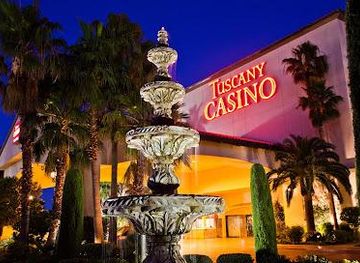
Tuscany Suites & Casino
Discover the charm of Tuscany Suites & Casino in Las Vegas, where Italian elegance meets vibrant gaming and relaxation amid lush gardens.
-
American
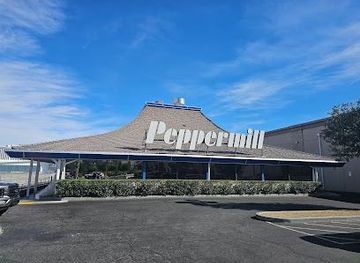
Peppermill and Fireside Lounge
Experience the vibrant atmosphere of Peppermill and Fireside Lounge, where classic American cuisine meets iconic Las Vegas nightlife.
-
Museum
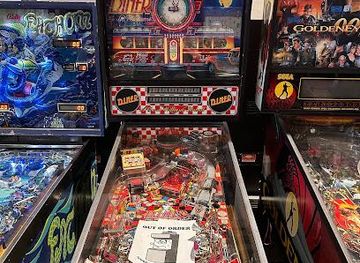
Pinball Hall of Fame
Explore nostalgia at the Pinball Hall of Fame in Las Vegas, featuring classic pinball machines and arcade games for all ages to enjoy.
Best landmarks in Red Rock Canyon National Conservation Area
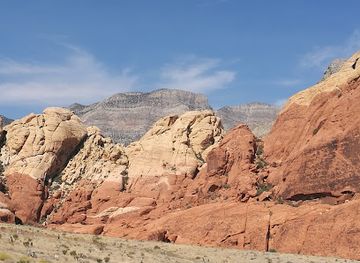
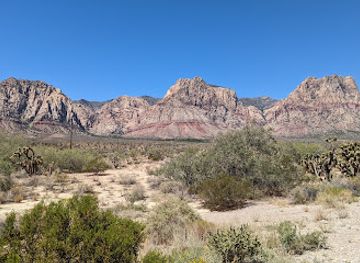
The Wilson Cliffs form one of Red Rock Canyon’s defining natural walls, their pale and rust-coloured strata rising above the desert west of Las Vegas. The Calico Hills are recognised for their intensely coloured Aztec sandstone, while Turtlehead Peak provides a distinctive profile and a demanding hiking objective. The Keystone Thrust is an important geological landmark where older rocks have been pushed over younger strata, illustrating the powerful faulting and uplift that shaped the Spring Mountains. Other notable features include the sandstone formations around Sandstone Quarry, the canyon environment of Lost Creek and the seasonal waterfall found there. The Scenic Drive’s overlooks frame these landforms from different angles, but the landmarks are not simply scenic backdrops: they are part of a protected desert system containing wildlife habitat, archaeological resources and fragile soils.
-
Visitor center
Red Rock Canyon Visitor Center
Experience the stunning landscapes and rich ecology of Nevada at the Red Rock Canyon Visitor Center, your gateway to outdoor adventures.
-
Scenic spot
Red Rock Canyon Overlook
Explore the breathtaking landscapes and vibrant rock formations at Red Rock Canyon Overlook, a must-see scenic spot near Las Vegas.
-
Nature preserve
Sloan Canyon National Conservation Area
Explore Sloan Canyon National Conservation Area, a stunning nature preserve near Henderson, NV, filled with breathtaking landscapes and ancient petroglyphs.
-
Tourist attraction
Red Rock Canyon Marker (North)
Explore the breathtaking beauty of Red Rock Canyon, a stunning natural retreat just outside Las Vegas, perfect for hiking, photography, and outdoor adventures.
Explore Red Rock Canyon National Conservation Area on the map
Plan your trip on one map. See where the top attractions, landmarks, restaurants and hotels are, and book hotels and experiences in a few clicks.
Best hotels in Red Rock Canyon National Conservation Area
Best restaurants in Red Rock Canyon National Conservation Area
Red Rock Canyon itself has no town-centre dining scene, so most visitors eat before or after their visit in Las Vegas or in the commercial areas around Summerlin and western Las Vegas. These gateways offer a broad choice of American, international and casual dining, while nearby communities provide cafés, takeaway food and restaurants suited to day-trip logistics. The conservation area is primarily a place for prepared picnics rather than restaurant meals, and visitors planning a hike should bring sufficient food and water rather than expect refreshments at a trailhead. Las Vegas’s wider food culture includes Southwestern and Mexican influences alongside international cuisine, but it is distinct from a traditional rural cuisine belonging to Red Rock Canyon. Food should be packed out, and visitors should avoid leaving scraps that could attract or harm wildlife.
-
National reserve
Red Rock Canyon National Conservation Area
Discover Red Rock Canyon: A breathtaking national reserve with stunning landscapes and rich biodiversity near Las Vegas.
-
New American
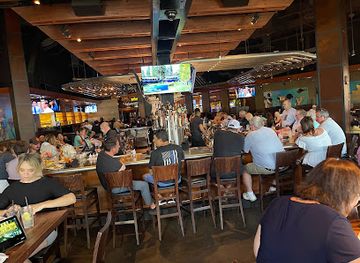
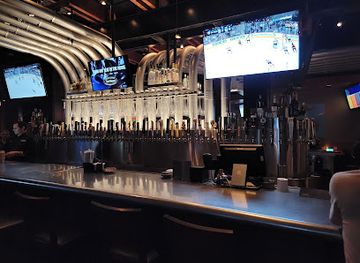
Yard House
Discover the culinary delights at Yard House in Summerlin, where New American cuisine meets craft beer in a vibrant atmosphere.
-
American
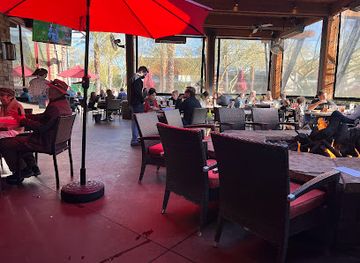
Lazy Dog Restaurant & Bar
Discover delicious American cuisine at Lazy Dog Restaurant & Bar - where comfort food meets casual dining in Las Vegas.
-
Brunch
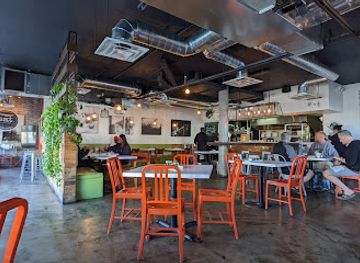
eat.
Experience delightful brunching at eat., where modern cuisine meets vibrant Las Vegas charm.
Best bars in Red Rock Canyon National Conservation Area
Red Rock Canyon has no nightlife infrastructure, and evenings inside the conservation area are shaped by darkness, quiet and the need to leave facilities and routes as conditions require. Most evening entertainment is found in Las Vegas, including bars, live performances, restaurants and nightclubs, while the Red Rock Casino Resort area west of the city provides a substantial commercial entertainment complex outside the conservation area. Quieter options around the western suburbs include hotel bars and casual pubs, but these are gateway facilities rather than venues within the protected landscape. Visitors returning after sunset should plan transport carefully, avoid stopping in unsafe or unauthorised areas and check current access rules. Stargazing can be rewarding away from city lights, provided it is undertaken responsibly and without disturbing wildlife or other visitors.
-
Bar
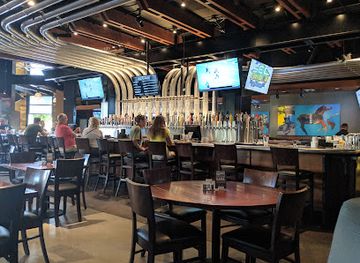
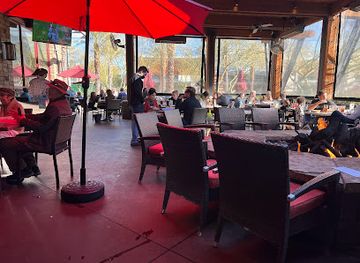
Yard House
Experience the vibrant atmosphere and diverse cuisine at Yard House, a top bar and restaurant in Summerlin, Las Vegas, perfect for all food lovers.
-
American
Lazy Dog Restaurant & Bar
Discover a cozy dining retreat at Lazy Dog Restaurant & Bar in Las Vegas, offering delicious American cuisine in a welcoming atmosphere.
-
Grill
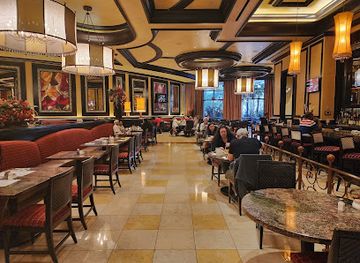
Distill - A Local Bar
Discover the perfect blend of grill and bar at Distill - A Local Bar in Summerlin, Las Vegas, renowned for its great atmosphere and delicious menu.
-
New American
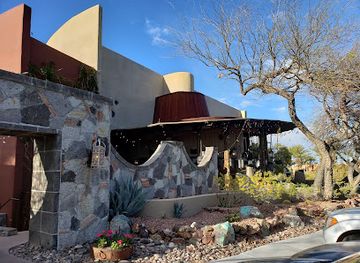
Lucky Penny at Red Rock
Discover Lucky Penny at Red Rock Resort, where New American cuisine meets a warm and inviting atmosphere, perfect for your Las Vegas dining adventure.
Best nightclubs in Red Rock Canyon National Conservation Area
Red Rock Canyon has no nightlife infrastructure, and evenings inside the conservation area are shaped by darkness, quiet and the need to leave facilities and routes as conditions require. Most evening entertainment is found in Las Vegas, including bars, live performances, restaurants and nightclubs, while the Red Rock Casino Resort area west of the city provides a substantial commercial entertainment complex outside the conservation area. Quieter options around the western suburbs include hotel bars and casual pubs, but these are gateway facilities rather than venues within the protected landscape. Visitors returning after sunset should plan transport carefully, avoid stopping in unsafe or unauthorised areas and check current access rules. Stargazing can be rewarding away from city lights, provided it is undertaken responsibly and without disturbing wildlife or other visitors.
-
National reserve
Red Rock Canyon National Conservation Area
Discover the breathtaking beauty of Red Rock Canyon National Conservation Area, a haven for outdoor enthusiasts and nature lovers in Nevada.
-
New American
Yard House
Savor delicious New American cuisine and a vast selection of draft beers at Yard House, a lively dining destination in Las Vegas.
-
Mountain peak
Red Rock Canyon
Experience the breathtaking beauty of Red Rock Canyon, a stunning desert landscape perfect for hiking, climbing, and exploring Nevada's natural wonders.
Best shops in Red Rock Canyon National Conservation Area
Shopping within Red Rock Canyon is limited and centred on visitor information and conservation-related souvenirs rather than a retail district. For practical supplies, outdoor equipment, groceries and fuel, visitors should use Las Vegas or the commercial areas around Summerlin before travelling to the conservation area. The Las Vegas region offers art galleries, Native American-inspired crafts, regional food products and specialist outdoor retailers, although products described as Indigenous should be approached with care and purchased from reputable makers who clearly identify their origin. Visitors may also find books, maps and educational material connected with the landscape at official visitor facilities when available. Nothing should be collected from the conservation area: rocks, fossils, plants and archaeological materials belong to the protected landscape and must remain in place.
-
National reserve
Red Rock Canyon National Conservation Area
Explore the stunning landscapes of Red Rock Canyon National Conservation Area, a breathtaking national reserve near Las Vegas, perfect for outdoor adventures.
-
Gift shop
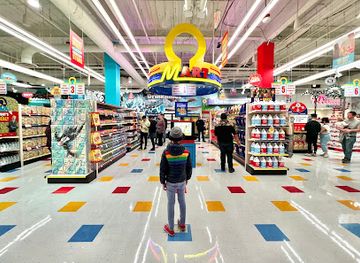
Omega Mart
Discover the enchanting world of Omega Mart, where shopping meets surreal art in a mind-blowing immersive experience in Las Vegas.
-
Shopping mall
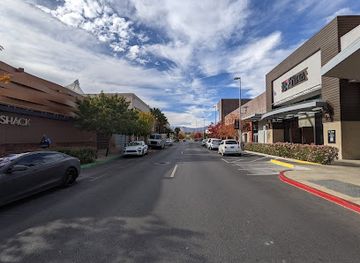
Downtown Summerlin
Experience the ultimate shopping and dining destination at Downtown Summerlin, where vibrant culture meets modern luxury in the heart of Las Vegas.
-
Gift shop
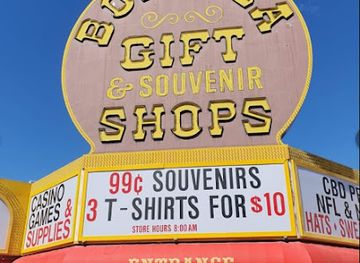
Bonanza Gift Shop
Explore the largest souvenir shop in Las Vegas, offering unique gifts, clothing, jewelry, and fun mementos for every traveler.
Get your free copy of our complete guide to Red Rock Canyon National Conservation Area, delivered straight to you.
Everything on this page, from attractions and restaurants to essentials and local phrases, in one PDF you can read offline, print or share.
Already have an account? Sign in
Your Red Rock Canyon National Conservation Area guide is ready.
We'll send it to · Not you? Sign out

Getting your guide ready…
We are putting together a fresh copy of the Red Rock Canyon National Conservation Area guide. This can take up to a minute.
This can take a few moments. If your browser asks, choose Allow so the download can start. You'll find the guide in your Downloads folder.
Nothing happened? Download it again
Sorry, the guide is taking longer than usual. Please try again in a minute, or get it by email instead.
Red Rock Canyon National Conservation Area essentials
Currency and Payment
Safety
Emergency Situations
Do's and Don'ts
Local Tips
From Eve
Local phrases worth knowing
You don't need to get them perfect. A few words go a long way, and locals appreciate the effort.
Basics
| English | Local | Say it |
|---|---|---|
| Hello | Howdy | [haw-dee] |
| Goodbye | See ya later | [see yuh lay-tur] |
| Yes | Yep | [yep] |
| No | Nah | [nah] |
| Please/You're welcome | Please/thank you | [pleez/thank yuh] |
| Thank you | Thanks a bunch | [thanks uh bunch] |
| Excuse me/Sorry | Pardon me | [par-dun me] |
| How are you? | How ya doin'? | [how yuh doin'] |
| Fine. And you? | Jus' fine. How 'bout you? | [jus' fine. how 'bout yuh?] |
| Do you speak English? | Ya speak English? | [yuh speak ing-glish?] |
| I don't understand | I ain't gettin' ya | [I ain't get-tin' yuh] |
Eating & Drinking
| English | Local | Say it |
|---|---|---|
| I'd like to see the menu, please | Gimme the menu, please | [gim-mee the menu, please] |
| I don't eat meat | I don't do meat | [I don't do meat] |
| Cheers! | Cheers! | [cheers!] |
| I would like to pay, please | I'll settle up, please | [I'll set-tul up, please] |
Emergencies
| English | Local | Say it |
|---|---|---|
| Help! | SOS! | [S-O-S!] |
| Go away! | Beat it! | [beat it!] |
| Call the Police! | Ring up the cops! | [ring up the cops!] |
| Call a doctor! | Get a medic! | [get a med-ick!] |
| I'm lost | I'm turned around | [I'm turned around] |
| I'm ill | I'm feelin' poorly | [I'm feelin' poor-ly] |
Shopping
| English | Local | Say it |
|---|---|---|
| I'd like to buy... | I'm lookin' to nab... | [I'm lookin' tuh nab...] |
| I'm just looking | Jus' browsin' | [jus' brow-sin'] |
| How much is it? | What's the damage? | [what's the dam-age?] |
| That's too expensive | That's a bit steep | [that's a bit steep] |
| Can you lower the price? | Can ya cut me a deal? | [can yuh cut me a deal?] |
Time & Numbers
| English | Local | Say it |
|---|---|---|
| What time is it? | What's the time? | [what's the time?] |
| It's one o'clock | It's one | [it's one] |
| Half past (10) | Half past ten | [half past ten] |
| Morning | Mornin' | [mornin'] |
| Afternoon | Afternoon | [after-noon] |
| Evening | Evenin' | [evenin'] |
| Yesterday | Yest'day | [yest-duh] |
| Today | Today | [to-day] |
| Tomorrow | Tomorrah | [tom-or-rah] |
| 1 | One | [wun] |
| 2 | Two | [too] |
| 3 | Three | [three] |
| 4 | Four | [four] |
| 5 | Five | [fiv] |
| 6 | Six | [siks] |
| 7 | Seven | [sev-en] |
| 8 | Eight | [ate] |
| 9 | Nine | [nine] |
| 10 | Ten | [ten] |
Transport & Directions
| English | Local | Say it |
|---|---|---|
| Where's a/the...? | Where's the...? | [wheres the...?] |
| What's the address? | What's the addy? | [what's the add-y?] |
| Can you show me (on the map)? | Can ya point it out (on the map)? | [can yuh point it out (on the map)?] |
| When's the next (bus)? | When's the next (bus)? | [whens the next (bus)?] |
| A ticket (to ....) | A ticket (to ....) | [a ticket (to ....)] |
History of Red Rock Canyon National Conservation Area
Ancient Dunes and Mountain Uplift
The landscape’s deep history predates human settlement by millions of years. The vividly coloured Aztec sandstone was formed from consolidated Jurassic sand dunes, with iron minerals contributing to its red and orange tones. Later geological forces folded, faulted and uplifted the rocks of the Spring Mountains. The Keystone Thrust, visible in the wider Red Rock landscape, placed much older limestone above younger rock and helped create the striking contrast between pale mountain ridges and vividly coloured sandstone cliffs.
Indigenous Homelands and Desert Use
Red Rock Canyon lies within the traditional homeland of Southern Paiute peoples, whose knowledge of desert plants, water sources and seasonal movement formed part of the region’s long human history. Rock shelters, tools, petroglyphs and other archaeological evidence in the wider conservation area demonstrate earlier Indigenous activity, though individual sites are sensitive and should not be disturbed. Seasonal springs and sheltered canyon environments made the landscape more usable than its dry appearance might suggest.
Ranching, Mining and Settlement
During the nineteenth and early twentieth centuries, Euro-American activity added ranching, mining and transport to the area’s history. Water sources supported limited livestock operations, while mineral exploration took place in the surrounding mountains. The remains associated with historic ranching and mining reflect the difficulty of making a living in an arid environment rather than a large settled community. Red Rock’s proximity to Las Vegas later increased recreational interest in its canyons and cliffs.
Conservation and Public Recreation
Growing concern for the area’s scenery, wildlife and archaeological resources led to stronger public protection and planning. Red Rock Canyon became Nevada’s first National Conservation Area in 1990, and the Bureau of Land Management manages the landscape for recreation, conservation and cultural-resource protection. The designation helped establish a framework for the Scenic Drive, visitor facilities, trails and climbing access while recognising that desert habitats and archaeological places can be easily damaged by careless use.
Red Rock Canyon National Conservation Area in Photos
Browse through our photo collection highlighting the charm and character of the destination.
Cities in Red Rock Canyon National Conservation Area
The towns and cities of Red Rock Canyon National Conservation Area, and the easiest places to base yourself.
-

-


Swipe for more cities
Neighbouring destination travel guides
The closest destinations to Red Rock Canyon National Conservation Area, if you have time for more than one.
-

-

-

-

-


Swipe for more destinations
Explore more
Explore more of Clark County
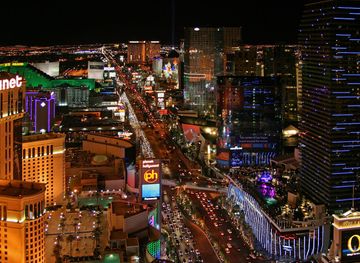
Explore Clark County, Nevada for Las Vegas entertainment, desert parks, Hoover Dam, Lake Mead, mountain scenery and distinctive Southwestern history.
Explore Clark County
Explore more of Nevada
Discover Nevada: From the bright lights of Las Vegas to the tranquil beauty of Lake Tahoe, Nevada offers a unique blend of excitement and natural wonder.
Explore Nevada