

Southern New Hampshire Travel Guide - Free Web & App
Your ultimate guide to Southern New Hampshire. Discover top landmarks, proposed trips, and local tips. Free on the web or via the Evendo companion app.


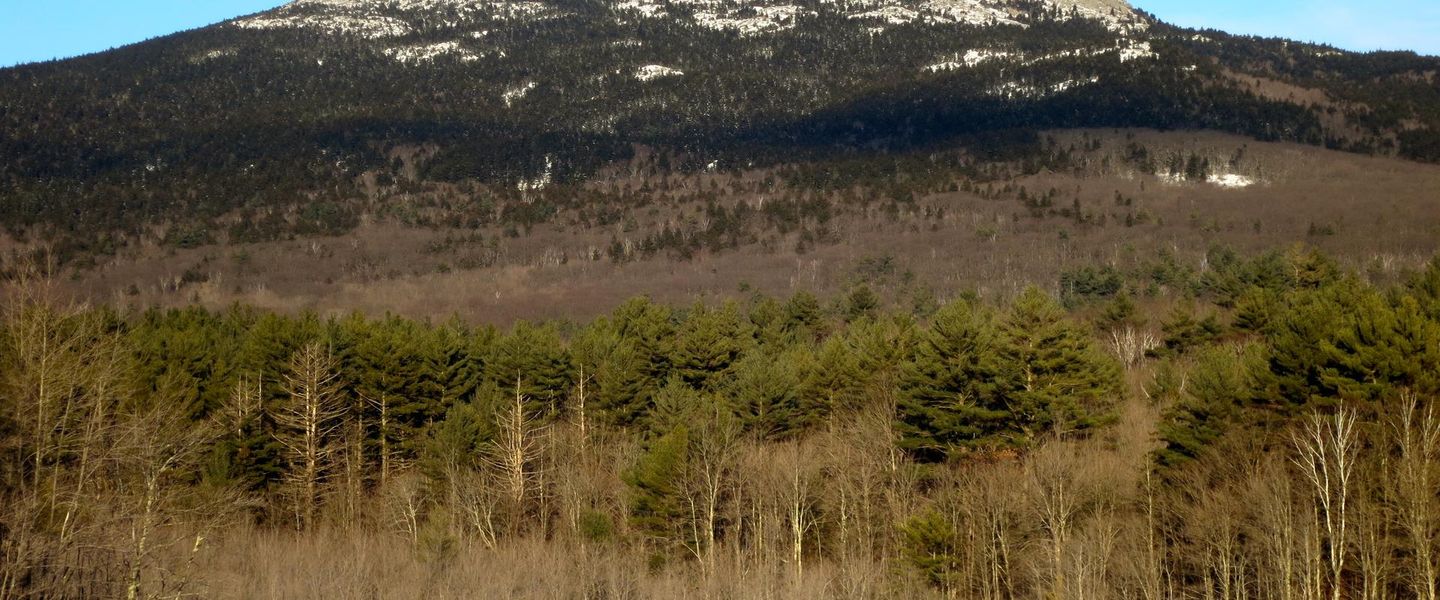


Southern New Hampshire, United States, combines Merrimack Valley towns, Monadnock views, covered bridges, lakes, forests and New England heritage.
Landscape and Regional Character
Southern New Hampshire is a varied inland region stretching from the Massachusetts border towards the state's central uplands, with the Merrimack River forming a defining geographical thread through many of its communities. It is not a single municipality or formally fixed tourism district, but a broad collection of river towns, wooded hills, lakes, farms and historic villages. Manchester and Nashua provide the largest urban centres, while Concord, Peterborough, Milford, Exeter and Keene serve as distinctive gateways to different parts of the region.Read more about Southern New Hampshire
Rivers, Hills and Open Country
History, Culture and Local Life
When is the best time to visit Southern New Hampshire?
Best: June–August · 25–28°C| Month | High (°C) | Rainfall (mm) |
|---|---|---|
| January | 2 | 80 |
| February | 3 | 70 |
| March | 8 | 80 |
| April | 15 | 90 |
| May | 20 | 90 |
| June (best) | 25 | 100 |
| July (best) | 28 | 100 |
| August (best) | 27 | 100 |
| September | 22 | 100 |
| October | 15 | 90 |
| November | 9 | 90 |
| December | 3 | 90 |
Getting to and around Southern New Hampshire
How to get there
Transportation
Best attractions in Southern New Hampshire
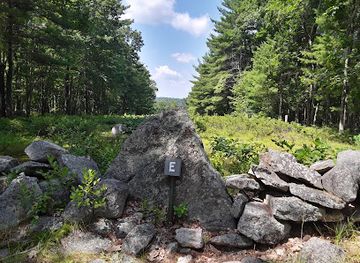
Southern New Hampshire's attractions range from urban cultural institutions to large areas of protected countryside. Mount Monadnock rises above the southwestern landscape and offers established hiking routes through Monadnock State Park, while nearby Peterborough provides galleries, theatres and a well-preserved New England setting. In the east, Pawtuckaway State Park combines forest, ponds, wetlands and distinctive boulder fields, and Pisgah State Park near Winchester protects a broad, quiet landscape of woods and water. Lake Sunapee brings boating, shoreline scenery and village access beyond the southern core, while the Merrimack Valley centres on Manchester's former Amoskeag mill district, Nashua's historic downtown and Concord's civic and cultural institutions. The Currier Museum of Art, the SEE Science Center, Saint-Gaudens National Historical Park near Cornish and the Franklin Pierce Homestead add artistic, scientific and presidential history. Smaller villages, covered bridges, farm stands and seasonal fairs fill the spaces between these better-known destinations.
-
Tourist attraction
White Mountain National Forest
Experience the breathtaking beauty and diverse activities at White Mountain National Forest, a premier destination for nature lovers and adventure seekers in New Hampshire.
-
Tourist attraction
The Mount Washington Cog Railway
Experience breathtaking views and rich history aboard the Mount Washington Cog Railway, the first mountain cog railway in the US.
-
Tourist attraction
Conway Scenic Railroad
Explore the breathtaking landscapes of New Hampshire aboard the iconic Conway Scenic Railroad, where history and nature meet on a picturesque journey.
-
State park
Pawtuckaway State Park
Experience the tranquility and adventure of Pawtuckaway State Park, a hidden gem in New Hampshire's natural landscape, perfect for outdoor enthusiasts and nature lovers.


Best landmarks in Southern New Hampshire
Mount Monadnock is southern New Hampshire's most recognisable natural landmark, an isolated summit whose exposed upper slopes and broad views have influenced the region's hiking and artistic identity. The Merrimack River and its associated canals and mill buildings form an important industrial landmark system through Manchester, where the Amoskeag complex records the scale of nineteenth-century textile manufacturing. Saint-Gaudens National Historical Park near Cornish preserves the home, studios and gardens associated with Augustus Saint-Gaudens and the former Cornish art community. Pawtuckaway's boulder fields, ponds and forested hills illustrate the region's varied glacial landscape, while Lake Sunapee provides a contrasting water-based landmark framed by wooded elevations. Historic town greens, colonial houses, meetinghouses and covered bridges across communities such as Amherst, Exeter and Peterborough add architectural markers to the natural geography.
-
Historical place museum
America's Stonehenge
Explore the ancient wonders of America's Stonehenge in Salem, NH – a historical gem showcasing thousands of years of mystery and intrigue.
-
Nature preserve
Manchester Cedar Swamp Preserve (TNC)
Experience the tranquil beauty of nature at Manchester Cedar Swamp Preserve, a serene escape for wildlife enthusiasts and nature lovers alike.
-
State park
White Island State Historic Site
Explore the scenic beauty and rich maritime history at White Island State Historic Site, a hidden gem in Rye, New Hampshire.


Explore Southern New Hampshire on the map
Plan your trip on one map. See where the top attractions, landmarks, restaurants and hotels are, and book hotels and experiences in a few clicks.
Best hotels in Southern New Hampshire
Best restaurants in Southern New Hampshire
Southern New Hampshire's dining reflects a mixture of New England tradition, immigrant urban history and contemporary farm-to-table cooking. Manchester, Nashua and Concord have the broadest choice of restaurants, cafés, bakeries and international cuisines, while Peterborough, Keene, Milford, Amherst and Exeter provide smaller concentrations of independent dining in historic town centres. Rural areas are more likely to offer traditional pubs, country inns, diners, farm shops and seasonal stands than a dense restaurant scene. Regional foods include local apples, maple products, dairy, pumpkins, berries and produce from small farms, alongside New England staples such as seafood, chowder and baked goods. Craft breweries and small beverage producers are part of the modern food landscape, although opening arrangements vary. Visitors exploring parks and rural roads should plan provisions in advance, as restaurants and shops are not evenly distributed between trailheads and villages.
-
Restaurant
Tuckaway Tavern and Butchery
Discover the flavors of New Hampshire at Tuckaway Tavern and Butchery—where gourmet cuisine meets local charm in a cozy atmosphere.
-
Chicken
Puritan Backroom Restaurant
Discover the iconic Puritan Backroom Restaurant in Manchester, NH – home to legendary chicken dishes and a welcoming atmosphere.
-
Restaurant
Red Arrow Diner
Experience the charm of classic American dining at Red Arrow Diner in Manchester - where comfort food meets local tradition.
-
American
Copper Door
Savor innovative American cuisine at Copper Door in Salem, NH – where classic dishes meet modern culinary creativity.


Best bars in Southern New Hampshire
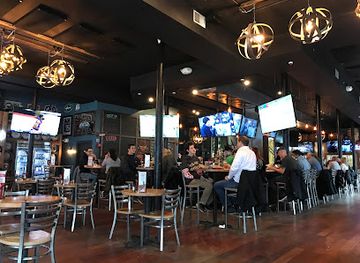
Evening life in southern New Hampshire is concentrated in Manchester, Nashua and Concord rather than in the rural landscapes. These cities have established pubs, breweries, restaurants with bars, live-music programming and occasional theatrical or cultural events, with the former mill areas and central districts providing much of the evening activity. Smaller towns such as Keene, Peterborough, Exeter and Milford generally offer a quieter selection of taverns, brewery taprooms and community-oriented venues rather than dedicated nightclub districts. Around Mount Monadnock, Lake Sunapee and the state parks, evenings are primarily shaped by accommodation, camp or cottage settings and the limited hospitality of nearby villages. Visitors should confirm current opening arrangements and event schedules, particularly outside the main cities and during low-season periods.
-
American
Copper Door
Discover Copper Door in Bedford, NH: where exquisite American cuisine meets a vibrant atmosphere, perfect for any occasion.
-
American
New England's Tap House Grille
Experience the vibrant flavors of American cuisine at New England's Tap House Grille in Hooksett, NH, where delicious food and craft beer meet in a lively atmosphere.
-
Grill
Thirsty Moose Taphouse Manchester
Discover the flavors of Manchester at Thirsty Moose Taphouse, your go-to spot for delicious food and local craft beer.
-
Bar
Firefly Bistro & Bar
Discover the vibrant culinary scene at Firefly Bistro & Bar, where American flavors meet a lively atmosphere in downtown Manchester.



Best nightclubs in Southern New Hampshire
Evening life in southern New Hampshire is concentrated in Manchester, Nashua and Concord rather than in the rural landscapes. These cities have established pubs, breweries, restaurants with bars, live-music programming and occasional theatrical or cultural events, with the former mill areas and central districts providing much of the evening activity. Smaller towns such as Keene, Peterborough, Exeter and Milford generally offer a quieter selection of taverns, brewery taprooms and community-oriented venues rather than dedicated nightclub districts. Around Mount Monadnock, Lake Sunapee and the state parks, evenings are primarily shaped by accommodation, camp or cottage settings and the limited hospitality of nearby villages. Visitors should confirm current opening arrangements and event schedules, particularly outside the main cities and during low-season periods.
-
Live Music
Jewel Music Venue
Discover the heart of Manchester's music scene at Jewel Music Venue, where live performances and a vibrant lounge atmosphere await.
-
Bar
Lafayette Club
Experience the vibrant nightlife of Nashua at Lafayette Club, where great drinks, live music, and friendly faces await you.
-
Live music bar
The Big House
The Big House: A Lively Live Music Bar in Laconia, NH, Offering Unforgettable Nights of Dancing and Entertainment.
-
Club
Rimmon Club
Unleash the night at Rimmon Club, Manchester's go-to destination for unforgettable music, dancing, and vibrant nightlife experiences.



Best shops in Southern New Hampshire
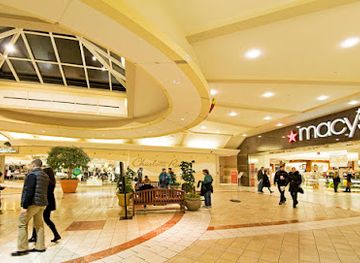
Shopping in southern New Hampshire is strongest in Manchester, Nashua and Concord, where visitors will find independent retailers, bookstores, galleries, outdoor suppliers and larger commercial centres. Smaller towns including Peterborough, Keene, Exeter, Milford and Amherst offer locally oriented shops around historic main streets, with art, books, home goods and regional gifts more characteristic than luxury retail. Farm stands, orchards, farmers' markets and farm shops provide seasonal produce, maple products, baked goods, cider and other New Hampshire specialities, although availability changes through the year. Craft breweries, pottery studios, woodworking businesses and galleries contribute to the region's artisan economy, particularly around the Monadnock area. Rural state parks and trailheads generally have limited shopping, so visitors should buy food, outdoor supplies and practical necessities in a gateway town before heading into the countryside.
-
Shopping mall
The Mall of New Hampshire
Explore The Mall of New Hampshire: Shop, Dine, and Enjoy Entertainment in Manchester's Premier Shopping Destination.
-
Thrift store
Savers
Uncover unique treasures at Savers Thrift Store in Manchester, NH, where every visit reveals hidden gems and sustainable shopping.
-
Department store
Target
Explore a diverse range of products at Target Hooksett, from clothing to electronics, all in a convenient one-stop shopping experience.
-
Metaphysical supply store
Myths & Maidens
Explore Myths & Maidens, your premier destination for metaphysical supplies and handcrafted candles in Manchester, NH. Discover your spiritual journey today.


Get your free copy of our complete guide to Southern New Hampshire, delivered straight to you.
Everything on this page, from attractions and restaurants to essentials and local phrases, in one PDF you can read offline, print or share.
Already have an account? Sign in
Your Southern New Hampshire guide is ready.
We'll send it to · Not you? Sign out

Getting your guide ready…
We are putting together a fresh copy of the Southern New Hampshire guide. This can take up to a minute.
This can take a few moments. If your browser asks, choose Allow so the download can start. You'll find the guide in your Downloads folder.
Nothing happened? Download it again
Sorry, the guide is taking longer than usual. Please try again in a minute, or get it by email instead.
Southern New Hampshire essentials
Currency and Payment
Safety
Emergency Situations
Do's and Don'ts
Local Tips
From Eve
Local phrases worth knowing
You don't need to get them perfect. A few words go a long way, and locals appreciate the effort.
Basics
| English | Local | Say it |
|---|---|---|
| Hello | Hey | [hey] |
| Goodbye | See ya | [see ya] |
| Yes | Yup | [yup] |
| No | Nope | [nope] |
| Please/You're welcome | Please/You're welcome | [please/you're welcome] |
| Thank you | Thanks | [thanks] |
| Excuse me/Sorry | Excuse me/Sorry | [excuse me/sorry] |
| How are you? | How are ya? | [how are ya?] |
| Fine. And you? | Good. You? | [good. you?] |
| Do you speak English? | Ya speak English? | [ya speak english?] |
| I don't understand | I don't get it | [i don't get it] |
Eating & Drinking
| English | Local | Say it |
|---|---|---|
| I'd like to see the menu, please | Can I see the menu? | [can i see the menu?] |
| I don't eat meat | I don't eat meat | [i don't eat meat] |
| Cheers! | Cheers! | [cheers!] |
| I would like to pay, please | Can I pay now? | [can i pay now?] |
Emergencies
| English | Local | Say it |
|---|---|---|
| Help! | Help! | [help!] |
| Go away! | Get lost! | [get lost!] |
| Call the Police! | Call the cops! | [call the cops!] |
| Call a doctor! | Get a doctor! | [get a doctor!] |
| I'm lost | I'm lost | [i'm lost] |
| I'm ill | I'm sick | [i'm sick] |
Shopping
| English | Local | Say it |
|---|---|---|
| I'd like to buy... | I wanna buy... | [i wanna buy...] |
| I'm just looking | Just browsing | [just browsing] |
| How much is it? | How much? | [how much?] |
| That's too expensive | Too pricey | [too pricey] |
| Can you lower the price? | Can you do any better? | [can you do any better?] |
Time & Numbers
| English | Local | Say it |
|---|---|---|
| What time is it? | What time is it? | [what time is it?] |
| It's one o'clock | It's one | [it's one] |
| Half past (10) | Half past ten | [half past ten] |
| Morning | Morning | [morning] |
| Afternoon | Afternoon | [afternoon] |
| Evening | Evening | [evening] |
| Yesterday | Yesterday | [yesterday] |
| Today | Today | [today] |
| Tomorrow | Tomorrow | [tomorrow] |
| 1 | One | [one] |
| 2 | Two | [two] |
| 3 | Three | [three] |
| 4 | Four | [four] |
| 5 | Five | [five] |
| 6 | Six | [six] |
| 7 | Seven | [seven] |
| 8 | Eight | [eight] |
| 9 | Nine | [nine] |
| 10 | Ten | [ten] |
Transport & Directions
| English | Local | Say it |
|---|---|---|
| Where's a/the...? | Where's the...? | [where's the...?] |
| What's the address? | What's the address? | [what's the address?] |
| Can you show me (on the map)? | Can you show me (on the map)? | [can you show me (on the map)?] |
| When's the next (bus)? | When's the next (bus)? | [when's the next (bus)?] |
| A ticket (to ....) | A ticket (to ....) | [a ticket (to ....)] |
History of Southern New Hampshire
Indigenous Landscapes and Early Settlement
Before European settlement, southern New Hampshire was inhabited and travelled by Indigenous peoples, including Abenaki communities associated with the wider Merrimack and Connecticut river systems. Rivers, wetlands and forest paths supported movement, fishing, hunting and seasonal gathering, while the region's granite hills and elevated lakes shaped local routes. European colonisation expanded during the seventeenth and eighteenth centuries, bringing farms, mills and permanent settlements, but Indigenous history remains an essential part of the landscape's deeper chronology. Place names, waterways and archaeological evidence provide reminders that the region's history began long before the colonial towns whose buildings now dominate many heritage districts.
Colonial Towns and River Communities
English settlement developed around fertile valleys, river crossings and productive upland farms. Towns including Exeter, Amherst, Milford and Peterborough acquired meetinghouses, civic buildings and trading connections during the eighteenth and early nineteenth centuries. The Merrimack, Souhegan and Contoocook rivers supplied waterpower and helped link communities to markets beyond the region. Roads gradually replaced some earlier routes, and coaching, farming and small-scale manufacturing encouraged the growth of village centres. Surviving houses, churches, town greens and public buildings reflect the settlement patterns of New England, although the region's historic character is distributed across many communities rather than concentrated in one old town.
Textile Mills and Industrial Change
The industrial era transformed the Merrimack Valley, particularly in Manchester and Nashua, where waterpower and later transportation links supported large textile operations. Manchester grew around the Amoskeag Manufacturing Company, whose mills became one of the most important industrial complexes in the United States during the nineteenth century. Nashua also developed a substantial manufacturing economy along the Nashua River. Immigration changed the social and cultural character of both cities, while mill employment drew people away from scattered farms and smaller villages. Former mill buildings, canals and dense workers' neighbourhoods remain visible evidence of this period, even as the regional economy has diversified.
Tourism, Art and the Rural Landscape
Improved roads and rail connections brought visitors from the growing cities of New England to southern New Hampshire's mountains, lakes and rural communities. Mount Monadnock became especially associated with walking, landscape painting and outdoor recreation, attracting artists and travellers during the nineteenth century. The region also gained cultural importance through estates and artistic communities, including the Cornish Colony near the Connecticut River, where sculptor Augustus Saint-Gaudens lived and worked. Lakeside resorts, summer residences and seasonal excursions introduced a recreational economy that complemented agriculture and industry, helping establish the landscape as both a working environment and a place for leisure.
Conservation and Modern Regional Identity
Twentieth- and twenty-first-century southern New Hampshire have seen continued suburban growth alongside efforts to protect forests, watersheds, farmland and historic places. State parks such as Monadnock, Pawtuckaway and Pisgah preserve important recreational landscapes, while Saint-Gaudens National Historical Park protects a significant cultural site. Conservation trusts, municipalities and state agencies have also helped maintain trails, wetlands and open land, although development pressure remains a continuing regional issue. Today the area combines manufacturing and technology centres, university and arts communities, working farms, historic villages and protected natural spaces, with each subregion retaining a different relationship to New Hampshire's landscape.
Southern New Hampshire in Photos
Browse through our photo collection highlighting the charm and character of the destination.
Cities in Southern New Hampshire
The towns and cities of Southern New Hampshire, and the easiest places to base yourself.
-

-

-

-

-

-


Swipe for more cities
Neighbouring destination travel guides
The closest destinations to Southern New Hampshire, if you have time for more than one.
-

-

-
-

-


Swipe for more destinations
Explore more

Explore more of Merrimack Valley
Explore New Hampshire’s Merrimack Valley for river towns, industrial heritage, museums, Shaker history, local food and accessible woodland trails.
Explore Merrimack Valley
Explore more of New Hampshire
Discover New Hampshire: Explore the majestic White Mountains, serene lakes, and historic towns in the heart of New England's enchanting landscapes.
Explore New Hampshire