
Jemez Springs, New Mexico Travel Guide
Discover Jemez Springs, a serene village in New Mexico known for its healing hot springs, ancient ruins, scenic hiking trails, and rich cultural events.
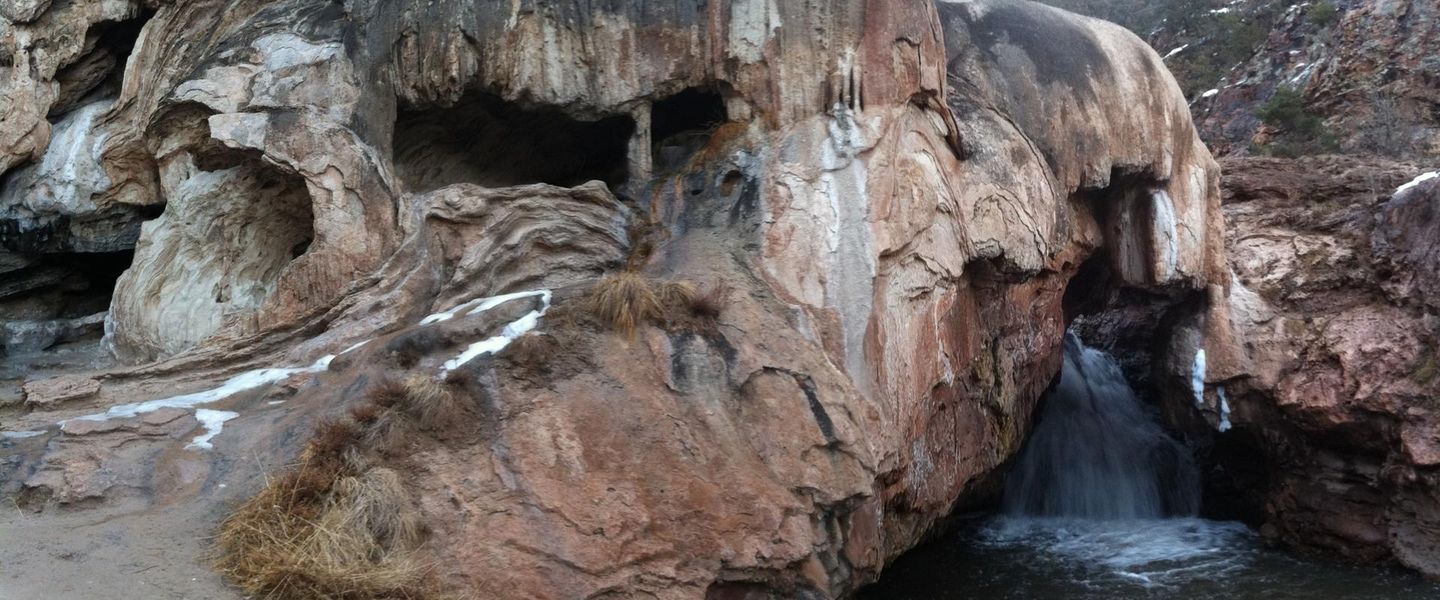
Nestled in the lush Jemez Mountains, Jemez Springs is a charming village in New Mexico that offers a blend of natural beauty, rich history, and serene relaxation. This picturesque destination is renowned for its hot springs, which have been attracting visitors for centuries. Whether you're looking to soak in therapeutic mineral waters or explore the surrounding landscapes, Jemez Springs promises a rejuvenating getaway. Jemez Springs' geothermal hot springs are a major draw, with several public and private options available. The healing properties of these mineral-rich waters have been celebrated since Native American times. Besides the hot springs, the village is home to the Jemez State Monument, where you can explore ancient ruins and learn about the history of the Jemez Pueblo people. Outdoor enthusiasts will find plenty to do in Jemez Springs. The area boasts numerous hiking trails that lead to stunning vistas, waterfalls, and even a natural sandstone arch. The Valles Caldera National Preserve, with its expansive meadows and diverse wildlife, is a short drive away and perfect for hiking, fishing, and wildlife viewing. After a day of adventure, enjoy a meal at one of the local eateries, where you'll find delicious New Mexican cuisine. Jemez Springs also hosts several annual events that celebrate the local culture and arts. From the Jemez Red Rocks Arts and Crafts Show to the Light Among the Ruins holiday celebration, there's always something happening in this vibrant village. With its combination of natural wonders, cultural heritage, and peaceful ambiance, Jemez Springs is a hidden gem that invites you to relax and reconnect with nature.

Know before you go
Hi, I'm Eve. Here are a few practical things to know before exploring Jemez Springs.
- Visit the hot springs early in the morning to avoid crowds and enjoy a peaceful soak.
- Wear comfortable hiking shoes and bring plenty of water if you plan to explore the trails.
- Check the local event calendar before your visit to catch unique cultural events and festivals.
- Pack layers, as temperatures can vary greatly between day and night.
- Try the local New Mexican cuisine, especially the green chile dishes.
Explore Jemez Springs: Things to Do, Places to Eat, Hotels & More
Handpicked recommendations for top attractions, local dining, accommodations, and more

Best attractions in Jemez Springs
Top-rated picks
Best Attractions

Jemez Hot Springs
Experience a serene retreat at Jemez Hot Springs, New Mexico's premier destination for relaxation and wellness in a breathtaking natural setting.

Jemez Historic Site
Explore the captivating history and breathtaking landscapes of Jemez Historic Site, a unique blend of cultural heritage and natural beauty in New Mexico.

Jemez Soda Dam
Visit Jemez Soda Dam in New Mexico for a breathtaking experience of nature's artistry, featuring unique geological formations and serene landscapes.

Jemez Springs Bath House
Experience the soothing mineral waters of Jemez Springs Bath House, a serene retreat nestled in the natural beauty of New Mexico's mountains.

Best landmarks in Jemez Springs
Top-rated picks
Best Landmarks

Jemez Hot Springs
Experience tranquility at Jemez Hot Springs, a health resort nestled in New Mexico's scenic landscape, featuring revitalizing hot springs and spa services.

Jemez Historic Site
Explore the historic Jemez Historic Site in New Mexico, where ancient culture and stunning landscapes unite to tell the story of the Jemez people.

Jemez Soda Dam
Explore the stunning Jemez Soda Dam - a natural wonder of vibrant colors and breathtaking views in New Mexico's enchanting landscape.

Jemez Springs Bath House
Discover the healing waters of Jemez Springs Bath House, a tranquil spa experience surrounded by stunning New Mexico landscapes.

Best restaurants in Jemez Springs
Top-rated picks
Best Restaurants

Los Ojos Restaurant & Saloon
Discover the flavors of New Mexico at Los Ojos Restaurant & Saloon – where great food meets warm hospitality in Jemez Springs.

Highway 4 Cafe & Bakery
Discover comfort and flavor at Highway 4 Cafe & Bakery in Jemez Springs, where every cup and bite tells a story.

Jemez Springs Bath House
Discover tranquility at Jemez Springs Bath House - rejuvenate your body and spirit in New Mexico's natural hot springs.

Jemez Mountain Brewhouse
Discover Jemez Mountain Brewhouse in Jemez Springs: Savor artisanal pizzas paired with local craft beers amidst stunning mountain views.

Best bars in Jemez Springs
Top-rated picks
Best Bars

Los Ojos Restaurant & Saloon
Experience the flavors of New Mexico at Los Ojos Restaurant & Saloon, where rustic charm meets delicious grilled cuisine.

Jemez Soda Dam
Explore the breathtaking beauty of Jemez Soda Dam, a unique geological marvel in New Mexico perfect for nature lovers and outdoor enthusiasts.

Highway 4 Cafe & Bakery
Experience the charm of Highway 4 Cafe & Bakery in Jemez Springs, where delicious coffee and baked goods await in a picturesque setting.

Jemez Springs Bath House
Experience the healing powers of nature at Jemez Springs Bath House, a serene spa retreat nestled in the breathtaking landscapes of New Mexico.


Best shops in Jemez Springs
Top-rated picks
Best Shops

Jemez Historic Site
Explore the captivating history and stunning landscapes at the Jemez Historic Site, a cherished landmark of New Mexico's rich cultural heritage.

Jemez Soda Dam
Experience the breathtaking beauty of Jemez Soda Dam, a stunning natural attraction in New Mexico's Jemez Mountains, perfect for nature lovers and photographers.

Highway 4 Cafe & Bakery
Experience the warmth and flavors of Jemez Springs at Highway 4 Cafe & Bakery, where homemade pastries and rich coffee await.

Jemez Springs Bath House
Experience tranquility and rejuvenation at Jemez Springs Bath House, where natural hot springs meet holistic wellness in a stunning New Mexico setting.

Explore Jemez Springs on the Map
A handpicked selection of must-see spots in Jemez Springs, mapped for you.
Jemez Springs Essentials
-
Jemez Springs is located in north-central New Mexico, approximately 60 miles northwest of Albuquerque. The nearest major airport is Albuquerque International Sunport (ABQ). From there, you can rent a car and drive to Jemez Springs, which typically takes around 1.5 hours. Alternatively, you can take a shuttle service from Albuquerque to Jemez Springs. Driving is the most convenient option, as public transportation options are limited.
-
Within Jemez Springs, the best way to get around is by car. There are a few local taxi services, but they may not be readily available at all times. Renting a car provides the flexibility to explore the scenic Jemez Mountain Trail National Scenic Byway and other nearby attractions. For those who enjoy cycling, renting a bike can be a great way to explore the area. Walking is also a viable option for short distances, as the village is small and pedestrian-friendly.
-
The official currency in Jemez Springs is the United States Dollar (USD). Credit and debit cards are widely accepted in hotels, restaurants, and shops. However, it is a good idea to carry some cash, especially for smaller establishments and local markets. ATMs are available in Jemez Springs for convenient cash withdrawals.
-
Jemez Springs is generally a very safe destination for tourists. Crime rates are low, and the community is welcoming. Nevertheless, it is advisable to take standard precautions such as not leaving valuables unattended and being aware of your surroundings, especially at night. There are no specific areas with high crime rates targeting tourists, but it is always best to stay vigilant.
-
In case of emergency, dial 911 for immediate assistance. Jemez Springs has a local fire department and emergency medical services. The nearest hospital is in Los Alamos, approximately 40 miles away. It is recommended to have travel insurance that covers medical emergencies. For minor health issues, there is a pharmacy in the village where you can purchase over-the-counter medications.
-
Fashion: Do dress in layers, as the weather can change quickly. Comfortable walking shoes are a must. Avoid overly flashy clothing. Religion: Do respect local customs and traditions, especially if visiting sacred sites like the Jemez Pueblo. Public Transport: Public transport options are limited, so plan accordingly. If using a shuttle service, be punctual. Greetings: Do greet people with a friendly hello or a nod. Jemez Springs is a small community, and locals appreciate friendly interactions. Eating & Drinking: Do try local cuisine and accept food offerings graciously. Don't be afraid to ask for recommendations from locals.
-
To experience Jemez Springs like a local, visit the Jemez Historic Site and learn about the area's rich history. The local hot springs are a must-visit for relaxation. Engage with locals at the weekly farmers' market, where you can buy fresh produce and artisanal goods. Don't miss the scenic hikes in the Jemez Mountains, such as the Valles Caldera National Preserve and the Jemez Falls trail. Visiting during one of the local festivals can provide a unique and immersive experience.
When is the best time to visit Jemez Springs?
Useful Local Phrases for Jemez Springs
You don't need to speak the language perfectly. Even learning a few simple words can make conversations warmer—and locals usually appreciate the effort.
— Eve

Here are the phrases I use most often in Jemez Springs. Try a few—you'll be surprised how far they go! 😊
❤️
-
- HelloShiwi
[shee-wee] - GoodbyeK'yana
[kee-yah-nah] - YesHe
[hey] - NoHa'a
[hah-ah] - Please/You're welcomeK'ya'povi
[kyah-poh-vee] - Thank youK'wa
[kwah] - Excuse me/SorryK'wa'ik'wa
[kwah-ee-kwah] - How are you?K'awa'neh?
[kah-wah-neh] - Fine. And you?K'awa'neh. K'awa?
[kah-wah-neh. kah-wah] - Do you speak English?Ah'wi'k'wa Shiwi?
[ah-wee-kwah shee-wee] - I don't understandHa'a yaa'k'wa
[hah-ah yah-kwah]
- HelloShiwi
-
- I'd like to see the menu, pleaseHa'a shi'k'wa shi'k'wi'vi, k'ya'povi
[hah-ah shee-kwah shee-kwee-vee, kyah-poh-vee] - I don't eat meatHa'a shi'k'wa shi'k'wi'wi
[hah-ah shee-kwah shee-kwee-wee] - Cheers!T'uu'wii
[too-wee] - I would like to pay, pleaseHa'a shi'k'wa po'k'wi, k'ya'povi
[hah-ah shee-kwah poh-kwee, kyah-poh-vee]
- I'd like to see the menu, pleaseHa'a shi'k'wa shi'k'wi'vi, k'ya'povi
-
- Help!Ha'a!
[hah-ah] - Go away!Ha'a h'ashe!
[hah-ah hah-shay] - Call the Police!Ha'a po'k'wi shiwi!
[hah-ah poh-kwee shee-wee] - Call a doctor!Ha'a po'k'wi po'k'we
[hah-ah poh-kwee poh-kweh] - I'm lostHa'a po'k'wi k'wii
[hah-ah poh-kwee kwee] - I'm illHa'a po'k'wi po'k'we
[hah-ah poh-kwee poh-kweh]
- Help!Ha'a!
-
- I'd like to buy...Ha'a shi'k'wa po'k'wi...
[hah-ah shee-kwah poh-kwee...] - I'm just lookingShi'k'wa shi'k'wi'na
[shee-kwah shee-kwee-nah] - How much is it?Ha'a po'k'wi?
[hah-ah poh-kwee] - That's too expensiveHa'a po'k'wi h'ashe
[hah-ah poh-kwee hah-shay] - Can you lower the price?Ha'a po'k'wi po'k'yum
[hah-ah poh-kwee poh-kyum]
- I'd like to buy...Ha'a shi'k'wa po'k'wi...
-
- What time is it?Ha'a po'k'wi k'wii?
[hah-ah poh-kwee kwee] - It's one o'clockHa'a po'k'wi po'k'wi
[hah-ah poh-kwee poh-kwee] - Half past (10)Ha'a po'k'wi po'k'wii
[hah-ah poh-kwee poh-kwee] - MorningPo'k'wi
[poh-kwee] - AfternoonPo'k'wi
[poh-kwee] - EveningPo'k'wi
[poh-kwee] - YesterdayPo'k'wi
[poh-kwee] - TodayPo'k'wi
[poh-kwee] - TomorrowPo'k'wi
[poh-kwee] - 1Po'k'wi
[poh-kwee] - 2Po'k'wi
[poh-kwee] - 3Po'k'wi
[poh-kwee] - 4Po'k'wi
[poh-kwee] - 5Po'k'wi
[poh-kwee] - 6Po'k'wi
[poh-kwee] - 7Po'k'wi
[poh-kwee] - 8Po'k'wi
[poh-kwee] - 9Po'k'wi
[poh-kwee] - 10Po'k'wi
[poh-kwee]
- What time is it?Ha'a po'k'wi k'wii?
-
- Where's a/the...?Ha'a po'k'wi...
[hah-ah poh-kwee...] - What's the address?Ha'a po'k'wi...
[hah-ah poh-kwee...] - Can you show me (on the map)?Ha'a po'k'wi...
[hah-ah poh-kwee...] - When's the next (bus)?Ha'a po'k'wi...
[hah-ah poh-kwee...] - A ticket (to ....)Ha'a po'k'wi...
[hah-ah poh-kwee...]
- Where's a/the...?Ha'a po'k'wi...
History of Jemez Springs
-
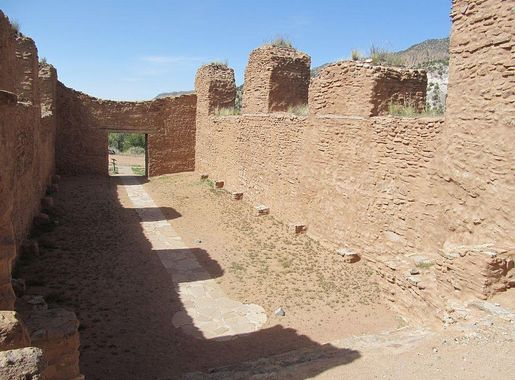
Long before European settlers arrived, the Jemez Valley was home to the Ancestral Puebloans, who built thriving communities in the region. Evidence of their presence can be found in the numerous archaeological sites, such as the impressive ruins at the Jemez Historic Site. These ancient inhabitants were known for their remarkable masonry skills and their ability to adapt to the rugged landscape of the Jemez Mountains.
-
In the late 16th century, Spanish explorers led by Francisco Vásquez de Coronado ventured into the Jemez Valley. The Spanish were in search of the legendary Seven Cities of Gold and made contact with the native Jemez people, known as the Hemish. This encounter marked the beginning of a tumultuous period of cultural exchange, conflict, and eventual colonization.
-
The Pueblo Revolt of 1680 was a significant uprising by the indigenous Pueblo people against Spanish colonization. The Jemez Pueblo played a crucial role in this revolt, joining forces with other Pueblo communities to drive the Spanish out of New Mexico. This momentous event temporarily restored autonomy to the Pueblo people and is remembered as a powerful symbol of resistance and resilience.
-
In the 1620s, the Spanish established the Mission of San José de los Jémez near present-day Jemez Springs. The mission was part of Spain's efforts to convert the native population to Christianity. Although the mission was abandoned after the Pueblo Revolt of 1680, its ruins remain a testament to this era of religious and cultural transformation.
-
The natural hot springs in Jemez Springs have been a draw for visitors for centuries. In the 19th century, the Jemez Springs Bath House was established, capitalizing on the reputed healing properties of the mineral-rich waters. The bath house has since become a historic landmark, offering a glimpse into the region's long-standing tradition of therapeutic baths and wellness.
-
In the early 20th century, Jemez Springs transitioned from a primarily ranching community to a popular destination for tourists seeking the natural beauty and tranquility of the Jemez Mountains. The development of infrastructure, including roads and accommodations, facilitated this shift, making Jemez Springs more accessible to visitors from around the country and beyond.
-
Today, the Jemez Pueblo is a vibrant community that continues to preserve its rich cultural heritage. The Pueblo is known for its traditional arts, crafts, and ceremonies, which are shared with visitors through various cultural events and educational programs. The commitment to maintaining ancestral traditions while embracing modern challenges underscores the resilience and vitality of the Jemez people.
Neighbouring destination travel guides
Browse our curated selection of top destinations, scenic points, and must-visit spots in the area.




Your all‑in‑one travel companion app
Explore expert travel guides, compare and book tours, experiences, hotels, and more—all from the palm of your hand. Download now for seamless trip planning wherever your wanderlust takes you.


Explore More of Jemez Mountains

Looking beyond Jemez Springs? Discover Jemez Mountains for broader travel guides, local hot-spots, and regional highlights.
Explore Jemez MountainsExplore More of New Mexico

Looking beyond Jemez Springs? Discover New Mexico for broader travel guides, local hot-spots, and regional highlights.
Explore New MexicoJemez Springs in Photos
Browse through our photo collection highlighting the charm and character of the destination.




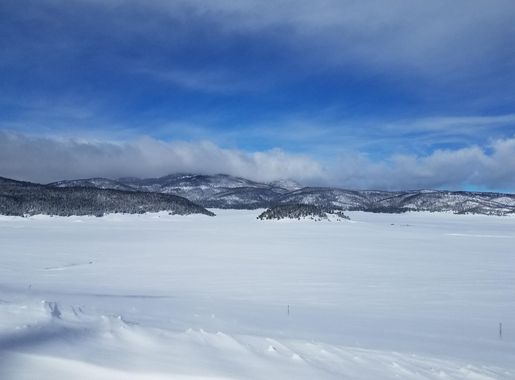

Jemez Springs: A Tranquil Oasis in the Heart of New Mexico
Nestled in the lush Jemez Mountains, Jemez Springs is a charming village in New Mexico that offers a blend of natural beauty, rich history, and serene relaxation. This picturesque destination is renowned for its hot springs, which have been attracting visitors for centuries. Whether you're looking to soak in therapeutic mineral waters or explore the surrounding landscapes, Jemez Springs promises a rejuvenating getaway. Jemez Springs' geothermal hot springs are a major draw, with several public and private options available. The healing properties of these mineral-rich waters have been celebrated since Native American times. Besides the hot springs, the village is home to the Jemez State Monument, where you can explore ancient ruins and learn about the history of the Jemez Pueblo people. Outdoor enthusiasts will find plenty to do in Jemez Springs. The area boasts numerous hiking trails that lead to stunning vistas, waterfalls, and even a natural sandstone arch. The Valles Caldera National Preserve, with its expansive meadows and diverse wildlife, is a short drive away and perfect for hiking, fishing, and wildlife viewing. After a day of adventure, enjoy a meal at one of the local eateries, where you'll find delicious New Mexican cuisine. Jemez Springs also hosts several annual events that celebrate the local culture and arts. From the Jemez Red Rocks Arts and Crafts Show to the Light Among the Ruins holiday celebration, there's always something happening in this vibrant village. With its combination of natural wonders, cultural heritage, and peaceful ambiance, Jemez Springs is a hidden gem that invites you to relax and reconnect with nature.