

Taos Ski Valley Travel Guide - Free Web & App
Your ultimate guide to Taos Ski Valley. Discover top landmarks, proposed trips, and local tips. Free on the web or via the Evendo companion app.


Taos Ski Valley, New Mexico, offers high-elevation skiing, rugged Sangre de Cristo scenery, summer hiking, mountain culture and access to Taos Pueblo.
Mountain Setting
Taos Ski Valley lies at the northern end of New Mexico State Road 150, deep in the Sangre de Cristo Mountains. The compact resort community sits at roughly 9,200 feet above sea level, surrounded by steep, forested slopes and high alpine terrain. Its defining feature is the ski area rising above the valley, with lifts and runs extending towards ridgelines and summits including Kachina Peak. Winter brings dry mountain snow, downhill skiing and snowboarding, while summer reveals hiking routes, wildflower-filled slopes and access to the high country around the resort.Read more about Taos Ski Valley
A Distinctive Resort Community
Winter and Summer Experiences
When is the best time to visit Taos Ski Valley?
Best: June–August · 16–18°C| Month | High (°C) | Rainfall (mm) |
|---|---|---|
| January | -2 | 46 |
| February | -1 | 41 |
| March | 3 | 48 |
| April | 6 | 41 |
| May | 11 | 39 |
| June (best) | 16 | 38 |
| July (best) | 18 | 63 |
| August (best) | 17 | 67 |
| September | 13 | 54 |
| October | 8 | 47 |
| November | 3 | 45 |
| December | -2 | 51 |
Getting to and around Taos Ski Valley
How to get there
Transportation
Best attractions in Taos Ski Valley
The principal attraction is the Taos Ski Valley mountain itself, where winter visitors find lift-served ski and snowboard terrain rising from the village towards high ridges and Kachina Peak. In summer, the valley becomes a base for mountain walks and hikes towards alpine scenery, including the route to Williams Lake, subject to trail conditions and local guidance. The approach along State Road 150 passes through forested mountain country and the small community of Arroyo Seco before reaching the resort. Beyond the immediate valley, the wider Taos area adds a strong cultural dimension: Taos Pueblo, a living Indigenous community and UNESCO World Heritage Site, lies near the town of Taos, while the historic Taos Plaza, the Martínez Hacienda and the region's galleries provide complementary experiences. These latter places are not within Taos Ski Valley itself, but are commonly combined with a stay in the resort because the destination's accommodation and dining offer is closely linked to the wider northern New Mexico landscape.
-
Campground
Twining Campground
Discover the beauty of Twining Campground in Taos Ski Valley, where adventure and nature come together for an unforgettable outdoor experience.
-
Hiking area
Middle Fork Lake Trailhead
Explore the breathtaking landscapes and serene beauty of Middle Fork Lake Trailhead in Taos Ski Valley, New Mexico, an outdoor paradise for hikers.
-
Ski resort
Kachina Peak NM
Experience the exhilarating slopes and stunning vistas of Kachina Peak, a premier ski resort in Taos Ski Valley, New Mexico.
-
Hiking area
Wheeler Peak Trail Sign
Explore Wheeler Peak Trail in Taos Ski Valley, NM – a breathtaking hiking area offering stunning mountain views and diverse wildlife encounters.


Best landmarks in Taos Ski Valley
Kachina Peak is the most recognisable high-mountain landmark associated with Taos Ski Valley, rising above the resort in the Sangre de Cristo Mountains and marking the transition from forested slopes to exposed alpine terrain. The valley's steep cirques, ridgelines and high basins are natural landmarks in their own right, defining the resort's dramatic setting and winter terrain. Williams Lake, reached by a recognised hiking route from the resort area when conditions permit, provides a contrasting mountain landscape below the high peaks. The developed village, with its concentrated lodging, lift and service buildings, represents the area's modern recreational heritage rather than an old historic settlement. Nearby Taos Pueblo is a major cultural landmark of the wider region, but it is a separate Indigenous community and should not be described as part of the ski resort.
-
 Resort hotel
The Blake at Taos Ski Valley
Experience luxury and adventure at The Blake at Taos Ski Valley, your perfect alpine retreat for skiing and relaxation in New Mexico's majestic mountains.
-
Hotel
Edelweiss Lodge & Spa
Discover the perfect blend of adventure and luxury at Edelweiss Lodge & Spa, your gateway to the breathtaking landscapes of Taos Ski Valley.
-
Stable
A A Taos Ski Valley Wilderness
Discover the breathtaking landscapes and outdoor adventures at A A Taos Ski Valley Wilderness, a hidden gem in New Mexico's majestic mountains.
-
Ski resort
Kachina Peak NM
Experience the thrill of skiing at Kachina Peak in Taos Ski Valley, where breathtaking views and diverse slopes await adventure seekers year-round.


Explore Taos Ski Valley on the map
Plan your trip on one map. See where the top attractions, landmarks, restaurants and hotels are, and book hotels and experiences in a few clicks.
Best hotels in Taos Ski Valley
Best restaurants in Taos Ski Valley
Dining in Taos Ski Valley is concentrated in the compact resort village, where restaurants, cafés and bars serve visitors around the winter ski season and the summer mountain period. Menus commonly reflect the wider culinary character of northern New Mexico, where red and green chile, beans, corn, locally influenced comfort food and Southwestern flavours sit alongside international and contemporary mountain fare. For a broader choice, visitors usually travel down the valley to Arroyo Seco or continue to Taos, where independent restaurants, cafés, bakeries and traditional New Mexican establishments are more numerous. The distinction between resort dining and regional food culture is useful: the ski valley offers convenience near the slopes, while Taos and its surrounding villages provide more opportunity to explore the area's Hispano, Pueblo and contemporary artistic influences. Availability and seasonal opening patterns vary, so remote-area visitors should plan meals rather than assume every venue is operating.
-
Restaurant
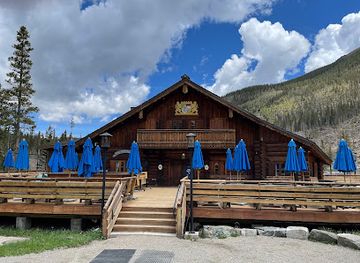
The Bavarian Restaurant
Experience authentic Bavarian cuisine amidst stunning mountain scenery at The Bavarian Restaurant in Taos Ski Valley.
-
Bar
192 at The Blake
Experience culinary excellence at 192 at The Blake in Taos Ski Valley—where American flavors meet breathtaking mountain views.
-
Restaurant
Taos Ale House - TSV
Discover delightful cuisine and craft beers at Taos Ale House in beautiful Taos Ski Valley—your perfect après-ski destination.
-
American
Rhoda's Restaurant
Experience authentic American cuisine amidst stunning mountain views at Rhoda's Restaurant in Taos Ski Valley.


Best bars in Taos Ski Valley
Taos Ski Valley has a quiet, après-ski-oriented evening atmosphere rather than a dedicated nightclub scene. Resort bars, hotel lounges and dining venues provide places for drinks and informal socialising after a day on the mountain, with activity generally concentrated around the village and influenced by the winter season. In summer, evenings are more subdued, shaped by mountain weather, early outdoor starts and the limited scale of the community. Arroyo Seco and Taos offer a wider selection of traditional bars, restaurants and occasional cultural entertainment, although these are reached by road and belong to the surrounding region rather than the ski valley itself. Visitors should not expect a large nightlife district, and venue schedules can change with the season, weather and local demand.
-
Restaurant
The Bavarian Restaurant
Experience authentic Bavarian cuisine in the heart of Taos Ski Valley, blending rustic charm with delightful flavors for an unforgettable dining experience.
-
Bar
192 at The Blake
Discover 192 at The Blake in Taos Ski Valley for a delightful combination of American cuisine and stunning mountain views, perfect for every traveler.
-
Restaurant
Taos Ale House - TSV
Experience the flavors of Taos Ski Valley at Taos Ale House, where local brews and hearty dishes create a memorable dining experience.
-
Hotel
Edelweiss Lodge & Spa
Discover the ultimate mountain retreat at Edelweiss Lodge & Spa in Taos Ski Valley, where luxury meets adventure amidst stunning landscapes.


Best nightclubs in Taos Ski Valley
Taos Ski Valley has a quiet, après-ski-oriented evening atmosphere rather than a dedicated nightclub scene. Resort bars, hotel lounges and dining venues provide places for drinks and informal socialising after a day on the mountain, with activity generally concentrated around the village and influenced by the winter season. In summer, evenings are more subdued, shaped by mountain weather, early outdoor starts and the limited scale of the community. Arroyo Seco and Taos offer a wider selection of traditional bars, restaurants and occasional cultural entertainment, although these are reached by road and belong to the surrounding region rather than the ski valley itself. Visitors should not expect a large nightlife district, and venue schedules can change with the season, weather and local demand.
-
Restaurant
The Bavarian Restaurant
Indulge in authentic Bavarian cuisine amidst the breathtaking beauty of Taos Ski Valley, where every meal is a culinary adventure.
-
Bar
192 at The Blake
Explore the flavors of Taos Ski Valley at 192 at The Blake, where delicious American cuisine meets a cozy bar atmosphere perfect for relaxation.
-
Fine Dining
The Blonde Bear Tavern & Cafe
Experience exquisite fine dining and cozy cafe vibes at The Blonde Bear Tavern & Cafe in Taos Ski Valley, New Mexico.
-
Cocktail bar
The Lounge at Taos Ski Valley by Rolling Still Distillery
Discover the charming ambiance and exquisite cocktails at The Lounge in Taos Ski Valley, the perfect retreat after a day of adventure.


Best shops in Taos Ski Valley
Shopping in Taos Ski Valley is practical and recreation-focused, with resort shops and services aimed chiefly at skiing, snowboarding, clothing, equipment and mountain essentials. The village is not a large retail centre, so visitors seeking groceries, a broader range of outdoor supplies or regional gifts may find more choice in Taos and, on a smaller scale, Arroyo Seco. Taos has long attracted artists and craftspeople, and its galleries and independent shops offer opportunities to encounter northern New Mexico art, textiles, pottery, jewellery and locally produced goods, although these belong to the wider town and cultural region rather than the ski valley itself. Regional food products and New Mexican specialities can also be found around Taos, while purchases associated with Taos Pueblo should be made respectfully and through appropriate community or authorised channels.
-
Hotel
Edelweiss Lodge & Spa
Discover the luxurious charm of Edelweiss Lodge & Spa in Taos Ski Valley, where adventure meets relaxation in a stunning alpine setting.
-
Cafe
Black Diamond Espresso
Discover the warmth and flavor of Black Diamond Espresso, a cozy cafe in Taos Ski Valley offering exceptional coffee and delightful treats.
-
Ski rental service
Taos Sports
Discover an exceptional ski rental service at Taos Sports, the gateway to your alpine adventure in Taos Ski Valley, New Mexico.
-
Store
Bumps Market
Explore Bumps Market in Taos Ski Valley for local groceries and organic delights amidst stunning mountain scenery.


Get your free copy of our complete guide to Taos Ski Valley, delivered straight to you.
Everything on this page, from attractions and restaurants to essentials and local phrases, in one PDF you can read offline, print or share.
Already have an account? Sign in
Your Taos Ski Valley guide is ready.
We'll send it to · Not you? Sign out

Getting your guide ready…
We are putting together a fresh copy of the Taos Ski Valley guide. This can take up to a minute.
This can take a few moments. If your browser asks, choose Allow so the download can start. You'll find the guide in your Downloads folder.
Nothing happened? Download it again
Sorry, the guide is taking longer than usual. Please try again in a minute, or get it by email instead.
Taos Ski Valley essentials
Currency and Payment
Safety
Emergency Situations
Do's and Don'ts
Local Tips
From Eve
Local phrases worth knowing
You don't need to get them perfect. A few words go a long way, and locals appreciate the effort.
Basics
| English | Local | Say it |
|---|---|---|
| Hello | Hola | [oh-lah] |
| Goodbye | Adios | [ah-dee-ohs] |
| Yes | Sí | [see] |
| No | No | [no] |
| Please/You're welcome | Por favor/De nada | [por fah-vor/deh nah-dah] |
| Thank you | Gracias | [grah-see-ahs] |
| Excuse me/Sorry | Perdón/Lo siento | [pair-dohn/loh see-ehn-toh] |
| How are you? | ¿Cómo estás? | [koh-moh ehs-tahs] |
| Fine. And you? | Bien. ¿Y tú? | [bee-ehn. ee too] |
| Do you speak English? | ¿Hablas inglés? | [ah-blahs een-glehs] |
| I don't understand | No entiendo | [noh ehn-tee-ehn-doh] |
Eating & Drinking
| English | Local | Say it |
|---|---|---|
| I'd like to see the menu, please | Me gustaría ver el menú, por favor | [meh goos-tah-ree-ah vehr ehl meh-noo, poor fah-vor] |
| I don't eat meat | No como carne | [noh koh-moh kahr-neh] |
| Cheers! | ¡Salud! | [sah-lood] |
| I would like to pay, please | Me gustaría pagar, por favor | [meh goos-tah-ree-ah pah-gahr, poor fah-vor] |
Emergencies
| English | Local | Say it |
|---|---|---|
| Help! | ¡Ayuda! | [ah-yoo-dah] |
| Go away! | ¡Vete! | [veh-teh] |
| Call the Police! | ¡Llama a la policía! | [yah-mah ah lah poh-lee-see-ah] |
| Call a doctor! | ¡Llama a un médico! | [yah-mah ah oon meh-dee-koh] |
| I'm lost | Estoy perdido | [ehs-toy pair-dee-doh] |
| I'm ill | Estoy enfermo | [ehs-toy ehn-fehr-moh] |
Shopping
| English | Local | Say it |
|---|---|---|
| I'd like to buy... | Me gustaría comprar... | [meh goos-tah-ree-ah kohm-prahr] |
| I'm just looking | Sólo estoy mirando | [soh-loh ehs-toy mee-rahn-doh] |
| How much is it? | ¿Cuánto cuesta? | [kwan-toh kwehs-tah] |
| That's too expensive | Eso es demasiado caro | [eh-soh ehs deh-mah-see-ah-doh kah-roh] |
| Can you lower the price? | ¿Puedes bajar el precio? | [pweh-dehs bah-har ehl pree-see-oh] |
Time & Numbers
| English | Local | Say it |
|---|---|---|
| What time is it? | ¿Qué hora es? | [keh oh-rah ehs] |
| It's one o'clock | Es la una en punto | [ehs lah oo-nah ehn poon-toh] |
| Half past (10) | Y media (10) | [ee meh-dee-ah (dheez)] |
| Morning | Mañana | [mah-nyah-nah] |
| Afternoon | Tarde | [tahr-deh] |
| Evening | Noche | [noh-cheh] |
| Yesterday | Ayer | [ah-yehr] |
| Today | Hoy | [oy] |
| Tomorrow | Mañana | [mah-nyah-nah] |
| 1 | Uno | [oo-noh] |
| 2 | Dos | [dohs] |
| 3 | Tres | [trehs] |
| 4 | Cuatro | [kwah-troh] |
| 5 | Cinco | [seen-koh] |
| 6 | Seis | [says] |
| 7 | Siete | [syeh-teh] |
| 8 | Ocho | [oh-choh] |
| 9 | Nueve | [nweh-veh] |
| 10 | Diez | [dyehs] |
Transport & Directions
| English | Local | Say it |
|---|---|---|
| Where's a/the...? | ¿Dónde está...? | [dohn-deh ehs-tah] |
| What's the address? | ¿Cuál es la dirección? | [kwal ehs lah dee-rehk-syohn] |
| Can you show me (on the map)? | ¿Puedes mostrarme (en el mapa)? | [pweh-dehs mohs-trahr-meh (ehn ehl mah-pah)] |
| When's the next (bus)? | ¿Cuándo es el próximo (autobús)? | [kwan-doh ehs ehl proh-ksy-moh (ow-toh-boos)] |
| A ticket (to ....) | Un boleto (a ....) | [oon boh-leh-toh (ah)] |
History of Taos Ski Valley
A High-Mountain Landscape
Taos Ski Valley occupies a glacially shaped mountain environment in the Sangre de Cristo Range, part of the southern Rocky Mountains. The steep cirques, alpine ridges and forested slopes reflect long geological processes rather than human construction. This setting later determined the area's recreational identity: the narrow valley provided a natural corridor into high terrain, while its elevation helped create a dependable winter snow climate compared with the lower settlements of the Taos region.
Indigenous and Hispano Landscapes
The valley forms part of a wider cultural landscape shaped by Indigenous peoples, including the nearby Taos Pueblo community, and by Hispano settlement in northern New Mexico. Taos Pueblo has maintained continuous community traditions over centuries and remains a living cultural and religious place, not simply a museum. Historic acequia irrigation systems, farming settlements and mountain woodlands around Taos reflect long relationships between communities and the region's limited water, high valleys and seasonal climate. Taos Ski Valley itself should be understood within this larger cultural setting rather than as an isolated resort history.
The Resort Takes Shape
Modern Taos Ski Valley began developing in the mid-twentieth century, when Ernie Blake established a ski area in 1955. Blake, a German-born ski instructor and mountaineer, helped shape the resort's reputation for demanding terrain and serious ski instruction. Roads, lifts, lodging and other visitor services gradually transformed the previously remote valley into a winter recreation centre, while its high-altitude setting and independent character distinguished it from larger commercial ski developments elsewhere in the American West.
Changing Mountain Recreation
Over subsequent decades, Taos Ski Valley expanded its lift-served terrain and developed a stronger year-round identity. Skiing and snowboarding remain central, but summer hiking and mountain recreation broaden the season beyond winter. The resort has also operated within a landscape where water, forests, wildlife habitat and high-elevation conditions require careful management. Contemporary visitors therefore encounter both a long-established ski destination and a mountain community whose future depends on balancing recreation, environmental stewardship and its relationship with the wider Taos cultural region.
Taos Ski Valley in Photos
Browse through our photo collection highlighting the charm and character of the destination.
Neighbouring destination travel guides
The closest destinations to Taos Ski Valley, if you have time for more than one.
-

-

-

-

-


Swipe for more destinations
Explore more

Explore more of Sangre de Cristo Mountains
Explore New Mexico’s Sangre de Cristo Mountains for alpine hiking, ski villages, Pueblo heritage, aspen forests and high-desert landscapes.
Explore Sangre de Cristo Mountains
Explore more of New Mexico
Discover the enchanting blend of rich history, diverse cultures, and stunning landscapes in New Mexico, the Land of Enchantment, where adventure and relaxation await.
Explore New Mexico