

Lake George, New York Travel Guide
Experience the pristine waters, scenic views, and charming town life at Lake George, the 'Queen of American Lakes' in the Adirondack Mountains of New York.
Lake George, nestled in the heart of the Adirondack Mountains in New York, is a gem of natural beauty and tranquil waters. Known as the 'Queen of American Lakes,' it spans a length of 32 miles and offers a breathtaking panorama of clear, blue water surrounded by lush greenery. Visitors can enjoy a variety of recreational activities including boating, fishing, swimming, and hiking, making it a perfect destination for nature enthusiasts and adventure seekers alike. The town of Lake George is equally charming with its historic sites, quaint shops, and delightful dining options. Explore Fort William Henry, a reconstructed British fort from the French and Indian War, or take a leisurely walk through the vibrant downtown area. The village comes alive with events and festivals throughout the year, ensuring that there is always something exciting happening. For those looking to relax, the lake's shoreline is dotted with peaceful beaches and cozy resorts. Whether you are looking for a romantic getaway, a family vacation, or a solo retreat, Lake George provides a serene and picturesque escape from the hustle and bustle of everyday life.

Know before you go
Hi, I'm Eve. Here are a few practical things to know before exploring Lake George.
- Visit during the fall to see the stunning foliage that transforms the landscape into a palette of vibrant colors.
- Take a steamboat cruise on the lake for a unique perspective and historical insight into the area.
- Pack comfortable hiking shoes to explore the numerous trails around the lake, especially the popular Prospect Mountain.
- Try local delicacies at one of the many farm-to-table restaurants in the village.
- Book accommodations well in advance, especially during peak tourist seasons in summer and autumn.
Explore Lake George: Things to Do, Places to Eat, Hotels & More
Handpicked recommendations for top attractions, local dining, accommodations, and more

Best attractions in Lake George
Top-rated picks
Best Attractions

Shelving Rock Falls
Experience the breathtaking beauty of Shelving Rock Falls, an iconic natural attraction and hiking area in Fort Ann, New York, perfect for nature lovers and adventurers.

Lake George Lakefront Walk
Discover breathtaking views and charming shops along the picturesque Lake George Lakefront Walk, the perfect destination for relaxation and exploration.

Explore Lake George on the Map
A handpicked selection of must-see spots in Lake George, mapped for you.
Lake George Essentials
-
Lake George is located in the Adirondack region of New York State. The closest major airport is Albany International Airport, approximately 60 miles south of Lake George. From Albany, you can rent a car, take a bus, or use a shuttle service to reach Lake George. Amtrak also offers train services to Fort Edward, which is about 20 miles from Lake George. From Fort Edward, you can take a taxi or a local bus to reach your destination.
-
Lake George Village and the surrounding areas are quite navigable. You can rent a car to explore the region at your own pace. Alternatively, the Greater Glens Falls Transit (GGFT) provides bus services around Lake George, which is a cost-effective way to get around. Taxis and rideshare services like Uber and Lyft are also available. During the summer season, you can use the Lake George Trolley for convenient travel between major attractions.
-
The official currency is the United States Dollar (USD). Credit cards are widely accepted in hotels, restaurants, and shops. However, it's advisable to carry some cash for smaller establishments and local markets. ATMs are readily available throughout Lake George Village and other tourist areas.
-
Lake George is generally a safe destination for tourists. Standard precautions should be taken, such as avoiding poorly lit areas at night and keeping an eye on personal belongings in crowded places. There are no specific high-crime areas targeting tourists, but it is always best to stay vigilant and aware of your surroundings.
-
In case of an emergency, dial 911 for immediate assistance. The local police and medical facilities are well-equipped to handle emergencies. Glens Falls Hospital is the nearest full-service hospital, located about 10 miles from Lake George Village. It's advisable to have travel insurance that covers medical emergencies. Local pharmacies are available for minor health issues and over-the-counter medications.
-
Fashion: Dress comfortably and appropriately for the season. Summers can be hot, so light clothing is recommended. Winters can be cold, so warm clothing is essential. Religion: Lake George is a secular destination, but it is always respectful to be considerate of local customs and religious practices. Public Transport: Be courteous and respectful to fellow passengers. Avoid loud conversations and keep your belongings close. Greetings: A simple handshake or a friendly wave is a common way to greet people. Eating & Drinking: Try local specialties and be polite when dining out. Tipping is customary in restaurants, usually around 15-20% of the bill.
-
To experience Lake George like a local, consider visiting during the off-season for a quieter experience. Attend local events such as the Lake George Winter Carnival or the Adirondack Balloon Festival. Take a hike on one of the many scenic trails around the lake or rent a kayak to explore the water. Engaging with locals can provide valuable insights and enhance your travel experience.
When is the best time to visit Lake George?
Useful Local Phrases for Lake George
You don't need to speak the language perfectly. Even learning a few simple words can make conversations warmer—and locals usually appreciate the effort.
— Eve

Here are the phrases I use most often in Lake George. Try a few—you'll be surprised how far they go! 😊
❤️
-
- HelloHey
[hey] - GoodbyeBye
[bye] - YesYeah
[yeah] - NoNope
[nope] - Please/You're welcomePlease
[please] - Thank youThanks
[thanks] - Excuse me/SorrySorry
[sorry] - How are you?How y'doing?
[how y'doing?] - Fine. And you?Good. You?
[good. you?] - Do you speak English?Y' speak English?
[y' speak English?] - I don't understandI dunno get it
[I dunno get it]
- HelloHey
-
- I'd like to see the menu, pleaseMenu, please
[menu, please] - I don't eat meatNo meat
[no meat] - Cheers!Cheers!
[cheers!] - I would like to pay, pleaseCheck, please
[check, please]
- I'd like to see the menu, pleaseMenu, please
-
- Help!Help!
[help!] - Go away!Go away!
[go away!] - Call the Police!Call the cops!
[call the cops!] - Call a doctor!Call a doc!
[call a doc!] - I'm lostLost
[lost] - I'm illSick
[sick]
- Help!Help!
-
- I'd like to buy...I wanna buy...
[I wanna buy...] - I'm just lookingJust looking
[just looking] - How much is it?How much?
[how much?] - That's too expensiveToo much
[too much] - Can you lower the price?Lower price?
[lower price?]
- I'd like to buy...I wanna buy...
-
- What time is it?What time?
[what time?] - It's one o'clockOne o'clock
[one o'clock] - Half past (10)Half ten
[half ten] - MorningMorning
[morning] - AfternoonAfternoon
[afternoon] - EveningEvening
[evening] - YesterdayYesterday
[yesterday] - TodayToday
[today] - TomorrowTomorrow
[tomorrow] - 1One
[one] - 2Two
[two] - 3Three
[three] - 4Four
[four] - 5Five
[five] - 6Six
[six] - 7Seven
[seven] - 8Eight
[eight] - 9Nine
[nine] - 10Ten
[ten]
- What time is it?What time?
-
- Where's a/the...?Where...
[where...] - What's the address?Address?
[address?] - Can you show me (on the map)?Show on map?
[show on map?] - When's the next (bus)?Next bus?
[next bus?] - A ticket (to ....)Ticket (to ...)
[ticket (to ...)]
- Where's a/the...?Where...
History of Lake George
-
Long before European settlers arrived, the area around Lake George was inhabited by Indigenous peoples, primarily the Mohawk and Mohican tribes. The lake was known as 'Andia-ta-roc-te' to the Mohawk, meaning 'there where the lake contracts.' These tribes used the lake for fishing, transportation, and as a strategic location for trade and warfare.
-
In 1755, British General Sir William Johnson renamed the lake 'Lake George' in honor of King George II of Great Britain, following his victory over the French at the Battle of Lake George. Prior to this, the French had called it 'Lac du Saint Sacrement,' meaning 'Lake of the Blessed Sacrament,' after Father Isaac Jogues, a Jesuit priest who was the first European to see the lake in 1646.
-
One of the significant historical events at Lake George was the Battle of Lake George, fought on September 8, 1755, during the French and Indian War. British and American colonial troops, led by Sir William Johnson, clashed with French forces and their Native American allies. The battle ended in a strategic victory for the British and their allies, bolstering their control over the region.
-
Constructed in 1755 by the British during the French and Indian War, Fort William Henry was a pivotal military outpost on the southern end of Lake George. The fort is most famous for the Siege of Fort William Henry in 1757, where French forces, led by General Montcalm, captured it from the British. The subsequent massacre of British soldiers by Native American allies of the French left a lasting impact on the region's history.
-
Lake George played a significant role during the American Revolution as a strategic route for troops and supplies. Both American and British forces utilized the lake for its strategic advantages. Although no major battles occurred at Lake George during the revolution, its control was crucial for the movement of armies between Canada and the American colonies.
-
In the 19th century, Lake George became a popular destination for tourists, thanks in part to the advent of steamboats. The first steamboat, 'The James Caldwell,' launched in 1817, revolutionized travel on the lake. Steamboats like 'The Minne-Ha-Ha' and 'The Ticonderoga' ferried passengers, contributing to the lake's reputation as a premier vacation spot.
-
During the late 19th and early 20th centuries, Lake George saw an influx of wealthy visitors, including industrialists and socialites. Luxurious hotels and grand estates were built along the lake's shores. The Sagamore Hotel, opened in 1883, became a symbol of the opulence and grandeur of this era, attracting the elite of society to its scenic beauty and recreational opportunities.
-
Today, Lake George continues to be a beloved destination for tourists from around the world. Efforts to preserve the natural beauty and historical significance of the area are ongoing. Organizations like the Lake George Association and the Lake George Land Conservancy work tirelessly to protect the lake's ecosystem while promoting sustainable tourism, ensuring that future generations can enjoy its pristine waters and rich heritage.
Neighbouring destination travel guides
Browse our curated selection of top destinations, scenic points, and must-visit spots in the area.


Your all‑in‑one travel companion app
Explore expert travel guides, compare and book tours, experiences, hotels, and more—all from the palm of your hand. Download now for seamless trip planning wherever your wanderlust takes you.


Explore More of Adirondack Mountains
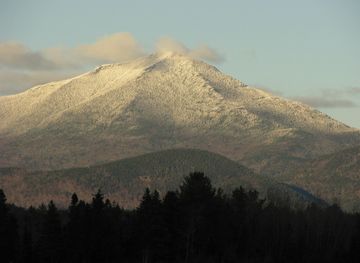
Looking beyond Lake George? Discover Adirondack Mountains for broader travel guides, local hot-spots, and regional highlights.
Explore Adirondack MountainsExplore More of New York

Looking beyond Lake George? Discover New York for broader travel guides, local hot-spots, and regional highlights.
Explore New YorkLake George in Photos
Browse through our photo collection highlighting the charm and character of the destination.


The Serene Beauty of Lake George
Lake George, nestled in the heart of the Adirondack Mountains in New York, is a gem of natural beauty and tranquil waters. Known as the 'Queen of American Lakes,' it spans a length of 32 miles and offers a breathtaking panorama of clear, blue water surrounded by lush greenery. Visitors can enjoy a variety of recreational activities including boating, fishing, swimming, and hiking, making it a perfect destination for nature enthusiasts and adventure seekers alike. The town of Lake George is equally charming with its historic sites, quaint shops, and delightful dining options. Explore Fort William Henry, a reconstructed British fort from the French and Indian War, or take a leisurely walk through the vibrant downtown area. The village comes alive with events and festivals throughout the year, ensuring that there is always something exciting happening. For those looking to relax, the lake's shoreline is dotted with peaceful beaches and cozy resorts. Whether you are looking for a romantic getaway, a family vacation, or a solo retreat, Lake George provides a serene and picturesque escape from the hustle and bustle of everyday life.