

Free North Country Travel Guide & Mobile App
Explore North Country with free travel guides. Discover regional history, expert tips, proposed trips, and audio guides on web or mobile app.


Explore North Country’s Adirondack mountains, historic border towns, Lake Champlain, the St Lawrence River and Thousand Islands landscapes.
Read more about North Country
Getting to and around North Country
How to get there
Transportation
Top city travel guides in North Country
The cities of North Country, and the easiest places to base yourself.
-

-


Swipe for more cities
Destinations in North Country
Resorts, valleys and scenic spots worth a trip of their own.
-

-

-
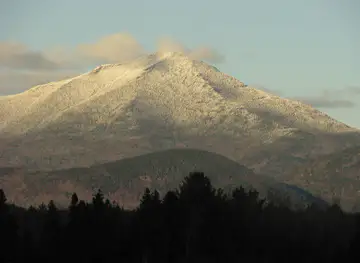
-

-
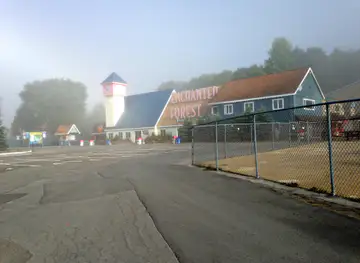


Swipe for more destinations
Best attractions in North Country
North Country’s attractions are shaped by its landscape and borderland history. The Adirondack Park offers hiking, paddling, camping, scenic drives and winter activities, with Lake Placid, Saranac Lake and Tupper Lake providing distinct bases for exploring mountain and lake country. The High Peaks suit experienced walkers, while lower-level trails, forest museums and water-based recreation broaden the options. Around Lake Champlain, historic forts, maritime viewpoints, beaches and rural roads reveal the strategic importance of the lake. The St Lawrence and Thousand Islands bring boat excursions, fishing, island scenery and river heritage, particularly around Clayton and Alexandria Bay. Watertown provides museums, civic architecture and access to nearby outdoor landscapes, while Ogdensburg and Massena reflect the working history of the river and seaway. Smaller towns such as Canton and Potsdam add galleries, college cultural life and local events. Attractions are dispersed rather than concentrated in one resort, so the strongest itineraries combine a principal landscape with a town or heritage site.
-
Tourist attraction
Ausable Chasm
Discover the breathtaking beauty and adventure of Ausable Chasm, a must-see natural wonder in the heart of the Adirondacks, perfect for outdoor enthusiasts and families.
-
Natural history museum
The Wild Center
Explore the rich natural heritage of the Adirondacks at The Wild Center, where nature meets education in an unforgettable way.
-
Tourist attraction
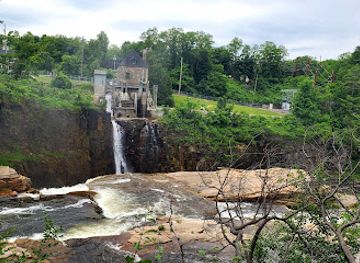
Salmon River Falls Unique Area
Explore the breathtaking beauty of Salmon River Falls Unique Area, a must-visit nature preserve in New York with stunning waterfalls and scenic hiking trails.
-
State park
Rock Island Lighthouse State Park
Explore the natural beauty and historical significance of Rock Island Lighthouse State Park, a must-visit destination for travelers in New York.


Best landmarks in North Country
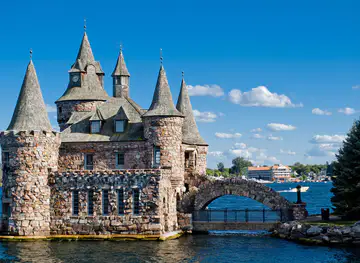
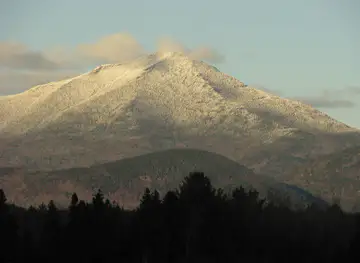
The Adirondack High Peaks form North Country’s most recognisable natural landmark, their forested summits defining the region’s western and central horizons. Lake Placid’s Olympic venues, including the Olympic Center and ski-jump complex, give the mountain town an internationally recognised sporting identity. Around Lake Champlain, Fort Ticonderoga marks a strategically important position at the southern end of the lake and illustrates the military significance of the waterway during the colonial period and American Revolution. The St Lawrence River and the Thousand Islands create a different landmark landscape of channels, islands, bridges and working shores, best understood from the water or riverside viewpoints. Boldt Castle stands on Heart Island in the Thousand Islands and is one of the area’s most prominent architectural sights, though access involves boat travel and international-border geography should be considered when planning. The Seaway’s locks, power infrastructure and industrial waterfronts near Massena provide a modern counterpoint to forts and historic estates, demonstrating how engineering continues to shape the northern landscape.
-
Historical landmark
Empire State Building
Experience the breathtaking views and rich history of the Empire State Building, a must-see landmark and observation deck in the heart of New York City.
-
Historical landmark
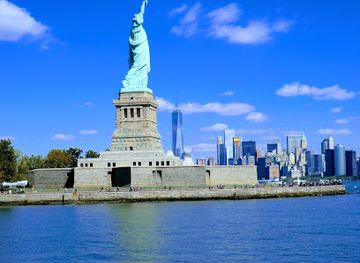
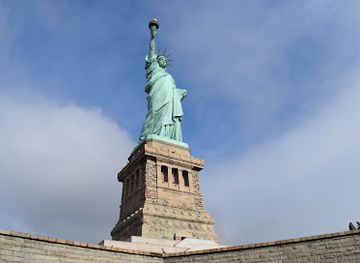
Statue of Liberty
Explore the Statue of Liberty, a timeless symbol of freedom and democracy, offering breathtaking views and rich history in New York Harbor.
-
Tourist attraction
Boldt Castle & Boldt Yacht House
Explore the enchanting Boldt Castle, a historical gem of love and ambition in the Thousand Islands, offering breathtaking views and rich history.
-
Monument
Governors Island National Monument
Explore the historic Governors Island National Monument, a tranquil escape with lush landscapes and stunning views of the NYC skyline.


Explore North Country on the map
Plan your trip on one map. See where the top cities, national parks and sights are, and book hotels and experiences in a few clicks.
Best hotels in North Country
Best restaurants in North Country
Dining in North Country follows the region’s rural, maritime and agricultural character. Adirondack towns combine cafés, independent restaurants, brewpubs and traditional American establishments serving visitors before or after outdoor activities, while lakeside and river communities make use of seasonal tourism and freshwater settings. In the Champlain Valley and northern lowlands, farmers’ markets and farm stands offer apples, maple products, vegetables, baked goods and locally produced meats and cheeses. The St Lawrence corridor adds fish-fry traditions and casual waterfront dining, although menus vary by community and season. Diners will also encounter the wider food culture of New York State, including diners, pizzerias, diners’ breakfasts and international cuisines in the larger towns. Craft beverages, maple syrup and regional produce make practical souvenirs, while rural inns and family-run restaurants often provide the most direct connection with local food supply. Opening patterns can be seasonal, particularly in small lake and mountain communities.
-
American
Cracker Barrel Old Country Store
Discover Cracker Barrel Old Country Store - where Southern comfort food meets rustic charm in a family-friendly environment.
-
Steak
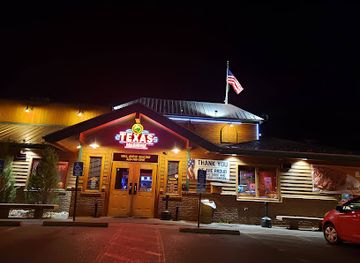
Texas Roadhouse
Discover the authentic flavors of Texas at Texas Roadhouse in Watertown—where every meal feels like a celebration!
-
Breakfast
Shorty's Place
Experience classic American breakfast at Shorty's Place in Watertown - where delicious food meets warm hospitality.
-
Restaurant
Tully's Good Times Watertown
Discover Tully's Good Times in Watertown - where delicious food meets vibrant sports bar energy for families and friends.



Best bars in North Country
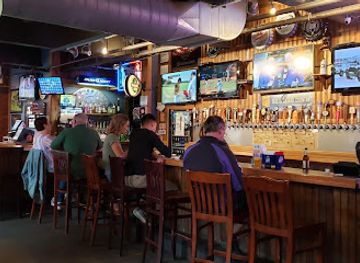
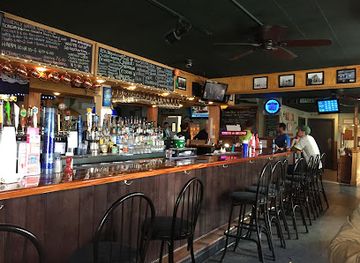
North Country’s evening scene is modest and locally focused rather than dominated by large nightclubs. Lake Placid and Saranac Lake have the broadest concentration of après-outdoor bars, restaurants, breweries, live music and seasonal entertainment, while Plattsburgh offers a larger choice of pubs, bars and student-influenced venues. Watertown, Potsdam and Canton provide familiar small-city nightlife, including taverns, casual restaurants, music events and community-oriented venues. Along the St Lawrence and Lake Champlain, waterfront evenings are often seasonal and weather-dependent. In smaller Adirondack communities, the traditional pub, lodge or restaurant is more important than a dedicated club, and evening activity can wind down early outside peak periods. Visitors should check current arrangements locally rather than assume late transport or all-year opening, and should plan a safe journey back from rural venues.
-
Bar
1812 on the River by 1812 Brewing Co.
Experience the vibrant atmosphere and delightful menu at 1812 on the River by 1812 Brewing Co., a top-notch bar and restaurant in Watertown.
-
American
O'Briens Restaurant & Bar
Experience delicious American cuisine with a family-friendly atmosphere at O'Briens Restaurant & Bar in Clayton, NY – a perfect dining stop for tourists.
-
Bar
Top Of The Park
Experience the charm of Lake Placid at Top Of The Park, where stunning views and unique cocktails await in a cozy bar setting.
-
Brewery
Wood Boat Brewery
Experience the vibrant craft beer scene at Wood Boat Brewery in Clayton, NY, where delicious food meets exceptional brews in a beautiful setting.

Best nightclubs in North Country
North Country’s evening scene is modest and locally focused rather than dominated by large nightclubs. Lake Placid and Saranac Lake have the broadest concentration of après-outdoor bars, restaurants, breweries, live music and seasonal entertainment, while Plattsburgh offers a larger choice of pubs, bars and student-influenced venues. Watertown, Potsdam and Canton provide familiar small-city nightlife, including taverns, casual restaurants, music events and community-oriented venues. Along the St Lawrence and Lake Champlain, waterfront evenings are often seasonal and weather-dependent. In smaller Adirondack communities, the traditional pub, lodge or restaurant is more important than a dedicated club, and evening activity can wind down early outside peak periods. Visitors should check current arrangements locally rather than assume late transport or all-year opening, and should plan a safe journey back from rural venues.
-
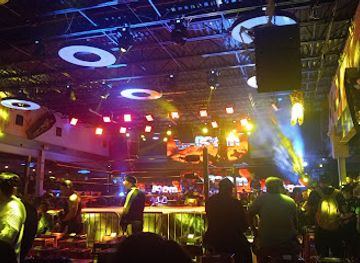
Night club
La Boom
Experience the electrifying atmosphere of La Boom in Woodside, New York - a nightlife hotspot with amazing DJs and vibrant dance floors.
-
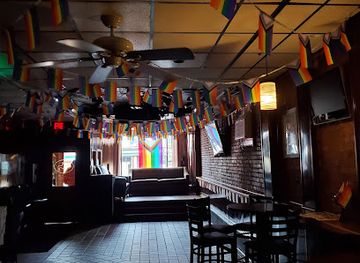
Gay bar
Waterworks Pub
Waterworks Pub in Albany, NY is a vibrant gay bar and nightclub offering lively music, refreshing drinks, and an inclusive atmosphere for all.
-
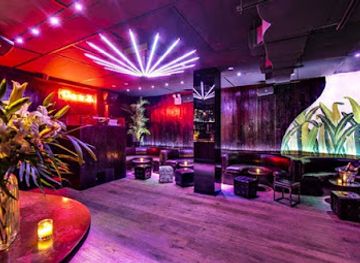
Night club
Rumpus Room
Discover the electrifying nightlife at Rumpus Room, Manhattan's vibrant nightclub offering a unique ambiance, great music, and creative cocktails.
-
Night club
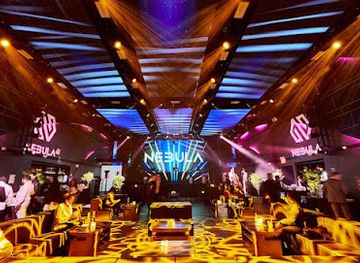
Nebula
Nebula Night Club in Manhattan offers an electrifying nightlife experience with top DJs, luxurious vibes, and a vibrant atmosphere for all party lovers.
Best shops in North Country
Shopping in North Country is centred on independent main streets, small regional centres, farm shops and seasonal markets rather than extensive luxury retail. Plattsburgh and Watertown provide the widest selection of everyday shops, outdoor equipment and larger retail services, while Lake Placid, Saranac Lake, Clayton and other visitor-oriented towns have galleries, bookshops, clothing stores and specialist outlets aimed at travellers. Adirondack-themed crafts, locally made furniture, pottery, artwork, maple syrup, preserves, honey and regional foods make more meaningful purchases than generic souvenirs. Farmers’ markets are particularly useful for meeting producers and finding seasonal fruit, baked goods and prepared foods, although locations and operating days vary. In the St Lawrence communities, maritime and island imagery appears frequently in art and homeware. Visitors should distinguish independent makers from mass-produced products and allow for limited opening hours in smaller communities, especially outside the main summer and autumn seasons.
-
Shopping mall
Walden Galleria
Experience the excitement of shopping, dining, and entertainment at Walden Galleria, Buffalo's ultimate retail destination!
-
Shopping mall
Salmon Run Mall
Experience the ultimate shopping, dining, and entertainment destination at Salmon Run Mall in Watertown, NY.
-
Gift shop
Adirondack Experience, The Museum on Blue Mountain Lake
Explore the Adirondack Experience, where nature meets history in a stunning lakeside setting, perfect for tourists and families alike.
-
Grocery store
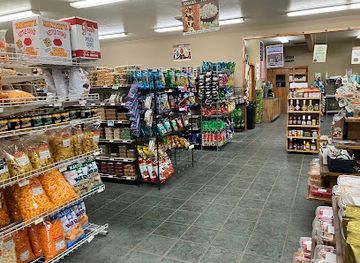
North Country Store
Explore North Country Store in Philadelphia, NY for unique local foods and health products that reflect the region's rich agricultural heritage.

Get your free copy of our complete guide to North Country, delivered straight to you.
Everything on this page, from attractions and restaurants to essentials and local phrases, in one PDF you can read offline, print or share.
Already have an account? Sign in
Your North Country guide is ready.
We'll send it to · Not you? Sign out

Getting your guide ready…
We are putting together a fresh copy of the North Country guide. This can take up to a minute.
This can take a few moments. If your browser asks, choose Allow so the download can start. You'll find the guide in your Downloads folder.
Nothing happened? Download it again
Sorry, the guide is taking longer than usual. Please try again in a minute, or get it by email instead.
North Country essentials
Currency and Payment
Safety
Emergency Situations
Do's and Don'ts
Local Tips
From Eve
Local phrases worth knowing
You don't need to get them perfect. A few words go a long way, and locals appreciate the effort.
Basics
| English | Local | Say it |
|---|---|---|
| Hello | Hey there | [Hey thair] |
| Goodbye | See ya | [See ya] |
| Yes | Yup | [Yup] |
| No | Nope | [Nope] |
| Please/You're welcome | Sure thing | [Shoor thing] |
| Thank you | Thanks a lot | [Thanks a lot] |
| Excuse me/Sorry | Pardon me | [Pardon me] |
| How are you? | How ya doin'? | [How ya doin'?] |
| Fine. And you? | Good. And you? | [Good. And ya?] |
| Do you speak English? | Can ya speak English? | [Can ya speak English?] |
| I don't understand | I ain't gettin' it | [I ain't gettin' it] |
Eating & Drinking
| English | Local | Say it |
|---|---|---|
| I'd like to see the menu, please | Can I see the menu? | [Can I see the menu?] |
| I don't eat meat | I ain't eatin' meat | [I ain't eatin' meat] |
| Cheers! | Cheers! | [Cheers!] |
| I would like to pay, please | Can I pay now? | [Can I pay now?] |
Emergencies
| English | Local | Say it |
|---|---|---|
| Help! | Help! | [Help!] |
| Go away! | Get lost! | [Get lost!] |
| Call the Police! | Call the cops! | [Call the cops!] |
| Call a doctor! | Get a doc! | [Get a doc!] |
| I'm lost | I'm turned around | [I'm turned around] |
| I'm ill | I ain't feelin' good | [I ain't feelin' good] |
Shopping
| English | Local | Say it |
|---|---|---|
| I'd like to buy... | I wanna buy... | [I wanna buy...] |
| I'm just looking | Just browsin' | [Just browsin'] |
| How much is it? | What's the price? | [What's the price?] |
| That's too expensive | That's way too pricey | [That's way too pricey] |
| Can you lower the price? | Can ya knock down the price? | [Can ya knock down the price?] |
Time & Numbers
| English | Local | Say it |
|---|---|---|
| What time is it? | What time ya got? | [What time ya got?] |
| It's one o'clock | It's one o'clock | [It's one o'clock] |
| Half past (10) | Half past ten | [Half past ten] |
| Morning | Mornin' | [Mornin'] |
| Afternoon | Afternoon | [Afternoon] |
| Evening | Evenin' | [Evenin'] |
| Yesterday | Yesterday | [Yesterday] |
| Today | Today | [Today] |
| Tomorrow | Tomorrow | [Tomorrow] |
| 1 | One | [One] |
| 2 | Two | [Two] |
| 3 | Three | [Three] |
| 4 | Four | [Four] |
| 5 | Five | [Five] |
| 6 | Six | [Six] |
| 7 | Seven | [Seven] |
| 8 | Eight | [Eight] |
| 9 | Nine | [Nine] |
| 10 | Ten | [Ten] |
Transport & Directions
| English | Local | Say it |
|---|---|---|
| Where's a/the...? | Where's a...? | [Where's a...?] |
| What's the address? | What's the address? | [What's the address?] |
| Can you show me (on the map)? | Can ya show me on the map? | [Can ya show me on the map?] |
| When's the next (bus)? | When's the next bus? | [When's the next bus?] |
| A ticket (to ....) | A ticket to... | [A ticket to...] |
History of North Country
Indigenous Homelands and Waterways
The North Country lies within the ancestral and continuing homelands of Indigenous peoples including Haudenosaunee nations and the Abenaki, whose communities used the region’s rivers, lakes and portage routes for travel, trade, hunting and diplomacy. Lake Champlain, the Adirondack waterways and the St Lawrence formed connected corridors rather than isolated frontiers. European settlement and warfare later disrupted Indigenous control and brought major demographic and political change, but Indigenous histories remain essential to understanding the region’s geography and the names attached to many places.
French and British Frontier, Seventeenth to Eighteenth Centuries
The waterways of northern New York linked the St Lawrence, Lake Champlain and the interior of North America, making the region strategically important during the rivalry between France and Britain. Fortifications and military roads developed around Lake Champlain and the upper St Lawrence, while trading networks connected European settlements with Indigenous diplomacy and commerce. Control shifted during the colonial wars, and the British victory in the Seven Years’ War altered the political framework of the region before the American Revolution produced another change in sovereignty.
The American Revolution and War of 1812
North Country waterways again became military corridors during the American Revolution and the War of 1812. Fort Ticonderoga, at the southern approach to Lake Champlain, was captured early in the Revolution and remained part of the region’s wider military landscape. During the War of 1812, communities around Lake Ontario and the St Lawrence faced military activity, naval contest and disruption to trade. Historic forts, battle sites and museums across the borderlands preserve evidence of a period when control of transport routes carried national consequences.
Lumber, Iron and Nineteenth-Century Settlement
During the nineteenth century, logging and iron production transformed the Adirondacks and supported the growth of settlements, transport links and commercial centres. Adirondack ore fed furnaces beyond the mountains, while timber moved through rivers and railways to expanding markets. Agriculture became particularly important in the Champlain Valley and northern lowlands. Industrial development brought employment and infrastructure but also deforestation, pollution and conflict over land use, setting the stage for later conservation movements and the region’s continuing debate over access, development and environmental protection.
The Adirondack Park and Conservation
New York established the Adirondack Park in 1892 after growing concern about forest loss, watershed damage and the effects of intensive resource extraction. Unlike a conventional national park, it combines public Forest Preserve land with private communities, farms, businesses and residences. This unusual arrangement has shaped the North Country’s identity and economy, allowing substantial outdoor recreation while preserving extensive forests and mountain landscapes. The park’s creation also helped redirect parts of the Adirondacks from extractive industry towards tourism, conservation and four-season recreation.
The Olympic Legacy of Lake Placid
Lake Placid hosted the Winter Olympic Games in 1932 and again in 1980, giving the Adirondack community an international profile far beyond its size. The 1980 Games are especially remembered for the United States ice-hockey team’s victory over the Soviet Union, while venues such as the Olympic Center and ski-jumping facilities continue to shape local tourism and sporting culture. The events encouraged investment in winter infrastructure and established Lake Placid as one of North America’s best-known mountain and winter-sports destinations.
The St Lawrence Seaway and Modern Border Economy
The opening of the St Lawrence Seaway in 1959 connected the Great Lakes with the Atlantic and strengthened the importance of ports and industrial sites along the river. Communities including Massena and Ogdensburg became associated with navigation, power generation, manufacturing and cross-border trade. The seaway also changed river landscapes and local economies, while customs, commerce and family connections continued to link northern New York with Ontario and Quebec. Today, the region combines this working waterfront legacy with tourism, environmental recreation and small-scale production.
North Country in Photos
Browse through our photo collection highlighting the charm and character of the destination.
Neighbouring regions of North Country
The closest regions to North Country, if you have time for more than one.
-
-
-
-

-


Swipe for more regions
Explore more

Explore more of New York
Discover the electrifying energy, iconic landmarks, and diverse cultural experiences of New York City, the ultimate urban playground for travelers from around the world.
Explore New York