

Te Aro (Wellington) Travel Guide - Free
Explore Te Aro in Wellington with Evendo's free guide. Find the best shops, historic streets, restaurants, and gems on web or mobile.


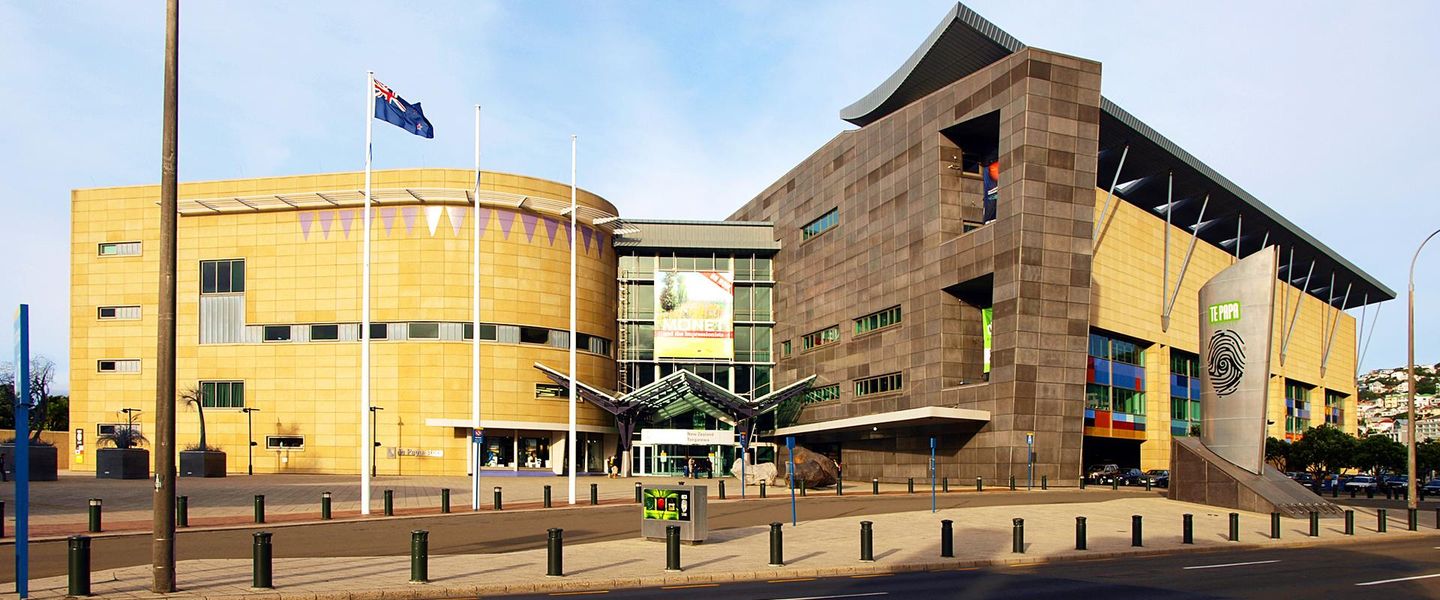


Te Aro, Wellington’s creative inner-city quarter, pairs Cuba Street cafés, Te Papa, street art, live music, galleries, late-night dining and characterful bars.
Streets, Culture and Everyday Life
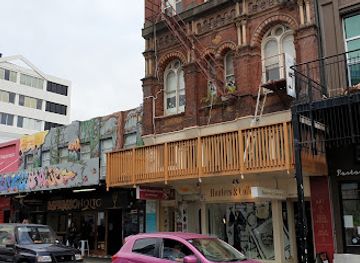
Te Aro occupies the energetic central south of Wellington, stretching from the commercial centre towards Mount Victoria and the waterfront. Its name recalls Te Aro pā, a Māori settlement associated with the area before European urban development, while the neighbourhood seen today is defined by dense blocks, older timber buildings, converted warehouses, student flats, theatres, galleries, cafés and nightlife venues. Cuba Street forms its best-known spine, with pedestrian-friendly sections, independent shops, colourful façades and a steady flow of locals moving between work, food and entertainment.Read more about Te Aro
From Pā and Swamp to Inner-City Quarter
Food, Performance and Nightlife
Best attractions in Te Aro
Te Aro’s attractions are concentrated within a walkable network of cultural venues, public spaces and characteristic streets. Te Papa Tongarewa on Cable Street is the major institution, combining national art, history, Māori culture and natural-history displays in a large waterfront building. Cuba Street offers a more open-ended form of sightseeing, with its pedestrianised section, independent shopfronts, cafés, public art and the Bucket Fountain creating a recognisable Wellington streetscape. Te Aro Park provides a smaller urban space with important local historical associations, while BATS Theatre presents performance in an intimate venue on Dixon Street. Visitors can also follow the streets towards Courtenay Place for cinemas, theatres and evening activity, or continue to the waterfront promenade, where Te Aro’s dense urban fabric meets Wellington Harbour.
-
Tourist attraction
Mount Victoria Lookout
Experience stunning panoramic views of Wellington from Mount Victoria Lookout, the perfect spot for unforgettable photographs and breathtaking landscapes.
5 min drive · 1.6 km from neighbourhood centre
-
Historical place museum
Wellington Museum
Discover the rich maritime history of New Zealand at Wellington Museum, where innovative exhibits and engaging stories await every visitor.
13 min walk · 1.0 km from neighbourhood centre
-
Tourist attraction
Oriental Bay Lookout
Discover the stunning panoramic views of Oriental Bay at the lookout, a scenic treasure in the heart of Wellington's vibrant landscape.
17 min walk · 1.4 km from neighbourhood centre
-
Tourist attraction
Solace in the Wind (The Naked Man) Statue
Explore the Naked Man Statue in Wellington, a serene spot that blends art and nature, perfect for reflection and photography.
10 min walk · 0.8 km from neighbourhood centre


Best landmarks in Te Aro
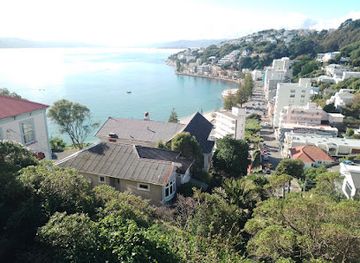
Te Aro’s landmarks express the overlap between Māori history, colonial town planning, entertainment culture and contemporary civic life. Te Aro Park occupies a historically significant part of the former Te Aro pā area and is an important local reference point, not simply a green pause between streets. The Bucket Fountain on Cuba Street is a playful, much-photographed piece of public art that has become part of Wellington’s everyday visual identity. St Peter’s Church on Willis Street represents the neighbourhood’s historic religious architecture, while the Embassy Theatre on Kent Terrace, close to the Te Aro entertainment district, recalls the area’s long association with cinema and public spectacle. Te Papa Tongarewa anchors the waterfront side of the neighbourhood, its architecture and national collections giving Te Aro a major cultural presence without displacing the older commercial streets around Cuba Street and Courtenay Place.
-
Museum
Museum of New Zealand Te Papa Tongarewa
Explore New Zealand's rich history and culture at Te Papa Tongarewa, where interactive exhibits meet stunning natural displays.
9 min walk · 0.7 km from neighbourhood centre
-
Tourist attraction
Wellington Waterfront Walk
Discover the breathtaking Wellington Waterfront Walk, where stunning views, art, and culinary delights come together in New Zealand's vibrant capital.
10 min walk · 0.8 km from neighbourhood centre
-
Memorial park
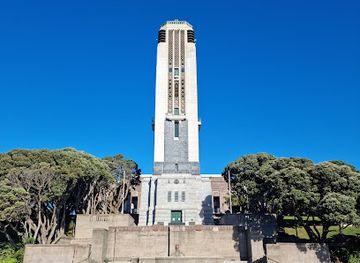
Pukeahu National War Memorial Park
Explore Pukeahu National War Memorial Park, a serene tribute to New Zealand's military history, nestled in the heart of Wellington's vibrant landscape.
7 min walk · 0.6 km from neighbourhood centre
-
Tourist attraction
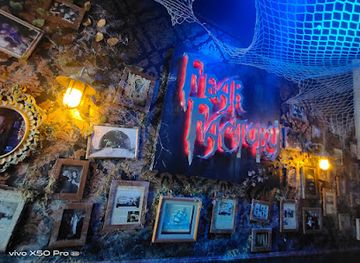
Fear Factory Wellington
Experience ultimate thrills at Fear Factory Wellington, where horror meets adventure in an unforgettable immersive attraction suitable for all fear levels.
2 min walk · 0.1 km from neighbourhood centre
Explore Te Aro on the map
A handpicked selection of must-see spots in Te Aro, mapped for you.
Best hotels in Te Aro
Best restaurants in Te Aro
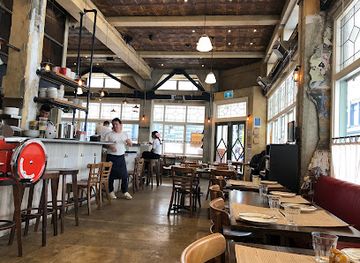
Te Aro has one of Wellington’s broadest concentrations of cafés, restaurants, bakeries and casual food venues, particularly around Cuba Street, Ghuznee Street, Dixon Street, Victoria Street and Courtenay Place. The scene ranges from coffee-led daytime cafés and bakeries to restaurants reflecting New Zealand, Asian, European and contemporary international influences. Cuba Street is especially associated with independent hospitality and relaxed all-day eating, while Courtenay Place offers a denser evening choice and places suited to pre-theatre dining. The neighbourhood’s creative and student presence supports informal, affordable styles alongside more polished dining rooms, and the waterfront edge adds further options around Te Papa. Rather than a single defining cuisine, Te Aro’s culinary identity lies in its variety, walkability and mixture of long-established local businesses with newer venues in converted commercial spaces.
-
Italian
Ombra
Experience authentic Italian cuisine at Ombra in Wellington - where every dish tells a story of tradition and flavor.
1 min walk · 0.1 km from neighbourhood centre
-
Argentinian
El Matador
Experience authentic Argentinian cuisine at El Matador in Wellington – where flavor meets tradition in every dish.
1 min walk · 0.1 km from neighbourhood centre
-
Restaurant
Loretta
Discover Loretta: A Mediterranean restaurant in Wellington offering unique dishes crafted from fresh local ingredients.
1 min walk · 0.1 km from neighbourhood centre
-
Indian
Great India Restaurant
Discover authentic Indian cuisine at Great India Restaurant in Wellington - where every bite tells a story.
5 min walk · 0.4 km from neighbourhood centre


Best bars in Te Aro
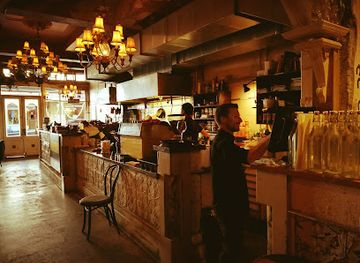
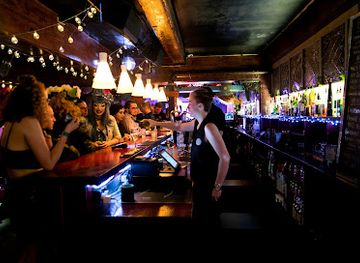
After dark, Te Aro becomes one of Wellington’s principal entertainment areas, with the greatest concentration around Courtenay Place and the adjoining streets. Bars range from casual pubs and small cocktail rooms to music-focused venues, while Cuba Street tends to offer a more independent mix of bars, late cafés and live performance spaces. BATS Theatre contributes a theatrical dimension, and nearby cinemas and performance venues broaden the evening programme beyond drinking and dancing. The atmosphere changes across a single night: early evening brings restaurant traffic and pre-show gatherings, while later hours are busier around Courtenay Place. Visitors should expect noise, queues and increased pedestrian traffic in the nightlife core, while residential side streets are quieter and require consideration from people returning to accommodation.
-
New Zealand
Southern Cross Garden Bar Restaurant
Discover the Southern Cross Garden Bar Restaurant, a vibrant venue in Wellington offering local cuisine, live music, and a relaxing garden atmosphere.
4 min walk · 0.3 km from neighbourhood centre
-
Bar
The Library
Experience Wellington's vibrant nightlife at The Library, a unique cocktail bar and tapas restaurant offering live music and an inviting ambiance.
7 min walk · 0.5 km from neighbourhood centre
-
Bar
Dirty Little Secret
Experience the vibrant atmosphere and innovative cuisine at Dirty Little Secret, Wellington's must-visit bar and restaurant, in the heart of Te Aro.
4 min walk · 0.3 km from neighbourhood centre
-
Bar
Golding's Free Dive
Experience the best of Wellington's craft beer scene at Golding's Free Dive, a vibrant bar in Te Aro with a fantastic atmosphere and delicious bites.
3 min walk · 0.2 km from neighbourhood centre


Best nightclubs in Te Aro
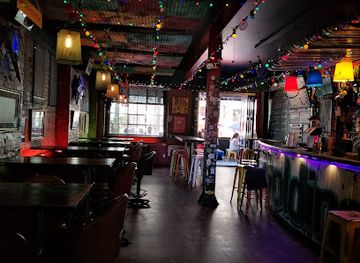
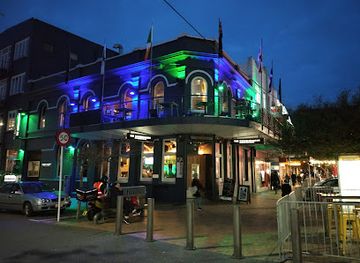
After dark, Te Aro becomes one of Wellington’s principal entertainment areas, with the greatest concentration around Courtenay Place and the adjoining streets. Bars range from casual pubs and small cocktail rooms to music-focused venues, while Cuba Street tends to offer a more independent mix of bars, late cafés and live performance spaces. BATS Theatre contributes a theatrical dimension, and nearby cinemas and performance venues broaden the evening programme beyond drinking and dancing. The atmosphere changes across a single night: early evening brings restaurant traffic and pre-show gatherings, while later hours are busier around Courtenay Place. Visitors should expect noise, queues and increased pedestrian traffic in the nightlife core, while residential side streets are quieter and require consideration from people returning to accommodation.
-
 Bar
The Fringe Bar
Discover the lively entertainment hub of The Fringe Bar in Wellington, offering comedy nights, live music, and karaoke in a vibrant atmosphere.
7 min walk · 0.6 km from neighbourhood centre
-
Grill
The Establishment
Experience Wellington's vibrant nightlife at The Establishment - a perfect blend of grill dining and live music in Te Aro.
8 min walk · 0.7 km from neighbourhood centre
-
Disco club
Red Square Bar
Dive into Wellington's nightlife at Red Square Bar, where electrifying beats, vibrant crowds, and unforgettable nights await you.
8 min walk · 0.7 km from neighbourhood centre
-
Night club
Ivy Bar
Vibrant nightlife awaits at Ivy Bar, Wellington's premier night club featuring cabaret shows, a gay-friendly atmosphere, and a lively bar scene.
5 min walk · 0.4 km from neighbourhood centre

Best shops in Te Aro
Shopping in Te Aro is centred on independent retail rather than a single enclosed mall. Cuba Street is the principal browsing route, with clothing shops, books, records, gifts, design-led goods, vintage finds and specialist businesses mixed among cafés and older façades. Nearby Ghuznee Street, Dixon Street and small lanes add furniture, fashion, art and locally oriented retail, although the precise mix changes as businesses move. The neighbourhood is also close to larger central-city shops around Lambton Quay, but its own appeal lies in a less uniform streetscape and the possibility of combining shopping with food, galleries and street life. Visitors interested in Māori art, New Zealand design or locally made goods may also find relevant temporary or permanent offerings around Te Papa and the wider waterfront cultural precinct.
-
Used clothing store
Recycle Boutique
Explore Wellington's Recycle Boutique for an array of stylish second-hand clothing, vintage finds, and eco-friendly fashion choices.
1 min walk · 0.1 km from neighbourhood centre
-
Gift shop
Iko Iko
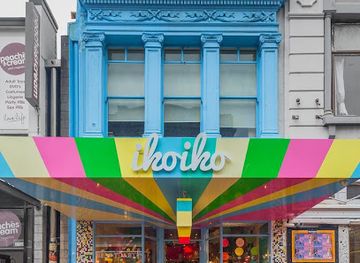
Explore Iko Iko, Wellington's charming gift shop offering unique local treasures and quirky finds that embody the spirit of New Zealand.
2 min walk · 0.2 km from neighbourhood centre
-
Clothing store
Good As Gold
Explore Good As Gold in Wellington for unique clothing and footwear, blending local designs with international trends in a stylish boutique setting.
7 min walk · 0.5 km from neighbourhood centre
-
Shop
Hunters & Collectors
Discover unique retro fashion and captivating local art at Hunters & Collectors in Wellington's vibrant Cuba Street.
1 min walk · 0.1 km from neighbourhood centre


Te Aro essentials
Getting There
Getting Around
Safety
Emergency Situations
Do's and Don'ts
Local Tips

From Eve
Local phrases worth knowing
You don't need to get them perfect. A few words go a long way, and locals appreciate the effort.
Basics
| English | Local | Say it |
|---|---|---|
| Hello | Kia ora | [kee-ah oh-rah] |
| Goodbye | Haere rā | [high-ree rah] |
| Yes | Āe | [eye] |
| No | Kāo | [kah-oh] |
| Please/You're welcome | Whakawhetai | [fah-kah-feh-tie] |
| Thank you | Ngā mihi | [nah mee-hee] |
| Excuse me/Sorry | Aroha mai | [ah-raw-hah my] |
| How are you? | Kei te pēhea koe? | [key teh pay-ha koh-eh] |
| Fine. And you? | Kei te pai. Ā koe? | [key teh pie. eye koh-eh] |
| Do you speak English? | Ka korero koe i te reo Pākehā? | [kah koh-reh-roh koh-eh ee teh reh-oh pah-keh-hah] |
| I don't understand | Kaore au e mohio | [kah-oh-reh oh eh moh-hee-oh] |
Eating & Drinking
| English | Local | Say it |
|---|---|---|
| I'd like to see the menu, please | Me pānui i te menewa, tēnā | [meh pah-noo-ee ee teh meh-neh-wah, teh-nah] |
| I don't eat meat | Kaore au e kai kau | [kah-oh-reh oh eh kai cow] |
| Cheers! | Kia ora! | [kee-ah oh-rah] |
| I would like to pay, please | Me utu i te moni, tēnā | [meh oo-too ee teh moh-nee, teh-nah] |
Emergencies
| English | Local | Say it |
|---|---|---|
| Help! | Āwhina! | [eye-fee-nah] |
| Go away! | Haere atu! | [high-ree ah-too] |
| Call the Police! | Karanga ki te Pirihimana! | [kah-rah-ngah kee teh pee-ree-hee-mah-nah] |
| Call a doctor! | Karanga ki te Tohunga! | [kah-rah-ngah kee teh toh-hoon-gah] |
| I'm lost | I wareware ahau | [ee wah-reh-wah-reh ah-how] |
| I'm ill | Mate au | [mah-teh oh] |
Shopping
| English | Local | Say it |
|---|---|---|
| I'd like to buy... | Me hoko... | [meh hoh-koh] |
| I'm just looking | Kei te titiro ahau | [key teh tee-tee-roh ah-how] |
| How much is it? | He aha te utu? | [heh ah-hah teh oo-too] |
| That's too expensive | He nui rawa te utu | [heh noo-ee rah-wah teh oo-too] |
| Can you lower the price? | Ka taea e koe te whakaiti i te utu? | [kah tah-eh-ah eh koh-eh teh fah-kai-tee ee teh oo-too] |
Time & Numbers
| English | Local | Say it |
|---|---|---|
| What time is it? | He aha te wa? | [heh ah-hah teh wah] |
| It's one o'clock | Kotahi te haora | [koh-tah-hee teh how-rah] |
| Half past (10) | Tekau mā rima | [teh-kow mah ree-mah] |
| Morning | Ata | [ah-tah] |
| Afternoon | Ahiahi | [ah-hee-ah-hee] |
| Evening | Pō | [poh] |
| Yesterday | Ināianei | [ee-nah-ee-ah-neh-ee] |
| Today | Tēnei rā | [teh-neh-ee rah] |
| Tomorrow | Āpōpō | [ah-poh-poh] |
| 1 | Tahi | [tah-hee] |
| 2 | Rua | [roo-ah] |
| 3 | Toru | [toh-roo] |
| 4 | Whā | [fah] |
| 5 | Rima | [ree-mah] |
| 6 | Ono | [oh-no] |
| 7 | Whitu | [fee-too] |
| 8 | Waru | [wah-roo] |
| 9 | Iwa | [ee-wah] |
| 10 | Tekau | [teh-kow] |
Transport & Directions
| English | Local | Say it |
|---|---|---|
| Where's a/the...? | Kei hea te...? | [key heh-ah teh] |
| What's the address? | Ko wai te wāhitau? | [koh wai teh wah-hee-tow] |
| Can you show me (on the map)? | Ka taea e koe te whakaatu i ahau (i te mahere)? | [kah tah-eh-ah eh koh-eh teh fah-kah-ah-too ee ah-how (ee teh mah-heh-reh)] |
| When's the next (bus)? | Āhea te āhua roa? | [eye-hea teh ah-hoo-ah roh-ah] |
| A ticket (to ....) | He tiki (ki ...) | [heh tee-kee (kee ...)] |
History of Te Aro
Te Aro Pā and the Harbour Edge
The name Te Aro is linked to Te Aro pā, a Māori settlement established in the area before Wellington became a colonial town. The low-lying land near the harbour supported occupation and cultivation, although its wetlands and shoreline differed considerably from the dense urban blocks of today. European settlement brought rapid changes to land ownership, drainage and street planning, while the pā and the wider Māori presence were progressively disrupted by colonial expansion. Te Aro Park and local interpretation provide reminders that the neighbourhood’s history begins well before its nineteenth-century buildings and entertainment venues.
Drainage, Reclamation and Town Growth
During the nineteenth century, Te Aro changed from a marginal, damp area at the edge of the early town into a closely built urban district. Streams and wetlands were drained, streets were laid out and parts of the shoreline were reclaimed as Wellington’s population and commercial activity grew. Shops, workshops, lodging houses and residences appeared alongside public institutions, creating the mixed-use character that still distinguishes the neighbourhood. Cuba Street became an important local commercial route, while the expanding grid connected Te Aro with the central business area, Mount Victoria and the developing waterfront.
Theatres, Hotels and Commercial Streets
By the late nineteenth and early twentieth centuries, Te Aro was an established inner-city neighbourhood with theatres, hotels, restaurants, retail premises and working-class housing. Courtenay Place developed as an entertainment and hospitality corridor, and the district’s commercial life was reinforced by its proximity to the harbour and central Wellington. Fires, rebuilding and changing building regulations altered some streetscapes, but surviving masonry façades, theatres and older commercial buildings continue to show how Te Aro functioned as both a residential quarter and a destination for leisure. The area’s social life was always more varied than its later reputation as a nightlife district suggests.
Renewal and Creative Reuse
After the mid-twentieth century, parts of Te Aro faced redevelopment, traffic pressure and the loss of older buildings, while other properties were adapted rather than cleared. The opening of Te Papa Tongarewa in 1998 strengthened the neighbourhood’s cultural relationship with the waterfront, and later investment brought apartments, hospitality businesses, galleries and creative workspaces into former commercial and industrial premises. These changes have not erased the older street pattern: Cuba Street, Courtenay Place, Te Aro Park and surviving heritage buildings still anchor a district where residential life, arts activity, tourism and nightlife remain closely interwoven.
Te Aro in Photos
Browse through our photo collection highlighting the charm and character of the destination.
Neighbourhoods near Te Aro
The closest neighbourhoods to Te Aro, if you have time for more than one stop.
-

-
-


Swipe for more neighbourhoods
Explore more

Explore more of Wellington
Wellington, New Zealand’s compact capital, pairs harbour views and Māori heritage with Te Papa, creative culture, landmark walks and lively local dining.
Explore Wellington