

Free Innlandet Travel Guide & Mobile App
Explore Innlandet with free travel guides. Discover regional history, expert tips, proposed trips, and audio guides on web or mobile app.


Explore Innlandet’s mountain parks, Mjøsa towns, historic valleys, ski resorts and Norwegian farm and food traditions across a vast inland county.
Read more about Innlandet
When is the best time to visit Innlandet?
Best: June–August · 20–22°C| Month | High (°C) | Rainfall (mm) |
|---|---|---|
| January | 0 | 50 |
| February | 1 | 45 |
| March | 5 | 50 |
| April | 9 | 55 |
| May | 15 | 60 |
| June (best) | 20 | 70 |
| July (best) | 22 | 75 |
| August (best) | 21 | 75 |
| September | 17 | 70 |
| October | 10 | 65 |
| November | 3 | 60 |
| December | 0 | 55 |
Getting to and around Innlandet
How to get there
Transportation
Top city travel guides in Innlandet
The cities of Innlandet, and the easiest places to base yourself.
-

-


Swipe for more cities
Destinations in Innlandet
Resorts, valleys and scenic spots worth a trip of their own.
-

-
-

-

-

-


Swipe for more destinations
Best attractions in Innlandet
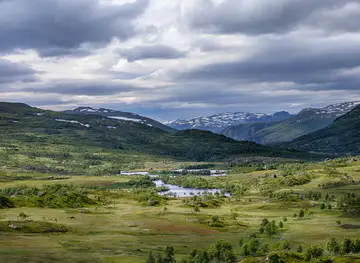
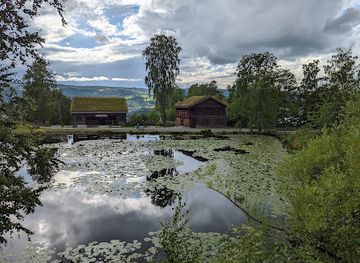
Innlandet’s attractions range from accessible lakeside museums to large mountain landscapes requiring serious preparation. Lillehammer’s Maihaugen presents historic buildings and everyday life from across Norway, while the Norwegian Olympic Museum and nearby sports venues explain the county’s twentieth-century sporting identity. Hamar combines the medieval cathedral ruins with museums and lakefront cultural sites, and Gjøvik offers industrial and engineering heritage. Across Gudbrandsdalen, Valdres and Østerdalen, visitors find historic farms, traditional settlements and stave churches set among working agricultural landscapes. Jotunheimen, Rondane and Dovrefjell provide the principal outdoor draw, with marked walking routes, mountain lodges, ski touring and wildlife-rich valleys. Trysil is a major all-season resort for downhill and cross-country skiing, cycling and family activities, while Femundsmarka suits paddling, fishing and quieter wilderness travel. The breadth of the offering is the defining feature: cultural visits can be combined with lake excursions, forest trails or high mountain routes, but journeys between them should be planned realistically.
-
Tourist attraction
Hunderfossen Adventure Park
Explore the magic of Hunderfossen Adventure Park, a must-visit amusement park in Norway, offering thrilling rides and enchanting fairy-tale experiences.
-
Tourist attraction
Maihaugen
Explore Maihaugen in Lillehammer, Norway's premier open-air museum showcasing rich cultural heritage through historic buildings and art.
-
Tourist attraction
Lysgårdsbakkene Hoppanlegg
Experience the thrill of ski jumping at Lysgardsbakkene Hoppanlegg in Lillehammer, where sport meets stunning alpine beauty.
-
Tourist attraction
Lilleputthammer
Explore Lilleputthammer, Norway’s enchanting amusement park, offering thrilling rides and playful adventures for families and children of all ages.



Best landmarks in Innlandet
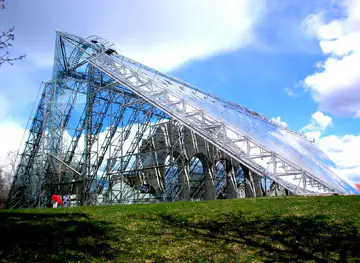
The most recognisable landmark in Innlandet is Hamar’s medieval cathedral ruin, enclosed beneath a dramatic glass structure beside the remains of the old bishopric. Lillehammer’s ski-jump hills and Olympic venues have become modern symbols of the county’s sporting landscape, while Maihaugen preserves an extensive collection of historic Norwegian buildings. Kongsvinger Fortress occupies a prominent height above the Glomma and expresses the strategic importance of the eastern borderland. In the countryside, stave churches such as those at Lom and Ringebu demonstrate the continuity of medieval timber architecture in the valleys; Lom and Ringebu lie within Innlandet and remain important heritage stops. Natural landmarks are equally significant: the high peaks of Jotunheimen, the rounded summits of Rondane and the broad waters of Lake Mjøsa define different parts of the county. Galdhøpiggen, Norway’s highest mountain, lies in Innlandet and gives Jotunheimen exceptional national prominence, although reaching it requires suitable conditions and mountain planning.
-
Opera house
Oslo Opera House
Discover the architectural beauty and cultural significance of the Oslo Opera House, a must-visit landmark with stunning views of the fjord.
-
Historical place
North Cape
Explore the North Cape, Norway's northernmost point, where breathtaking cliffs meet the Arctic Sea – a journey into nature's untouched beauty.
-
 Fortress
Akershus Fortress
Explore the historical Akershus Fortress in Oslo, a stunning site blending medieval architecture and beautiful park landscapes, perfect for every tourist.
-
Castle
The Royal Palace
Explore the Royal Palace of Oslo, a neoclassical masterpiece surrounded by beautiful gardens and steeped in rich Norwegian history.


Explore Innlandet on the map
Plan your trip on one map. See where the top cities, national parks and sights are, and book hotels and experiences in a few clicks.
Best hotels in Innlandet
Best restaurants in Innlandet
Innlandet’s food reflects inland farming, forest resources and mountain pasture rather than a coastal seafood tradition. Look for products from støler, or seasonal mountain dairy farms, including butter, sour cream and regional cheeses, alongside cured meats, lamb, game, freshwater fish, potatoes and locally grown grains. Berries, mushrooms and other forest produce appear seasonally in restaurants, farm shops and markets. Lillehammer, Hamar and Gjøvik offer the widest range of cafés, bakeries, contemporary restaurants and traditional Norwegian meals, while valley inns and mountain lodges provide hearty dishes suited to hiking and skiing. Local cider and craft drinks may accompany meals, but production and availability vary. Farmers’ markets and food festivals are useful places to compare products from different parts of the county, especially the fertile Mjøsa district and the mountain communities of Valdres and Gudbrandsdalen.
-
Gastropub
Heim Lillehammer
Discover the vibrant culinary scene at Heim Lillehammer, where local flavors meet modern dining in an inviting gastropub atmosphere.
-
Pancake
Det Lille Pannekakehuset
Explore the delicious world of pancakes at Det Lille Pannekakehuset in Lillehammer - where sweet meets savory in a cozy family-friendly setting.
-
Fast Food
McDonald's Elverum
Experience fast food comfort at McDonald's Elverum – perfect for families and travelers seeking delicious meals on-the-go.
-
Restaurant
Bryggerikjelleren Restaurant
Experience exquisite dining at Bryggerikjelleren Restaurant in Lillehammer – where gourmet cuisine meets fine wines and vibrant cocktails.


Best bars in Innlandet
Evening life in Innlandet is concentrated in Lillehammer, Hamar and Gjøvik, with smaller scenes in Elverum, Trysil and other regional centres. Traditional pubs, hotel bars, cafés and restaurants form the mainstay, while larger towns also have live music, student-oriented venues and occasional club nights. Trysil and other ski destinations become livelier during the winter season, when après-ski venues and resort bars supplement ordinary village nightlife. In rural valleys, evenings are more likely to centre on a local inn, cultural event or restaurant than a dedicated nightclub. Alcohol is expensive compared with many countries, and licensing arrangements vary, so avoid assuming that venues stay open late. Breweries and bars may showcase Norwegian beer, but the region’s evening culture is not dependent on drinking.
-
Gastropub
Heim Lillehammer
Experience the heart of Norwegian cuisine at Heim Lillehammer, where local flavors meet a vibrant gastropub atmosphere.
-
Restaurant
Egon
Experience the best of Norwegian cuisine at Egon, Lillehammer's vibrant restaurant offering a diverse menu in a cozy atmosphere.
-
Restaurant
Nikkers
Discover the flavors of Norway at Nikkers, a cozy restaurant in Lillehammer offering a delightful menu with local and international dishes.
-
Bar
Lillehammer Restaurant & Bar ( Lillehammer pizzeria)
Discover the culinary delights of Lillehammer at Lillehammer Restaurant & Bar, where Turkish, Californian, and Italian flavors meet in a cozy setting.


Best nightclubs in Innlandet
Evening life in Innlandet is concentrated in Lillehammer, Hamar and Gjøvik, with smaller scenes in Elverum, Trysil and other regional centres. Traditional pubs, hotel bars, cafés and restaurants form the mainstay, while larger towns also have live music, student-oriented venues and occasional club nights. Trysil and other ski destinations become livelier during the winter season, when après-ski venues and resort bars supplement ordinary village nightlife. In rural valleys, evenings are more likely to centre on a local inn, cultural event or restaurant than a dedicated nightclub. Alcohol is expensive compared with many countries, and licensing arrangements vary, so avoid assuming that venues stay open late. Breweries and bars may showcase Norwegian beer, but the region’s evening culture is not dependent on drinking.
-
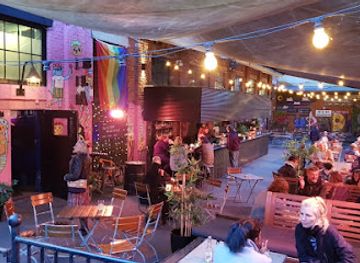
Live Music
BLÅ
Discover Oslo's nightlife at BLÅ, where live music, a beer garden, and disco vibes create an unforgettable experience in Grünerløkka.
-
Night club
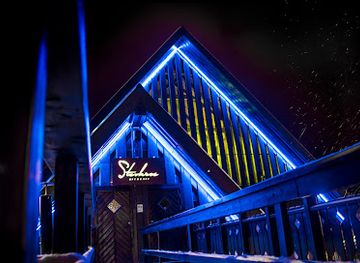
Stavkroa
Experience the vibrant nightlife at Stavkroa in Hemsedal, Norway, where music, dancing, and sports come together for an unforgettable evening.
-
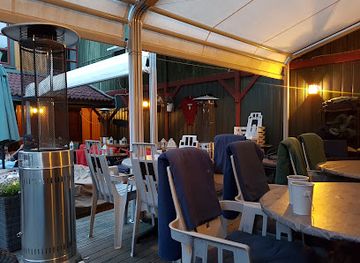
Pub
Haakons pub AS
Experience the vibrant atmosphere at Haakons Pub in Lillehammer, the perfect spot for tourists seeking local culture and great drinks.
-
Night club
Ingensteds
Experience the vibrant nightlife of Oslo at Ingensteds, a beloved night club in the heart of Grünerløkka, perfect for dancing and socializing.
Best shops in Innlandet
Shopping in Innlandet is centred on the main towns, market communities and producers rather than on a single large retail district. Lillehammer’s central streets contain independent shops, galleries, bookshops, cafés and outlets selling Norwegian design, while Hamar and Gjøvik provide broader everyday retail alongside local craft and food businesses. Farm shops and seasonal markets are the best places to look for mountain cheeses, cured meats, preserves, berry products, woollen goods and other regional foodstuffs. In valleys such as Valdres and Gudbrandsdalen, craft shops and heritage centres may offer locally made textiles, woodwork, ceramics or traditional items, although opening arrangements can be seasonal. Elverum and Kongsvinger reflect the eastern forest region and are useful for practical shopping and occasional local markets. Visitors should buy food and crafts from established outlets, check transport and customs rules for perishable goods, and remember that small rural shops may accept cards but may not keep regular urban hours.
-
Shopping mall
Paleet
Experience the best of shopping and dining at Paleet, Oslo's vibrant shopping mall in the heart of the city, where style meets culture.
-
Outlet mall
Oslo Fashion Outlet Vestby
Discover unbeatable deals at Oslo Fashion Outlet Vestby, the ultimate shopping destination just outside Oslo, featuring top brands and incredible discounts.
-
Shopping mall
Strandtorget
Explore the vibrant Strandtorget shopping mall in Lillehammer, Norway, featuring diverse shops, delightful dining, and engaging entertainment experiences.
-
Shopping mall
CC Gjøvik
CC Gjøvik: The ultimate shopping destination in Gjøvik, Norway, featuring diverse shops, delightful dining, and a vibrant atmosphere.


Get your free copy of our complete guide to Innlandet, delivered straight to you.
Everything on this page, from attractions and restaurants to essentials and local phrases, in one PDF you can read offline, print or share.
Already have an account? Sign in
Your Innlandet guide is ready.
We'll send it to · Not you? Sign out

Getting your guide ready…
We are putting together a fresh copy of the Innlandet guide. This can take up to a minute.
This can take a few moments. If your browser asks, choose Allow so the download can start. You'll find the guide in your Downloads folder.
Nothing happened? Download it again
Sorry, the guide is taking longer than usual. Please try again in a minute, or get it by email instead.
Innlandet essentials
Currency and Payment
Safety
Emergency Situations
Do's and Don'ts
Local Tips
From Eve
Local phrases worth knowing
You don't need to get them perfect. A few words go a long way, and locals appreciate the effort.
Basics
| English | Local | Say it |
|---|---|---|
| Hello | Hei | [Hay] |
| Goodbye | Ha det | [Hah deh] |
| Yes | Ja | [Yah] |
| No | Nei | [Nay] |
| Please/You're welcome | Vær så snill/Ingen årsak | [Vair shoh snill/In-yen or-sahk] |
| Thank you | Takk | [Tahk] |
| Excuse me/Sorry | Unnskyld | [Oon-shild] |
| How are you? | Hvordan har du det? | [Vor-dahn har doo deh] |
| Fine. And you? | Bra. Og du? | [Bra. Oh doo?] |
| Do you speak English? | Snakker du engelsk? | [Snak-er doo eng-elsk?] |
| I don't understand | Jeg forstår ikke | [Yay for-stor ik-keh] |
Eating & Drinking
| English | Local | Say it |
|---|---|---|
| I'd like to see the menu, please | Jeg vil gjerne se menyen, vær så snill | [Yay vil yar-ne seh meh-nyen, vair shoh snill] |
| I don't eat meat | Jeg spiser ikke kjøtt | [Yay spee-ser ik-keh shutt] |
| Cheers! | Skål! | [Skohl!] |
| I would like to pay, please | Jeg vil gjerne betale, vær så snill | [Yay vil yar-ne be-ta-leh, vair shoh snill] |
Emergencies
| English | Local | Say it |
|---|---|---|
| Help! | Hjelp! | [Yelp!] |
| Go away! | Gå vekk! | [Gaw vek!] |
| Call the Police! | Ring politiet! | [Ring po-li-teet!] |
| Call a doctor! | Ring en lege! | [Ring en lay-geh!] |
| I'm lost | Jeg er tapt | [Yay air tahpt] |
| I'm ill | Jeg er syk | [Yay air seek] |
Shopping
| English | Local | Say it |
|---|---|---|
| I'd like to buy... | Jeg vil gjerne kjøpe... | [Yay vil yar-ne shuh-peh...] |
| I'm just looking | Jeg bare ser | [Yay bar-eh sehr] |
| How much is it? | Hvor mye koster det? | [Vor mee-eh kohs-ter deh?] |
| That's too expensive | Det er for dyrt | [Deh air for deert] |
| Can you lower the price? | Kan du senke prisen? | [Kahn doo sen-keh pree-sen?] |
Time & Numbers
| English | Local | Say it |
|---|---|---|
| What time is it? | Hva er klokka? | [Hva air klok-ka?] |
| It's one o'clock | Det er ett | [Deh air et] |
| Half past (10) | Halv (ti) | [Halv (tee)] |
| Morning | Morgen | [Mor-gen] |
| Afternoon | Ettermiddag | [Et-ter-mid-dahg] |
| Evening | Kveld | [Kvel-d] |
| Yesterday | I går | [Ee gor] |
| Today | I dag | [Ee dahg] |
| Tomorrow | I morgen | [Ee mor-gen] |
| 1 | 1 | [1] |
| 2 | 2 | [2] |
| 3 | 3 | [3] |
| 4 | 4 | [4] |
| 5 | 5 | [5] |
| 6 | 6 | [6] |
| 7 | 7 | [7] |
| 8 | 8 | [8] |
| 9 | 9 | [9] |
| 10 | 10 | [10] |
Transport & Directions
| English | Local | Say it |
|---|---|---|
| Where's a/the...? | Hvor er en/den...? | [Vor air en/den...?] |
| What's the address? | Hva er adressen? | [Hva air ad-ress-en?] |
| Can you show me (on the map)? | Kan du vise meg (på kartet)? | [Kahn doo vee-seh may (poh kar-tet)?] |
| When's the next (bus)? | Når går den neste (bussen)? | [Nor gor den nes-teh (bus-sen)?] |
| A ticket (to ....) | En billett (til ....) | [En bil-let (til ....)] |
History of Innlandet
Early settlement, farming and rock art
People have used Innlandet’s forests, lake shores and mountain valleys since the Stone Age, combining hunting, fishing and seasonal movement with increasingly settled agriculture. Archaeological remains, burial mounds and rock art reveal long occupation around areas such as Mjøsa and the central valleys. The landscape encouraged distinct local economies: fertile lake districts supported farming, while uplands supplied grazing, game, fish and later mineral resources. Ancient routes through Gudbrandsdalen, Valdres and Østerdalen connected eastern lowlands with mountain passes and western Norway.
Iron production and the medieval landscape
Ironworking developed in several parts of inland Norway before and during the medieval period, using local ore, woodland fuel and skilled furnace work. Farming communities expanded along the valleys, and churches, farms and trading places became fixed points in a landscape still shaped by seasonal movement to mountain pastures. The routes through Gudbrandsdalen gained particular importance as links between the Oslo region and western Norway. Many later settlements and transport corridors follow patterns established by these early agricultural and trading communities.
Hamar’s medieval bishopric
Hamar became a major ecclesiastical centre in the Middle Ages, with a cathedral and bishopric serving a wide inland area. Construction of the cathedral began in the twelfth century, and the settlement developed beside Lake Mjøsa as both a religious and commercial centre. The Reformation in the sixteenth century ended Hamar’s medieval episcopal role, while fire and later change altered the town. The cathedral ruins, now protected beneath a substantial glass structure, remain one of Innlandet’s clearest reminders of its medieval importance.
Trade, timber and mining in the early modern period
From the seventeenth century onwards, forestry, timber floating and mining became increasingly important to Innlandet’s economy. Rivers carried logs towards sawmills and markets, while roads and winter routes connected isolated valleys with towns. Copper mining at Røros, outside Innlandet, influenced trade in neighbouring mountain districts, although the industrial town itself lies in Trøndelag. Within Innlandet, forest communities, sawmills and transport settlements grew around the exploitation and movement of timber, a pattern that continued into the modern period.
Kongsvinger Fortress and the borderland
Kongsvinger Fortress was established in the seventeenth century above the Glomma River to strengthen Norway’s defences against Sweden. Its location reflects Innlandet’s eastern strategic importance: roads and river routes through the forested border districts could serve both trade and military movement. The fortress was enlarged over time and became part of a wider defensive system. Today it provides a visible link with the periods when the Norwegian-Swedish border was a contested military frontier rather than an open internal boundary.
Railways, industry and modern towns
Nineteenth- and twentieth-century transport development transformed the county. Railways reached the Mjøsa district and then continued through major valleys and forest regions, making the movement of timber, farm products and people more reliable. Hamar, Lillehammer, Gjøvik and smaller industrial settlements expanded as transport and manufacturing centres. The railway also made mountain tourism more practical, helping turn valleys and upland resorts into destinations for hiking, skiing and holiday travel while preserving their role as working landscapes.
The 1994 Winter Olympics and regional tourism
The 1994 Winter Olympics brought lasting international attention to Lillehammer and several venues in the surrounding region, including ski facilities at Birkebeineren and alpine areas near the town. The event accelerated investment in infrastructure and strengthened Innlandet’s reputation for winter sports, although skiing had already been deeply established in local life. Olympic buildings and venues remain part of the county’s visitor landscape, alongside museums, mountain resorts and outdoor activities that operate well beyond the winter season.
Innlandet in Photos
Browse through our photo collection highlighting the charm and character of the destination.
Neighbouring regions of Innlandet
The closest regions to Innlandet, if you have time for more than one.
-
-
-

-

-


Swipe for more regions
Explore more

Explore more of Norway
Explore Norway's spectacular fjords, vibrant cities, and natural wonders. Experience the Northern Lights, Midnight Sun, and rich cultural heritage in this Scandinavian gem.
Explore Norway