

Free Vestfold og Telemark Travel Guide & Mobile App
Explore Vestfold og Telemark with free travel guides. Discover regional history, expert tips, proposed trips, and audio guides on web or mobile app.


Explore Vestfold og Telemark for Viking heritage, Oslofjord coastlines, canal journeys, mountain scenery and Norway’s pioneering industrial landscapes.
Read more about Vestfold og Telemark
When is the best time to visit Vestfold og Telemark?
Best: June–August · 20–22°C| Month | High (°C) | Rainfall (mm) |
|---|---|---|
| January | 2 | 70 |
| February | 3 | 60 |
| March | 7 | 60 |
| April | 11 | 55 |
| May | 17 | 60 |
| June (best) | 20 | 70 |
| July (best) | 22 | 80 |
| August (best) | 21 | 90 |
| September | 17 | 80 |
| October | 11 | 70 |
| November | 5 | 70 |
| December | 2 | 70 |
Getting to and around Vestfold og Telemark
How to get there
Transportation
Top city travel guides in Vestfold og Telemark
The cities of Vestfold og Telemark, and the easiest places to base yourself.
-

-


Swipe for more cities
Destinations in Vestfold og Telemark
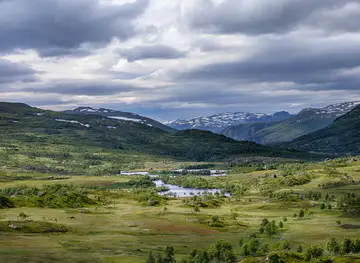
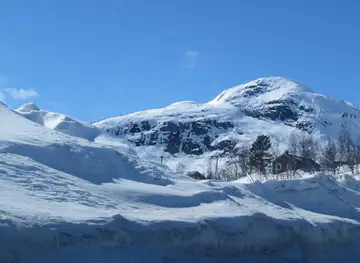
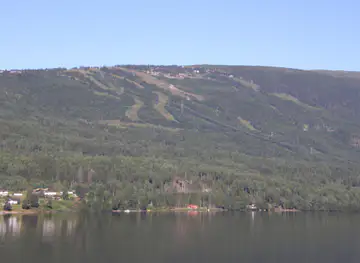
Resorts, valleys and scenic spots worth a trip of their own.
-
-

-
-

-


Swipe for more destinations
Best attractions in Vestfold og Telemark
The region’s attractions range from Viking archaeology and maritime museums to industrial monuments, art venues and extensive outdoor landscapes. Around Horten, the Borre burial mounds and Midgard Viking Centre interpret one of Norway’s most important Viking settings, while Tønsberg combines castle history with the harbour and Viking-inspired activities. The coast offers walking, swimming, kayaking and island excursions in places such as Færder National Park, Mølen and the skerries near Kragerø. Inland, the Telemark Canal is both an engineering achievement and a scenic journey through lakes, locks and historic settlements. Rjukan and Notodden explain the rise of hydroelectric industry, with the Vemork area adding a powerful wartime dimension. Mountain districts around Gaustatoppen, Rauland and Vinje support hiking, skiing and cycling, while family-oriented attractions and museums in towns such as Skien and Bø broaden the offer. The result is a destination landscape shaped as much by geography and working history as by conventional sightseeing.
-
Tourist attraction
Gygrestolen
Discover Gygrestolen, a breathtaking mountain attraction in Telemark, Norway, offering stunning views, hiking trails, and year-round outdoor adventures.
-
Tourist attraction
Jomfruland Lighthouse
Explore the enchanting Jomfruland Lighthouse, a historical gem on Jomfruland Island, offering stunning views and rich maritime history.
-
Tourist attraction
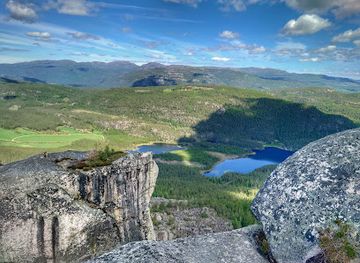
Steinmann View Point
Discover the stunning vistas of Kragerø at Steinmann View Point, a scenic hiking destination perfect for nature lovers and photographers alike.
-
Tourist attraction
Telemark Art Museum
Discover the vibrant world of Norwegian art at Telemark Art Museum, showcasing local and international talent in an inspiring environment.
Best landmarks in Vestfold og Telemark
Vestfold og Telemark’s landmarks reveal its maritime, royal, industrial and natural histories. The Oseberg and Gokstad ship finds are associated with the region’s most important Viking discoveries, while the Borre burial mounds near Horten form an imposing archaeological landscape of royal-era monuments. Tønsberg Castle Hill, crowned by the remains of Slottsfjellet tower, marks the medieval importance of Norway’s oldest town traditionally dated to the Viking Age. At the coast, Mølen’s stone beaches and Verdens Ende’s granite shoreline provide distinctive natural landmarks, while the skerries and islands of Færder National Park extend that maritime character. Inland, Gaustatoppen dominates the Rjukan skyline and offers a defining mountain presence. The Vemork power station and industrial landscapes of Rjukan and Notodden represent a different kind of monument: planned communities, hydroelectric engineering and early twentieth-century industrial ambition. The locks and waterways of the Telemark Canal complete this sequence of recognisable places shaped by movement, water and work.
-
Ferry service
Color Line, Larvik
Discover the breathtaking Norwegian coastline with Color Line Ferry Service, offering a comfortable and scenic travel experience across stunning waters.
-
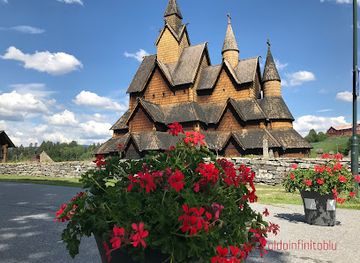
Stave church
Heddal stave church
Discover the beauty and history of Heddal Stave Church, Norway's largest stave church, nestled in the breathtaking landscape of Notodden.
-
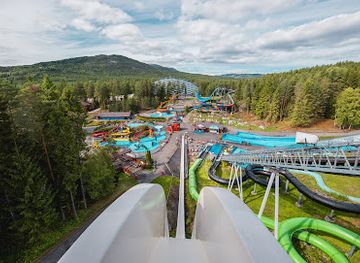
Water park
Bø Sommerland
Experience the thrill of water adventures at Bø Sommerland, Norway's top water park, offering fun for all ages in a beautiful setting.
-
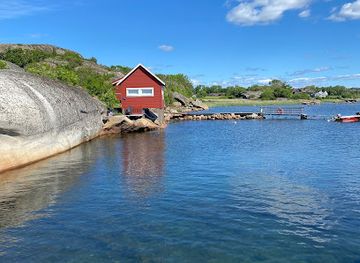
Scenic spot
World's End
Experience the serene beauty of World’s End, a stunning scenic spot in Tjøme, Norway, known for its breathtaking coastal views and natural wonders.
Explore Vestfold og Telemark on the map
Plan your trip on one map. See where the top cities, national parks and sights are, and book hotels and experiences in a few clicks.
Best hotels in Vestfold og Telemark
Best restaurants in Vestfold og Telemark
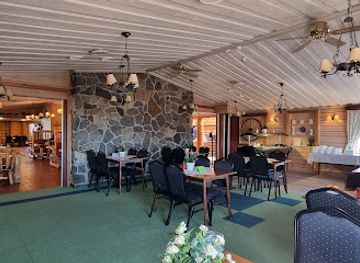
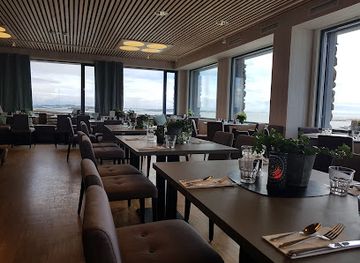
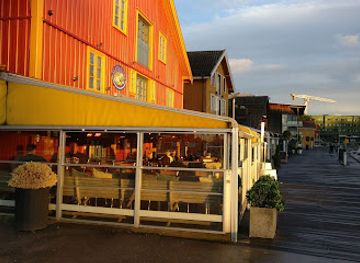
Dining in Vestfold og Telemark reflects the meeting of coast, forest, farmland and mountain communities. Along the Oslofjord and Skagerrak, restaurants, harbour cafés and fish counters make use of prawns, mussels, local fish and other seasonal seafood, while inland menus are more likely to feature game, lamb, dairy produce, mushrooms, berries and farm-grown ingredients. Traditional Norwegian baking, waffles and coffee remain common in cafés, museums and rural stops, and local farm shops provide opportunities to buy preserves, cheeses, cured products and drinks for a picnic. Tønsberg, Sandefjord, Larvik, Skien, Porsgrunn and Kragerø offer the broadest choice of contemporary restaurants, whereas smaller inland communities often centre their food culture on cafés, lodges, country inns and seasonal dining. Menus change with supply and season, so regional specialities are best approached as a varied local pantry rather than a single defining dish.
-
Restaurant
Kverneriet Tønsberg
Discover Kverneriet Tønsberg: A Culinary Haven for Burger Lovers and Cocktail Enthusiasts in Norway.
-
Norwegian
Furulund Kro & Motel AS
Discover the charm of Norwegian dining at Furulund Kro & Motel - where comfort meets tradition in beautiful Stokke.
-
Restaurant
The End of the World Eatery
Experience exquisite local cuisine at The End of the World Eatery in Tjøme, where breathtaking views meet sustainable dining.
-
Restaurant
Havariet
Discover Havariet in Tønsberg: A delightful dining experience featuring fresh Norwegian cuisine in a cozy setting.
Best bars in Vestfold og Telemark
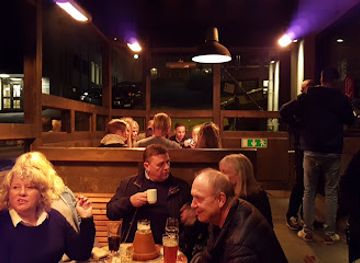
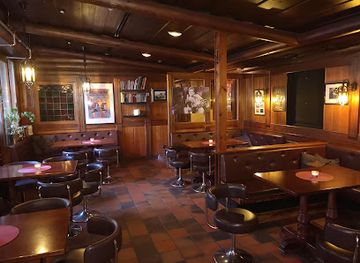
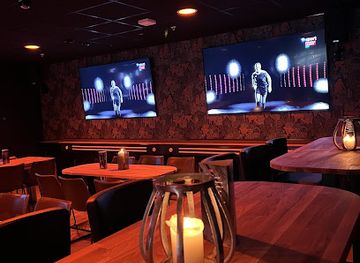
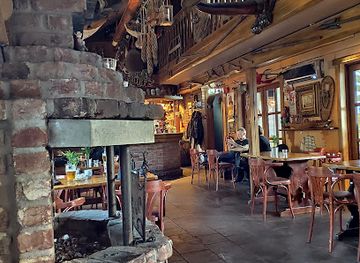
Evening life varies sharply between the coastal towns and inland Telemark. Tønsberg, Sandefjord, Larvik, Skien and Porsgrunn have the widest selection of pubs, restaurants, wine bars, live-music spaces and late venues, with the coastal towns becoming busier during the summer season. Kragerø and other harbour settlements combine traditional pubs and restaurants with a seasonal seafront atmosphere, while smaller inland communities generally offer a quieter evening centred on cafés, hotel bars, local gatherings and cultural events. The region has a strong relationship with Norwegian craft brewing, but availability differs between towns and venues. Rjukan and Notodden are better known for heritage, festivals and outdoor access than for a large club scene, although live music and cultural programming can provide evening entertainment. Check current arrangements locally, as opening patterns are particularly seasonal outside the larger centres.
-
Pub
Lundetangen pub AS
Experience the charm of Lundetangen Pub in Skien, where local culture meets a warm and inviting atmosphere for an unforgettable night out.
-
Pub
Karjolen Pub AS
Discover the charm of Karjolen Pub AS in Porsgrunn, where local flavor meets a cozy atmosphere for a delightful pub experience.
-
Bar
Gulating Pub
Experience the vibrant atmosphere of Gulating Pub in Sandefjord, where local culture meets delightful drinks and entertainment.
-
Pub
Mytteriet AS
Experience the warmth and hospitality of Mytteriet AS, a charming pub in Tønsberg offering a delightful selection of drinks and live music.
Best nightclubs in Vestfold og Telemark
Evening life varies sharply between the coastal towns and inland Telemark. Tønsberg, Sandefjord, Larvik, Skien and Porsgrunn have the widest selection of pubs, restaurants, wine bars, live-music spaces and late venues, with the coastal towns becoming busier during the summer season. Kragerø and other harbour settlements combine traditional pubs and restaurants with a seasonal seafront atmosphere, while smaller inland communities generally offer a quieter evening centred on cafés, hotel bars, local gatherings and cultural events. The region has a strong relationship with Norwegian craft brewing, but availability differs between towns and venues. Rjukan and Notodden are better known for heritage, festivals and outdoor access than for a large club scene, although live music and cultural programming can provide evening entertainment. Check current arrangements locally, as opening patterns are particularly seasonal outside the larger centres.
-
Live Music
BLÅ
Discover the essence of Oslo's nightlife at BLÅ, a vibrant hub for live music, dancing, and relaxation in the heart of Grünerløkka.
-
Night club
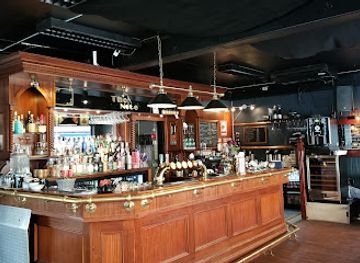
The Note Café og Musikkbar
Discover Sandefjord's nightlife gem, The Note Café og Musikkbar, where live music meets a vibrant atmosphere in an unforgettable experience.
-
Bar
Telerock AS
Explore the lively Telerock AS bar in Notodden, offering a diverse drink selection and a vibrant atmosphere for all visitors.
-
Bar
The Bull inn AS
Discover the cozy charm of The Bull Inn, a beloved bar in Bø, Norway, perfect for unwinding with friends and enjoying local brews.

Best shops in Vestfold og Telemark
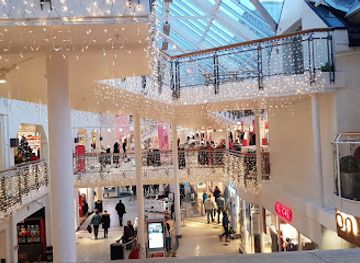
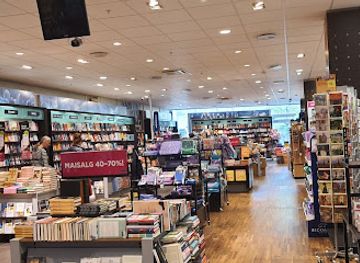
Shopping is strongest in the coastal and inland town centres rather than in a single regional retail district. Tønsberg, Sandefjord, Larvik, Skien and Porsgrunn combine ordinary Norwegian high-street shops with independent boutiques, cafés, galleries and practical outdoor retailers, while smaller places such as Kragerø, Dalen and Rjukan have a more local and seasonal character. Look for craft studios, galleries and museum shops selling textiles, ceramics, woodwork, jewellery, books and designs influenced by Telemark’s folk traditions. Farm shops and food producers are useful for cheeses, preserves, baked goods, berry products and other regional provisions. Markets and seasonal stalls vary by town and date, so check local listings rather than relying on a fixed schedule. Coastal towns may offer maritime gifts and art, while inland shopping is more closely connected with outdoor equipment, local produce and handicrafts than with luxury retail.
-
Outlet mall
Oslo Fashion Outlet Vestby
Discover unbeatable fashion deals at Oslo Fashion Outlet Vestby, the ultimate shopping destination for style-savvy travelers.
-
Shopping mall
Farmandstredet Shopping Center
Explore Farmandstredet Shopping Center: Tønsberg's premier shopping destination with diverse stores, dining, and a vibrant atmosphere.
-
Shopping mall
Hvaltorvet kjøpesenter
Explore Hvaltorvet Kjøpesenter in Sandefjord for a delightful shopping experience featuring diverse stores and delicious dining options.
-
Shopping mall
Re Torvet
Explore Re Torvet, a bustling shopping mall in Revetal, Norway, featuring diverse shops and delightful dining options for every taste.

Get your free copy of our complete guide to Vestfold og Telemark, delivered straight to you.
Everything on this page, from attractions and restaurants to essentials and local phrases, in one PDF you can read offline, print or share.
Already have an account? Sign in
Your Vestfold og Telemark guide is ready.
We'll send it to · Not you? Sign out

Getting your guide ready…
We are putting together a fresh copy of the Vestfold og Telemark guide. This can take up to a minute.
This can take a few moments. If your browser asks, choose Allow so the download can start. You'll find the guide in your Downloads folder.
Nothing happened? Download it again
Sorry, the guide is taking longer than usual. Please try again in a minute, or get it by email instead.
Vestfold og Telemark essentials
Currency and Payment
Safety
Emergency Situations
Do's and Don'ts
Local Tips
From Eve
Local phrases worth knowing
You don't need to get them perfect. A few words go a long way, and locals appreciate the effort.
Basics
| English | Local | Say it |
|---|---|---|
| Hello | Hei | [hay] |
| Goodbye | Ha det | [ha deh] |
| Yes | Ja | [yah] |
| No | Nei | [nay] |
| Please/You're welcome | Vær så snill/Takk | [vair so snill/tahk] |
| Thank you | Takk | [tahk] |
| Excuse me/Sorry | Unnskyld | [oon-shild] |
| How are you? | Hvordan har du det? | [vor-dan har doo deh] |
| Fine. And you? | Bra. Og du? | [bra. oh doo?] |
| Do you speak English? | Snakker du engelsk? | [snak-er doo eng-elsk?] |
| I don't understand | Jeg forstår ikke | [yai for-stor ik-ke] |
Eating & Drinking
| English | Local | Say it |
|---|---|---|
| I'd like to see the menu, please | Jeg vil gjerne se menyen, vær så snill | [yai vil yair-na se men-yen, vair so snill] |
| I don't eat meat | Jeg spiser ikke kjøtt | [yai spee-ser ik-ke shyet] |
| Cheers! | Skål! | [skawl] |
| I would like to pay, please | Jeg vil gjerne betale, vær så snill | [yai vil yair-na be-ta-le, vair so snill] |
Emergencies
| English | Local | Say it |
|---|---|---|
| Help! | Hjelp! | [yelp] |
| Go away! | Gå vekk! | [gaw vek] |
| Call the Police! | Ring politiet! | [ring poh-lee-teet] |
| Call a doctor! | Ring en lege! | [ring en lay-geh] |
| I'm lost | Jeg er tapt | [yai air taapt] |
| I'm ill | Jeg er syk | [yai air seek] |
Shopping
| English | Local | Say it |
|---|---|---|
| I'd like to buy... | Jeg vil kjøpe... | [yai vil shoo-peh] |
| I'm just looking | Jeg bare ser | [yai bar-eh sehr] |
| How much is it? | Hvor mye koster det? | [vor mee-eh kost-er deh] |
| That's too expensive | Det er altfor dyrt | [deh air alt-for deert] |
| Can you lower the price? | Kan du senke prisen? | [kan doo sen-keh pree-sen] |
Time & Numbers
| English | Local | Say it |
|---|---|---|
| What time is it? | Hva er klokka? | [vah air kloh-kah] |
| It's one o'clock | Det er ett | [deh air ett] |
| Half past (10) | Halv ti | [halv tee] |
| Morning | Morgen | [mor-gen] |
| Afternoon | Ettermiddag | [et-ter-mid-dahg] |
| Evening | Kveld | [kveld] |
| Yesterday | I går | [ee gor] |
| Today | I dag | [ee dahg] |
| Tomorrow | I morgen | [ee mor-gen] |
| 1 | 1 | [en] |
| 2 | 2 | [to] |
| 3 | 3 | [tre] |
| 4 | 4 | [fire] |
| 5 | 5 | [fem] |
| 6 | 6 | [seks] |
| 7 | 7 | [sju] |
| 8 | 8 | [åtte] |
| 9 | 9 | [ni] |
| 10 | 10 | [ti] |
Transport & Directions
| English | Local | Say it |
|---|---|---|
| Where's a/the...? | Hvor er en...? | [vor air en...?] |
| What's the address? | Hva er adressen? | [vah air ah-dres-sen] |
| Can you show me (on the map)? | Kan du vise meg (på kartet)? | [kan doo vee-seh my (poh kar-teht)?] |
| When's the next (bus)? | Når går den neste (bussen)? | [nor gor den nes-teh (bus-sen)?] |
| A ticket (to ....) | En billett (til ...) | [en be-lett (til ...)] |
History of Vestfold og Telemark
Stone Age settlement and ancient coastal communities
People have lived along the Oslofjord and the Telemark waterways since the retreat of the last ice sheet. Early communities used the coast, forests, rivers and lakes for fishing, hunting and trade, while later farming settlements appeared on more fertile ground. Rock carvings, burial sites and archaeological finds across Vestfold and Telemark reveal long changes in settlement, technology and belief. The landscape itself was important: waterways connected inland districts with the coast, and sheltered harbours helped communities exchange materials and ideas across southern Scandinavia.
Viking Age Vestfold
Vestfold was a major centre of power during the Viking Age. The ship burials at Oseberg and Gokstad, discovered near Tønsberg and Sandefjord respectively, contained richly appointed vessels and objects that demonstrate the region’s connections with wider Scandinavian and European networks. The burial mounds at Borre near Horten form one of the most important concentrations of monumental Viking remains in Norway. Although the political structure of the period was changing and cannot be reduced to a single kingdom based here, the archaeological evidence shows that coastal Vestfold supported influential elites, skilled craftsmen and maritime activity.
Medieval towns, churches and coastal trade
During the Middle Ages, settlements along the coast developed around royal administration, ecclesiastical institutions, agriculture and trade. Tønsberg became a significant political and commercial centre, while churches and estates shaped rural communities throughout the region. Timber, fish, grain and other goods moved along the coast and inland waterways. The construction and rebuilding of stone churches, fortified sites and urban institutions left a lasting imprint, even though later fires, redevelopment and modern infrastructure altered many historic centres.
Seafaring, timber and maritime industries
From the early modern period into the nineteenth century, the coast of Vestfold and southern Telemark was closely connected to shipping, timber exports and international commerce. Ports such as Larvik, Sandefjord, Tønsberg and Kragerø grew through trade, shipbuilding and the movement of forest products. Sandefjord later became strongly associated with nineteenth- and twentieth-century whaling, with vessels and crews operating in distant southern waters. Maritime wealth influenced town plans, merchants’ houses and civic institutions, while inland forests and waterways supplied much of the economic foundation.
The Telemark canal and nineteenth-century modernisation
The Telemark Canal, completed in stages in the late nineteenth century, connected Skien and the lower Telemark waterways with Dalen. Its locks and artificial channels enabled the movement of people, timber, agricultural goods and industrial products through difficult terrain. The canal transformed travel and strengthened links between inland communities and the coast. Today, its surviving engineering, historic vessels and lakeside settlements provide an unusually clear illustration of how transport infrastructure helped integrate rural Norway before the dominance of roads and railways.
Hydroelectric industry at Rjukan and Notodden
The dramatic valleys and waterfalls of inland Telemark made the area a centre of early large-scale hydroelectric development. Companies established factories and planned communities at Notodden and Rjukan in the early twentieth century, producing fertiliser and other industrial materials with energy generated from water. The projects brought engineers, workers, railways and new urban forms to a previously rural landscape. The Rjukan–Notodden Industrial Heritage Site, inscribed on the UNESCO World Heritage List in 2015, preserves this important chapter in the history of modern industry and electrification.
War, resistance and post-war transformation
During the German occupation of Norway from 1940 to 1945, the Norsk Hydro plant at Vemork near Rjukan became strategically important because of its production of heavy water, which could assist nuclear research. Norwegian and Allied sabotage operations targeted the plant and its transport links, making the Rjukan area one of the best-known settings in Norway’s wartime history. After the war, industrial restructuring, improved roads and changing employment patterns reshaped both coastal and inland communities, while heritage conservation and tourism created new ways to interpret the region’s past.
Vestfold og Telemark in Photos
Browse through our photo collection highlighting the charm and character of the destination.
Neighbouring regions of Vestfold og Telemark
The closest regions to Vestfold og Telemark, if you have time for more than one.
-

-

-

-
-


Swipe for more regions
Explore more

Explore more of Norway
Explore Norway's spectacular fjords, vibrant cities, and natural wonders. Experience the Northern Lights, Midnight Sun, and rich cultural heritage in this Scandinavian gem.
Explore Norway