

Free Southern Norway Travel Guide & Mobile App
Explore Southern Norway with free travel guides. Discover regional history, expert tips, proposed trips, and audio guides on web or mobile app.


Explore Southern Norway for skerry-lined coast, white wooden towns, Setesdal valleys, seafood, heritage and outdoor adventures near the Skagerrak.
Read more about Southern Norway
When is the best time to visit Southern Norway?
Best: June–August · 20–22°C| Month | High (°C) | Rainfall (mm) |
|---|---|---|
| January | 1 | 80 |
| February | 1 | 70 |
| March | 5 | 60 |
| April | 9 | 50 |
| May | 15 | 60 |
| June (best) | 20 | 70 |
| July (best) | 22 | 80 |
| August (best) | 21 | 90 |
| September | 17 | 100 |
| October | 11 | 110 |
| November | 6 | 90 |
| December | 2 | 80 |
Getting to and around Southern Norway
How to get there
Transportation
Top city travel guides in Southern Norway
The cities of Southern Norway, and the easiest places to base yourself.
-

-


Swipe for more cities
Destinations in Southern Norway
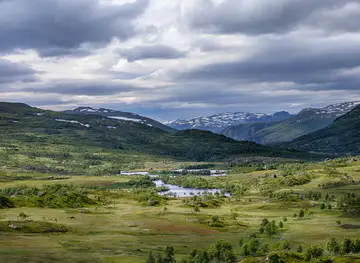
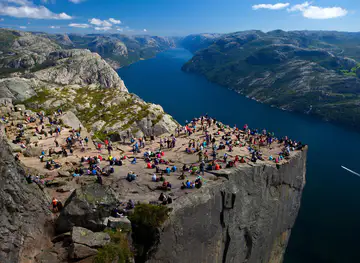
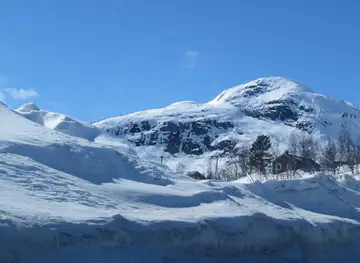
Resorts, valleys and scenic spots worth a trip of their own.
-
-
-

-


Swipe for more destinations
Best attractions in Southern Norway
Southern Norway's attractions range from maritime museums and preserved harbour quarters to beaches, forest trails and highland landscapes. Kristiansand offers the region's broadest concentration of museums, cultural institutions and family-oriented attractions, including the historic Posebyen district and the open-air Kristiansand Museum. Arendal, Grimstad, Lillesand and Mandal provide opportunities to explore wooden townscapes, waterfront life and local maritime history. Along the coast, boat trips, kayaking and walks through the skerries reveal a landscape shaped by glacial rock, sheltered channels and working harbours. Inland, Setesdal combines farmsteads, traditional culture, river scenery and access to extensive walking country, while Evje is associated with mineral and geological attractions as well as outdoor pursuits. Beaches near Kristiansand and elsewhere on the coast offer swimming and coastal walks, though water temperatures and weather are distinctly seasonal. Historic churches, galleries, craft centres and small local museums add depth to journeys through rural districts, where the attraction lies as much in the relationship between settlement, landscape and transport as in any single sight.
-
Tourist attraction
Kristiansand Zoo and Amusement Park
Explore the thrilling rides and extraordinary wildlife at Kristiansand Zoo and Amusement Park, an unforgettable family-friendly destination in Norway.
-
History museum
Kristiansand Cannon Museum
Discover the fascinating history of Norway's military past at Kristiansand Cannon Museum, featuring impressive artillery displays and engaging exhibits.
-
Tourist attraction
Ku Toppen
Experience the wonder of Ku Toppen in Kristiansand, Norway, where families create lasting memories with charming animals in a picturesque setting.
-
Tourist attraction
Kaptein Sabeltanns Verden
Experience the adventure at Kaptein Sabeltanns Verden, where the magic of Captain Sabertooth brings stories to life in a family-friendly theme park.


Best landmarks in Southern Norway
Kristiansand's rectangular street plan, waterfront fortifications and Posebyen wooden houses reflect its seventeenth-century foundation as a planned trading and defensive town. The Christiansholm Fortress, beside the harbour, is a prominent reminder of the city's strategic position on the Skagerrak. Further east, Arendal's historic centre around Pollen and Tyholmen preserves merchant buildings and timber streets shaped by shipping wealth, while Grimstad's old town retains a close connection with the literary history of Ibsen and Hamsun. Lillesand's harbour and white wooden streets express the architectural character associated with Sørlandet, and Mandal's townscape follows the river and coast in a setting long connected with seafaring. Inland, the Setesdal valley is itself a cultural landmark, with traditional farm buildings, churches and settlements set among wooded slopes and mountains. The skerry coast, especially around sheltered island communities, is a geographical landmark as much as a scenic one: its granite outcrops, narrow channels and low wooded islands explain the region's historic dependence on boats and coastal trade.
-
Sculpture museum
The Vigeland Park
Experience the enchanting Vigeland Park in Oslo, where art and nature converge in a stunning display of over 200 sculptures by Gustav Vigeland.
-
Fortress
Akershus Fortress
Discover the rich history and stunning views at Akershus Fortress, Oslo's iconic medieval castle and park that captivates every visitor.
-
History museum
Viking Ship Museum
Explore the Viking Ship Museum in Oslo, where history comes alive with remarkable Viking ships and artifacts showcasing Norway's maritime heritage.
-
Animal park
Kristiansand Zoo and Amusement Park
Discover the magic of Kristiansand Zoo and Amusement Park, where thrilling rides meet captivating wildlife in a family-friendly environment.


Explore Southern Norway on the map
Plan your trip on one map. See where the top cities, national parks and sights are, and book hotels and experiences in a few clicks.
Best hotels in Southern Norway
Best restaurants in Southern Norway
Coastal dining in Southern Norway naturally gives prominence to prawns, crab, mussels and locally landed fish, often served simply in harbourside cafés, restaurants and seasonal fish counters. Smoked and cured seafood, open sandwiches and fresh bakery goods are common parts of the wider Norwegian food culture, while local menus may also include lamb, game, potatoes, berries and mushrooms. Inland Setesdal has stronger associations with traditional farmhouse cooking, including komle and other substantial potato-based dishes, although recipes and names vary between communities. Kristiansand and the larger coastal towns have the widest choice of contemporary restaurants, cafés and international cuisines; smaller ports tend towards seafood restaurants, bakeries, pubs and informal summer dining. Farmers' markets and food events can be useful for finding regional cheeses, preserves, cloudberries and craft drinks, but availability is seasonal. Norwegian dining is often relatively early by southern European standards, and advance booking is sensible during the short, busy summer period.
-
Traditional Norwegian restaurant
Den Glade Gris
Experience authentic Norwegian cuisine at Den Glade Gris in Oslo - where tradition meets flavor in a cozy atmosphere.
-
Gastropub
Pingvinen
Discover the heart of Norwegian cuisine at Pingvinen Gastropub in Bergen – where tradition meets modern taste.
-
Barbecue
Way Down South
Experience authentic American barbecue in Oslo's Grünerløkka district at Way Down South—where flavor meets hospitality.
-
Norwegian
Rorbua Aker Brygge
Savor traditional Norwegian cuisine with stunning waterfront views at Rorbua Aker Brygge in Oslo.


Best bars in Southern Norway
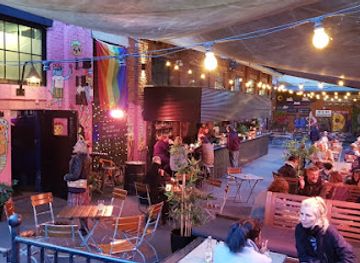
Evening life in Southern Norway is centred more on pubs, cafés, restaurants, cultural events and waterfront terraces than on a large club circuit. Kristiansand has the region's broadest selection of bars, live music venues and late-evening restaurants, with activity increasing during the summer and around major cultural programmes. Arendal, Grimstad and other coastal towns offer traditional pubs, hotel bars and small venues where local and touring musicians may perform. In Setesdal and smaller inland communities, evenings are quieter and often revolve around restaurants, accommodation lounges or community events rather than dedicated nightlife districts. Breweries and locally produced drinks may appear on regional menus, but alcohol is costly and licensing rules are observed carefully. Check current arrangements before travelling to a specific venue, particularly outside the summer season, when opening patterns in smaller towns can be limited.
-
Cocktail bar
HIMKOK Storgata Destilleri
Discover the vibrant cocktail culture of Oslo at HIMKOK Storgata Destilleri, where artisanal drinks and local ciders await.
-
Irish pub
The Dubliner Folk Pub
Discover the vibrant atmosphere of The Dubliner Folk Pub, an Irish retreat in Oslo for great food, drinks, and live music.
-
Pub
Sir Winston's Public House
Experience the lively atmosphere and rich flavors at Sir Winston's Public House, Oslo's premier destination for food and entertainment.
-
Bar
RØØR
Experience Oslo's nightlife at RØØR, where a diverse selection of unique beers and a vibrant atmosphere await.


Best nightclubs in Southern Norway
Evening life in Southern Norway is centred more on pubs, cafés, restaurants, cultural events and waterfront terraces than on a large club circuit. Kristiansand has the region's broadest selection of bars, live music venues and late-evening restaurants, with activity increasing during the summer and around major cultural programmes. Arendal, Grimstad and other coastal towns offer traditional pubs, hotel bars and small venues where local and touring musicians may perform. In Setesdal and smaller inland communities, evenings are quieter and often revolve around restaurants, accommodation lounges or community events rather than dedicated nightlife districts. Breweries and locally produced drinks may appear on regional menus, but alcohol is costly and licensing rules are observed carefully. Check current arrangements before travelling to a specific venue, particularly outside the summer season, when opening patterns in smaller towns can be limited.
-
Night club
Ingensteds
Experience Oslo's nightlife at Ingensteds, a vibrant night club in Grünerløkka with innovative cocktails and electrifying music.
-
Night club
Storgata 26
Discover the nightlife at Storgata 26, Oslo's vibrant night club and cultural center, perfect for cocktails and live music.
-
Night club
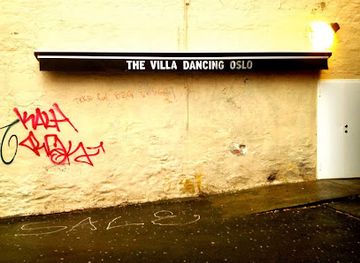
The Villa Oslo Dancing
Dive into Oslo's nightlife at The Villa, where deep house beats and vibrant energy create an unforgettable clubbing experience.
-
Night club
Bachus Lounge & Club
Discover the heart of Ålesund's nightlife at Bachus Lounge & Club, where music, dancing, and vibrant atmosphere come together for an unforgettable experience.


Best shops in Southern Norway
Shopping in Southern Norway is strongest in the old centres of Kristiansand, Arendal, Grimstad, Lillesand and Mandal, where independent boutiques, bookshops, galleries, cafés and practical outdoor retailers share streets with national chains. Kristiansand provides the largest urban selection, while smaller coastal towns are better suited to browsing local design, antiques, art and maritime-themed goods. Farmers' markets and seasonal harbour stalls may offer berries, preserves, baked products, seafood and locally made handicrafts, though dates and availability vary. In Setesdal, visitors can look for traditional textiles, woodwork, silverwork and other craft products associated with the valley's cultural heritage, buying directly from makers when workshops are open. Norwegian outdoor clothing, knitwear and regional food products are practical souvenirs, while small galleries often showcase contemporary work from Agder artists. Rural shopping is dispersed, so check distances and opening arrangements rather than expecting a continuous retail district beyond the main towns.
-
Shopping mall
Sørlandssenteret
Experience Norway's largest shopping mall, Sørlandssenteret, where retail therapy meets dining and entertainment in Kristiansand.
-
Gift shop
The Arctic Circle Centre
Explore the Arctic Circle Centre: A fusion of nature, culture, and local flavors in Norway's breathtaking Arctic landscapes.
-
Shopping mall
Galleriet
Explore Galleriet, Bergen's vibrant shopping mall filled with diverse retailers, dining options, and an inviting atmosphere perfect for tourists.
-
Shopping mall
Paleet
Explore Paleet in Oslo: A shopping mall offering a blend of fashion, dining, and local culture right in the heart of the city.


Get your free copy of our complete guide to Southern Norway, delivered straight to you.
Everything on this page, from attractions and restaurants to essentials and local phrases, in one PDF you can read offline, print or share.
Already have an account? Sign in
Your Southern Norway guide is ready.
We'll send it to · Not you? Sign out

Getting your guide ready…
We are putting together a fresh copy of the Southern Norway guide. This can take up to a minute.
This can take a few moments. If your browser asks, choose Allow so the download can start. You'll find the guide in your Downloads folder.
Nothing happened? Download it again
Sorry, the guide is taking longer than usual. Please try again in a minute, or get it by email instead.
Southern Norway essentials
Currency and Payment
Safety
Emergency Situations
Do's and Don'ts
Local Tips
From Eve
Local phrases worth knowing
You don't need to get them perfect. A few words go a long way, and locals appreciate the effort.
Basics
| English | Local | Say it |
|---|---|---|
| Hello | Hei | [HAY] |
| Goodbye | Ha det | [HAH deh] |
| Yes | Ja | [YAH] |
| No | Nei | [NAY] |
| Please/You're welcome | Vær så snill | [VAIR soh sneel] |
| Thank you | Takk | [TAHK] |
| Excuse me/Sorry | Unnskyld | [OON-shild] |
| How are you? | Hvordan har du det? | [VOOR-dahn har doo deh?] |
| Fine. And you? | Bra. Og du? | [BRAH. OY doo?] |
| Do you speak English? | Snakker du engelsk? | [SNAH-kker doo EN-gelsk?] |
| I don't understand | Jeg forstår ikke | [YAY for-STORE ik-ke] |
Eating & Drinking
| English | Local | Say it |
|---|---|---|
| I'd like to see the menu, please | Jeg vil gjerne se menyen, vær så snill | [YAY vil YER-na seh meh-NYEN, VAIR soh sneel] |
| I don't eat meat | Jeg spiser ikke kjøtt | [YAY SPEE-ser ik-ke SHYETT] |
| Cheers! | Skål! | [SKOHL!] |
| I would like to pay, please | Jeg vil gjerne betale, vær så snill | [YAY vil YER-na beh-TAH-le, VAIR soh sneel] |
Emergencies
| English | Local | Say it |
|---|---|---|
| Help! | Hjelp! | [YELP!] |
| Go away! | Gå vekk! | [GOH VEHK!] |
| Call the Police! | Ring politiet! | [RING poh-LEE-tee-et!] |
| Call a doctor! | Ring en lege! | [RING en LEH-geh!] |
| I'm lost | Jeg er tapt | [YAY air TAAPT] |
| I'm ill | Jeg er syk | [YAY air SUEK] |
Shopping
| English | Local | Say it |
|---|---|---|
| I'd like to buy... | Jeg vil gjerne kjøpe... | [YAY vil YER-na SHOE-pe...] |
| I'm just looking | Jeg bare ser | [YAY BAH-re ser] |
| How much is it? | Hvor mye koster det? | [VOOR MYEH KOS-ter deh?] |
| That's too expensive | Det er altfor dyrt | [DEH air ALT-for DEERT] |
| Can you lower the price? | Kan du senke prisen? | [KAN doo SEN-ke PREE-sen?] |
Time & Numbers
| English | Local | Say it |
|---|---|---|
| What time is it? | Hva er klokka? | [HVA air KLOK-ka?] |
| It's one o'clock | Det er ett | [DEH air ETT] |
| Half past (10) | Halv elleve | [HALV EL-leh-veh] |
| Morning | Morgen | [MOR-gen] |
| Afternoon | Ettermiddag | [ET-ter-mih-DAHG] |
| Evening | Kveld | [KVELD] |
| Yesterday | I går | [EE gore] |
| Today | I dag | [EE dahg] |
| Tomorrow | I morgen | [EE MOR-gen] |
| 1 | 1 | [1] |
| 2 | 2 | [2] |
| 3 | 3 | [3] |
| 4 | 4 | [4] |
| 5 | 5 | [5] |
| 6 | 6 | [6] |
| 7 | 7 | [7] |
| 8 | 8 | [8] |
| 9 | 9 | [9] |
| 10 | 10 | [10] |
Transport & Directions
| English | Local | Say it |
|---|---|---|
| Where's a/the...? | Hvor er en...? | [VOOR air en...?] |
| What's the address? | Hva er adressen? | [HVA air ah-DRESS-en?] |
| Can you show me (on the map)? | Kan du vise meg (på kartet)? | [KAN doo VEE-seh MYE (poh KAR-tet)?] |
| When's the next (bus)? | Når går neste (buss)? | [NOR gohr NEST-e (boos)?] |
| A ticket (to ....) | En billett (til ....) | [En BIL-let (til ....)] |
History of Southern Norway
Stone Age settlement and rock art
People have lived along the Agder coast and in its inland valleys since the Stone Age, using marine resources, forests and river systems. Archaeological sites and artefacts show changing patterns of fishing, hunting and farming, while rock carvings in southern Norway provide evidence of prehistoric beliefs and activities. The region's easily navigable shoreline encouraged movement between islands and mainland, establishing a maritime orientation long before the emergence of historic towns.
The Viking and medieval coastal world
During the Viking Age and Middle Ages, the coast of Agder formed part of the sea routes linking western Scandinavia with the North Sea and the Baltic. Farms, landing places and emerging market settlements benefited from maritime traffic, while Christianity reshaped communities through churches and ecclesiastical administration. Inland Setesdal remained connected to the coast through valley routes, exchanging livestock, agricultural goods, iron and forest products for imported commodities.
Medieval churches and royal administration
The Christianisation of Norway left a durable architectural and cultural presence in Southern Norway. Medieval churches and later timber buildings became centres of settlement, while royal administration and regional trade strengthened coastal communities. Valleys such as Setesdal developed distinctive farming systems and local institutions, shaped by distance, difficult terrain and seasonal movement. Historic churches, farmsteads and town plans still reveal the gradual transition from dispersed rural society to more organised communities.
Timber, shipping and the rise of coastal towns
From the early modern period onwards, forests and waterways supported a major timber economy. Ports including Arendal, Grimstad, Lillesand, Kristiansand and Mandal developed through the export of timber and other goods, alongside shipbuilding, fishing and coastal trade. Wealth from commerce produced merchant houses, warehouses and churches, while the sheltered skerry coast allowed vessels to anchor and move between ports. Much of the surviving wooden architecture reflects this maritime prosperity.
Kristiansand and the planned city
Kristiansand was founded in 1641 by King Christian IV as a fortified trading town, strengthening Danish-Norwegian control of the Skagerrak coast. Its regular street plan, defensive history and position beside the Otra estuary distinguish it from the older, more organically developed harbour towns elsewhere in Agder. Over time it became the region's principal urban, administrative and transport centre, while its port connected Southern Norway with Denmark and wider European trade.
Industrialisation, migration and modern Norway
The nineteenth and twentieth centuries brought steam navigation, improved roads, railways and new industries to Southern Norway. Timber remained important, but engineering, processing, shipping and public administration increasingly diversified the economy. Many coastal communities experienced emigration to North America, while improved transport drew inland districts more closely into national markets. Today, preserved harbours and town quarters coexist with modern ports, manufacturing, tourism and cultural institutions.
Southern Norway in Photos
Browse through our photo collection highlighting the charm and character of the destination.
Neighbouring regions of Southern Norway
The closest regions to Southern Norway, if you have time for more than one.
-

-

-

-

-


Swipe for more regions
Explore more

Explore more of Norway
Explore Norway's spectacular fjords, vibrant cities, and natural wonders. Experience the Northern Lights, Midnight Sun, and rich cultural heritage in this Scandinavian gem.
Explore Norway