

Free Appalachian Ohio Travel Guide & Mobile App
Explore Appalachian Ohio with free travel guides. Discover regional history, expert tips, proposed trips, and audio guides on web or mobile app.


Explore Appalachian Ohio for sandstone gorges, forest trails, Ohio River towns, Indigenous earthworks and distinctive mountain-influenced culture.
Read more about Appalachian Ohio
When is the best time to visit Appalachian Ohio?
Best: May–June, September · 22–27°C| Month | High (°C) | Rainfall (mm) |
|---|---|---|
| January | 4 | 70 |
| February | 6 | 66 |
| March | 11 | 90 |
| April | 17 | 94 |
| May (best) | 22 | 102 |
| June (best) | 27 | 105 |
| July | 29 | 107 |
| August | 29 | 99 |
| September (best) | 25 | 89 |
| October | 19 | 79 |
| November | 11 | 85 |
| December | 5 | 79 |
Getting to and around Appalachian Ohio
How to get there
Transportation
Top city travel guides in Appalachian Ohio
The cities of Appalachian Ohio, and the easiest places to base yourself.
-

-

-

-
-

-


Swipe for more cities
Destinations in Appalachian Ohio
Resorts, valleys and scenic spots worth a trip of their own.
-

-

-

-

-

-


Swipe for more destinations
Best attractions in Appalachian Ohio
Appalachian Ohio's attractions are rooted in its combination of public forest, sandstone terrain, rivers and layered human history. Hocking Hills State Park is the best-known outdoor area, with trails to Old Man's Cave, Ash Cave and Cedar Falls, while Hocking Hills State Forest and Lake Logan broaden the possibilities for hiking, paddling and wildlife observation. Wayne National Forest occupies several non-contiguous areas and offers a more dispersed experience of wooded hills, back roads, camping and multi-use trails. Shawnee State Forest near the Ohio River is another strong choice for hiking and scenic drives. History is equally prominent: the Hopewell Ceremonial Earthworks around Chillicothe interpret ancient Indigenous landscapes, and Marietta's museums and historic streets explain early United States settlement and river commerce. Athens contributes galleries, music, university culture and a farmers' market, while Nelsonville and other former industrial communities provide insight into brickmaking, railways and resource-based economies. River towns, covered bridges, local museums, farm markets and seasonal festivals add smaller-scale experiences, but distances between them are considerable. The region is best approached as a series of complementary landscapes rather than a single attraction circuit.
-
Park
Hocking Hills State Park
Experience the breathtaking beauty of Hocking Hills State Park, a natural sanctuary offering stunning hikes, majestic waterfalls, and rich wildlife in Ohio.
-
National park
Cuyahoga Valley National Park
Discover the breathtaking landscapes and outdoor adventures at Cuyahoga Valley National Park, Ohio's stunning natural retreat.
-
State park
Hocking Hills State Park Visitor Center
Discover breathtaking landscapes and outdoor adventures at Hocking Hills State Park Visitor Center, Ohio's gateway to nature's beauty.
-
Tourist attraction
Ohio Caverns
Unearth the beauty of Ohio Caverns, a spectacular underground wonderland filled with stunning formations and geological marvels, perfect for all ages.


Best landmarks in Appalachian Ohio
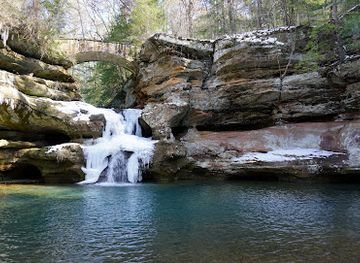
The most recognisable natural landmark of Appalachian Ohio is the sandstone country of Hocking Hills, where Old Man's Cave, Ash Cave and Cedar Falls express the region's distinctive geology through cliffs, recesses, ravines and waterfalls. The wooded ridges and narrow valleys of Wayne National Forest and Shawnee State Forest are broader landscape landmarks, revealing the Appalachian Plateau's character rather than a single monumental viewpoint. At Chillicothe, the Hopewell Ceremonial Earthworks form an internationally significant Indigenous landscape of ancient geometric enclosures, walls and mounds; their importance lies in the sophistication and cultural meaning of the earthworks, not merely their appearance. Marietta's early settlement landscape includes the Mound Cemetery earthworks and the historic confluence of the Muskingum and Ohio rivers. The Ohio River itself is a defining geographical landmark, with riverfront towns such as Portsmouth, Gallipolis, Marietta and Ironton shaped by its transport role. In Nelsonville, the Hocking Valley Scenic Railway and surviving brickmaking heritage point to the industrial infrastructure that connected forest communities with wider markets.
-
Park
Hocking Hills State Park
Explore Hocking Hills State Park, Ohio's natural wonder with stunning waterfalls, hiking trails, and captivating landscapes for an unforgettable outdoor experience.
-
State park
Hocking Hills State Park Visitor Center
Explore the breathtaking landscapes and outdoor adventures at Hocking Hills State Park Visitor Center in Ohio, a must-visit destination for nature lovers.
-
History museum
Carillon Historical Park
Explore Dayton's rich history and innovative spirit at Carillon Historical Park, a captivating outdoor museum with stunning views and engaging exhibits.
-
Park
Ash Cave
Explore Ash Cave in Hocking Hills State Park, where stunning natural beauty and serene hiking trails await outdoor enthusiasts and nature lovers.


Explore Appalachian Ohio on the map
Plan your trip on one map. See where the top cities, national parks and sights are, and book hotels and experiences in a few clicks.
Best hotels in Appalachian Ohio
Best restaurants in Appalachian Ohio
Dining in Appalachian Ohio ranges from traditional diners, family-run restaurants and rural inns to university-town cafés, breweries and contemporary kitchens. Menus often draw on wider American and Appalachian traditions, including biscuits, sausage, beans, fried chicken, soup beans, cornbread, seasonal vegetables, orchard fruit and baked goods, though recipes differ from household to household. The region is also associated with locally produced maple syrup, honey, apples, berries, pawpaws and other seasonal crops, while farm markets provide opportunities to buy Ohio-grown food. Athens has the broadest concentration of cafés, international food and modern casual dining because of Ohio University, whereas Hocking Hills and the Ohio River towns offer a mixture of inns, pizzerias, diners and restaurants serving visitors. Craft breweries and small producers appear in several communities, but availability varies. In rural areas, check distances and closing times before setting out, particularly after a day on the trails, and treat farmers' markets as seasonal community institutions rather than permanent food halls.
-
American
Mike's Place
Discover Mike's Place in Kent, Ohio - where delicious American cuisine meets a lively bar atmosphere for an unforgettable dining experience.
-
Traditional American
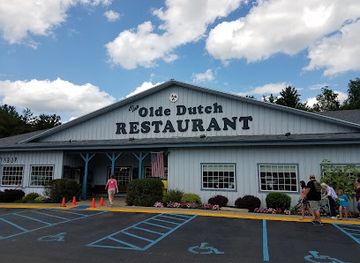
Olde Dutch
Discover authentic traditional American cuisine at Olde Dutch in Logan, Ohio - where comfort food meets warm hospitality.
-
Hot Dog
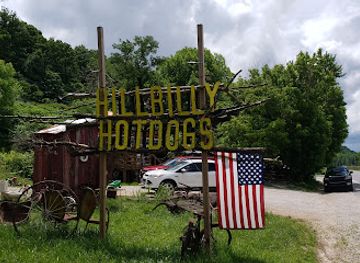
Hillbilly Hot Dogs
Discover the quirky charm of Hillbilly Hot Dogs in Lesage, WV – where unique hot dog creations meet friendly service in a fun atmosphere.
-
Restaurant
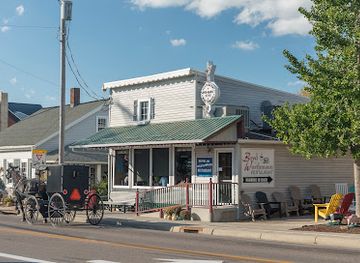
Boyd & Wurthmann Restaurant
Discover delightful American cuisine at Boyd & Wurthmann Restaurant in Berlin, Ohio - where local flavors meet warm hospitality.
Best bars in Appalachian Ohio
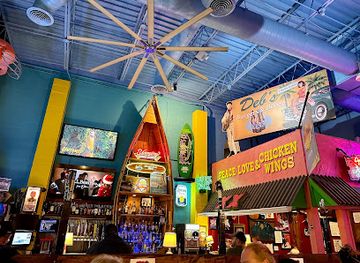
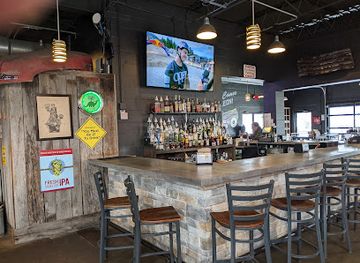
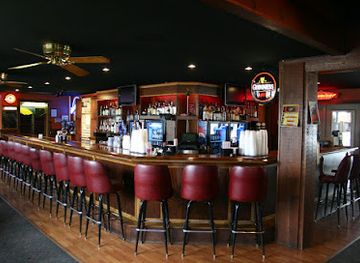
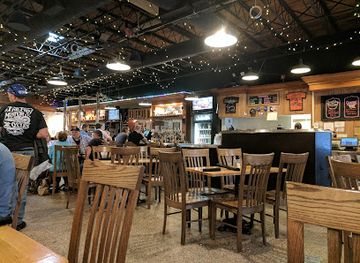
Evening life in Appalachian Ohio is concentrated in a few larger towns and is otherwise based around pubs, restaurants, breweries, live music and community events. Athens has the region's most recognisable late-evening scene, shaped by Ohio University, with bars, music venues and casual restaurants clustered around the town centre and campus area. Marietta and other Ohio River towns offer historic pubs, taverns and restaurants suited to a quieter evening, while Nelsonville and Hocking Hills may have live music, brewery activity and seasonal entertainment rather than a large club circuit. Many visitors in forest and gorge areas spend evenings at cabins, local restaurants or outdoor venues, and rural nightlife can be limited by distance and transport. Do not rely on walking between dispersed venues, and arrange a designated driver or taxi when drinking. Current opening arrangements and event listings should be checked locally, especially outside university terms and peak tourism periods.
-
Grill
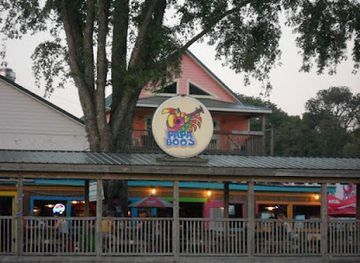
Papa Boo's
Experience the vibrant atmosphere and delicious cuisine at Papa Boo's, Thornville's premier grill and live music venue.
-
Bar
Leon's Garage
Discover Leon's Garage, a lively bar and restaurant in Marysville offering delicious food, craft cocktails, and vibrant live music for an unforgettable night out.
-
Grill
Cranberry Resort Waterfront Bar & Grill
Experience delightful American cuisine and stunning waterfront views at Cranberry Resort Waterfront Bar & Grill, a top dining spot for tourists seeking flavor and fun.
-
Bar
Jackie O's Public House Restaurant
Jackie O's Public House Restaurant: A vibrant bar and brewery in Athens, Ohio, serving delicious American cuisine and local craft beer.
Best nightclubs in Appalachian Ohio
Evening life in Appalachian Ohio is concentrated in a few larger towns and is otherwise based around pubs, restaurants, breweries, live music and community events. Athens has the region's most recognisable late-evening scene, shaped by Ohio University, with bars, music venues and casual restaurants clustered around the town centre and campus area. Marietta and other Ohio River towns offer historic pubs, taverns and restaurants suited to a quieter evening, while Nelsonville and Hocking Hills may have live music, brewery activity and seasonal entertainment rather than a large club circuit. Many visitors in forest and gorge areas spend evenings at cabins, local restaurants or outdoor venues, and rural nightlife can be limited by distance and transport. Do not rely on walking between dispersed venues, and arrange a designated driver or taxi when drinking. Current opening arrangements and event listings should be checked locally, especially outside university terms and peak tourism periods.
-
American
Touch Supper Club
Touch Supper Club: A dynamic blend of American cuisine and vibrant nightlife in the heart of Ohio City.
-
Gay night club
Axis Nightclub
Axis Nightclub in Columbus: A vibrant gay nightclub known for its welcoming atmosphere and spectacular drag shows in the heart of the Short North Arts District.
-
Night club
Energy Nightclub
Discover Cincinnati's nightlife at Energy Nightclub, a lively venue for dance, drinks, and unforgettable live music experiences.
-
Night club
FWD Day + Nightclub
Discover the pulsating heart of Cleveland's nightlife at FWD Day + Nightclub, where music, dance, and unforgettable memories await.




Best shops in Appalachian Ohio
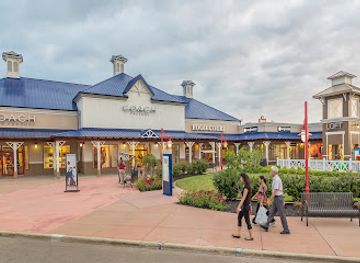
Shopping in Appalachian Ohio is strongest in market towns and historic downtowns rather than in large luxury centres. Athens combines independent bookshops, cafés, galleries, clothing and locally made goods, with a farmers' market that reflects the surrounding agricultural area. Marietta's historic centre has antiques, gifts, art and specialist shops, while Nelsonville and other Hocking Valley communities are useful for locally themed crafts and regional products. Hocking Hills retailers commonly sell handmade items, woodwork, pottery, artwork, outdoor goods and food products suited to a rural getaway, though the selection changes between businesses and seasons. Farmers' markets across the region are good places to look for maple syrup, honey, jams, apples, baked goods, seasonal vegetables and pawpaw products when available. Local fairs and festivals may bring additional artisans and producers, but they are occasional rather than permanent shopping venues. In smaller towns, opening days and hours can be limited, so plan purchases during daylight and carry cash for farm stands and independent vendors that may not accept cards.
-
Shopping mall
Destination Outlets
Discover incredible deals and a pet-friendly environment at Destination Outlets in Jeffersonville, Ohio, where shopping is a delightful experience.
-
Outlet mall
Aurora Farms Premium Outlets
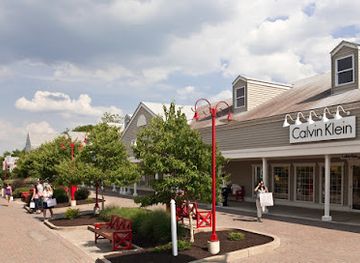
Discover incredible deals on top brands at Aurora Farms Premium Outlets, the ultimate shopping destination in Aurora, Ohio, perfect for tourists and locals alike.
-
Antique store
Ohio Valley Antique Mall
Explore a vast antique paradise filled with vintage furniture, rare books, collectibles, and charming surprises at Ohio Valley Antique Mall.
-
Antique store
Medina Antique Mall
Explore Medina Antique Mall, Ohio's treasure trove of vintage collectibles, antique furniture, and unique finds in a charming atmosphere.


Get your free copy of our complete guide to Appalachian Ohio, delivered straight to you.
Everything on this page, from attractions and restaurants to essentials and local phrases, in one PDF you can read offline, print or share.
Already have an account? Sign in
Your Appalachian Ohio guide is ready.
We'll send it to · Not you? Sign out

Getting your guide ready…
We are putting together a fresh copy of the Appalachian Ohio guide. This can take up to a minute.
This can take a few moments. If your browser asks, choose Allow so the download can start. You'll find the guide in your Downloads folder.
Nothing happened? Download it again
Sorry, the guide is taking longer than usual. Please try again in a minute, or get it by email instead.
Appalachian Ohio essentials
Currency and Payment
Safety
Emergency Situations
Do's and Don'ts
Local Tips
From Eve
Local phrases worth knowing
You don't need to get them perfect. A few words go a long way, and locals appreciate the effort.
Basics
| English | Local | Say it |
|---|---|---|
| Hello | Howdy | [Hau-dee] |
| Goodbye | See ya later | [See ya lay-ter] |
| Yes | Yup | [Yup] |
| No | Naw | [Naw] |
| Please/You're welcome | Please/No problem | [Please/No prob-lum] |
| Thank you | Thank ya | [Thank ya] |
| Excuse me/Sorry | Pardon me/Sorry | [Par-don me/Sor-ree] |
| How are you? | How ya doin'? | [How ya doin'?] |
| Fine. And you? | I’m fine. How 'bout you? | [I’m fine. How 'bout you?] |
| Do you speak English? | Ya speakin' English? | [Ya speakin' English?] |
| I don't understand | I ain't followin' | [I ain't followin'] |
Eating & Drinking
| English | Local | Say it |
|---|---|---|
| I'd like to see the menu, please | Can I see the menu, please? | [Can I see the menu, please?] |
| I don't eat meat | I don't eat no meat | [I don't eat no meat] |
| Cheers! | Cheers! | [Cheers!] |
| I would like to pay, please | I wanna pay, please | [I wanna pay, please] |
Emergencies
| English | Local | Say it |
|---|---|---|
| Help! | Help! | [Help!] |
| Go away! | Get outta here! | [Get outta here!] |
| Call the Police! | Call the cops! | [Call the cops!] |
| Call a doctor! | Call a doc! | [Call a doc!] |
| I'm lost | I’m lost | [I’m lost] |
| I'm ill | I ain't feelin' well | [I ain't feelin' well] |
Shopping
| English | Local | Say it |
|---|---|---|
| I'd like to buy... | I wanna buy... | [I wanna buy...] |
| I'm just looking | I’m just lookin' | [I’m just lookin'] |
| How much is it? | What’s it cost? | [What’s it cost?] |
| That's too expensive | That’s too high | [That’s too high] |
| Can you lower the price? | Can ya bring the price down? | [Can ya bring the price down?] |
Time & Numbers
| English | Local | Say it |
|---|---|---|
| What time is it? | What time is it? | [What time is it?] |
| It's one o'clock | It’s one o’clock | [It’s one o’clock] |
| Half past (10) | Half past ten | [Half past ten] |
| Morning | Mornin' | [Mornin'] |
| Afternoon | Afternoon | [Afternoon] |
| Evening | Evenin' | [Evenin'] |
| Yesterday | Yestiddy | [Yestiddy] |
| Today | Today | [Today] |
| Tomorrow | Tomorrah | [Tomorrah] |
| 1 | One | [One] |
| 2 | Two | [Two] |
| 3 | Three | [Three] |
| 4 | Four | [Four] |
| 5 | Five | [Five] |
| 6 | Six | [Six] |
| 7 | Seven | [Seven] |
| 8 | Eight | [Eight] |
| 9 | Nine | [Nine] |
| 10 | Ten | [Ten] |
Transport & Directions
| English | Local | Say it |
|---|---|---|
| Where's a/the...? | Where’s the...? | [Where’s the...?] |
| What's the address? | What’s the address? | [What’s the address?] |
| Can you show me (on the map)? | Can ya show me on the map? | [Can ya show me on the map?] |
| When's the next (bus)? | When’s the next bus? | [When’s the next bus?] |
| A ticket (to ....) | A ticket to... | [A ticket to...] |
History of Appalachian Ohio
Indigenous Earthworks and Ohio Valley Cultures
Long before European settlement, the forests and river valleys of southern Ohio were inhabited and travelled by Indigenous peoples, including communities associated with the Adena and Hopewell traditions. They constructed burial mounds, enclosures and ceremonial earthworks, often placing them in relation to rivers, ridges and the wider landscape. The Hopewell Ceremonial Earthworks around Chillicothe and related sites in the Scioto Valley remain among the clearest surviving expressions of this ancient cultural heritage. Their scale and careful geometry demonstrate complex social, religious and engineering traditions rather than simple roadside curiosities.
The Ohio Company and Marietta, 1788
In 1788, the Ohio Company of Associates established Marietta at the meeting of the Ohio and Muskingum rivers. Many of the settlers were veterans of the American Revolutionary War, and the new community became an important early centre of government, surveying and river commerce in the Northwest Territory. The town's planned streets, Federal-era buildings and surviving earthworks reflect this formative period. Marietta's foundation also marked the beginning of sustained United States settlement in a region whose rivers later connected farms, forests and mineral districts with larger markets.
Rivers, Canals and Early Commerce
The Ohio River was the region's principal transport corridor, linking Appalachian communities with Pittsburgh, Cincinnati, the Mississippi Valley and markets farther south. Inland canals, turnpikes and later railways extended that network into valleys that were difficult to cross by road. The Muskingum River navigation system, completed in the nineteenth century, helped connect Marietta and nearby communities with the interior. River transport supported the movement of timber, farm produce, salt, iron and manufactured goods, while towns developed around landings, warehouses, mills and workshops.
Timber, Salt, Iron and Clay Industries
The region's natural resources shaped its nineteenth- and early twentieth-century economy. Forests supplied timber and supported sawmills; salt was extracted in parts of the Ohio Valley; and iron furnaces operated in southern Ohio, using local ore, limestone and charcoal. Coal mining became especially important in several Appalachian counties, while clay and brickmaking influenced communities such as Nelsonville. These industries created employment and transport links but also altered hillsides, waterways and forests. Their legacy survives in furnace ruins, rail corridors, company landscapes, museums and the memories of industrial communities.
Coal Communities and Appalachian Migration
Coal production expanded across Appalachian Ohio during the industrial era, drawing workers into company towns and mining communities connected by rail. Families arrived from other parts of Ohio, neighbouring states and, in some areas, Europe, creating varied local traditions within a broader Appalachian setting. Mining brought wages and civic investment but also dangerous work, economic dependence and environmental change. Mechanisation and the long decline of many mines led to population loss and out-migration during the twentieth century, while community organisations, schools, churches and family networks helped preserve local identity.
Modern Conservation and Cultural Renewal
During the twentieth century, forests, reservoirs, former industrial sites and historic town centres increasingly became part of a conservation and heritage economy. Hocking Hills State Park, Wayne National Forest, Shawnee State Forest and other public lands helped protect landscapes once valued chiefly for timber or mineral resources. Universities, museums, local historical societies, arts organisations and community festivals have added new cultural dimensions, particularly around Athens, Chillicothe, Marietta and Nelsonville. Contemporary Appalachian Ohio therefore combines working landscapes and rural traditions with outdoor recreation, heritage interpretation and locally led revitalisation.
Appalachian Ohio in Photos
Browse through our photo collection highlighting the charm and character of the destination.
Neighbouring regions of Appalachian Ohio
The closest regions to Appalachian Ohio, if you have time for more than one.
-

-

-

-

-


Swipe for more regions
Explore more

Explore more of Ohio
Explore Ohio's vibrant cities, rich history, and stunning natural landscapes. From bustling urban centers to serene state parks, Ohio offers diverse attractions for every traveler.
Explore Ohio