

Green Country, Oklahoma Travel Guide
Discover Green Country, Oklahoma: A lush landscape of rolling hills, vibrant cities, and rich Native American heritage, perfect for outdoor adventures and cultural explorations.
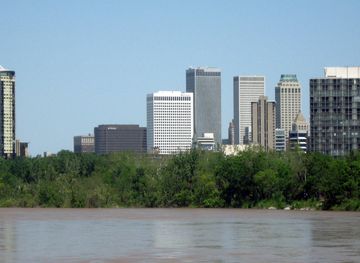
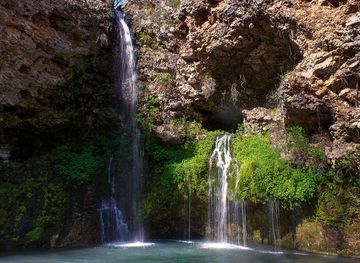
Green Country, located in the northeastern region of Oklahoma, is a lush and diverse area that offers a wealth of natural beauty and cultural experiences. Known for its rolling hills, dense forests, and numerous lakes and rivers, this region is a haven for outdoor enthusiasts and nature lovers alike. From the scenic beauty of the Ozark Mountains to the serene waters of Grand Lake, Green Country provides a variety of landscapes that are perfect for hiking, fishing, boating, and more. Green Country is also rich in Native American history and culture. Visitors can explore several tribal nations' heritage sites, including the Cherokee Heritage Center and the Osage Nation Museum. These sites offer a deep dive into the history, traditions, and art of the Native American tribes that have called this region home for centuries. Additionally, the area hosts numerous festivals and events throughout the year, celebrating everything from local music and food to Native American customs and crafts. The region's vibrant cities, such as Tulsa, add another layer of excitement to any visit. Tulsa, known for its art deco architecture and thriving arts scene, boasts world-class museums, theaters, and a bustling downtown area filled with shops, restaurants, and nightlife. Whether you're looking to immerse yourself in nature, delve into rich cultural histories, or enjoy urban adventures, Green Country in Oklahoma has something to offer every traveler.

Know before you go
Hi, I'm Eve. Here are a few practical things to know before exploring Green Country.
- Visit in the spring or fall for the best weather and stunning foliage.
- Explore the many hiking trails in the Ozark Mountains for breathtaking views.
- Don't miss the Cherokee Heritage Center for an immersive cultural experience.
- Take a boat tour on Grand Lake for a relaxing day on the water.
- Spend a day in Tulsa to enjoy its unique art deco architecture and vibrant arts scene.
Top City Travel Guides in Green Country
The cities of Green Country, and the easiest places to base yourself.


Destinations in Green Country
Resorts, valleys and scenic spots worth a trip of their own.


Explore Green Country: Things to Do, Places to Eat, Hotels & More
Handpicked recommendations for top attractions, local dining, accommodations, and more

Top Attractions & Sightseeing in Green Country
Top-rated picks
Best Attractions

Myriad Botanical Gardens
Experience the natural beauty and tranquility of Myriad Botanical Gardens, a lush urban oasis in the heart of Oklahoma City, perfect for all ages.

Wichita Mountains National Wildlife Refuge
Discover the unparalleled beauty of wildlife and nature at the Wichita Mountains National Wildlife Refuge, a stunning Oklahoma sanctuary.

Beavers Bend State Park and Nature Center
Immerse yourself in the beauty of Beavers Bend State Park and Nature Center, a perfect retreat for outdoor enthusiasts and nature lovers in Oklahoma.

Philbrook Museum of Art
Explore the Philbrook Museum of Art in Tulsa, where stunning art collections meet beautifully manicured gardens, offering a serene cultural escape.

Best landmarks in Green Country
Top-rated picks
Best Landmarks

WinStar World Casino
Discover the ultimate entertainment experience at WinStar World Casino in Thackerville, Oklahoma, featuring gaming, concerts, and luxurious resort amenities.

Wichita Mountains National Wildlife Refuge
Explore the breathtaking Wichita Mountains National Wildlife Refuge - a stunning outdoor haven filled with diverse wildlife, scenic trails, and adventure.

Beavers Bend State Park and Nature Center
Experience the natural wonders of Beavers Bend State Park in Oklahoma, a haven for outdoor adventures and serene escapes amidst stunning landscapes.

Philbrook Museum of Art
Explore the Philbrook Museum of Art in Tulsa, where stunning art collections and beautiful gardens create a cultural oasis for all visitors.

Best restaurants in Green Country
Top-rated picks
Best Restaurants

Pops 66
Discover Pops 66 in Arcadia, Oklahoma - an iconic roadside restaurant offering delicious American cuisine and unique soda flavors along historic Route 66.

The Pioneer Woman Mercantile
Experience the heartwarming flavors and unique shopping at The Pioneer Woman Mercantile in Pawhuska—a true culinary gem!

Mother Road Market
Experience the heart of Tulsa's dining scene at Mother Road Market - where local flavors come alive in a vibrant food hall setting.

Redrock Canyon Grill
Experience delightful American cuisine at Redrock Canyon Grill in Oklahoma City – where flavor meets ambiance in a stunning lakeside setting.

Best bars in Green Country
Top-rated picks
Best Bars

Painted Horse Bar & Grille
Experience the best of American cuisine at Painted Horse Bar & Grille in Bartlesville, where every meal is a celebration of flavor and hospitality.

Edna's
Experience the vibrant nightlife of Oklahoma City at Edna's, a lively bar and night club with a diverse crowd and delicious drinks.

RoadHog Saloon
Experience the heart of Oklahoma's grill culture at RoadHog Saloon - where hearty meals meet lively atmosphere.

Valkyrie
Discover Valkyrie, Tulsa's premier cocktail bar, blending innovative mixology with a vibrant atmosphere in the heart of the Arts District.

Best nightclubs in Green Country
Top-rated picks
Best Nightclubs

Redneck Dance Hall
Discover the vibrant nightlife of Oklahoma City at Redneck Dance Hall, where country music meets friendly faces in a lively dance atmosphere.

Club Majestic
Discover the nightlife of Tulsa at Club Majestic, where great music and a vibrant atmosphere come together for an unforgettable experience.

Landing Zone- Dance & Night Club · Bar · Diner
Experience the vibrant nightlife at Landing Zone, Midwest City's premier dance club and bar, where great music, tasty bites, and a lively atmosphere await.

Katt's Cove
Experience the lively atmosphere of Katt's Cove, Oklahoma City's premier bar for darts, karaoke, and live music.

Best shops in Green Country
Top-rated picks
Best Shops

Woodland Hills Mall
Discover shopping, dining, and entertainment at Woodland Hills Mall, Tulsa's premier shopping destination offering something for everyone.

Cherokee Trading Post
Explore the Cherokee Trading Post: a cultural gift shop in Calumet, OK, featuring unique handcrafted items and authentic Native American souvenirs.

Craig's Curious Emporium
Explore a whimsical world of unique gifts, books, clothing, and metaphysical supplies at Craig's Curious Emporium in Oklahoma City.

The Farm Shopping Center
Explore The Farm Shopping Center for a unique shopping experience in Tulsa, featuring local boutiques, dining, and vibrant community events.

Explore Green Country on the Map
A handpicked selection of must-see spots in Green Country, mapped for you.
Green Country Essentials
-
Green Country is accessible via several major highways and regional airports. Tulsa International Airport (TUL) is the primary airport serving the area, offering numerous domestic flights. For those driving, Interstate 44, U.S. Route 75, and U.S. Route 69 are the main highways connecting Green Country to other parts of Oklahoma and neighboring states.
-
Green Country provides various transportation options, including rental cars, taxis, ride-sharing services, and public transit in larger cities like Tulsa. Tulsa Transit operates bus services within the city and surrounding areas. For exploring remote areas, renting a car is highly recommended. Biking and walking are also viable options in more pedestrian-friendly neighborhoods.
-
The official currency is the U.S. Dollar (USD). Credit and debit cards are widely accepted, but it's advisable to carry some cash for smaller establishments, especially in rural areas. ATMs are abundant in cities and towns. Mobile payment options like Apple Pay and Google Wallet are also commonly accepted.
-
Green Country is generally safe for tourists, but standard safety precautions should be taken. Avoid walking alone at night in unfamiliar areas and keep personal belongings secure. Areas in North Tulsa have higher crime rates, so exercise extra caution there. Always stay aware of your surroundings and avoid displaying expensive items openly.
-
In case of emergency, dial 911 for immediate assistance. Tulsa has several hospitals, including Saint Francis Hospital and Hillcrest Medical Center, providing comprehensive medical services. Pharmacies are widely available for minor health issues. Ensure you have travel insurance that covers medical emergencies.
-
Fashion: Dress casually but avoid overly revealing clothing, particularly in conservative or rural areas. Religion: Respect local religious customs by dressing modestly when visiting places of worship. Public Transport: Be courteous and give up your seat to elderly passengers. Avoid eating or drinking on public transit. Greetings: A friendly handshake is a common greeting. In informal settings, a simple 'hello' suffices. Eating & Drinking: Try local specialties and be open to new culinary experiences. Avoid wasting food as it is considered disrespectful.
-
To experience Green Country like a local, visit the Tulsa Farmers' Market for fresh produce and artisan goods. Explore the scenic trails at Turkey Mountain Urban Wilderness Area. Attend a local festival or fair, such as Tulsa's Oktoberfest or the Cherokee National Holiday, to immerse yourself in local culture. Engage with locals, as they are often friendly and willing to share insider tips about the area.
When is the best time to visit Green Country?
Useful Local Phrases for Green Country
You don't need to speak the language perfectly. Even learning a few simple words can make conversations warmer—and locals usually appreciate the effort.
— Eve

Here are the phrases I use most often in Green Country. Try a few—you'll be surprised how far they go! 😊
❤️
-
- HelloHowdy
[How-dee] - GoodbyeSee ya later
[See ya lay-ter] - YesYep
[Yep] - NoNope
[Nope] - Please/You're welcomePlease / No problem
[Pleeze / No prob-lem] - Thank youThanks a lot
[Thanks a lot] - Excuse me/SorryExcuse me / I'm sorry
[Ex-kyoos mee / I'm sor-ree] - How are you?How ya doin'?
[How ya do-in'?] - Fine. And you?I'm good. And you?
[I'm good. An' you?] - Do you speak English?Do ya speak English?
[Do ya speak English?] - I don't understandI don’t get it
[I don't get it]
- HelloHowdy
-
- I'd like to see the menu, pleaseCould I see the menu, please?
[Could I see the men-yoo, pleeze?] - I don't eat meatI don't eat meat
[I don't eat meat] - Cheers!Cheers!
[Cheers!] - I would like to pay, pleaseI'd like to pay, please
[I'd like to pay, pleeze]
- I'd like to see the menu, pleaseCould I see the menu, please?
-
- Help!Help!
[Help!] - Go away!Get outta here!
[Get outta here!] - Call the Police!Call the cops!
[Call the cops!] - Call a doctor!Get a doctor!
[Get a doc-tor!] - I'm lostI'm lost
[I'm lost] - I'm illI'm not feelin' good
[I'm not feel-in' good]
- Help!Help!
-
- I'd like to buy...I wanna buy...
[I wanna buy...] - I'm just lookingJust lookin' around
[Just look-in' a-round] - How much is it?How much is this?
[How much is this?] - That's too expensiveThat's way too high
[That's way too high] - Can you lower the price?Can ya bring down the price?
[Can ya bring down the price?]
- I'd like to buy...I wanna buy...
-
- What time is it?What time is it?
[What time is it?] - It's one o'clockIt's one o'clock
[It's one o'clock] - Half past (10)Half past ten
[Half past ten] - MorningMornin'
[Mornin'] - AfternoonAfternoon
[Afternoon] - EveningEvenin'
[Evenin'] - YesterdayYesterday
[Yesterday] - TodayToday
[Today] - TomorrowTomorrow
[Tomorrow] - 1One
[One] - 2Two
[Two] - 3Three
[Three] - 4Four
[Four] - 5Five
[Five] - 6Six
[Six] - 7Seven
[Seven] - 8Eight
[Eight] - 9Nine
[Nine] - 10Ten
[Ten]
- What time is it?What time is it?
-
- Where's a/the...?Where's the...?
[Where's the...?] - What's the address?What's the address?
[What's the ad-dress?] - Can you show me (on the map)?Can ya show me (on the map)?
[Can ya show me (on the map)?] - When's the next (bus)?When's the next bus?
[When's the next bus?] - A ticket (to ....)A ticket (to ....)
[A ticket (to ....)]
- Where's a/the...?Where's the...?
History of Green Country
-
Green Country, Oklahoma, is a significant region in the history of the Trail of Tears. During the 1830s, thousands of Native Americans, including the Cherokee, Creek, Seminole, Choctaw, and Chickasaw nations, were forcibly relocated from their ancestral homelands in the southeastern United States to what is now Oklahoma. The arduous journey, marked by severe hardship and loss of life, ended in the area that would become Green Country. The region is dotted with historical markers and museums dedicated to preserving the memory of this tragic event.
-
The early 20th century saw Green Country transform into a bustling center of industry due to the discovery of oil. The 1901 Glenn Pool oil strike, located just south of Tulsa, triggered a rush of prospectors and led to the rapid growth of the city. Tulsa soon earned the nickname 'Oil Capital of the World,' and its wealth financed the construction of iconic Art Deco buildings that still stand today. Visitors can explore this rich history at the Tulsa Historical Society and Museum, as well as the Philbrook Museum of Art, which was originally the mansion of oil tycoon Waite Phillips.
-
One of the most significant and tragic events in Green Country's history is the 1921 Tulsa Race Massacre. The Greenwood District in Tulsa, known as 'Black Wall Street,' was one of the most prosperous African American communities in the United States. However, racial tensions erupted into violence on May 31 and June 1, 1921, resulting in the destruction of the district and the deaths of hundreds of residents. Today, the Greenwood Cultural Center and the John Hope Franklin Reconciliation Park serve to educate visitors about this dark chapter and honor the resilience of the community.
-
Green Country is traversed by the legendary Route 66, also known as the 'Mother Road.' Established in 1926, Route 66 was one of the original highways in the U.S. Highway System and became a symbol of freedom and adventure. In Green Country, the highway passes through towns like Tulsa, Claremore, and Miami, each offering unique attractions. Tourists can visit the Route 66 Historical Village in Tulsa, the Will Rogers Memorial Museum in Claremore, and the Coleman Theatre in Miami to experience the nostalgic charm and historical significance of this iconic roadway.
-
Green Country is home to the Cherokee Nation, one of the largest Native American tribes in the United States. The tribe's capital is located in Tahlequah, where visitors can explore the Cherokee Heritage Center, which offers insights into the tribe's history, culture, and traditions. The center features exhibits on the Trail of Tears, traditional crafts, and language preservation. Annual events like the Cherokee National Holiday celebrate the tribe's rich heritage and provide an immersive cultural experience for visitors.
-
Will Rogers, one of America's most beloved humorists and social commentators, was born in the Green Country town of Oologah in 1879. Known for his wit and wisdom, Rogers became a national icon through his writings, radio broadcasts, and films. His legacy is preserved at the Will Rogers Memorial Museum in Claremore, which houses a vast collection of his personal artifacts, writings, and memorabilia. The museum offers a glimpse into the life of this influential figure and his impact on American culture.
Neighbouring Regions of Green Country
The closest regions to Green Country, if you have time for more than one.




Your all‑in‑one travel companion app
Explore expert travel guides, compare and book tours, experiences, hotels, and more—all from the palm of your hand. Download now for seamless trip planning wherever your wanderlust takes you.


Explore More of Oklahoma
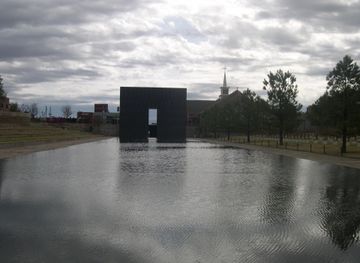
Looking beyond Green Country? Discover Oklahoma for broader travel guides, local hot-spots, and regional highlights.
Explore OklahomaGreen Country in Photos
Browse through our photo collection highlighting the charm and character of the destination.


Green Country: Oklahoma's Verdant Paradise
Green Country, located in the northeastern region of Oklahoma, is a lush and diverse area that offers a wealth of natural beauty and cultural experiences. Known for its rolling hills, dense forests, and numerous lakes and rivers, this region is a haven for outdoor enthusiasts and nature lovers alike. From the scenic beauty of the Ozark Mountains to the serene waters of Grand Lake, Green Country provides a variety of landscapes that are perfect for hiking, fishing, boating, and more. Green Country is also rich in Native American history and culture. Visitors can explore several tribal nations' heritage sites, including the Cherokee Heritage Center and the Osage Nation Museum. These sites offer a deep dive into the history, traditions, and art of the Native American tribes that have called this region home for centuries. Additionally, the area hosts numerous festivals and events throughout the year, celebrating everything from local music and food to Native American customs and crafts. The region's vibrant cities, such as Tulsa, add another layer of excitement to any visit. Tulsa, known for its art deco architecture and thriving arts scene, boasts world-class museums, theaters, and a bustling downtown area filled with shops, restaurants, and nightlife. Whether you're looking to immerse yourself in nature, delve into rich cultural histories, or enjoy urban adventures, Green Country in Oklahoma has something to offer every traveler.