

Free Prairie Plains Travel Guide & Mobile App
Explore Prairie Plains with free travel guides. Discover regional history, expert tips, proposed trips, and audio guides on web or mobile app.


Explore Oklahoma's Prairie Plains for wide grasslands, Route 66 towns, red-rock parks, wildlife, Native history and dramatic Great Plains skies.
Read more about Prairie Plains
Getting to and around Prairie Plains
How to get there
Transportation
Top city travel guides in Prairie Plains
The cities of Prairie Plains, and the easiest places to base yourself.
-

-

-

-


Swipe for more cities
Destinations in Prairie Plains
Resorts, valleys and scenic spots worth a trip of their own.
-

-

-


Swipe for more destinations
Best attractions in Prairie Plains
The Prairie Plains attraction landscape is defined by distance and variety rather than by one concentrated resort area. Route 66 heritage is especially accessible around Oklahoma City, El Reno, Clinton and Elk City, where museums, preserved roadside buildings and transport collections explain the road's influence on twentieth-century travel. Western districts offer the mixed-grass landscape of Black Kettle National Grassland and the historic setting of Washita Battlefield National Historic Site. In the north-west, Alabaster Caverns State Park provides guided access to a gypsum cave, while Salt Plains National Wildlife Refuge near Jet combines a rare selenite-crystal landscape with important migratory bird habitat. Gloss Mountain State Park, near Fairview, is known for red mesas and rolling prairie views. The Tallgrass Prairie Preserve near Pawhuska, in the northern plains and outside the central Route 66 corridor, offers a large-scale view of native grassland and free-roaming bison. These places suit scenic drives, wildlife observation, hiking, geology and environmental history, but they demand advance route planning and sensible weather preparation.
-
Museum
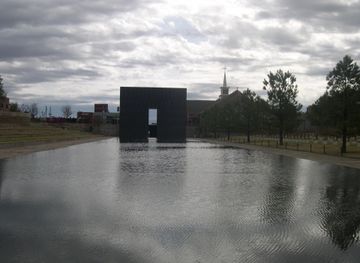
Oklahoma City National Memorial & Museum
Explore the Oklahoma City National Memorial & Museum, a poignant site dedicated to healing, remembrance, and resilience in the face of tragedy.
-
Zoo
Tulsa Zoo
Explore Tulsa Zoo, where wildlife conservation meets family-friendly fun in a beautiful natural setting.
-
Arena
BOK Center
Discover Tulsa's vibrant entertainment hub, the BOK Center, where unforgettable concerts and thrilling sports events come to life in a stunning setting.
-
Park
Center of the Universe
Experience the unique acoustic phenomenon at the Center of the Universe in Tulsa, where sound waves create magical echoes in an artistic park setting.


Best landmarks in Prairie Plains
The prairie plains are marked by structures and natural forms that make the region legible from the road. Route 66 bridges, neon signs, filling stations and surviving commercial façades in western Oklahoma are reminders of the pre-interstate highway era, while the National Route 66 Museum in Clinton represents the road's wider cultural significance. Gloss Mountain State Park's flat-topped red mesas are among the clearest geological landmarks in the north-western plains, rising above the Cimarron River valley. The salt flats at Salt Plains National Wildlife Refuge are a rare natural feature formed by ancient inland seas and are noted for their distinctive selenite crystals. Alabaster Caverns is a geological landmark below ground, where gypsum has formed an unusual cave system. Washita Battlefield near Cheyenne is a place of historical and commemorative importance associated with the 1868 attack on Black Kettle's Cheyenne village. Farther north, the open grasslands and bison of the Tallgrass Prairie Preserve express the scale of the pre-settlement prairie more powerfully than built architecture can.
-
Zoo
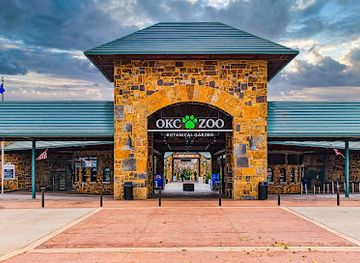
Oklahoma City Zoo
Discover the Oklahoma City Zoo, where adventure, wildlife, and beautiful gardens come together for an unforgettable family experience.
-
Wildlife refuge
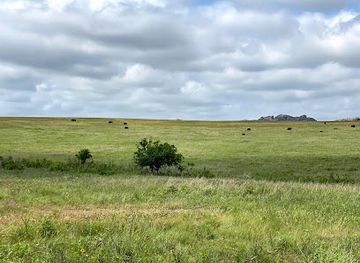
Wichita Mountains National Wildlife Refuge
Explore the breathtaking landscapes and diverse wildlife at Wichita Mountains National Wildlife Refuge, an outdoor paradise in Oklahoma.
-
State park
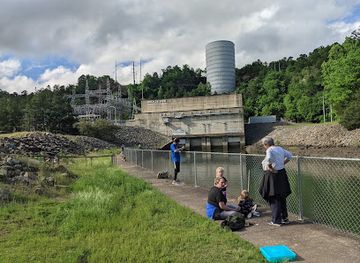
Beavers Bend State Park and Nature Center
Discover the beauty of Beavers Bend State Park, where outdoor adventure meets serene landscapes in the heart of Oklahoma.
-
Tourist attraction
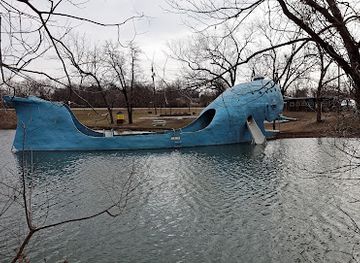
Blue Whale of Catoosa
Explore the iconic Blue Whale of Catoosa, a quirky roadside attraction that embodies the charm of Route 66 and offers family-friendly fun for all ages.
Explore Prairie Plains on the map
Plan your trip on one map. See where the top cities, national parks and sights are, and book hotels and experiences in a few clicks.
Best hotels in Prairie Plains
Best restaurants in Prairie Plains
Dining across Oklahoma's plains is closely connected to ranching, farming, road travel and small-town hospitality. In larger centres and Route 66 communities, visitors will find diners, cafés, barbecue restaurants, Mexican-American cooking, bakeries and contemporary restaurants alongside longstanding American favourites. Beef, fried chicken, burgers, steaks, wheat-based baking and locally produced seasonal ingredients reflect the region's agricultural base, while Oklahoma's broader food culture includes strong Native and Southern influences that should not be reduced to a single prairie menu. Roadside diners remain useful for breakfast and lunch, and independent cafés in county-seat towns often serve as informal meeting places. Farmers' markets and farm shops, where available, are good places to look for Oklahoma produce, preserves and baked goods, though their schedules are seasonal. In rural districts, restaurant choices may be limited outside the main towns, so plan meals around fuel and sightseeing stops rather than assuming that every park or heritage site has food on site.
-
Steak
Cattlemen's Steakhouse
Experience iconic American dining at Cattlemen's Steakhouse in Oklahoma City - home of legendary steaks and warm hospitality.
-
American
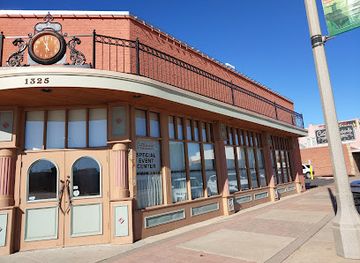
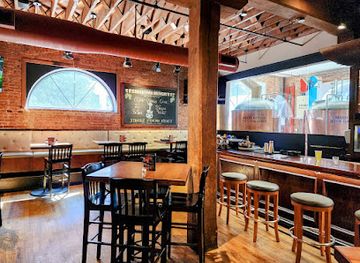
Bricktown Brewery
Experience American cuisine and craft beer at Bricktown Brewery - Oklahoma City's vibrant brewpub destination.
-
Ramen
Tamashii Ramen House
Discover the heart of Japan at Tamashii Ramen House in Oklahoma City—where authentic flavors meet cozy ambiance.
-
Seafood
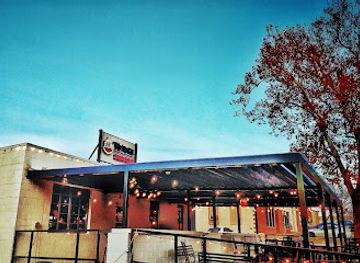
Trapper's Fishcamp & Grill
Experience the best seafood dining at Trapper's Fishcamp & Grill in Oklahoma City - where fresh flavors meet a fun atmosphere.

Best bars in Prairie Plains
Evening life in the Prairie Plains is generally centred on neighbourhood bars, traditional pubs, restaurants, live-music rooms and community events rather than a dense nightclub scene. Oklahoma City provides the broadest choice of evening entertainment at the region's principal urban gateway, while Route 66 towns such as Clinton and Elk City offer smaller-scale bars and venues associated with local dining and heritage tourism. In county-seat communities, evening activity often gathers around high-school sports, fairs, rodeos, concerts and seasonal festivals, although programmes vary considerably. Breweries and cocktail establishments are more likely in larger towns, while rural communities tend to favour relaxed bars, grills and social clubs. Alcohol licensing and opening arrangements differ by locality, so check locally rather than relying on assumptions. Travellers should never drink and drive: distances are long, taxis may be scarce outside cities and roadside accommodation is the safer arrangement.
-
Grill
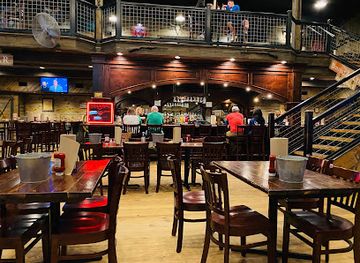
Hochatown Saloon
Discover a vibrant grill and live music venue in Hochatown, where delicious food and local culture come together for an unforgettable experience.
-
Grill
Hooker's Bar And Grill
Discover the perfect blend of grilled delights and a vibrant bar scene at Hooker's Bar And Grill in Pryor, Oklahoma, ideal for tourists seeking a memorable dining experience.
-
Bar
JJ's Alley
Experience the vibrant nightlife of Oklahoma City at JJ's Alley, featuring live music, great drinks, and a unique atmosphere in Bricktown.
-
Bar
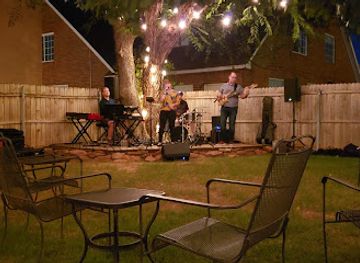
The Patriarch Craft Beer House & Lawn
Explore The Patriarch Craft Beer House & Lawn in Edmond, OK - where historic charm meets exceptional craft beer in a welcoming atmosphere.

Best nightclubs in Prairie Plains
Evening life in the Prairie Plains is generally centred on neighbourhood bars, traditional pubs, restaurants, live-music rooms and community events rather than a dense nightclub scene. Oklahoma City provides the broadest choice of evening entertainment at the region's principal urban gateway, while Route 66 towns such as Clinton and Elk City offer smaller-scale bars and venues associated with local dining and heritage tourism. In county-seat communities, evening activity often gathers around high-school sports, fairs, rodeos, concerts and seasonal festivals, although programmes vary considerably. Breweries and cocktail establishments are more likely in larger towns, while rural communities tend to favour relaxed bars, grills and social clubs. Alcohol licensing and opening arrangements differ by locality, so check locally rather than relying on assumptions. Travellers should never drink and drive: distances are long, taxis may be scarce outside cities and roadside accommodation is the safer arrangement.
-
Bar
Alley Club
Experience the vibrant nightlife at Alley Club in Oklahoma City, where great music and fun games create unforgettable memories.
-
Night club
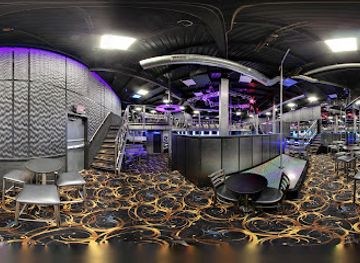
Night Trips
Discover the electrifying energy of Night Trips, Oklahoma City's ultimate night club, where music, dance, and nightlife converge for an unforgettable experience.
-
Night club
One15 Nightclub
Discover the ultimate nightlife experience at One15 Nightclub in Oklahoma City, where vibrant music, stylish ambiance, and great drinks come together.
-
Lounge
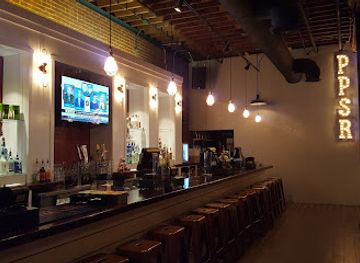
Pretty Please Social Room
Pretty Please Social Room: A lively lounge in Bricktown, Oklahoma City, perfect for dancing, socializing, and enjoying crafted cocktails.


Best shops in Prairie Plains
Shopping in the Prairie Plains is concentrated in county-seat high streets, Route 66 businesses, small-town antique shops, independent galleries and seasonal farmers' markets rather than large luxury districts. Clinton and Elk City are useful stops for Route 66 memorabilia, books, vintage signs and road-themed gifts, while towns along the western and northern highways commonly sell locally made crafts, artwork, western wear and practical outdoor goods. Regional food products such as preserves, honey, baked goods and Oklahoma-made sauces can be found at markets and farm shops when in season. Native artists and tribal enterprises offer important cultural work, but buyers should check provenance and purchase from reputable sources rather than treating Indigenous designs as generic souvenirs. Antique stores may contain agricultural, railway and roadside objects connected with the plains' past. Stock varies and opening days can be limited, so build shopping stops into daytime driving plans and do not expect every rural community to have a full retail centre.
-
Gift shop
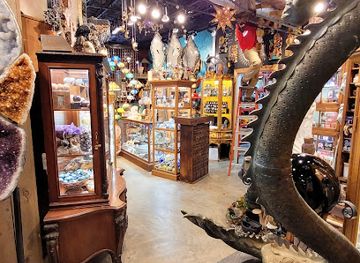
Craig's Curious Emporium
Discover an enchanting treasure trove of unique gifts, books, and metaphysical supplies at Craig's Curious Emporium in Oklahoma City, a true gem for tourists.
-
Gift shop
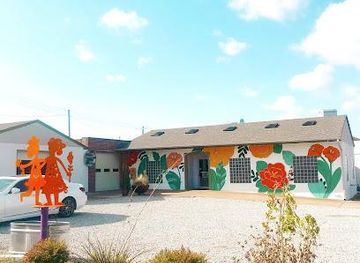
Garden Deva Sculpture Company | Gift Shops Tulsa
Explore the enchanting world of art and sculpture at Garden Deva Sculpture Company, a unique gift shop in Tulsa's Pearl district.
-
Shopping mall
The Boxyard Tulsa
Discover the unique blend of shopping and dining at The Boxyard Tulsa, where repurposed containers create a vibrant community hub.
-
Gift shop
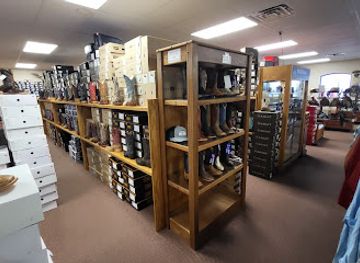
Cherokee Trading Post & Boot Outlet
Discover the essence of Native American culture and craftsmanship at the Cherokee Trading Post & Boot Outlet in Clinton, Oklahoma.

Get your free copy of our complete guide to Prairie Plains, delivered straight to you.
Everything on this page, from attractions and restaurants to essentials and local phrases, in one PDF you can read offline, print or share.
Already have an account? Sign in
Your Prairie Plains guide is ready.
We'll send it to · Not you? Sign out

Getting your guide ready…
We are putting together a fresh copy of the Prairie Plains guide. This can take up to a minute.
This can take a few moments. If your browser asks, choose Allow so the download can start. You'll find the guide in your Downloads folder.
Nothing happened? Download it again
Sorry, the guide is taking longer than usual. Please try again in a minute, or get it by email instead.
Prairie Plains essentials
Currency and Payment
Safety
Emergency Situations
Do's and Don'ts
Local Tips
From Eve
Local phrases worth knowing
You don't need to get them perfect. A few words go a long way, and locals appreciate the effort.
Basics
| English | Local | Say it |
|---|---|---|
| Hello | Howdy | [hau-dee] |
| Goodbye | See ya later | [see ya lay-ter] |
| Yes | Yep | [yepp] |
| No | Nope | [nohp] |
| Please/You're welcome | Please | [pleez] |
| Thank you | Thanks a bunch | [thanks a bunch] |
| Excuse me/Sorry | Excuse me | [eks-kyooz mee] |
| How are you? | How ya doin'? | [hau ya doin'] |
| Fine. And you? | I’m good. And you? | [I'm good. And you?] |
| Do you speak English? | You speakin' English? | [yu spee-kin' ing-glish?] |
| I don't understand | I ain't gettin' it | [I ain't gettin' it] |
Eating & Drinking
| English | Local | Say it |
|---|---|---|
| I'd like to see the menu, please | Can I see the menu, please? | [can I see the men-yoo, pleez?] |
| I don't eat meat | I don't eat meat | [I don't eat meat] |
| Cheers! | Cheers! | [cheers] |
| I would like to pay, please | Could I get the check, please? | [could I get the chek, pleez?] |
Emergencies
| English | Local | Say it |
|---|---|---|
| Help! | Help! | [help] |
| Go away! | Get away from me! | [get away from me!] |
| Call the Police! | Call the cops! | [call the cops] |
| Call a doctor! | Get a doctor over here! | [get a doctor over here] |
| I'm lost | I'm lost | [I'm lost] |
| I'm ill | I ain't feelin' good | [I ain't feelin' good] |
Shopping
| English | Local | Say it |
|---|---|---|
| I'd like to buy... | I wanna buy... | [I wanna buy...] |
| I'm just looking | Just lookin' | [just lookin'] |
| How much is it? | How much's this? | [how much's this?] |
| That's too expensive | That's too rich for my blood | [that's too rich for my blud] |
| Can you lower the price? | Can ya give me a better price? | [can ya give me a better prahys?] |
Time & Numbers
| English | Local | Say it |
|---|---|---|
| What time is it? | What time is it? | [what time is it?] |
| It's one o'clock | It's one o'clock | [it's one o'clock] |
| Half past (10) | Half past ten | [half past ten] |
| Morning | Mornin' | [mornin'] |
| Afternoon | Afternoon | [afternoon] |
| Evening | Evenin' | [evenin'] |
| Yesterday | Yesterday | [yesterday] |
| Today | Today | [today] |
| Tomorrow | Tomorrow | [tomorrow] |
| 1 | One | [wun] |
| 2 | Two | [too] |
| 3 | Three | [three] |
| 4 | Four | [for] |
| 5 | Five | [fiv] |
| 6 | Six | [siks] |
| 7 | Seven | [sev-en] |
| 8 | Eight | [ate] |
| 9 | Nine | [nayn] |
| 10 | Ten | [ten] |
Transport & Directions
| English | Local | Say it |
|---|---|---|
| Where's a/the...? | Where's the...? | [where's the...?] |
| What's the address? | What's the address? | [what's the address?] |
| Can you show me (on the map)? | Can ya show me on a map? | [can ya show me on a map?] |
| When's the next (bus)? | When's the next bus? | [when's the next bus?] |
| A ticket (to ....) | A ticket to... | [a tiket to...] |
History of Prairie Plains
Indigenous Plains Cultures Before Statehood
The plains of present-day Oklahoma have long been shaped by Indigenous peoples, including the Cheyenne and Arapaho, Kiowa, Comanche, Osage and other nations. Their histories encompass trade, diplomacy, seasonal movement, agriculture, hunting and continuing cultural relationships with prairie, river and bison landscapes. The Washita Battlefield area is associated with the 1868 attack on a Cheyenne village led by Black Kettle. Indigenous sovereignty and living communities remain essential to understanding the region; they should not be treated only as subjects of the distant past.
Federal Land Policies and the Opening of the Plains
During the nineteenth century, federal policies reorganised Indigenous lands and opened parts of Oklahoma to non-Indigenous settlement. The 1889 Land Run into the Unassigned Lands accelerated the growth of towns and farms around central Oklahoma, while later openings and allotment policies further altered the landscape. Surveyed town sites, courthouse squares and surviving homesteading stories reflect this transformation. The process brought railways, schools and commercial agriculture, but it also involved dispossession and the weakening of tribal land bases.
Cattle, Railways and Agricultural Settlement
Railways and cattle trails connected Oklahoma's plains to markets beyond the territory. Stock raising became central in the western and northern districts, while wheat, sorghum, cotton and other crops occupied areas where rainfall and soils permitted cultivation. Towns grew around rail sidings, grain elevators, livestock exchanges and county government. This agricultural system remains visible in broad fields, ranches, stockyards, windbreaks and small communities whose economic fortunes have always been closely tied to weather and commodity prices.
Oil, Gas and the Modern Oklahoma Economy
Petroleum exploration changed many Oklahoma communities during the twentieth century. Although the state's major oilfields were not confined to the plains, drilling, refining, pipelines and energy services influenced towns across the region. Oil wealth funded civic buildings, roads and institutions, while periods of falling prices exposed the vulnerability of a highly cyclical economy. Pump jacks, storage tanks and service businesses remain part of the working landscape, alongside farms and ranches rather than replacing them entirely.
Route 66 and Automobile Culture
US Route 66, established in 1926, crossed Oklahoma from the eastern border through Oklahoma City and onward across the western plains. The road supported filling stations, cafés, motels, garages and trading posts, helping small towns participate in the expanding culture of long-distance motoring. Interstate highways later diverted much through-traffic, but museums and preserved roadside buildings in communities including Clinton and Elk City interpret the road's social and commercial history. Route 66 is consequently both a heritage subject and a practical scenic route.
The Dust Bowl and Agricultural Crisis
Severe drought, economic depression and intensive cultivation contributed to the Dust Bowl of the 1930s. Parts of Oklahoma, particularly the Panhandle and western plains, experienced destructive wind erosion, crop failure and forced migration. The crisis entered national memory through photography, journalism and literature, while its local consequences included abandoned farms, hardship and major changes in soil conservation. Shelterbelts, improved farming methods and grassland management that followed demonstrate how environmental history continues to influence the region.
Grassland Conservation and Contemporary Rural Life
Later conservation work sought to protect prairie habitat, stabilise soils and preserve representative landscapes. National grasslands, state parks, wildlife refuges and private conservation areas now support bison, pronghorn, birds and native plant communities, although they exist alongside working farms, ranches and energy infrastructure. Contemporary plains life is therefore not a museum reconstruction: county fairs, livestock events, tribal communities, schools, churches and locally owned businesses continue to adapt to changing populations, climate pressures and rural economies.
Prairie Plains in Photos
Browse through our photo collection highlighting the charm and character of the destination.
Neighbouring regions of Prairie Plains
The closest regions to Prairie Plains, if you have time for more than one.
-

-

-

-

-


Swipe for more regions
Explore more
Explore more of Oklahoma
Discover Oklahoma: Where the spirit of the Old West meets modern charm, offering a rich mix of history, nature, and vibrant culture in the heart of the United States.
Explore Oklahoma