

Free Eastern Oklahoma Travel Guide & Mobile App
Explore Eastern Oklahoma with free travel guides. Discover regional history, expert tips, proposed trips, and audio guides on web or mobile app.


Explore Eastern Oklahoma for Tulsa's Art Deco heritage, Native culture, wooded mountains, clear lakes, river recreation and scenic drives.
Read more about Eastern Oklahoma
Getting to and around Eastern Oklahoma
How to get there
Transportation
Top city travel guides in Eastern Oklahoma
The cities of Eastern Oklahoma, and the easiest places to base yourself.
-

-

-

-


Swipe for more cities
Destinations in Eastern Oklahoma
Resorts, valleys and scenic spots worth a trip of their own.
-

-

-


Swipe for more destinations
Best attractions in Eastern Oklahoma
Eastern Oklahoma offers a varied combination of city culture, Indigenous heritage and outdoor recreation. Tulsa's museums, galleries, music venues and Art Deco buildings provide the region's strongest urban programme, while the Greenwood district and the Greenwood Rising History Center help explain the history and legacy of the 1921 Tulsa Race Massacre. Tahlequah is a major destination for Cherokee history, language and government, with museums and historic sites connected to the Cherokee Nation. Around Fort Gibson, Tenkiller and Grand Lake, boating, fishing and lakeside recreation dominate the visitor experience. The Illinois River is known for paddling and summer river trips, subject to conditions and local regulations. In the south-east, Beavers Bend State Park combines forest trails, Broken Bow Lake and the Mountain Fork River, while Robbers Cave State Park has rocky scenery, hiking and equestrian opportunities. The Talimena Scenic Drive presents a long-distance mountain panorama rather than a single attraction, particularly valued for autumn colour. Archaeological and historic sites such as Spiro Mounds and the Fort Gibson area add depth to the landscape, showing that Eastern Oklahoma's appeal lies in the relationship between living cultures, water, forest, history and wide-open road travel.
-
Museum
Oklahoma City National Memorial & Museum
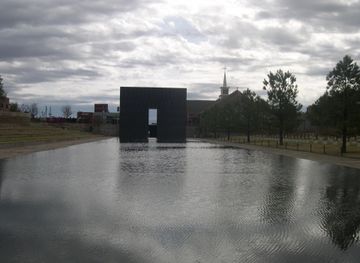
Explore the Oklahoma City National Memorial & Museum, a moving tribute to resilience and healing amidst the tragedy of the 1995 bombing.
-
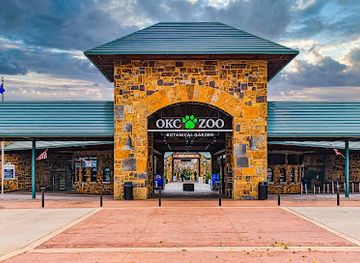
Zoo
Oklahoma City Zoo
Explore the Oklahoma City Zoo, a vibrant blend of wildlife, conservation, and botanical beauty for all ages in the heart of Oklahoma City.
-
Aquarium
Oklahoma Aquarium
Experience the mesmerizing underwater world at the Oklahoma Aquarium, featuring diverse marine life, interactive exhibits, and educational programs for all ages.
-
Heritage museum
National Cowboy & Western Heritage Museum
Explore the rich heritage of the American West at the National Cowboy & Western Heritage Museum in Oklahoma City, with captivating exhibits and art.



Best landmarks in Eastern Oklahoma
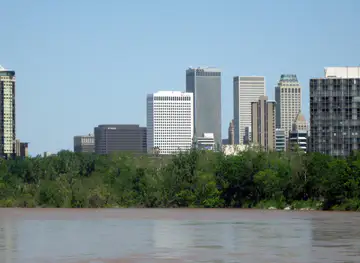
Tulsa's downtown skyline is one of Eastern Oklahoma's most recognisable built landmarks, with Art Deco towers such as the Philcade and the Boston Avenue United Methodist Church illustrating the city's oil-era prosperity and architectural ambition. The historic Greenwood district is an essential civic landmark of Black history, memory and renewal, while the nearby John Hope Franklin Reconciliation Park commemorates the Tulsa Race Massacre and its aftermath. In Tahlequah, the Cherokee National Capitol represents the continuing political history of the Cherokee Nation and the importance of the city as its capital. The Spiro Mounds archaeological site in the south-east marks the remains of a major pre-European Indigenous centre. Fort Gibson, established in the early nineteenth century, reflects the military and colonial history of Indian Territory, although the site is best understood within the much wider story of Native sovereignty and forced removal. In the landscape, the forested ridges of the Ouachitas, the cliffs and wooded valleys around Beavers Bend, and the broad waters of Grand Lake and Fort Gibson Lake function as geographical landmarks as well as recreation settings. Together, these places reveal a region shaped by architecture, memory, Indigenous nationhood, water and mountain terrain.
-
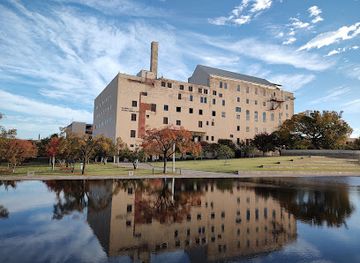
Museum
Oklahoma City National Memorial & Museum
Experience the profound impact of the Oklahoma City National Memorial & Museum, where history, healing, and hope converge in a poignant tribute.
-
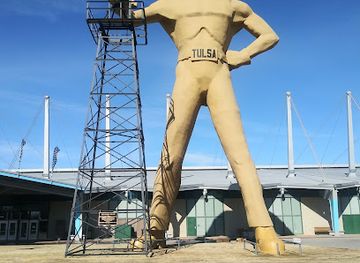
Historical landmark
Golden Driller Statue
Discover the Golden Driller in Tulsa, a towering tribute to the oil industry's legacy and an iconic tourist attraction for unforgettable memories.
-
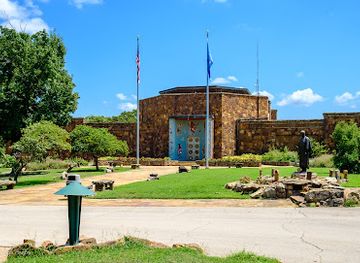
Museum
Woolaroc Museum & Wildlife Preserve
Explore the captivating blend of art, nature, and history at Woolaroc Museum & Wildlife Preserve in Barnsdall, Oklahoma, a must-visit destination for tourists.
-
Historical landmark
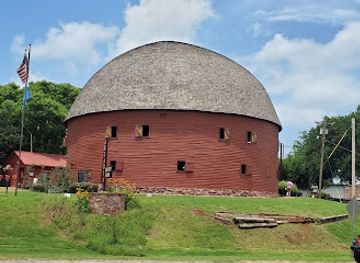
Arcadia Round Barn
Discover the rich history and vibrant community of Arcadia Round Barn, a unique landmark on Route 66 that offers events, music, and local charm.
Explore Eastern Oklahoma on the map
Plan your trip on one map. See where the top cities, national parks and sights are, and book hotels and experiences in a few clicks.
Best hotels in Eastern Oklahoma
Best restaurants in Eastern Oklahoma
Dining in Eastern Oklahoma reflects the wider food culture of Oklahoma while taking on regional influences from Native, Southern, agricultural and frontier traditions. Tulsa has the broadest choice, ranging from barbecue, steakhouses and chicken-fried steak to Vietnamese, Mexican, Mediterranean and contemporary American restaurants. Independent cafés and bakeries are particularly useful in the larger towns, while rural communities tend to centre on diners, family restaurants, barbecue counters and traditional Southern cooking. Fried catfish, smoked meats, corn-based dishes, pecans and locally produced seasonal ingredients appear frequently, though individual recipes vary by community and restaurant. Around lakes and rivers, casual eateries may focus on burgers, sandwiches and seafood rather than a single established local cuisine. Visitors should look for farmers' markets and food halls in larger population centres for Oklahoma produce, preserves and baked goods. In areas connected with Native nations, museums and cultural institutions can provide more informed context for Indigenous foodways, but no single dish represents every tribal community in the region.
-
American
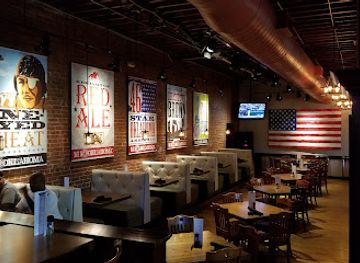
Bricktown Brewery
Discover Bricktown Brewery: A lively brewpub in Oklahoma City serving delicious American fare and craft beers in a vibrant atmosphere.
-
Seafood
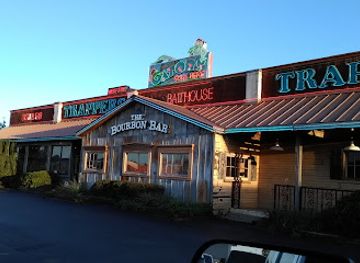
Trapper's Fishcamp & Grill
Experience fresh seafood like never before at Trapper's Fishcamp & Grill in Oklahoma City - where culinary creativity meets coastal tradition.
-
Seafood
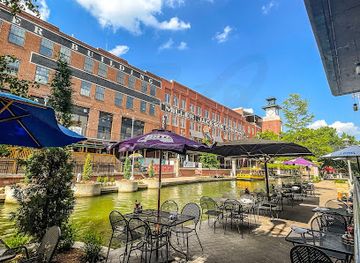
Pearl's Crabtown
Experience fresh seafood and vibrant atmosphere at Pearl's Crabtown in Oklahoma City's Bricktown – where every meal is a celebration.
-
Seafood
Bourbon St. Cafe
Discover vibrant Creole flavors and fresh seafood at Bourbon St. Cafe - Oklahoma City's culinary gem in Bricktown.

Best bars in Eastern Oklahoma
Nightlife is concentrated in Tulsa, where downtown, the Blue Dome area, the Arts District and nearby entertainment streets provide bars, breweries, cocktail venues, live music and late-evening restaurants. The city also has a long association with American popular music, and its evening culture includes concerts as well as drinking venues. In Muskogee, Tahlequah, McAlester and other larger towns, evenings are more likely to centre on local pubs, restaurants, breweries, community events and occasional live performances than on a dense nightclub scene. Lake and mountain destinations generally become quiet after dinner, with cabin gatherings and relaxed waterfront establishments taking the place of urban nightlife. Alcohol laws and service arrangements can vary by business and locality, so visitors should check current conditions and arrange a safe journey back to their accommodation, particularly in rural areas where rideshare coverage may be limited.
-
Bar
Edna's
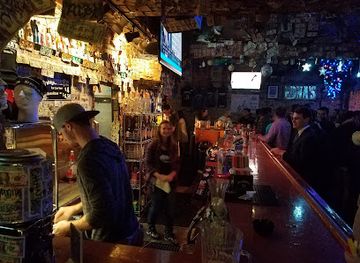
Experience the vibrant nightlife at Edna's, Oklahoma City's favorite bar and night club, known for its affordable drinks and lively atmosphere.
-
Bar
JJ's Alley
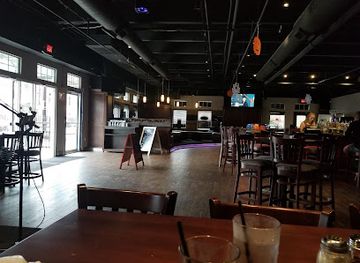
Discover the lively atmosphere of JJ's Alley, a unique bar and grill in Bricktown, Oklahoma City, perfect for food, drinks, and live music.
-
Bar
Coyote Ugly Saloon
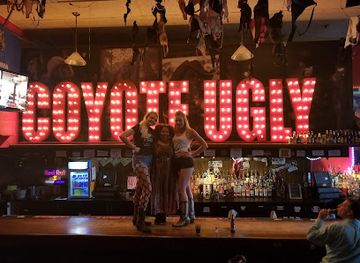
Experience the lively nightlife at Coyote Ugly Saloon in Oklahoma City, where bartenders dance and good times are guaranteed.
-
Bar
51st Street Speakeasy
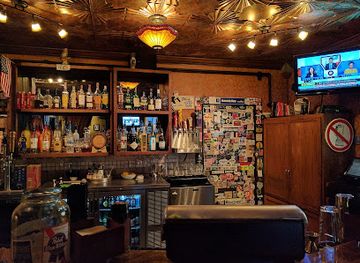
Discover the charm of a bygone era at Oklahoma City's 51st Street Speakeasy, a bar that merges vintage allure with modern mixology.
Best nightclubs in Eastern Oklahoma
Nightlife is concentrated in Tulsa, where downtown, the Blue Dome area, the Arts District and nearby entertainment streets provide bars, breweries, cocktail venues, live music and late-evening restaurants. The city also has a long association with American popular music, and its evening culture includes concerts as well as drinking venues. In Muskogee, Tahlequah, McAlester and other larger towns, evenings are more likely to centre on local pubs, restaurants, breweries, community events and occasional live performances than on a dense nightclub scene. Lake and mountain destinations generally become quiet after dinner, with cabin gatherings and relaxed waterfront establishments taking the place of urban nightlife. Alcohol laws and service arrangements can vary by business and locality, so visitors should check current conditions and arrange a safe journey back to their accommodation, particularly in rural areas where rideshare coverage may be limited.
-
Bar
Mojo's Blues Club
Discover the heart of Oklahoma City's blues scene at Mojo's Blues Club, your go-to bar for live music, great drinks, and unforgettable nights.
-
Night club
One15 Nightclub
Discover the vibrant nightlife of Oklahoma City at One15 Nightclub in Bricktown, where unforgettable music and a lively atmosphere await.
-
Adult entertainment club
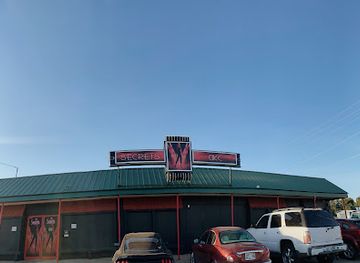
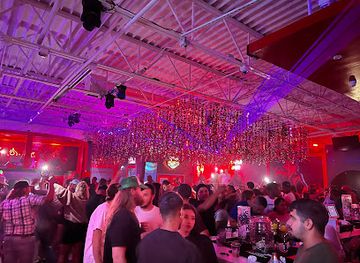
Secrets
Discover the electrifying nightlife at Secrets, Oklahoma City's top adult entertainment club featuring interactive performances and a vibrant atmosphere.
-
Night club
Señor Shots
Discover the electrifying nightlife at Señor Shots in Bricktown, Oklahoma City, where the music is lively and the drinks are unforgettable.


Best shops in Eastern Oklahoma
Shopping in Eastern Oklahoma ranges from Tulsa's independent boutiques, galleries, bookshops and design-led districts to the practical main streets of smaller towns. The Tulsa Arts District and surrounding downtown areas are useful for contemporary art, locally made goods, books and gifts, while Utica Square provides an established setting for higher-end shops and restaurants. Tahlequah and other Cherokee Country communities offer museums, galleries and craft-oriented retailers where visitors may find works connected with regional artists, although provenance and cultural context should be considered carefully when buying Indigenous art. Farmers' markets in larger towns are good places to look for seasonal produce, preserves, baked goods and locally made products. Rural shopping often focuses on antiques, western clothing, handmade furniture, pottery and outdoor supplies rather than concentrated retail centres. Near lake and cabin destinations, independent shops commonly sell practical recreation equipment and souvenirs. Oklahoma-made food products, pecans, candles, ceramics and artwork make more meaningful purchases than generic roadside merchandise, and tribal cultural institutions are a better source for appropriately presented heritage-related gifts.
-
Outlet mall
OKC Outlets
Explore OKC Outlets: Your go-to shopping destination in Oklahoma City for exclusive deals and a variety of popular brands.
-
Outlet mall
Shops At Moore
Explore the Shops At Moore for unbeatable deals and a diverse shopping experience in the heart of Oklahoma.
-
Gift shop
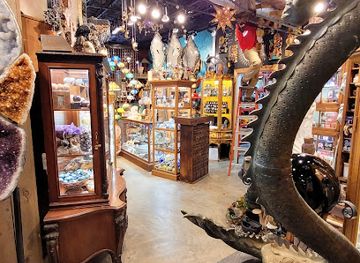
Craig's Curious Emporium
Explore the whimsical world of Craig's Curious Emporium in Oklahoma City, offering unique gifts, books, clothing, and metaphysical treasures.
-
Gift shop
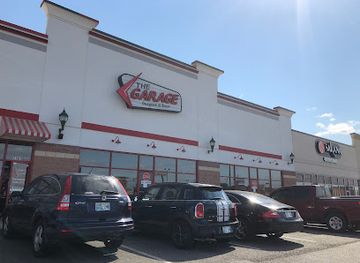
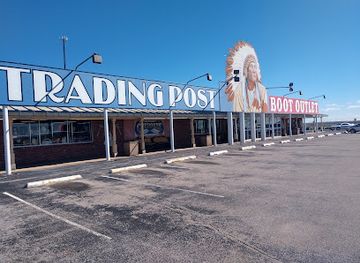
Cherokee Trading Post & Boot Outlet
Explore Cherokee Trading Post & Boot Outlet in Clinton, OK for authentic Native American crafts, stylish boots, and unique souvenirs celebrating local culture.

Get your free copy of our complete guide to Eastern Oklahoma, delivered straight to you.
Everything on this page, from attractions and restaurants to essentials and local phrases, in one PDF you can read offline, print or share.
Already have an account? Sign in
Your Eastern Oklahoma guide is ready.
We'll send it to · Not you? Sign out

Getting your guide ready…
We are putting together a fresh copy of the Eastern Oklahoma guide. This can take up to a minute.
This can take a few moments. If your browser asks, choose Allow so the download can start. You'll find the guide in your Downloads folder.
Nothing happened? Download it again
Sorry, the guide is taking longer than usual. Please try again in a minute, or get it by email instead.
Eastern Oklahoma essentials
Currency and Payment
Safety
Emergency Situations
Do's and Don'ts
Local Tips
From Eve
Local phrases worth knowing
You don't need to get them perfect. A few words go a long way, and locals appreciate the effort.
Basics
| English | Local | Say it |
|---|---|---|
| Hello | Howdy | [Ha-dee] |
| Goodbye | See ya later | [See ya lay-ter] |
| Yes | Yep | [Yep] |
| No | Nope | [Nope] |
| Please/You're welcome | You're welcome | [You're welcome] |
| Thank you | Thanks a lot | [Thanks a lot] |
| Excuse me/Sorry | Excuse me | [Ex-cuse me] |
| How are you? | How ya doin'? | [How ya doin'?] |
| Fine. And you? | I'm good. And you? | [I'm good. An' you?] |
| Do you speak English? | Do ya speak English? | [Do ya speak English?] |
| I don't understand | I don’t get it | [I don’t get it] |
Eating & Drinking
| English | Local | Say it |
|---|---|---|
| I'd like to see the menu, please | Can I see the menu, please? | [Can I see the menu, please?] |
| I don't eat meat | I ain't eatin' meat | [I ain't eatin' meat] |
| Cheers! | Cheers! | [Cheers!] |
| I would like to pay, please | Can I pay, please? | [Can I pay, please?] |
Emergencies
| English | Local | Say it |
|---|---|---|
| Help! | Help! | [Help!] |
| Go away! | Get outta here! | [Get outta here!] |
| Call the Police! | Call the cops! | [Call the cops!] |
| Call a doctor! | Get me a doctor! | [Get me a doctor!] |
| I'm lost | I'm all turned around | [I'm all turned around] |
| I'm ill | I ain't feelin' good | [I ain't feelin' good] |
Shopping
| English | Local | Say it |
|---|---|---|
| I'd like to buy... | I wanna buy... | [I wanna buy...] |
| I'm just looking | Just browsin' | [Just browsin'] |
| How much is it? | What’s the price? | [What’s the price?] |
| That's too expensive | That’s way too high | [That’s way too high] |
| Can you lower the price? | Can ya bring it down? | [Can ya bring it down?] |
Time & Numbers
| English | Local | Say it |
|---|---|---|
| What time is it? | What time ya got? | [What time ya got?] |
| It's one o'clock | It's one | [It's one] |
| Half past (10) | Half past ten | [Half past ten] |
| Morning | Mornin' | [Mornin'] |
| Afternoon | Afternoon | [Afternoon] |
| Evening | Evenin' | [Evenin'] |
| Yesterday | Yesterday | [Yesterday] |
| Today | Today | [Today] |
| Tomorrow | Tomorrow | [Tomorrow] |
| 1 | One | [One] |
| 2 | Two | [Two] |
| 3 | Three | [Three] |
| 4 | Four | [Four] |
| 5 | Five | [Five] |
| 6 | Six | [Six] |
| 7 | Seven | [Seven] |
| 8 | Eight | [Eight] |
| 9 | Nine | [Nine] |
| 10 | Ten | [Ten] |
Transport & Directions
| English | Local | Say it |
|---|---|---|
| Where's a/the...? | Where's a...? | [Where's a...?] |
| What's the address? | What’s the address? | [What’s the address?] |
| Can you show me (on the map)? | Can ya show me on the map? | [Can ya show me on the map?] |
| When's the next (bus)? | When's the next bus? | [When's the next bus?] |
| A ticket (to ....) | A ticket to... | [A ticket to...] |
History of Eastern Oklahoma
Spiro Mounds and Indigenous Exchange, before European Contact
The Spiro Mounds site in present-day Le Flore County preserves one of the most important archaeological legacies of the Mississippian cultural world. Between roughly the ninth and fifteenth centuries, communities at Spiro participated in extensive networks of religious practice, art and exchange reaching across much of the central and southeastern United States. The site demonstrates that eastern Oklahoma was connected to sophisticated Indigenous societies long before European settlement. Archaeological interpretation and public presentation also underline the importance of treating these places as ancestral landscapes rather than simply as isolated ruins.
Removal and the Five Tribes, 1830s
During the 1830s, the United States forcibly removed the Cherokee, Muscogee, Choctaw, Chickasaw and Seminole peoples from their southeastern homelands to Indian Territory, much of which lay in what is now eastern Oklahoma. The journeys, commonly remembered through the history of the Trail of Tears, caused enormous loss of life and disruption. In Indian Territory, however, Native nations rebuilt governments, schools, churches, businesses and cultural institutions. Their political and cultural presence remains fundamental to the character of eastern Oklahoma.
The Cherokee Nation and Tahlequah
Tahlequah became the capital of the Cherokee Nation in the nineteenth century and remains a major centre of Cherokee civic life. The Cherokee Nation developed a written constitution, council institutions and schools in Indian Territory, building on earlier achievements including Sequoyah's Cherokee syllabary. The Cherokee National Capitol and related historic sites reflect the complexity of this period, which included self-government, pressure from federal authorities, land allotment and the survival of Cherokee identity through profound political change.
Railways, Coal and the Growth of Towns
Railway expansion in the late nineteenth and early twentieth centuries connected eastern Oklahoma's agricultural districts, timberlands and coalfields with regional markets. Coal mining became especially important around towns including McAlester, while rail lines encouraged the growth of commercial centres and brought new waves of migration. Towns developed around depots, trading networks and resource industries, leaving behind historic main streets, industrial traces and civic buildings. The railways also helped integrate Indian Territory into the wider economy before Oklahoma statehood in 1907.
Oil, Tulsa and the Early Twentieth-Century Boom
Petroleum transformed Tulsa and other parts of eastern Oklahoma during the early twentieth century. The city's wealth financed banks, office buildings, cultural institutions and the Art Deco architecture for which downtown Tulsa is known. Oil also brought speculation, labour changes and sharp inequalities. The Tulsa Race Massacre of 1921, when a white mob attacked the prosperous Greenwood district and Black residents suffered killings, destruction and displacement, remains one of the region's most important and painful historical events. Greenwood's history is now interpreted through museums, memorials and public education.
Statehood, Highways and Modern Regional Change
Oklahoma entered the United States as a state in 1907, bringing the former Indian Territory into a new political framework while tribal nations continued to exercise important governmental and cultural roles. Highways, dams and reservoirs later reshaped eastern Oklahoma. Route 66 supported roadside commerce through communities such as Tulsa and the northeastern part of the state, while reservoirs created new landscapes for recreation and flood control. In recent decades, Tulsa's cultural renewal, tribal nation investment, outdoor tourism and conservation have added new dimensions to an economy once dominated by extraction and rail transport.
Eastern Oklahoma in Photos
Browse through our photo collection highlighting the charm and character of the destination.
Neighbouring regions of Eastern Oklahoma
The closest regions to Eastern Oklahoma, if you have time for more than one.
-

-
-

-

-


Swipe for more regions
Explore more
Explore more of Oklahoma
Discover Oklahoma: Where the spirit of the Old West meets modern charm, offering a rich mix of history, nature, and vibrant culture in the heart of the United States.
Explore Oklahoma