

Free Northeastern Oklahoma Travel Guide & Mobile App
Explore Northeastern Oklahoma with free travel guides. Discover regional history, expert tips, proposed trips, and audio guides on web or mobile app.


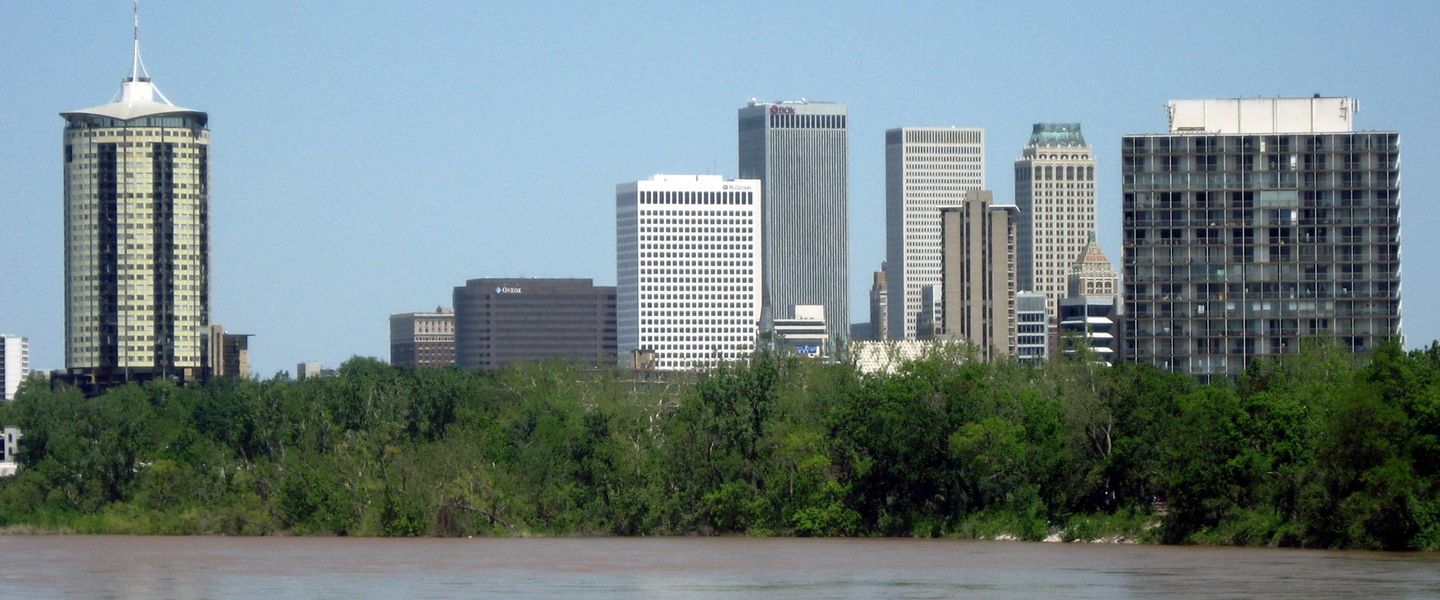


Explore Northeastern Oklahoma for Tulsa's Art Deco, Cherokee heritage, Route 66, wooded rivers, reservoirs and broad Green Country landscapes.
Read more about Northeastern Oklahoma
Getting to and around Northeastern Oklahoma
How to get there
Transportation
Top city travel guides in Northeastern Oklahoma
The cities of Northeastern Oklahoma, and the easiest places to base yourself.
-

-

-

-

-


Swipe for more cities
Destinations in Northeastern Oklahoma
Resorts, valleys and scenic spots worth a trip of their own.
-

-

-


Swipe for more destinations
Best attractions in Northeastern Oklahoma
Northeastern Oklahoma's attractions range from Tulsa's museums and public spaces to wooded waterways and small-town heritage sites. In Tulsa, the Philbrook Museum of Art occupies a historic villa and grounds, while the Gilcrease Museum, the Woody Guthrie Center, the Bob Dylan Center and the Gathering Place offer different perspectives on art, history, music and civic life. The Tulsa Art Deco district adds an architectural dimension to an urban visit. Bartlesville combines the Price Tower with Woolaroc, a museum and wildlife preserve west of the city that interprets regional Western and Native history. Tahlequah provides access to Cherokee cultural institutions and the Illinois River, while Muskogee is a gateway to Fort Gibson Lake and Greenleaf State Park. Grand Lake o' the Cherokees is suited to boating, fishing and lakeside recreation, and Lake Tenkiller offers clear water, camping and hiking near the foothills. Route 66 attractions between Tulsa and the northeastern border include roadside architecture, museums and surviving service businesses. Outdoor conditions and opening arrangements vary, so rural and seasonal sites require more planning than the region's urban museums.
-
Museum
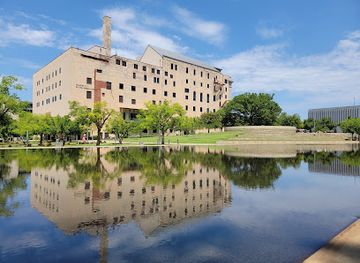
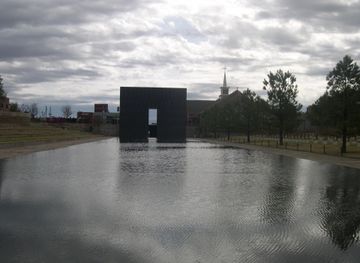
Oklahoma City National Memorial & Museum
Explore the Oklahoma City National Memorial & Museum, a poignant tribute to resilience and healing, reflecting on the impact of the 1995 bombing.
-
Zoo
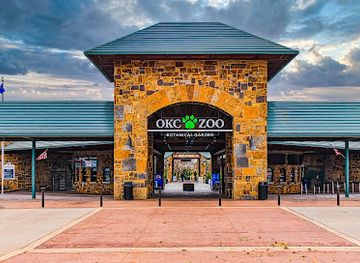
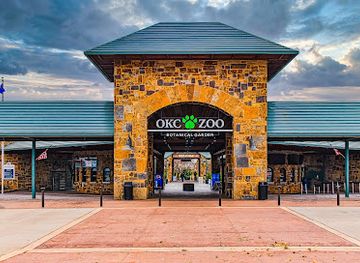
Oklahoma City Zoo
Discover the enchanting wildlife and lush landscapes at Oklahoma City Zoo, a top tourist attraction blending adventure and nature.
-
Theme park
Frontier City
Explore Frontier City, the premier theme park in Oklahoma City, featuring thrilling rides, exciting shows, and family-friendly attractions in a Wild West setting.
-
Heritage museum
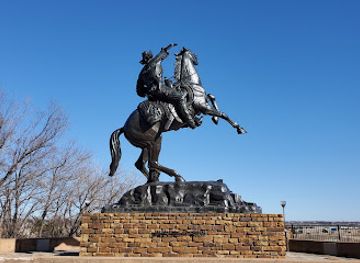
National Cowboy & Western Heritage Museum
Explore the rich heritage and artistry of the American West at the National Cowboy & Western Heritage Museum in Oklahoma City.

Best landmarks in Northeastern Oklahoma
Tulsa's Art Deco skyline is northeastern Oklahoma's most recognisable architectural landmark, especially around Downtown, where oil-era prosperity produced richly ornamented commercial and civic buildings. The BOK Tower and the historic Tulsa Club Building add later layers to the city centre, while the Arkansas River and its bridges provide a geographical frame for the urban landscape. In Bartlesville, Frank Lloyd Wright's Price Tower is a major example of twentieth-century modern architecture and a physical reminder of the city's relationship with the oil industry. Tahlequah's Cherokee National Capitol, completed in the nineteenth century, remains a particularly important political landmark as the seat of the Cherokee Nation's historic government and capital. The Illinois River, with its wooded banks and limestone landscape, is a natural landmark associated with the region's eastern transition towards the Ozarks. Grand Lake o' the Cherokees and its broad shoreline define another major landscape, while Route 66's surviving roadside structures in Tulsa, Catoosa, Claremore, Miami and Vinita provide a chain of landmarks linked by American travel history rather than a single town centre.
-
Museum
Oklahoma City National Memorial & Museum
Explore the Oklahoma City National Memorial & Museum - a powerful tribute to resilience, healing, and the enduring spirit of a community.
-
Zoo
Oklahoma City Zoo
Discover the captivating wildlife and beautiful botanical gardens at Oklahoma City Zoo, a must-visit destination for animal enthusiasts and families alike.
-
Heritage museum
National Cowboy & Western Heritage Museum
Explore the rich history and vibrant culture of the American West at the National Cowboy & Western Heritage Museum in Oklahoma City.
-
State park
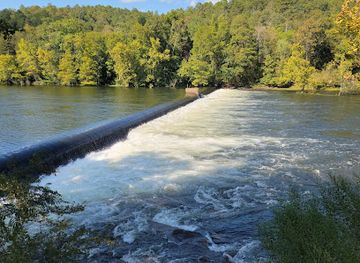
Beavers Bend State Park and Nature Center
Explore the breathtaking landscapes and outdoor adventures at Beavers Bend State Park, a natural paradise in Oklahoma.

Explore Northeastern Oklahoma on the map
Plan your trip on one map. See where the top cities, national parks and sights are, and book hotels and experiences in a few clicks.
Best hotels in Northeastern Oklahoma
Best restaurants in Northeastern Oklahoma
Dining in northeastern Oklahoma spans Tulsa's broadest selection of restaurants and the more informal food culture of its smaller communities. Tulsa offers contemporary American cooking, international cuisines, bakeries, cafés, food halls and established barbecue traditions, alongside strong associations with Oklahoma staples such as chicken-fried steak, burgers and pecan-based desserts. Outside the city, independent diners, family restaurants and country cafés are often part of the travel experience, particularly along older highways and in market towns. Barbecue, smoked meats, catfish and fried food appear widely, while farmers' markets and specialist producers reflect the region's agricultural setting. Near Grand Lake, the Illinois River and Lake Tenkiller, seasonal lakeside dining tends to favour relaxed meals rather than a formal restaurant circuit. Native-owned businesses and institutions connected with the Cherokee Nation can provide important cultural and culinary context, although visitors should distinguish contemporary Indigenous foodways from generic regional branding. Tipping is customary in full-service restaurants in line with United States practice.
-
American
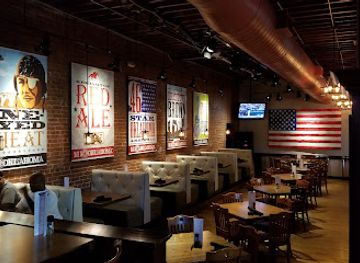
Bricktown Brewery
Discover the best American cuisine and craft brews at Bricktown Brewery in Oklahoma City - a must-visit culinary hotspot.
-
Cajun
Nola's ...Creole & Cocktails
Savor authentic Cajun flavors at Nola's Creole & Cocktails in Tulsa - where every dish tells a story.
-
Restaurant
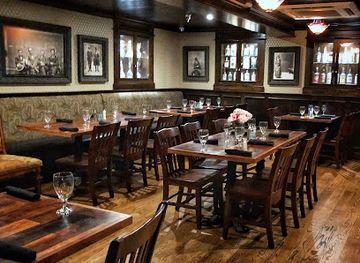
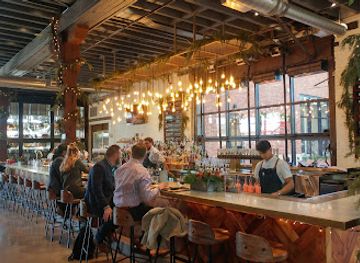
The Jones Assembly
Experience culinary excellence and vibrant live music at The Jones Assembly in Downtown Oklahoma City - a must-visit destination for foodies and music lovers alike.
-
American
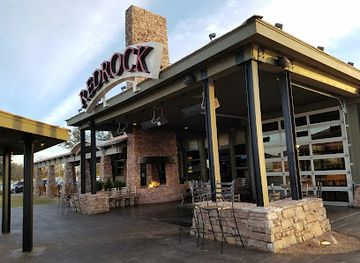
Redrock Canyon Grill
Indulge in delicious American cuisine at Redrock Canyon Grill - where flavor meets atmosphere in Oklahoma City.
Best bars in Northeastern Oklahoma
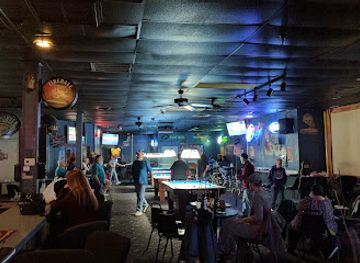
Nightlife is concentrated in Tulsa, where the Blue Dome, Greenwood, Downtown and adjacent districts contain bars, breweries, cocktail rooms, live-music venues and restaurants, although individual businesses and operating patterns change over time. Tulsa's music identity extends beyond nightlife, with venues presenting country, blues, rock, jazz and touring acts. Bartlesville, Muskogee, Tahlequah and Miami offer a smaller evening scene centred on pubs, local bars, cafés, restaurants and occasional live music rather than a large club circuit. Lake communities become busier in summer, but their evening options are generally seasonal and dispersed. In rural areas, check transport arrangements before drinking because distances, limited taxis and dark roads make driving a poor choice. The region's evening culture is therefore varied but not uniformly late-night: Tulsa suits visitors seeking the widest choice, while smaller towns emphasise conversation, food, music and community events.
-
Irish pub
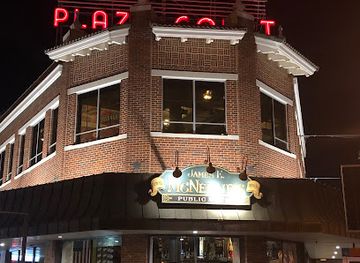
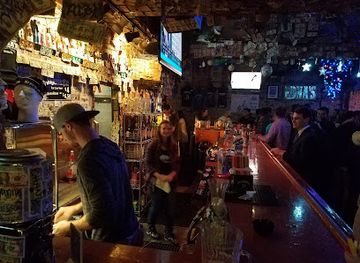
McNellie's OKC
Discover the vibrant Irish pub experience at McNellie's OKC, offering a delightful atmosphere, extensive beer selection, and delicious pub fare.
-
Bar
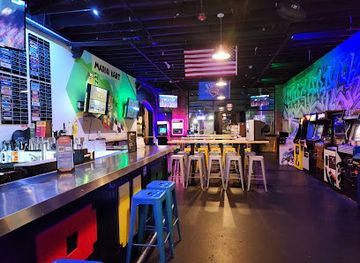
FlashBack RetroPub OKC
Experience a nostalgic journey at FlashBack RetroPub OKC, where classic arcade games and a vibrant bar atmosphere await you.
-
Bar
Edna's
Experience the vibrant nightlife of Oklahoma City at Edna's, where creative cocktails and a lively atmosphere await you.
-
Beer Garden
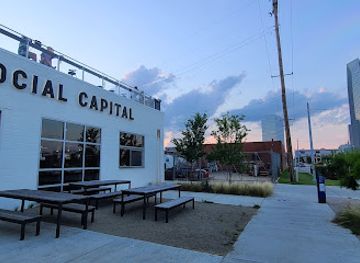
Social Capital
Discover Social Capital, Oklahoma City's vibrant beer garden offering craft beers, delicious family-friendly dining, and a lively atmosphere for all.
Best nightclubs in Northeastern Oklahoma
Nightlife is concentrated in Tulsa, where the Blue Dome, Greenwood, Downtown and adjacent districts contain bars, breweries, cocktail rooms, live-music venues and restaurants, although individual businesses and operating patterns change over time. Tulsa's music identity extends beyond nightlife, with venues presenting country, blues, rock, jazz and touring acts. Bartlesville, Muskogee, Tahlequah and Miami offer a smaller evening scene centred on pubs, local bars, cafés, restaurants and occasional live music rather than a large club circuit. Lake communities become busier in summer, but their evening options are generally seasonal and dispersed. In rural areas, check transport arrangements before drinking because distances, limited taxis and dark roads make driving a poor choice. The region's evening culture is therefore varied but not uniformly late-night: Tulsa suits visitors seeking the widest choice, while smaller towns emphasise conversation, food, music and community events.
-
Lounge
The Tree Lounge
Experience Oklahoma City's nightlife at The Tree Lounge, where affordable drinks and a relaxed atmosphere await you.
-
Night club
One15 Nightclub
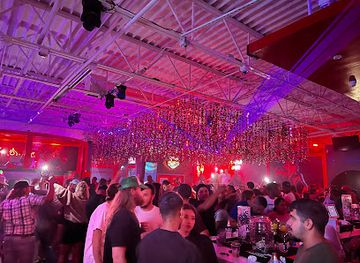
Dive into Oklahoma City's nightlife at One15 Nightclub, where electrifying music and vibrant energy create unforgettable experiences.
-
Night club
Señor Shots
Join the vibrant nightlife scene at Señor Shots in Bricktown, Oklahoma City, where electrifying music and creative cocktails create unforgettable experiences.
-
Night club
Don Quixote Club
Discover the lively atmosphere of Don Quixote Club, a premier night club and bar in Oklahoma City, perfect for unforgettable nights out.


Best shops in Northeastern Oklahoma
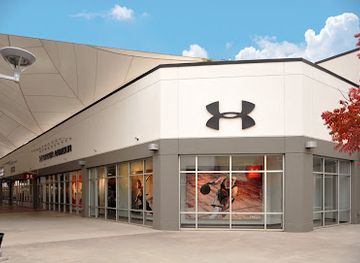
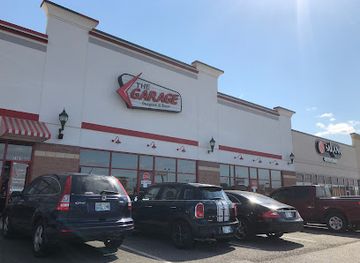
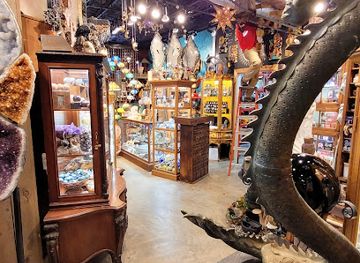
Tulsa has northeastern Oklahoma's broadest shopping choice, from independent boutiques, bookshops, galleries and design stores to larger retail districts and regular farmers' markets. The Pearl District, Cherry Street, Brookside and Downtown each have a different balance of food, local retail and services, while nearby Utica Square provides a more polished shopping environment. In Bartlesville, Tahlequah, Muskogee and Miami, shopping is more closely tied to independent high-street businesses, antiques, specialist food shops, galleries and locally made crafts. Cherokee Nation communities offer opportunities to learn about and purchase Native art and craft through reputable cultural institutions and artists; visitors should ask about provenance and avoid imitations presented as Native-made. Farmers' markets and roadside producers can be useful places to find Oklahoma-grown vegetables, pecans, preserves and baked goods when in season. Route 66 towns also sell road-themed memorabilia, although quality varies, so durable local crafts and regional food products are generally more meaningful purchases than generic souvenirs.
-
Outlet mall
OKC Outlets
Discover unbeatable deals and a variety of brand-name stores at OKC Outlets in Oklahoma City, your ultimate shopping destination.
-
Outlet mall
Shops At Moore
Explore a shopper's paradise at Shops At Moore, Oklahoma's premier outlet mall featuring top brands and delightful dining options.
-
Gift shop
Craig's Curious Emporium
Explore the unique charm of Craig's Curious Emporium, a magical gift shop in Oklahoma City's Asian District offering eclectic treasures and local artistry.
-
Gift shop
Cherokee Trading Post & Boot Outlet
Explore unique Native American crafts and authentic boots at the Cherokee Trading Post & Boot Outlet in Clinton, Oklahoma, a must-visit gift shop.

Get your free copy of our complete guide to Northeastern Oklahoma, delivered straight to you.
Everything on this page, from attractions and restaurants to essentials and local phrases, in one PDF you can read offline, print or share.
Already have an account? Sign in
Your Northeastern Oklahoma guide is ready.
We'll send it to · Not you? Sign out

Getting your guide ready…
We are putting together a fresh copy of the Northeastern Oklahoma guide. This can take up to a minute.
This can take a few moments. If your browser asks, choose Allow so the download can start. You'll find the guide in your Downloads folder.
Nothing happened? Download it again
Sorry, the guide is taking longer than usual. Please try again in a minute, or get it by email instead.
Northeastern Oklahoma essentials
Currency and Payment
Safety
Emergency Situations
Do's and Don'ts
Local Tips
From Eve
Local phrases worth knowing
You don't need to get them perfect. A few words go a long way, and locals appreciate the effort.
Basics
| English | Local | Say it |
|---|---|---|
| Hello | Howdy | [haʊdi] |
| Goodbye | See ya later | [si jə ˈleɪtər] |
| Yes | Yep | [jɛp] |
| No | Nope | [noʊp] |
| Please/You're welcome | Sure thing | [ʃʊr θɪŋ] |
| Thank you | Thanks a bunch | [θæŋks ə bʌnʧ] |
| Excuse me/Sorry | Pardon me | [ˈpɑrdən mi] |
| How are you? | How's it going? | [haʊz ɪt ˈɡoʊɪŋ] |
| Fine. And you? | I'm good. And you? | [aɪm ɡʊd. ənd ju] |
| Do you speak English? | Do ya speak English? | [du jə spiːk ˈɪŋɡlɪʃ] |
| I don't understand | I ain't following | [aɪ eɪnt ˈfɑloʊɪŋ] |
Eating & Drinking
| English | Local | Say it |
|---|---|---|
| I'd like to see the menu, please | Can I see the menu? | [kæn aɪ si ðə ˈmɛnju] |
| I don't eat meat | I don't do meat | [aɪ doʊnt du miːt] |
| Cheers! | Cheers! | [ʧɪrz] |
| I would like to pay, please | Can I get the check? | [kæn aɪ ɡɛt ðə ʧɛk] |
Emergencies
| English | Local | Say it |
|---|---|---|
| Help! | Help! | [hɛlp] |
| Go away! | Get lost! | [ɡɛt lɔst] |
| Call the Police! | Call the cops! | [kɔl ðə kɑps] |
| Call a doctor! | Get a doctor! | [ɡɛt ə ˈdɑktər] |
| I'm lost | I'm turned around | [aɪm tɜrnd əˈraʊnd] |
| I'm ill | I'm not feeling good | [aɪm nɑt ˈfiːlɪŋ ɡʊd] |
Shopping
| English | Local | Say it |
|---|---|---|
| I'd like to buy... | I'm looking to buy... | [aɪm ˈlʊkɪŋ tə baɪ] |
| I'm just looking | Just browsing | [dʒʌst ˈbraʊzɪŋ] |
| How much is it? | What's the price? | [wʌts ðə praɪs] |
| That's too expensive | That's a bit pricey | [ðæts ə bɪt ˈpraɪsi] |
| Can you lower the price? | Can ya cut me a deal? | [kæn jə kʌt mi ə diːl] |
Time & Numbers
| English | Local | Say it |
|---|---|---|
| What time is it? | What time ya got? | [wʌt taɪm jə ɡɑt] |
| It's one o'clock | It's one | [ɪts wʌn] |
| Half past (10) | Half past ten | [hæf pæst tɛn] |
| Morning | Mornin' | [ˈmɔrnɪn] |
| Afternoon | Afternoon | [ˈæftərˌnun] |
| Evening | Evenin' | [ˈivnɪn] |
| Yesterday | Yesterday | [ˈjɛstərdeɪ] |
| Today | Today | [təˈdeɪ] |
| Tomorrow | Tomorrow | [təˈmɔroʊ] |
| 1 | One | [wʌn] |
| 2 | Two | [tu] |
| 3 | Three | [θri] |
| 4 | Four | [fɔr] |
| 5 | Five | [faɪv] |
| 6 | Six | [sɪks] |
| 7 | Seven | [ˈsɛvən] |
| 8 | Eight | [eɪt] |
| 9 | Nine | [naɪn] |
| 10 | Ten | [tɛn] |
Transport & Directions
| English | Local | Say it |
|---|---|---|
| Where's a/the...? | Where's the...? | [wɛrz ðə] |
| What's the address? | What's the address? | [wʌts ði ˈædrɛs] |
| Can you show me (on the map)? | Can ya show me on the map? | [kæn jə ʃoʊ mi ɑn ðə mæp] |
| When's the next (bus)? | When's the next bus? | [wɛnʔs ðə nɛkst bʌs] |
| A ticket (to ....) | I need a ticket to... | [aɪ nid ə ˈtɪkɪt tə] |
History of Northeastern Oklahoma
Indigenous Nations and Ancient Landscapes
Long before European-American settlement, the region was shaped by Native peoples whose communities used its rivers, prairies and wooded uplands for agriculture, hunting and trade. The modern geography of northeastern Oklahoma includes the homelands and continuing political jurisdictions of the Cherokee Nation, Muscogee (Creek) Nation, Osage Nation and other Indigenous peoples. Archaeological sites and earthworks across the wider region attest to much older settlement, while present-day tribal governments, languages, cultural institutions and ceremonial traditions demonstrate that Native history here is ongoing rather than purely archaeological.
The Cherokee Nation and Indian Territory
In the nineteenth century, the United States removed the Cherokee people from their eastern homelands to Indian Territory, with many travelling west on the forced migration remembered as the Trail of Tears. Tahlequah became the capital of the Cherokee Nation in 1839 and remains its capital today. The Cherokee Nation developed schools, newspapers, courts and a written constitution in the territory, creating institutions whose legacy can still be seen in Tahlequah and surrounding communities. The period also brought profound disruption, contested land ownership and the imposed reorganisation of Native governance.
Railways, Towns and Federal Settlement
Railways transformed northeastern Oklahoma in the late nineteenth and early twentieth centuries, linking agricultural districts, coal fields, cattle country and emerging commercial towns to national markets. Muskogee became an important regional centre, while towns such as Bartlesville, Miami and Tulsa expanded around transport connections and trade. After the opening of Indian Territory to non-Native settlement and the creation of Oklahoma in 1907, federal and state policies reshaped landholding and government. The resulting town plans, depots, commercial buildings and courthouse squares remain visible layers of the region's settlement history.
Oil, Bartlesville and the Rise of Tulsa
Petroleum discoveries in and around northeastern Oklahoma changed the region's economy during the early twentieth century. Bartlesville became closely associated with the Phillips Petroleum company, founded there in 1917, while Tulsa grew into a major oil capital whose wealth financed offices, churches, homes and civic projects in the Art Deco style. Oil brought investment and employment but also economic volatility and unequal benefits. The industry remains part of the region's identity, even as Tulsa and neighbouring communities have diversified into healthcare, education, manufacturing, energy technology and the arts.
The Tulsa Race Massacre of 1921
Tulsa's Greenwood district, known nationally as the Black Wall Street, was one of the most prosperous African American business communities in the United States before white mobs attacked it in May and June 1921. Homes and businesses were destroyed, people were killed or displaced, and the effects continued through inadequate compensation and decades of public silence. Greenwood's history is now interpreted through institutions including the Greenwood Rising Black Wall Street History Center and the Mabel B. Little Heritage House. The massacre is essential to understanding Tulsa's social history and the continuing work of remembrance and repair.
Route 66 and Postwar Mobility
U.S. Route 66 helped connect northeastern Oklahoma to the national road network from the 1920s, passing through Tulsa and communities including Catoosa, Claremore, Miami and Vinita. Motor courts, filling stations, diners and roadside attractions developed around long-distance travel, then declined as interstate highways changed traffic patterns after the Second World War. Surviving structures and interpretive sites now document this era, while the route's association with migration, popular culture and roadside enterprise continues to influence tourism and preservation throughout the region.
Northeastern Oklahoma in Photos
Browse through our photo collection highlighting the charm and character of the destination.
Neighbouring regions of Northeastern Oklahoma
The closest regions to Northeastern Oklahoma, if you have time for more than one.
-

-

-

-

-


Swipe for more regions
Explore more
Explore more of Oklahoma
Discover Oklahoma: Where the spirit of the Old West meets modern charm, offering a rich mix of history, nature, and vibrant culture in the heart of the United States.
Explore Oklahoma