

Free Southwestern Oklahoma Travel Guide & Mobile App
Explore Southwestern Oklahoma with free travel guides. Discover regional history, expert tips, proposed trips, and audio guides on web or mobile app.


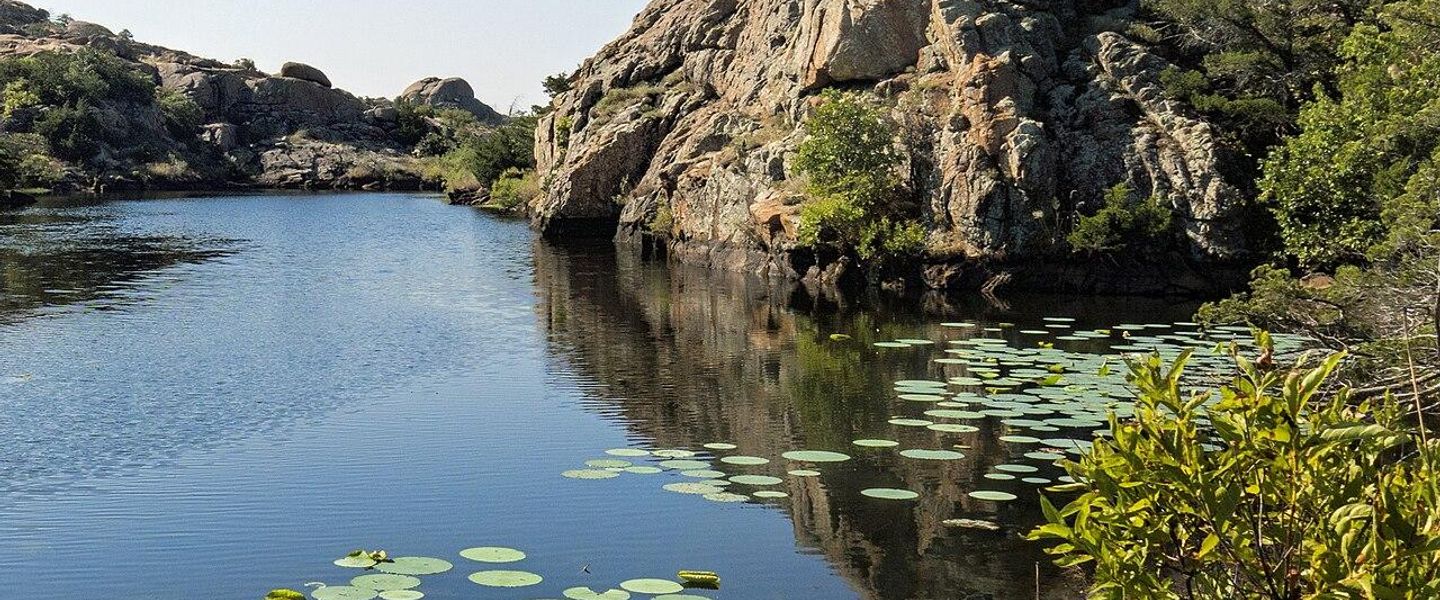


Explore Southwestern Oklahoma for Wichita Mountains wildlife, Indigenous and military history, open plains, small towns and wide-sky outdoor adventures.
Read more about Southwestern Oklahoma
Getting to and around Southwestern Oklahoma
How to get there
Transportation
Top city travel guides in Southwestern Oklahoma
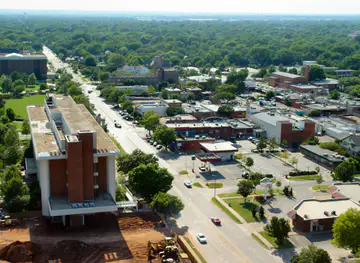
The cities of Southwestern Oklahoma, and the easiest places to base yourself.
-

-

-
-

-

-


Swipe for more cities
Destinations in Southwestern Oklahoma
Resorts, valleys and scenic spots worth a trip of their own.
-
-

-

-

-
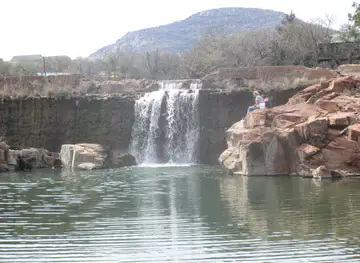
 Roman Nose State Park
 in Oklahoma combines gypsum hills, wooded canyons, spring-fed lakes, CCC heritage, trails, fishing and quiet stays near Watonga.
-


Swipe for more destinations
Best attractions in Southwestern Oklahoma
Southwestern Oklahoma's principal attractions combine open-air landscapes with military, Indigenous and agricultural history. The Wichita Mountains National Wildlife Refuge is the regional centrepiece, offering granite ridges, prairie, lakes, wildlife viewing, fishing and hiking routes around sites such as Mount Scott and the Charon's Garden area. Medicine Park provides a compact base near the mountains, with local-stone buildings and access to nearby recreation. Lawton is the gateway to Fort Sill, whose historic museums and grounds explain the development of the United States Army in the Southern Plains, subject to current access rules. The Museum of the Great Plains in Lawton places local history within the wider story of settlement, Indigenous life and environmental change. Around Altus, Lake Altus-Lugert and the agricultural plains offer a contrasting landscape of water, cotton fields and wide horizons. Smaller towns including Frederick, Hobart and Mangum contribute local museums, historic streets and regional character rather than large-scale attractions. Birdwatching, stargazing, scenic driving and wildlife photography are often more rewarding here than a tightly scheduled sightseeing itinerary.
-
Wildlife refuge
Wichita Mountains National Wildlife Refuge
Discover the breathtaking landscapes and diverse wildlife at Wichita Mountains National Wildlife Refuge, a perfect escape for nature lovers in Oklahoma.
-
Amusement park ride
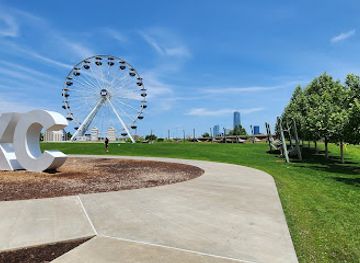
Wheeler Ferris Wheel at Wheeler District
Discover the breathtaking views from the Wheeler Ferris Wheel in Oklahoma City, where fun meets stunning cityscapes and picturesque landscapes.
-
Park
Route 66 Park
Explore Route 66 Park in Yukon, OK - a beautiful blend of nature, culture, and family-friendly activities perfect for your travel adventures.
-
State park
Great Plains State Park
Discover the natural beauty and outdoor adventures at Great Plains State Park, a top state park in Oklahoma for camping, hiking, and wildlife watching.



Best landmarks in Southwestern Oklahoma
The Wichita Mountains form Southwestern Oklahoma's most recognisable natural landmark, their exposed granite peaks and ridges rising distinctly above the surrounding prairie. Mount Scott is the best-known high point in the wildlife refuge and provides broad views across lakes, grassland and rugged rock. The refuge's granite formations, including the boulder-filled Charon's Garden area, are visually distinctive and geologically important, while the extensive prairie reflects the region's older landscape more clearly than its towns do. Fort Sill is the foremost historic landmark, representing the military transformation of the Southern Plains after the Civil War; its historic areas and museums must be visited according to current installation procedures. Medicine Park's red-granite buildings and walls are notable examples of early resort architecture in Oklahoma. In Lawton, the Comanche National Museum and Cultural Center provides an important contemporary landmark for understanding Comanche history and identity. Farther south and west, Altus's agricultural setting and the open plains around Frederick and Mangum express the region's later identity as a farming and ranching landscape.
-
Non-profit organization
The Holy City of the Wichitas
Explore the serene beauty and rich history of The Holy City of the Wichitas, a unique cultural landmark in Oklahoma's stunning landscape.
-
Historical landmark
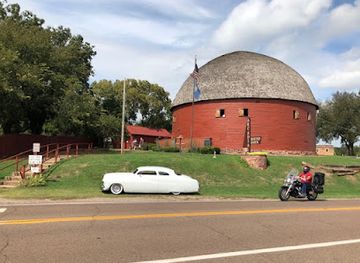
Arcadia Round Barn
Explore the Arcadia Round Barn, a unique historical landmark on Route 66 in Oklahoma, offering live music and local culture in a charming setting.
-
Historical landmark
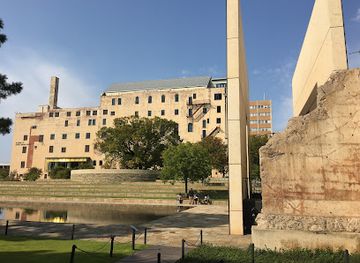
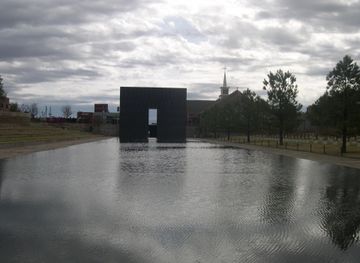
Alfred P. Murrah Federal Building
Explore the Alfred P. Murrah Federal Building Memorial, a poignant tribute to resilience in Oklahoma City, honoring lives lost in the tragic 1995 bombing.
-
Local history museum
Harn Homestead
Explore Oklahoma's rich history at Harn Homestead, a local history museum with charming grounds and fascinating exhibits in Oklahoma City.


Explore Southwestern Oklahoma on the map
Plan your trip on one map. See where the top cities, national parks and sights are, and book hotels and experiences in a few clicks.
Best hotels in Southwestern Oklahoma
Best restaurants in Southwestern Oklahoma
Dining in Southwestern Oklahoma is shaped by the practical food traditions of the Southern Plains, with barbecue, steaks, burgers, fried catfish, chicken-fried steak, Tex-Mex cooking and generous breakfasts common in towns and along highways. Lawton has the broadest choice, including casual restaurants, international food and family-run cafés, while smaller communities tend to centre on diners, cafés, pubs and locally focused grills. Near the Wichita Mountains, visitors should plan meals and supplies rather than assume that food outlets will be available at every trailhead or viewpoint. Local beef, seasonal produce and pie-style desserts feature in many everyday menus, and cotton-growing communities around Altus add an agricultural context to the region's food culture. Farmers' markets and community events, where operating seasonally, are useful places to look for baked goods, preserves and locally grown produce. The emphasis is generally on hearty, informal meals rather than a distinct fine-dining circuit.
-
Diner
Jimmy's Round-Up Cafe & Fried Pies
Experience the heartwarming taste of classic American diner cuisine at Jimmy's Round-Up Cafe in Oklahoma City.
-
Buffet
Taste of China Restaurant
Savor authentic Chinese cuisine at Taste of China Restaurant—where every meal is a feast filled with flavor and variety.
-
Fondue
The Melting Pot
Discover the art of fondue at The Melting Pot – where fine dining meets interactive culinary adventures in Oklahoma City.
-
American
Vast
Experience fine dining at its best with breathtaking views at Vast in Oklahoma City—where innovative cuisine meets elegance.


Best bars in Southwestern Oklahoma
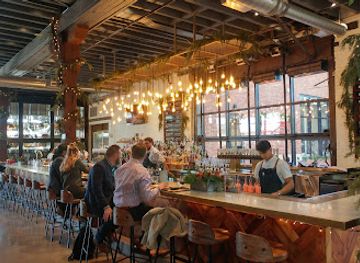
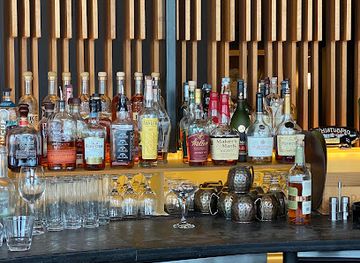
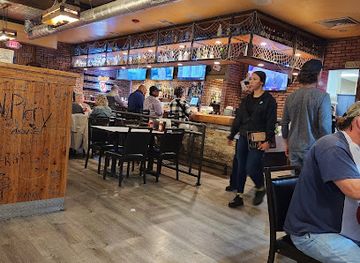
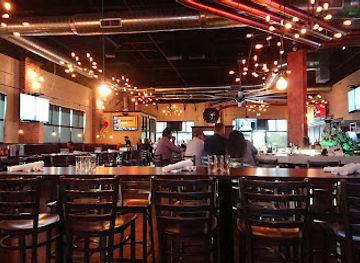
Evening life in Southwestern Oklahoma is concentrated in Lawton and, on a smaller scale, in Altus and other county-seat towns. Lawton has the region's widest selection of pubs, casual bars, lounges, live-music evenings and restaurants that stay open later, while smaller communities generally favour traditional bars, taverns and social venues rather than dedicated nightclub districts. Medicine Park can be quieter and more seasonal, with evenings oriented towards dining, conversation and the outdoor setting. Fort Sill and the area's colleges contribute to a more varied social scene in Lawton, but nightlife remains modest compared with Oklahoma City or Tulsa. Visitors may also find local breweries, country music and community events, though offerings change. Rural evening culture often revolves around a meal, a pub or a local gathering, and a designated driver is particularly important when travelling between dispersed towns.
-
Bar
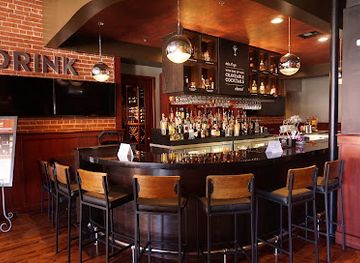
The Jones Assembly
Discover the ultimate blend of dining and entertainment at The Jones Assembly in Oklahoma City, where live music and great food create unforgettable moments.
-
American
Vast
Discover Vast, the top-tier American restaurant in Oklahoma City, offering stunning views, exquisite dishes, and a vibrant cocktail experience.
-
Seafood
Pier 88 Boiling Seafood & Bar OKC
Savor the freshness of the ocean at Pier 88 Boiling Seafood & Bar, a seafood haven in Oklahoma City offering a unique dining experience.
-
Restaurant
Pub W
Discover the lively Pub W in Oklahoma City, where delicious American cuisine meets a vibrant pub atmosphere perfect for social gatherings.
Best nightclubs in Southwestern Oklahoma
Evening life in Southwestern Oklahoma is concentrated in Lawton and, on a smaller scale, in Altus and other county-seat towns. Lawton has the region's widest selection of pubs, casual bars, lounges, live-music evenings and restaurants that stay open later, while smaller communities generally favour traditional bars, taverns and social venues rather than dedicated nightclub districts. Medicine Park can be quieter and more seasonal, with evenings oriented towards dining, conversation and the outdoor setting. Fort Sill and the area's colleges contribute to a more varied social scene in Lawton, but nightlife remains modest compared with Oklahoma City or Tulsa. Visitors may also find local breweries, country music and community events, though offerings change. Rural evening culture often revolves around a meal, a pub or a local gathering, and a designated driver is particularly important when travelling between dispersed towns.
-
Night club
Platinum Nights
Platinum Nights: Dive into the heart of Oklahoma City's nightlife with an electrifying atmosphere and unforgettable adult entertainment.
-
Night club
Vaqueros
Experience the vibrant nightlife of Oklahoma City at Vaqueros, where great music and refreshing drinks make for an unforgettable night out.
-
Night club
La Movida Night Club
Discover the heart of Oklahoma City’s nightlife at La Movida Night Club, where the music is alive, and the dance floor beckons.


Best shops in Southwestern Oklahoma
Shopping in Southwestern Oklahoma is practical and locally oriented. Lawton has the region's largest concentration of national retailers, supermarkets, independent businesses, antiques and everyday services, while Altus serves as a commercial centre for the southern agricultural plain. Smaller towns such as Frederick, Hobart and Mangum offer more limited high streets with local services, antiques, second-hand goods, books and occasional craft outlets. Farmers' markets and seasonal community markets may provide locally grown produce, baked goods, preserves and handmade items, although schedules vary through the year. Regional souvenirs are more likely to include Southwestern artwork, Native-inspired products from reputable and culturally identified makers, western clothing, locally produced food and Wichita Mountains-themed gifts than luxury goods. Visitors should buy Indigenous art and crafts from established artists or legitimate cultural outlets and avoid products that falsely imply tribal origin. Rural shops and markets may keep irregular hours, so plan essential purchases in Lawton or Altus before heading into remote areas.
-
Shopping mall
Penn Square Mall
Explore Oklahoma City's vibrant Penn Square Mall, where shopping, dining, and entertainment meet for a perfect day out.
-
Shopping mall
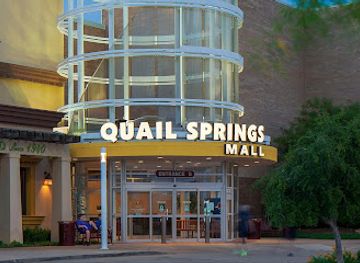
Quail Springs Mall
Explore Quail Springs Mall, a vibrant shopping hub in Oklahoma City with diverse shops, delightful dining, and entertainment options for all ages.
-
Outlet mall
Shops At Moore
Discover unbeatable deals and a lively shopping atmosphere at Shops At Moore, Oklahoma's favorite outlet mall for tourists and locals alike.
-
Gift shop
Craig's Curious Emporium
Explore the enchanting Craig's Curious Emporium in Oklahoma City—your destination for unique gifts, mystical supplies, and eclectic treasures.



Get your free copy of our complete guide to Southwestern Oklahoma, delivered straight to you.
Everything on this page, from attractions and restaurants to essentials and local phrases, in one PDF you can read offline, print or share.
Already have an account? Sign in
Your Southwestern Oklahoma guide is ready.
We'll send it to · Not you? Sign out

Getting your guide ready…
We are putting together a fresh copy of the Southwestern Oklahoma guide. This can take up to a minute.
This can take a few moments. If your browser asks, choose Allow so the download can start. You'll find the guide in your Downloads folder.
Nothing happened? Download it again
Sorry, the guide is taking longer than usual. Please try again in a minute, or get it by email instead.
Southwestern Oklahoma essentials
Currency and Payment
Safety
Emergency Situations
Do's and Don'ts
Local Tips
From Eve
Local phrases worth knowing
You don't need to get them perfect. A few words go a long way, and locals appreciate the effort.
Basics
| English | Local | Say it |
|---|---|---|
| Hello | Howdy | [haʊdi] |
| Goodbye | See ya later | [si jə ˈleɪtər] |
| Yes | Yup | [jʌp] |
| No | Nope | [noʊp] |
| Please/You're welcome | Sure thing | [ʃʊr θɪŋ] |
| Thank you | Thanks a bunch | [θæŋks ə bʌntʃ] |
| Excuse me/Sorry | Pardon me | [ˈpɑrdən mi] |
| How are you? | How ya doin'? | [haʊ jə ˈduɪn] |
| Fine. And you? | I'm doin' good. And you? | [aɪm ˈduɪn gʊd. ənd jə] |
| Do you speak English? | You speakin' English? | [ju ˈspikɪn ˈɪŋɡlɪʃ] |
| I don't understand | I ain't followin' | [aɪ eɪnt ˈfɑloʊɪn] |
Eating & Drinking
| English | Local | Say it |
|---|---|---|
| I'd like to see the menu, please | Can I see the menu, please? | [kæn aɪ si ðə ˈmɛnju pliz] |
| I don't eat meat | I don't eat no meat | [aɪ doʊnt it noʊ mit] |
| Cheers! | Cheers! | [ʧɪrz] |
| I would like to pay, please | Can I pay, please? | [kæn aɪ peɪ pliz] |
Emergencies
| English | Local | Say it |
|---|---|---|
| Help! | Help! | [hɛlp] |
| Go away! | Leave me be! | [liv mi bi] |
| Call the Police! | Call the cops! | [kɔl ðə kɑps] |
| Call a doctor! | Get a doctor here! | [ɡɛt ə ˈdɑktər hɪr] |
| I'm lost | I'm all turned around | [aɪm ɔl tɜrnd əˈraʊnd] |
| I'm ill | I'm not feelin' good | [aɪm nɑt ˈfilɪn gʊd] |
Shopping
| English | Local | Say it |
|---|---|---|
| I'd like to buy... | I wanna buy... | [aɪ ˈwɑnə baɪ] |
| I'm just looking | Just browsin' | [dʒʌst ˈbraʊzɪn] |
| How much is it? | What's the price? | [wʌts ðə praɪs] |
| That's too expensive | That's a bit pricey | [ðæts ə bɪt ˈpraɪsi] |
| Can you lower the price? | Can ya bring down the price? | [kæn jə brɪŋ daʊn ðə praɪs] |
Time & Numbers
| English | Local | Say it |
|---|---|---|
| What time is it? | What time ya got? | [wʌt taɪm jə ɡɑt] |
| It's one o'clock | It's one | [ɪts wʌn] |
| Half past (10) | Half past ten | [hæf pæst tɛn] |
| Morning | Mornin' | [ˈmɔrnɪn] |
| Afternoon | Afternoon | [ˌæftərˈnun] |
| Evening | Evenin' | [ˈivnɪn] |
| Yesterday | Yesterday | [ˈjɛstərdeɪ] |
| Today | Today | [təˈdeɪ] |
| Tomorrow | Tomorrow | [təˈmɔroʊ] |
| 1 | One | [wʌn] |
| 2 | Two | [tu] |
| 3 | Three | [θri] |
| 4 | Four | [fɔr] |
| 5 | Five | [faɪv] |
| 6 | Six | [sɪks] |
| 7 | Seven | [ˈsɛvən] |
| 8 | Eight | [eɪt] |
| 9 | Nine | [naɪn] |
| 10 | Ten | [tɛn] |
Transport & Directions
| English | Local | Say it |
|---|---|---|
| Where's a/the...? | Where's a...? | [wɛrz ə] |
| What's the address? | What's the address? | [wʌts ðə əˈdrɛs] |
| Can you show me (on the map)? | Can ya show me on the map? | [kæn jə ʃoʊ mi ɑn ðə mæp] |
| When's the next (bus)? | When's the next bus? | [wɛn z ðə nɛkst bʌs] |
| A ticket (to ....) | A ticket to... | [ə ˈtɪkɪt tu] |
History of Southwestern Oklahoma
Indigenous Nations and the Wichita Mountains
Southwestern Oklahoma has long been associated with Indigenous peoples, including the Kiowa, Comanche and Apache communities whose histories remain central to the region. The Wichita Mountains were important as a landscape of travel, hunting and cultural memory, while the wider plains supported mobile economies and extensive intertribal connections. The United States government's nineteenth-century policies of removal, reservation-making and land allotment profoundly altered these societies. Contemporary cultural institutions, community life and historic interpretation continue to express Indigenous connections to the land, particularly around Anadarko and the Lawton area.
Fort Sill and the Southern Plains Frontier
Fort Sill was established in 1869 during the United States Army's campaigns on the Southern Plains. Its creation marked a decisive phase in the military occupation of the region and the confinement of Native nations to reservations. The post later became a major centre for artillery training and remains an active installation. Its history includes the imprisonment of Apache leaders and communities in the late nineteenth century, as well as the later integration of Native landscapes into a national military system. Fort Sill's surviving historic areas and museums reflect these complex and often painful histories.
Land Allotment and New Agricultural Towns
The late nineteenth and early twentieth centuries brought railways, surveyors, land offices and new agricultural settlements to southwestern Oklahoma. Allotment divided collectively held Indigenous lands into individual parcels, while subsequent land openings enabled non-Indigenous settlement and the expansion of towns. Farming and ranching became central to the regional economy, with cotton especially important around Altus and the southern plains. Towns such as Frederick, Hobart and Mangum developed as commercial and transport centres serving widely dispersed farms and ranches.
Medicine Park and Early Tourism
Medicine Park was established in 1908 as a resort community near the Wichita Mountains. Its buildings and walls, constructed with locally available red granite, helped create a distinctive architectural identity, while nearby streams, lakes and mountains attracted visitors seeking cooler surroundings and recreation. The community illustrates an early form of Oklahoma tourism, when improved roads and growing automobile ownership made scenic areas more accessible. Today its stone architecture and location beside the Wichita Mountains give it a visible connection to the region's recreational history.
The Dust Bowl and Agricultural Change
During the 1930s, drought, severe winds and soil erosion affected large parts of the Southern Plains, including southwestern Oklahoma. The Dust Bowl intensified economic hardship for farming families already facing low prices during the Great Depression and encouraged migration, although its effects varied from one locality to another. Later changes in irrigation, mechanisation, crop selection and soil management reshaped the agricultural landscape. Around Altus, cotton production and water management became particularly significant, while ranching remained important across the open grasslands.
Twentieth-Century Military and Aviation Expansion
The military importance of southwestern Oklahoma continued to grow during the twentieth century. Fort Sill became a principal United States Army artillery centre, while Altus Air Force Base developed into an important training base for airlift and tanker crews. These installations influenced employment, infrastructure and the social life of nearby communities, linking the region to national defence and global military operations. Their presence also explains why Lawton and Altus have a more urban and institutionally diverse character than many of the surrounding agricultural towns.
Southwestern Oklahoma in Photos
Browse through our photo collection highlighting the charm and character of the destination.
Neighbouring regions of Southwestern Oklahoma
The closest regions to Southwestern Oklahoma, if you have time for more than one.
-

-

-

-

-


Swipe for more regions
Explore more
Explore more of Oklahoma
Discover Oklahoma: Where the spirit of the Old West meets modern charm, offering a rich mix of history, nature, and vibrant culture in the heart of the United States.
Explore Oklahoma