

Western Oklahoma, Oklahoma Travel Guide
Discover the rugged beauty and rich heritage of Western Oklahoma, where the plains meet history, and adventure awaits at every turn.
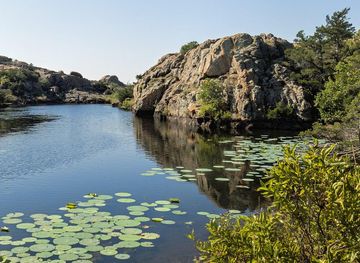
Western Oklahoma, a region brimming with natural beauty and cultural richness, offers a unique blend of outdoor adventures and historical experiences. From vast prairies to rugged landscapes, this part of the Sooner State is a paradise for nature enthusiasts and history buffs alike. Visitors can explore stunning state parks, engage in thrilling outdoor activities, and immerse themselves in the region's rich Native American heritage. A visit to the Great Plains State Park is a must for anyone wanting to experience the breathtaking scenery of Western Oklahoma. The park offers opportunities for hiking, camping, and wildlife observation. For a deeper dive into history, the Washita Battlefield National Historic Site provides a poignant reminder of the region’s past, commemorating the battle between the Cheyenne and the United States Army. This site offers educational programs and guided tours, enriching your understanding of the area's historical significance. Western Oklahoma is also known for its vibrant small towns, where you can enjoy local cuisine, shop for unique crafts, and experience genuine Oklahoman hospitality. Don’t miss the chance to visit the charming town of Elk City, home to the National Route 66 Museum, which celebrates the iconic highway and its role in American culture. Whether you’re looking for adventure, relaxation, or a bit of both, Western Oklahoma promises an unforgettable journey.

Know before you go
Hi, I'm Eve. Here are a few practical things to know before exploring Western Oklahoma.
- Visit in the spring or fall for the best weather and fewer crowds.
- Don’t forget to bring sunscreen and plenty of water when exploring the state parks.
- Take time to visit local museums to learn about the Native American history of the region.
- Try the local barbecue – it’s a regional specialty you shouldn’t miss.
- Check out local events and festivals for an authentic cultural experience.
Top City Travel Guides in Western Oklahoma
The cities of Western Oklahoma, and the easiest places to base yourself.


Destinations in Western Oklahoma
Resorts, valleys and scenic spots worth a trip of their own.


Explore Western Oklahoma: Things to Do, Places to Eat, Hotels & More
Handpicked recommendations for top attractions, local dining, accommodations, and more

Top Attractions & Sightseeing in Western Oklahoma
Top-rated picks
Best Attractions

Martin Park Nature Center
Explore Martin Park Nature Center, a serene park and nature preserve in Oklahoma City, perfect for outdoor enthusiasts and families seeking relaxation.

Red Rock Canyon Adventure Park
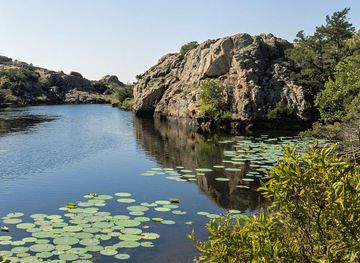
Discover the beauty and adventure at Red Rock Canyon Adventure Park, a stunning retreat in Oklahoma's captivating landscapes.

Gloss Mountain State Park
Discover the breathtaking views and unique geological wonders of Gloss Mountain State Park, a must-visit destination in Oklahoma for nature lovers and adventurers.

Oklahoma History Center
Explore Oklahoma's rich history at the Oklahoma History Center, where engaging exhibits and interactive experiences bring the past to life.

Best landmarks in Western Oklahoma
Top-rated picks
Best Landmarks

Oklahoma City National Memorial & Museum
Explore the Oklahoma City National Memorial & Museum, a powerful tribute to resilience and healing in the face of tragedy, located in downtown Oklahoma City.
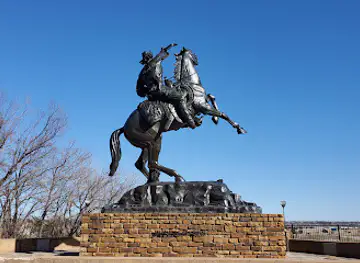
National Cowboy & Western Heritage Museum
Discover the legacy of the American West through art and artifacts at the National Cowboy & Western Heritage Museum in Oklahoma City.

Woolaroc Museum & Wildlife Preserve
Explore Woolaroc Museum & Wildlife Preserve, where art, history, and nature unite in a breathtaking Oklahoma destination.

Arcadia Round Barn
Experience the history and charm of the Arcadia Round Barn, a Route 66 landmark offering music, events, and a glimpse into Oklahoma's agricultural heritage.

Best restaurants in Western Oklahoma
Top-rated picks
Best Restaurants

Trapper's Fishcamp & Grill
Discover Trapper's Fishcamp & Grill in Oklahoma City - where fresh seafood meets warm hospitality for an unforgettable dining experience.

Charleston's Restaurant
Discover delicious American cuisine at Charleston's Restaurant in Oklahoma City – where great food meets warm hospitality.
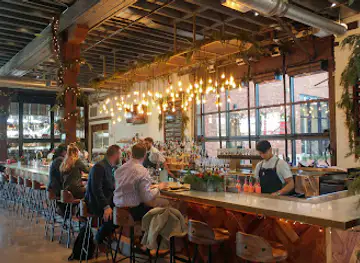
The Jones Assembly
Discover Oklahoma City's culinary gem offering delicious dishes, craft cocktails, and live music in an inviting atmosphere.
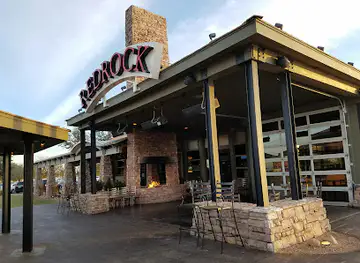
Redrock Canyon Grill
Discover the rich flavors of American cuisine at Redrock Canyon Grill - where every meal is a culinary adventure in Oklahoma City.

Best bars in Western Oklahoma
Top-rated picks
Best Bars

The Jones Assembly
Experience the vibrant atmosphere of The Jones Assembly in Oklahoma City, where delicious food, lively music, and local culture come together.

The Mug Scratch Kitchen & Tavern
Experience the vibrant atmosphere and delicious American cuisine at The Mug Scratch Kitchen & Tavern in Oklahoma City, a perfect spot for food lovers and sports enthusiasts.

FlashBack RetroPub OKC
Experience the ultimate nostalgic night out at FlashBack RetroPub in Oklahoma City, where retro vibes meet modern fun, drinks, and games.

Edna's
Experience the vibrant nightlife at Edna's in Oklahoma City, where good drinks and unforgettable moments await.

Best nightclubs in Western Oklahoma
Top-rated picks
Best Nightclubs

Hard Rock Hotel And Casino Tulsa
Unwind in luxury and indulge in excitement at Hard Rock Hotel and Casino Tulsa, the ultimate destination for entertainment and relaxation.

Coyote Ugly Saloon
Dive into the vibrant nightlife at Coyote Ugly Saloon in Oklahoma City, where fun meets entertainment in an unforgettable atmosphere.

Redneck Dance Hall
Discover the lively ambiance of Redneck Dance Hall in Oklahoma City, where music, dancing, and fun come together for an unforgettable night out.

Bunker Club
Discover the lively Bunker Club in Oklahoma City, where craft cocktails meet vibrant nightlife and unforgettable live entertainment.

Best shops in Western Oklahoma
Top-rated picks
Best Shops

Quail Springs Mall
Explore Quail Springs Mall, Oklahoma City’s premier shopping destination with a delightful mix of stores, dining, and entertainment options for all.

Shops At Moore
Explore the Shops At Moore for an unforgettable shopping experience with a variety of outlets and local dining options in Oklahoma.

Cherokee Trading Post
Explore the Cherokee Trading Post in Calumet, Oklahoma for unique Native American crafts, gifts, and a glimpse into the rich cultural heritage.

Craig's Curious Emporium
Explore Oklahoma City's Craig's Curious Emporium – a unique gift shop offering eclectic treasures from books to mystical supplies.

Explore Western Oklahoma on the Map
A handpicked selection of must-see spots in Western Oklahoma, mapped for you.
Western Oklahoma Essentials
-
Western Oklahoma is accessible via several major highways, including Interstate 40, which runs east-west through the region. The nearest major airport is Will Rogers World Airport (OKC) in Oklahoma City, approximately 1-2 hours drive from most parts of Western Oklahoma. Car rental services are available at the airport. For those preferring rail travel, Amtrak's Heartland Flyer route runs from Oklahoma City to Fort Worth, Texas, with stops in between.
-
Western Oklahoma is best explored by car due to its vast open spaces and rural settings. Car rental services are widely available. Public transportation options are limited, but some towns have local bus services. For shorter trips within towns, taxis and ride-sharing services like Uber and Lyft are available in larger towns. Biking is also an option in some areas with designated bike paths.
-
The official currency in Western Oklahoma, as in the rest of the United States, is the US Dollar (USD). Credit and debit cards are widely accepted in hotels, restaurants, and shops. It's advisable to carry some cash for smaller establishments and rural areas where card payment might not be available. ATMs are available in most towns and cities.
-
Western Oklahoma is generally a safe region for tourists. However, certain areas, especially in larger towns, may have higher crime rates, mostly related to petty theft. Always be aware of your surroundings, avoid walking alone at night, and keep your belongings secure. Areas such as Lawton have higher crime rates, so exercise caution when visiting.
-
In case of emergency, dial 911 for immediate assistance. Most towns have police stations and medical facilities. Major hospitals are located in larger towns like Lawton and Weatherford. It is recommended to have travel insurance that covers medical emergencies. Pharmacies are available in most towns for minor health issues and over-the-counter medications.
-
Fashion: Do wear comfortable, weather-appropriate clothing. Western Oklahoma can be hot in summer and cold in winter. Casual attire is generally acceptable. Avoid overly revealing clothing. Religion: Do respect local customs, especially in more religious communities. Be mindful when visiting churches and religious sites. Public Transport: Do use public buses where available, but be prepared for limited schedules. Don't expect extensive public transport options. Greetings: Do greet people with a friendly 'hello' or handshake. Western Oklahoma is known for its friendly and hospitable residents. Eating & Drinking: Do try local cuisine, including BBQ and Tex-Mex. Accept food and drink offers graciously. Don't be overly critical of local dishes.
-
To experience Western Oklahoma like a local, visit farmers' markets and local diners. Engage with locals who are often eager to share stories and tips. Don't miss the historic Route 66, which passes through the region and offers a glimpse into America's past. Explore natural attractions like the Wichita Mountains Wildlife Refuge for hiking and wildlife viewing. Attend local festivals and rodeos for a taste of regional culture.
When is the best time to visit Western Oklahoma?
Useful Local Phrases for Western Oklahoma
You don't need to speak the language perfectly. Even learning a few simple words can make conversations warmer—and locals usually appreciate the effort.
— Eve

Here are the phrases I use most often in Western Oklahoma. Try a few—you'll be surprised how far they go! 😊
❤️
-
- HelloHowdy
[Haud-ee] - GoodbyeSee ya
[See yah] - YesYep
[Yep] - NoNope
[Nope] - Please/You're welcomeSure thing
[Shur thing] - Thank youThanks
[Thangs] - Excuse me/SorryPardon me
[Pardon me] - How are you?How ya doin'?
[How yah doin'?] - Fine. And you?Good, and you?
[Good, an' you?] - Do you speak English?You speakin' English?
[Yoo speakin' English?] - I don't understandI ain't gettin' it
[I ain't gettin' it]
- HelloHowdy
-
- I'd like to see the menu, pleaseCan I see the menu?
[Can I see th' menu?] - I don't eat meatI don't eat meat
[I don't eat meat] - Cheers!Cheers!
[Cheers!] - I would like to pay, pleaseCan I get the check?
[Can I get th' check?]
- I'd like to see the menu, pleaseCan I see the menu?
-
- Help!Help!
[Help!] - Go away!Get outta here!
[Get outta here!] - Call the Police!Call the cops!
[Call th' cops!] - Call a doctor!Get a doctor!
[Get a doctor!] - I'm lostI can't find my way
[I can't find my way] - I'm illI ain't feelin' good
[I ain't feelin' good]
- Help!Help!
-
- I'd like to buy...I wanna buy...
[I wanna buy...] - I'm just lookingJust lookin'
[Just lookin'] - How much is it?How much?
[How much?] - That's too expensiveThat's a bit pricey
[That's a bit pricey] - Can you lower the price?Can ya bring that down?
[Can ya bring that down?]
- I'd like to buy...I wanna buy...
-
- What time is it?What time ya got?
[What time ya got?] - It's one o'clockIt's one
[It's one] - Half past (10)Half past ten
[Half past ten] - MorningMornin'
[Mornin'] - AfternoonAfternoon
[Afternoon] - EveningEvenin'
[Evenin'] - YesterdayYesterday
[Yesterday] - TodayToday
[Today] - TomorrowTomorrow
[Tomorrow] - 1One
[One] - 2Two
[Two] - 3Three
[Three] - 4Four
[Four] - 5Five
[Five] - 6Six
[Six] - 7Seven
[Seven] - 8Eight
[Eight] - 9Nine
[Nine] - 10Ten
[Ten]
- What time is it?What time ya got?
-
- Where's a/the...?Where's the...?
[Where's th'...?] - What's the address?What's the address?
[What's th' address?] - Can you show me (on the map)?Can ya show me on the map?
[Can ya show me on th' map?] - When's the next (bus)?When's the next bus?
[When's th' next bus?] - A ticket (to ....)A ticket to...
[A ticket to...]
- Where's a/the...?Where's the...?
History of Western Oklahoma
-
Western Oklahoma's history begins with its rich Native American heritage. This area was originally home to numerous tribes including the Cheyenne, Arapaho, and Comanche. The Washita Battlefield National Historic Site commemorates the encounter between the Cheyenne and the U.S. Army led by Lieutenant Colonel George Custer in 1868. Petroglyphs and ancient artifacts found in the region bear testimony to its prehistoric inhabitants and their way of life.
-
The Land Run of 1892 was a pivotal event in Western Oklahoma's history. As part of the larger series of land runs, settlers rushed to claim unassigned lands, transforming the landscape almost overnight. The town of Elk City, for instance, was established during this period and quickly grew due to the influx of settlers. The Oklahoma Land Run Monument in nearby Oklahoma City provides a vivid depiction of this historic event.
-
Western Oklahoma was severely impacted by the Dust Bowl of the 1930s, a period of intense dust storms that devastated the Great Plains. This environmental catastrophe, caused by a combination of severe drought and poor agricultural practices, displaced thousands of farmers and reshaped the region’s economy and demographics. The Dust Bowl is famously chronicled in John Steinbeck’s novel 'The Grapes of Wrath,' which captures the human suffering and resilience of those affected.
-
The discovery of oil in the early 20th century brought significant economic transformation to Western Oklahoma. Towns like Elk City and Sayre became bustling centers of industry. The Parker Drilling Rig No. 114, located in Elk City, is a historic monument that symbolizes the region’s oil boom. This period saw the rapid development of infrastructure, including roads and railroads, which facilitated further growth and modernization.
-
Western Oklahoma is also renowned for its cowboy culture and rodeo traditions. The National Route 66 Museum in Elk City offers a glimpse into the era when Route 66 was the main artery of America, showcasing the lifestyle and challenges of traveling this iconic highway. The annual Elk City Rodeo of Champions, one of the oldest rodeo events in the state, celebrates the cowboy heritage with events that draw participants and spectators from across the nation.
-
In contemporary times, Western Oklahoma continues to honor its rich history while embracing modernity. Towns like Weatherford and Clinton have become hubs of culture and education, with institutions like Southwestern Oklahoma State University contributing to the region's growth. The Stafford Air & Space Museum in Weatherford celebrates the achievements of astronaut Thomas P. Stafford, highlighting the area's contributions to space exploration and science.
Neighbouring Regions of Western Oklahoma
The closest regions to Western Oklahoma, if you have time for more than one.


Your all‑in‑one travel companion app
Explore expert travel guides, compare and book tours, experiences, hotels, and more—all from the palm of your hand. Download now for seamless trip planning wherever your wanderlust takes you.


Explore More of Oklahoma
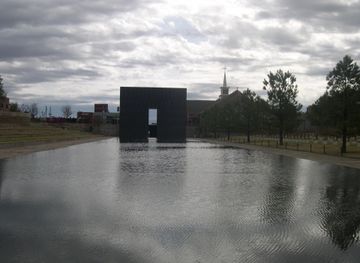
Looking beyond Western Oklahoma? Discover Oklahoma for broader travel guides, local hot-spots, and regional highlights.
Explore OklahomaWestern Oklahoma in Photos
Browse through our photo collection highlighting the charm and character of the destination.


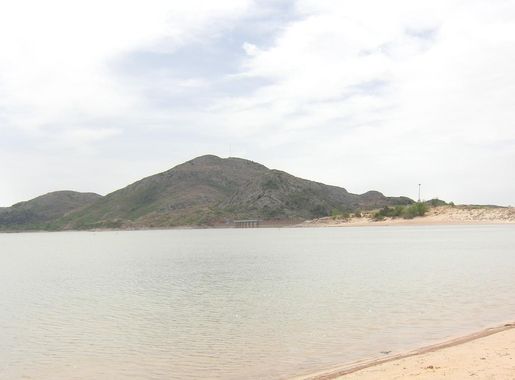


The Heartland of Adventure: Western Oklahoma
Western Oklahoma, a region brimming with natural beauty and cultural richness, offers a unique blend of outdoor adventures and historical experiences. From vast prairies to rugged landscapes, this part of the Sooner State is a paradise for nature enthusiasts and history buffs alike. Visitors can explore stunning state parks, engage in thrilling outdoor activities, and immerse themselves in the region's rich Native American heritage. A visit to the Great Plains State Park is a must for anyone wanting to experience the breathtaking scenery of Western Oklahoma. The park offers opportunities for hiking, camping, and wildlife observation. For a deeper dive into history, the Washita Battlefield National Historic Site provides a poignant reminder of the region’s past, commemorating the battle between the Cheyenne and the United States Army. This site offers educational programs and guided tours, enriching your understanding of the area's historical significance. Western Oklahoma is also known for its vibrant small towns, where you can enjoy local cuisine, shop for unique crafts, and experience genuine Oklahoman hospitality. Don’t miss the chance to visit the charming town of Elk City, home to the National Route 66 Museum, which celebrates the iconic highway and its role in American culture. Whether you’re looking for adventure, relaxation, or a bit of both, Western Oklahoma promises an unforgettable journey.