

Brady Arts District (Tulsa) Travel Guide - Free
Explore Brady Arts District in Tulsa with Evendo's free guide. Find the best shops, historic streets, restaurants, and gems on web or mobile.


Brady Arts District in Tulsa, Oklahoma combines live music at Cain's Ballroom, the Woody Guthrie and Bob Dylan Centers, galleries, restaurants and streets.
Music, Memory and Downtown Character
Brady Arts District occupies a compact stretch of northern downtown Tulsa, where old commercial buildings, performance venues, museums and contemporary creative spaces gather around Brady Street, Main Street and the blocks leading towards the Arkansas River. Its identity is closely tied to music: Cain’s Ballroom remains one of Tulsa’s best-known live venues, while the Tulsa Theater and smaller bars keep the district active after dark. During the day, the area is shaped by the Woody Guthrie Center, the Bob Dylan Center and the galleries and studios that have helped turn this part of downtown into a cultural destination.Read more about Brady Arts District
A District Built from Layers
Streets to Explore
Best attractions in Brady Arts District
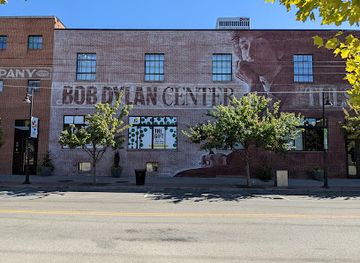
Brady Arts District’s central attractions are cultural rather than monumental. The Woody Guthrie Center presents the Oklahoma-born artist’s music, writing, artwork and social concerns through exhibitions and archival material, while the nearby Bob Dylan Center explores Dylan’s career through the extensive collection held there. Guthrie Green is the district’s principal public space, hosting changing outdoor programming and providing a useful pause between museum visits. Cain’s Ballroom offers a living connection to Tulsa’s dance-hall and concert traditions, and Tulsa Theater contributes another historic performance setting close to the district’s southern edge. Independent galleries, murals, converted brick buildings and the street life around Brady Street add smaller-scale interest between scheduled visits. The nearby Greenwood District, including Greenwood Rising, is an important companion destination, but it should be visited as a separate neighbourhood with its own history and institutions.
-
Museum
Bob Dylan Center
Explore the Bob Dylan Center in Tulsa, where music history comes alive through exhibits dedicated to the legendary artist's life and influence.
5 min walk · 0.4 km from neighbourhood centre
Best landmarks in Brady Arts District
Cain’s Ballroom is Brady Arts District’s most recognisable architectural and cultural landmark: its history as a dance academy and ballroom gives the building an importance beyond its present concert programme. Tulsa Theater, a historic theatre building on Main Street, represents the entertainment architecture of the city’s early twentieth-century expansion. The Woody Guthrie Center and Bob Dylan Center are newer landmarks whose significance lies in the preservation and interpretation of major musical archives rather than in age. Guthrie Green provides the district’s principal civic space, framed by older commercial structures and later creative redevelopment. Brady Street itself is also a landmark of memory, because its name invokes W. Tate Brady and the ongoing debate over how Tulsa acknowledges histories of civic development alongside documented white-supremacist associations.
-
Tourist attraction
Center of the Universe
Explore the Center of the Universe in Tulsa, where sound creates magic and art thrives in a vibrant cultural hub.
7 min walk · 0.5 km from neighbourhood centre
-
Park
Guthrie Green
Discover Guthrie Green, Tulsa's premier park blending nature, art, and events in the heart of the Arts District for an unforgettable experience.
4 min walk · 0.3 km from neighbourhood centre
-
Performing arts theater
The Tulsa Theater
Experience the magic of live performances at The Tulsa Theater, a historic venue in the heart of the Tulsa Arts District, where culture comes alive.
4 min walk · 0.3 km from neighbourhood centre
-
Museum
Woody Guthrie Center
Explore the Woody Guthrie Center in Tulsa, OK – a vibrant museum celebrating the legacy of American folk music's legendary figure.
4 min walk · 0.3 km from neighbourhood centre


Explore Brady Arts District on the map
A handpicked selection of must-see spots in Brady Arts District, mapped for you.
Best hotels in Brady Arts District
Best restaurants in Brady Arts District
Dining in Brady Arts District is concentrated around the blocks near Brady Street, Main Street and Elgin Avenue, where converted commercial buildings support a mixture of restaurants, cafés, bakeries and bars. Fassler Hall is associated with German-inspired food and beer-hall dining, while Antoinette Baking Company is known for pastries and baked goods. Bull in the Alley, reached from the Brady area, represents the district’s more intimate cocktail-and-dining style, and nearby venues broaden the choice with casual meals and contemporary American cooking. The area’s food scene is closely tied to its evening economy and concert traffic, but it is not a single culinary enclave: options range from quick daytime stops to sit-down restaurants and late-night dining. Visitors should distinguish establishments in the immediate arts district from those elsewhere in downtown Tulsa, whose dining choices are also within walking distance but outside Brady’s core.
-
Caribbean
Sisserou's Caribbean Restaurant & Catering
Experience vibrant Caribbean cuisine at Sisserou's Restaurant in Tulsa—where every dish tells a story of flavor and culture.
5 min walk · 0.4 km from neighbourhood centre
-
American
The Tavern
Experience the best of American cuisine at The Tavern in Tulsa's Arts District - where great food meets vibrant atmosphere.
4 min walk · 0.3 km from neighbourhood centre
-
Restaurant
Bull In The Alley
Experience unparalleled dining at Bull In The Alley in Tulsa's Arts District - where culinary creativity meets an inviting atmosphere.
4 min walk · 0.3 km from neighbourhood centre
-
Vietnamese
Lone Wolf Banh Mi
Experience authentic Vietnamese cuisine at Lone Wolf Banh Mi in Tulsa's Arts District – home to delicious banh mi sandwiches and more.
6 min walk · 0.5 km from neighbourhood centre


Best bars in Brady Arts District
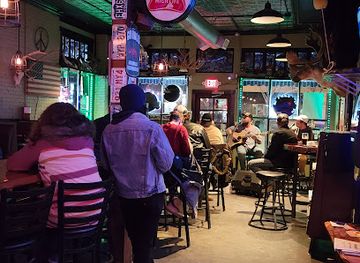
Nightlife is one of Brady Arts District’s strongest defining features, although it centres more on live music, bars and event nights than on a dense club strip. Cain’s Ballroom is the district’s principal concert venue, attracting touring acts and audiences to a building with deep roots in Tulsa’s dance and music history. Tulsa Theater provides another major performance space, while Soundpony and Valkyrie offer bar settings associated with the area’s evening social life. Fassler Hall combines drinking, food and a spacious beer-hall atmosphere, and smaller venues around Brady Street can become busy when concerts are taking place. The district can be comparatively quiet between events, so evening plans depend heavily on performance calendars. Nearby downtown bars add options, but should not be presented as part of Brady Arts District itself.
-
American
The Tavern
Experience the best of American cuisine at The Tavern in Tulsa's Arts District, where delightful flavors and a vibrant atmosphere await you.
4 min walk · 0.3 km from neighbourhood centre
-
Cocktail bar
Valkyrie
Discover Valkyrie, Tulsa's premier cocktail bar, where creativity meets craftsmanship in every delightful sip.
4 min walk · 0.3 km from neighbourhood centre
-
Bar
Saturn Room
Discover the lively Saturn Room in Tulsa's Arts District, where exquisite cocktails meet a vibrant nightlife experience amidst stunning skyline views.
3 min walk · 0.3 km from neighbourhood centre
-
Bar
Arnie's Bar
Experience the vibrant nightlife at Arnie's Bar in Tulsa's Blue Dome District, offering a warm atmosphere and a vast selection of drinks.
11 min walk · 0.9 km from neighbourhood centre


Best nightclubs in Brady Arts District
Nightlife is one of Brady Arts District’s strongest defining features, although it centres more on live music, bars and event nights than on a dense club strip. Cain’s Ballroom is the district’s principal concert venue, attracting touring acts and audiences to a building with deep roots in Tulsa’s dance and music history. Tulsa Theater provides another major performance space, while Soundpony and Valkyrie offer bar settings associated with the area’s evening social life. Fassler Hall combines drinking, food and a spacious beer-hall atmosphere, and smaller venues around Brady Street can become busy when concerts are taking place. The district can be comparatively quiet between events, so evening plans depend heavily on performance calendars. Nearby downtown bars add options, but should not be presented as part of Brady Arts District itself.
-
Bar
Saturn Room
Discover the lively spirit of Saturn Room, a bar in Tulsa's Arts District known for its creative cocktails and vibrant nightlife.
3 min walk · 0.3 km from neighbourhood centre
-
Bar
Inner Circle Vodka Bar
Discover the lively atmosphere and creative cocktails at Inner Circle Vodka Bar in Tulsa's Arts District, a must-visit for nightlife enthusiasts.
1 min walk · 0.1 km from neighbourhood centre
-
Pub
The Hunt Club
Discover the charm of The Hunt Club, Tulsa's favorite pub offering delicious food, craft drinks, and lively entertainment in the heart of the Arts District.
3 min walk · 0.2 km from neighbourhood centre
-
Bar
Soundpony Lounge
Discover the vibrant nightlife of Tulsa at Soundpony Lounge, where eclectic drinks and lively entertainment await you.
1 min walk · 0.1 km from neighbourhood centre



Best shops in Brady Arts District
Shopping in Brady Arts District is relatively small-scale and closely connected to its creative and entertainment identity rather than to department stores or a conventional retail boulevard. Visitors will find independent clothing, gift, design and lifestyle shops around the arts-district blocks, including local businesses such as Ida Red and Dwelling Spaces, alongside museum shops linked to the Woody Guthrie Center and Bob Dylan Center. These outlets are useful for Oklahoma-themed gifts, music-related material, design objects and locally oriented souvenirs, although stock and business arrangements change. The best shopping experience comes from combining these independent stops with gallery visits and a walk through the district’s converted brick buildings. Larger retail concentrations lie elsewhere in Tulsa, while the nearby Greenwood area has a distinct commercial and cultural history that should not be treated as an extension of Brady’s shopping scene.
-
Shopping mall
The Boxyard Tulsa
Discover the eclectic shopping and dining experience at The Boxyard Tulsa, where local culture meets innovative design in a vibrant atmosphere.
14 min walk · 1.1 km from neighbourhood centre
-
Gift shop
Ida Red General Store
Discover unique gifts and sweet treats at Ida Red General Store in Tulsa's Arts District, a perfect stop for souvenirs and local treasures.
3 min walk · 0.2 km from neighbourhood centre
-
Boutique
Made
Explore the artistic heart of Tulsa at Made Boutique, where local craftsmanship meets unique style in a vibrant shopping experience.
6 min walk · 0.5 km from neighbourhood centre
-
Gift shop
Boomtown Tees
Discover a creative blend of local artistry and unique apparel at Boomtown Tees in Tulsa's vibrant Blue Dome District.
10 min walk · 0.8 km from neighbourhood centre


Brady Arts District essentials
Getting There
Getting Around
Safety
Emergency Situations
Do's and Don'ts
Local Tips

From Eve
Local phrases worth knowing
You don't need to get them perfect. A few words go a long way, and locals appreciate the effort.
Basics
| English | Local | Say it |
|---|---|---|
| Hello | Howdy | [haw-dee] |
| Goodbye | See ya | [see yuh] |
| Yes | Yep | [yep] |
| No | Nah | [nah] |
| Please/You're welcome | Please/No problem | [pleez / no prob-lem] |
| Thank you | Thanks | [thanks] |
| Excuse me/Sorry | Excuse me/Pardon | [ex-cuse me / par-dun] |
| How are you? | Howdy | [haw-dee] |
| Fine. And you? | Good. And you? | [good. and yuh?] |
| Do you speak English? | Ya speak English? | [ya speak ing-glish?] |
| I don't understand | I ain't gettin' it | [i aint get-tin it] |
Eating & Drinking
| English | Local | Say it |
|---|---|---|
| I'd like to see the menu, please | Can I check the menu, please | [can i chek the men-yoo, please] |
| I don't eat meat | I don't eat meat | [i don't eat meat] |
| Cheers! | Cheers! | [cheers!] |
| I would like to pay, please | Can I settle up, please | [can i set-tle up, please] |
Emergencies
| English | Local | Say it |
|---|---|---|
| Help! | Help! | [help!] |
| Go away! | Git! | [git!] |
| Call the Police! | Call the cops! | [call the cops!] |
| Call a doctor! | Call a doc! | [call a doc!] |
| I'm lost | I'm lost | [i'm lost] |
| I'm ill | I'm sick | [i'm sick] |
Shopping
| English | Local | Say it |
|---|---|---|
| I'd like to buy... | I wanna buy... | [i wanna buy...] |
| I'm just looking | I'm just lookin' | [i'm just look-in'] |
| How much is it? | How much does it cost? | [how much duz it cost?] |
| That's too expensive | That's too pricey | [that's too pry-see] |
| Can you lower the price? | Can you knock the price down? | [can you knock the price down?] |
Time & Numbers
| English | Local | Say it |
|---|---|---|
| What time is it? | What time is it? | [what time is it?] |
| It's one o'clock | It's one o'clock | [it's one o'clock] |
| Half past (10) | Half past (10) | [half past (10)] |
| Morning | Morning | [morning] |
| Afternoon | Afternoon | [afternoon] |
| Evening | Evening | [evening] |
| Yesterday | Yesterday | [yesterday] |
| Today | Today | [today] |
| Tomorrow | Tomorrow | [tomorrow] |
| 1 | One | [wun] |
| 2 | Two | [too] |
| 3 | Three | [three] |
| 4 | Four | [four] |
| 5 | Five | [fahyv] |
| 6 | Six | [siks] |
| 7 | Seven | [sev-uhn] |
| 8 | Eight | [ayt] |
| 9 | Nine | [nine] |
| 10 | Ten | [ten] |
Transport & Directions
| English | Local | Say it |
|---|---|---|
| Where's a/the...? | Where's the...? | [where's the...?] |
| What's the address? | What's the address? | [what's the address?] |
| Can you show me (on the map)? | Can you show me (on the map)? | [can you show me (on the map)?] |
| When's the next (bus)? | When's the next (bus)? | [when's the next (bus)?] |
| A ticket (to ....) | A ticket (to ....) | [a ticket (to ....)] |
History of Brady Arts District
Brady Street and Early Tulsa
The district takes its name from Brady Street and W. Tate Brady, an early Tulsa businessman involved in the city’s development during the late nineteenth and early twentieth centuries. As Tulsa expanded through the oil economy, the area north of the central business district became part of a growing commercial and entertainment landscape. The surviving street grid and older masonry buildings reflect that period of rapid urbanisation, although the neighbourhood’s present arts identity developed much later. Brady’s personal legacy is contested: historical accounts document his association with organisations connected to white supremacy, a fact that has shaped later debate about the street’s name and the district’s public identity.
Theatre and Ballroom Era
The district’s cultural importance grew through its entertainment venues. The building now known as Tulsa Theater opened in 1914 as a theatre and cinema, while Cain’s Ballroom began in the 1920s as a dance academy before becoming a major dance hall and later a prominent concert venue. These buildings connected northern downtown with Tulsa’s wider musical life, from ballroom culture to touring performances. Their continued use gives the district a tangible link to the city’s twentieth-century entertainment history and distinguishes it from a purely commercial downtown quarter.
Museums and Cultural Renewal
After decades in which parts of downtown Tulsa lost activity, redevelopment from the late twentieth century onwards brought renewed attention to the Brady area’s historic buildings and cultural potential. The Woody Guthrie Center opened in 2013, establishing a major institution devoted to the Oklahoma-born folk musician, writer and visual artist. The Bob Dylan Center opened nearby in 2022, adding an international archive and exhibition space focused on Dylan’s life and work. Galleries, restaurants, public art and renovated venues subsequently strengthened the district’s role as a cultural precinct, while Guthrie Green provided an important public gathering space.
A Contested Contemporary Identity
The modern district’s name remains connected to both commercial branding and historical argument. Discussion of W. Tate Brady’s documented activities prompted public reconsideration of the Brady name, and Tulsa has also used the broader term Tulsa Arts District for the area. That debate sits within a city where the nearby Greenwood District carries the memory of the 1921 Tulsa Race Massacre and the subsequent destruction of Black Wall Street. Greenwood is geographically close but historically distinct, and the relationship between the two areas is best understood through separate institutions and community narratives rather than a single blended identity.
Brady Arts District in Photos
Browse through our photo collection highlighting the charm and character of the destination.
Neighbourhoods near Brady Arts District
The closest neighbourhoods to Brady Arts District, if you have time for more than one stop.
-

-

-

-


Swipe for more neighbourhoods
Explore more

Explore more of Tulsa
Tulsa, Oklahoma blends Art Deco landmarks, Route 66 heritage, Black Wall Street history, riverfront parks and distinctive cultural experiences.
Explore Tulsa