

Free Mirbat Travel Guide & Mobile App
Plan your Mirbat trip with Evendo. Get free guides to top attractions, restaurants, hotels, and bars. Web access or download the mobile app.


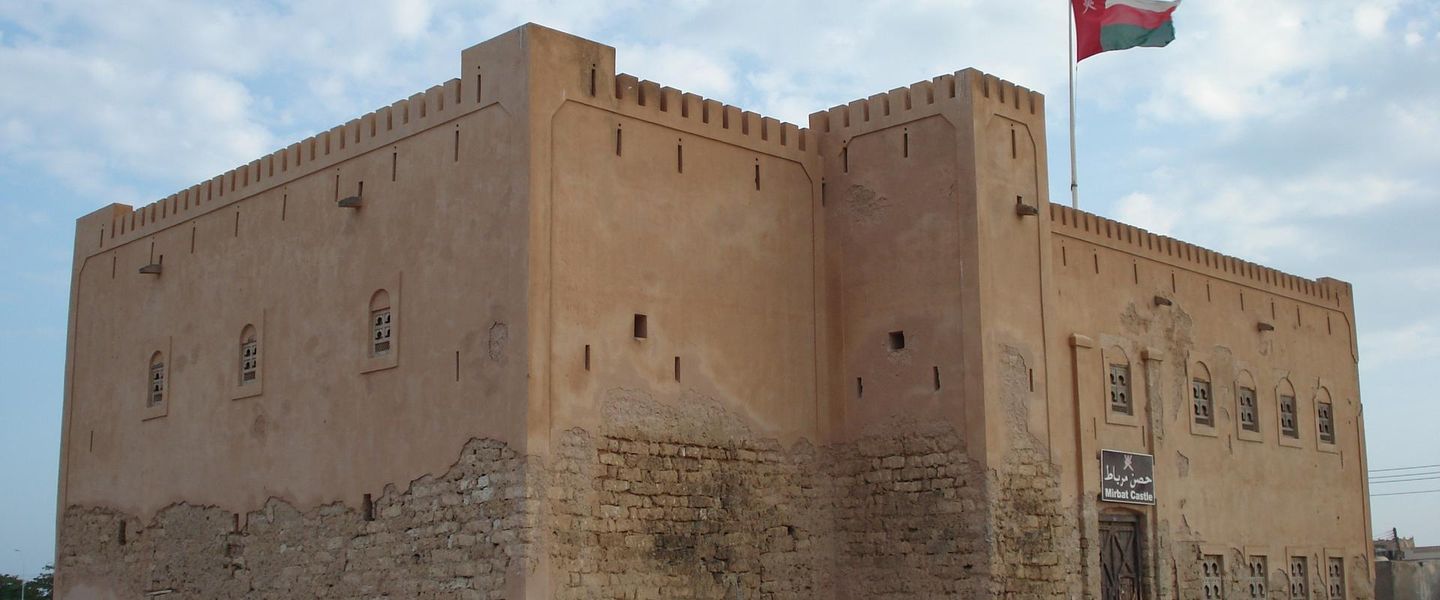


Mirbat, Oman, reveals a historic Dhofar port with coral-stone houses, frankincense heritage, sea views, fishing traditions and access to Jabal Samhan.
A Coastal Town Shaped by Trade
Mirbat lies on Oman’s Dhofar coast, about 70 kilometres east of Salalah, where the mountains descend towards the Arabian Sea. Once an important harbour and trading settlement, it retains a quieter, more weathered character than the regional capital. Its old quarter contains traditional houses, small mosques and defensive buildings, while the waterfront remains associated with fishing and boatbuilding. The town’s history is closely linked to Dhofar’s frankincense-producing interior and to maritime connections across the Arabian Sea.Read more about Mirbat
Old Houses and Sea Horizons
Dhofar’s Mountain Edge
When is the best time to visit Mirbat?
Best: December–February · 29–31°C| Month | High (°C) | Rainfall (mm) |
|---|---|---|
| January (best) | 29 | 9 |
| February (best) | 30 | 7 |
| March | 32 | 4 |
| April | 35 | 0 |
| May | 38 | 0 |
| June | 41 | 0 |
| July | 42 | 0 |
| August | 42 | 0 |
| September | 38 | 0 |
| October | 35 | 0 |
| November | 33 | 0 |
| December (best) | 31 | 1 |
Getting to and around Mirbat
How to get there
Transportation
Best attractions in Mirbat
Mirbat’s principal attractions are concentrated around its historic core and coast. Mirbat Castle provides the clearest introduction to the town’s defensive and administrative past, while the surrounding old quarter contains weathered traditional houses that reflect the prosperity once generated by Indian Ocean commerce. The harbour is still closely tied to fishing and offers a more authentic sense of daily life than a purpose-built visitor promenade. Along the coast, rocky inlets and broad sea views create opportunities for quiet exploration, though swimming conditions should be assessed carefully. The Battle of Mirbat is represented through the town’s modern military history, while the frankincense landscapes and mountain scenery of eastern Dhofar lie beyond the urban area. Jabal Samhan, outside Mirbat, is particularly significant for its escarpments, seasonal cloud and protected habitats, but it should be treated as a separate mountain excursion requiring preparation rather than as a town attraction.
-
River
Wadi Darbat
Discover the natural beauty of Wadi Darbat, an enchanting oasis in Oman, where lush landscapes and tranquil waters create a serene escape for all travelers.
45 min drive · 25 km from city centre
-
Nature preserve
Jabal Samhan | جبل سمحان
Discover the beauty of Jabal Samhan, a breathtaking nature preserve in Oman, rich with wildlife, stunning landscapes, and cultural heritage.
35 min drive · 15 km from city centre
-
Archaeological site
Taqah Castle
Explore Taqah Castle, an archaeological gem in Oman, where history meets breathtaking views and rich cultural experiences await every traveler.
52 min drive · 32 km from city centre
-
Tourist attraction
Gravity Hill Salalah
Explore Gravity Hill in Mirbat, Oman, where nature plays tricks with your mind and offers captivating views of the stunning landscape.
31 min drive · 11 km from city centre


Best landmarks in Mirbat
Mirbat Castle is the town’s defining historic landmark, representing the need to protect administration, people and valuable goods in a port exposed to changing regional politics. Its presence anchors the old quarter, where traditional houses and smaller religious buildings preserve the architectural character of a former trading settlement. The historic harbour is another important landmark in a broader cultural sense: it connects Mirbat’s surviving streets with the fishing and maritime activity that sustained the town. The Battle of Mirbat has also given the town a significant place in modern Omani military memory, although its importance is historical rather than monumental in the form of a grand civic structure. Nearby, the Tomb of Mohammed bin Ali is a well-known religious site in the village of Bin Ali, outside Mirbat proper, and should be treated as a separate excursion rather than a landmark within the town.
-
Archaeological site
Taqah Castle
Discover Taqah Castle, an archaeological marvel in Oman, where history and stunning landscapes intertwine for a memorable experience.
52 min drive · 32 km from city centre
-
Fortress
Mirbat Castle | حصن مرباط
Explore the majestic Mirbat Castle, a remarkable fortress steeped in history and offering breathtaking views of Oman's coastline.
15 min walk · 1.2 km from city centre
-
 Hotel
Wyndham Garden Salalah Mirbat
Experience luxury and tranquility at Wyndham Garden Salalah Mirbat, your gateway to the stunning landscapes and rich culture of Oman.
16 min drive · 5.4 km from city centre
-
Shrine
Muhammad bin Ali's Tomb (Sahib Mirbat)
Discover the spiritual heart of Mirbat at Muhammad bin Ali's Tomb, a serene shrine that reflects Oman's rich cultural heritage and breathtaking landscapes.
7 min drive · 2.3 km from city centre


Explore Mirbat on the map
Plan your Mirbat trip on one map. See where the top attractions, landmarks, restaurants, bars and hotels are, find what's near where you're staying, and book hotels and experiences in a few clicks.
Best hotels in Mirbat
Best restaurants in Mirbat
Dining in Mirbat is generally modest and local in character, centred on cafés, small restaurants and everyday Omani meals rather than a large international restaurant scene. Fresh fish and seafood reflect the town’s position on the Arabian Sea, while rice dishes, grilled meats, soups and flatbreads connect local cooking with wider Omani and southern Arabian traditions. Dhofar’s culinary identity also includes frankincense as a cultural and aromatic presence, although it is not used as an ordinary seasoning in meals. Visitors may encounter cardamom tea, dates and spiced coffee alongside South Asian influences brought through long-established maritime connections and contemporary migration. The main road and town centre offer the most practical concentration of casual food, while larger hotels and resorts in the wider area provide more structured dining. Opening patterns can be informal, so meals are best planned around local rhythms rather than fixed assumptions.
-
Seafood
مطعم سمك و أصداف للأكلات البحرية FISH AND SHELLS RESTAURANT
Experience exquisite seafood dining at Fish and Shells Restaurant in Mirbat - where freshness meets flavor in every dish.
10 min walk · 0.8 km from city centre
-
Restaurant
Restaurant Balqeeys
Experience authentic Omani flavors at Restaurant Balqeeys in Mirbat – where every dish tells a story.
6 min walk · 0.5 km from city centre
-
Restaurant
Ahla beirut restaurant
Experience authentic Middle Eastern flavors at Ahla Beirut Restaurant in Mirbat - where tradition meets taste.
5 min walk · 0.4 km from city centre
-
Restaurant
مطعم الشخط
Discover authentic Omani flavors at مطعم الشخط in Mirbat - where delicious cuisine meets affordability.
1 min walk · 0.1 km from city centre


Best bars in Mirbat
Mirbat does not have a large nightlife district or a club-oriented evening scene. After sunset, activity is more likely to centre on family gatherings, cafés, hotel restaurants and quiet drives along the coast than on bars or late-night entertainment. Licensed alcohol service, where available, is associated with approved hotel premises and is not part of ordinary public life. The town’s strongest evening experience is atmospheric: fishing boats near the harbour, cooling sea air and the silhouettes of older buildings under a dark sky. During busier seasonal periods, accommodation providers may arrange cultural performances or informal evening programmes, but availability varies. Visitors seeking a broader choice of live entertainment, international dining or licensed venues will find more options in Salalah than in Mirbat.
-
Restaurant
Restaurant Balqeeys
Experience the flavors of Oman at Restaurant Balqeeys in Mirbat, where traditional dishes meet international cuisine in a cozy setting.
6 min walk · 0.5 km from city centre
-
Restaurant
Ahla beirut restaurant
Experience the authentic flavors of Lebanon at Ahla Beirut Restaurant in Mirbat, where every dish tells a story of culinary tradition and warmth.
5 min walk · 0.4 km from city centre
-
Restaurant
مطعم الشخط
Discover the authentic flavors of Oman at مطعم الشخط in Mirbat, where tradition meets taste at an affordable price.
1 min walk · 0.1 km from city centre
-
Seafood
مطعم المينا مرباط
Savor the freshest seafood at مطعم المينا مرباط, Mirbat's culinary gem, offering a delightful taste of Oman's coastal heritage.
10 min walk · 0.8 km from city centre


Best nightclubs in Mirbat
Mirbat does not have a large nightlife district or a club-oriented evening scene. After sunset, activity is more likely to centre on family gatherings, cafés, hotel restaurants and quiet drives along the coast than on bars or late-night entertainment. Licensed alcohol service, where available, is associated with approved hotel premises and is not part of ordinary public life. The town’s strongest evening experience is atmospheric: fishing boats near the harbour, cooling sea air and the silhouettes of older buildings under a dark sky. During busier seasonal periods, accommodation providers may arrange cultural performances or informal evening programmes, but availability varies. Visitors seeking a broader choice of live entertainment, international dining or licensed venues will find more options in Salalah than in Mirbat.
-
Hotel
Wyndham Garden Salalah
Experience luxury and comfort at Wyndham Garden Salalah, your gateway to Oman’s breathtaking landscapes and rich culture.
16 min drive · 5.4 km from city centre
-
Sports club
Mirbat Club | نادي مرباط
Discover the active side of Mirbat at Mirbat Club, a vibrant sports hub offering diverse activities and a welcoming atmosphere for every traveler.
12 min walk · 1.0 km from city centre

Best shops in Mirbat
Shopping in Mirbat is practical and small-scale, with local shops and everyday businesses rather than a major retail district. The town and its souq-style trading areas may offer frankincense, perfume products, dates, spices, woven goods and Omani handicrafts, although selection varies and traditional commerce is less theatrical than in larger tourist markets. Silver jewellery, khanjars and textiles are strongly associated with Omani craft culture, but buyers should distinguish locally made work from mass-produced souvenirs and ask about materials and provenance. Dhofar’s frankincense is one of the most appropriate regional purchases, reflecting the resin’s long connection with the surrounding landscape. Salalah offers a broader choice of shops and markets for visitors making a dedicated craft or food purchase, while Mirbat is better suited to modest local goods and observations of ordinary coastal commerce.
-
Shopping mall
Al Maha Shopping Center
Discover a dynamic shopping experience at Al Maha Shopping Center in Mirbat, where local culture meets modern retail and dining options.
4 min walk · 0.3 km from city centre
-
Home goods store
Mirbat
Explore the enchanting beauty of Mirbat, Oman, where stunning beaches meet rich history and vibrant local culture.
8 min drive · 2.5 km from city centre
-
Electronics store
(أغاريد صلاله مرباط ش.م.م) MJ_Gadgets_Center
Discover the latest gadgets at MJ Gadgets Center in Mirbat, your ultimate electronics destination for quality products and expert advice.
1 min walk · 0.1 km from city centre
-
Clothing store
Al Zahwa
Discover Al Zahwa in Mirbat, Oman – a unique clothing store blending traditional Omani style with modern fashion in a charming boutique setting.
1 min walk · 0.1 km from city centre


Get your free copy of our complete guide to Mirbat, delivered straight to you.
Everything on this page, from attractions and restaurants to essentials and local phrases, in one PDF you can read offline, print or share.
Already have an account? Sign in
Your Mirbat guide is ready.
We'll send it to · Not you? Sign out

Getting your guide ready…
We are putting together a fresh copy of the Mirbat guide. This can take up to a minute.
This can take a few moments. If your browser asks, choose Allow so the download can start. You'll find the guide in your Downloads folder.
Nothing happened? Download it again
Sorry, the guide is taking longer than usual. Please try again in a minute, or get it by email instead.
Mirbat essentials
Currency and Payment
Safety
Emergency Situations
Do's and Don'ts
Local Tips
From Eve
Local phrases worth knowing
You don't need to get them perfect. A few words go a long way, and locals appreciate the effort.
Basics
| English | Local | Say it |
|---|---|---|
| Hello | مرحبا | [marhaba] |
| Goodbye | وداعا | [wadaa'an] |
| Yes | نعم | [naam] |
| No | لا | [laa] |
| Please/You're welcome | من فضلك | [min fadlik] |
| Thank you | شكرا | [shukran] |
| Excuse me/Sorry | آسف | [aasif] |
| How are you? | كيف حالك؟ | [kayf haalak?] |
| Fine. And you? | بخير. وأنت؟ | [bikhayr. wa anta?] |
| Do you speak English? | هل تتحدث الانجليزية؟ | [hal tatahadath alinglizia?] |
| I don't understand | أنا لا أفهم | [ana la afham] |
Eating & Drinking
| English | Local | Say it |
|---|---|---|
| I'd like to see the menu, please | أود أن أرى القائمة، من فضلك | [awad an ara alqa'imah, min fadlik] |
| I don't eat meat | أنا لا آكل اللحوم | [ana la aakul allahum] |
| Cheers! | في صحتك! | [fi sahtak!] |
| I would like to pay, please | أود أن أدفع، من فضلك | [awad an adfaa, min fadlik] |
Emergencies
| English | Local | Say it |
|---|---|---|
| Help! | النجدة! | [alnajdah!] |
| Go away! | إبتعد! | [ibtadid!] |
| Call the Police! | اتصل بالشرطة! | [atassil bialshurutah!] |
| Call a doctor! | اتصل بالطبيب! | [atassil baltabib!] |
| I'm lost | لقد ضللت الطريق | [laqad dalalt altariq] |
| I'm ill | أنا مريض | [ana mareed] |
Shopping
| English | Local | Say it |
|---|---|---|
| I'd like to buy... | أريد أن أشتري... | [uriid an ashtari...] |
| I'm just looking | أنا فقط أتطلع | [ana faqat atatallaa] |
| How much is it? | كم سعره؟ | [kam sa'ruh?] |
| That's too expensive | هذا غالي جدا | [hatha ghali jiddan] |
| Can you lower the price? | هل يمكنك تخفيض السعر؟ | [hal yumkinuk takhfeed alsu'ur?] |
Time & Numbers
| English | Local | Say it |
|---|---|---|
| What time is it? | كم الساعة؟ | [kam alsaa'ah?] |
| It's one o'clock | الساعة الواحدة | [alsaa'ah alwahidah] |
| Half past (10) | النصف بعد (10) | [alnisf ba'd (10)] |
| Morning | الصباح | [alsabah] |
| Afternoon | الظهر | [althuhr] |
| Evening | المساء | [almasa] |
| Yesterday | أمس | [ams] |
| Today | اليوم | [alyaum] |
| Tomorrow | غدا | [ghadan] |
| 1 | واحد | [wahid] |
| 2 | اثنين | [ithnayn] |
| 3 | ثلاثة | [thalatha] |
| 4 | أربعة | [arba'a] |
| 5 | خمسة | [khamsa] |
| 6 | ستة | [sitta] |
| 7 | سبعة | [sab'a] |
| 8 | ثمانية | [thamanya] |
| 9 | تسعة | [tisa'a] |
| 10 | عشرة | [asharah] |
Transport & Directions
| English | Local | Say it |
|---|---|---|
| Where's a/the...? | أين... | [ayn...] |
| What's the address? | ما هو العنوان؟ | [ma hu al'anaan?] |
| Can you show me (on the map)? | هل يمكنك أن تريني (على الخريطة)؟ | [hal yumkinuk 'an tureenii (ala alkharytah)?] |
| When's the next (bus)? | متى يأتي (الحافلة) التالية؟ | [mata yaati (alhafilat) altaliyah?] |
| A ticket (to ....) | تذكرة (إلى...) | [tadhkirah (ila...)] |
History of Mirbat
Dhofar’s Frankincense Hinterland
Mirbat developed on the eastern Dhofar coast within reach of one of Arabia’s most important frankincense-producing regions. The resin harvested from Boswellia trees in the mountains was transported towards coastal settlements, where it could enter maritime trade serving Arabia, India and communities around the western Indian Ocean. The town’s fortunes were therefore tied to both the difficult mountain routes behind it and the sheltered landing places along the coast. Although the surviving urban fabric cannot be read as a complete record of its earliest phases, Mirbat’s later importance reflects this long relationship between Dhofar’s uplands, seasonal agriculture, seafaring and the international value of frankincense.
A Medieval Indian Ocean Port
During the medieval period, Mirbat became an established port in the trading world of the Arabian Sea. Ships connected the Dhofar coast with ports in southern Arabia, India and East Africa, carrying frankincense, horses, foodstuffs, textiles and other goods. The town was also associated with horse trading, a connection reflected in its traditional name and historical reputation, although the scale and precise organisation of this commerce changed over time. Mirbat’s houses, mosques and defensive structures belong chiefly to later periods, yet they preserve the memory of a settlement whose prosperity depended on movement between sea and hinterland rather than on an isolated coastal economy.
Omani Rule and Coastal Fortifications
Mirbat’s strategic position made it part of the shifting political landscape of southern Oman and Dhofar. Authority in the region was influenced by local rulers, maritime powers and the wider Omani state, while trade and security required protection for the harbour and town. Mirbat Castle and associated defensive buildings represent this concern. Built and altered over successive periods, the fortifications served as places of administration, refuge and military observation rather than as a single monument from one clearly defined era. The historic quarter that surrounds them developed through ordinary domestic and commercial life, shaped by fishing, trade, religious practice and contact with other Arabian Sea communities.
Modernisation and the Dhofar Conflict
Mirbat entered Oman’s modern history most prominently through the Battle of Mirbat on 19 July 1972, during the Dhofar insurgency. A small force defending the town came under attack from insurgents and held its position until support arrived. The battle became a significant episode in the Sultanate’s account of the conflict, which ended in the 1970s after military, political and social measures brought the rebellion to a close. Modern roads, public services and changing economic patterns subsequently reduced the town’s dependence on its old harbour and traditional trading networks, while many older buildings remained as reminders of an earlier coastal order.
Mirbat in Contemporary Dhofar
Today Mirbat is a modest coastal town within the wider Salalah and Dhofar region, with a local economy connected to fishing, services, agriculture and domestic tourism. Its historic houses and castle sit alongside newer development, and the harbour remains an active part of the town’s identity. Mirbat’s significance is increasingly understood through several connected landscapes: the old port, the frankincense country inland, the seasonal climate of Dhofar and the mountain ecosystems around Jabal Samhan. Conservation has been uneven, but the surviving buildings and maritime setting continue to show how commerce, local society and the sea shaped this corner of southern Oman.
Mirbat in Photos
Browse through our photo collection highlighting the charm and character of the destination.
Cities near Mirbat
The closest cities to Mirbat, if you have time for more than one stop.
-

-

-
-

-


Swipe for more cities
Explore more
Explore more of Oman
Discover Oman: A land of ancient forts, golden deserts, and warm hospitality, offering a perfect blend of adventure and tranquility.
Explore Oman