

Free Baltistan Travel Guide & Mobile App
Explore Baltistan with free travel guides. Discover regional history, expert tips, proposed trips, and audio guides on web or mobile app.


Explore Baltistan in Pakistan for Balti culture, historic forts, cold deserts, alpine lakes and access to the high Karakoram.
Read more about Baltistan
When is the best time to visit Baltistan?
Best: June, August–September · 23–27°C| Month | High (°C) | Rainfall (mm) |
|---|---|---|
| January | 2 | 20 |
| February | 4 | 25 |
| March | 10 | 30 |
| April | 15 | 35 |
| May | 21 | 40 |
| June (best) | 26 | 45 |
| July | 28 | 50 |
| August (best) | 27 | 45 |
| September (best) | 23 | 40 |
| October | 18 | 35 |
| November | 10 | 30 |
| December | 5 | 25 |
Getting to and around Baltistan
How to get there
Transportation
Top city travel guides in Baltistan
The cities of Baltistan, and the easiest places to base yourself.
-

-

-


Swipe for more cities
Destinations in Baltistan
Resorts, valleys and scenic spots worth a trip of their own.
-

-

-

-

-

-


Swipe for more destinations
Best attractions in Baltistan
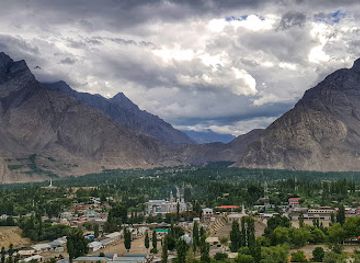
Baltistan’s attractions range from historic settlements and fortresses to high-altitude landscapes that demand serious preparation. Skardu provides access to Kharpocho Fort, Manthal Buddha Rock, Satpara Lake and the cold-desert landscapes around Katpana and Sarfaranga. The Shigar Valley adds Shigar Fort, village terraces and the gateway to Askole, from where trekkers begin demanding approaches towards the Baltoro Glacier and the central Karakoram. East of Skardu, Khaplu combines cultivated valley scenery with Khaplu Palace and routes towards Hushe and the Masherbrum area. Deosai National Park, reached seasonally from the Baltistan side, offers a broad treeless plateau, summer wildflowers and Himalayan wildlife, but its remoteness and altitude require careful planning. The region also supports mountaineering, trekking, jeep excursions, village walks, polo and landscape photography. Many experiences are weather-dependent, and a landmark visible from a road may still be far from medical care or reliable transport, so visitors should distinguish between accessible sightseeing and properly equipped wilderness travel.
-
Resort hotel
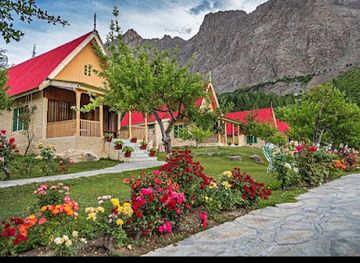
Shangrila Resort Skardu
Discover the enchanting beauty of Shangrila Resort Skardu, where luxury meets nature in the stunning Kachura valley of Pakistan.
-
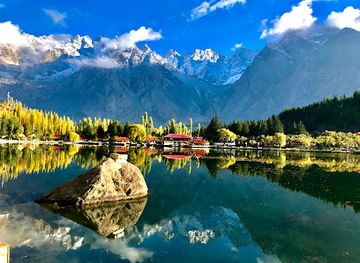
Upper Kachura Lake
Discover the serene beauty of Upper Kachura Lake, a stunning destination in Skardu, surrounded by majestic mountains and crystal-clear waters.
-
Fortress
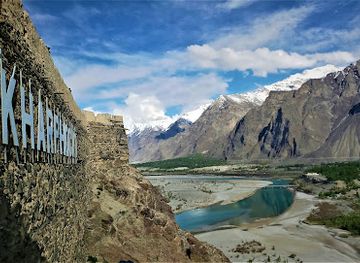
Kharphocho Fort
Explore Kharphocho Fort, a historic fortress in Skardu offering breathtaking views and rich cultural heritage in the heart of Gilgit-Baltistan.
-
Tourist attraction
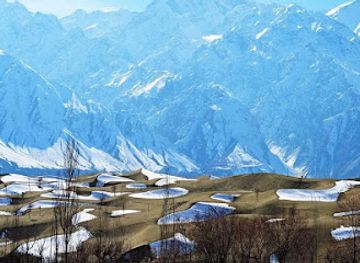
Katpana Desert
Experience the stunning beauty of Katpana Desert, where golden sands and majestic mountains create an unforgettable adventure in Skardu.

Best landmarks in Baltistan
Kharpocho Fort rises above Skardu on a rocky spur, recalling the strategic importance of the valley and providing a commanding view over the Indus plain and town. Shigar Fort, restored as a heritage property, is a notable example of Balti palace architecture, combining stone, timber and regional building traditions in the agricultural Shigar Valley. Khaplu Palace, set above the eastern town of Khaplu, represents the political history of the former local ruling family and is one of Baltistan’s best-known historic buildings. Manthal Buddha Rock, near Skardu, preserves a carved Buddhist image on exposed stone and offers tangible evidence of an earlier religious landscape. The Katpana and Sarfaranga cold deserts are natural landmarks rather than conventional dunes: their pale and sandy terraces sit beside irrigated settlements and dramatic mountain walls. Above Skardu, Satpara Lake forms another defining landscape, while the distant glacier and peak systems reached from Shigar and Hushe give Baltistan its wider mountaineering significance.
-
Tourist attraction
Baltit Fort Hunza
Discover the historic Baltit Fort in Hunza Valley, a UNESCO World Heritage Site showcasing stunning architecture and breathtaking views.
-
Resort hotel
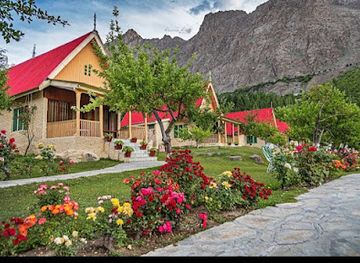
Shangrila Resort Skardu
Experience the breathtaking beauty and luxury of Shangrila Resort Skardu, where nature and comfort come together in perfect harmony.
-
Tourist attraction
Rakaposhi View Point Hotel & Restaurant
Discover breathtaking mountain views and delightful local cuisine at Rakaposhi View Point Hotel & Restaurant in the heart of Ghulmat Nagar, Pakistan.
-
Tourist attraction
Altit Fort
Explore Altit Fort, a historical gem in Hunza, showcasing breathtaking views and rich cultural heritage. A must-visit for history enthusiasts and nature lovers alike.

Explore Baltistan on the map
Plan your trip on one map. See where the top cities, national parks and sights are, and book hotels and experiences in a few clicks.
Best hotels in Baltistan
Best restaurants in Baltistan
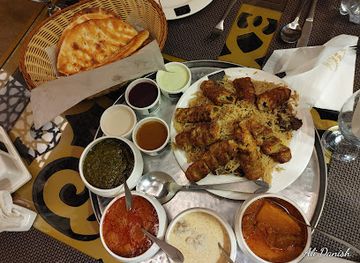
Dining in Baltistan is shaped by mountain agriculture, cold-weather cooking and the food traditions of Balti households. In Skardu, visitors will find simple restaurants, hotel dining rooms, cafés and local eateries serving dishes such as skyu, a substantial pasta-and-vegetable preparation; thukpa, a noodle soup; momos; chapshoro-style filled breads; and different forms of flatbread. Local apricots, walnuts, apples and other orchard produce appear seasonally, while butter tea and other hot drinks suit the cold climate. Meals in Shigar, Khaplu and smaller villages are generally more limited but can provide a closer introduction to home-style Balti cooking when arranged through accommodation or a local host. Pakistani staples such as rice dishes, lentils, kebabs and tea are also widely available. Travellers heading into trekking country should expect basic provisions rather than a broad restaurant choice and should confirm food arrangements in advance.
-
Indian
SHAHI DEWAN
Experience authentic Indian cuisine at Shahi Dewan in Skardu—where every dish tells a story and each meal is a celebration of flavor.
-
Restaurant
Dawat Restaurant
Discover the flavors of Gilgit-Baltistan at Dawat Restaurant, where delicious cuisine meets stunning river views.
-
Restaurant
Hotel Summit & Restaurant
Discover exquisite dining at Hotel Summit & Restaurant in Skardu - where local flavors meet breathtaking mountain views.
-
Restaurant
The Food Corridor
Discover diverse flavors at The Food Corridor in Gilgit – a must-visit restaurant for an authentic culinary experience.
Best bars in Baltistan
Baltistan does not have a conventional bar and nightclub culture, and alcohol is restricted in Pakistan, with additional sensitivity in religious communities. Evening life is centred on family gatherings, hotel restaurants, tea houses, cafés and the sociable atmosphere of Skardu’s main commercial areas. Some hotels and restaurants cater to visitors with indoor dining and occasional cultural or live-music programming, but entertainment is generally quiet and seasonal rather than built around late-night venues. In Shigar, Khaplu and rural valleys, evenings are more likely to involve tea, conversation, stargazing or early rest before a road journey or trek. Visitors should respect local religious norms, avoid public intoxication and never assume that alcohol is available. The clearest night skies are often found away from town, although cold temperatures, limited lighting and remote conditions require sensible preparation.
-
Restaurant
Indus Lodges Gilgit
Discover the perfect blend of local flavors and scenic beauty at Indus Lodges Gilgit, a top restaurant and hotel in the heart of Gilgit-Baltistan.
-
Restaurant
Paradise Hotel & Restaurant, Gilgit
Discover the authentic taste of Gilgit at Paradise Hotel & Restaurant, where every meal is a celebration of local cuisine and stunning river views.
-
Restaurant
Duroyou Inn
Experience the culinary delights and warm hospitality at Duroyou Inn, a hidden gem in Gilgit, blending local flavors with a serene atmosphere.
-
Restaurant
Dawat Restaurant
Experience the authentic flavors of Gilgit-Baltistan at Dawat Restaurant, where culinary traditions meet breathtaking views.
Best nightclubs in Baltistan
Baltistan does not have a conventional bar and nightclub culture, and alcohol is restricted in Pakistan, with additional sensitivity in religious communities. Evening life is centred on family gatherings, hotel restaurants, tea houses, cafés and the sociable atmosphere of Skardu’s main commercial areas. Some hotels and restaurants cater to visitors with indoor dining and occasional cultural or live-music programming, but entertainment is generally quiet and seasonal rather than built around late-night venues. In Shigar, Khaplu and rural valleys, evenings are more likely to involve tea, conversation, stargazing or early rest before a road journey or trek. Visitors should respect local religious norms, avoid public intoxication and never assume that alcohol is available. The clearest night skies are often found away from town, although cold temperatures, limited lighting and remote conditions require sensible preparation.
-
Resort hotel
Shangrila Resort Skardu
Experience unparalleled luxury and breathtaking natural beauty at Shangrila Resort Skardu, your perfect retreat in the heart of Pakistan's stunning landscapes.
-
 Hotel
HotelSerena Shigar Fort
Serena Shigar Fort: A Luxurious Retreat in the Heart of Gilgit-Baltistan, Where History Meets Nature.
-
Hotel
Gilgit Serena Hotel
Discover the perfect blend of luxury and nature at Gilgit Serena Hotel in the heart of Gilgit-Baltistan, a traveler’s paradise.
-
Hotel
North Palace Khaplu
Discover the majestic beauty and rich culture of Khaplu while enjoying a luxurious stay at North Palace Khaplu, a perfect blend of tradition and modern comforts.
Best shops in Baltistan
Skardu is Baltistan’s principal shopping centre, with small markets and independent shops selling practical clothing, trekking supplies, dried fruit, nuts, apricots, local foods and souvenirs. The town is the best place to arrange essentials before travelling to Shigar, Khaplu, Deosai or a trekking trailhead. In rural settlements, shopping is more closely tied to everyday needs, while village crafts and locally made textiles may be available through direct contact or established accommodation rather than dedicated tourist shops. Balti-style caps, woollen items, carved wooden objects, woven goods and regional food products can provide more meaningful souvenirs than generic imported merchandise, but quality and provenance vary. Visitors should ask before photographing or handling handmade goods, bargain politely where bargaining is normal, and remember that transporting fresh produce or restricted natural materials across borders may be regulated. Do not rely on remote valleys for specialist equipment, medicines or substantial gift shopping.
-
International airport
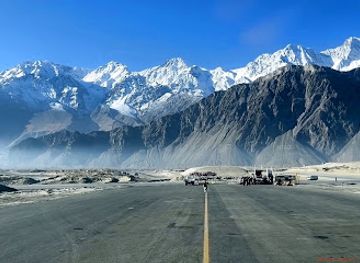
Skardu International Airport
Discover the breathtaking beauty of the Himalayas with Skardu International Airport, your gateway to Gilgit-Baltistan's stunning landscapes and rich culture.
-
Fortress
Kharphocho Fort
Discover the historical Kharphocho Fort in Skardu, a captivating blend of ancient architecture and breathtaking natural beauty.
-
Car rental agency
Karakoram Rent a Car Services
Discover the beauty of Gilgit-Baltistan with Karakoram Rent a Car Services – your gateway to unforgettable adventures in Skardu.
-
Corporate office
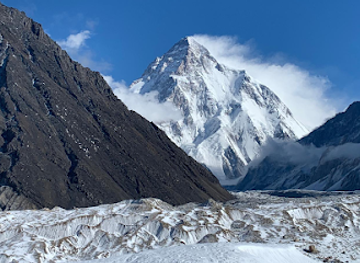
K2 Base Camp Trek Pakistan
Explore the breathtaking K2 Base Camp Trek in Pakistan, where towering peaks and vibrant culture combine for an unforgettable adventure.
Get your free copy of our complete guide to Baltistan, delivered straight to you.
Everything on this page, from attractions and restaurants to essentials and local phrases, in one PDF you can read offline, print or share.
Already have an account? Sign in
Your Baltistan guide is ready.
We'll send it to · Not you? Sign out

Getting your guide ready…
We are putting together a fresh copy of the Baltistan guide. This can take up to a minute.
This can take a few moments. If your browser asks, choose Allow so the download can start. You'll find the guide in your Downloads folder.
Nothing happened? Download it again
Sorry, the guide is taking longer than usual. Please try again in a minute, or get it by email instead.
Baltistan essentials
Currency and Payment
Safety
Emergency Situations
Do's and Don'ts
Local Tips
From Eve
Local phrases worth knowing
You don't need to get them perfect. A few words go a long way, and locals appreciate the effort.
Basics
| English | Local | Say it |
|---|---|---|
| Hello | Assalamualaikum | [As-salamu alaykum] |
| Goodbye | Khuda Hafiz | [Khuda Hafiz] |
| Yes | Haan | [Haan] |
| No | Nahin | [Nahin] |
| Please/You're welcome | Meherbani | [Meherbani] |
| Thank you | Shukriya | [Shukriya] |
| Excuse me/Sorry | Maaf kijiye | [Maaf kijiye] |
| How are you? | Aap kaise hain? | [Aap kaise hain?] |
| Fine. And you? | Theek. Aur aap? | [Theek. Aur aap?] |
| Do you speak English? | Kya aap English bolte hain? | [Kya aap English bolte hain?] |
| I don't understand | Mujhe samajh nahi aata | [Mujhe samajh nahi aata] |
Eating & Drinking
| English | Local | Say it |
|---|---|---|
| I'd like to see the menu, please | Menu dekhna chahta hoon, meherbani | [Menu dekhna chahta hoon, meherbani] |
| I don't eat meat | Main gosht nahi khata | [Main gosht nahi khata] |
| Cheers! | Chalo! | [Chalo!] |
| I would like to pay, please | Main bhugtan karna chahta hoon, meherbani | [Main bhugtan karna chahta hoon, meherbani] |
Emergencies
| English | Local | Say it |
|---|---|---|
| Help! | Madad! | [Madad!] |
| Go away! | Chalo, chale jao! | [Chalo, chale jao!] |
| Call the Police! | Police ko bulao! | [Police ko bulao!] |
| Call a doctor! | Doctor ko bulao! | [Doctor ko bulao!] |
| I'm lost | Main kho gaya hoon | [Main kho gaya hoon] |
| I'm ill | Main beemar hoon | [Main beemar hoon] |
Shopping
| English | Local | Say it |
|---|---|---|
| I'd like to buy... | Main kharidna chahta hoon... | [Main kharidna chahta hoon...] |
| I'm just looking | Main sirf dekh raha hoon | [Main sirf dekh raha hoon] |
| How much is it? | Yeh kitne ka hai? | [Yeh kitne ka hai?] |
| That's too expensive | Yeh bahut mehnga hai | [Yeh bahut mehnga hai] |
| Can you lower the price? | Kya aap daam kam kar sakte hain? | [Kya aap daam kam kar sakte hain?] |
Time & Numbers
| English | Local | Say it |
|---|---|---|
| What time is it? | Kya waqt hai? | [Kya waqt hai?] |
| It's one o'clock | Yeh ek baje hai | [Yeh ek baje hai] |
| Half past (10) | Das baje aadha | [Das baje aadha] |
| Morning | Subah | [Subah] |
| Afternoon | Dopahar | [Dopahar] |
| Evening | Shaam | [Shaam] |
| Yesterday | Kal | [Kal] |
| Today | Aaj | [Aaj] |
| Tomorrow | Kal | [Kal] |
| 1 | Ek | [Ek] |
| 2 | Do | [Do] |
| 3 | Teen | [Teen] |
| 4 | Chaar | [Chaar] |
| 5 | Paanch | [Paanch] |
| 6 | Cheh | [Cheh] |
| 7 | Saat | [Saat] |
| 8 | Aath | [Aath] |
| 9 | Nau | [Nau] |
| 10 | Das | [Das] |
Transport & Directions
| English | Local | Say it |
|---|---|---|
| Where's a/the...? | Kahan hai ...? | [Kahan hai ...?] |
| What's the address? | Pata kya hai? | [Pata kya hai?] |
| Can you show me (on the map)? | Kya aap mujhe dikha sakte hain (nakshe par)? | [Kya aap mujhe dikha sakte hain (nakshe par)?] |
| When's the next (bus)? | Agli (bus) kab hai? | [Agli (bus) kab hai?] |
| A ticket (to ....) | Ek ticket (.... ke liye) | [Ek ticket (.... ke liye)] |
History of Baltistan
Early Settlement and Buddhist Heritage
Baltistan’s valleys have been inhabited for centuries by communities that farmed irrigated terraces, used mountain pastures and maintained links across the highlands. Before the spread of Islam, Buddhism had a significant presence in the region, reflected in rock carvings and monuments such as Manthal Buddha Rock near Skardu. The wider area also stood at a cultural crossroads between the Tibetan plateau, Ladakh, Central Asia and the valleys of the western Himalaya. Surviving inscriptions and place-name traditions provide evidence of changing religious and political influences, although the region’s early history is not documented in a single continuous local chronicle.
The Balti Kingdoms and Tibetan Cultural Links
Medieval and early modern Baltistan was organised around local rulers and valley-based centres, often described collectively through the Balti kingdoms. Political authority was shaped by control of fertile river terraces, settlements and routes through the mountains. Balti language and culture developed within a strongly Tibetan-influenced world, while contacts with Ladakh, Kashmir and Central Asia brought further religious and commercial connections. Forts and palace complexes at places such as Shigar and Khaplu represent the later architectural legacy of these ruling houses, whose authority was closely tied to the geography of separate valleys.
The Spread of Islam
Islam became established in Baltistan over several centuries through the work of travelling scholars, Sufi figures, local patrons and connections with neighbouring Muslim regions. The process was gradual rather than a single conversion event, and older cultural forms continued within a new religious framework. Today, mosques, shrines, village customs and the religious calendar are central to Balti community life. Local Islamic traditions include strong Shia and, in some areas, Noorbakhshi and Sunni influences, with patterns varying between valleys and settlements.
Dogra Expansion in the Nineteenth Century
In the nineteenth century, the Dogra state based in Jammu expanded into the mountain territories associated with the wider kingdom of Jammu and Kashmir. Baltistan was brought under Dogra control after military campaigns in the 1830s and 1840s, changing the region’s political relationships and administrative structures. The conquest connected Baltistan more firmly to the Kashmir state while also placing new demands on local communities. Fortified sites and strategic routes acquired added importance during this period, when control of passes and river valleys mattered to competing powers.
Partition, Conflict and the Northern Areas
The partition of British India in 1947 transformed the political position of Baltistan. Fighting in the wider Jammu and Kashmir conflict brought the region under the administration of Pakistan, while the broader territorial dispute remained unresolved. For much of the later twentieth century, the area was administered as part of Pakistan’s Northern Areas rather than as a province. Its strategic location near the borders and mountain frontiers of China, India and Afghanistan influenced infrastructure, communications and access, while many valleys remained relatively isolated.
Roads, Tourism and Contemporary Gilgit-Baltistan
Improved roads, the Karakoram Highway network and the development of Skardu Airport have gradually made Baltistan more accessible, although travel remains vulnerable to weather and terrain. Mountaineering, trekking and domestic tourism have become important parts of the regional economy, especially around Skardu, Shigar, Hushe and Askole. In the early twenty-first century, the region has been administered as part of Gilgit-Baltistan, with ongoing debate in Pakistan about its constitutional and political status. Modern tourism now sits alongside agriculture, public services and longstanding village economies.
Baltistan in Photos
Browse through our photo collection highlighting the charm and character of the destination.
Neighbouring regions of Baltistan
The closest regions to Baltistan, if you have time for more than one.
-

-

-

-

-


Swipe for more regions
Explore more

Explore more of Pakistan
Discover Pakistan: A land of majestic mountains, rich history, and delicious cuisine, where every journey is an adventure and every moment is filled with wonder.
Explore Pakistan