

Northern Areas, Pakistan Travel Guide
Explore the Northern Areas of Pakistan: Where towering peaks, crystal-clear lakes, and vibrant valleys create a breathtaking adventure for all.
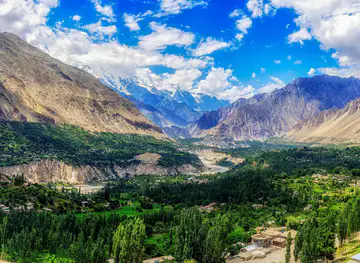
The Northern Areas of Pakistan are a treasure trove of natural beauty and adventure. This stunning region, home to soaring peaks, glistening lakes, and lush valleys, is a paradise for nature lovers and thrill-seekers alike. Nestled between the western Himalayas, the Karakoram Range, and the Hindu Kush, the landscape offers some of the most breathtaking views in the world. One of the most visited spots is Hunza Valley, with its rich culture and history. The valley is famous for its terraced fields, ancient forts, and the warm hospitality of its people. Another highlight is the Fairy Meadows, a lush green plateau that provides an unparalleled view of Nanga Parbat, the world's ninth-highest mountain. Trekking to this idyllic spot is an adventure in itself, rewarding visitors with serene beauty and tranquility. The Northern Areas also boast beautiful lakes like Attabad Lake and the turquoise waters of Sheosar Lake. Each lake has its own unique charm and offers various activities such as boating or simply enjoying the serene surroundings. For those interested in culture, the region has a rich tapestry of traditions, music, and festivals that reflect the diverse heritage of its inhabitants. Whether you are scaling the heights of Rakaposhi or simply wandering through the picturesque valleys, the Northern Areas of Pakistan promise an unforgettable experience.

Know before you go
Hi, I'm Eve. Here are a few practical things to know before exploring Northern Areas.
- Pack warm clothing, even in summer, as temperatures can drop quickly in the mountains.
- Hire a local guide for trekking to ensure safety and to learn about local customs and traditions.
- Visit during the summer months (May to September) for the best weather and accessibility.
- Try the local cuisine, especially dishes like Chapshuro and Hunza bread, for an authentic experience.
- Bring cash, as ATMs are scarce in remote areas and many places do not accept credit cards.
Top City Travel Guides in Northern Areas
The cities of Northern Areas, and the easiest places to base yourself.


Destinations in Northern Areas
Resorts, valleys and scenic spots worth a trip of their own.


Explore Northern Areas: Things to Do, Places to Eat, Hotels & More
Handpicked recommendations for top attractions, local dining, accommodations, and more

Top Attractions & Sightseeing in Northern Areas
Top-rated picks
Best Attractions

Babusar Top
Discover the stunning vistas and exhilarating adventures at Babusar Top, Pakistan's breathtaking mountain pass at 14,100 feet.

Baltit Fort Hunza
Discover the beauty and history of Baltit Fort, a monumental treasure in Pakistan's Hunza Valley, offering stunning views and rich cultural heritage.

Rakaposhi View Point Hotel & Restaurant
Experience breathtaking vistas of Rakaposhi and Nanga Parbat at Rakaposhi View Point Hotel & Restaurant, a gem in the heart of Hunza Valley.

Altit Fort
Discover the rich history and breathtaking views at Altit Fort, a cultural treasure in the heart of Hunza Valley, Pakistan.

Best landmarks in Northern Areas
Top-rated picks
Best Landmarks

Shakarparian National Park
Experience the serene beauty and rich history of Shakarparian National Park, a must-visit destination in Islamabad, Pakistan.

Lahore Fort
Discover the grandeur of Lahore Fort, a UNESCO World Heritage Site showcasing Mughal architecture and rich history in the heart of Lahore, Pakistan.

Daman-e-Koh
Discover the breathtaking views of Islamabad from Daman-e-Koh, a scenic overlook in the Margalla Hills perfect for hiking and relaxation.

Pakistan Monument
Explore the breathtaking Pakistan Monument, a tribute to the nation's heritage, located in the scenic Shakarparian Hills of Islamabad.

Best restaurants in Northern Areas
Top-rated picks
Best Restaurants

Yak Grill
Discover Yak Grill in Passu: where exquisite flavors meet breathtaking mountain views for an unforgettable dining experience.

Hidden Paradise Hunza - Restaurant
Savor organic delights while enjoying breathtaking mountain views at Hidden Paradise Hunza – a must-visit culinary destination.

Rafsal restaurant
Discover exquisite flavors at Rafsal Restaurant in Skardu - where local cuisine meets breathtaking mountain views.

Magpie Nest
Experience the fusion of Asian flavors and Italian classics at Magpie Nest, your ultimate dining destination in Ali Abad.

Best bars in Northern Areas
Top-rated picks
Best Bars

Rakaposhi View Point Hotel & Restaurant
Experience breathtaking views and delicious local cuisine at Rakaposhi View Point Hotel & Restaurant, a must-visit destination for every traveler.

Indus Lodges Gilgit
Experience the perfect blend of local flavors and breathtaking views at Indus Lodges Gilgit, your culinary retreat in the heart of Gilgit-Baltistan.

SHAHI DEWAN
Experience authentic Indian cuisine at Shahi Dewan, a culinary gem in Skardu, known for its rich flavors and inviting atmosphere.

Paradise Hotel & Restaurant, Gilgit
Discover the culinary treasures at Paradise Hotel & Restaurant in Gilgit, where every meal is a delightful journey through local and international flavors.

Best nightclubs in Northern Areas
Top-rated picks
Best Nightclubs

Islamabad Club
Discover luxurious leisure at Islamabad Club, a premier country club offering exquisite dining, recreation, and stunning views in Pakistan's capital.

Shangrila Resort Skardu
Immerse yourself in luxury and natural beauty at Shangrila Resort Skardu, a serene escape in the heart of Pakistan's mountainous landscape.

The French Club 21
Discover the vibrant nightlife at The French Club 21, a stylish club in Islamabad offering lively music and a unique French ambiance.

Club
Discover Lahore's vibrant disco club, where pulsating beats and a lively atmosphere create unforgettable nightlife experiences.

Best shops in Northern Areas
Top-rated picks
Best Shops

'FAATEH, Super Store
Discover local flavors and essentials at FAATEH Super Store, a grocery haven in the heart of Gilgit.

Hussain General Store
Discover authentic local products and unique handicrafts at Hussain General Store in Skardu, a shopping haven in the heart of Gilgit-Baltistan.

Gilgit Hunza Arts & Crafts International
Explore the vibrant artistry of Gilgit Hunza Arts & Crafts International, where local craftsmanship meets cultural heritage in a shopping paradise.

Gilgit Organics
Experience the freshest organic produce at Gilgit Organics in Gilgit-Baltistan, where sustainability meets local flavor.

Explore Northern Areas on the Map
A handpicked selection of must-see spots in Northern Areas, mapped for you.
Northern Areas Essentials
-
The Northern Areas of Pakistan, also known as Gilgit-Baltistan, are accessible by both air and road. The main entry point by air is Gilgit Airport, which has regular flights from Islamabad. Skardu Airport also offers flights from Islamabad and is a gateway to the Baltistan region. By road, the Karakoram Highway (KKH) connects Islamabad to Gilgit and Skardu. The journey by road can be long and arduous but offers breathtaking scenery.
-
Within the Northern Areas, transportation options include local buses, jeeps, and taxis. Jeeps are commonly used for navigating the rugged terrain and are available for hire in major towns like Gilgit, Skardu, and Hunza. Public buses and vans connect the major towns but may be less reliable. Renting a car with a local driver is another option for exploring the region at your own pace.
-
The official currency in Pakistan is the Pakistani Rupee (PKR). While credit cards are accepted in some hotels and larger shops, it is advisable to carry cash, especially in remote areas. ATMs are available in towns like Gilgit and Skardu but may be limited in more rural areas. It is a good idea to withdraw sufficient cash in major cities before heading into the Northern Areas.
-
The Northern Areas of Pakistan are generally safe for tourists, but it is essential to exercise caution. Avoid travelling alone at night and be aware of your surroundings. The region has a low crime rate, but petty theft can occur. Always keep your belongings secure and avoid flashing valuables. There are no specific high-crime areas targeting tourists, but staying vigilant is always advisable.
-
In case of an emergency, dial the local emergency number 1122 for medical and rescue services. Major towns like Gilgit and Skardu have hospitals and clinics, but facilities may be limited in remote areas. It is recommended to have travel insurance that covers medical emergencies. Pharmacies are available in major towns for over-the-counter medications.
-
Fashion: Do dress modestly; both men and women should avoid revealing clothing. Women should consider wearing a scarf in conservative areas. Religion: Do respect local customs and traditions, especially when visiting mosques and religious sites. Public Transport: Do be respectful and give up your seat to elderly passengers. Don't eat or drink on public transport. Greetings: Do greet people with a smile and a 'Salam Alaikum'. A handshake is common, but be mindful that physical contact between genders may be avoided. Eating & Drinking: Do try local delicacies and accept food offerings graciously. Don't refuse hospitality, as it is considered impolite.
-
To experience the Northern Areas like a local, visit the local bazaars where you can buy traditional handicrafts and fresh produce. Engage with locals, as they are often friendly and willing to share stories about their culture and history. Don't miss visiting the ancient forts in Hunza and Skardu, as well as the stunning landscapes of Fairy Meadows and Deosai National Park. For a unique experience, try to attend a local festival or event.
When is the best time to visit Northern Areas?
Useful Local Phrases for Northern Areas
You don't need to speak the language perfectly. Even learning a few simple words can make conversations warmer—and locals usually appreciate the effort.
— Eve

Here are the phrases I use most often in Northern Areas. Try a few—you'll be surprised how far they go! 😊
❤️
-
- Helloسلام
[Salam] - Goodbyeخدا حافظ
[Khuda Hafiz] - Yesجی ہاں
[Ji haan] - Noنہیں
[Nahin] - Please/You're welcomeبراہ کرم/خوش آمدید
[Barah-e-Karam/Khush Amadeed] - Thank youشکریہ
[Shukriya] - Excuse me/Sorryمعاف کریں/معاف کیجیے
[Maaf karein/Maaf kijiye] - How are you?آپ کیسے ہیں؟
[Aap kaise hain?] - Fine. And you?ٹھیک ہوں، اور آپ؟
[Theek hun, aur aap?] - Do you speak English?کیا آپ انگریزی بولتے ہیں؟
[Kya aap Angrezi bolte hain?] - I don't understandمجھے سمجھ نہیں آتا
[Mujhe samajh nahin aata]
- Helloسلام
-
- I'd like to see the menu, pleaseبراہ کرم مینو دکھائیں
[Barah-e-Karam menu dikhain] - I don't eat meatمیں گوشت نہیں کھاتا
[Main gosht nahin khata] - Cheers!چئیرز!
[Cheers!] - I would like to pay, pleaseبراہ کرم میں ادا کرنا چاہوں گا
[Barah-e-Karam main ada karna chahoon ga]
- I'd like to see the menu, pleaseبراہ کرم مینو دکھائیں
-
- Help!مدد کریں!
[Madad karein!] - Go away!چلے جاؤ!
[Chalay jao!] - Call the Police!پولیس کو بلائیں!
[Police ko bulain!] - Call a doctor!ڈاکٹر کو بلائیں!
[Doctor ko bulain!] - I'm lostمیں کھو گیا ہوں
[Main kho gaya hun] - I'm illمیں بیمار ہوں
[Main bimaar hun]
- Help!مدد کریں!
-
- I'd like to buy...میں خریدنا چاہتا ہوں...
[Main khareedna chahta hun...] - I'm just lookingمیں صرف دیکھ رہا ہوں
[Main sirf dekh raha hun] - How much is it?یہ کتنے کا ہے؟
[Yeh kitne ka hai?] - That's too expensiveیہ بہت مہنگا ہے
[Yeh bohat mehnga hai] - Can you lower the price?کیا آپ قیمت کم کر سکتے ہیں؟
[Kya aap qeemat kam kar sakte hain?]
- I'd like to buy...میں خریدنا چاہتا ہوں...
-
- What time is it?کتنے بجے ہیں؟
[Kitne baje hain?] - It's one o'clockیہ ایک بجے ہیں
[Yeh aik baje hain] - Half past (10)ساڑھے (10)
[Saadhe (10)] - Morningصبح
[Subah] - Afternoonدوپہر
[Dopahar] - Eveningشام
[Shaam] - Yesterdayکل
[Kal] - Todayآج
[Aaj] - Tomorrowکل
[Kal] - 1ایک
[Aik] - 2دو
[Do] - 3تین
[Teen] - 4چار
[Char] - 5پانچ
[Paanch] - 6چھ
[Chay] - 7سات
[Saat] - 8آٹھ
[Aath] - 9نو
[Nau] - 10دس
[Das]
- What time is it?کتنے بجے ہیں؟
-
- Where's a/the...?کہاں ہے؟
[Kahan hai?] - What's the address?پتہ کیا ہے؟
[Pata kya hai?] - Can you show me (on the map)?کیا آپ مجھے دکھا سکتے ہیں؟
[Kya aap mujhe dikha sakte hain?] - When's the next (bus)?اگلی (بس) کب ہے؟
[Agle (bus) kab hai?] - A ticket (to ....)ایک ٹکٹ (کی طرف)
[Aik ticket (ki taraf)]
- Where's a/the...?کہاں ہے؟
History of Northern Areas
-
The Northern Areas of Pakistan, particularly Gilgit-Baltistan, were integral parts of the ancient Silk Route that connected China with the Middle East and Europe. Traders, monks, and pilgrims traversed this route for centuries, leaving behind a rich tapestry of cultural and religious influences. The remnants of Buddhist stupas, petroglyphs, and ancient scripts etched into the rocks tell stories of a vibrant past when this region was a thriving hub of commerce and culture.
-
The Northern Areas are home to numerous Buddhist relics dating back to the 3rd century. The famous Kargah Buddha, a rock sculpture near Gilgit, and the remains of Buddhist monasteries in Skardu and Hunza valleys, indicate that Buddhism once flourished in this region. These historical artifacts highlight the region's importance as a spiritual and cultural crossroads in ancient times.
-
Hunza Valley, often described as a paradise on earth, has a rich history governed by the Mirs of Hunza. The Mirs were the hereditary rulers who maintained semi-autonomy under the suzerainty of the British Empire and later Pakistan. The Baltit and Altit forts in Hunza stand as grand monuments to their rule, showcasing a blend of Tibetan, Chinese, and Central Asian architectural styles.
-
During the British Colonial era, the Northern Areas held strategic importance due to their proximity to China and the Russian Empire. The British established several garrisons and conducted numerous expeditions to survey the region. The construction of the Gilgit Game Preservation Department and the establishment of the Gilgit Scouts were significant steps to assert control and manage the region's wildlife and natural resources.
-
Completed in 1978, the Karakoram Highway (often referred to as the 'Eighth Wonder of the World') is a marvel of modern engineering that connects Pakistan to China through the Khunjerab Pass. The highway traces many sections of the ancient Silk Route and has opened up the Northern Areas to tourism and trade, significantly impacting the region's socio-economic landscape.
-
The Northern Areas are a melting pot of cultures, languages, and traditions. The Shina, Burushaski, and Wakhi languages are spoken here, each with its own unique folklore and traditions. Festivals like the Shandur Polo Festival and the Navroz (New Year) celebrations highlight the region's cultural richness. The people of this region, predominantly Ismaili Muslims, are known for their hospitality and vibrant traditions.
Neighbouring Regions of Northern Areas
The closest regions to Northern Areas, if you have time for more than one.


Your all‑in‑one travel companion app
Explore expert travel guides, compare and book tours, experiences, hotels, and more—all from the palm of your hand. Download now for seamless trip planning wherever your wanderlust takes you.


Explore More of Pakistan

Looking beyond Northern Areas? Discover Pakistan for broader travel guides, local hot-spots, and regional highlights.
Explore PakistanNorthern Areas in Photos
Browse through our photo collection highlighting the charm and character of the destination.


The Majestic Northern Areas of Pakistan
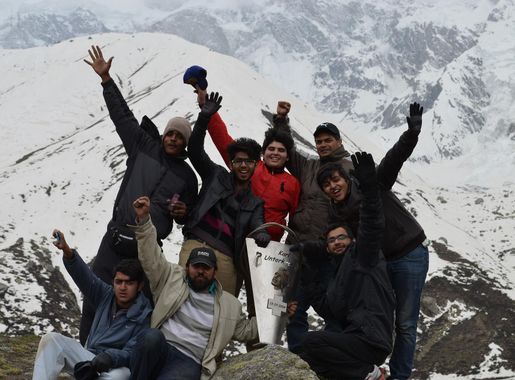
The Northern Areas of Pakistan are a treasure trove of natural beauty and adventure. This stunning region, home to soaring peaks, glistening lakes, and lush valleys, is a paradise for nature lovers and thrill-seekers alike. Nestled between the western Himalayas, the Karakoram Range, and the Hindu Kush, the landscape offers some of the most breathtaking views in the world. One of the most visited spots is Hunza Valley, with its rich culture and history. The valley is famous for its terraced fields, ancient forts, and the warm hospitality of its people. Another highlight is the Fairy Meadows, a lush green plateau that provides an unparalleled view of Nanga Parbat, the world's ninth-highest mountain. Trekking to this idyllic spot is an adventure in itself, rewarding visitors with serene beauty and tranquility. The Northern Areas also boast beautiful lakes like Attabad Lake and the turquoise waters of Sheosar Lake. Each lake has its own unique charm and offers various activities such as boating or simply enjoying the serene surroundings. For those interested in culture, the region has a rich tapestry of traditions, music, and festivals that reflect the diverse heritage of its inhabitants. Whether you are scaling the heights of Rakaposhi or simply wandering through the picturesque valleys, the Northern Areas of Pakistan promise an unforgettable experience.