

Hunza Valley, Pakistan Travel Guide
Discover the enchanting Hunza Valley in Pakistan, where breathtaking landscapes meet rich cultural heritage, offering a perfect blend of adventure and tranquility.
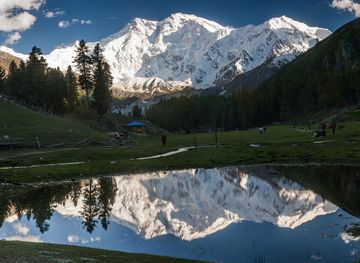
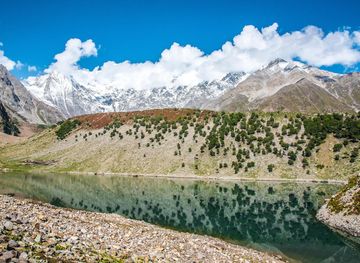
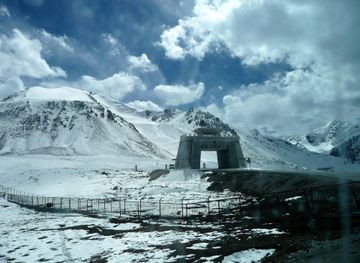
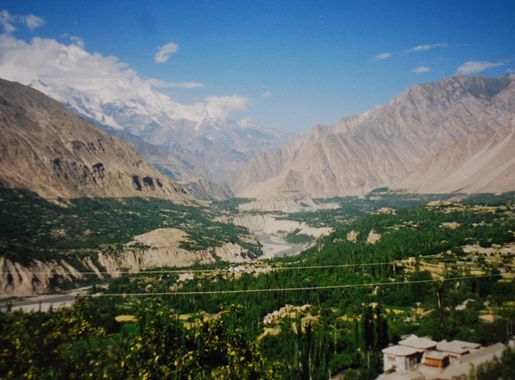
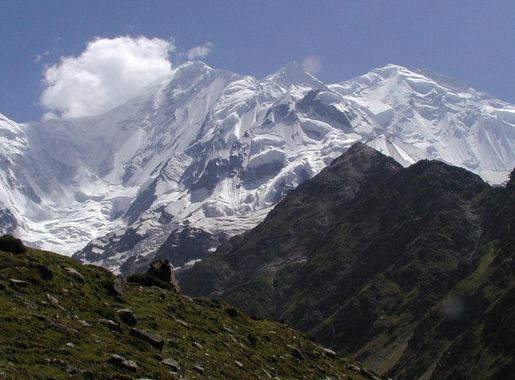
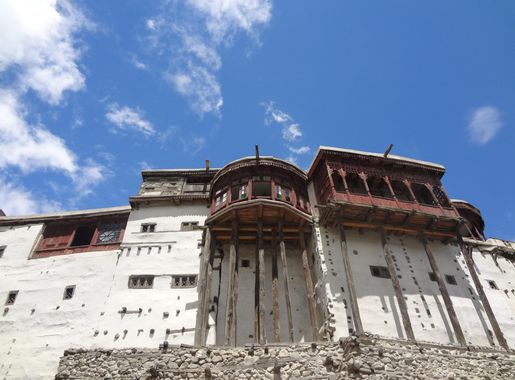
Hunza Valley is a breathtaking destination nestled in the mountainous region of Gilgit-Baltistan in Pakistan. Known for its stunning landscapes, the valley is surrounded by towering peaks, including some of the highest in the world like Rakaposhi and Ultar Sar. The beauty of Hunza lies in its lush green terraces, crystal clear rivers, and the vibrant culture of the local people. The valley is divided into three regions: Upper Hunza, Central Hunza, and Lower Hunza. Each region has its unique charm and attractions. Upper Hunza, also known as Gojal, is famous for its serene lakes and dramatic mountain scenery. Central Hunza, where the main town Karimabad is located, is known for its historical sites like Baltit Fort and Altit Fort, offering a glimpse into the rich history of the area. Lower Hunza is known for its fruit orchards and traditional villages. Hunza Valley is not just about its natural beauty; it is also a paradise for adventure enthusiasts. From trekking and hiking to rock climbing and mountaineering, the valley offers a range of outdoor activities. The famous Karakoram Highway, which passes through Hunza, provides a thrilling journey with spectacular views. For those who seek a more relaxed experience, the local bazaars and eateries offer a taste of the local cuisine and hospitality.

Know before you go
Hi, I'm Eve. Here are a few practical things to know before exploring Hunza Valley.
- Best time to visit is from April to October when the weather is pleasant and the valley is in full bloom.
- Stay hydrated and acclimate yourself to the altitude, especially if you plan on trekking or hiking.
- Local fruits like apricots, cherries, and apples are a must-try during your visit.
- Carry cash, as ATMs and card payment facilities are limited in the valley.
- Respect the local culture by dressing modestly and seeking permission before taking photographs of people.
Top City Travel Guides in Hunza Valley
The cities of Hunza Valley, and the easiest places to base yourself.

Destinations in Hunza Valley
Resorts, valleys and scenic spots worth a trip of their own.


Explore Hunza Valley: Things to Do, Places to Eat, Hotels & More
Handpicked recommendations for top attractions, local dining, accommodations, and more

Top Attractions & Sightseeing in Hunza Valley
Top-rated picks
Best Attractions

Baltit Fort Hunza
Discover the historical grandeur and breathtaking vistas of Baltit Fort, a UNESCO World Heritage Site in the heart of Hunza Valley.

Rakaposhi View Point Hotel & Restaurant
Experience breathtaking views and delicious local cuisine at the Rakaposhi View Point Hotel & Restaurant in Ghulmat Nagar, Pakistan.

Altit Fort
Explore Altit Fort in Hunza, a historical landmark that combines breathtaking views with rich cultural heritage and ancient architecture.
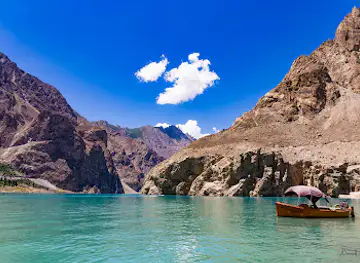
Attabad Lake
Discover the tranquil beauty of Attabad Lake in Hunza Valley, where turquoise waters meet majestic mountains, perfect for adventure and relaxation.

Best landmarks in Hunza Valley
Top-rated picks
Best Landmarks
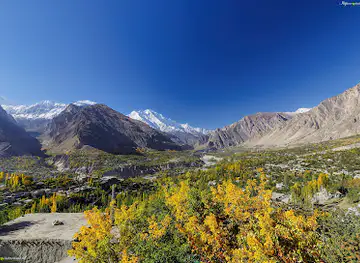
Baltit Fort Hunza
Experience the rich heritage and stunning vistas of Baltit Fort, a historic gem in the heart of Hunza Valley, Gilgit-Baltistan.

Rakaposhi View Point Hotel & Restaurant
Experience breathtaking mountain views and delightful local cuisine at the Rakaposhi View Point Hotel & Restaurant in Ghulmet, Pakistan.

Altit Fort
Explore Altit Fort: A historical gem in Hunza Valley with stunning architecture, breathtaking views, and rich cultural heritage awaiting your discovery.
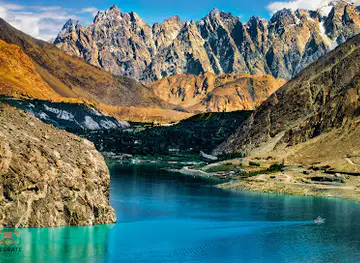
Passu Cones Viewpoint
Discover the breathtaking beauty of Passu Cones Viewpoint in Gilgit-Baltistan, where stunning mountain landscapes meet serene nature.

Best restaurants in Hunza Valley
Top-rated picks
Best Restaurants

Karakoram Highway Inn Hunza
Experience unparalleled views and delightful local cuisine at Karakoram Highway Inn Hunza - your gateway to adventure in Pakistan's breathtaking landscapes.

Yak Grill
Experience authentic local cuisine with breathtaking views at Yak Grill in Hunza Valley—where every meal is a feast for your senses.

Rewayat Restaurant Ganish Hunza
Experience authentic Pakistani cuisine with breathtaking views at Rewayat Restaurant in Ganish Hunza.

Glacier Breeze
Discover delightful flavors at Glacier Breeze - your perfect dining destination in Passu's stunning landscapes.

Best bars in Hunza Valley
Top-rated picks
Best Bars

Karakoram Highway Inn Hunza
Experience the breathtaking beauty of Hunza Valley at Karakoram Highway Inn, your perfect retreat along the world's most scenic highway.

Rewayat Restaurant Ganish Hunza
Experience authentic Pakistani cuisine amidst breathtaking views at Rewayat Restaurant in Hunza.

Pizza Pamir
Experience the best pizza in Hunza Valley at Pizza Pamir, where stunning views meet delicious flavors for an unforgettable dining experience.

Glacier Breeze
Indulge in delightful baked goods and café favorites at Glacier Breeze, surrounded by the stunning landscapes of Passu, Gilgit-Baltistan.

Best nightclubs in Hunza Valley
Top-rated picks
Best Nightclubs

Rakaposhi View Point Hotel & Restaurant
Experience stunning mountain views and delicious local cuisine at Rakaposhi View Point Hotel & Restaurant in Ghulmat, Pakistan.

Eagle's Nest Hotel
Discover the breathtaking beauty of Hunza Valley at Eagle's Nest Hotel, where comfort meets stunning mountain views.

Luxus Hunza Attabad Lake Resort
Discover luxury and natural beauty at the Luxus Hunza Attabad Lake Resort, a premier destination in the stunning Hunza Valley.

Hard Rock Hunza-High Rock Hunza Resort & Villas
Discover the luxury of Hard Rock Hunza, where breathtaking views and exceptional service create an unforgettable escape in the heart of Hunza Valley.

Best shops in Hunza Valley
Top-rated picks
Best Shops

Rakaposhi View Point Hotel & Restaurant
Discover breathtaking views and authentic cuisine at Rakaposhi View Point Hotel & Restaurant, the perfect stop for nature lovers and food enthusiasts.

Karimabad Bazar
Discover the vibrant Karimabad Bazar, where local crafts, delicious cuisine, and stunning mountain views create an unforgettable experience in Hunza.

Beautiful Hunza Dry Fruits
Experience the authentic flavors of the Hunza Valley with exquisite dry fruits and nuts at Beautiful Hunza Dry Fruits.

Shop De Hunza
Discover the best of organic produce at Shop De Hunza, where health meets local flavor in the heart of Sadiqabad.

Explore Hunza Valley on the Map
A handpicked selection of must-see spots in Hunza Valley, mapped for you.
Hunza Valley Essentials
-
Hunza Valley is located in the Gilgit-Baltistan region of Pakistan. The nearest major airport is Gilgit Airport, which is about 100 kilometers away. You can take a direct flight from Islamabad to Gilgit, which takes around 1 hour. From Gilgit, you can hire a taxi or take a local bus to reach Hunza Valley. The journey by road from Islamabad to Hunza Valley is approximately 20 hours, so it is advisable to break the journey into parts.
-
Within Hunza Valley, local transportation options include taxis, jeeps, and minibuses. Many of the attractions are spread out, so hiring a taxi or jeep for the day can be convenient. Public minibuses are available and are a budget-friendly option, but they can be crowded. Renting a car is also an option, but be prepared for winding mountain roads.
-
The official currency in Pakistan is the Pakistani Rupee (PKR). While some hotels and larger businesses in Hunza Valley accept credit cards, it is advisable to carry cash, especially for smaller establishments and local markets. ATMs are available in the main towns like Karimabad, but it is wise to withdraw sufficient cash in larger cities before heading to remote areas.
-
Hunza Valley is generally considered a safe destination for tourists. However, standard precautions should be taken. Avoid walking alone at night in unfamiliar areas and keep an eye on your belongings in crowded places. There are no specific high-crime areas targeting tourists, but it is always best to stay vigilant and aware of your surroundings.
-
In case of emergency, dial 1122 for immediate assistance. The local police station and medical facilities are available in Karimabad and other main towns. It is recommended to have travel insurance that covers medical emergencies. For minor health issues, there are pharmacies in the main towns where you can purchase over-the-counter medications.
-
Fashion: Do dress modestly, especially when visiting religious sites. Avoid wearing revealing clothing. Religion: Do respect local customs and traditions. Always cover your head when entering mosques and religious sites. Public Transport: Do be respectful and give up your seat to elderly passengers. Don't eat or drink on public transport. Greetings: Do greet people with a handshake. A slight bow of the head is also a sign of respect. Eating & Drinking: Do try local delicacies and accept food offerings graciously. Don't refuse hospitality, as it is considered impolite.
-
To experience Hunza Valley like a local, visit the local markets where you can buy fresh produce and traditional handicrafts. Engage with locals, as they are often friendly and willing to share stories about the area's history and culture. Don't miss visiting the ancient Baltit and Altit forts, which offer insights into the region's rich history. For a unique experience, try to time your visit with local festivals such as the Ginani Festival, where you can witness traditional dances and music.
When is the best time to visit Hunza Valley?
Useful Local Phrases for Hunza Valley
You don't need to speak the language perfectly. Even learning a few simple words can make conversations warmer—and locals usually appreciate the effort.
— Eve

Here are the phrases I use most often in Hunza Valley. Try a few—you'll be surprised how far they go! 😊
❤️
-
- Helloسلام
[Salam] - Goodbyeخدا حافظ
[Khuda Hafiz] - Yesجی ہاں
[Ji Haan] - Noنہیں
[Nahi] - Please/You’re welcomeبراہ کرم/خوش آمدید
[Barah Karam/Khosh Aamdeed] - Thank youشکریہ
[Shukriya] - Excuse me/Sorryمعاف کیجیے/معاف کریں
[Maaf Kijiye/Maaf Karen] - How are you?آپ کیسے ہیں؟
[Aap Kaise Hain?] - Fine. And you?ٹھیک ہوں۔ اور آپ؟
[Theek Hoon. Aur Aap?] - Do you speak English?کیا آپ انگریزی بولتے ہیں؟
[Kya Aap Angrezi Bolte Hain?] - I don't understandمجھے سمجھ نہیں آتا
[Mujhe Samajh Nahi Aata]
- Helloسلام
-
- I’d like to see the menu, pleaseبراہ کرم مینو دکھائیں
[Barah Karam Menu Dikhain] - I don't eat meatمیں گوشت نہیں کھاتا
[Main Gosht Nahi Khata] - Cheers!سلامتی!
[Salamati!] - I would like to pay, pleaseبراہ کرم، میں ادائیگی کرنا چاہتا ہوں
[Barah Karam, Main Adaigi Karna Chahta Hoon]
- I’d like to see the menu, pleaseبراہ کرم مینو دکھائیں
-
- Help!مدد!
[Madad!] - Go away!چلے جائیں!
[Chalay Jain!] - Call the Police!پولیس کو بلائیں!
[Police Ko Bulain!] - Call a doctor!ڈاکٹر کو بلائیں!
[Doctor Ko Bulain!] - I’m lostمیں کھو گیا ہوں
[Main Kho Gaya Hoon] - I’m illمیں بیمار ہوں
[Main Bimar Hoon]
- Help!مدد!
-
- I’d like to buy...میں خریدنا چاہتا ہوں...
[Main Kharidna Chahta Hoon...] - I’m just lookingمیں صرف دیکھ رہا ہوں
[Main Sirf Dekh Raha Hoon] - How much is it?یہ کتنا ہے؟
[Yeh Kitna Hai?] - That’s too expensiveیہ بہت مہنگا ہے
[Yeh Bohat Mehnga Hai] - Can you lower the price?کیا آپ قیمت کم کر سکتے ہیں؟
[Kya Aap Qeemat Kam Kar Sakte Hain?]
- I’d like to buy...میں خریدنا چاہتا ہوں...
-
- What time is it?کیا وقت ہوا ہے؟
[Kya Waqt Hua Hai?] - It’s one o'clockیہ ایک بجے ہیں
[Yeh Ek Baje Hain] - Half past (10)ساڑھے دس بجے
[Saadhe Das Baje] - Morningصبح
[Subah] - Afternoonدوپہر
[Dopahar] - Eveningشام
[Shaam] - Yesterdayکل
[Kal] - Todayآج
[Aaj] - Tomorrowکل
[Kal] - 1ایک
[Ek] - 2دو
[Do] - 3تین
[Teen] - 4چار
[Chaar] - 5پانچ
[Paanch] - 6چھ
[Chhay] - 7سات
[Saat] - 8آٹھ
[Aath] - 9نو
[Nau] - 10دس
[Das]
- What time is it?کیا وقت ہوا ہے؟
-
- Where's a/the...?کہاں ہے ...؟
[Kahan Hai...?] - What's the address?پتہ کیا ہے؟
[Pata Kya Hai?] - Can you show me (on the map)?کیا آپ مجھے (نقشے پر) دکھا سکتے ہیں؟
[Kya Aap Mujhe (Naqshe Par) Dikhai Sakte Hain?] - When's the next (bus)?اگلی (بس) کب ہے؟
[Agli (Bus) Kab Hai?] - A ticket (to ....)ایک ٹکٹ (کی طرف ...)
[Ek Ticket (Ki Taraf...)]
- Where's a/the...?کہاں ہے ...؟
History of Hunza Valley
-
The Hunza Valley, nestled in the Karakoram mountain range, has been inhabited for thousands of years. Archaeological evidence suggests that the region was first settled by early human communities around 3000 BCE. These early inhabitants were primarily pastoralists and farmers who took advantage of the valley's fertile soil and abundant water resources.
-
Hunza Valley was an important stop on the ancient Silk Road, the trade route that connected China with the Mediterranean. Caravans carrying silk, spices, and other precious goods passed through the valley, leaving behind a rich cultural tapestry. This strategic location not only facilitated trade but also brought diverse influences from Central Asia, Persia, and China.
-
The Hunza Valley was historically ruled by local chieftains known as Mirs. The state of Hunza was formally established in the late 15th century, and the Mir's authority extended over the valley and its surrounding areas. The Mirs maintained their autonomy through strategic alliances and military prowess, often engaging in skirmishes with neighboring states.
-
In the late 19th century, the British Empire expanded its influence into the region as part of the Great Game—a political and diplomatic confrontation between the British and Russian empires. In 1891, British forces launched a military campaign to subdue the Hunza Valley, ultimately incorporating it into the British Indian Empire. This period brought significant changes, including the introduction of modern infrastructure and administrative reforms.
-
After the partition of British India in 1947, the Hunza Valley became part of the newly formed state of Pakistan. The semi-autonomous status of Hunza continued until 1974, when the Pakistani government abolished the princely states, fully integrating Hunza into the national framework. This period saw further development in terms of education, health, and infrastructure.
-
The people of Hunza Valley, primarily the Burusho and Wakhi ethnic groups, have a rich cultural heritage. They speak unique languages such as Burushaski and Wakhi, and their traditions include music, dance, and festivals like the annual Baba Ghundi Festival. The valley is also known for its exceptional longevity, with many residents living well into their 90s and beyond, often attributed to a healthy diet and active lifestyle.
-
Today, Hunza Valley is a popular tourist destination, renowned for its stunning landscapes, historical forts like Baltit and Altit, and vibrant local culture. The valley continues to attract visitors from around the world, drawn by its natural beauty and the warmth of its people. Efforts are ongoing to balance tourism development with the preservation of the valley's unique cultural and environmental heritage.
Neighbouring Regions of Hunza Valley
The closest regions to Hunza Valley, if you have time for more than one.


Your all‑in‑one travel companion app
Explore expert travel guides, compare and book tours, experiences, hotels, and more—all from the palm of your hand. Download now for seamless trip planning wherever your wanderlust takes you.


Explore More of Pakistan

Looking beyond Hunza Valley? Discover Pakistan for broader travel guides, local hot-spots, and regional highlights.
Explore PakistanHunza Valley in Photos
Browse through our photo collection highlighting the charm and character of the destination.







Hunza Valley: A Gem in the Mountains of Pakistan
Hunza Valley is a breathtaking destination nestled in the mountainous region of Gilgit-Baltistan in Pakistan. Known for its stunning landscapes, the valley is surrounded by towering peaks, including some of the highest in the world like Rakaposhi and Ultar Sar. The beauty of Hunza lies in its lush green terraces, crystal clear rivers, and the vibrant culture of the local people. The valley is divided into three regions: Upper Hunza, Central Hunza, and Lower Hunza. Each region has its unique charm and attractions. Upper Hunza, also known as Gojal, is famous for its serene lakes and dramatic mountain scenery. Central Hunza, where the main town Karimabad is located, is known for its historical sites like Baltit Fort and Altit Fort, offering a glimpse into the rich history of the area. Lower Hunza is known for its fruit orchards and traditional villages. Hunza Valley is not just about its natural beauty; it is also a paradise for adventure enthusiasts. From trekking and hiking to rock climbing and mountaineering, the valley offers a range of outdoor activities. The famous Karakoram Highway, which passes through Hunza, provides a thrilling journey with spectacular views. For those who seek a more relaxed experience, the local bazaars and eateries offer a taste of the local cuisine and hospitality.