

Free Loreto Travel Guide & Mobile App
Explore Loreto with free travel guides. Discover regional history, expert tips, proposed trips, and audio guides on web or mobile app.


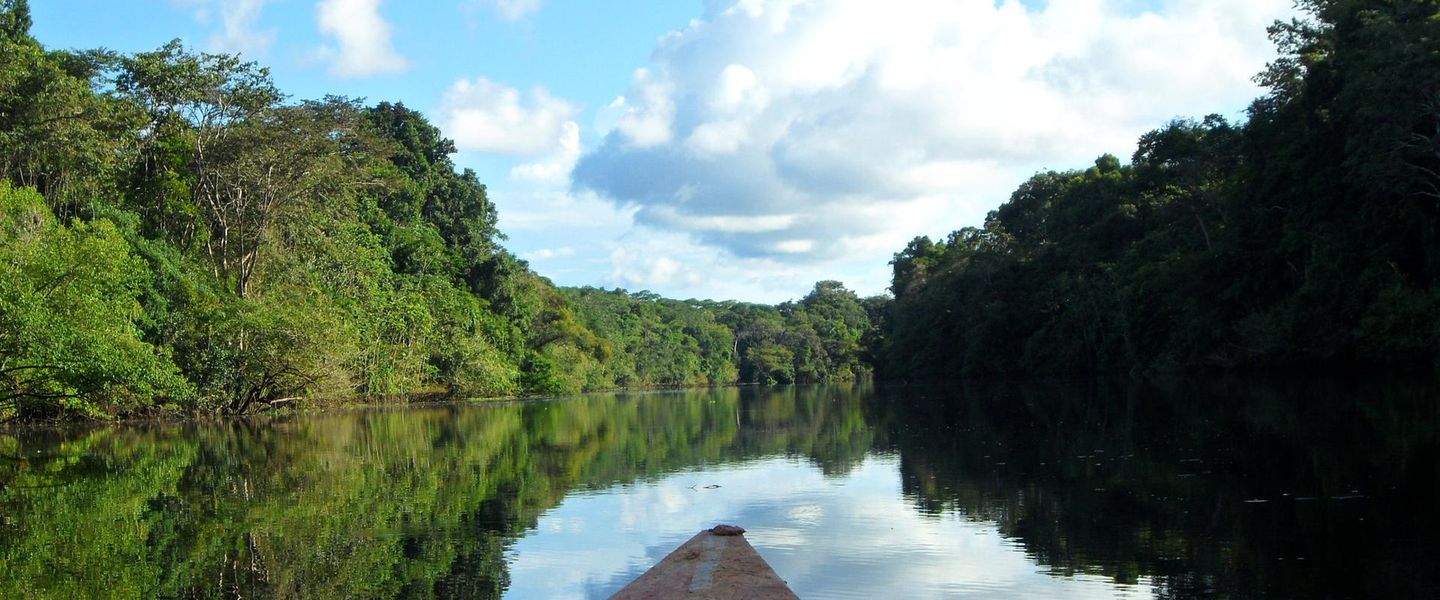


Explore Loreto through Iquitos, Amazon River journeys, wildlife reserves, Indigenous culture and rainforest landscapes shaped by water.
Read more about Loreto
When is the best time to visit Loreto?
Best: June–August · 31°C| Month | High (°C) | Rainfall (mm) |
|---|---|---|
| January | 31 | 201 |
| February | 31 | 191 |
| March | 31 | 181 |
| April | 31 | 171 |
| May | 31 | 161 |
| June (best) | 31 | 151 |
| July (best) | 31 | 141 |
| August (best) | 31 | 151 |
| September | 31 | 161 |
| October | 31 | 171 |
| November | 31 | 181 |
| December | 31 | 191 |
Getting to and around Loreto
How to get there
Transportation
Top city travel guides in Loreto
The cities of Loreto, and the easiest places to base yourself.
-

-
-


Swipe for more cities
Destinations in Loreto
Resorts, valleys and scenic spots worth a trip of their own.
-

-

-

-

-


Swipe for more destinations
Best attractions in Loreto
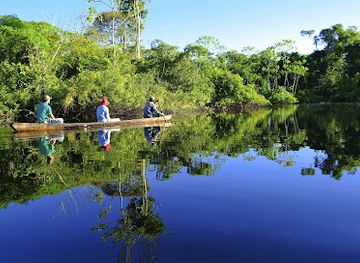
Loreto’s attractions centre on rivers, rainforest and the cultural life of Iquitos. In the city, visitors can explore the historic centre, the Malecón Tarapacá, the Casa de Fierro and the Museo Amazónico, whose displays introduce the region’s Indigenous peoples and colonial history. Belén market and its riverside neighbourhood offer a more everyday view of commerce, although guided visits are advisable. The Quistococha tourist complex, just outside Iquitos, combines a lake, forest setting and recreational facilities, while the Centro de Rescate Amazónico focuses on the rehabilitation of rescued Amazonian animals. The region’s principal natural experiences lie farther out: Pacaya-Samiria National Reserve offers canoe journeys, flooded forest, lakes and community-linked excursions, and Allpahuayo-Mishana National Reserve protects unusual white-sand forest close to the city. River lodges and boat trips may include birdwatching, nocturnal outings, fishing, forest walks and searches for pink and grey dolphins. Conditions vary markedly with water levels, and genuine wildlife encounters depend on patience rather than guarantees. Nauta provides a useful river gateway south of Iquitos, while smaller riverside communities reveal how transport, fishing and cultivation remain integrated with the seasonal Amazon landscape.
-
Park
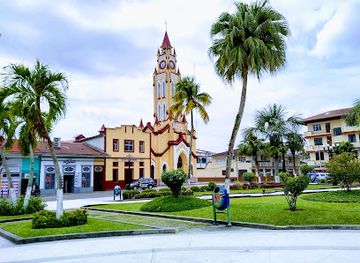
Iquitos Square
Experience the vibrant heart of Iquitos, Peru, at Iquitos Square, a lush park surrounded by rich culture and stunning architecture.
-
Animal rescue service
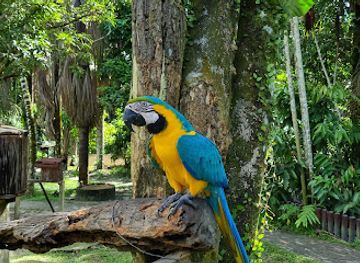
Centro de Rescate Amazónico / Amazon Rescue Center
Explore the Amazon Rescue Center: A sanctuary dedicated to rehabilitating wildlife and fostering conservation in the heart of the Amazon rainforest.
-
National park
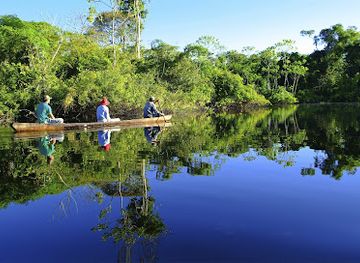
Reserva Nacional Pacaya Samiria
Experience the breathtaking biodiversity of Reserva Nacional Pacaya Samiria, a haven for wildlife and nature lovers in the heart of the Amazon.
-
Park
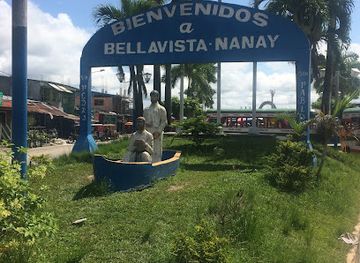
Plaza Bellavista Nanay
Explore the lush landscapes and vibrant culture of Plaza Bellavista Nanay, a serene park in Iquitos perfect for relaxation and local experiences.
Best landmarks in Loreto
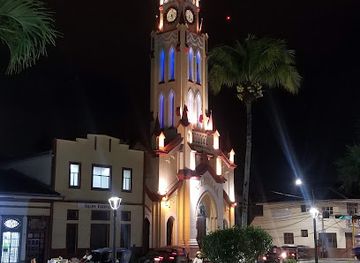
The Casa de Fierro is Iquitos’s most recognisable architectural landmark, an imported iron structure associated with the wealth and international connections of the rubber era. Around the Plaza de Armas, the city’s cathedral and surrounding civic buildings form the core of the historic centre, while the Museo Amazónico occupies a former military building and provides a cultural counterpoint to the commercial architecture. The Malecón Tarapacá is a prominent urban edge overlooking the Itaya River and helps explain Iquitos’s relationship with water and trade. In the wider region, the Amazon and its tributaries are geographical landmarks rather than single monuments: their shifting channels, floodplains and meeting points define settlement and travel. The extensive wetlands of Pacaya-Samiria National Reserve are especially significant, with lakes and flooded forests shaped by the seasonal rise and fall of the rivers. Allpahuayo-Mishana’s white-sand forest is less visually monumental but scientifically important, supporting habitats and plant communities that differ from the surrounding lowland forest.
-
Park
Iquitos Square
Discover Iquitos Square, a lush park and cultural hub in the heart of Iquitos, Peru, perfect for relaxation and local exploration.
-
Market
Mercado Belén
Experience the vibrant culture and flavors of the Amazon at Mercado Belén, a bustling market in Iquitos, Peru.
-
Animal rescue service
Centro de Rescate Amazónico / Amazon Rescue Center
Discover the Amazon Rescue Center, a vital wildlife sanctuary dedicated to rehabilitating and conserving the unique fauna of the Amazon rainforest.
-
National park
Reserva Nacional Pacaya Samiria
Explore the breathtaking biodiversity and stunning landscapes of Reserva Nacional Pacaya Samiria, a top destination for nature lovers and adventure seekers in Peru.
Explore Loreto on the map
Plan your trip on one map. See where the top cities, national parks and sights are, and book hotels and experiences in a few clicks.
Best hotels in Loreto
Best restaurants in Loreto
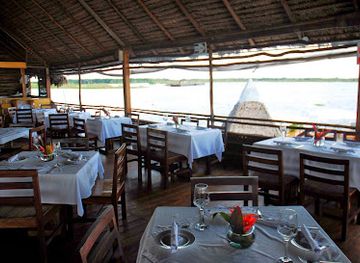
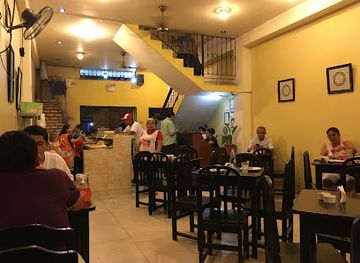
Loreto’s cooking is shaped by freshwater fish, forest produce and ingredients cultivated along the rivers. Paiche, a large Amazonian fish, is widely served where legally sourced, while doncella and other river fish may appear grilled, fried or prepared in stews. Juane, a seasoned rice-and-chicken or fish preparation wrapped in bijao leaves, and tacacho made from pounded green plantain are familiar Amazonian dishes, often accompanied by yuca, plantain and chilli sauces. Ají charapita, cocona and camu camu add distinctive regional flavours, and aguaje is a common fruit in markets and drinks. Iquitos offers everything from market stalls and juice counters to modest cevicherías, cafés, traditional restaurants and contemporary dining rooms. Food markets are useful for seeing the breadth of local produce, although visitors should choose cooked food carefully and drink treated or bottled water. Outside the city, lodge meals are generally planned around available regional ingredients, with menus shaped by supply and season rather than by a large choice of restaurants.
-
Peruvian
Al Frio y al Fuego
Discover the rich flavors of Peru at Al Frio y al Fuego, where culinary tradition meets breathtaking views in an unforgettable dining experience.
-
Restaurant
Blanquita
Experience the vibrant flavors of Peru at Blanquita in Iquitos—where local ingredients meet exceptional culinary artistry.
-
Restaurant
La Casa De Las Enchiladas
Experience authentic Peruvian cuisine at La Casa De Las Enchiladas in Iquitos - where every bite tells a story.
-
Restaurant
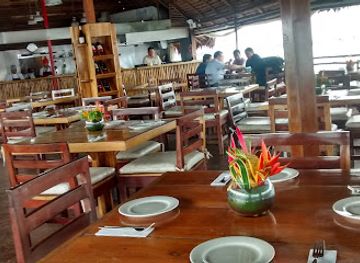
Embarcadero Restaurante Al Frío y al Fuego
Experience exquisite Peruvian cuisine with breathtaking views at Embarcadero Restaurante Al Frío y al Fuego in Iquitos.
Best bars in Loreto
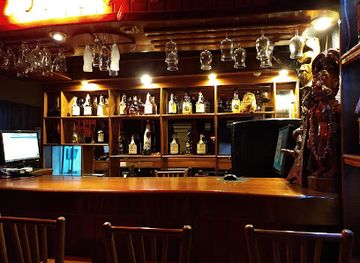
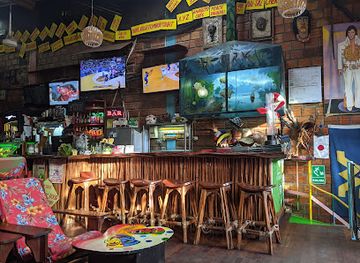
Evening life in Loreto is concentrated in Iquitos, where neighbourhood bars, restaurants, cevicherías, karaoke venues and establishments playing Amazonian and national music provide the main after-dark options. The historic centre and streets near the Plaza de Armas have the greatest concentration of places to eat and drink, while the riverside offers a slower setting for an evening stroll and a meal. Mototaxi traffic and late-night movement call for ordinary urban caution. Nightlife becomes much quieter in Nauta, riverside communities and rainforest lodges, where the evening usually consists of dinner, conversation, a guided night walk or listening to the forest rather than clubbing. Some lodges serve beer, wine or regional fruit drinks, but availability is limited by supplies and responsible operators discourage excessive drinking before boat trips or forest excursions.
-
Restaurant
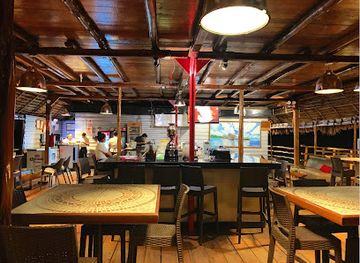
Embarcadero Restaurante Al Frío y al Fuego
Experience the culinary delights of Iquitos at Embarcadero Restaurante Al Frío y al Fuego, where stunning river views meet exquisite flavors.
-
Restaurant
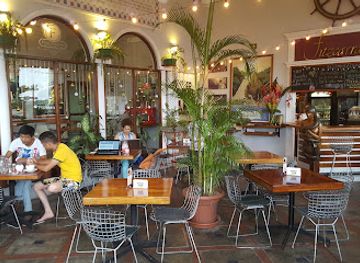
Restaurante Fitzcarraldo
Discover the essence of Amazonian cuisine at Restaurante Fitzcarraldo in Iquitos, where every dish tells a story of tradition and flavor.
-
Bar
El Musmuqui
Experience the lively nightlife of Iquitos at El Musmuqui, where great drinks and friendly vibes await in a vibrant bar atmosphere.
-
Restaurant
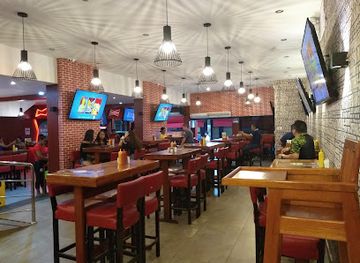
THE YELLOW ROSE OF TEXAS RESTAURANT
Discover a culinary oasis in Iquitos at The Yellow Rose of Texas Restaurant, where diverse flavors meet a vibrant atmosphere.
Best nightclubs in Loreto
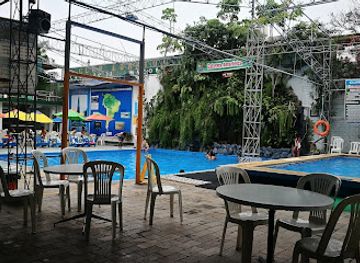
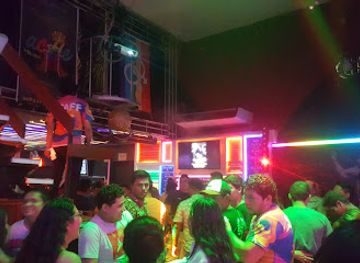
Evening life in Loreto is concentrated in Iquitos, where neighbourhood bars, restaurants, cevicherías, karaoke venues and establishments playing Amazonian and national music provide the main after-dark options. The historic centre and streets near the Plaza de Armas have the greatest concentration of places to eat and drink, while the riverside offers a slower setting for an evening stroll and a meal. Mototaxi traffic and late-night movement call for ordinary urban caution. Nightlife becomes much quieter in Nauta, riverside communities and rainforest lodges, where the evening usually consists of dinner, conversation, a guided night walk or listening to the forest rather than clubbing. Some lodges serve beer, wine or regional fruit drinks, but availability is limited by supplies and responsible operators discourage excessive drinking before boat trips or forest excursions.
-
Restaurant
Club Loreto
Experience the rich flavors of Peruvian cuisine at Club Loreto, a charming restaurant in Lima, perfect for tourists and locals alike.
-
Bar
A Chelear
Experience the vibrant nightlife and local culture at A Chelear, Iquitos' premier bar with a lively atmosphere and exceptional drinks.
-
Disco club
Paradise Discotec
Discover Yurimaguas' nightlife at Paradise Discotec, where music and dance come alive in a vibrant setting for an unforgettable experience.
-
Night club
Qiu Club
Discover the electrifying atmosphere of Qiu Club, a premier night club in Lince, where music, dance, and unforgettable nights await.


Best shops in Loreto
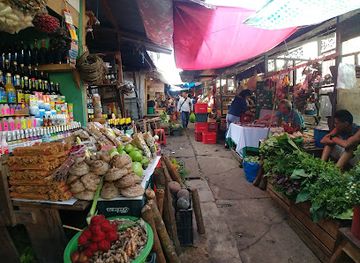
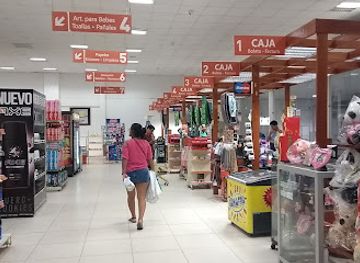
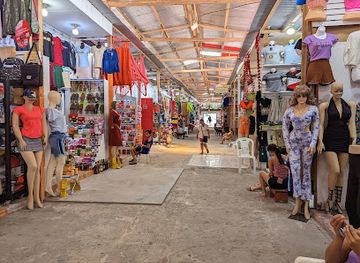
Shopping in Loreto is most distinctive in Iquitos, where markets and small independent shops offer fruits, spices, plantain products, fish, woven goods, carved objects and regional foodstuffs. Belén market is a major place to observe Amazonian commerce, but it is busy and informal, and visitors should take care with belongings and avoid buying products made from protected wildlife or undocumented timber. Craft purchases are best made through reputable organisations or community-linked sellers who can explain materials and the maker’s work. Hammocks, woven items, ceramics, paintings and jewellery may be available, although styles and quality vary. Supermarkets and specialist food shops in central Iquitos are useful for packaged regional products such as fruit preserves, sauces and drinks. Outside the city, shopping is limited and usually connected to community stalls or local produce rather than conventional retail. Cash in small sol notes remains useful, and respectful bargaining should never reduce a fair price for handmade work to an unreasonable level.
-
Market
Mercado Belén
Explore Mercado Belén in Iquitos: A bustling market filled with local flavors, crafts, and cultural experiences that celebrate the Amazonian spirit.
-
Supermarket
Supermarket Pacific Market
Experience the vibrant flavors and culture of Iquitos at Supermarket Pacific Market, your ultimate destination for local products and delightful eateries.
-
Shopping mall
Sachachorro Mall
Explore Sachachorro Mall in Iquitos for a unique shopping experience blending modern retail with local culture.
-
Shopping mall
Alfa teacher Store
Discover unique local goods and educational materials at Alfa Teacher Store in Iquitos, a vibrant shopping destination reflecting Amazonian culture.
Get your free copy of our complete guide to Loreto, delivered straight to you.
Everything on this page, from attractions and restaurants to essentials and local phrases, in one PDF you can read offline, print or share.
Already have an account? Sign in
Your Loreto guide is ready.
We'll send it to · Not you? Sign out

Getting your guide ready…
We are putting together a fresh copy of the Loreto guide. This can take up to a minute.
This can take a few moments. If your browser asks, choose Allow so the download can start. You'll find the guide in your Downloads folder.
Nothing happened? Download it again
Sorry, the guide is taking longer than usual. Please try again in a minute, or get it by email instead.
Loreto essentials
Currency and Payment
Safety
Emergency Situations
Do's and Don'ts
Local Tips
From Eve
Local phrases worth knowing
You don't need to get them perfect. A few words go a long way, and locals appreciate the effort.
Basics
| English | Local | Say it |
|---|---|---|
| Hello | Hola | [O-la] |
| Goodbye | Adiós | [A-dee-os] |
| Yes | Sí | [See] |
| No | No | [No] |
| Please/You're welcome | Por favor/De nada | [Por fa-vor/De na-da] |
| Thank you | Gracias | [Gra-thias] |
| Excuse me/Sorry | Perdón | [Per-don] |
| How are you? | ¿Cómo estás? | [Ko-mo es-tas] |
| Fine. And you? | Bien. ¿Y tú? | [Bee-en. E tu] |
| Do you speak English? | ¿Hablas inglés? | [A-blas in-gleis] |
| I don't understand | No entiendo | [No en-tien-do] |
Eating & Drinking
| English | Local | Say it |
|---|---|---|
| I'd like to see the menu, please | Me gustaría ver el menú, por favor | [Me gus-ta-ria ver el me-nu, por fa-vor] |
| I don't eat meat | No como carne | [No co-mo car-ne] |
| Cheers! | ¡Salud! | [Sa-lud] |
| I would like to pay, please | Me gustaría pagar, por favor | [Me gus-ta-ria pa-gar, por fa-vor] |
Emergencies
| English | Local | Say it |
|---|---|---|
| Help! | ¡Ayuda! | [A-yu-da] |
| Go away! | ¡Vete! | [Ve-te] |
| Call the Police! | ¡Llama a la policía! | [Ya-ma a la po-li-cia] |
| Call a doctor! | ¡Llama a un médico! | [Ya-ma a un me-di-co] |
| I'm lost | Estoy perdido | [Es-toy per-di-do] |
| I'm ill | Estoy enfermo | [Es-toy en-fer-mo] |
Shopping
| English | Local | Say it |
|---|---|---|
| I'd like to buy... | Me gustaría comprar... | [Me gus-ta-ria com-prar] |
| I'm just looking | Solo estoy mirando | [So-lo es-toy mi-ran-do] |
| How much is it? | ¿Cuánto cuesta? | [Kwan-to kwes-ta] |
| That's too expensive | Eso es muy caro | [E-so es muy ca-ro] |
| Can you lower the price? | ¿Puedes bajar el precio? | [Pwe-des ba-har el pre-cio] |
Time & Numbers
| English | Local | Say it |
|---|---|---|
| What time is it? | ¿Qué hora es? | [Ke o-ra es] |
| It's one o'clock | Es la una | [Es la u-na] |
| Half past (10) | Y diez y media | [Y diez y me-dia] |
| Morning | Mañana | [Ma-ña-na] |
| Afternoon | Tarde | [Tar-de] |
| Evening | Noche | [No-che] |
| Yesterday | Ayer | [A-yer] |
| Today | Hoy | [Hoy] |
| Tomorrow | Mañana | [Ma-ña-na] |
| 1 | Uno | [U-no] |
| 2 | Dos | [Dos] |
| 3 | Tres | [Tres] |
| 4 | Cuatro | [Kwa-tro] |
| 5 | Cinco | [Sin-ko] |
| 6 | Seis | [Seis] |
| 7 | Siete | [Sye-te] |
| 8 | Ocho | [O-cho] |
| 9 | Nueve | [Nwe-ve] |
| 10 | Diez | [Dyez] |
Transport & Directions
| English | Local | Say it |
|---|---|---|
| Where's a/the...? | ¿Dónde está...? | [Don-de es-ta] |
| What's the address? | ¿Cuál es la dirección? | [Kwal es la di-rec-ción] |
| Can you show me (on the map)? | ¿Puedes mostrarme (en el mapa)? | [Pwe-des mos-trar-me (en el ma-pa)] |
| When's the next (bus)? | ¿Cuándo es el próximo (bus)? | [Kwan-do es el pro-xi-mo] |
| A ticket (to ....) | Un boleto (a....) | [Un bo-le-to] |
History of Loreto
Indigenous river cultures before European rule
Long before Spanish arrival, the forests and rivers of present-day Loreto supported numerous Indigenous societies with detailed knowledge of flood cycles, soils, plants, fish and medicinal resources. Rather than forming a single political unit, the region contained communities with different languages, territories and systems of exchange. River travel connected settlements and helped shape patterns of fishing, horticulture and trade. Contemporary Indigenous peoples, including communities belonging to groups such as the Kukama, Kichwa, Bora and Yagua, preserve distinctive cultural traditions, although their modern circumstances have also been shaped by land rights, mission history and resource extraction.
Missions and the colonial Amazon
From the seventeenth century, Jesuit missionaries established settlements and mission networks along major Amazonian rivers, seeking to convert and administer Indigenous populations within the Spanish colonial system. These missions brought new religious institutions, crops, animals and political pressures, while epidemics and forced relocations caused severe disruption to existing communities. After the Jesuits were expelled from Spanish territories in the eighteenth century, other colonial authorities and religious orders continued to influence the region. Iquitos developed as an important settlement during this period, later becoming the principal urban centre of the Peruvian Amazon.
Iquitos and the rubber boom
The extraction of wild rubber transformed Loreto during the late nineteenth and early twentieth centuries, when global demand for rubber made Iquitos a wealthy and internationally connected river port. Commercial fortunes financed imported materials, ornate civic buildings and ambitious private houses, including the Casa de Fierro. This prosperity depended on the coercion, violence and exploitation of Indigenous labour, whose human cost is fundamental to understanding the period. When rubber production shifted towards Asian plantations, Loreto’s boom declined, but the architecture and unequal social legacy of the era remain visible in Iquitos.
Loreto as a Peruvian frontier region
The modern department of Loreto was established in the nineteenth century as Peru consolidated its authority in the Amazon basin. River transport, military presence and administrative institutions strengthened connections between Iquitos and the national government, although the region remained geographically isolated from Peru’s Pacific-facing cities. Border questions with neighbouring countries also gave Iquitos strategic importance. Its position on the Amazon helped it maintain commercial links with Brazil and Colombia, making the city a regional centre whose outlook has always been shaped by international river geography as well as by Lima.
Petroleum, roads and resource extraction
During the twentieth century, petroleum exploration and production brought new infrastructure, employment and investment to parts of Loreto, while also generating environmental disputes and serious concerns about pollution and the rights of Indigenous communities. Logging, fishing and other extractive activities likewise influenced the regional economy. These developments did not replace the importance of river transport or forest-based livelihoods, but they added new pressures to a complex landscape. Contemporary debates in Loreto frequently connect conservation with territorial rights, responsible resource use and the need for services in remote communities.
Conservation and the modern Amazonian economy
The establishment of protected areas marked a major shift in how parts of Loreto were managed. Pacaya-Samiria National Reserve, created in 1982, protects an extensive wetland and forest ecosystem between major rivers, while Allpahuayo-Mishana National Reserve safeguards distinctive white-sand habitats near Iquitos. Ecotourism, scientific research and community-based conservation now form part of the region’s economic landscape, alongside fishing, agriculture and commerce. The result is not a simple division between untouched forest and developed city, but an ongoing negotiation between biodiversity protection, local livelihoods and regional development.
Loreto in Photos
Browse through our photo collection highlighting the charm and character of the destination.
Neighbouring regions of Loreto
The closest regions to Loreto, if you have time for more than one.
-

-

-

-

-


Swipe for more regions
Explore more

Explore more of Peru
Discover the wonders of Peru: ancient ruins, stunning landscapes, and a vibrant culture that will captivate your heart and soul.
Explore Peru