

Tambomachay Travel Guide
Free Guide: Discover the enchanting Tambomachay, the Incan water temple showcasing advanced aqueducts and stunning terraced landscapes near Cusco, Peru.


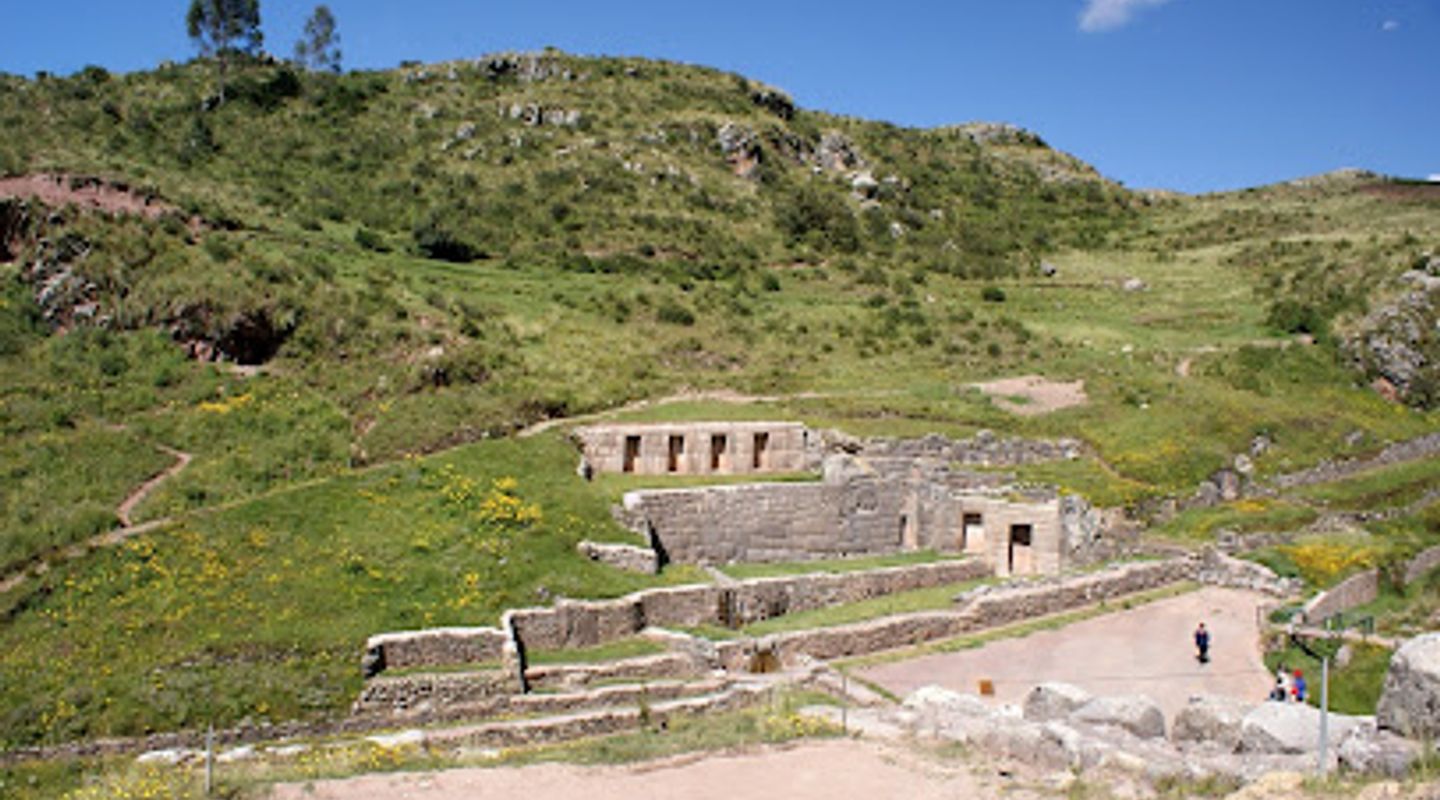
A brief summary of Tambomachay
Discover the enchanting Tambomachay, the Incan water temple showcasing advanced aqueducts and stunning terraced landscapes near Cusco, Peru.
Nestled in the serene Andean hills, Tambomachay is an archaeological gem that showcases the advanced water management systems of the Inca civilization. Known as the 'Baths of the Inca', this site features stunning aqueducts, waterfalls, and terraced gardens, making it a must-visit for tourists exploring the rich history of Peru.
Opening hours
- Every day7 am–5:30 pm
Opening hours as listed on the venue’s Google Business Profile. Hours can change for services and special events, so check with the venue before you go.
- Address
- G2CM+2C5, Cusco 08000
- Phone
Getting there
Car
Public Transportation
Discover more about Tambomachay
Overview
Tambomachay, often referred to as the 'Baths of the Inca', is a breathtaking archaeological site located just a short distance from the vibrant city of Cusco. This ancient Incan water temple is renowned for its remarkable terraced structures and intricate aqueduct systems that showcase the advanced engineering skills of the Inca civilization. As you wander through the site, you will be captivated by the beauty of the natural landscape, with cascading waterfalls that create a serene atmosphere amidst the rugged Andes. The site consists of several platforms, each adorned with expertly cut stone walls, and features a series of fountains that still flow water today, believed to have held significant spiritual importance for the Incas. Visitors can marvel at the craftsmanship of the stonework and the strategic placement of the site, which highlights the Inca's deep connection to water as a vital resource. Tambomachay is not just a place to observe ancient architecture; it is a living testament to the ingenuity of a civilization that thrived in harmony with nature. When visiting Tambomachay, take your time to explore the surrounding areas, where lush greenery and stunning mountain views provide the perfect backdrop for photography and reflection. The site also serves as a gateway to other nearby attractions, making it an ideal stop on your journey through the Sacred Valley. Whether you are a history buff or simply seeking to experience the tranquility of the Andes, Tambomachay promises a memorable adventure steeped in rich cultural heritage.
Evendo Review Centre
 Google
Guest reviews
Explore Tambomachay on the map
A handpicked selection of must-see spots near Tambomachay, mapped for you.
Get your free copy of our complete guide to Tambomachay, delivered straight to you.
Everything on this page, from opening hours and how to get there to Eve’s tips and the best time to go, in one PDF you can read offline, print or share.
Already have an account? Sign in
Your Tambomachay guide is ready.
We'll send it to · Not you? Sign out

Getting your guide ready…
We are putting together a fresh copy of the Tambomachay guide. This can take up to a minute.
This can take a few moments. If your browser asks, choose Allow so the download can start. You'll find the guide in your Downloads folder.
Nothing happened? Download it again
Sorry, the guide is taking longer than usual. Please try again in a minute, or get it by email instead.
Unlock the best of Tambomachay
Skip-the-line tickets, guided tours with entry, and walking tours of the area, booked in a few clicks.




Other nearby places you may find interesting
The closest places of the same kind, if this one is not quite what you had in mind.
-
-
-
-
-


Swipe for more places
More to explore near Tambomachay

 Best experiences near Tambomachay
 Best hotels near Tambomachay
 Best landmarks near Tambomachay
 Best attractions near Tambomachay
 Best shops near Tambomachay
 Best restaurants near Tambomachay
 Best bars near Tambomachay
Do you manage this location?
Take control to get all the benefits, like improved information, better appearance, and stronger visibility across AI-powered discovery.
Explore more

Explore more of Sacred Valley
Discover the Sacred Valley of Peru: A blend of ancient Inca heritage, vibrant culture, and breathtaking Andean landscapes.
Explore Sacred Valley
Explore more of Peru
Discover the wonders of Peru: ancient ruins, stunning landscapes, and a vibrant culture that will captivate your heart and soul.
Explore Peru
