

Free Trás-os-Montes Travel Guide & Mobile App
Explore Trás-os-Montes with free travel guides. Discover regional history, expert tips, proposed trips, and audio guides on web or mobile app.


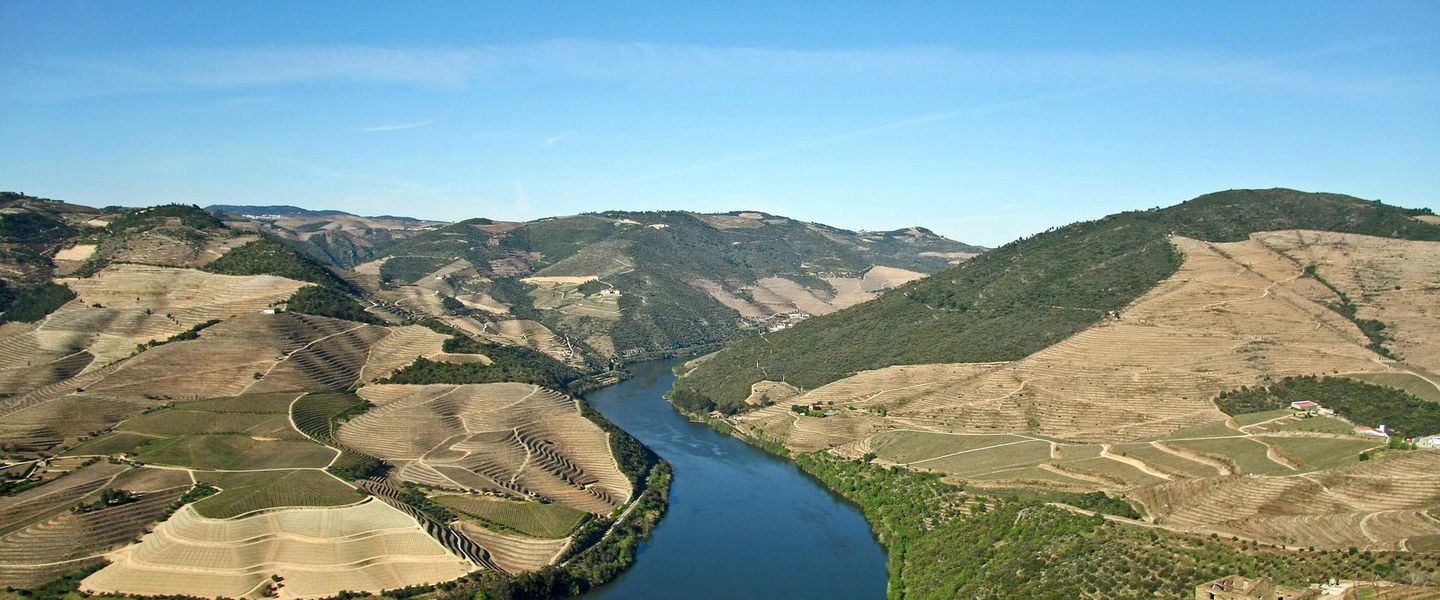


Explore Trás-os-Montes for mountain villages, frontier castles, wild river valleys, thermal heritage and some of Portugal’s most distinctive inland food.
Read more about Trás-os-Montes
When is the best time to visit Trás-os-Montes?
Best: June, August–September · 26–30°C| Month | High (°C) | Rainfall (mm) |
|---|---|---|
| January | 10 | 60 |
| February | 12 | 50 |
| March | 16 | 55 |
| April | 18 | 70 |
| May | 22 | 60 |
| June (best) | 27 | 30 |
| July | 31 | 20 |
| August (best) | 30 | 25 |
| September (best) | 26 | 50 |
| October | 21 | 60 |
| November | 15 | 70 |
| December | 11 | 65 |
Getting to and around Trás-os-Montes
How to get there
Transportation
Top city travel guides in Trás-os-Montes
The cities of Trás-os-Montes, and the easiest places to base yourself.
-

-

-

-

-

-


Swipe for more cities
Destinations in Trás-os-Montes
Resorts, valleys and scenic spots worth a trip of their own.
-

-

-

-

-


Swipe for more destinations
Best attractions in Trás-os-Montes
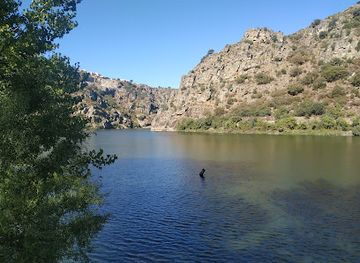
Trás-os-Montes offers a broad but widely dispersed mix of heritage, nature and rural experiences. Bragança’s citadel and museums introduce the region’s political and cultural history, while the nearby Montesinho landscape provides walking routes, traditional villages, oak woodland and opportunities for observing wildlife. Chaves combines Roman remains with thermal heritage, and the town is a useful base for exploring the Tâmega valley. Mirandela is associated with olive-growing country and the Tua valley, where viewpoints and rural roads reveal the contrasts between cultivated slopes and deep river scenery. In the east, Miranda do Douro and the International Douro Nature Park bring together fortified settlements, dramatic gorges, birdwatching and border culture. Mogadouro and surrounding villages offer further access to the plateau and the park’s open landscapes. The Alvão and Marão ranges near Vila Real provide mountain scenery and outdoor activities, while the Mateus estate near Vila Real adds a major example of regional baroque architecture and landscaped gardens. Across the region, small museums, churches, mills, food producers and village festivals reward visitors who allow time between the principal towns.
-
National park
Parque Nacional Peneda-Gerês
Explore Portugal's only national park, Parque Nacional Peneda-Gerês, and immerse yourself in stunning landscapes, rich biodiversity, and local culture.
-
Tourist attraction
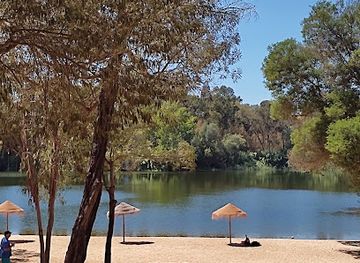
River Beach Ribeira
Discover the tranquil beauty of River Beach Ribeira, a picturesque destination in Azibo, perfect for relaxation and outdoor adventures.
-
Castle
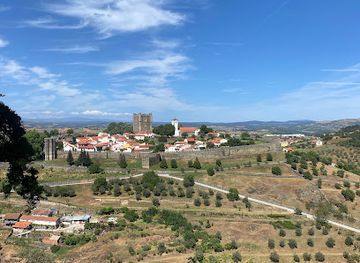
Castle Bragança
Discover the majestic Castle of Bragança, a historical gem in Portugal that offers stunning views and rich cultural heritage for all visitors.
-
Amusement center
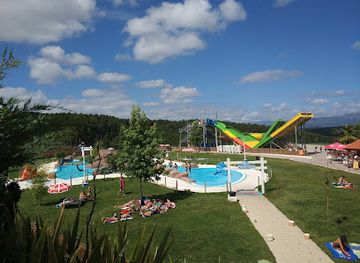
NaturWaterPark - Parque de Diversões do Douro, Lda
Discover the ultimate family-friendly amusement center at NaturWaterPark in Vila Real, where water fun meets outdoor adventure for all ages.
Best landmarks in Trás-os-Montes
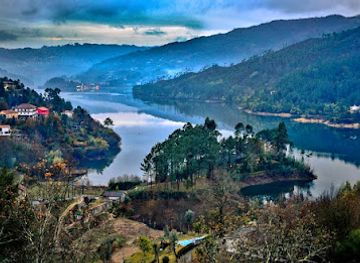
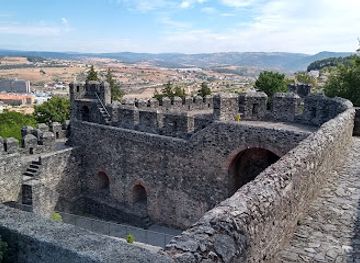
Bragança Castle and its surrounding citadel form Trás-os-Montes’s most recognisable historic ensemble, with medieval walls, the Domus Municipalis and the tall keep creating a powerful outline above the town. In Chaves, the Roman Bridge over the Tâmega is a defining monument to Aquae Flaviae, while the surviving sections of the medieval castle complex recall the town’s frontier role. Miranda do Douro’s cathedral and fortified historic setting reflect the importance of an episcopal and military town on the Spanish border. The medieval castle at Mogadouro is another reminder of the defensive network that shaped the eastern plateau. The landscape itself supplies major landmarks: the steep gorges of the Douro along the International Douro Nature Park, the granite uplands of Montesinho and the mountain forms of the Alvão and Marão ranges. Near Vila Real, the ornate Casa de Mateus is an outstanding baroque landmark whose façade, gardens and association with Portuguese cultural history make it one of the region’s best-known architectural places. These sites are significant not only for appearance but for showing how frontier politics, geology and settlement developed together.
-
Castle
Castle Bragança
Discover the historical grandeur of Castle Bragança, a majestic medieval fortress offering stunning views and rich cultural heritage.
-
Art museum
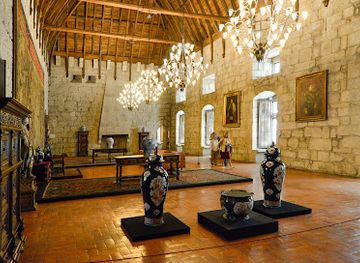
Palace Duques de Bragança
Discover the rich history and grandeur of the Palace of the Dukes of Braganza, a captivating castle and art museum in Guimarães, Portugal.
-
Swimming lake
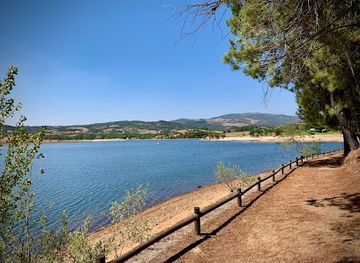
Paisagem Protegida da Albufeira do Azibo
Explore the breathtaking landscapes and tranquil waters of Albufeira do Azibo, a natural wonder in Portugal perfect for swimming and outdoor adventures.
-
Country park
Parque Natural do Douro Internacional
Explore the stunning landscapes and rich biodiversity of Parque Natural do Douro Internacional, a true gem for nature lovers in Portugal.
Explore Trás-os-Montes on the map
Plan your trip on one map. See where the top cities, national parks and sights are, and book hotels and experiences in a few clicks.
Best hotels in Trás-os-Montes
Best restaurants in Trás-os-Montes
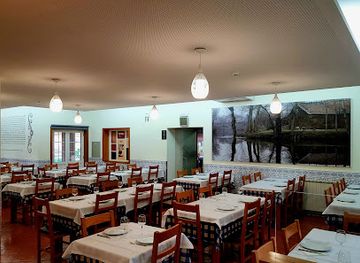
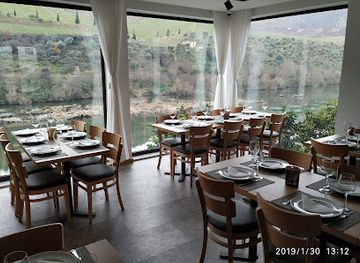
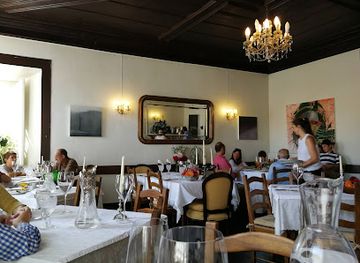
The cuisine of Trás-os-Montes is strongly shaped by upland farming, olive cultivation, smoked meats and seasonal produce. Traditional menus commonly feature regional sausages and cured meats, including alheira, alongside hearty stews, beans, potatoes, greens and locally raised pork, goat or lamb. Around Mirandela, olive oil is central to both agriculture and the table, while chestnuts, honey, mushrooms and mountain herbs appear according to season. Cheeses from the wider north-eastern interior, rustic breads and simple desserts made with nuts or fruit complement the heavier dishes. Town restaurants range from family-run casas de pasto and traditional taverns to more contemporary kitchens, while village cafés and rural inns often provide the most direct connection with local food habits. In Chaves, visitors may encounter the region’s distinctive pastéis de Chaves, a pastry filled with seasoned meat. Markets and small producers are useful places to buy olive oil, smoked products, honey and preserves, but labels and protected designations should be checked rather than assuming every product is locally made.
-
Restaurant
O Abel
Experience authentic Portuguese cuisine at O Abel in Bragança – where tradition meets flavor in every dish.
-
Restaurant
Restaurante Calça Curta
Discover the authentic flavors of Trás-os-Montes at Restaurante Calça Curta in Castanheiro - where tradition meets taste.
-
Western
Restaurante Solar Bragançano
Savor traditional Western cuisine at Restaurante Solar Bragançano - where every dish tells a story of Portuguese heritage.
-
Restaurant
Castas e Pratos
Discover exquisite regional flavors paired with fine wines at Castas e Pratos in Peso da Régua - A true gem for food enthusiasts.
Best bars in Trás-os-Montes
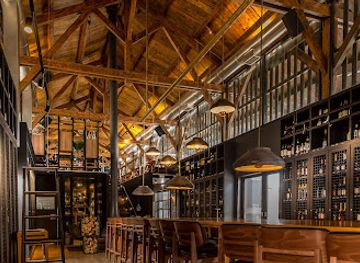
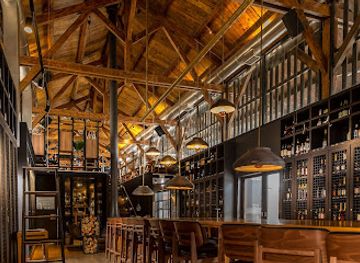
Evening life in Trás-os-Montes is centred on cafés, traditional bars, restaurants and village festas rather than a large club circuit. Bragança has the broadest choice of late-opening venues, with cafés, student-oriented bars and occasional live music providing a livelier town-centre atmosphere. Vila Real also has an active evening scene, influenced in part by its university population, while Chaves combines bars and restaurants with a longstanding thermal-town tradition. In smaller towns such as Mirandela and Macedo de Cavaleiros, social life tends to revolve around cafés, local bars and seasonal events, and the countryside is generally quiet after dinner. Regional wine, beer and spirits are available, but the strongest local identity is found in conversation, food and community celebrations rather than nightlife branding. Check current opening arrangements locally, especially outside summer and during weekdays, when rural venues may close earlier.
-
Restaurant
Castas e Pratos
Experience the best of Portuguese cuisine and exceptional wines at Castas e Pratos in Peso da Régua.
-
Restaurant
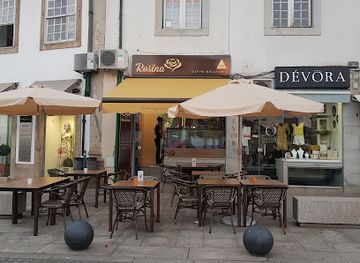
Rosina
Discover culinary excellence at Rosina in Bragança, where Italian and Portuguese flavors unite for a memorable dining experience.
-
Restaurant
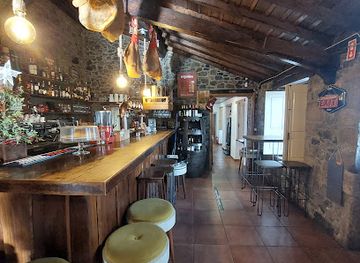
Taberna do Javali
Experience the authentic taste of Portugal at Taberna do Javali, where traditional flavors meet warm hospitality in Bragança.
-
Restaurant
Aneto & Table
Discover Aneto & Table in Peso da Régua: A delightful restaurant and wine bar offering authentic local flavors in a vibrant atmosphere.
Best nightclubs in Trás-os-Montes
Evening life in Trás-os-Montes is centred on cafés, traditional bars, restaurants and village festas rather than a large club circuit. Bragança has the broadest choice of late-opening venues, with cafés, student-oriented bars and occasional live music providing a livelier town-centre atmosphere. Vila Real also has an active evening scene, influenced in part by its university population, while Chaves combines bars and restaurants with a longstanding thermal-town tradition. In smaller towns such as Mirandela and Macedo de Cavaleiros, social life tends to revolve around cafés, local bars and seasonal events, and the countryside is generally quiet after dinner. Regional wine, beer and spirits are available, but the strongest local identity is found in conversation, food and community celebrations rather than nightlife branding. Check current opening arrangements locally, especially outside summer and during weekdays, when rural venues may close earlier.
-
Bar
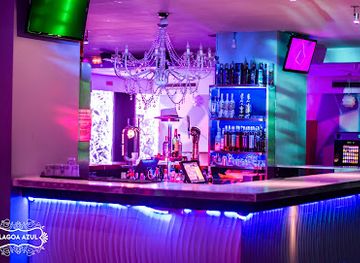
Bar Lagoa Azul
Experience Bragança's nightlife at Bar Lagoa Azul, where vibrant energy meets affordable drinks in a welcoming atmosphere.
-
Night club
The View
Experience vibrant nightlife and breathtaking views at The View in Vila Nova de Gaia, a must-visit destination for party enthusiasts.
-
Bar
METRO BAR
Discover the vibrant atmosphere of Metro Bar in Bragança, an affordable spot perfect for drinks, live music, and a friendly gathering.
-
Night club
Muxima
Experience the vibrant nightlife of Vila Nova de Gaia at Muxima, a lively night club offering delicious cocktails and dynamic dance lessons.

Best shops in Trás-os-Montes
Shopping in Trás-os-Montes is primarily about local produce, practical town centres and small independent businesses rather than large retail districts. Bragança, Chaves, Vila Real and Mirandela have the broadest choice of shops, cafés, supermarkets and regular market activity, while smaller towns serve as useful places to browse local food stalls and traditional goods. Look for regional olive oil, honey, chestnuts, preserves, cheeses, smoked meats and packaged products from local producers, checking provenance and storage requirements before buying. Craft traditions may include woven textiles, basketwork, pottery and locally made wood or leather goods, although availability varies by town and season. Historic centres often contain independent food shops and bakeries where regional specialities make more useful souvenirs than generic merchandise. In Miranda do Douro, cultural products connected with Mirandese identity can add a specifically local dimension to shopping. Visitors travelling by air should remember that cured meats, liquids and other food products may be subject to baggage and customs rules when crossing borders.
-
Country park
Parque Natural do Douro Internacional
Explore the breathtaking beauty of Parque Natural do Douro Internacional, a captivating blend of rich biodiversity and stunning landscapes in Portugal.
-
National park
Montesinho Natural Park
Explore the majestic Montesinho Natural Park, a paradise of diverse wildlife, stunning landscapes, and rich cultural heritage in northeastern Portugal.
-
Shopping mall
Bragança Shopping
Explore Bragança Shopping: A premier shopping destination in Portugal featuring diverse stores, delightful dining, and entertainment options for all ages.
-
Ecological park
Parque Ecológico do Gameiro
Explore the tranquil beauty of Parque Ecológico do Gameiro, a serene ecological park in Cabeção, perfect for nature lovers and adventurous spirits.

Get your free copy of our complete guide to Trás-os-Montes, delivered straight to you.
Everything on this page, from attractions and restaurants to essentials and local phrases, in one PDF you can read offline, print or share.
Already have an account? Sign in
Your Trás-os-Montes guide is ready.
We'll send it to · Not you? Sign out

Getting your guide ready…
We are putting together a fresh copy of the Trás-os-Montes guide. This can take up to a minute.
This can take a few moments. If your browser asks, choose Allow so the download can start. You'll find the guide in your Downloads folder.
Nothing happened? Download it again
Sorry, the guide is taking longer than usual. Please try again in a minute, or get it by email instead.
Trás-os-Montes essentials
Currency and Payment
Safety
Emergency Situations
Do's and Don'ts
Local Tips
From Eve
Local phrases worth knowing
You don't need to get them perfect. A few words go a long way, and locals appreciate the effort.
Basics
| English | Local | Say it |
|---|---|---|
| Hello | Olá | [oh-lah] |
| Goodbye | Adeus | [ah-deh-oos] |
| Yes | Sim | [seem] |
| No | Não | [now] |
| Please/You're welcome | Por favor/De nada | [poor fah-vor/deh nah-dah] |
| Thank you | Obrigado/Obrigada | [oh-bree-gah-do/oh-bree-gah-dah] |
| Excuse me/Sorry | Desculpe | [deh-skool-peh] |
| How are you? | Como estás? | [koh-moo es-tahs] |
| Fine. And you? | Estou bem. E você? | [es-toh baym. eh voh-seh] |
| Do you speak English? | Você fala inglês? | [voh-seh fah-lah een-glays] |
| I don't understand | Não entendo | [now en-ten-do] |
Eating & Drinking
| English | Local | Say it |
|---|---|---|
| I'd like to see the menu, please | Gostaria de ver o menu, por favor | [goh-stah-ree-ah deh vehr oo meh-noo, poor fah-vor] |
| I don't eat meat | Não como carne | [now koh-moo kar-nee] |
| Cheers! | Saúde! | [sah-oo-deh] |
| I would like to pay, please | Gostaria de pagar, por favor | [goh-stah-ree-ah deh pah-gar, poor fah-vor] |
Emergencies
| English | Local | Say it |
|---|---|---|
| Help! | Socorro! | [soh-koh-roh] |
| Go away! | Vá embora! | [vah em-boh-rah] |
| Call the Police! | Chame a Polícia! | [sha-meh ah poh-lee-see-ah] |
| Call a doctor! | Chame um médico! | [sha-meh oom meh-dee-co] |
| I'm lost | Estou perdido | [es-toh pehr-dee-do] |
| I'm ill | Estou doente | [es-toh do-ehn-tay] |
Shopping
| English | Local | Say it |
|---|---|---|
| I'd like to buy... | Gostaria de comprar... | [goh-stah-ree-ah deh kohm-prar] |
| I'm just looking | Estou apenas a ver | [es-toh ah-peh-nas ah vehr] |
| How much is it? | Quanto custa? | [kwan-toh koos-tah] |
| That's too expensive | É muito caro | [eh mooy-toh kah-roh] |
| Can you lower the price? | Pode baixar o preço? | [poh-jeh bye-shar oo preh-soo] |
Time & Numbers
| English | Local | Say it |
|---|---|---|
| What time is it? | Que horas são? | [keh oh-ras sah-ooh] |
| It's one o'clock | É uma hora | [eh oo-mah oh-rah] |
| Half past (10) | Dez e meia | [dehz eh may-ah] |
| Morning | Manhã | [man-yah] |
| Afternoon | Tarde | [tar-deh] |
| Evening | Noite | [noy-tay] |
| Yesterday | Ontem | [on-tay] |
| Today | Hoje | [oh-zhee] |
| Tomorrow | Amanhã | [ah-mahn-yah] |
| 1 | Um | [oom] |
| 2 | Dois | [doy-s] |
| 3 | Três | [trays] |
| 4 | Quatro | [kwah-tro] |
| 5 | Cinco | [seen-ko] |
| 6 | Seis | [says] |
| 7 | Sete | [seh-teh] |
| 8 | Oito | [oy-toh] |
| 9 | Nove | [noh-veh] |
| 10 | Dez | [dehz] |
Transport & Directions
| English | Local | Say it |
|---|---|---|
| Where's a/the...? | Onde fica um/a...? | [on-deh fee-kah oom/ah] |
| What's the address? | Qual é o endereço? | [kwal eh oo en-deh-reh-soo] |
| Can you show me (on the map)? | Pode me mostrar (no mapa)? | [poh-jeh meh mos-trar (no mah-pah)] |
| When's the next (bus)? | Quando é o próximo (autocarro)? | [kwan-do eh oo proh-see-mo (ow-toh-kah-roo)] |
| A ticket (to ....) | Um bilhete (para....) | [oom bee-yeh-tay (pah-rah)] |
History of Trás-os-Montes
Prehistoric Communities and Iron Age Hillforts
The uplands and river valleys of Trás-os-Montes contain abundant evidence of prehistoric settlement, including fortified hilltop communities associated with Iron Age peoples often described collectively as the Gallaecian cultures. These castros occupied defensible elevations and controlled agricultural land, grazing areas and routes across the interior. Their remains are particularly important around the Bragança and eastern borderlands, where later villages and fields continued to use the same strategic landscape. The archaeological record shows that the region was not an isolated wilderness but a settled territory with organised communities long before Roman rule.
Roman Aquae Flaviae and the Interior Roads
Roman administration brought roads, towns, bridges and new systems of taxation and agriculture to the north-eastern interior. Chaves, known in antiquity as Aquae Flaviae, developed around thermal waters and became a significant settlement on routes linking the Iberian interior with the Atlantic provinces. Its surviving Roman bridge, commonly called the Trajan Bridge, reflects the importance of crossing the Tâmega. Roman influence also reshaped local settlement and land use elsewhere in the region, although many pre-Roman communities retained elements of their earlier identities.
Medieval Frontier Settlement and Fortification
After the formation of Portugal, Trás-os-Montes became a strategically important frontier with the kingdoms and later territories of León and Castile. Kings and religious institutions encouraged settlement, granted charters and strengthened hilltop towns. Bragança, Chaves, Miranda do Douro, Mogadouro and other fortified centres acquired castles, walls and churches that helped defend routes and consolidate royal authority. The region’s medieval landscape was therefore shaped by both agriculture and military geography, with settlements positioned to oversee valleys, passes and crossings near the eastern border.
The Bragança Dynasty and Regional Power
The House of Braganza, whose roots lay in the north-east, became one of Portugal’s most influential noble families. The family’s political rise culminated in 1640, when John, 8th Duke of Braganza, became King John IV and founded the dynasty that ruled Portugal until the establishment of the republic in 1910. Bragança’s historic significance is consequently far greater than its size suggests. The castle and citadel, together with the town’s museums and churches, provide a tangible setting for understanding the relationship between regional aristocratic power and the Portuguese monarchy.
Agriculture, Pastoral Life and Village Communities
For centuries, most people in Trás-os-Montes lived through mixed farming, livestock keeping, woodland use and small-scale trade. Olive groves, vineyards, cereal fields, chestnut trees and kitchen gardens were adapted to sharply varied altitudes and dry summers. Villages developed communal arrangements for ovens, mills, grazing and water, while houses were built from local granite or schist according to local geology. Traditional practices did not create a single uniform culture: the highlands around Bragança, the Tâmega valley and the eastern plateau each developed distinct foodways, dialects and forms of settlement.
Mirandese Language and Border Culture
In the Miranda do Douro area, Mirandese developed as a Romance language related to Astur-Leonese varieties across the border. Its continued use is one of Portugal’s most distinctive regional cultural features, and it received official recognition as a language of the country in 1999. Mirandese identity is also expressed through music, dance, seasonal customs and local dress, although contemporary life is multilingual and changing. The region’s proximity to Spain has therefore produced cultural exchange as well as political separation, leaving a heritage that cannot be understood solely through national boundaries.
Modern Roads, Migration and Rural Transformation
During the twentieth century, mechanisation, limited industrial employment and migration to Portugal’s coast, Europe and overseas transformed Trás-os-Montes. Many villages lost population, while improved roads and regional towns became increasingly important for services, education and commerce. The construction of dams and transport infrastructure also altered river valleys, including the Tua and Sabor landscapes. Today, agriculture, food production, forestry, protected landscapes, thermal tourism and heritage travel contribute to a more varied rural economy, while depopulation and the maintenance of historic villages remain important regional challenges.
Trás-os-Montes in Photos
Browse through our photo collection highlighting the charm and character of the destination.
Neighbouring regions of Trás-os-Montes
The closest regions to Trás-os-Montes, if you have time for more than one.
-

-

-

-

-


Swipe for more regions
Explore more
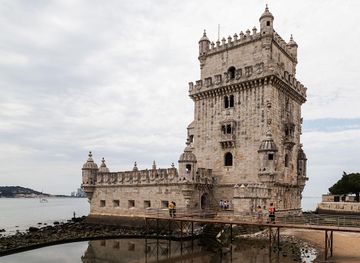
Explore more of Portugal
Discover Portugal: A blend of historic charm, stunning coastlines, and delightful cuisine awaits in this captivating European gem.
Explore Portugal