

Free Central Mountain Range Travel Guide & Mobile App
Explore Central Mountain Range with free travel guides. Discover regional history, expert tips, proposed trips, and audio guides on web or mobile app.


Explore Puerto Rico’s Central Mountain Range for cloud forests, coffee country, Taíno heritage, winding scenic roads and highland town life.
Read more about Central Mountain Range
When is the best time to visit Central Mountain Range?
Best: January–March · 27–28°C| Month | High (°C) | Rainfall (mm) |
|---|---|---|
| January (best) | 27 | 150 |
| February (best) | 28 | 130 |
| March (best) | 28 | 140 |
| April | 29 | 150 |
| May | 29 | 170 |
| June | 30 | 180 |
| July | 30 | 190 |
| August | 30 | 200 |
| September | 30 | 210 |
| October | 29 | 200 |
| November | 28 | 180 |
| December | 28 | 160 |
Getting to and around Central Mountain Range
How to get there
Transportation
Top city travel guides in Central Mountain Range
The cities of Central Mountain Range, and the easiest places to base yourself.
-

-

-

-

-

-


Swipe for more cities
Destinations in Central Mountain Range
Resorts, valleys and scenic spots worth a trip of their own.
-

-


Swipe for more destinations
Best attractions in Central Mountain Range
The Central Mountain Range offers a varied highland mix of archaeology, forest, agriculture and outdoor recreation. Around Utuado, the Caguana Indigenous Ceremonial Park presents one of Puerto Rico’s most important Taíno sites through its stone plazas, petroglyphs and interpretive displays. Jayuya adds museums and cultural institutions that explore Indigenous heritage, mountain history and Puerto Rican identity. The Toro Negro and Guilarte forest landscapes provide opportunities for walking, birdwatching and cooling upland scenery, although trail conditions and access should be checked after storms. Coffee farms and small producers offer a closer understanding of the crop that shaped the region’s nineteenth-century economy, while the Ruta Panorámica links ridges, valleys and viewpoints across the interior. Orocovis is associated with adventure activities in the central mountains, including facilities for visitors seeking zip-line and canyoning experiences. Historic town centres, rural bakeries, roadside food stops and reservoirs add quieter elements to an itinerary. The attraction landscape is defined less by a concentration of large museums or theme parks than by the relationship between living communities, archaeological heritage, working farms and steep tropical terrain.
-
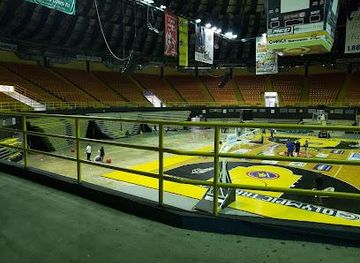
Arena
Coliseo Manuel G. "Petaca" Iguina Reyes
Discover the vibrant atmosphere of Coliseo Manuel G. Petaca Iguina Reyes, where thrilling sports and unforgettable concerts unite in Arecibo, Puerto Rico.
-
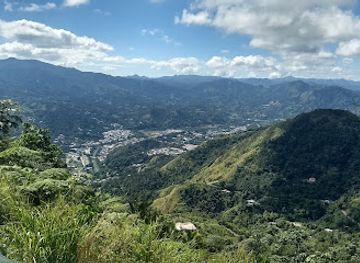
Vista point
Mirador Villalba-Orocovis
Experience the stunning landscapes of Puerto Rico at Mirador Villalba-Orocovis, a breathtaking vista point with panoramic views that captivate all visitors.
-
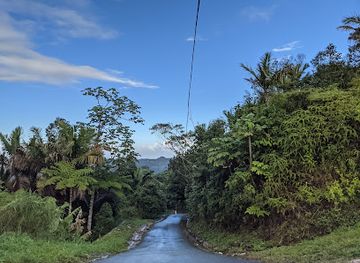
Tourist attraction
Ziplines of the Aerostatic Balloon Puerto Rico
Discover the thrill of ziplining through the breathtaking landscapes of Jayuya, Puerto Rico - an adventure that combines excitement with natural beauty.
-
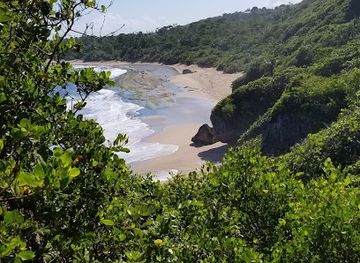
Beach
Survival Beach
Discover the breathtaking beauty and adventure of Survival Beach in Aguadilla, Puerto Rico, where stunning cliffs meet pristine sands.
Best landmarks in Central Mountain Range
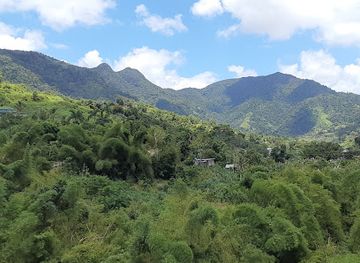
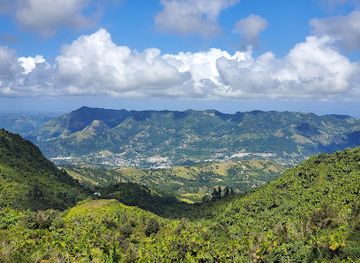
Caguana Indigenous Ceremonial Park near Utuado is among the Central Mountain Range’s most important landmarks, with carefully arranged stone plazas and carved monoliths preserving a major Taíno ceremonial landscape. In Jayuya, Cerro de Punta marks Puerto Rico’s highest summit area and symbolises the elevation and ruggedness of the interior, although summit access and walking conditions require preparation. The cultural institutions and historic sites of Jayuya, including the Casa Canales Museum and the Cemi Museum, give the municipality a particularly strong connection to Indigenous history and Puerto Rican political memory. The mountain roads themselves, especially sections associated with the Ruta Panorámica, form a landmark landscape of ridges, coffee slopes and deep valleys rather than a single constructed monument. Forested areas of Toro Negro and Guilarte add ecological significance, with steep terrain and highland vegetation contrasting sharply with the island’s coastal plains. Town plazas and parish churches in the older mountain settlements complete the region’s human landmarks, showing how communities adapted civic and religious life to difficult topography.
-
Historical place
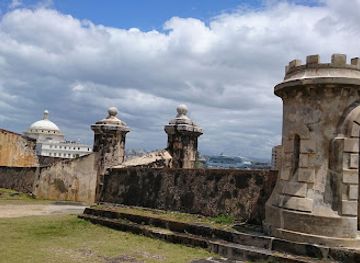
San Juan National Historic Site
Discover the historical treasures of San Juan National Historic Site, where culture, history, and breathtaking views unite in a captivating destination.
-
Tourist attraction
La Piedra Escrita
Discover La Piedra Escrita: Puerto Rico's hidden gem of ancient petroglyphs and rich indigenous history, set in a breathtaking natural landscape.
-
National forest
Bosque Estatal Toro Negro
Discover the enchanting beauty of Bosque Estatal Toro Negro, Puerto Rico's lush national forest, perfect for adventure seekers and nature lovers.
-
Tourist attraction
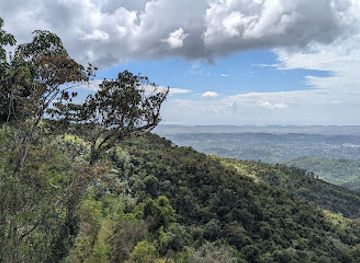
La Torre de Piedra
Experience breathtaking views at La Torre de Piedra, a stunning lookout point in Maricao, Puerto Rico, perfect for nature lovers and adventure seekers.
Explore Central Mountain Range on the map
Plan your trip on one map. See where the top cities, national parks and sights are, and book hotels and experiences in a few clicks.
Best hotels in Central Mountain Range
Best restaurants in Central Mountain Range
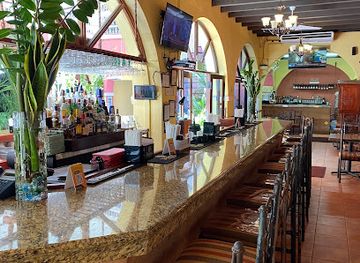
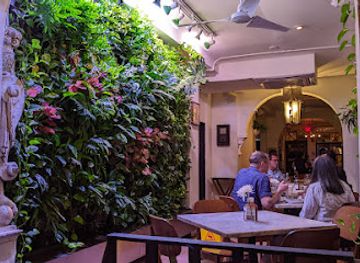
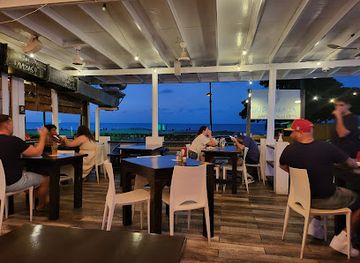
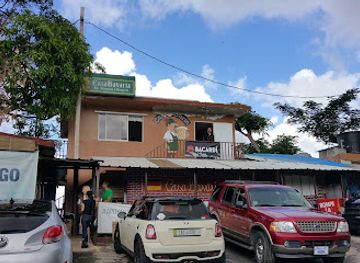
Food in the Central Mountain Range is rooted in Puerto Rican home cooking, roadside hospitality and the produce of upland farms. Rural restaurants, fondas, bakeries and kiosks commonly serve combinations of rice and beans, plantains, stewed meats, soups, mofongo and other traditional dishes, with recipes varying from one family or municipality to another. Coffee is the region’s signature agricultural product, and locally roasted beans are an important purchase for visitors, although supply and opening arrangements differ between farms and shops. Root vegetables, fruit, pork and seasonal produce appear frequently on mountain menus, while fresh pastries and savoury snacks make practical stops on long drives. Dining is generally more informal and locally focused than in San Juan’s restaurant districts, though contemporary chefs and small producers increasingly reinterpret regional ingredients. In remote areas, service may follow limited meal periods rather than all-day opening, so it is sensible to eat in larger towns or confirm arrangements before driving to an isolated establishment.
-
Puerto Rican
Barrachina
Discover Barrachina: The birthplace of Piña Colada in San Juan offering authentic Puerto Rican cuisine & Caribbean vibes.
-
Puerto Rican
Casita Miramar
Discover authentic Puerto Rican cuisine at Casita Miramar in San Juan - where flavor meets culture in every dish.
-
Restaurant
Alambique Beach Lounge
Experience vibrant dining at Alambique Beach Lounge with stunning ocean views and delicious Puerto Rican cuisine.
-
German
Bori Bräu @ Casa Bavaria
Experience authentic German cuisine amidst stunning mountain views at Bori Bräu @ Casa Bavaria in Morovis.
Best bars in Central Mountain Range
Evening life in the Central Mountain Range is primarily centred on local bars, family-run restaurants, bakeries and town-plaza activity rather than a large nightclub scene. In municipalities such as Jayuya, Utuado, Adjuntas, Orocovis and Barranquitas, residents may gather for conversation, music, sporting broadcasts and relaxed drinks, with busier periods often linked to weekends or town festivals. Traditional bars can provide a more useful sense of local social life than purpose-built nightlife venues, but visitors should remember that many are small neighbourhood businesses rather than tourism attractions. Some restaurants and accommodation properties offer drinks with mountain views, while occasional live music and cultural events bring an evening audience. Night-time travel requires care because roads between towns are winding, dark and sometimes affected by weather; arrange transport in advance rather than assuming a taxi or ride service will be immediately available in a rural district.
-
Restaurant
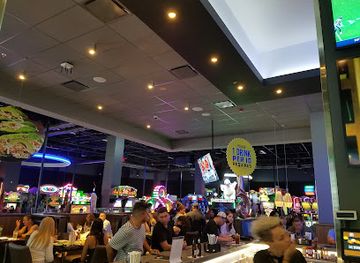
Dave & Buster's Bayamon
Discover the fun-filled world of Dave & Buster's Bayamon, where delicious dining meets thrilling entertainment for all ages.
-
Bar
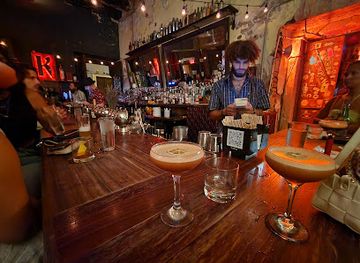
La Factoría
Discover La Factoría, a lively cocktail bar in San Juan, offering a unique atmosphere with diverse drinks and vibrant nightlife.
-
German
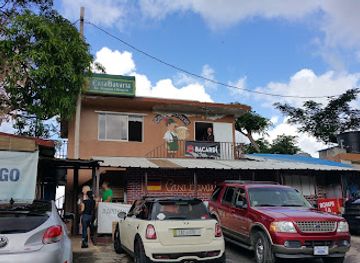
Bori Bräu @ Casa Bavaria
Experience authentic German cuisine at Bori Bräu @ Casa Bavaria, where hearty dishes and a warm atmosphere await in Morovis, Puerto Rico.
-
 Restaurant
La Casita de Rones
Experience the vibrant flavors of Puerto Rico at La Casita de Rones, a culinary gem in San Juan known for its exquisite food and cocktails.
Best nightclubs in Central Mountain Range
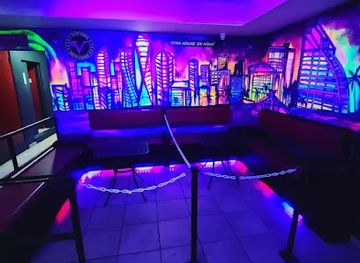
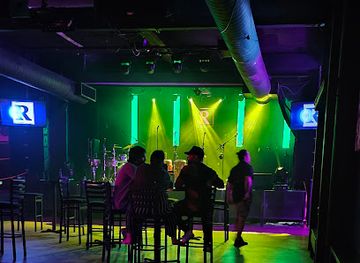
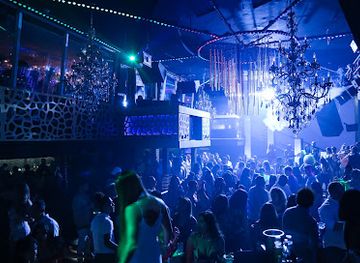
Evening life in the Central Mountain Range is primarily centred on local bars, family-run restaurants, bakeries and town-plaza activity rather than a large nightclub scene. In municipalities such as Jayuya, Utuado, Adjuntas, Orocovis and Barranquitas, residents may gather for conversation, music, sporting broadcasts and relaxed drinks, with busier periods often linked to weekends or town festivals. Traditional bars can provide a more useful sense of local social life than purpose-built nightlife venues, but visitors should remember that many are small neighbourhood businesses rather than tourism attractions. Some restaurants and accommodation properties offer drinks with mountain views, while occasional live music and cultural events bring an evening audience. Night-time travel requires care because roads between towns are winding, dark and sometimes affected by weather; arrange transport in advance rather than assuming a taxi or ride service will be immediately available in a rural district.
-
Night club
Club 77
Dive into the heart of San Juan's nightlife at Club 77, where great music and friendly vibes create unforgettable memories.
-
Dance club
Club Vibra
Dive into the vibrant nightlife at Club Vibra in La Placita, where rhythm meets energy for an unforgettable dance experience in San Juan.
-
Night club
La Respuesta
Experience the heart of Puerto Rican nightlife at La Respuesta, where live music and vibrant energy create unforgettable memories.
-
Night club
Club Brava
Discover the vibrant nightlife at Club Brava, Carolina's premier dance club featuring live music, signature cocktails, and an unforgettable atmosphere.
Best shops in Central Mountain Range
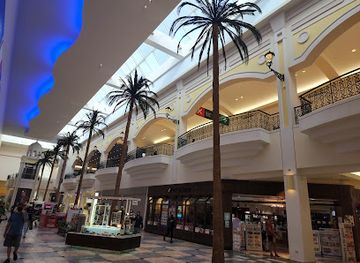
Shopping in the Central Mountain Range is concentrated in municipal centres, local food businesses, farm shops and occasional markets rather than large retail districts. Coffee is the most recognisable regional purchase, and visitors can look for beans, ground coffee and locally produced items from reputable growers or roasters in the highland municipalities. Bakeries and small food shops sell pastries, sweets, preserves and savoury provisions suited to the journey home, while craft outlets and cultural institutions may carry Taíno-inspired art, locally made objects, books and Puerto Rican handicrafts. Jayuya is particularly relevant for cultural and heritage shopping, whereas market towns such as Utuado, Adjuntas, Orocovis, Barranquitas and Aibonito provide practical everyday retail alongside small independent businesses. Product availability can be seasonal and many shops keep town-centre hours, so do not postpone all purchases until late evening. Buying directly from genuine producers and asking about the origin of coffee or crafts helps distinguish local goods from generic souvenirs.
-
Shopping mall
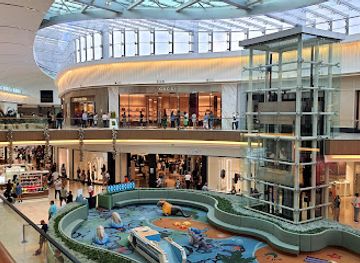
Plaza Las Américas
Explore Plaza Las Américas: A Shopping Paradise in San Juan, Puerto Rico, with Over 300 Stores and Diverse Dining Options.
-
Outlet mall
Puerto Rico Premium Outlets
Experience the ultimate shopping destination in Puerto Rico, offering top brands at outlet prices in a vibrant and welcoming atmosphere.
-
Shopping mall
The Mall of San Juan
Discover luxury shopping and exquisite dining at The Mall of San Juan, Puerto Rico's premier shopping destination.
-
Shopping mall
Aguadilla Mall
Discover the vibrant Aguadilla Mall, a shopping paradise in Puerto Rico filled with diverse stores, delicious dining, and lively entertainment.

Get your free copy of our complete guide to Central Mountain Range, delivered straight to you.
Everything on this page, from attractions and restaurants to essentials and local phrases, in one PDF you can read offline, print or share.
Already have an account? Sign in
Your Central Mountain Range guide is ready.
We'll send it to · Not you? Sign out

Getting your guide ready…
We are putting together a fresh copy of the Central Mountain Range guide. This can take up to a minute.
This can take a few moments. If your browser asks, choose Allow so the download can start. You'll find the guide in your Downloads folder.
Nothing happened? Download it again
Sorry, the guide is taking longer than usual. Please try again in a minute, or get it by email instead.
Central Mountain Range essentials
Currency and Payment
Safety
Emergency Situations
Do's and Don'ts
Local Tips
From Eve
Local phrases worth knowing
You don't need to get them perfect. A few words go a long way, and locals appreciate the effort.
Basics
| English | Local | Say it |
|---|---|---|
| Hello | Hola | [Ola] |
| Goodbye | Adiós | [Adeeos] |
| Yes | Sí | [See] |
| No | No | [No] |
| Please/You're welcome | Por favor/De nada | [Por fah-vor/Dey nah-da] |
| Thank you | Gracias | [Graht-see-as] |
| Excuse me/Sorry | Perdón | [Pair-dohn] |
| How are you? | ¿Cómo estás? | [Koh-moh es-tahs] |
| Fine. And you? | Bien. ¿Y tú? | [Bee-en. Ee too] |
| Do you speak English? | ¿Hablas inglés? | [Ah-blahs een-gles] |
| I don't understand | No entiendo | [No en-tee-en-doh] |
Eating & Drinking
| English | Local | Say it |
|---|---|---|
| I'd like to see the menu, please | Me gustaría ver el menú, por favor | [Meh goos-tah-ree-ah vehr el meh-noo, por fah-vor] |
| I don't eat meat | No como carne | [No koh-mo kar-neh] |
| Cheers! | ¡Salud! | [Sah-lood] |
| I would like to pay, please | Me gustaría pagar, por favor | [Meh goos-tah-ree-ah pah-gar, por fah-vor] |
Emergencies
| English | Local | Say it |
|---|---|---|
| Help! | ¡Ayuda! | [Ah-yoo-dah] |
| Go away! | ¡Vete! | [Veh-teh] |
| Call the Police! | ¡Llama a la policía! | [Yah-mah ah lah poh-lee-see-ah] |
| Call a doctor! | ¡Llama a un doctor! | [Yah-mah ah oon dok-tor] |
| I'm lost | Estoy perdido | [Es-toy pair-dee-doh] |
| I'm ill | Estoy enfermo | [Es-toy en-fair-mo] |
Shopping
| English | Local | Say it |
|---|---|---|
| I'd like to buy... | Me gustaría comprar... | [Meh goos-tah-ree-ah kom-prar] |
| I'm just looking | Solo estoy mirando | [Soh-lo es-toy mee-ran-doh] |
| How much is it? | ¿Cuánto cuesta? | [Kwan-toh kwes-tah] |
| That's too expensive | Eso es muy caro | [Eh-so es moo-ee kah-ro] |
| Can you lower the price? | ¿Puedes bajar el precio? | [Pweh-des bah-har el preh-syo] |
Time & Numbers
| English | Local | Say it |
|---|---|---|
| What time is it? | ¿Qué hora es? | [Keh oh-rah es] |
| It's one o'clock | Es la una | [Es lah oo-nah] |
| Half past (10) | Y diez y media | [Ee dyez ee meh-dee-ah] |
| Morning | Mañana | [Mahn-yah-nah] |
| Afternoon | Tarde | [Tar-deh] |
| Evening | Noche | [Noh-cheh] |
| Yesterday | Ayer | [Ah-yer] |
| Today | Hoy | [Oy] |
| Tomorrow | Mañana | [Mahn-yah-nah] |
| 1 | Uno | [Oo-noh] |
| 2 | Dos | [Dohs] |
| 3 | Tres | [Trace] |
| 4 | Cuatro | [Kwatroh] |
| 5 | Cinco | [Seen-koh] |
| 6 | Seis | [Says] |
| 7 | Siete | [Syay-teh] |
| 8 | Ocho | [Oh-choh] |
| 9 | Nueve | [Nweh-veh] |
| 10 | Diez | [Dyez] |
Transport & Directions
| English | Local | Say it |
|---|---|---|
| Where's a/the...? | ¿Dónde está un/ la...? | [Dohn-deh es-tah oon/lah] |
| What's the address? | ¿Cuál es la dirección? | [Kwahl es lah dee-rek-syon] |
| Can you show me (on the map)? | ¿Me puedes mostrar (en el mapa)? | [Meh pweh-des mos-trar (en el mah-pah)] |
| When's the next (bus)? | ¿Cuándo es el próximo (autobús)? | [Kwan-doh es el prohk-see-mo (ow-toh-boos)] |
| A ticket (to ....) | Un boleto (a ...) | [Oon boh-leh-toh (ah ...)] |
History of Central Mountain Range
Taíno Settlement and Caguana
Before Spanish colonisation, the uplands and valleys of central Puerto Rico were inhabited by Taíno communities whose agricultural, social and ceremonial life was closely linked to the island’s rivers and fertile interior. The Caguana Indigenous Ceremonial Park near Utuado preserves a major ceremonial centre with stone plazas, carved stones and distinctive petroglyphs. Its surviving layout offers evidence of organised communities and ritual practices rather than an isolated archaeological curiosity. Although much of Taíno society was transformed by conquest, disease and forced labour in the sixteenth century, Caguana remains an essential part of Puerto Rico’s cultural inheritance and helps place the mountain region within the wider pre-colonial Caribbean.
Spanish Colonisation and Interior Settlement
Spanish settlement initially concentrated around coastal ports and the more accessible lowlands, but the central interior gradually became connected to colonial agriculture, ranching and small settlements. Mountain valleys supplied food and timber, while rivers shaped routes through difficult terrain. Population growth and the establishment of towns such as Utuado, Adjuntas, Jayuya and Ciales reflected the gradual incorporation of upland areas into Puerto Rico’s colonial economy. The geography limited large-scale urban development, producing dispersed communities linked by narrow roads and paths. Churches, town plazas and later municipal buildings became focal points for local life as these highland settlements developed.
Coffee and the Nineteenth-Century Highland Economy
During the nineteenth century, coffee transformed many of Puerto Rico’s mountain districts. The cooler, wetter slopes of the Cordillera Central were well suited to coffee cultivation, and estates expanded around towns including Adjuntas, Jayuya, Utuado and Ciales. Production connected the interior to international markets and supported merchants, labourers and transport networks, although the economy remained vulnerable to hurricanes, price changes and difficult communications. Coffee wealth also influenced architecture, landholding and social divisions. The continuing presence of coffee farms, roasting traditions and estate landscapes reflects this period, even though modern production is smaller and has faced repeated environmental and economic pressures.
The Jíbaro and Rural Mountain Culture
The jíbaro became an influential symbol of Puerto Rican rural identity, especially through music, poetry and visual arts associated with the island’s interior. The term refers broadly to the mountain farmer and rural highlander, but it should not be treated as a simple label for all residents of the Cordillera Central. Highland life developed through agriculture, family networks, religious observance, seasonal work and distinctive musical traditions, including forms of jíbaro music. Over time, this culture was represented in national debates about Puerto Rican identity, sometimes romantically. In the mountains today, rural traditions coexist with commuting, tourism, education and contemporary town life.
Roads, Public Works and Highland Connection
Improved roads and public works during the twentieth century altered the relationship between central Puerto Rico and the coast. Routes through the mountains made it easier for residents to reach markets, schools and employment, while also opening scenic areas to visitors. The Ruta Panorámica and associated roads helped frame the Cordillera Central as a landscape of viewpoints, coffee country and rural communities rather than merely a difficult interior. Roads remain vital but vulnerable infrastructure: steep slopes, intense rainfall, hurricanes and landslides can interrupt connections. The region’s present travel patterns still reflect the long effort to connect dispersed mountain settlements.
Modernisation, Migration and Changing Agriculture
Puerto Rico’s twentieth-century industrialisation and urban growth drew many people away from small farms and interior towns, while improved transport made rural communities more closely tied to coastal cities. Agriculture diversified, and coffee production declined from its earlier prominence, although it remained an important cultural and commercial activity. Mountain municipalities also developed public institutions, schools, small businesses and tourism initiatives. This transformation changed the social meaning of the countryside: the Cordillera Central became both a lived-in agricultural region and a destination for heritage, landscape and outdoor recreation.
Hurricanes, Recovery and Resilience
Hurricanes have repeatedly shaped life in Puerto Rico’s central mountains, where steep terrain, high rainfall and exposed infrastructure intensify the effects of wind, flooding and landslides. Hurricane Maria in 2017 caused severe damage to roads, communications, homes, forests and farms across the interior, isolating many communities for prolonged periods. Recovery has included rebuilding infrastructure, restoring farms and strengthening community-led responses, while some impacts remain visible in altered forests and vulnerable transport links. For visitors, this history explains why conditions can change quickly and why supporting local businesses and following current access advice matter in the region.
Central Mountain Range in Photos
Browse through our photo collection highlighting the charm and character of the destination.
Neighbouring regions of Central Mountain Range
The closest regions to Central Mountain Range, if you have time for more than one.
-

-

-

-

-


Swipe for more regions
Explore more

Explore more of Puerto Rico
Discover Puerto Rico, where vibrant culture, stunning beaches, and rich history create an unforgettable Caribbean experience. Perfect for adventurers and relaxation seekers alike.
Explore Puerto Rico