

Free Big Island Travel Guide & Mobile App
Explore Big Island with free travel guides. Discover regional history, expert tips, proposed trips, and audio guides on web or mobile app.


Explore Big Island Puerto Rico for colonial San Juan, rainforest mountains, dry forests, beaches, distinctive food and diverse regional culture.
Read more about Big Island
When is the best time to visit Big Island?
Best: January–March · 30–31°C| Month | High (°C) | Rainfall (mm) |
|---|---|---|
| January (best) | 30 | 60 |
| February (best) | 30 | 50 |
| March (best) | 31 | 40 |
| April | 31 | 50 |
| May | 32 | 60 |
| June | 32 | 70 |
| July | 32 | 80 |
| August | 32 | 90 |
| September | 32 | 100 |
| October | 32 | 90 |
| November | 31 | 80 |
| December | 31 | 70 |
Getting to and around Big Island
How to get there
Transportation
Top city travel guides in Big Island
The cities of Big Island, and the easiest places to base yourself.
-

-

-

-

-

-


Swipe for more cities
Destinations in Big Island
Resorts, valleys and scenic spots worth a trip of their own.
-

-

-

-

-


Swipe for more destinations
Best attractions in Big Island
Big Island’s attractions range from the fortified streets of Old San Juan to rainforests, caves, beaches and living cultural institutions. San Juan’s historic quarter is the island’s principal concentration of museums, colonial architecture and military heritage, while the metropolitan area also offers galleries, theatres and contemporary dining. In the east, El Yunque National Forest provides marked trails, waterfalls and viewpoints within a protected rainforest environment, subject to access arrangements and weather conditions. The north’s karst country includes the Río Camuy Cave Park area and other limestone landscapes, although cave access may change after storms or maintenance. Central districts such as Jayuya, Adjuntas and Utuado combine coffee-growing scenery, mountain roads and Indigenous heritage, including Caguana Indigenous Ceremonial Park. Ponce offers museums and historic urban architecture, while the south-west is known for Cabo Rojo’s coastal scenery, salt flats and wildlife habitats and the Guánica dry forest. Along the west coast, Rincón, Aguadilla and nearby communities attract surfers, snorkellers and visitors seeking open-water activities. Beaches vary greatly in surf, shade and facilities, so local conditions matter more than a single island-wide ranking.
-
Tourist attraction
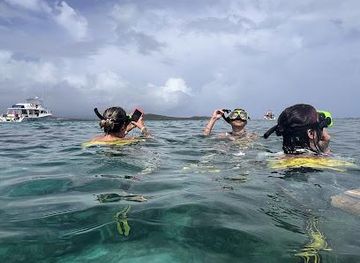
Snorkeling Puerto Rico | Boat Tours
Dive into the vibrant marine life and breathtaking coral reefs of Fajardo with Snorkeling Puerto Rico - a top destination for adventure seekers and nature lovers.
-
Tourist attraction
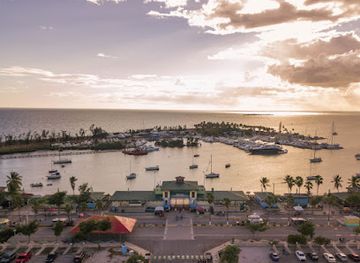
La Guancha
Experience the vibrant culture and stunning coastal views at La Guancha, a must-visit promenade in Ponce, Puerto Rico.
-
Tourist attraction
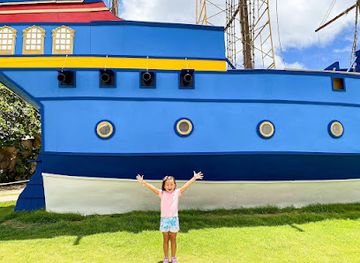
Arecibo Lighthouse and Historical Park
Discover the captivating Arecibo Lighthouse and Historical Park, a blend of history, culture, and stunning coastal views in Puerto Rico.
-
Tourist attraction
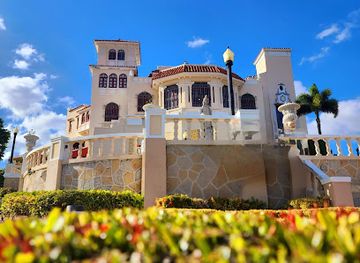
Museo Castillo Serrallés
Explore the historical riches of Museo Castillo Serrallés, an architectural gem in Ponce, Puerto Rico, showcasing the island's vibrant culture and heritage.
Best landmarks in Big Island
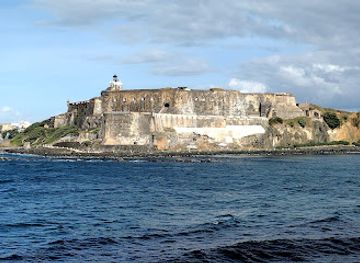
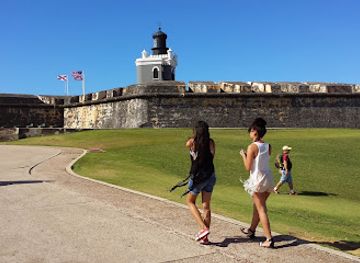
The most recognisable landmarks on Big Island include the walls, gates and military architecture of Old San Juan. Castillo San Felipe del Morro commands the harbour entrance, while Castillo San Cristóbal represents the city’s formidable landward defences; La Fortaleza remains an important historic civic building. In Ponce, the red-and-black Parque de Bombas is a distinctive former fire station on Plaza Las Delicias, and the city’s surrounding historic streets contain an important collection of nineteenth- and early twentieth-century architecture. The limestone landscape of the north produces dramatic caves, sinkholes and mogotes, giving the karst region a geographical identity unlike that of the southern coast. El Yunque’s forested ridges and mountain roads form a major natural landmark in the east, contrasting with Cabo Rojo’s cliffs, salt flats and coastal wetlands in the south-west. Caguana’s stone-lined ceremonial grounds near Utuado are significant reminders of Indigenous history, while the central Cordillera provides the island’s essential inland horizon and separates its wetter northern slopes from the drier south.
-
Historical place
San Juan National Historic Site
Explore the enchanting San Juan National Historic Site, a blend of history, stunning architecture, and breathtaking coastal views in Puerto Rico.
-
Castle
Castillo San Felipe del Morro
Discover the grandeur of Castillo San Felipe del Morro, a historic fortress in San Juan, where history meets stunning coastal vistas.
-
National forest
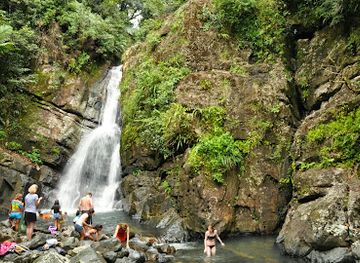
El Yunque National Forest
Explore El Yunque National Forest, a tropical paradise in Puerto Rico, where lush landscapes, diverse wildlife, and stunning waterfalls await adventurers.
-
Outlet mall
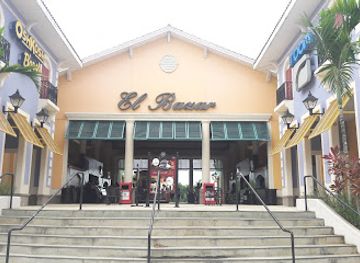
Puerto Rico Premium Outlets
Discover unbeatable savings and a vibrant shopping experience at Puerto Rico Premium Outlets, your ultimate destination for fashion and more.
Explore Big Island on the map
Plan your trip on one map. See where the top cities, national parks and sights are, and book hotels and experiences in a few clicks.
Best hotels in Big Island
Best restaurants in Big Island
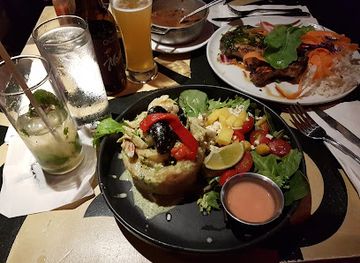
Puerto Rican food draws on Taíno, African, Spanish and Caribbean influences, with regional variations shaped by coast, countryside and town. Mofongo, often made with plantain and served with meat, seafood or vegetables, is widely available, while arroz con gandules, pasteles, roasted pork, alcapurrias and bacalaítos are familiar fixtures of local cooking. Coastal towns feature fish, shellfish and informal kiosks, whereas mountain districts are associated with coffee, root vegetables, pork and hearty home-style meals. San Juan, Ponce, Mayagüez and other larger towns offer the broadest range of contemporary restaurants, bakeries, cafés and international cuisines. Roadside lechoneras and food stalls can be an important part of the experience, particularly outside the capital, but opening patterns vary. Look for local coffee in the central highlands, fresh fruit drinks and sweets such as tembleque or arroz con dulce. Farmers’ markets and town plazas provide useful opportunities to encounter produce and snacks beyond restaurant menus.
-
Puerto Rican
Barrachina
Discover Barrachina: A Culinary Gem Offering Authentic Puerto Rican Flavors in San Juan's Historic Heart.
-
Puerto Rican
Casita Miramar
Discover the heart of Puerto Rican cuisine at Casita Miramar—where flavor meets tradition in San Juan's vibrant Santurce district.
-
Restaurant
Islote Beach Restaurant
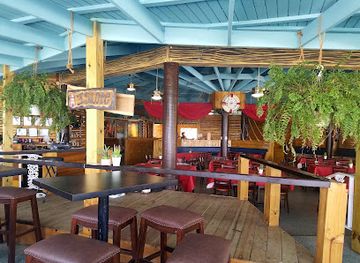
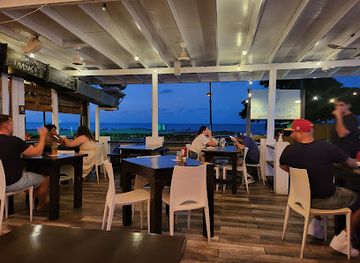
Experience authentic Puerto Rican cuisine with breathtaking ocean views at Islote Beach Restaurant in Arecibo.
-
Restaurant
Alambique Beach Lounge
Experience exquisite dining at Alambique Beach Lounge, where culinary delights meet breathtaking ocean views in Carolina's vibrant beach scene.

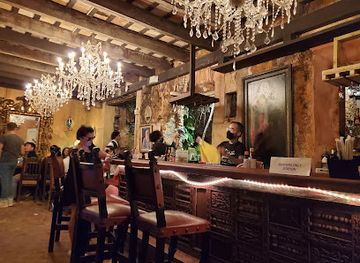
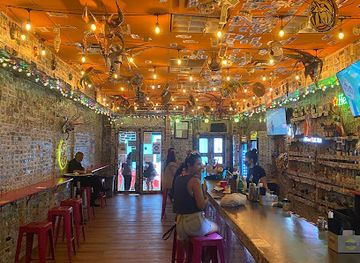
Best bars in Big Island
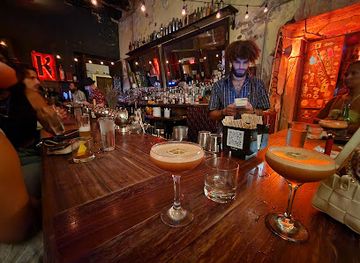
Evening life on Big Island is concentrated in San Juan and the larger towns, but its character changes markedly across the island. Old San Juan and nearby Santurce offer the widest choice of cocktail bars, music venues, restaurants and late-night establishments, while Condado and Isla Verde have a more resort-oriented scene. Ponce, Mayagüez, Rincón and other western or southern centres provide smaller selections of bars, live music, cafés and places serving local rum-based drinks. In rural mountain communities, evenings generally centre on family restaurants, roadside establishments, town festivals and traditional music rather than nightclubs. Bomba, plena, salsa and other musical traditions may appear in formal performances or community settings, but events are seasonal and changeable. Visitors should check current arrangements locally, use licensed transport after drinking and remember that nightlife is not the only way to experience the island’s social culture.
-
Bar
La Factoría
Discover La Factoría, San Juan's lively cocktail bar with a unique atmosphere and creative drinks that celebrate Puerto Rican culture.
-
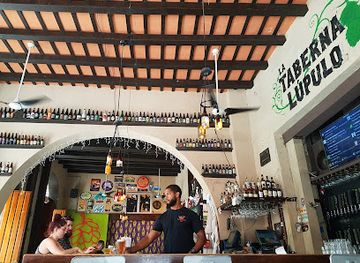
Beer hall
La Taberna Lúpulo
Discover La Taberna Lúpulo, a vibrant beer hall in San Juan offering an extensive selection of craft beers and mouthwatering cuisine in a lively atmosphere.
-
Bar
The Cannon Club - Restaurant & Piano Bar
Experience the best of San Juan's nightlife at The Cannon Club, where exquisite dining meets extraordinary live music in a vibrant setting.
-
Bar
Los 3 Cuernos
Discover Los 3 Cuernos, a vibrant bar in San Juan offering delicious cocktails, lively atmosphere, and an authentic taste of Puerto Rican nightlife.
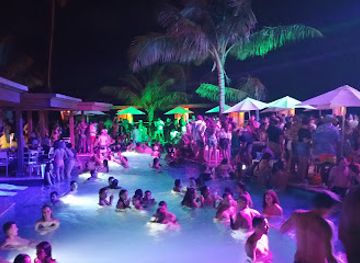
Best nightclubs in Big Island
Evening life on Big Island is concentrated in San Juan and the larger towns, but its character changes markedly across the island. Old San Juan and nearby Santurce offer the widest choice of cocktail bars, music venues, restaurants and late-night establishments, while Condado and Isla Verde have a more resort-oriented scene. Ponce, Mayagüez, Rincón and other western or southern centres provide smaller selections of bars, live music, cafés and places serving local rum-based drinks. In rural mountain communities, evenings generally centre on family restaurants, roadside establishments, town festivals and traditional music rather than nightclubs. Bomba, plena, salsa and other musical traditions may appear in formal performances or community settings, but events are seasonal and changeable. Visitors should check current arrangements locally, use licensed transport after drinking and remember that nightlife is not the only way to experience the island’s social culture.
-
Club
Vivo Beach Club
Experience the vibrant energy and stunning views of Vivo Beach Club, the perfect destination for dining, relaxation, and unforgettable events in Puerto Rico.
-
Night club
Club 77
Discover the heart of San Juan's nightlife at Club 77, where great music, vibrant atmosphere, and unforgettable memories await.
-
Night club
La Respuesta
Experience the vibrant nightlife at La Respuesta, San Juan's premier night club featuring live music and affordable drinks in a lively atmosphere.
-
Night club
Club Brava
Experience the vibrant nightlife of Puerto Rico at Club Brava, a premier night club with live music, cocktails, and an electric atmosphere.


Best shops in Big Island
Shopping on Big Island ranges from urban retail in the San Juan metropolitan area to produce stalls, craft workshops and independent shops in smaller towns. Old San Juan is suited to browsing galleries, craft stores, bookshops, jewellery and locally themed goods among historic streets, while Santurce and other urban districts offer contemporary art and design. Ponce, Mayagüez, Rincón and mountain towns provide more localised high-street shopping, with the strongest appeal often found in small galleries, bakeries, markets and specialty food shops rather than large retail complexes. Useful regional purchases include Puerto Rican coffee, rum, hot sauces, sweets, woven goods, ceramics, woodwork and artwork, although quality and provenance vary. Look for artisan work connected to basketry, masks, santos and other craft traditions, and ask sellers about materials and production. Supermarkets and farmers’ markets are practical places to find plantains, tropical fruit, spices and packaged foods for gifts. Market days and individual opening patterns differ, so confirm arrangements before making a special journey.
-
Outlet mall
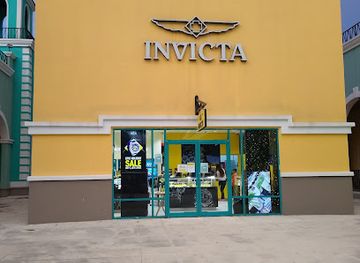
Puerto Rico Premium Outlets
Discover unbeatable deals on your favorite brands at Puerto Rico Premium Outlets, the ultimate shopping destination in Barceloneta.
-
Souvenir store
Caribbean Trading Company
Explore the vibrant Caribbean Trading Company for unique souvenirs, local crafts, and exquisite cigars in Río Grande, Puerto Rico.
-
Hat shop
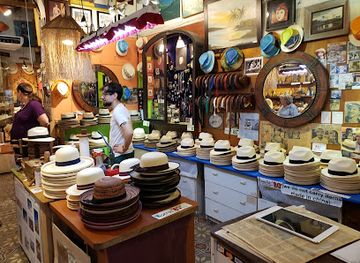
Ole Puerto Rico
Explore Ole Puerto Rico, a charming hat shop in San Juan, offering unique handcrafted hats and local handicrafts that celebrate island culture and artistry.
-
Antique store
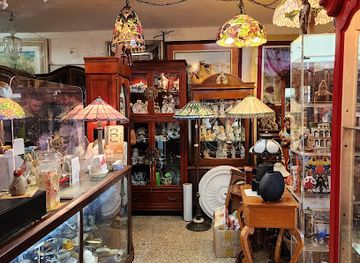
Cosas de Ayer y Hoy
Discover unique vintage treasures at Cosas de Ayer y Hoy, San Juan's premier antique store offering a blend of history and charm.

Get your free copy of our complete guide to Big Island, delivered straight to you.
Everything on this page, from attractions and restaurants to essentials and local phrases, in one PDF you can read offline, print or share.
Already have an account? Sign in
Your Big Island guide is ready.
We'll send it to · Not you? Sign out

Getting your guide ready…
We are putting together a fresh copy of the Big Island guide. This can take up to a minute.
This can take a few moments. If your browser asks, choose Allow so the download can start. You'll find the guide in your Downloads folder.
Nothing happened? Download it again
Sorry, the guide is taking longer than usual. Please try again in a minute, or get it by email instead.
Big Island essentials
Currency and Payment
Safety
Emergency Situations
Do's and Don'ts
Local Tips
From Eve
Local phrases worth knowing
You don't need to get them perfect. A few words go a long way, and locals appreciate the effort.
Basics
| English | Local | Say it |
|---|---|---|
| Hello | Hola | [Oh-lah] |
| Goodbye | Adiós | [Ah-dee-ohs] |
| Yes | Sí | [See] |
| No | No | [No] |
| Please/You're welcome | Por favor/De nada | [Por fah-vor/Deh nah-dah] |
| Thank you | Gracias | [Grah-syahs] |
| Excuse me/Sorry | Perdón | [Pair-dohn] |
| How are you? | ¿Cómo estás? | [Koh-moh ehs-tahs] |
| Fine. And you? | Bien. ¿Y tú? | [Byen. Ee too?] |
| Do you speak English? | ¿Hablas inglés? | [Ah-blahs een-glays?] |
| I don't understand | No entiendo | [No ehn-tyen-doh] |
Eating & Drinking
| English | Local | Say it |
|---|---|---|
| I'd like to see the menu, please | Me gustaría ver el menú, por favor | [Meh goos-tah-ree-ah vehr el meh-noo, por fah-vor] |
| I don't eat meat | No como carne | [No koh-moh kar-neh] |
| Cheers! | ¡Salud! | [Sah-lood] |
| I would like to pay, please | Me gustaría pagar, por favor | [Meh goos-tah-ree-ah pah-gar, por fah-vor] |
Emergencies
| English | Local | Say it |
|---|---|---|
| Help! | ¡Ayuda! | [Ah-yoo-dah] |
| Go away! | ¡Vete! | [Veh-teh] |
| Call the Police! | ¡Llama a la Policía! | [Yah-mah ah lah Poh-lee-see-ah] |
| Call a doctor! | ¡Llama a un doctor! | [Yah-mah ah oon dok-tor] |
| I'm lost | Estoy perdido | [Es-toy pair-dee-doh] |
| I'm ill | Estoy enfermo/a | [Es-toy en-fair-mo/a] |
Shopping
| English | Local | Say it |
|---|---|---|
| I'd like to buy... | Me gustaría comprar... | [Meh goos-tah-ree-ah kohm-prar...] |
| I'm just looking | Solo estoy mirando | [Soh-lo es-toy mee-ran-doh] |
| How much is it? | ¿Cuánto cuesta? | [Kwan-toh kwes-tah?] |
| That's too expensive | Eso es muy caro | [Eh-so es mwee kah-roh] |
| Can you lower the price? | ¿Puedes bajar el precio? | [Pweh-des bah-har el preh-syo?] |
Time & Numbers
| English | Local | Say it |
|---|---|---|
| What time is it? | ¿Qué hora es? | [Keh oh-rah es?] |
| It's one o'clock | Es la una | [Es lah oo-nah] |
| Half past (10) | Y diez y media | [Ee dyez ee meh-diah] |
| Morning | Mañana | [Mah-nyah-nah] |
| Afternoon | Tarde | [Tar-deh] |
| Evening | Noche | [Noh-cheh] |
| Yesterday | Ayer | [Ah-yer] |
| Today | Hoy | [Oy] |
| Tomorrow | Mañana | [Mah-nyah-nah] |
| 1 | Uno | [Oo-noh] |
| 2 | Dos | [Dohs] |
| 3 | Tres | [Tres] |
| 4 | Cuatro | [Kwah-tro] |
| 5 | Cinco | [Seen-koh] |
| 6 | Seis | [Sace] |
| 7 | Siete | [Syay-teh] |
| 8 | Ocho | [Oh-choh] |
| 9 | Nueve | [Nweh-beh] |
| 10 | Diez | [Dyehs] |
Transport & Directions
| English | Local | Say it |
|---|---|---|
| Where's a/the...? | ¿Dónde está un/una...? | [Dohn-deh es-tah oon/oo-nah...?] |
| What's the address? | ¿Cuál es la dirección? | [Kwahl es lah dee-rek-syon?] |
| Can you show me (on the map)? | ¿Puedes mostrarme (en el mapa)? | [Pweh-des mohs-trar-me (en el mah-pah)?] |
| When's the next (bus)? | ¿Cuándo es el próximo (autobús)? | [Kwan-doh es el prohk-see-mo (ow-toh-boos)?] |
| A ticket (to ....) | Un boleto (a ...) | [Oon bo-leh-toh (ah ...)] |
History of Big Island
Taíno Heritage Before European Colonisation
Before Spanish arrival, Puerto Rico was home to Taíno communities whose settlements, agriculture, ceramics, stonework and ceremonial traditions shaped the island’s early history. Archaeological evidence survives at sites including the Tibes Indigenous Ceremonial Centre near Ponce and Caguana Indigenous Ceremonial Park near Utuado. Taíno influence remains visible in place names, food plants and words used in Puerto Rican Spanish. These communities were connected to wider Caribbean networks and lived in varied environments, from coastal plains to inland valleys, rather than forming a single uniform society.
Spanish Conquest and San Juan’s Strategic Rise
Spanish colonisation began in the early sixteenth century, and Puerto Rico became an important base for controlling routes between Europe, the Caribbean and the American mainland. San Juan’s harbour and position encouraged the construction of major defensive works, including the fortified complex now associated with El Morro and Castillo San Cristóbal. Spanish settlement brought new agricultural systems, Christianity, livestock and forced labour, while Indigenous communities suffered severe disruption from disease, warfare and colonial exploitation. San Juan’s walls and historic urban plan remain the clearest physical legacy of this era.
Plantations, Enslavement and Atlantic Trade
From the colonial period into the nineteenth century, Puerto Rico’s economy developed around agriculture and export trade, with sugar becoming especially important in the coastal lowlands. Coffee expanded in the central mountains, where cooler, wetter conditions supported cultivation in districts such as Adjuntas, Jayuya and Utuado. Enslaved Africans and their descendants made a fundamental contribution to plantation work, foodways, music, religion and wider Puerto Rican culture. The changing balance between sugar on the coast and coffee inland helped create economic and social differences that remain legible in the island’s regional landscapes.
Nineteenth-Century Reform and Urban Development
The nineteenth century brought gradual political and economic change under Spanish rule, as well as the growth of towns, commerce and civic institutions. Ponce became a major southern centre whose historic buildings reflect prosperity linked to trade, sugar and regional commerce. San Juan expanded beyond its older defensive limits, while other towns developed churches, plazas, theatres and municipal buildings that still define their centres. Abolition of slavery in Puerto Rico in 1873 transformed labour relations, although social and economic inequalities persisted. Reformist and autonomist movements also challenged the structure of colonial government.
The Spanish-American War and United States Rule
The Spanish-American War brought a decisive political change in 1898, when Puerto Rico passed from Spanish to United States administration. The island’s constitutional and political status subsequently developed through several stages, leading to the establishment of the Commonwealth of Puerto Rico in 1952. American rule influenced education, infrastructure, law, migration and economic policy, while Puerto Rican institutions and cultural movements continued to assert a distinct identity. The coexistence of Spanish colonial heritage, Caribbean culture and United States political links is central to understanding contemporary Puerto Rico.
Industrialisation, Migration and Contemporary Puerto Rico
During the twentieth century, Puerto Rico moved from an economy dominated by agriculture towards manufacturing, pharmaceuticals, services and tourism. Roads, airports and urban growth connected communities that had previously been separated by difficult mountain terrain. Large-scale migration to the United States reshaped family and cultural networks, while rural-to-urban movement changed the island’s settlement pattern. Tourism expanded around San Juan, the western coast and other scenic areas, but conservation has also become increasingly important in places such as El Yunque, the Guánica dry forest, coastal wetlands and karst landscapes.
Big Island in Photos
Browse through our photo collection highlighting the charm and character of the destination.
Neighbouring regions of Big Island
The closest regions to Big Island, if you have time for more than one.
-

-

-

-

-


Swipe for more regions
Explore more

Explore more of Puerto Rico
Discover Puerto Rico, where vibrant culture, stunning beaches, and rich history create an unforgettable Caribbean experience. Perfect for adventurers and relaxation seekers alike.
Explore Puerto Rico