

Free South Region Travel Guide & Mobile App
Explore South Region with free travel guides. Discover regional history, expert tips, proposed trips, and audio guides on web or mobile app.


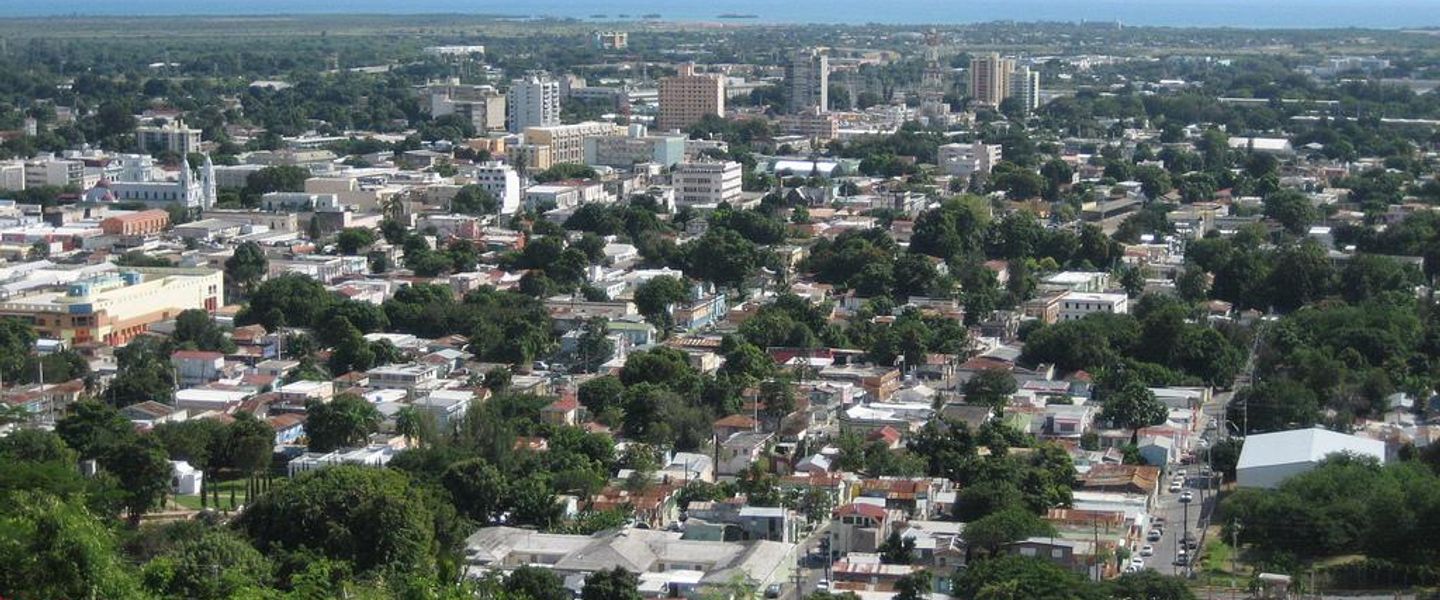


Explore Puerto Rico’s South Region for Ponce’s heritage, Guánica’s dry forest, Caribbean beaches, seafood towns and sunlit southern landscapes.
Read more about South Region
When is the best time to visit South Region?
Best: January–March · 29°C| Month | High (°C) | Rainfall (mm) |
|---|---|---|
| January (best) | 29 | 50 |
| February (best) | 29 | 45 |
| March (best) | 29 | 50 |
| April | 30 | 55 |
| May | 31 | 65 |
| June | 32 | 80 |
| July | 32 | 85 |
| August | 32 | 90 |
| September | 31 | 95 |
| October | 31 | 90 |
| November | 30 | 80 |
| December | 29 | 65 |
Getting to and around South Region
How to get there
Transportation
Top city travel guides in South Region
The cities of South Region, and the easiest places to base yourself.
-

-

-

-

-

-


Swipe for more cities
Destinations in South Region
Resorts, valleys and scenic spots worth a trip of their own.
-

-

-


Swipe for more destinations
Best attractions in South Region
The South Region offers a broad mix of cultural, natural and maritime attractions. Ponce is the principal centre, with museums, galleries, historic streets, public squares and institutions devoted to Puerto Rican art and heritage. The former agricultural landscape can be explored through preserved hacienda sites such as Hacienda Buena Vista, where buildings, machinery and cultivated grounds explain the organisation of nineteenth-century plantation life. In and around Guánica, the dry forest provides marked walking routes through rare tropical woodland, limestone terrain and habitats adapted to limited rainfall. Southern beaches and bays support swimming, kayaking, birdwatching and boat excursions, although conditions and access vary by site. Offshore Caja de Muertos, reached from Ponce when excursion services operate, offers a more remote coastal setting with beaches and dry island scenery. Salinas and neighbouring coastal communities are associated with fishing, boating and seafood, while Coamo provides thermal springs and an inland historic setting. The region’s attractions are spread across substantial distances, so combining a Ponce cultural programme with one coastal or ecological area usually produces a more rewarding itinerary than attempting to cover every site in a single day.
-
Museum
Parque de Bombas
Explore the historic Parque de Bombas in Ponce, Puerto Rico: A vibrant museum showcasing the island's firefighting heritage and cultural treasures.
-
Tunnel
Túnel de Guajataca
Explore the Guajataca Tunnel - a stunning historical landmark in Isabela, Puerto Rico, with breathtaking views of the Atlantic coast and rich cultural significance.
-
Tourist attraction
Reserva Natural Cueva del Indio
Discover the stunning natural beauty and historical significance of Reserva Natural Cueva del Indio, a must-visit attraction in Puerto Rico.
-
Tourist attraction
La Guancha
Explore La Guancha, a picturesque waterfront park in Ponce, Puerto Rico, where local culture, delicious food, and stunning views await you.
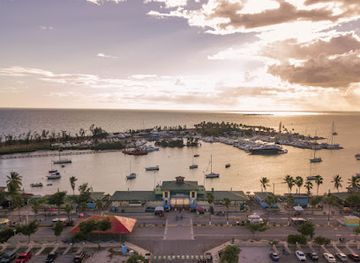
Best landmarks in South Region
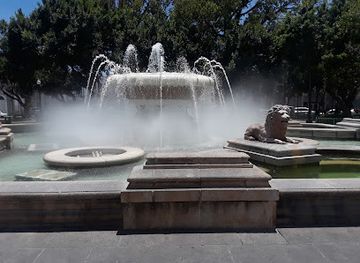
Ponce’s historic centre is the South Region’s most recognisable architectural landscape, with the Plaza Las Delicias, the cathedral, colourful nineteenth-century façades and civic buildings that reflect the city’s commercial prosperity. The Parque de Bombas, a vividly painted former fire station, is among Puerto Rico’s best-known urban landmarks and forms part of Ponce’s civic identity. Hacienda Buena Vista near Ponce is significant not only as a historic house but also as a surviving agricultural complex linked to coffee and sugar production. In the west, the Guánica Dry Forest is a natural landmark of international importance, distinguished by its seasonally dry woodland, limestone formations and rare plant communities. The southern coastline itself provides a changing geographical landmark of bays, mangroves and low hills, while Caja de Muertos forms a visible offshore presence from parts of the Ponce coast. Coamo’s historic town setting and thermal springs add an inland dimension to the region’s landmarks, connecting contemporary visitors with older patterns of settlement and travel.
-
Historical place
San Juan National Historic Site
Discover the captivating history and stunning architecture of San Juan National Historic Site, a UNESCO World Heritage treasure in Puerto Rico.
-
Castle
Castillo San Felipe del Morro
Explore Castillo San Felipe del Morro, a historic fortress in San Juan, Puerto Rico, offering stunning views and rich colonial history.
-
National forest
El Yunque National Forest
Experience the breathtaking beauty and rich biodiversity of El Yunque National Forest, Puerto Rico's tropical paradise and a top nature destination.
-
Castle
Castillo San Cristóbal
Explore Castillo San Cristóbal, a historic fortress in San Juan, Puerto Rico, and immerse yourself in the rich heritage and stunning views it has to offer.
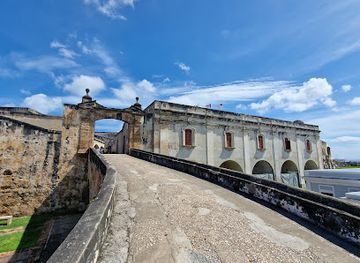
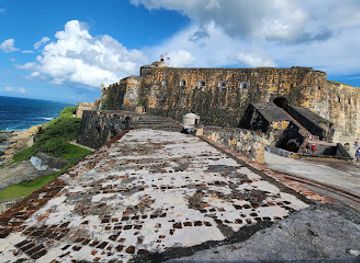
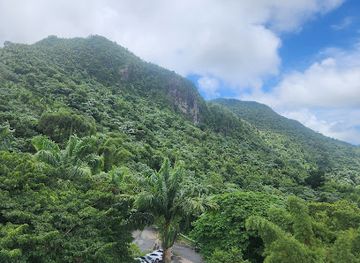
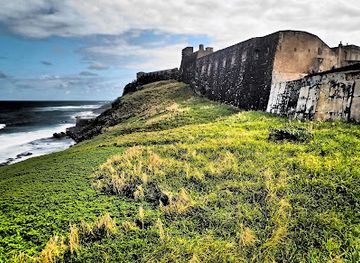
Explore South Region on the map
Plan your trip on one map. See where the top cities, national parks and sights are, and book hotels and experiences in a few clicks.
Best hotels in South Region
Best restaurants in South Region
Southern Puerto Rican dining draws on the island’s broader culinary traditions while making especially strong use of coastal produce and the agricultural plain. In Ponce, visitors will find restaurants ranging from traditional kitchens and bakeries to contemporary establishments, with rice, plantains, root vegetables, pork and seafood appearing in many forms. Along the coast, fish, shellfish and simple fried or grilled preparations are particularly associated with seaside meals, especially around Salinas and other fishing communities. Small eateries and roadside vendors may offer fritters, sandwiches, sweets and coffee, while rural restaurants and casual inns provide a slower setting for local cooking. Coffee from the Yauco area reflects the region’s cooler, wetter uplands, in contrast with the hot southern lowlands. Farmers’ markets and food stalls can be useful places to encounter seasonal fruit and locally produced goods, though selection and operating days change. Dining customs generally follow Puerto Rican and United States practice, with gratuities expected for table service.
-
Puerto Rican
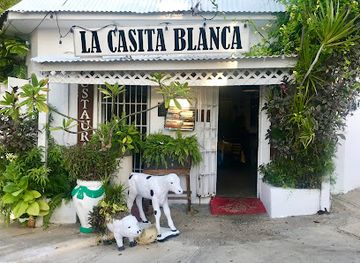
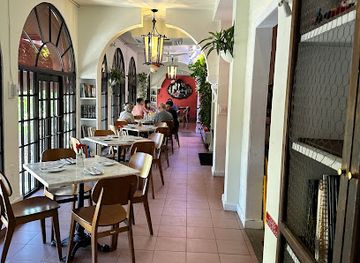
La Casita Blanca
Experience authentic Puerto Rican cuisine at La Casita Blanca in Santurce - a must-visit culinary gem in San Juan.
-
Puerto Rican
Casita Miramar
Experience authentic Puerto Rican cuisine at Casita Miramar in San Juan – a must-visit culinary destination for every tourist.
-
Restaurant
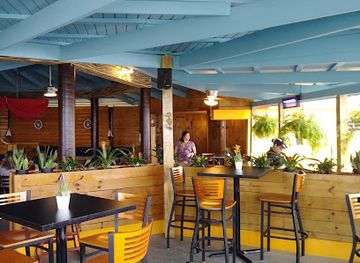
Islote Beach Restaurant
Experience authentic Puerto Rican cuisine at Islote Beach Restaurant while enjoying breathtaking ocean views in Arecibo.
-
Fine Dining
Marmalade
Discover exquisite fine dining at Marmalade in San Juan – where Caribbean flavors meet international cuisine in an elegant setting.
Best bars in South Region
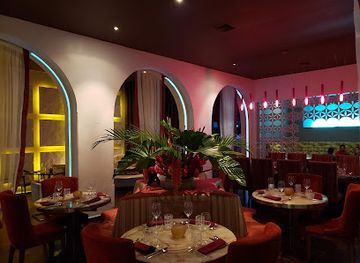
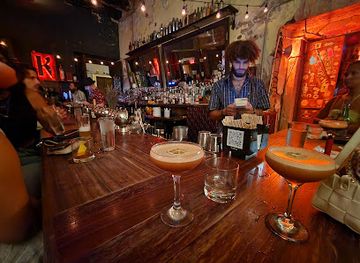
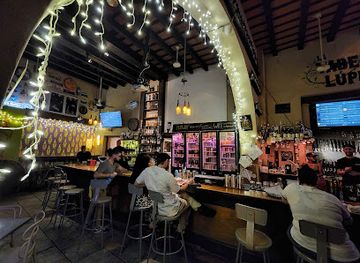
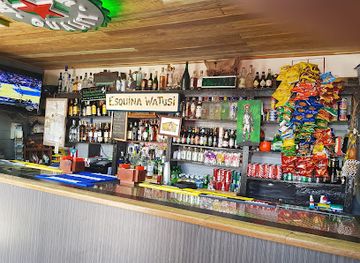
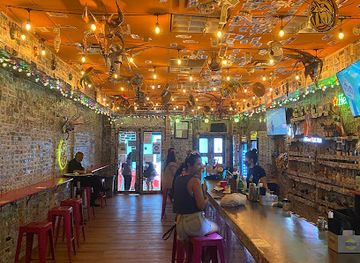
Evening life in the South Region is concentrated in Ponce and the larger coastal towns rather than spread across a continuous nightlife district. Ponce offers the widest choice of bars, cafés, restaurants, live music and cultural performances, particularly around its historic centre and central plazas, although individual venues and schedules change. In Salinas and other coastal communities, the evening atmosphere is often built around seafood restaurants, waterfront drinks and informal socialising rather than large clubs. Smaller towns such as Yauco and Coamo tend towards local bars, bakeries, plazas and occasional music or festival activity. Traditional Puerto Rican music and social gatherings may be more important than late-night dancing, while rural areas become quiet early. Visitors should check current arrangements locally, especially after storms or during public holidays, and should arrange a safe return journey when staying outside a main town.
-
Bar
La Factoría
Experience the vibrant nightlife and innovative cocktails at La Factoría, a must-visit cocktail bar in San Juan, Puerto Rico.
-
Beer hall
La Taberna Lúpulo
Discover La Taberna Lúpulo: A lively beer hall in San Juan, offering an extensive local beer selection and delectable bar and grill cuisine.
-
Bar
Esquina El Watusi
Discover Esquina El Watusi, a vibrant bar in Santurce, San Juan, where art, music, and refreshing cocktails create an unforgettable nightlife experience.
-
Bar
Los 3 Cuernos
Discover the lively spirit of San Juan at Los 3 Cuernos, where refreshing cocktails and local culture meet in a vibrant bar atmosphere.
Best nightclubs in South Region
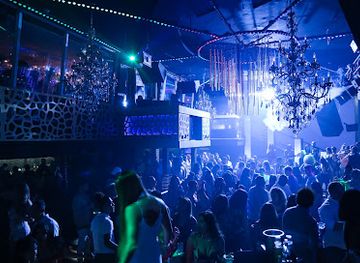
Evening life in the South Region is concentrated in Ponce and the larger coastal towns rather than spread across a continuous nightlife district. Ponce offers the widest choice of bars, cafés, restaurants, live music and cultural performances, particularly around its historic centre and central plazas, although individual venues and schedules change. In Salinas and other coastal communities, the evening atmosphere is often built around seafood restaurants, waterfront drinks and informal socialising rather than large clubs. Smaller towns such as Yauco and Coamo tend towards local bars, bakeries, plazas and occasional music or festival activity. Traditional Puerto Rican music and social gatherings may be more important than late-night dancing, while rural areas become quiet early. Visitors should check current arrangements locally, especially after storms or during public holidays, and should arrange a safe return journey when staying outside a main town.
-
Night club
Club 77
Discover the energetic nightlife of San Juan at Club 77, where music, dance, and local culture come together in a vibrant atmosphere.
-
Dance club
Club Vibra
Dive into the electrifying nightlife of San Juan at Club Vibra, where the beats are infectious and the atmosphere is irresistibly vibrant.
-
Night club
La Respuesta
Experience the vibrant nightlife of Santurce at La Respuesta, a premier night club and live music venue with affordable drinks and exciting performances.
-
Night club
Club Brava
Unleash your night at Club Brava, Carolina's elite night club with live music, craft cocktails, and an unforgettable dance experience.


Best shops in South Region
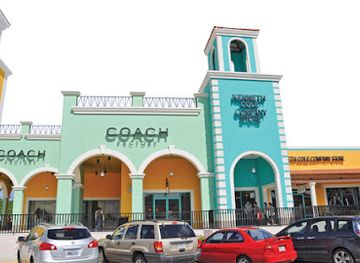
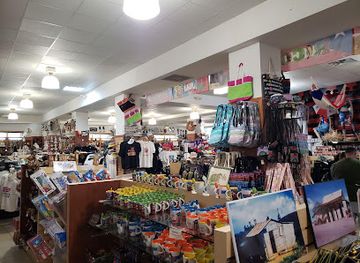
Ponce provides the South Region’s broadest shopping choice, with independent shops, galleries, bookshops, cafés and practical retail around the historic centre and newer commercial areas. Its museums and cultural institutions are useful places to look for books, art reproductions and locally themed gifts, while craft sellers may offer ceramics, textiles, jewellery and Puerto Rican decorative work. Smaller towns such as Yauco, Coamo, Guánica and Salinas are better suited to browsing bakeries, small grocers, produce stalls and family-run shops than to extensive retail shopping. Coffee from the southern uplands, locally made sweets, spices, hot sauces and handmade crafts make more meaningful regional purchases than generic souvenirs. Farmers’ markets and plaza-based vendors vary by town and day, so ask locally about current arrangements. Visitors should remember that rural and coastal businesses may close earlier or accept cash more readily than larger urban retailers.
-
Outlet mall
Puerto Rico Premium Outlets
Discover unbeatable deals at Puerto Rico Premium Outlets, your ultimate destination for brand-name shopping and local dining in Barceloneta.
-
Gift shop
Utopia Souvenir Shop
Explore Utopia Souvenir Shop in Ponce for unique gifts, local crafts, and delightful café treats to enhance your Puerto Rican adventure.
-
Gift shop
Caribbean Trading Company
Explore the Caribbean Trading Company for unique gifts, local art, and premium cigars that embody the spirit of Puerto Rico.
-
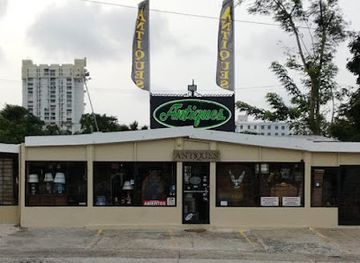
Antique store
Cosas de Ayer y Hoy
Discover the charm of yesteryears at 'Cosas de Ayer y Hoy', a vintage paradise in San Juan, Puerto Rico, offering unique antiques and collectibles.

Get your free copy of our complete guide to South Region, delivered straight to you.
Everything on this page, from attractions and restaurants to essentials and local phrases, in one PDF you can read offline, print or share.
Already have an account? Sign in
Your South Region guide is ready.
We'll send it to · Not you? Sign out

Getting your guide ready…
We are putting together a fresh copy of the South Region guide. This can take up to a minute.
This can take a few moments. If your browser asks, choose Allow so the download can start. You'll find the guide in your Downloads folder.
Nothing happened? Download it again
Sorry, the guide is taking longer than usual. Please try again in a minute, or get it by email instead.
South Region essentials
Currency and Payment
Safety
Emergency Situations
Do's and Don'ts
Local Tips
From Eve
Local phrases worth knowing
You don't need to get them perfect. A few words go a long way, and locals appreciate the effort.
Basics
| English | Local | Say it |
|---|---|---|
| Hello | Hola | [Ola] |
| Goodbye | Adiós | [Adios] |
| Yes | Sí | [Si] |
| No | No | [No] |
| Please/You're welcome | Por favor/De nada | [Por favor/De nada] |
| Thank you | Gracias | [Grasias] |
| Excuse me/Sorry | Perdón/Lo siento | [Perdon/Lo siento] |
| How are you? | ¿Cómo estás? | [Como estas] |
| Fine. And you? | Bien. ¿Y tú? | [Bien. Y tu] |
| Do you speak English? | ¿Hablas inglés? | [Hablas ingles] |
| I don't understand | No entiendo | [No entiendo] |
Eating & Drinking
| English | Local | Say it |
|---|---|---|
| I'd like to see the menu, please | Me gustaría ver el menú, por favor | [Me gustaria ver el menu, por favor] |
| I don't eat meat | No como carne | [No como carne] |
| Cheers! | ¡Salud! | [Salud] |
| I would like to pay, please | Me gustaría pagar, por favor | [Me gustaria pagar, por favor] |
Emergencies
| English | Local | Say it |
|---|---|---|
| Help! | ¡Ayuda! | [Ayuda] |
| Go away! | ¡Vete! | [Vete] |
| Call the Police! | ¡Llama a la policía! | [Llama a la policia] |
| Call a doctor! | ¡Llama a un doctor! | [Llama a un doctor] |
| I'm lost | Estoy perdido/a | [Estoy perdido/a] |
| I'm ill | Estoy enfermo/a | [Estoy enfermo/a] |
Shopping
| English | Local | Say it |
|---|---|---|
| I'd like to buy... | Me gustaría comprar... | [Me gustaria comprar] |
| I'm just looking | Solo estoy mirando | [Solo estoy mirando] |
| How much is it? | ¿Cuánto cuesta? | [Cuanto cuesta] |
| That's too expensive | Eso es muy caro | [Eso es muy caro] |
| Can you lower the price? | ¿Puedes bajar el precio? | [Puedes bajar el precio] |
Time & Numbers
| English | Local | Say it |
|---|---|---|
| What time is it? | ¿Qué hora es? | [Que hora es] |
| It's one o'clock | Es la una | [Es la una] |
| Half past (10) | Y media (10) | [Y media (10)] |
| Morning | Mañana | [Mañana] |
| Afternoon | Tarde | [Tarde] |
| Evening | Noche | [Noche] |
| Yesterday | Ayer | [Ayer] |
| Today | Hoy | [Hoy] |
| Tomorrow | Mañana | [Mañana] |
| 1 | Uno | [Uno] |
| 2 | Dos | [Dos] |
| 3 | Tres | [Tres] |
| 4 | Cuatro | [Cuatro] |
| 5 | Cinco | [Cinco] |
| 6 | Seis | [Seis] |
| 7 | Siete | [Siete] |
| 8 | Ocho | [Ocho] |
| 9 | Nueve | [Nueve] |
| 10 | Diez | [Diez] |
Transport & Directions
| English | Local | Say it |
|---|---|---|
| Where's a/the...? | ¿Dónde está un/una...? | [Donde esta un/una] |
| What's the address? | ¿Cuál es la dirección? | [Cual es la direccion] |
| Can you show me (on the map)? | ¿Puedes mostrarme (en el mapa)? | [Puedes mostrarme en el mapa] |
| When's the next (bus)? | ¿Cuándo es el próximo (autobús)? | [Cuando es el proximo autobus] |
| A ticket (to ....) | Un boleto (a....) | [Un boleto a] |
History of South Region
Taíno Heritage and Indigenous Settlement
Before Spanish colonisation, southern Puerto Rico was inhabited by Taíno communities whose settlements were linked to coastal resources, river valleys and inland cultivation. The region’s bays and plains supported fishing, gathering and agriculture, while ceremonial and residential sites formed part of wider networks across the island. Indigenous heritage survives through archaeological evidence, place names and cultural traditions, although colonial disruption, disease and forced labour transformed these communities rapidly after the sixteenth-century invasion.
Spanish Colonisation and Southern Towns
Spanish settlement developed around defensible coastal locations, agricultural lands and routes into the central mountains. Ponce, founded in the seventeenth century and later formally recognised as a town, became the major urban centre of the south. Churches, plazas, roads and estates gradually imposed a colonial pattern on the landscape. Coamo, one of Puerto Rico’s older settlements, also gained importance as an inland stop connected with agriculture and movement between the coast and interior.
Sugar, Coffee and Hacienda Society
From the eighteenth through the nineteenth centuries, sugar expanded across the southern coastal plain, while coffee became especially important in the wetter uplands around Yauco and neighbouring municipalities. Large haciendas brought together land, mills, enslaved labour, tenant workers and commercial networks. Hacienda Buena Vista near Ponce preserves an important example of a nineteenth-century agricultural estate, illustrating how cultivation, processing and household life were organised before Puerto Rico’s industrial transformation.
Ponce’s Commercial and Cultural Rise
During the nineteenth century, Ponce grew into a significant Caribbean port and commercial city. Sugar, coffee and other agricultural products moved through its harbour, while merchants, craftsmen and professionals financed theatres, schools, churches and civic buildings. The city’s historic architecture reflects this prosperity, including neoclassical and civic structures as well as colourful domestic buildings. Ponce’s later reputation as a centre of art, music and public culture developed from these commercial and institutional foundations.
The Transition from Spanish Rule to United States Administration
The Spanish-American War brought Puerto Rico under United States administration in 1898, changing the island’s political and economic relationship with the wider world. Southern ports and agricultural districts became increasingly connected to United States markets, while new administrative, educational and infrastructural systems were introduced. The region’s sugar economy expanded in the early twentieth century, but its benefits were unevenly distributed and traditional hacienda structures gradually gave way to larger corporate operations.
Industrialisation, Migration and Economic Change
Twentieth-century industrialisation altered the southern landscape through expanded roads, utilities, manufacturing and port activity. Sugar declined as an economic force, and many rural residents moved towards Ponce and other urban centres or migrated to the United States. Towns retained strong local identities, but employment increasingly came from services, manufacturing, government and tourism. Former agricultural sites, town plazas and surviving estate buildings provide reminders of the economic systems that once dominated the region.
Natural Heritage and Contemporary Conservation
The protection of southern ecosystems became increasingly important as development, agriculture and coastal use placed pressure on dry forests, mangroves and wetlands. The Guánica Dry Forest is internationally recognised for its ecological value and represents a major conservation achievement. Contemporary tourism in the South Region therefore combines historic preservation in Ponce and other towns with nature-based visits, marine recreation and growing attention to the vulnerability of dry landscapes and coastal communities.
South Region in Photos
Browse through our photo collection highlighting the charm and character of the destination.
Neighbouring regions of South Region
The closest regions to South Region, if you have time for more than one.
-

-

-

-

-


Swipe for more regions
Explore more

Explore more of Puerto Rico
Discover Puerto Rico, where vibrant culture, stunning beaches, and rich history create an unforgettable Caribbean experience. Perfect for adventurers and relaxation seekers alike.
Explore Puerto Rico