

Arcadia Management Area Travel Guide - Free Web & App
Your ultimate guide to Arcadia Management Area. Discover top landmarks, proposed trips, and local tips. Free on the web or via the Evendo companion app.


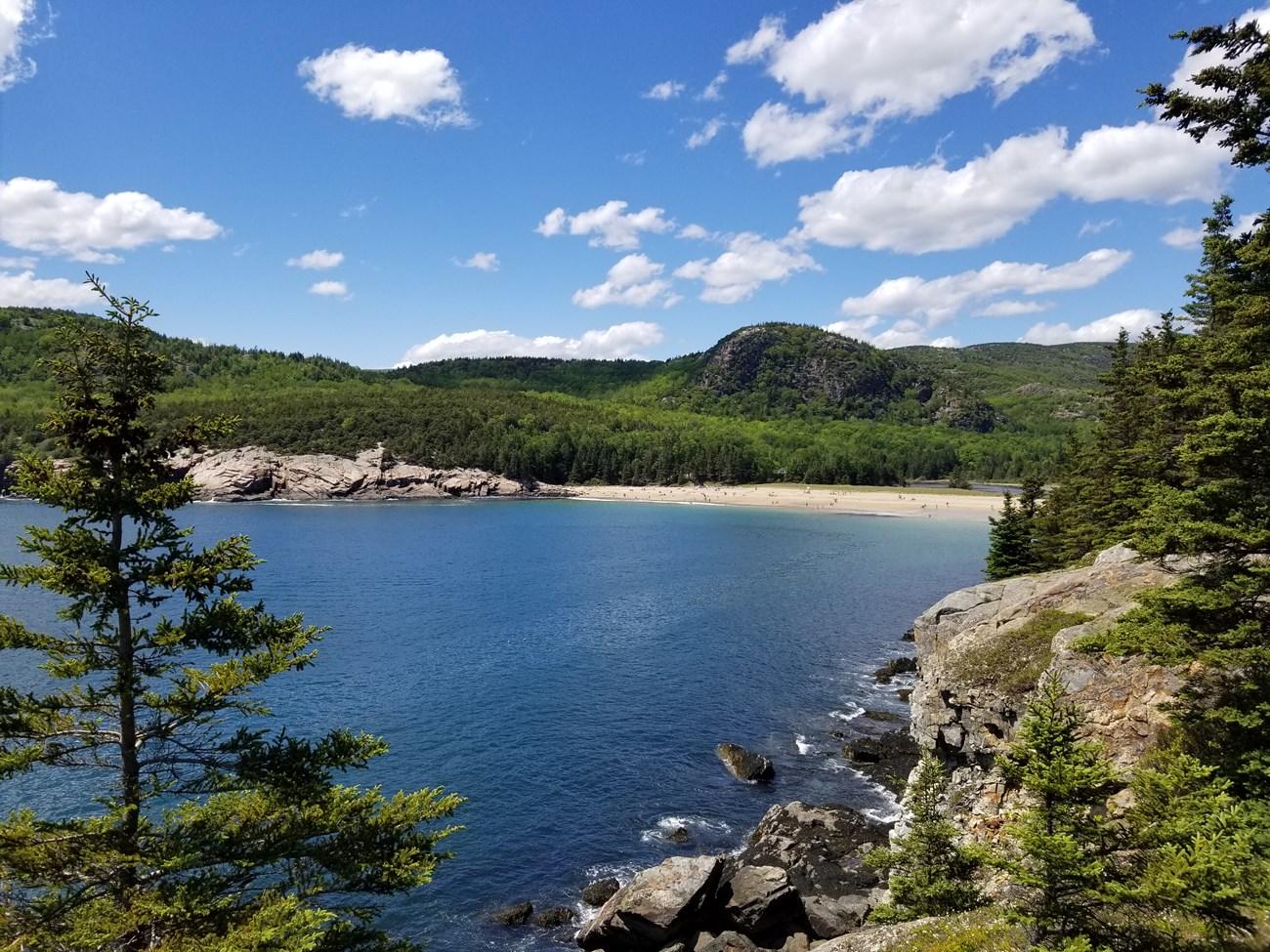


Arcadia Management Area in Rhode Island offers forest trails, ponds, Wood River fishing, camping and wildlife across southern New England landscapes.
Woodland, Water and Open Space
Arcadia Management Area occupies roughly 14,000 acres across the wooded interior of southern Rhode Island, principally in Exeter, West Greenwich, Hopkinton and Richmond. Managed by the Rhode Island Department of Environmental Management, it is the state’s largest public recreational area and a broad landscape of mixed forest, wetlands, ponds, streams and old rural roads. Rather than a single attraction, Arcadia is a network of natural spaces linked by trails and quiet back roads, with the Wood River providing its most characteristic watery thread.Read more about Arcadia Management Area
A Landscape for Slow Exploration
Rural Gateways and Conservation
When is the best time to visit Arcadia Management Area?
Best: May–June, September · 22–26°C| Month | High (°C) | Rainfall (mm) |
|---|---|---|
| January | 3 | 90 |
| February | 5 | 80 |
| March | 10 | 100 |
| April | 16 | 100 |
| May (best) | 22 | 90 |
| June (best) | 26 | 80 |
| July | 29 | 90 |
| August | 29 | 90 |
| September (best) | 24 | 90 |
| October | 18 | 100 |
| November | 12 | 100 |
| December | 6 | 100 |
Getting to and around Arcadia Management Area
How to get there
Transportation
Best attractions in Arcadia Management Area
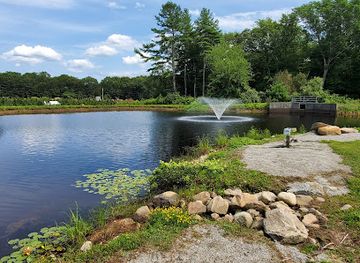
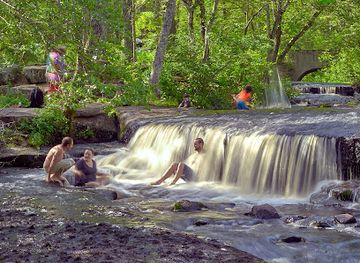
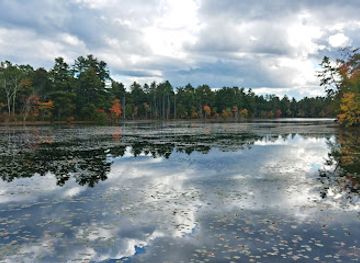
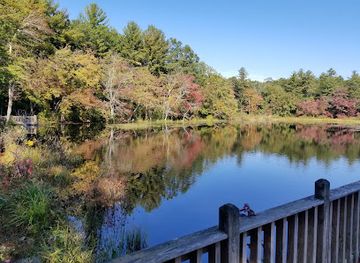
Arcadia’s attractions are primarily natural and spread across its extensive forest. Breakheart Pond is a popular setting for woodland walks, fishing and quiet water views, while Browning Mill Pond and Carbuncle Pond offer different combinations of wetland, forest and open water. The Wood River is central to the area’s character, and the walk to Stepstone Falls follows a scenic stretch of river where water moves over exposed rock and small cascades. The Arcadia Trail System provides routes for hiking, mountain biking and horseback riding, with terrain ranging from level woodland tracks to rougher, root-strewn paths. Beach Pond, on the western side of the management area near the Connecticut boundary, adds another important water landscape. Visitors should regard Arcadia as a collection of recreation areas rather than a single circuit: distances between access points are substantial, and the character of each pond, stream corridor and forest section changes with season and weather.
-
Winery
Leyden Farm Vineyard & Winery
Discover the beauty of Leyden Farm Vineyard & Winery, where exquisite wines meet stunning Rhode Island landscapes for an unforgettable experience.
-
Hiking area
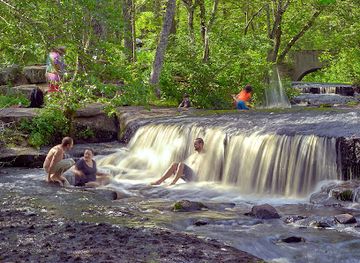
Stepstone Falls Waterfall and Hiking Paths - Part of Arcadia Management Area
Explore the tranquil beauty of Stepstone Falls Waterfall and Hiking Paths, a hidden gem in Rhode Island's Arcadia Management Area.
-
Tourist attraction
Tillinghast Pond Management Area
Discover the tranquility and beauty of Tillinghast Pond Management Area, a nature preserve in Rhode Island perfect for outdoor enthusiasts and nature lovers.
-
Tourist attraction
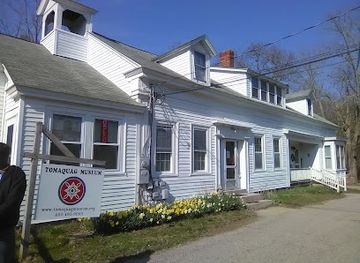
Tomaquag Museum
Explore the Tomaquag Museum in Exeter, RI, and immerse yourself in the rich heritage of Native American culture through engaging exhibits and events.
Best landmarks in Arcadia Management Area
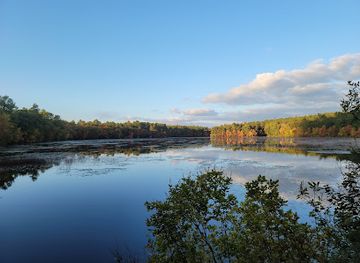
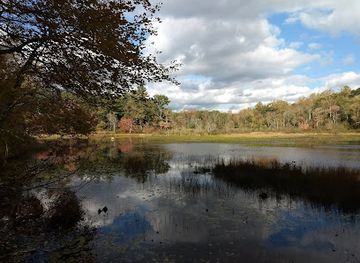
The defining landmarks of Arcadia are its interlinked waters and wooded river corridors rather than monumental buildings. The Wood River is the area’s principal natural feature, with Stepstone Falls marking a particularly recognisable sequence of rocky cascades and flowing water. Breakheart Pond, Browning Mill Pond, Carbuncle Pond and Beach Pond are important landscape landmarks, each reflecting the mixture of glacial terrain, wetland drainage and historic water management found across southern Rhode Island. Forest ridges, old rural roads and stream crossings complete the setting, while the broad extent of the management area is itself significant in a heavily settled state. Arcadia’s landmark character is therefore ecological and geographical: ponds provide habitat and recreation, rivers reveal the terrain’s structure, and the surrounding woodland preserves an inland landscape shaped by both natural change and centuries of farming, milling and forestry.
-
Hiking area
Stepstone Falls Waterfall and Hiking Paths - Part of Arcadia Management Area
Experience the natural beauty and tranquility of Stepstone Falls, a hiking paradise in Rhode Island's Arcadia Management Area.
-
Hiking area
Breakheart Pond Arcadia Trailhead Parking
Discover the tranquility of Breakheart Pond Arcadia Trailhead in Exeter, RI – a serene hiking paradise with picturesque trails and abundant wildlife.
-
Nature preserve
Browning Mill pond
Experience the tranquility and natural beauty of Browning Mill Pond in Exeter, Rhode Island, perfect for outdoor enthusiasts and serenity seekers alike.
-
Park
Arcadia Management Area Midway Parking
Discover the Arcadia Management Area Midway Parking, your gateway to nature's beauty in Rhode Island with trails, wildlife, and stunning landscapes.
Explore Arcadia Management Area on the map
Plan your trip on one map. See where the top attractions, landmarks, restaurants and hotels are, and book hotels and experiences in a few clicks.
Best hotels in Arcadia Management Area
Best restaurants in Arcadia Management Area
Arcadia itself has few commercial dining facilities, so meals are generally found in nearby communities rather than beside the trails and ponds. Hope Valley, Wyoming, West Greenwich, Exeter and surrounding villages provide the most useful settings for traditional American meals, cafés, takeaway food and locally oriented pubs, although the depth of choice varies by settlement. Regional dining reflects southern New England’s agricultural and coastal setting, with seafood, clam-based dishes, chowder, burgers, baked goods and farm-produced ingredients commonly encountered across Rhode Island. Travellers spending a full day in the management area should carry food and water, particularly when visiting remote trailheads where there may be no shop or café. Farm stands and small independent food businesses can be seasonal, so provisions are best obtained before entering Arcadia rather than assumed to be available at a recreation site.
-
Pizza
Arcadia Pizza
Discover the ultimate pizza experience at Arcadia Pizza in West Greenwich - where fresh ingredients meet mouthwatering flavors.
Best bars in Arcadia Management Area
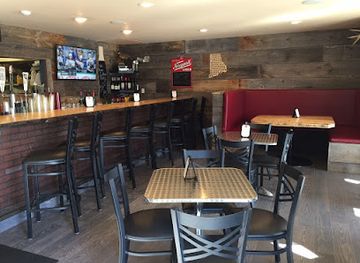
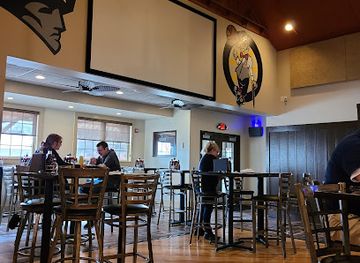
Arcadia has no concentrated nightlife district and its evening character is rural, quiet and strongly tied to the surrounding villages. Traditional pubs, taverns and casual restaurants in Hope Valley, Wyoming, West Greenwich and other nearby communities provide the most realistic options for an evening drink or meal, while larger entertainment choices are found further away in Providence, Warwick, Newport or the coastal towns. In and around the management area, evenings are better suited to conversation, stargazing and the subdued atmosphere of a rural base than to late-night clubbing. Seasonal community events may add music or local entertainment, but programmes vary and should be checked locally. Visitors staying near the forest should plan transport in advance, since roads are dark and dispersed accommodation may be some distance from a licensed venue.
-
Restaurant
Dan's Place
Discover Dan's Place in West Greenwich, RI - a charming restaurant offering delicious pizzas, diverse menu options, and a warm atmosphere for all diners.
-
Breakfast
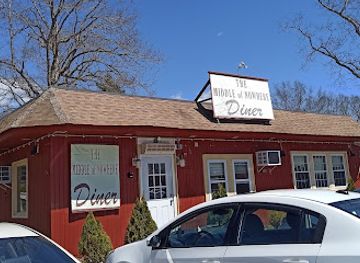
The Middle of Nowhere Diner
Discover the charm of The Middle of Nowhere Diner, where hearty breakfasts meet a cozy ambiance in the heart of Rhode Island.
-
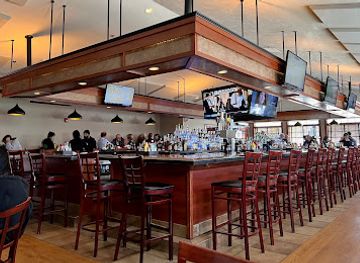
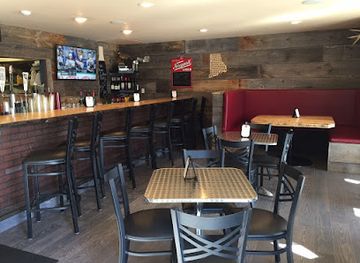
Bar
Cornerstone Pub
Experience the best of American cuisine and local brews at Cornerstone Pub in Exeter, Rhode Island, a perfect spot for relaxation and entertainment.
-
Pizza
Arcadia Pizza
Experience the best of Italian cuisine at Arcadia Pizza, where every slice is a delicious adventure in flavor.
Best nightclubs in Arcadia Management Area
Arcadia has no concentrated nightlife district and its evening character is rural, quiet and strongly tied to the surrounding villages. Traditional pubs, taverns and casual restaurants in Hope Valley, Wyoming, West Greenwich and other nearby communities provide the most realistic options for an evening drink or meal, while larger entertainment choices are found further away in Providence, Warwick, Newport or the coastal towns. In and around the management area, evenings are better suited to conversation, stargazing and the subdued atmosphere of a rural base than to late-night clubbing. Seasonal community events may add music or local entertainment, but programmes vary and should be checked locally. Visitors staying near the forest should plan transport in advance, since roads are dark and dispersed accommodation may be some distance from a licensed venue.
-
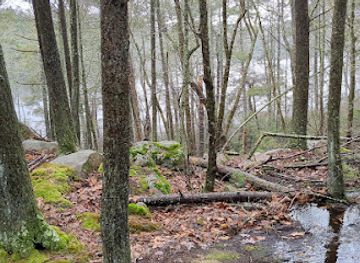
Park
Arcadia Management Area
Explore the breathtaking landscapes of Arcadia Management Area, a premier outdoor destination in Hope Valley, Rhode Island.
Best shops in Arcadia Management Area
Shopping within Arcadia is limited to the practical scale of a rural recreation area, with no central retail street or substantial permanent market. Visitors normally buy fuel, groceries, outdoor supplies and prepared food in nearby settlements such as Hope Valley, Wyoming, West Greenwich or Exeter. Small local businesses and farm stands may offer seasonal produce, baked goods and other regional food products, while independent shops in surrounding towns can provide a more useful selection of gifts and everyday necessities than the management area itself. Rhode Island-made foods, craft products, artwork and outdoor equipment are more likely to be found in regional towns or specialist businesses than at a forest trailhead. Plan purchases before a day’s exploration, particularly when heading towards remote ponds or less-developed access points where there may be no shop, visitor centre or staffed facility.
-
Park
Arcadia Management Area
Experience the natural beauty and tranquility of Arcadia Management Area, a premier park in Rhode Island perfect for outdoor adventures and serene escapes.

Get your free copy of our complete guide to Arcadia Management Area, delivered straight to you.
Everything on this page, from attractions and restaurants to essentials and local phrases, in one PDF you can read offline, print or share.
Already have an account? Sign in
Your Arcadia Management Area guide is ready.
We'll send it to · Not you? Sign out

Getting your guide ready…
We are putting together a fresh copy of the Arcadia Management Area guide. This can take up to a minute.
This can take a few moments. If your browser asks, choose Allow so the download can start. You'll find the guide in your Downloads folder.
Nothing happened? Download it again
Sorry, the guide is taking longer than usual. Please try again in a minute, or get it by email instead.
Arcadia Management Area essentials
Currency and Payment
Safety
Emergency Situations
Do's and Don'ts
Local Tips
From Eve
Local phrases worth knowing
You don't need to get them perfect. A few words go a long way, and locals appreciate the effort.
Basics
| English | Local | Say it |
|---|---|---|
| Hello | Howdy | [haw-dee] |
| Goodbye | See ya | [see yah] |
| Yes | Yup | [yuhp] |
| No | Nah | [nuh] |
| Please/You're welcome | Please/No problem | [pleez/no prob-lem] |
| Thank you | Thanks a lot | [thanks uh lot] |
| Excuse me/Sorry | Pardon me/My bad | [par-dun me/my bad] |
| How are you? | How's it goin'? | [hows it go-in] |
| Fine. And you? | Good. You? | [good. yuh?] |
| Do you speak English? | Ya speak English? | [yah speak ing-glish] |
| I don't understand | I ain't gettin' it | [I ent get-tin it] |
Eating & Drinking
| English | Local | Say it |
|---|---|---|
| I'd like to see the menu, please | Can I check out the menu? | [can I chek out the menu] |
| I don't eat meat | I don't do meat | [I don do meat] |
| Cheers! | Cheers! | [cheers] |
| I would like to pay, please | I'm ready to settle up, thanks | [I'm red-ee tuh set-tul up, thanks] |
Emergencies
| English | Local | Say it |
|---|---|---|
| Help! | SOS! | [SOS!] |
| Go away! | Scram! | [scram!] |
| Call the Police! | Ring the Cops! | [ring the cops!] |
| Call a doctor! | Get a doc! | [get a doc!] |
| I'm lost | I'm all turned around | [I'm all turned uh-round] |
| I'm ill | I'm under the weather | [I'm under the weath-er] |
Shopping
| English | Local | Say it |
|---|---|---|
| I'd like to buy... | I'm lookin' to purchase... | [I'm lookin tuh pur-chase] |
| I'm just looking | Just browsin' | [just brow-zin] |
| How much is it? | How much does it run? | [how much does it run] |
| That's too expensive | That's steep | [that's steep] |
| Can you lower the price? | Can ya drop it down? | [can yuh drop it down] |
Time & Numbers
| English | Local | Say it |
|---|---|---|
| What time is it? | What's the time? | [whats the time] |
| It's one o'clock | It's one | [its one] |
| Half past (10) | Half ten | [half ten] |
| Morning | Mornin' | [morn-in] |
| Afternoon | Afternoon | [afternoon] |
| Evening | Evenin' | [even-in] |
| Yesterday | Yesterday | [yes-ter-day] |
| Today | Today | [to-day] |
| Tomorrow | Tomorrow | [to-mor-row] |
| 1 | One | [wun] |
| 2 | Two | [too] |
| 3 | Three | [three] |
| 4 | Four | [four] |
| 5 | Five | [five] |
| 6 | Six | [six] |
| 7 | Seven | [seven] |
| 8 | Eight | [ate] |
| 9 | Nine | [nine] |
| 10 | Ten | [ten] |
Transport & Directions
| English | Local | Say it |
|---|---|---|
| Where's a/the...? | Where's the...? | [wheres the] |
| What's the address? | What's the addy? | [whats the addy] |
| Can you show me (on the map)? | Can ya point it out (on the map)? | [can ya point it out on the map] |
| When's the next (bus)? | When's the next (bus)? | [whens the next bus] |
| A ticket (to ....) | A ticket (to ....) | [a ticket to] |
History of Arcadia Management Area
Glacial Foundations
Arcadia’s physical character was shaped by the last Ice Age, when moving ice altered southern New England’s bedrock and left behind the irregular terrain, depressions and drainage patterns that now define the management area. Glacially influenced ponds, wetlands and low ridges are interwoven with the Wood River and its tributaries, producing the mosaic of forest and water that visitors encounter today. The soils and exposed rock are not a separate monument within Arcadia, but they remain the underlying reason why the area developed as a landscape of small waters, wooded uplands and winding streams rather than broad agricultural plains.
Indigenous Homeland and Early Settlement
The forests and waterways of what is now Arcadia lie within the traditional homeland of the Narragansett and neighbouring Indigenous peoples, whose lives were connected to southern New England’s rivers, wetlands and seasonal resources long before European settlement. Colonial expansion brought new fields, roads, mills and property boundaries. The Wood River became particularly important because its flow could power small-scale industry, while nearby communities developed around farming and water-dependent enterprises. Modern place names and surviving rural roads reflect this layered history, although much of the management area remains more lightly settled than the surrounding countryside.
Mills, Farms and Water Power
From the colonial period into the nineteenth century, southern Rhode Island’s streams supported sawmills, gristmills and other local industries. Water bodies now valued for recreation were also shaped by dams, mill ponds and changing patterns of land use. Farming cleared portions of the forest, while timber harvesting and the gradual abandonment of marginal fields allowed woodland to return in many places. Arcadia’s ponds, old roads and mixed-age forests therefore represent both natural processes and centuries of human modification, rather than an untouched landscape removed from regional economic history.
From Private Parcels to Public Land
During the twentieth century, Rhode Island acquired and consolidated extensive tracts of forest and watershed land in the state’s rural interior. These purchases helped protect open space and water resources while providing room for public recreation, and the resulting holdings became associated with the Arcadia Management Area. The designation reflects a management approach rather than a compact national-style park: forestry, wildlife management, hunting, fishing and recreation operate alongside conservation objectives. Roads, ponds and clearings consequently serve several purposes and may look more utilitarian than the facilities of a heavily developed resort.
Modern Recreation and Stewardship
Arcadia is now managed as a multifunctional public landscape where hiking, mountain biking, equestrian riding, fishing, boating in appropriate locations, camping and hunting are regulated according to season, site and state rules. The area’s history continues through active stewardship of forests, wetlands, streams and wildlife habitat, as well as the maintenance of trails and recreation facilities. Its importance to Rhode Island lies not only in its recreational scale but also in preserving a substantial inland landscape within a densely settled coastal state, where public access and environmental management must remain closely balanced.
Arcadia Management Area in Photos
Browse through our photo collection highlighting the charm and character of the destination.
Neighbouring destination travel guides
The closest destinations to Arcadia Management Area, if you have time for more than one.
-

-

-

-

-


Swipe for more destinations
Explore more
Explore more of Kent County
Explore Kent County, Rhode Island, for Narragansett Bay beaches, historic East Greenwich, mill-town heritage, forest trails and coastal dining.
Explore Kent County
Explore more of Rhode Island
Discover Rhode Island: Explore historic mansions, vibrant cities, serene islands, and culinary delights in the smallest state with a big heart.
Explore Rhode Island