

Charleston Beaches Travel Guide - Free Web & App
Your ultimate guide to Charleston Beaches. Discover top landmarks, proposed trips, and local tips. Free on the web or via the Evendo companion app.


Charleston Beaches, South Carolina, pair Atlantic shorelines with barrier-island towns, historic forts, sea breezes, wildlife and easy access from Charleston.
A Coast of Barrier Islands
Charleston Beaches is a practical travel term for the Atlantic shoreline and barrier-island communities around Charleston, South Carolina, rather than a single officially bounded destination. Its best-known beaches include Folly Beach south of the city, Sullivan's Island and Isle of Palms across the harbour, and the more resort-oriented shores of Kiawah Island and Seabrook Island farther south. Each has a different character: Folly is informal and surf-oriented, Sullivan's Island is quieter and closely tied to Fort Moultrie, Isle of Palms combines a broad public beach with a holiday community, while Kiawah is noted for maritime forest, dunes and carefully managed natural habitats.Read more about Charleston Beaches
Salt Marshes, Dunes and Tidal Water
History Beside the Sea
When is the best time to visit Charleston Beaches?
Best: April, October–November · 20–27°C| Month | High (°C) | Rainfall (mm) |
|---|---|---|
| January | 16 | 85 |
| February | 18 | 90 |
| March | 21 | 105 |
| April (best) | 25 | 94 |
| May | 30 | 98 |
| June | 34 | 149 |
| July | 35 | 168 |
| August | 35 | 172 |
| September | 32 | 143 |
| October (best) | 27 | 99 |
| November (best) | 20 | 80 |
| December | 16 | 83 |
Getting to and around Charleston Beaches
How to get there
Transportation
Best attractions in Charleston Beaches
Folly Beach offers a broad Atlantic shoreline, a relaxed seaside community and access to the Folly River, while nearby Morris Island is a largely undeveloped destination reached by boat or kayak and recognised for its lighthouse and views towards Charleston Harbour. Sullivan's Island combines a quieter beach with Fort Moultrie, the National Park Service site interpreting Charleston's coastal defences. Isle of Palms has a long public beach and a holiday-oriented community, with nearby marshes and waterways adding opportunities for paddling and wildlife observation. Farther south, Kiawah Island is known for beaches, maritime forest, tidal creeks and carefully managed resort landscapes; Seabrook Island has a similarly residential and resort character with access arrangements that visitors should check in advance. The Charleston harbour waterfront and Fort Sumter are not beaches, but they provide important context for the islands' maritime history, while the surrounding Lowcountry offers boat trips, nature excursions and scenic drives through salt marsh country.
-
Boat tour agency
Charleston Outdoor Adventures
Explore the breathtaking waters of Charleston with outdoor adventures, from kayaking to fishing charters, perfect for nature lovers and thrill-seekers alike.
-
Boat tour agency
Charleston Harbor Tours
Discover the beauty and history of Charleston Harbor through unforgettable boat tours, showcasing stunning views and rich maritime heritage.
-
Tour operator
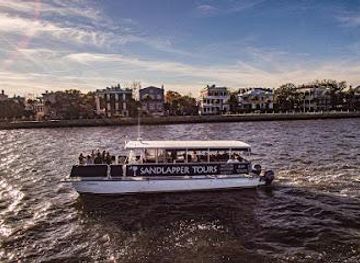
Sandlapper Water Tours
Experience Charleston's breathtaking waterways and rich history with Sandlapper Water Tours, your gateway to unforgettable boat excursions.
-
Children's museum
Children's Museum of the Lowcountry
Explore creativity and learning at the Children's Museum of the Lowcountry, where play meets education in a fun-filled environment for young explorers.
Best landmarks in Charleston Beaches
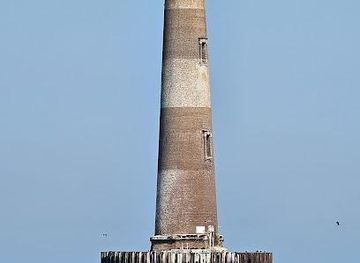
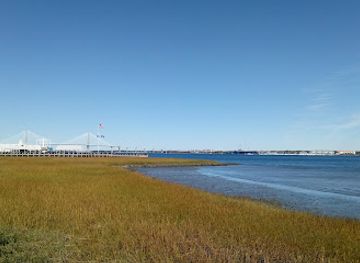
Fort Moultrie on Sullivan's Island is the most important historic landmark directly associated with the beaches, preserving layers of coastal defence from the American Revolution through the twentieth century. Offshore Morris Island Lighthouse stands at the harbour entrance and is best viewed from the water or from suitable mainland and island vantage points rather than approached on foot. Fort Sumter, set in Charleston Harbour, is a separate historic site reached by boat and helps explain the strategic geography of the surrounding islands. The beaches themselves are significant natural landmarks: Folly Beach's shifting shoreline, the broad sands of Isle of Palms, Sullivan's Island's dunes and the marsh-fringed coast of Kiawah and Seabrook illustrate the barrier-island systems of the South Carolina Lowcountry. Tidal creeks, spartina marsh and maritime forest are equally important features of the coastal landscape.
-
Southern
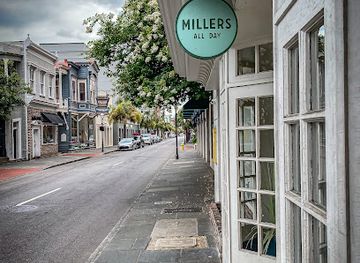
Millers All Day
Experience the best of Southern breakfast and brunch at Millers All Day, a culinary gem in the heart of Charleston, SC.
-
Brunch
Another Broken Egg Cafe
Discover the best brunch in Charleston at Another Broken Egg Cafe, where Southern flavors meet a cozy atmosphere, perfect for travelers.
-
Unitarian Universalist Church
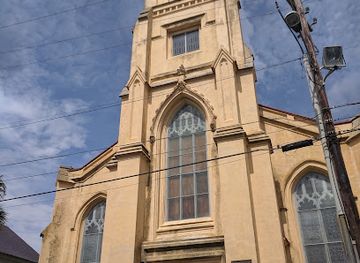
Unitarian Church in Charleston
Discover the architectural beauty and historical significance of the Unitarian Church in Charleston, a serene oasis for reflection and community.
-
Historical landmark
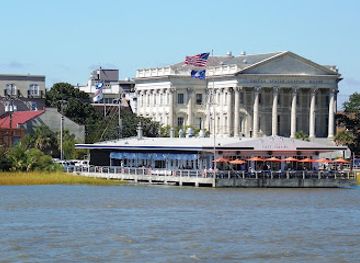
United States Custom House
Discover the historical significance of the United States Custom House, a remarkable neoclassical landmark showcasing Charleston's maritime heritage.
Explore Charleston Beaches on the map
Plan your trip on one map. See where the top attractions, landmarks, restaurants and hotels are, and book hotels and experiences in a few clicks.
Best hotels in Charleston Beaches
Best restaurants in Charleston Beaches
Dining around Charleston Beaches ranges from seafood-focused restaurants and casual beach cafés to pubs, takeaway counters and independent eateries in the island communities and mainland gateways. Folly Beach has the strongest concentration of informal seaside dining, while Isle of Palms and Sullivan's Island provide options within their residential and holiday communities. Mount Pleasant is a practical mainland base for a broader choice of restaurants, markets and everyday provisions, and Johns Island serves visitors staying near Kiawah or Seabrook. Regional menus often draw on the Lowcountry's connections to shrimping, oysters, rice cultivation and Southern cooking, with seafood availability changing by season and catch. The destination itself is not one continuous dining district, and visitors staying in private resort areas may find that restaurants, shops and supplies are spread across the island or require a drive to the mainland.
-
Seafood
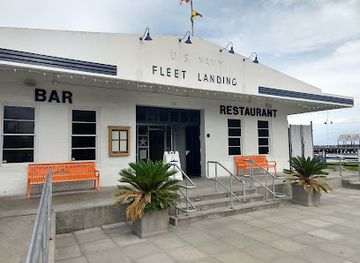
Fleet Landing Restaurant & Bar
Experience fresh seafood with stunning waterfront views at Fleet Landing Restaurant & Bar in Charleston - perfect for families and seafood lovers.
-
Southern
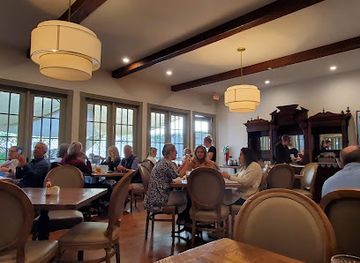
Poogan's Porch
Experience authentic Southern cuisine at Poogan's Porch in Charleston - where tradition meets flavor in a charming Victorian setting.
-
American
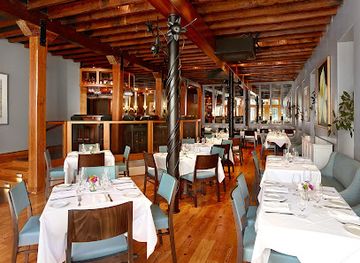
Magnolias
Experience exquisite Southern cuisine at Magnolias in Charleston—where tradition meets contemporary culinary artistry.
-
American
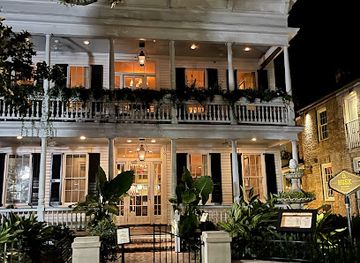
Husk
Experience authentic Southern flavors at Husk Restaurant in Charleston - where local ingredients meet innovative cuisine.
Best bars in Charleston Beaches
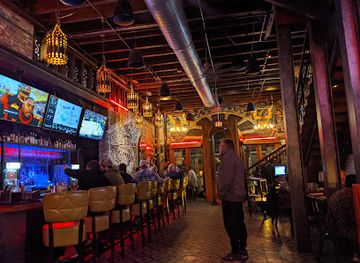
Evening life is concentrated in the settled beach communities rather than on the quieter stretches of shoreline. Folly Beach has the most recognisable casual nightlife, with local bars, pubs and live-music-oriented venues contributing to its informal seaside character, although the atmosphere remains seasonal and individual venues change. Isle of Palms and Sullivan's Island offer a smaller selection of restaurants and drinking places, while Mount Pleasant provides a wider range of evening options outside the beach communities. Kiawah and Seabrook are primarily residential and resort environments, where evening entertainment is more likely to be associated with accommodation, dining or organised events than with a public nightclub scene. Beaches themselves are not automatically suitable for late-night gatherings, so visitors should follow municipal rules on alcohol, fires, noise and access.
-
American
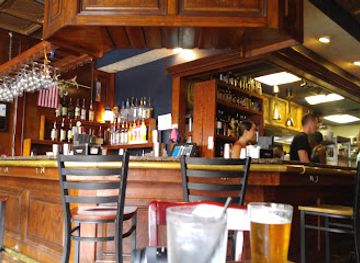
The Griffon
Discover The Griffon, an iconic American pub in Charleston's French Quarter, known for its hearty dishes, craft beers, and vibrant atmosphere.
-
Pub
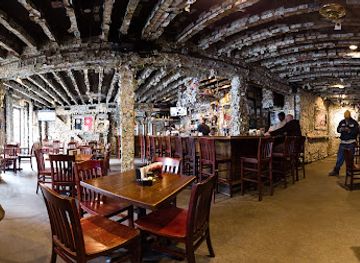
Blind Tiger Pub
Discover the historic charm of Blind Tiger Pub in Charleston, where craft drinks meet Southern-inspired cuisine in a lively setting.
-
Cocktail bar
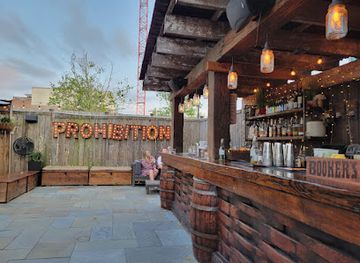
Prohibition
Discover the vibrant nightlife and classic cocktails at Prohibition, Charleston's premier speakeasy-inspired cocktail bar and live music venue.
-
Grill
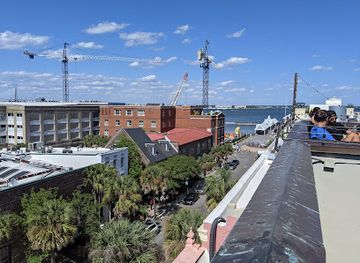
The Rooftop at the Vendue
Experience stunning views and exquisite Southern cuisine at The Rooftop at the Vendue, Charleston's premier bar and grill.
Best nightclubs in Charleston Beaches
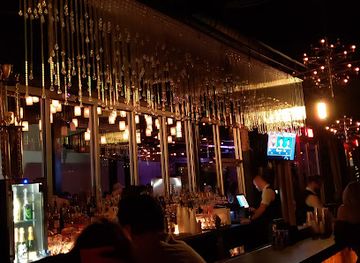
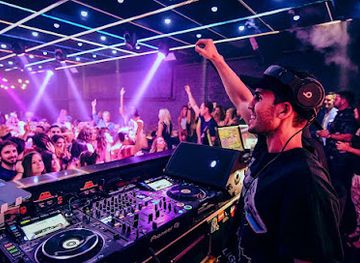
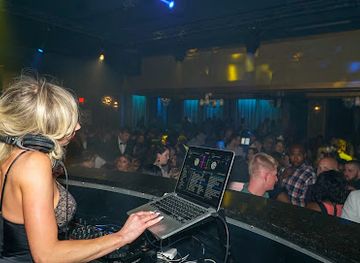
Evening life is concentrated in the settled beach communities rather than on the quieter stretches of shoreline. Folly Beach has the most recognisable casual nightlife, with local bars, pubs and live-music-oriented venues contributing to its informal seaside character, although the atmosphere remains seasonal and individual venues change. Isle of Palms and Sullivan's Island offer a smaller selection of restaurants and drinking places, while Mount Pleasant provides a wider range of evening options outside the beach communities. Kiawah and Seabrook are primarily residential and resort environments, where evening entertainment is more likely to be associated with accommodation, dining or organised events than with a public nightclub scene. Beaches themselves are not automatically suitable for late-night gatherings, so visitors should follow municipal rules on alcohol, fires, noise and access.
-
Night club
Republic Garden & Lounge
Experience the vibrant nightlife at Republic Garden & Lounge, where cocktails and tapas meet in a stunning atmosphere in Charleston.
-
Night club
INK Rooftop & Lounge
Discover the vibrant nightlife and stunning views at INK Rooftop & Lounge, where Charleston's skyline meets exquisite cocktails and delicious cuisine.
-
Night club
Trio
Discover the electrifying nightlife at Trio in Charleston, SC, where live music meets vibrant dance floors for an unforgettable evening.
-
Night club
Aura Latin Club
Discover the rhythm of Charleston at Aura Latin Club, where vibrant nightlife and Latin music create an unforgettable experience.
Best shops in Charleston Beaches
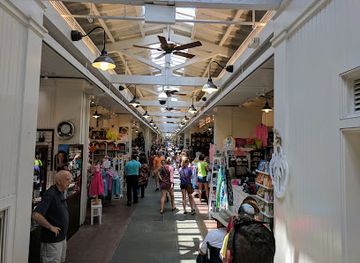
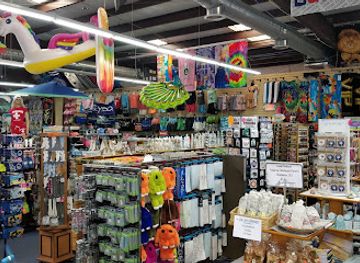
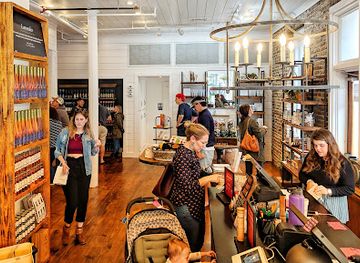
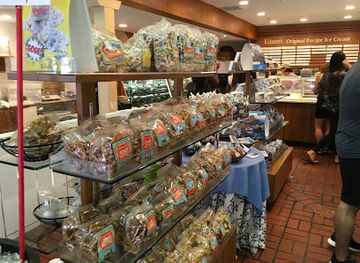
Shopping is modest and dispersed, with the greatest concentration in the beach communities and mainland centres rather than along remote stretches of coast. Folly Beach and Isle of Palms have small independent shops and seasonal beach-oriented retail, while Sullivan's Island is primarily residential and offers a quieter local scale. Mount Pleasant provides the broadest choice of supermarkets, outdoor equipment, everyday goods and specialist retail for visitors travelling between islands. Around Johns Island and the Kiawah or Seabrook area, supplies and locally produced food can be found through mainland shops, farm-related businesses and accommodation services, subject to opening arrangements. Regional purchases may include South Carolina food products, artwork, coastal-themed crafts and practical beach equipment, but visitors should not expect a large traditional market or extensive artisan quarter within the beach destination itself.
-
Shopping mall
The Shops at The Charleston Place
Discover Charleston's premier shopping destination, offering boutique stores, fine dining, and a taste of local culture in a charming atmosphere.
-
Beach clothing store
Treasure Island
Explore Treasure Island, the ultimate beach clothing store in Charleston, SC, offering stylish beachwear and accessories for your perfect seaside getaway.
-
Gift shop
Savannah Bee Company
Explore the delightful world of honey and bees at Savannah Bee Company, where you can savor local flavors and find unique gifts.
-
Chocolate shop
Kilwins
Discover Kilwins in Charleston's French Quarter, where handmade chocolates and gourmet ice cream create a sweet experience for every visitor.
Get your free copy of our complete guide to Charleston Beaches, delivered straight to you.
Everything on this page, from attractions and restaurants to essentials and local phrases, in one PDF you can read offline, print or share.
Already have an account? Sign in
Your Charleston Beaches guide is ready.
We'll send it to · Not you? Sign out

Getting your guide ready…
We are putting together a fresh copy of the Charleston Beaches guide. This can take up to a minute.
This can take a few moments. If your browser asks, choose Allow so the download can start. You'll find the guide in your Downloads folder.
Nothing happened? Download it again
Sorry, the guide is taking longer than usual. Please try again in a minute, or get it by email instead.
Charleston Beaches essentials
Currency and Payment
Safety
Emergency Situations
Do's and Don'ts
Local Tips
From Eve
Local phrases worth knowing
You don't need to get them perfect. A few words go a long way, and locals appreciate the effort.
Basics
| English | Local | Say it |
|---|---|---|
| Hello | Hey y'all | [Hey y'all] |
| Goodbye | See ya later | [See ya later] |
| Yes | Yeah | [Yeah] |
| No | Nah | [Nah] |
| Please/You're welcome | Please/No problem | [Please/No problem] |
| Thank you | Thank ya | [Thank ya] |
| Excuse me/Sorry | Pardon me/My bad | [Pardon me/My bad] |
| How are you? | How y'all doin'? | [How y'all doin'?] |
| Fine. And you? | Fine. And you? | [Fine. And you?] |
| Do you speak English? | Y'all speak English? | [Y'all speak English?] |
| I don't understand | I don't get it | [I don't get it] |
Eating & Drinking
| English | Local | Say it |
|---|---|---|
| I'd like to see the menu, please | Can I see the menu, please | [Can I see the menu, please] |
| I don't eat meat | I don't eat meat | [I don't eat meat] |
| Cheers! | Cheers! | [Cheers!] |
| I would like to pay, please | I would like to pay, please | [I would like to pay, please] |
Emergencies
| English | Local | Say it |
|---|---|---|
| Help! | Help! | [Help!] |
| Go away! | Go away! | [Go away!] |
| Call the Police! | Call the cops! | [Call the cops!] |
| Call a doctor! | Get a doctor! | [Get a doctor!] |
| I'm lost | I'm lost | [I'm lost] |
| I'm ill | I'm sick | [I'm sick] |
Shopping
| English | Local | Say it |
|---|---|---|
| I'd like to buy... | I wanna buy... | [I wanna buy...] |
| I'm just looking | I'm just lookin' | [I'm just lookin'] |
| How much is it? | How much does it cost? | [How much does it cost?] |
| That's too expensive | That's too pricey | [That's too pricey] |
| Can you lower the price? | Can ya bring down the price? | [Can ya bring down the price?] |
Time & Numbers
| English | Local | Say it |
|---|---|---|
| What time is it? | What time is it? | [What time is it?] |
| It's one o'clock | It's one o'clock | [It's one o'clock] |
| Half past (10) | Half past ten | [Half past ten] |
| Morning | Mornin' | [Mornin'] |
| Afternoon | Afternoon | [Afternoon] |
| Evening | Evenin' | [Evenin'] |
| Yesterday | Yesterday | [Yesterday] |
| Today | Today | [Today] |
| Tomorrow | Tomorrow | [Tomorrow] |
| 1 | One | [One] |
| 2 | Two | [Two] |
| 3 | Three | [Three] |
| 4 | Four | [Four] |
| 5 | Five | [Five] |
| 6 | Six | [Six] |
| 7 | Seven | [Seven] |
| 8 | Eight | [Eight] |
| 9 | Nine | [Nine] |
| 10 | Ten | [Ten] |
Transport & Directions
| English | Local | Say it |
|---|---|---|
| Where's a/the...? | Where's the...? | [Where's the...?] |
| What's the address? | What's the address? | [What's the address?] |
| Can you show me (on the map)? | Can ya show me (on the map)? | [Can ya show me (on the map)?] |
| When's the next (bus)? | When's the next (bus)? | [When's the next (bus)?] |
| A ticket (to ....) | A ticket (to ....) | [A ticket (to ....)] |
History of Charleston Beaches
A Tidal Coastal Landscape
The Charleston coast consists of barrier islands, tidal inlets, marshes and sandy shorelines shaped by waves, storms and the broad tidal range of the South Carolina Lowcountry. Islands such as Folly, Sullivan's and the Isle of Palms have changed outline over time as sand moves along the coast and inlets open or close. Maritime forest, dunes and salt marsh were not simply scenic backdrops for later resorts; they were working environments supporting fishing, shellfishing, hunting, transport and coastal agriculture. This physical setting continues to influence development, erosion management, public access and the protection of dunes and nesting wildlife.
Indigenous and Colonial Coastlines
Before European settlement, the coastal islands and estuaries were used by Indigenous peoples whose knowledge of waterways, seasonal resources and maritime environments shaped life in the region. English colonisation of the Charleston area began in the late seventeenth century, bringing plantations, trade and an expanding port economy. The islands and surrounding waterways became connected to Charleston through shipping, fishing and the movement of enslaved people and goods. Sullivan's Island has particular significance in this history because it served as a disembarkation point for many enslaved Africans arriving in the British North American colonies, a legacy commemorated by the island's African Passages marker.
Coastal Defence and the Civil War
Charleston's harbour made the surrounding islands strategically important. Fort Moultrie on Sullivan's Island was established during the American Revolution, when a palmetto-log fort resisted a British naval attack in 1776; the palmetto tree later became a symbol of South Carolina. The fort was expanded and modified through successive periods of American military history. During the Civil War, Charleston Harbour and its approaches became contested waters, with Fort Sumter, Fort Moultrie and Morris Island forming parts of the Confederate and Union defensive landscape. The surviving fortifications provide a direct connection between the beaches and Charleston's military past.
From Resort Islands to Coastal Communities
Seaside recreation expanded as Charleston became more accessible by ferry, rail, road and bridges. Isle of Palms developed as a resort community in the early twentieth century, while Folly Beach acquired its own identity as a seaside town close to the city. Sullivan's Island remained more residential and historically focused, although it too became part of the metropolitan beach network. Later development on Kiawah Island and Seabrook Island brought planned resort and residential landscapes, with greater emphasis on golf, accommodation and managed coastal environments. The islands' current character reflects this mixture of older settlements, holiday development and protected marsh and dune systems.
Conservation and Changing Shores
Modern coastal management has increasingly recognised that beaches, dunes, marshes and maritime forests form connected systems rather than separate amenities. Public agencies, private communities and conservation organisations work within differing ownership and regulatory arrangements to manage erosion, storm impacts, habitat and access. Sea-turtle monitoring, dune protection and restrictions on disturbing nesting or wildlife areas are part of the contemporary visitor landscape. The beaches remain vulnerable to hurricanes, flooding and long-term shoreline change, making responsible recreation and attention to local notices important components of their continuing history.
Charleston Beaches in Photos
Browse through our photo collection highlighting the charm and character of the destination.
Neighbouring destination travel guides
The closest destinations to Charleston Beaches, if you have time for more than one.
-

-

-

-
-


Swipe for more destinations
Explore more

Explore more of Lowcountry
Explore South Carolina's Lowcountry for Charleston heritage, Gullah Geechee culture, tidal marshes, sea islands, seafood and coastal wildlife.
Explore Lowcountry
Explore more of South Carolina
Explore South Carolina: A blend of historic charm, natural beauty, and southern hospitality. From Charleston's cobblestone streets to Myrtle Beach's sandy shores, adventure awaits.
Explore South Carolina