Unearth the Rich History at Gold Mountain Mine Interpretive Site
Explore the Gold Mountain Mine Interpretive Site, a historical landmark in South Dakota, where the gold rush history meets stunning natural beauty.
Discover the Gold Mountain Mine Interpretive Site, a remarkable historical landmark in South Dakota. Immerse yourself in the gold rush era through intriguing exhibits, scenic views, and engaging interpretive trails that bring the story of mining to life.
A brief summary to Gold Mountain Mine Interpretive Site
- F S 389, Hill City, South Dakota, 57745, US
- +1605-673-9200
- Visit website
Local tips
- Check the seasonal hours of operation before your visit, as they may vary.
- Wear comfortable walking shoes to explore the trails and exhibits easily.
- Bring a camera to capture the scenic views and historical features of the site.
- Consider visiting during early morning or late afternoon for fewer crowds and better lighting for photos.
- Take advantage of the interpretive programs to deepen your understanding of the mining history.

Getting There
-
Car
If you're starting from downtown Hill City, head south on Main Street (SD-87) for about 0.5 miles. Turn left onto F S 389 and follow the road for approximately 3 miles. The Gold Mountain Mine Interpretive Site will be on your right. There is no entrance fee to visit the site, but ensure your vehicle is in good condition to navigate the gravel road.
-
Public Transportation
Currently, there are limited public transportation options directly to the Gold Mountain Mine Interpretive Site. The nearest bus stop is in Hill City. From there, you can use a rideshare service like Uber or Lyft to reach the site, which is about a 10-minute drive. Expect to pay around $15-20 for the rideshare service.
-
Biking
For adventurous travelers, biking is a great option. Rent a bike in Hill City and take SD-87 south. After about 0.5 miles, turn left onto F S 389 and follow it for about 3 miles. Be cautious of traffic and the gravel road conditions. This route offers scenic views of the Black Hills.
Discover more about Gold Mountain Mine Interpretive Site
Iconic landmarks you can’t miss

Gold Mountain Mine Interpretive Site
0.0 km
Explore the Gold Mountain Mine Interpretive Site, a historical landmark in South Dakota, where the gold rush history meets stunning natural beauty.

Mount Rushmore KOA Resort at Palmer Gulch Resort
10.8 km
Experience the beauty of the Black Hills at Mount Rushmore KOA Resort, your gateway to adventure and relaxation near iconic landmarks.
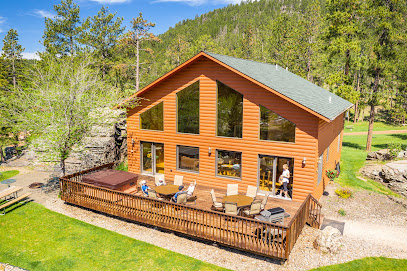
Osprey Hiking Trail
12.7 km
Discover the enchanting Osprey Hiking Trail in South Dakota's Black Hills, where breathtaking views and diverse wildlife await every adventurer.
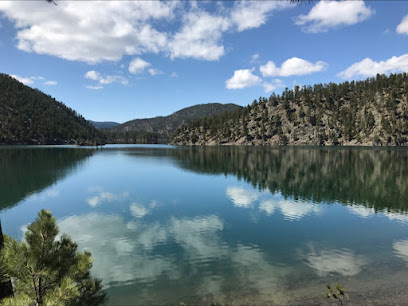
Horse Thief Lake
14.3 km
Experience the serene beauty of Horse Thief Lake, a stunning natural oasis in South Dakota's Black Hills, perfect for swimming, fishing, and hiking.
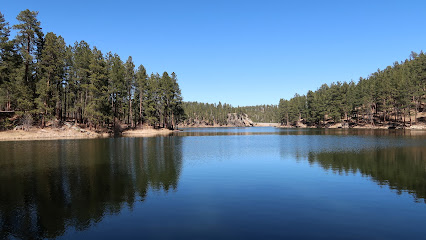
Black Elk Lookout Marker
14.6 km
Experience breathtaking views and rich history at the Black Elk Lookout Marker in South Dakota's Black Hills, a must-visit for every traveler.
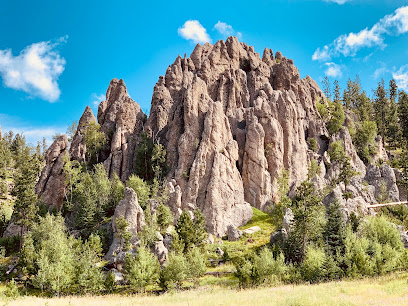
Hood Tunnel
15.5 km
Explore the Hood Tunnel, a stunning architectural marvel nestled in South Dakota's Black Hills, offering breathtaking views and a touch of history.
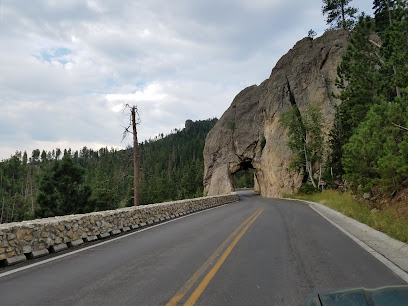
Mt Rushmore
16.6 km
Experience the awe-inspiring Mt. Rushmore, where history, artistry, and nature converge in South Dakota's majestic Black Hills.
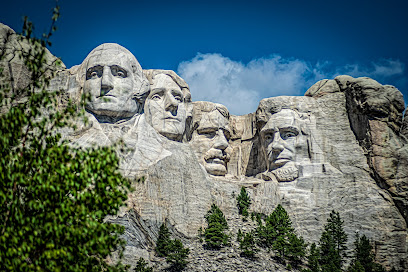
Hall of Records
16.7 km
Discover the Hall of Records in Keystone, SD: A captivating historical landmark celebrating America's rich heritage and stunning architecture.
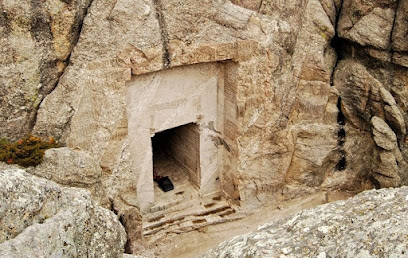
Needles Eye Tunnel
16.7 km
Explore the breathtaking Needles Eye Tunnel in South Dakota, a stunning blend of nature and engineering nestled in the Black Hills.
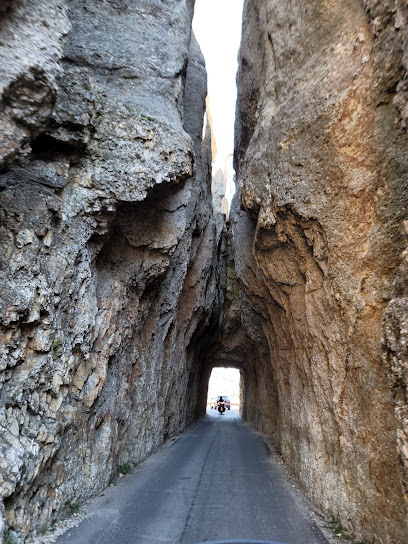
Needles Highway Scenic Overlook
16.7 km
Discover stunning granite formations and breathtaking views at the Needles Highway Scenic Overlook in South Dakota's Black Hills.
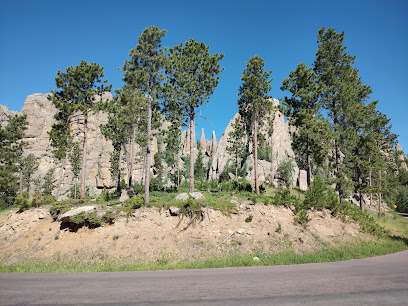
Mount Rushmore Profile View
16.9 km
Experience the breathtaking profile view of Mount Rushmore, where history and nature unite in a stunning South Dakota landscape.
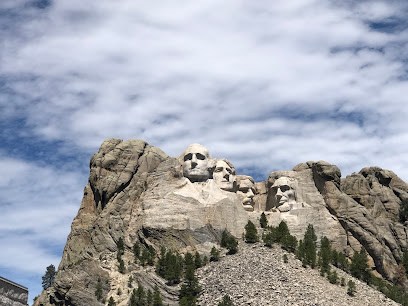
Mount Rushmore National Memorial
16.9 km
Explore the monumental Mount Rushmore National Memorial, where history and artistry converge in the heart of South Dakota's breathtaking Black Hills.
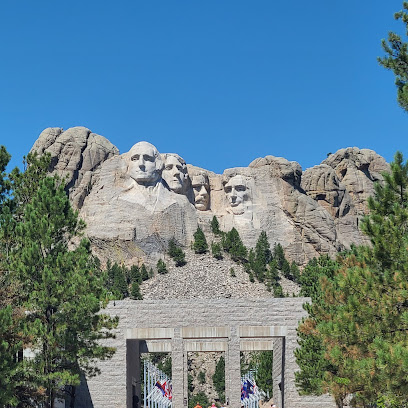
Cathedral Spires Trailhead
16.9 km
Explore the breathtaking Cathedral Spires Trailhead in Custer State Park, a hiking gem showcasing stunning granite formations and diverse wildlife.
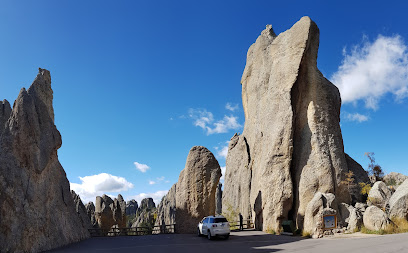
Mount Rushmore Inspiration
16.9 km
Explore the monumental Mount Rushmore Inspiration, a breathtaking testament to American history and artistry nestled in the stunning Black Hills of South Dakota.
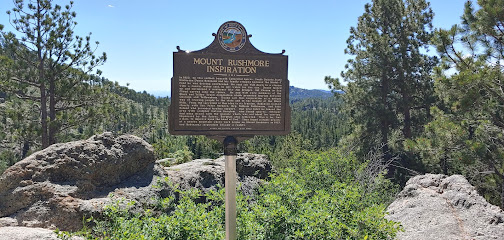
Sculptor's Studio
17.0 km
Explore the artistic journey behind Mount Rushmore at the Sculptor's Studio, where creativity and history converge in South Dakota's Black Hills.
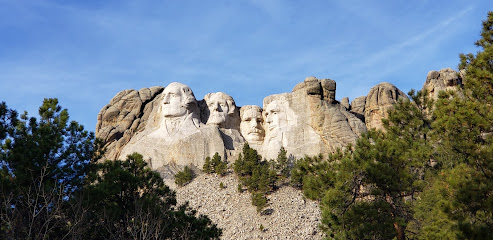
Unmissable attractions to see

Museum @ Black Hills Institute
6.3 km
Explore the Black Hills Institute Museum: A Fascinating Journey Through Natural History and Paleontology in Hill City, South Dakota.
CCC Museum of South Dakota
6.3 km
Discover the legacy of the Civilian Conservation Corps at the CCC Museum of South Dakota, where history and nature intertwine in the beautiful Black Hills.
Hill City
6.4 km
Explore Hill City, a picturesque gem in South Dakota’s Black Hills offering breathtaking landscapes, rich history, and vibrant local culture.
1880 Train - Hill City Depot
6.4 km
Embark on a nostalgic journey through the Black Hills aboard the 1880 Train, a captivating experience blending history and breathtaking scenery.
South Dakota State Railroad Museum, Ltd.
6.5 km
Discover the legacy of railroads at the South Dakota State Railroad Museum, a historical gem in Hill City showcasing captivating exhibits and artifacts.
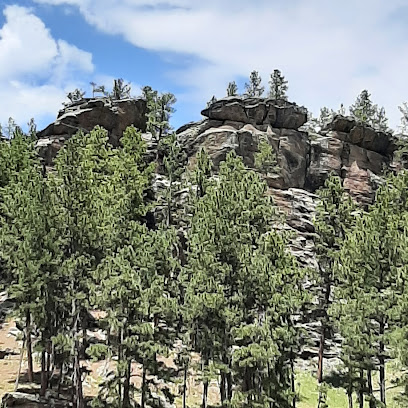
Firehouse SmokeJumper Station
7.4 km
Discover the taste of South Dakota at Firehouse SmokeJumper Station, a unique winery and brewery in Hill City, offering local brews and wines in a cozy setting.
Prairie Berry Winery
7.8 km
Discover the enchanting flavors of South Dakota at Prairie Berry Winery, a premier destination for wine, dining, and breathtaking scenery.
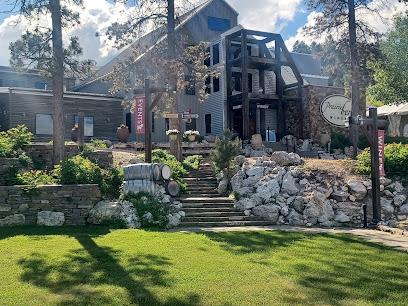
Miner Brewing Company
7.9 km
Discover the best of South Dakota's craft beer scene at Miner Brewing Company in Hill City, where exceptional brews meet stunning views.
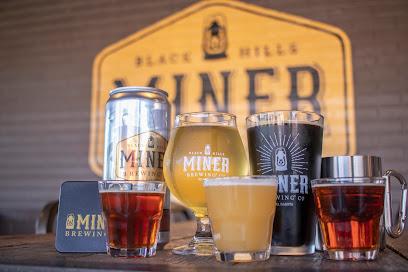
Creekside Mountain Resort
9.1 km
Discover the beauty of the Black Hills at Creekside Mountain Resort, your ideal campground for relaxation and adventure in South Dakota.
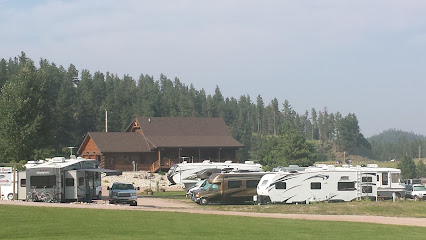
Needles Highway
10.7 km
Experience the breathtaking views and unique rock formations along Needles Highway, a scenic drive in South Dakota's Black Hills.
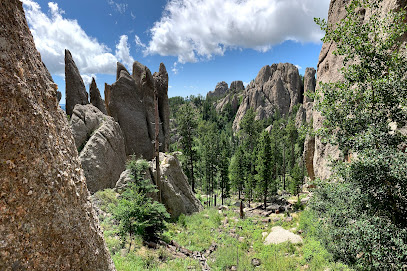
Palmer Creek Trailhead
11.8 km
Discover the breathtaking trails and serene landscapes at Palmer Creek Trailhead in the Black Hills of South Dakota, a hiker's paradise.
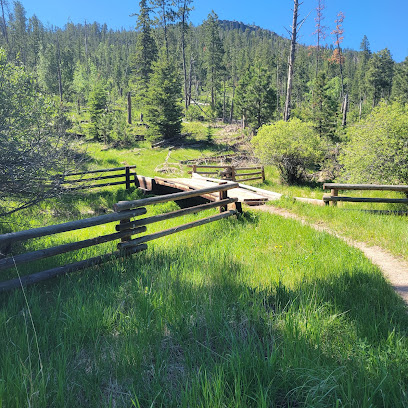
Black Hills
13.2 km
Discover the breathtaking Black Hills, an iconic mountain range in South Dakota, rich in history, outdoor adventures, and stunning landscapes.
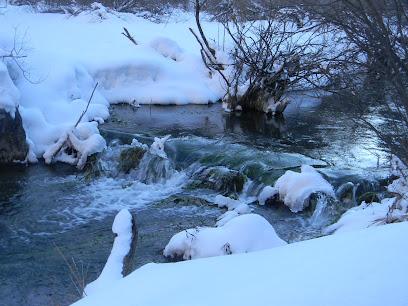
Pactola Reservoir
13.8 km
Explore the tranquil beauty of Pactola Reservoir, an outdoor paradise in South Dakota's Black Hills, perfect for water sports, hiking, and relaxation.
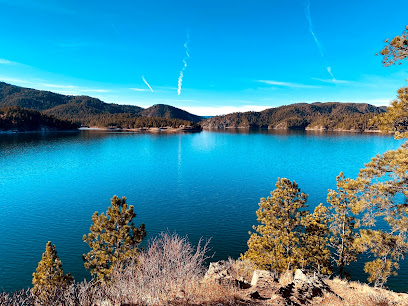
Horsethief Lake Loop Trailhead
14.4 km
Discover the breathtaking beauty of Horsethief Lake Loop Trailhead in South Dakota's Black Hills, a hiking paradise for nature lovers and outdoor enthusiasts.
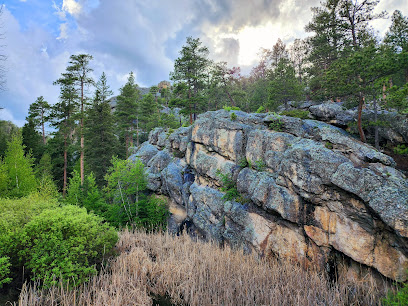
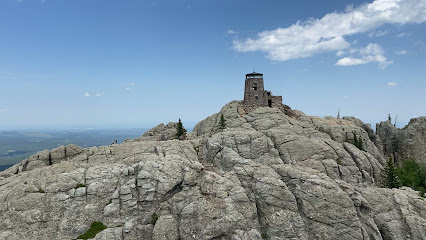
Black Elk Peak
14.5 km
Experience breathtaking views and remarkable hiking at Black Elk Peak, South Dakota's highest point in the stunning Black Hills.
Essential places to dine

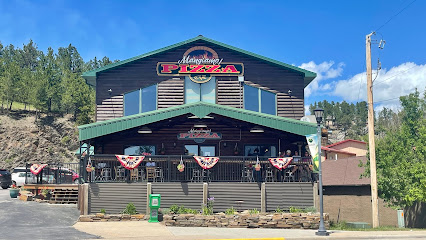
Mangiamo Wood Fired Pizza
6.2 km
Discover the authentic taste of Italy at Mangiamo Wood Fired Pizza in Hill City – where every slice tells a story!
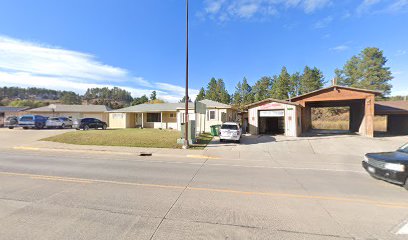
R Victor Alexander Enterprises
6.3 km
Experience the best of Hill City's culinary scene at R Victor Alexander Enterprises with locally sourced dishes and inviting atmosphere.
Downtown Deli & Bakery
6.3 km
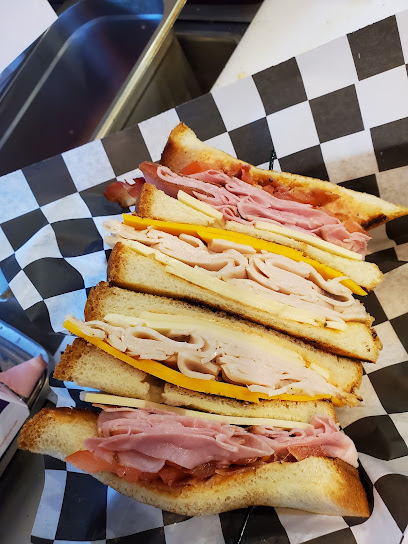
Experience the heartwarming flavors of Hill City at Downtown Deli & Bakery—where delicious food meets friendly service in South Dakota.
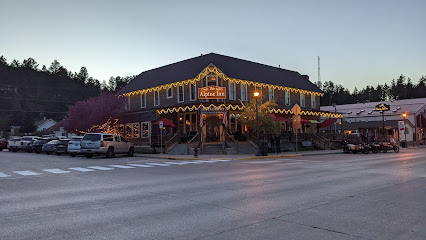
Alpine Inn
6.3 km
Experience culinary delights at Alpine Inn in Hill City, where local flavors meet warm hospitality amidst stunning Black Hills scenery.
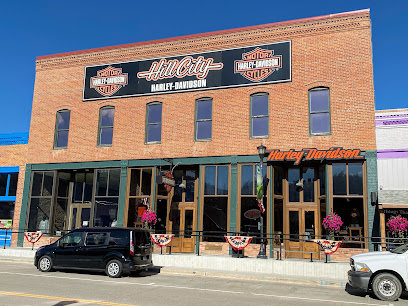
Hill City Café
6.4 km
Discover authentic American cuisine at Hill City Café – your cozy dining destination in the heart of South Dakota's scenic Black Hills.
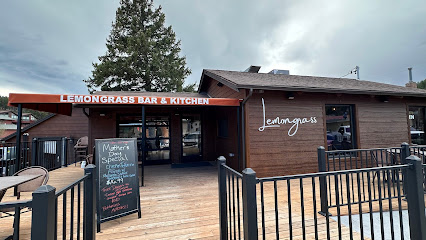
LemonGrass Bar & Kitchen
6.4 km
Experience the flavors of Hill City at LemonGrass Bar & Kitchen - where culinary creativity meets local charm.
Bumpin Buffalo Bar and Grill
6.4 km
Discover the warmth of family dining at Bumpin Buffalo Bar and Grill in Hill City - where great food meets stunning Black Hills views.
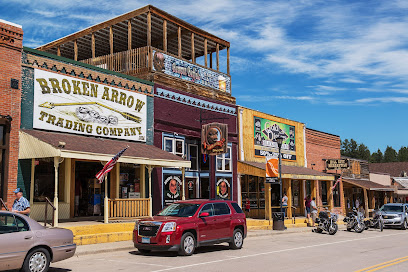
Tin City Saloon
6.4 km
Discover Tin City Saloon in Hill City: A cozy bar & grill offering delicious food and drinks amidst South Dakota's breathtaking landscapes.
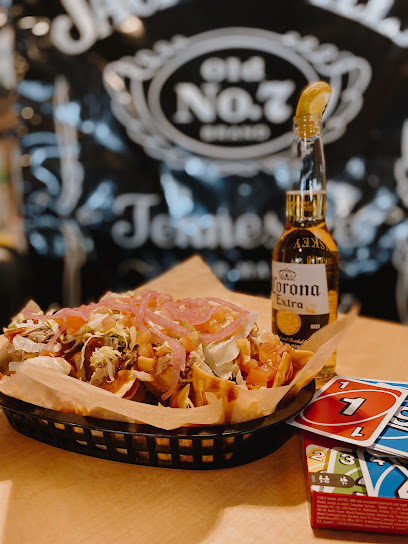
1885 Steakhouse & Saloon
6.5 km
Discover Hill City's premier destination for mouthwatering steaks at 1885 Steakhouse & Saloon - where quality meets comfort.
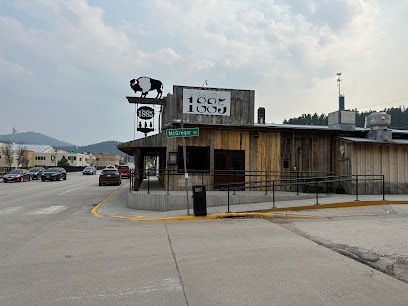
Chute Rooster
6.6 km
Discover the flavors of South Dakota at Chute Rooster – where rustic charm meets culinary excellence in Hill City.
Subway
6.6 km
Discover fresh and customizable meals at Subway in Hill City – the perfect pit stop during your Black Hills adventure!
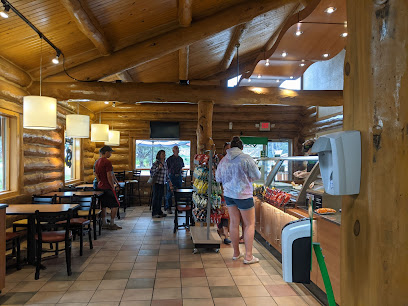
The Prairie Dog Food Truck
7.9 km
Experience the best of South Dakota's comfort food at The Prairie Dog Food Truck—delicious hamburgers, hoagies & hot dogs in a scenic setting.
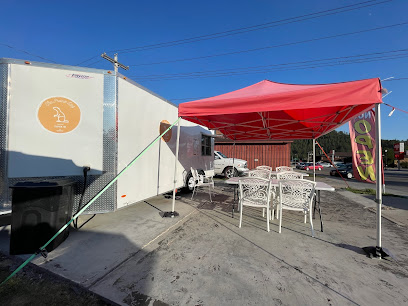
Black Hills Coffee Cabin
8.1 km
Experience the warmth and flavors at Black Hills Coffee Cabin – your cozy retreat in Hill City, South Dakota.
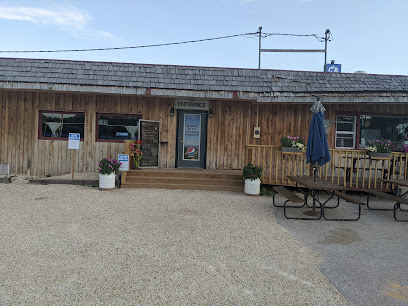
Dairy Twist
8.6 km
Experience sweet indulgence at Dairy Twist – Hill City's favorite spot for fast food and creamy ice cream treats amidst stunning Black Hills scenery.
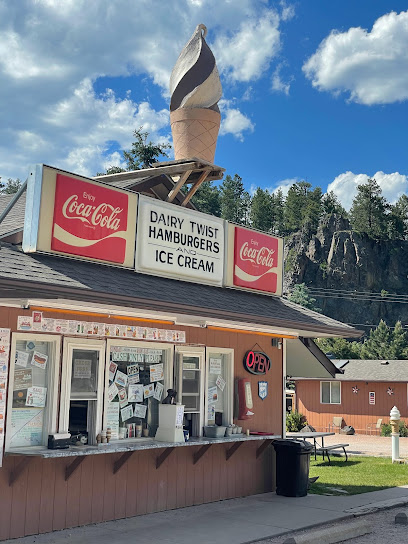
Powder House
16.1 km
Discover the flavors of Keystone at Powder House, where delicious steaks meet warm hospitality in South Dakota's stunning Black Hills.
Markets, malls and hidden boutiques

Dahl's Chainsaw Art
6.2 km
Explore the creative magic of Dahl's Chainsaw Art in Hill City, SD, where unique sculptures and local artistry come to life.
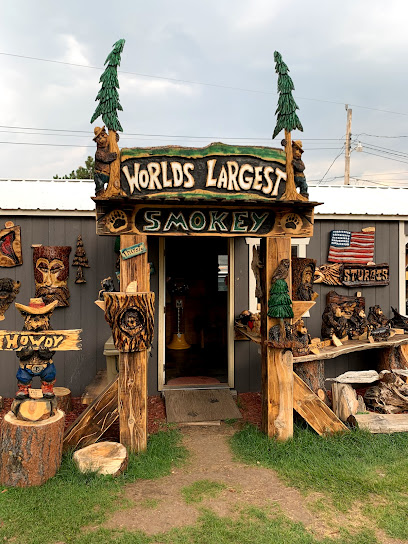
Teddy Bear Town
6.2 km
Experience the magic of nostalgia at Teddy Bear Town in Hill City, South Dakota - a teddy bear lover's paradise filled with charm and delightful memories.
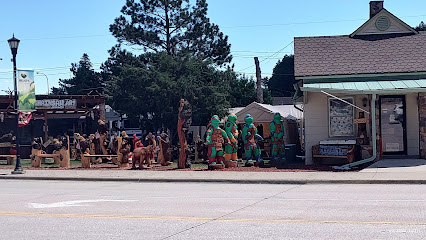
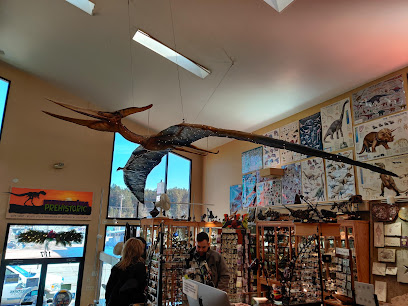
Everything Prehistoric
6.3 km
Explore Everything Prehistoric in Hill City, SD – A unique gift shop and museum brimming with geological wonders and educational treasures.
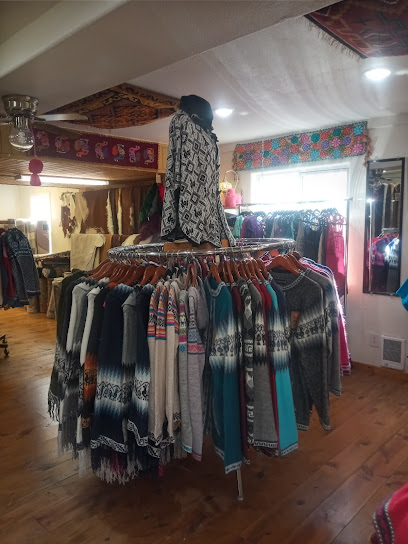
Alpaca Store
6.3 km
Explore the Alpaca Store in Hill City, SD for unique, sustainable products made from luxurious alpaca fibers, perfect for gifts and souvenirs.
The Farmer's Daughter
6.3 km
Explore the vibrant world of quilting and local art at The Farmer's Daughter, a premier gift shop in Hill City, South Dakota.
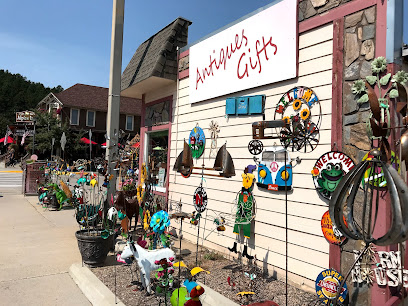
TurtleTown
6.4 km
Discover TurtleTown in Hill City, South Dakota – a delightful candy store filled with sweets, chocolates, and gourmet treats for every palate.
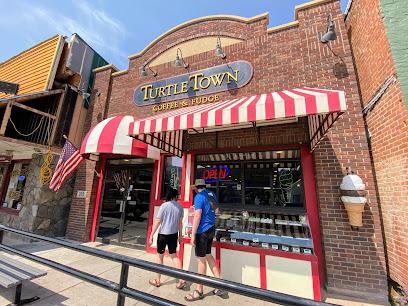
Beef jerky Experience
6.4 km
Discover the ultimate jerky experience in Hill City, South Dakota, with a wide variety of flavors and local snacks.
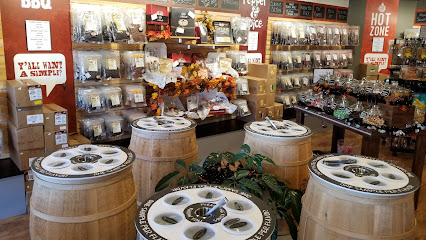
Wild West Gifts
6.4 km
Explore Hill City's Wild West Gifts for unique souvenirs and local crafts that embody the spirit of South Dakota's rich heritage.
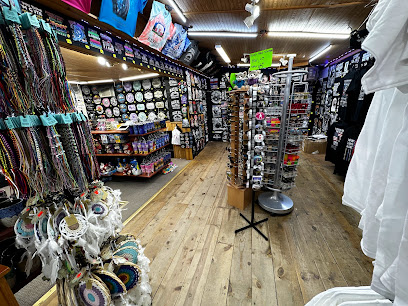
Stage Stop Leather
6.4 km
Explore Stage Stop Leather in Hill City, SD for handcrafted leather gifts and local treasures that capture the essence of the Black Hills.
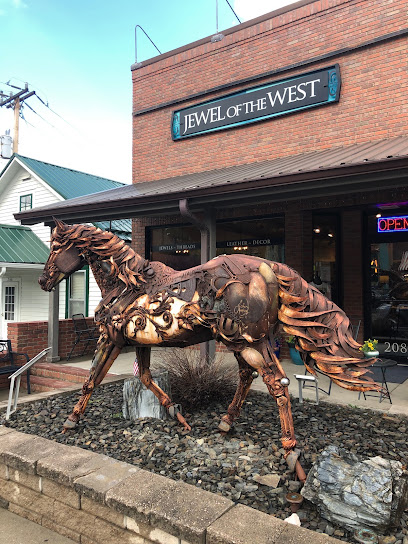
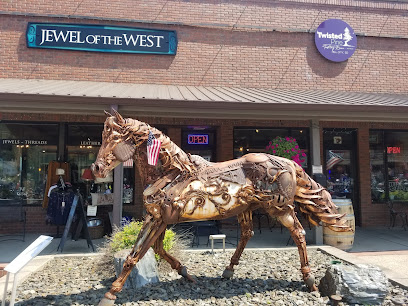
Jewel of the West
6.4 km
Explore the Jewel of the West, Hill City's premier destination for unique gifts, local crafts, and unforgettable shopping experiences in South Dakota.
Mountain Souvenirs
6.4 km
Explore the charm of Hill City with unique gifts and souvenirs at Mountain Souvenirs, capturing the essence of the Black Hills.
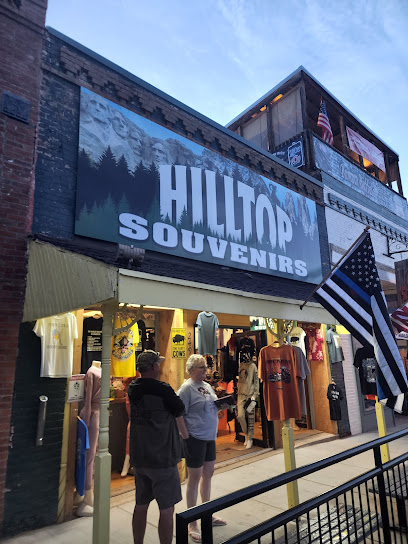
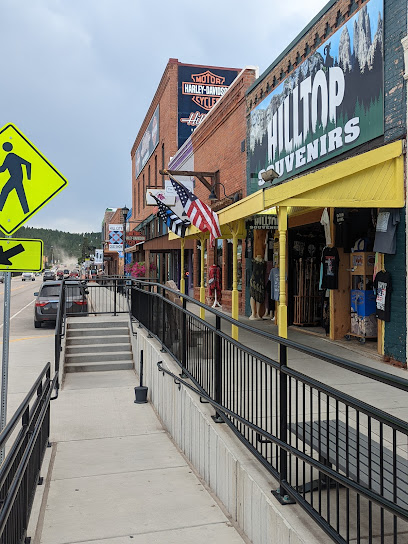
Hilltop Souvenirs
6.4 km
Discover unique local crafts and treasures at Hilltop Souvenirs in Hill City, South Dakota - the perfect destination for memorable gifts.
The Handbag Store
6.4 km
Explore unique handbags and accessories at The Handbag Store in Hill City, a boutique that captures the essence of style and charm in South Dakota.
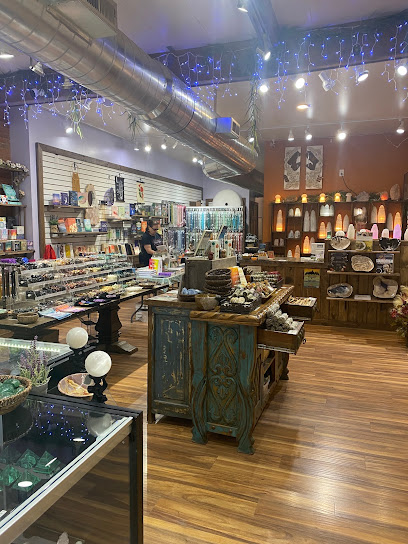
Things That Rock
6.4 km
Discover unique gems, beads, and handcrafted jewelry at Things That Rock in Hill City, South Dakota – a must-visit gift shop for every traveler.
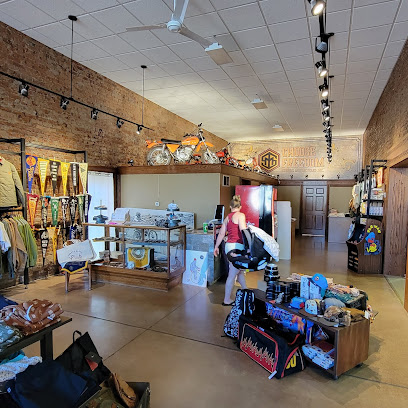
The Mercantile by Sturgis Motorcycles Inc
6.4 km
Discover stylish motorcycle apparel and accessories at The Mercantile by Sturgis Motorcycles Inc in Hill City, SD - a haven for bike lovers.
Essential bars & hidden hideouts

HippieRockStar Boutique Wine & Beer Bar
6.3 km
Explore the delightful HippieRockStar Boutique Wine & Beer Bar in Hill City, South Dakota, for an unforgettable wine and beer experience.
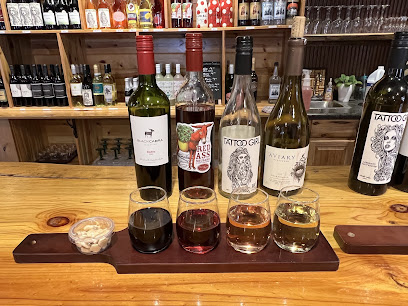
Sick-N-Twisted Brewery
7.7 km
Discover the art of brewing at Sick-N-Twisted Brewery, where craft beer meets delicious cuisine in a cozy Hill City atmosphere.
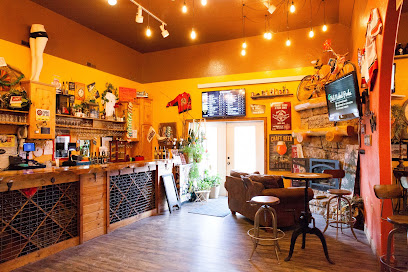
Silver Dollar Saloon
8.1 km
Discover the authentic Western experience at Silver Dollar Saloon in Hill City, SD, featuring local brews, hearty bites, and live entertainment.
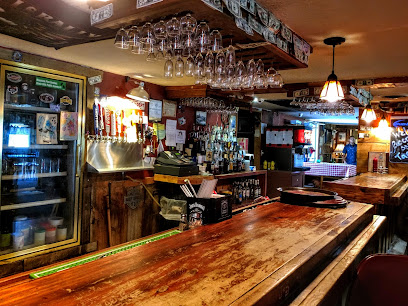
Three Forks Bar & Grill
8.4 km
Experience the culinary delight of Three Forks Bar & Grill in Hill City, SD – where great food meets a vibrant bar atmosphere.
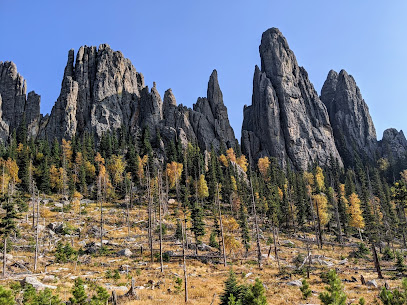
Needles
17.1 km
Explore the stunning Needles of South Dakota, a breathtaking mountain peak known for its unique rock formations and rich wildlife, perfect for outdoor enthusiasts.
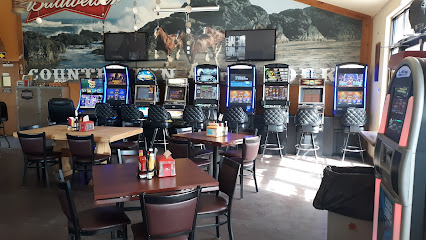
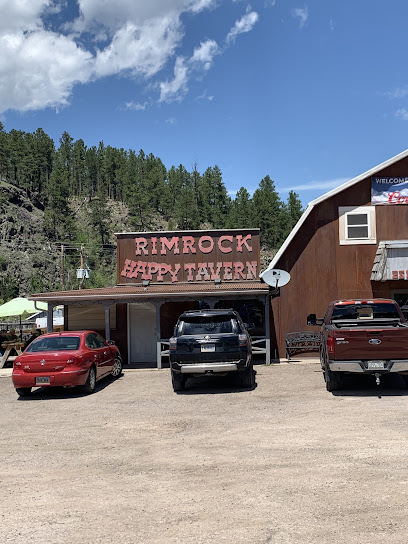
Rimrock Happy Tavern
17.4 km
Discover the charm of Rimrock Happy Tavern in Rapid City, where great drinks and a friendly atmosphere await you in the heart of South Dakota.
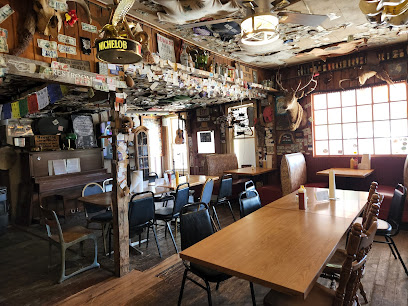
Moonshine Gulch Saloon
17.9 km
Discover the rustic charm and vibrant atmosphere of Moonshine Gulch Saloon, a must-visit bar and restaurant in the Black Hills of South Dakota.
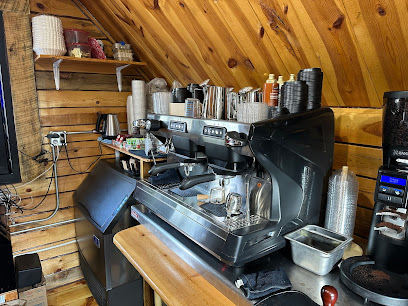
Cabin 13 Coffee
23.2 km
Experience the warmth and flavor of Custer at Cabin 13 Coffee, your go-to spot for artisanal brews and a cozy atmosphere.
Nightclubs & after hour spots

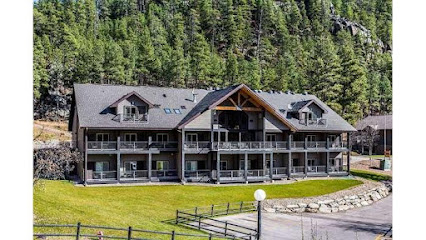
K Bar S Lodge, Ascend Hotel Collection
16.9 km
Discover the beauty of the Black Hills at K Bar S Lodge, a charming hotel with breathtaking views and easy access to Mount Rushmore.
Magnuson Grand Rushmore View
18.1 km
Discover the comfort and stunning views at Magnuson Grand Rushmore View, the perfect getaway near Mount Rushmore in Keystone, South Dakota.
Old Pine Social
24.2 km
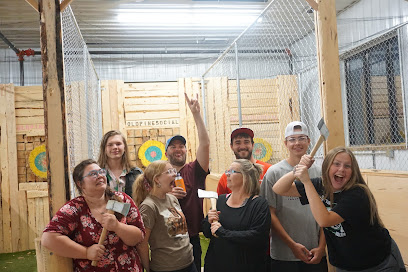
Discover the charm of Old Pine Social, Custer's go-to amusement center for fun, games, and local camaraderie.
The Hills Finest
24.2 km
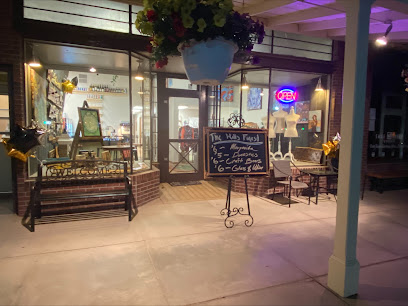
Experience The Hills Finest, a unique wine bar in Custer, SD, offering gourmet dining, local art, and live music in a cozy atmosphere.
Buglin' Bull Restaurant and Sports Bar
24.3 km
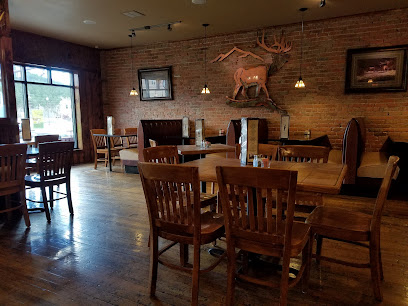
Discover Buglin' Bull Restaurant and Sports Bar: A lively American dining experience in Custer, SD, perfect for families and sports fans alike.
Custer's Last Stop
24.3 km
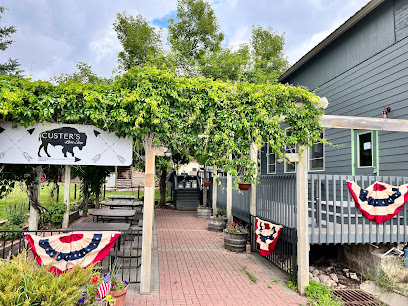
Experience the best of South Dakota at Custer's Last Stop—your one-stop shop for souvenirs, delicious pizza, and local brews in a vibrant setting.
Calamity Jane Coffee Shop and Grill
24.3 km
Experience the heart of Custer at Calamity Jane Coffee Shop and Grill, where delicious coffee meets local charm and unique souvenirs.
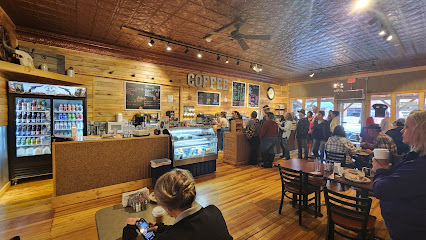
Gold Pan Saloon Custer
24.3 km
Discover the vibrant atmosphere of Gold Pan Saloon in Custer, SD, where local brews and live music await in a rustic setting.
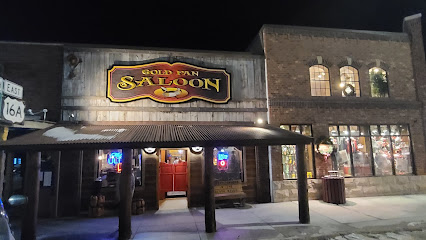
The Custer Wolf - Food & Drink
24.3 km
Experience the heart of American cuisine at The Custer Wolf, where local flavors and a welcoming atmosphere await you in Custer, South Dakota.
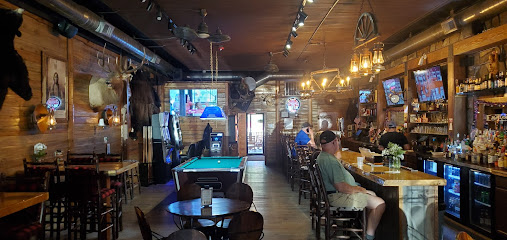
The Custer Beacon
24.5 km
Experience the best of Custer with live music, delicious food, and a vibrant atmosphere at The Custer Beacon, your go-to spot for entertainment.
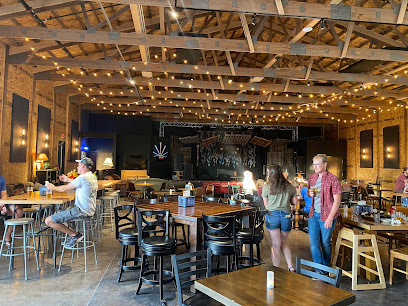
Mt. Rushmore Brewing Company & Pounding Fathers Restaurant
24.5 km
Discover the flavors of South Dakota at Mt. Rushmore Brewing Company, where craft beer meets culinary delight in a breathtaking setting.
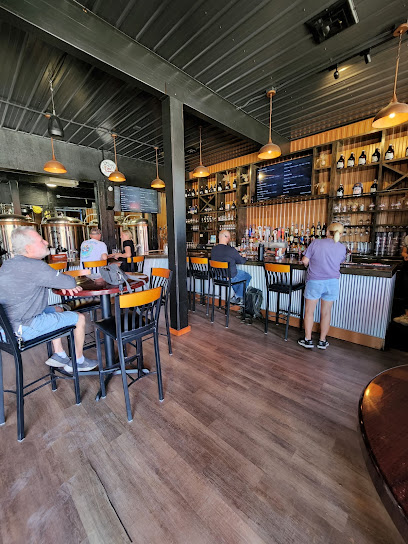
The Frontier Bar & Grill
24.8 km
Experience the heart of American dining at The Frontier Bar & Grill, where hearty meals and a welcoming atmosphere await in Custer, South Dakota.
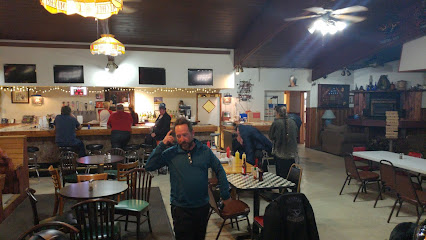
Sun Inn Lounge
30.5 km
Discover the perfect blend of relaxation and entertainment at Sun Inn Lounge in Rapid City, South Dakota - your go-to lounge for great drinks and live music.
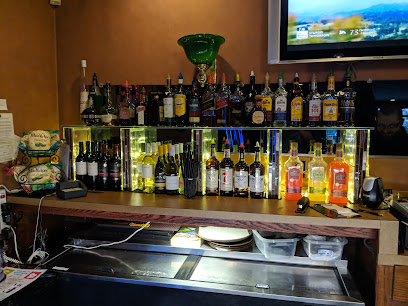
445 Martini Lounge
31.9 km
Discover Rapid City's vibrant dining scene at 445 Martini Lounge, a gastropub where gourmet meets fun in an energetic atmosphere.
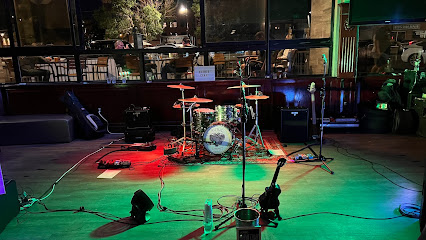
Oasis Lounge
32.0 km
Discover the vibrant nightlife at Oasis Lounge in Rapid City, offering a lively atmosphere, delicious drinks, and live entertainment.