

Barceloneta (Barcelona) Travel Guide - Free
Explore Barceloneta in Barcelona with Evendo's free guide. Find the best shops, historic streets, restaurants, and gems on web or mobile.


Barceloneta, Barcelona’s historic seaside quarter, pairs fishermen’s lanes and Catalan seafood with beaches, markets, harbour walks and Mediterranean city life.
Between the City and the Sea
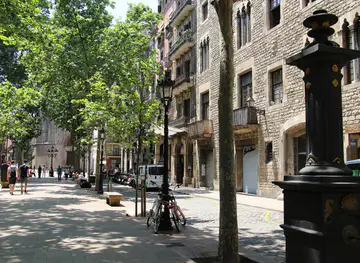
Barceloneta occupies the narrow peninsula between Port Vell and the Mediterranean, a compact district whose identity is inseparable from the water. Its regular grid of narrow streets was laid out in the eighteenth century for residents displaced by the construction of Barcelona’s citadel. Today, low-rise apartment blocks, small balconies and straight lanes lead towards a broad waterfront of beaches, promenades and working harbour views. The neighbourhood feels more intensely urban than a resort, with residents carrying shopping home, cafés opening onto pavements and seafood restaurants sharing streets with everyday services.Read more about Barceloneta
Streets, Markets and Local Life
Beachfront Barcelona
Best attractions in Barceloneta
Barceloneta’s attractions are concentrated within a small area, allowing visitors to combine historic streets with the Mediterranean waterfront. The Mercat de la Barceloneta is both a functioning food market and a useful window onto everyday neighbourhood life, while Sant Miquel del Port offers an eighteenth-century church amid the old residential grid. The district’s beaches and broad promenade provide changing views of the port, breakwaters and coastline, although the sand is busiest during the warmer months. Walk towards the Torre del Rellotge for a maritime landmark at the harbour and continue into Port Vell, where the Museu d’Història de Catalunya occupies the nearby Palau de Mar outside Barceloneta proper. The most characteristic experience is the contrast between the compact inland lanes, where balconies and local businesses dominate, and the open seafront shaped by Barcelona’s late twentieth-century waterfront renewal.
-
Tourist attraction
Basilica of Santa Maria del Mar
Discover the breathtaking beauty and rich history of the Basilica of Santa Maria del Mar, a must-visit Gothic masterpiece in Barcelona.
10 min walk · 0.8 km from neighbourhood centre
-
Tourist attraction
Aquàrium Barcelona
Explore the depths of marine life at Aquàrium Barcelona, a captivating attraction with over 11,000 sea creatures in the heart of the city.
3 min walk · 0.3 km from neighbourhood centre
-
Tourist attraction
Museum of the History of Catalonia
Explore the Museum of the History of Catalonia for a captivating journey through the region's rich past and vibrant cultural evolution.
4 min walk · 0.3 km from neighbourhood centre
-
Tourist attraction
Barceloneta Park
Explore Barceloneta Park, a lush green haven in Barcelona, blending nature with stunning Mediterranean views for an unforgettable outdoor experience.
9 min walk · 0.7 km from neighbourhood centre


Best landmarks in Barceloneta
Barceloneta’s landmarks express its development as a planned maritime quarter. Sant Miquel del Port, built in the eighteenth century, is the principal historic church within the neighbourhood and stands among the narrow streets laid out when the district was created for people displaced by the citadel. The Mercat de la Barceloneta, opened in 1884 and designed by Antoni Rovira i Trias, remains an important civic building as well as a food market. At the harbour edge, the Torre del Rellotge is a prominent clock tower whose origins are connected with maritime navigation and port infrastructure. Together with the regular street grid, low-rise housing and waterfront promenade, these structures show how Barceloneta developed from a planned settlement beside the port into a densely visited urban seaside district.
-
Tourist attraction
Rambla De Mar
Discover the beauty of Rambla de Mar, Barcelona's scenic waterfront promenade offering stunning views, vibrant atmosphere, and delightful shops and dining.
8 min walk · 0.6 km from neighbourhood centre
-
Park
Barceloneta Park
Explore Barceloneta Park, Barcelona's urban oasis, blending natural beauty with recreational activities for all ages.
9 min walk · 0.7 km from neighbourhood centre
-
Sculpture
L'Estel ferit
Explore L'Estel Ferit, Rebecca Horn's breathtaking sculpture, where art meets the stunning Barcelona coastline, embodying resilience and creativity.
5 min walk · 0.4 km from neighbourhood centre
-
Tourist attraction
Platja de la Barceloneta
Discover the vibrant energy of Platja de la Barceloneta, a sun-kissed beach offering relaxation, delicious cuisine, and unforgettable experiences in the heart of Barcelona.
6 min walk · 0.5 km from neighbourhood centre


Explore Barceloneta on the map
A handpicked selection of must-see spots in Barceloneta, mapped for you.
Best hotels in Barceloneta
Best restaurants in Barceloneta
Barceloneta’s dining identity grew from its maritime setting, and seafood, rice dishes, tapas and vermouth remain central to the area’s food culture. The streets around the market and the beachfront mix long-established restaurants with casual bars and more visitor-oriented terraces, so the atmosphere can change noticeably within a few blocks. Historic names such as Can Solé and Can Majó are associated with the district’s seafood tradition, while the Mercat de la Barceloneta provides a more everyday context for fresh produce and informal eating. Traditional preparations sit alongside contemporary Catalan cooking, but menus, service and prices vary considerably between inland streets and the promenade. Visitors interested in the neighbourhood’s culinary character should look beyond a single beachside row and notice how the old fishing quarter, market trade and port setting continue to influence what is served.
-
Seafood
Barceloneta
Discover Barceloneta: A premier seafood destination in Barcelona's Port Vell offering authentic Mediterranean flavors and stunning marina views.
3 min walk · 0.2 km from neighbourhood centre
-
Mediterranean
Ca La Nuri Restaurant
Discover Ca La Nuri: A Mediterranean gem in Barcelona's Barceloneta serving fresh seafood and traditional Spanish dishes with stunning sea views.
11 min walk · 0.9 km from neighbourhood centre
-
Spanish
Maná 75
Discover authentic Catalonian flavors at Maná 75 - a must-visit Spanish restaurant offering stunning views in vibrant Barcelona.
13 min walk · 1.0 km from neighbourhood centre
-
Tapas Bar
La Cova Fumada
Discover La Cova Fumada: An authentic tapas bar in Barcelona's Ciutat Vella offering traditional dishes and vibrant local culture.
3 min walk · 0.2 km from neighbourhood centre


Best bars in Barceloneta
Barceloneta is better known for relaxed evening eating and seafront drinks than for a concentrated nightclub scene. Traditional bars and casual bodegas occupy parts of the old grid, where vermouth, beer and tapas fit naturally into the neighbourhood’s maritime character, while the promenade and beach edge attract seasonal terraces and late-afternoon gatherings. Some nightlife associated with the wider Port Vell and coastal strip lies just beyond the neighbourhood, and the larger club concentration around Port Olímpic is farther south rather than in historic Barceloneta. After dark, the district therefore shifts between busy restaurant streets and quieter residential lanes, with sound carrying easily through the compact blocks. Visitors should respect residents, avoid drinking on restricted beach areas and check current local rules for seasonal waterfront venues.
-
Tapas Bar
Bar Jai-Ca
Experience the vibrant flavors of Spain at Bar Jai-Ca, a top tapas bar in Ciutat Vella, Barcelona, perfect for social dining and authentic cuisine.
5 min walk · 0.4 km from neighbourhood centre
-
Tapas Bar
La Cova Fumada
Experience authentic Catalan cuisine at La Cova Fumada, a renowned tapas bar in the heart of Barcelona's Ciutat Vella district.
3 min walk · 0.2 km from neighbourhood centre
-
Bar
Bar Electricitat
Discover the charm of Bar Electricitat in Barcelona's Ciutat Vella, a cozy bar and restaurant offering local flavors and vibrant atmosphere.
4 min walk · 0.3 km from neighbourhood centre
-
Bar
Bar Leo
Experience the vibrant bar culture of Barcelona at Bar Leo, where affordable drinks and a lively atmosphere await.
5 min walk · 0.4 km from neighbourhood centre


Best nightclubs in Barceloneta
Barceloneta is better known for relaxed evening eating and seafront drinks than for a concentrated nightclub scene. Traditional bars and casual bodegas occupy parts of the old grid, where vermouth, beer and tapas fit naturally into the neighbourhood’s maritime character, while the promenade and beach edge attract seasonal terraces and late-afternoon gatherings. Some nightlife associated with the wider Port Vell and coastal strip lies just beyond the neighbourhood, and the larger club concentration around Port Olímpic is farther south rather than in historic Barceloneta. After dark, the district therefore shifts between busy restaurant streets and quieter residential lanes, with sound carrying easily through the compact blocks. Visitors should respect residents, avoid drinking on restricted beach areas and check current local rules for seasonal waterfront venues.
-
Disco club
Shôko
Discover Shôko in Barcelona: where exquisite Asian and Mediterranean cuisine meets an electrifying nightlife experience.
15 min walk · 1.2 km from neighbourhood centre
-
Disco club
Opium Barcelona Restaurant and Club
Discover the ultimate nightlife experience at Opium Barcelona, where fine dining meets electrifying club vibes by the Mediterranean.
14 min walk · 1.2 km from neighbourhood centre
-
Night club
CDLC Barcelona (Carpe Diem)
CDLC Barcelona: A premier night club and Asian restaurant offering a unique fusion of culinary delights and vibrant nightlife by the sea.
14 min walk · 1.1 km from neighbourhood centre
-
Disco club
Moog
Discover the pulsating heart of Barcelona's nightlife at Moog, a disco club that promises unforgettable nights filled with music and dance.
12 min walk · 1.0 km from neighbourhood centre


Best shops in Barceloneta
Shopping in Barceloneta is primarily local and practical rather than centred on large retail brands. The Mercat de la Barceloneta anchors the district’s food trade, with fresh produce and market businesses serving residents as well as visitors interested in the neighbourhood’s culinary life. Around it, small grocers, bakeries, cafés and independent services occupy the ground floors of the narrow residential blocks. The streets closest to the beach contain more souvenir-oriented retail and summer-focused businesses, while the inland lanes retain a more everyday character. Visitors can also walk towards Port Vell and El Born for a broader range of independent shops, though those areas lie outside Barceloneta. The contrast between market commerce, neighbourhood provisioning and waterfront retail is more representative of local shopping than any single specialist shopping street.
-
Shopping mall
Maremagnum
Explore Maremagnum in Barcelona: a vibrant shopping mall offering shopping, dining, and entertainment with stunning waterfront views.
7 min walk · 0.5 km from neighbourhood centre
-
Gift shop
Ale-hop
Explore Ale-hop in Barcelona for unique gifts and souvenirs that capture the city's vibrant spirit, perfect for any occasion.
5 min walk · 0.4 km from neighbourhood centre
-
Dress store
LA COMET
Explore LA COMET, a chic dress store in Ciutat Vella, Barcelona, offering unique styles and comfortable pieces for every occasion.
4 min walk · 0.3 km from neighbourhood centre
-
Gift shop
LUCIERNAGA - Gift Boutique Barcelona
Explore the charm of Luciernaga in Barcelona, where unique gifts and gourmet delights await every visitor in the historic Ciutat Vella.
8 min walk · 0.7 km from neighbourhood centre


Barceloneta essentials
Getting There
Getting Around
Safety
Emergency Situations
Do's and Don'ts
Local Tips

From Eve
Local phrases worth knowing
You don't need to get them perfect. A few words go a long way, and locals appreciate the effort.
Basics
| English | Local | Say it |
|---|---|---|
| Hello | Hola | [oh-lah] |
| Goodbye | Adiós | [ah-dee-ohs] |
| Yes | Sí | [see] |
| No | No | [noh] |
| Please/You're welcome | Por favor/De nada | [por fah-vor/deh nah-dah] |
| Thank you | Gracias | [grah-thyahs] |
| Excuse me/Sorry | Perdón/Lo siento | [pehr-dohn/loh see-ehn-toh] |
| How are you? | ¿Cómo estás? | [koh-moh ehs-tahs] |
| Fine. And you? | Bien. ¿Y tú? | [byehn. ee too] |
| Do you speak English? | ¿Hablas inglés? | [ah-blahs een-glehs] |
| I don't understand | No entiendo | [noh ehn-tee-ehn-doh] |
Eating & Drinking
| English | Local | Say it |
|---|---|---|
| I'd like to see the menu, please | Me gustaría ver la carta, por favor | [meh goos-tah-ree-ah behr lah kahr-tah, por fah-vor] |
| I don't eat meat | No como carne | [noh koh-moh kahr-neh] |
| Cheers! | ¡Salud! | [sah-lood] |
| I would like to pay, please | Me gustaría pagar, por favor | [meh goos-tah-ree-ah pah-gahr, por fah-vor] |
Emergencies
| English | Local | Say it |
|---|---|---|
| Help! | ¡Ayuda! | [ah-yoo-dah] |
| Go away! | ¡Vete! | [veh-teh] |
| Call the Police! | ¡Llama a la Policía! | [yah-mah ah lah poh-lee-see-ah] |
| Call a doctor! | ¡Llama a un médico! | [yah-mah ah oon meh-dee-koh] |
| I'm lost | Estoy perdido/a | [ehs-toy pehr-dee-doh/dah] |
| I'm ill | Estoy enfermo/a | [ehs-toy ehn-fehr-moh/ah] |
Shopping
| English | Local | Say it |
|---|---|---|
| I'd like to buy... | Me gustaría comprar... | [meh goos-tah-ree-ah kohm-prahr...] |
| I'm just looking | Solo estoy mirando | [soh-loh ehs-toy mee-rahn-doh] |
| How much is it? | ¿Cuánto cuesta? | [kwan-toh kwehs-tah] |
| That's too expensive | Esto es demasiado caro | [ehs-toh ehs deh-mah-syah-doh kah-roh] |
| Can you lower the price? | ¿Puedes rebajar el precio? | [pweh-dehs reh-bah-hahr ehl pree-thyoh] |
Time & Numbers
| English | Local | Say it |
|---|---|---|
| What time is it? | ¿Qué hora es? | [keh oh-rah ehs] |
| It's one o'clock | Es la una | [ehs lah oo-nah] |
| Half past (10) | Las diez y media | [lahs dyehs ee meh-dee-ah] |
| Morning | Mañana | [mah-nyah-nah] |
| Afternoon | Tarde | [tahr-deh] |
| Evening | Noche | [noh-cheh] |
| Yesterday | Ayer | [ah-yehr] |
| Today | Hoy | [oy] |
| Tomorrow | Mañana | [mah-nyah-nah] |
| 1 | Uno | [oo-noh] |
| 2 | Dos | [dohs] |
| 3 | Tres | [trehs] |
| 4 | Cuatro | [kwah-troh] |
| 5 | Cinco | [theen-koh] |
| 6 | Seis | [says] |
| 7 | Siete | [syeh-teh] |
| 8 | Ocho | [oh-choh] |
| 9 | Nueve | [nweh-veh] |
| 10 | Diez | [dyehs] |
Transport & Directions
| English | Local | Say it |
|---|---|---|
| Where's a/the...? | ¿Dónde está...? | [dohn-deh ehs-tah] |
| What's the address? | ¿Cuál es la dirección? | [kwal ehs lah dee-rehk-thyon] |
| Can you show me (on the map)? | ¿Puedes mostrarme (en el mapa)? | [pweh-dehs mohs-trar-meh (ehn ehl mah-pah)] |
| When's the next (bus)? | ¿Cuándo pasa el próximo (autobús)? | [kwan-doh pah-sah ehl proh-ksy-moh (ow-toh-boos)] |
| A ticket (to ....) | Un billete (a ...) | [oon bee-yeh-teh (ah ...)] |
History of Barceloneta
A District Built by the Citadel
Barceloneta was created in the eighteenth century after the Bourbon citadel reshaped Barcelona’s Ribera area and displaced many residents. Planned from the 1750s, the new quarter was laid out on reclaimed land beside the harbour, with a highly regular network of narrow streets and modest residential blocks. Its position between the city and the sea made it suitable for people associated with maritime work, commerce and fishing, while the compact plan reflected both limited space and the need to regulate a newly built settlement. The resulting street pattern remains one of the neighbourhood’s defining physical features.
Harbour Trades and Maritime Life
During the nineteenth century, Barceloneta developed as a densely settled maritime and industrial quarter. Fishing, boatbuilding, port labour and small manufacturing shaped local employment, while its proximity to the harbour connected residents to Barcelona’s expanding commercial economy. The shoreline was not simply a leisure landscape: it was a working edge occupied by boats, workshops and maritime infrastructure. The Mercat de la Barceloneta, opened in 1884 to a design by Antoni Rovira i Trias, gave the district a substantial civic and commercial focus and reinforced its role as a place of everyday provisioning.
Industry Along the Waterfront
Industrial activity became increasingly important around Barceloneta and the adjoining port during the nineteenth and early twentieth centuries. Metalworking, machinery, ship-related trades and transport facilities brought employment but also congestion and environmental pressures to the densely built quarter. The neighbourhood’s low-rise homes, narrow lanes and proximity to factories produced a strong working-class identity, while the church of Sant Miquel del Port and the harbour structures anchored community life. Much of the port’s later redevelopment altered the industrial setting, but the district’s built form still conveys its origins as a planned maritime workers’ quarter.
From Working Shore to Urban Beach
The late twentieth century brought major changes to Barceloneta’s seafront. Preparations for the 1992 Olympic Games transformed polluted and industrial waterfront land into beaches, promenades and new public spaces, linking the neighbourhood more closely to the city’s recreational coastline. Improved access brought visitors, restaurants and new investment, while rising property pressure and tourism complicated the relationship between the historic community and the waterfront economy. The district consequently combines several layers today: an eighteenth-century planned quarter, a former working port neighbourhood and one of Barcelona’s most visible urban beach areas.
Barceloneta in Photos
Browse through our photo collection highlighting the charm and character of the destination.
Neighbourhoods near Barceloneta
The closest neighbourhoods to Barceloneta, if you have time for more than one stop.
-
-

-

-

-


Swipe for more neighbourhoods
Explore more

Explore more of Barcelona
Barcelona blends Gaudí architecture, Mediterranean beaches, Gothic streets, food culture and Catalan traditions with museums, markets and lively neighbourhoods.
Explore Barcelona