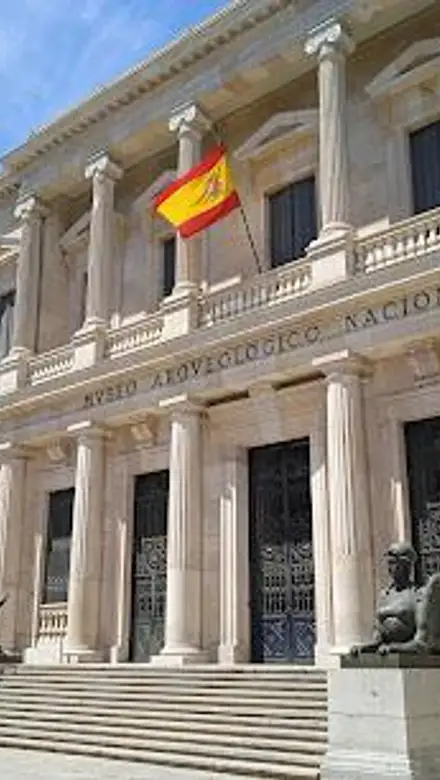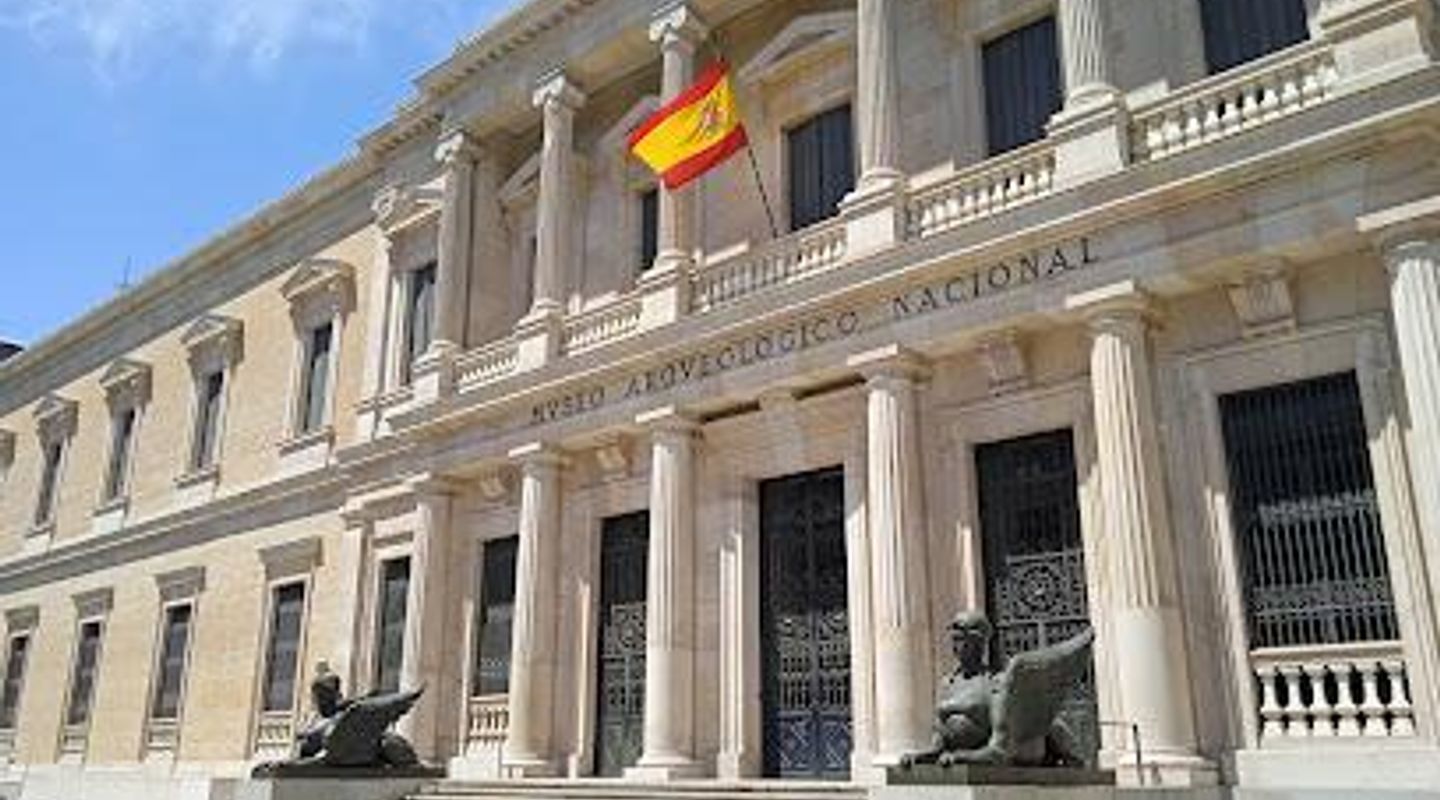
National Archaeological Museum, Madrid Travel Guide
Uncover Iberia's ancient layers in Madrid's grandest archaeological showcase, from cave art to Visigoth crowns amid neoclassical splendor on Serrano Street.
Spain's premier repository of ancient treasures, the National Archaeological Museum unveils millennia of Iberian history through exquisite artifacts, from prehistoric tools to Roman mosaics and Islamic relics. Housed in a grand 19th-century palace in upscale Salamanca, it offers an unparalleled journey through the peninsula's layered past, captivating history enthusiasts with its meticulously curated galleries.
A brief summary to National Archaeological Museum
- C. de Serrano, 13, Madrid, Salamanca, Madrid, 28001, ES
- Click to display
- Click to display
- Mid ranged
-
 Indoor
- Mobile reception: 5 out of 5
- Tuesday 9:30 am-8 pm
- Wednesday 9:30 am-8 pm
- Thursday 9:30 am-8 pm
- Friday 9:30 am-8 pm
- Saturday 9:30 am-8 pm
- Sunday 9:30 am-3 pm

Know before you go
Hi, I'm Eve. Here are a few practical things to know before exploring National Archaeological Museum.
- Prioritize the ground floor for iconic pieces like the Lady of Elche to beat crowds during peak hours.
- Combine with a stroll through Salamanca's designer boutiques for a full upscale Madrid afternoon.
- Download the museum app for audio guides in multiple languages to deepen artifact context.
- Visit midweek mornings for quieter galleries and better photo opportunities without flash.
- Focus on temporary exhibits for fresh perspectives on ongoing archaeological digs.
Do you manage this location?
Take control to get all the benefits, like improved information, better appearance, and stronger visibility across AI-powered discovery. Learn more about listing your business on Evendo
Activate your presenceOther nearby places you may find interesting
The closest places of the same kind, if this one is not quite what you had in mind.
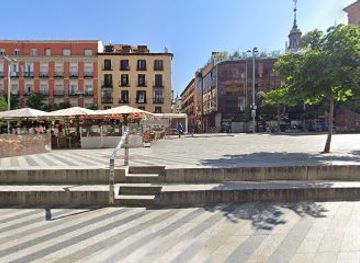
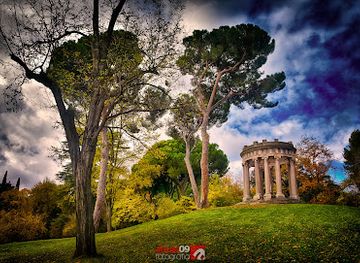
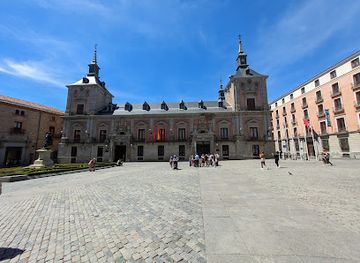
Explore National Archaeological Museum on the Map
A handpicked selection of must-see spots near National Archaeological Museum, mapped for you.
Unlock the Best of National Archaeological Museum
Buy tickets
-
No tickets available
Book tours with entry


Getting There
-
Metro
Take Line 4 or 5 to Serrano station, 5-minute walk; €1.50-2 single ticket, frequent service every 3-5 minutes.
-
Bus
Lines 9, 19, or 51 from city center to Serrano stop, 10-15 minutes; €1.50 flat fare, runs every 10 minutes.
-
Taxi
15-20 minute ride from Sol or Puerta del Sol, €10-15 depending on traffic; available 24/7 via apps.
-
Walking
From Retiro Park's east gate, 20-minute stroll through Salamanca; free, pleasant along tree-lined avenues.
For the on-the-go comforts that matter to you
-
 Restrooms
-
 Drink Options
-
 Food Options
-
 Seating Areas
-
 Sheltered Areas
-
 Information Boards
-
 Visitor Center
Discover more about National Archaeological Museum
Historical Foundations
Established in 1867, the National Archaeological Museum stands as Spain's foremost institution dedicated to the archaeological heritage of the Iberian Peninsula and its former territories. Born from the vision of archaeologists like Juan de Zavala y Zea, it amalgamated royal collections, monastic treasures, and private donations into a national treasure trove. The museum's founding reflected the 19th-century surge in scientific archaeology, spurred by Romantic nationalism and the need to catalog Spain's vast subterranean legacy amid rapid industrialization.Architectural Grandeur
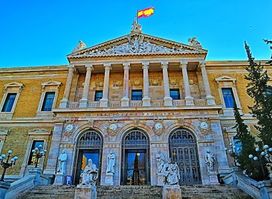
The museum occupies a majestic neoclassical edifice designed by architects Francisco Jareño and Eduardo Adaro, completed in 1893. Its facade, adorned with Corinthian columns and sculpted pediments symbolizing knowledge and history, dominates Calle Serrano in Madrid's elegant Salamanca district. Inside, expansive halls with vaulted ceilings and ornate ironwork evoke the era's opulence, while modern climate-controlled galleries preserve delicate artifacts. Natural light floods through skylights, illuminating displays with dramatic effect.Prehistoric Marvels
The prehistoric section transports visitors to Paleolithic caves, with replicas of Altamira's bison and authentic tools from Atapuerca, site of Europe's oldest hominid fossils. Neolithic idols from the Los Millares culture, with their stylized fertility figures, reveal early agrarian societies. The Iberian Lady of Elche, a limestone bust with enigmatic almond eyes, dominates the hall, embodying pre-Roman mystery.Ancient Civilizations
Roman galleries showcase mosaics from Complutum and Merida, depicting mythological scenes in vibrant tesserae. Phoenician ivories from Cerro de los Santos and Greek ceramics imported via trade routes highlight Mediterranean exchanges. Celtic torcs and Hispano-Roman bronzes illustrate fusion cultures, while Visigothic crowns from Toledo's Guarrazar hoard gleam with gold filigree and gemstones.Medieval and Islamic Legacy
Al-Andalus artifacts, including the ivories of Medina Azahara and ceramic lusterware, capture the splendor of Muslim Spain. Mudéjar treasures blend Islamic motifs with Christian iconography. The collection extends to colonial Americas, with Aztec codices and Inca gold underscoring Spain's global reach.Visitor Experience
Interactive touchscreens and multimedia exhibits contextualize finds, while temporary shows draw on global loans. The museum's layout follows chronological and thematic paths, allowing self-guided exploration. Its scholarly rigor appeals to academics, yet accessible narratives engage families and casual visitors alike.More to explore near National Archaeological Museum













Your all‑in‑one travel companion app
Explore expert travel guides, compare and book tours, experiences, hotels, and more—all from the palm of your hand. Download now for seamless trip planning wherever your wanderlust takes you.


Explore More of Madrid
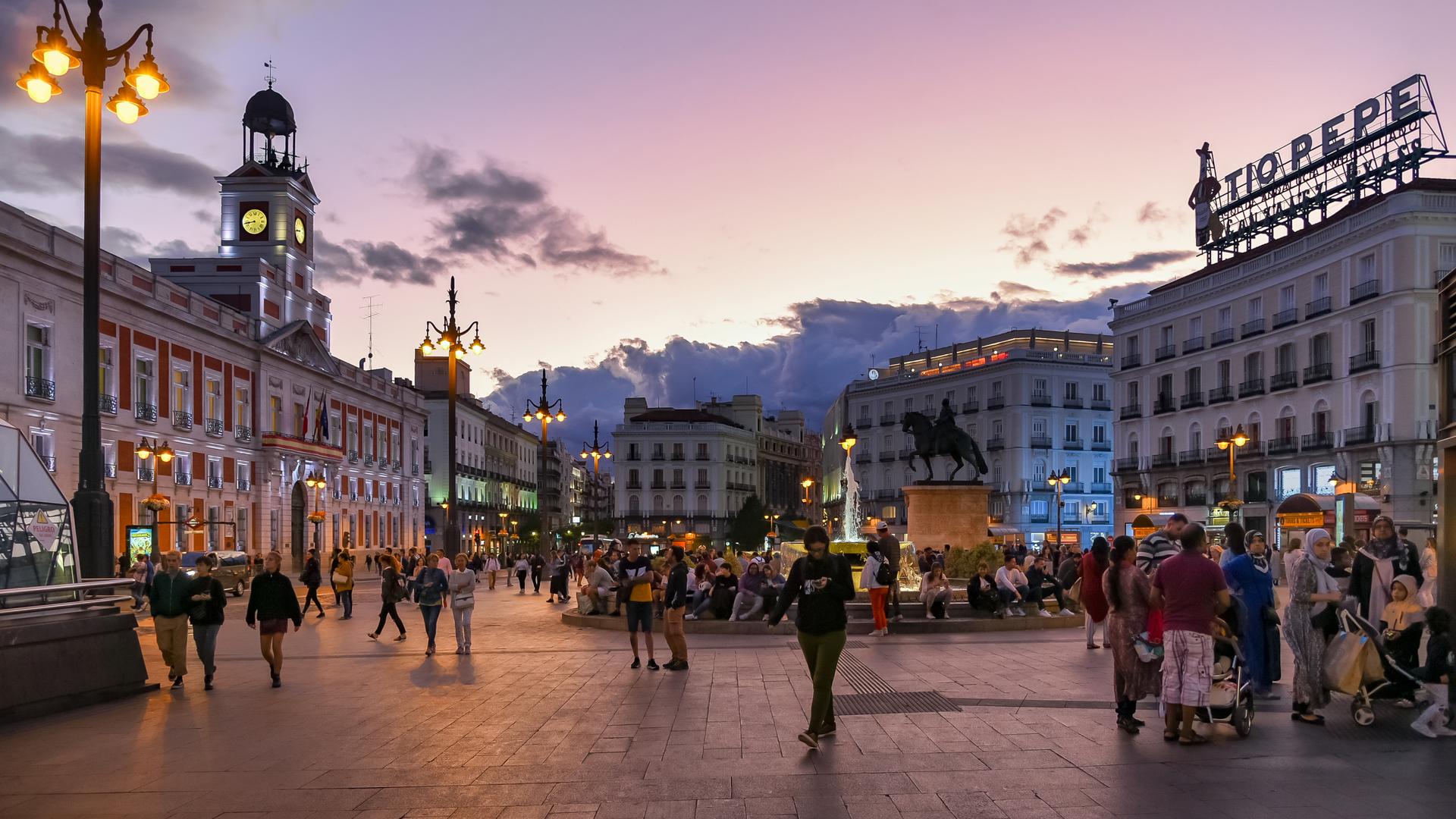
Looking beyond National Archaeological Museum? Discover Madrid for broader travel guides, local hot-spots, and regional highlights.
Explore Madrid
Madrid's grand casino where roulette wheels spin through history and slot lights flash against Centro's elegant nights, delivering non-stop thrills in a landmark gaming hall.
Spain's literary heritage brought to life through carefully curated exhibitions of manuscripts, rare books, and cultural treasures.