
Discover the Majesty of the Palace of Linares
Explore the Palace of Linares, an architectural masterpiece in Madrid known for its stunning design and rich history, perfect for culture enthusiasts.
The Palace of Linares, a stunning architectural gem in the heart of Madrid, invites tourists to explore its rich history and breathtaking design. This magnificent building, located at Plaza Cibeles, boasts a unique blend of neo-Gothic and Baroque styles, captivating visitors with its intricate details and grandeur. As you wander through its opulent halls and lush gardens, you'll uncover the fascinating stories that shaped this landmark, making it a must-visit destination for anyone exploring Madrid.
A brief summary to Palace of Linares
- Plaza Cibeles, 2, Madrid, Salamanca, Madrid, 28001, ES
Local tips
- Visit during weekdays to avoid the weekend crowds and enjoy a more peaceful experience.
- Check the schedule for special events or exhibitions that often take place at the palace.
- Don’t forget to explore the surrounding gardens, which offer a lovely spot for photos.
- Consider joining a guided tour to gain deeper insights into the palace's fascinating history.

Getting There
-
Metro
To reach the Palace of Linares at Plaza Cibeles, take Line 2 (the red line) of the Madrid Metro. Board the train at your nearest station and ride towards Cuatro Caminos. Get off at the 'Banco de España' station. From the station, take the exit towards 'Calle de Alcalá.' Once you are out, walk straight along Calle de Alcalá until you reach Plaza Cibeles, which will be on your left. The Palace of Linares will be at the address Plaza Cibeles, 2.
-
Bus
If you prefer to travel by bus, look for the bus lines 14, 27, 40, or 53. Find the nearest bus stop and board one of these lines heading towards Cibeles. Stay alert for the 'Cibeles' stop, which is right next to the Plaza. Once you get off, you will see the Palace of Linares at Plaza Cibeles, 2.
-
Walking
If you are close to the area, walking to Plaza Cibeles can be a pleasant option. From the nearest landmark, such as the Retiro Park, exit the park towards Calle de O'Donnell. Continue walking straight until you reach Calle de Alcalá, then turn left. Walk along Calle de Alcalá for about 10 minutes until you see Plaza Cibeles on your right. The Palace of Linares is located at Plaza Cibeles, 2.
Discover more about Palace of Linares
Iconic landmarks you can’t miss

Palace of Linares
0.0 km
Explore the Palace of Linares, an architectural masterpiece in Madrid known for its stunning design and rich history, perfect for culture enthusiasts.
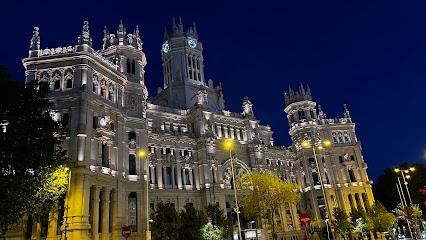
Plaza Cibeles, 1
0.1 km
Explore Plaza Cibeles, a historical and cultural gem in Madrid, featuring the iconic Cibeles Fountain and stunning architectural views, perfect for every traveler.
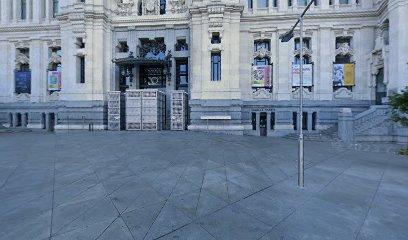
Plaza de Cibeles
0.1 km
Explore the stunning Plaza de Cibeles, a vibrant town square in Madrid, where history, culture, and architecture come together in perfect harmony.
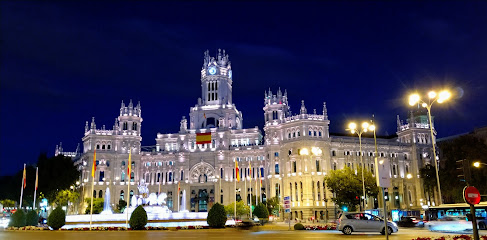
Palacio de Cibeles
0.1 km
Discover the architectural brilliance and cultural significance of the Palacio de Cibeles, a must-visit landmark in the heart of Madrid.
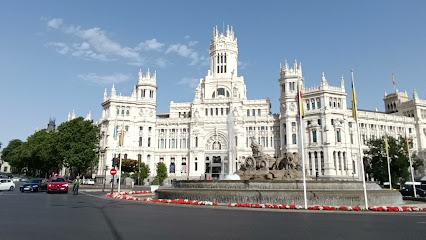
Plaza Cibeles, 83
0.1 km
Experience the grandeur of Plaza Cibeles, a quintessential landmark in Madrid blending history, culture, and stunning architecture, perfect for every traveler.
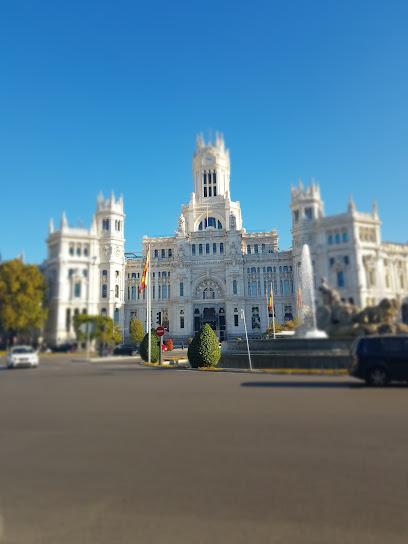
Plaza Cibeles
0.1 km
Experience the beauty and vibrancy of Plaza Cibeles, Madrid's iconic square, where stunning architecture meets lively atmosphere.

Palacio de Buenavista
0.2 km
Explore the stunning Palacio de Buenavista in Madrid, a neoclassical masterpiece showcasing the city's rich history and architectural beauty.
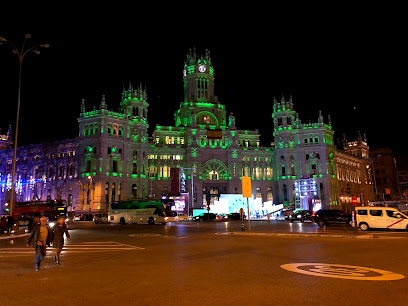
Prado Boulevard
0.3 km
Discover the serene beauty of Prado Boulevard, a lush city park in Madrid, where nature meets culture in the heart of Spain's vibrant capital.
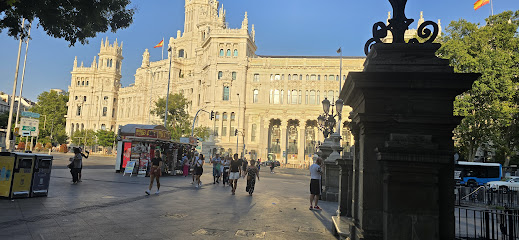
Pl. de la Independencia
0.3 km
Discover the historical allure and vibrant ambiance of Plaza de la Independencia, the cultural heart of Madrid, home to the iconic Puerta de Alcalá.
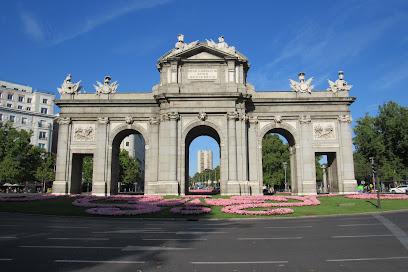
C. de Alcalá
0.4 km
Discover the vibrant blend of history and modernity along C. de Alcalá, a must-visit street in the heart of Madrid, Spain.
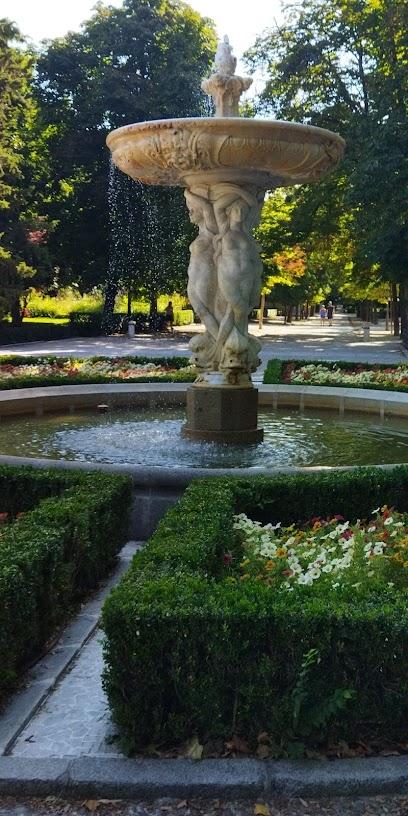
Monumento a los Caídos por España
0.4 km
Explore the Monument to the Fallen for Spain, a stunning sculpture in Retiro Park honoring the brave souls who sacrificed for their nation.
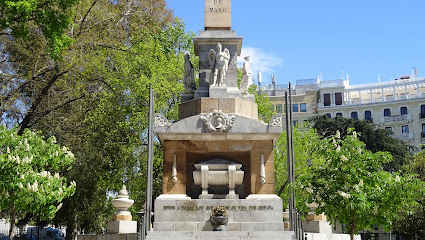
Metropolis Building
0.5 km
Experience the architectural brilliance and rich history of the Metropolis Building, a must-visit landmark in the heart of Madrid.
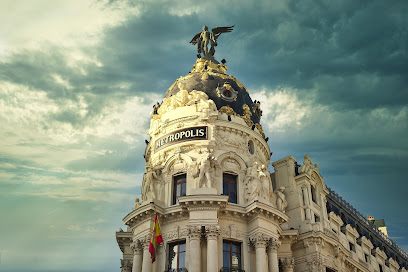
Madrid City Tour
0.5 km
Discover the rich history and vibrant culture of Madrid with engaging tours that showcase the city's iconic attractions and hidden gems.
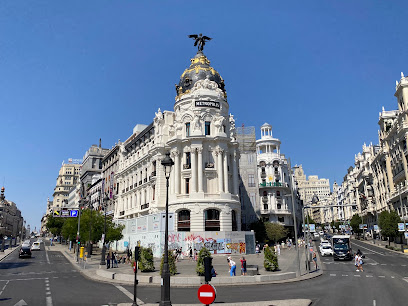
Congreso de los Diputados
0.5 km
Explore the majestic Congreso de los Diputados in Madrid, a stunning neoclassical building that embodies Spain's democratic spirit and rich history.

Pl. de las Cortes
0.6 km
Experience the vibrant culture and rich history of Madrid at Plaza de las Cortes, a must-visit landmark in the heart of the city.
Unmissable attractions to see

Cibeles Fountain
0.1 km
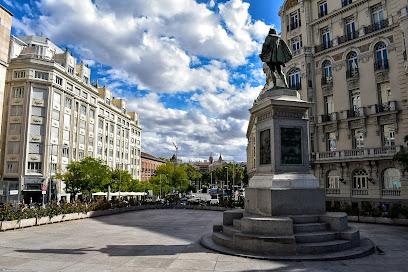
Explore the enchanting Cibeles Fountain in Madrid, a stunning landmark symbolizing the city's artistic heritage and vibrant culture.
Palacio del Marqués de Salamanca
0.2 km
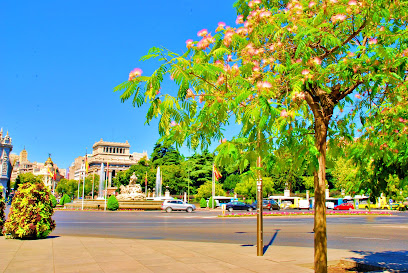
Explore the exquisite Palacio del Marqués de Salamanca, a breathtaking blend of history and architecture in Madrid's Salamanca district.
Naval Museum
0.2 km
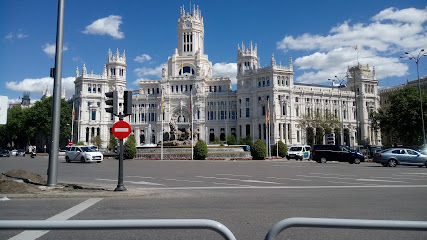
Discover the captivating maritime history of Spain at the Naval Museum in Madrid, a treasure trove of naval artifacts and exhibits.

P.º de Recoletos
0.3 km
Experience the tranquility and cultural richness of P.º de Recoletos in Madrid, a perfect haven for relaxation and exploration.
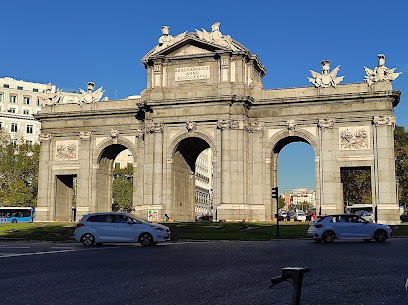
Puerta de Alcalá
0.3 km
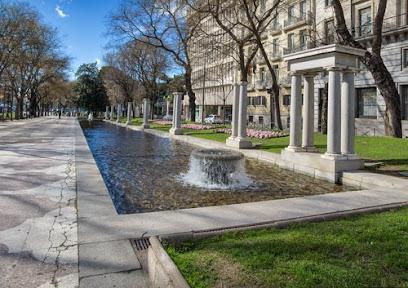
Discover the iconic Puerta de Alcalá in Madrid, a magnificent monument steeped in history and architectural beauty, perfect for every traveler.
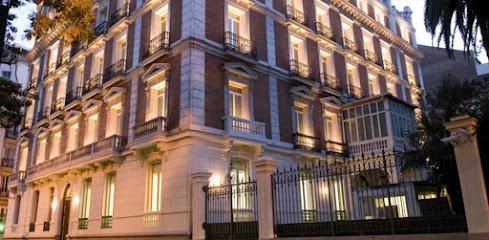
Cervantes Institute
0.3 km
Explore the Cervantes Institute in Madrid for a deep dive into the Spanish language and vibrant cultural exhibits.

Sala Recoletos - Fundación MAPFRE
0.3 km
Explore Sala Recoletos - Fundación MAPFRE, a cultural hub in Madrid offering inspiring art exhibitions and engaging programs for all visitors.
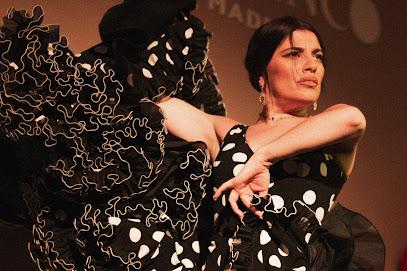
Centro Cultural Flamenco De Madrid
0.4 km
Discover the heartbeat of Spain through captivating Flamenco performances at Centro Cultural Flamenco De Madrid, a cultural gem in the heart of Madrid.
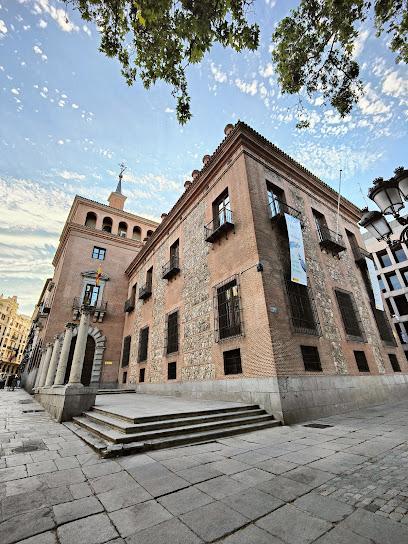
Casa de las Siete Chimeneas
0.4 km
Explore the historical Casa de las Siete Chimeneas, a unique landmark in Madrid known for its seven distinctive chimneys and rich cultural heritage.
Church of Saint Joseph
0.4 km
Discover the architectural splendor and serene ambiance of the Church of Saint Joseph, a must-see in the heart of Madrid's bustling Centro district.
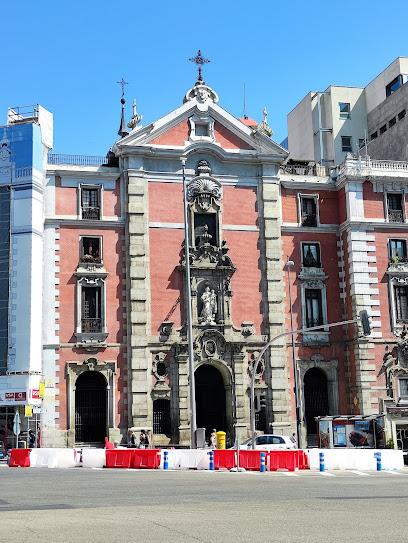
Círculo de Bellas Artes
0.4 km
Discover the heart of Madrid's cultural scene at Círculo de Bellas Artes, a hub for art, film, and performance with breathtaking views.
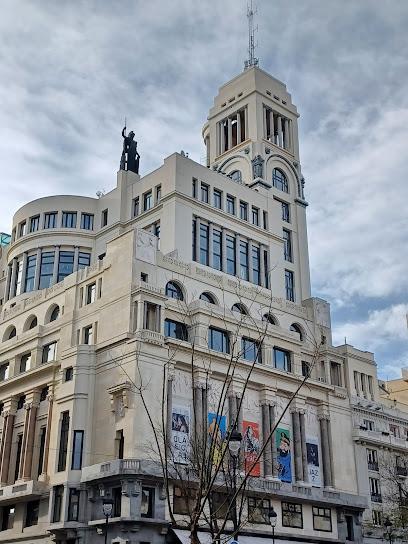
Gran Vía
0.4 km
Explore the vibrant Gran Vía in Madrid, a stunning avenue filled with architectural marvels, shopping, dining, and lively entertainment.
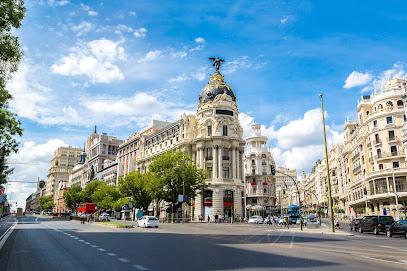
Maqueta Centenario de la Gran Vía
0.4 km
Explore the intricate details of Madrid's Gran Vía through the captivating Maqueta Centenario, a model that celebrates the city's architectural heritage.
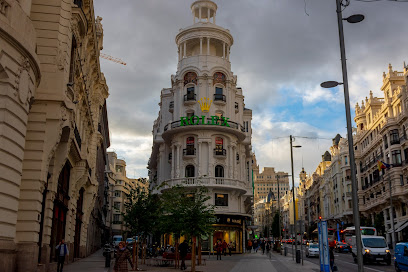
Spain Gate
0.5 km
Explore the Spain Gate in Madrid: A stunning neoclassical landmark nestled in the lush Retiro Park, symbolizing Spain's rich cultural heritage.
Biblioteca Nacional de España
0.5 km
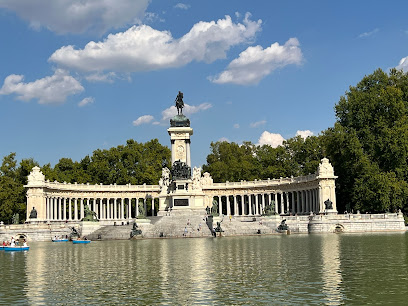
Explore the Biblioteca Nacional de España, Madrid's treasure trove of literature, history, and stunning architecture in the heart of the city.

Essential places to dine

Restaurante Vinoteca García de la Navarra
0.2 km
Discover authentic Spanish cuisine at Restaurante Vinoteca García de la Navarra in Madrid's Retiro district, where tradition meets modern culinary art.
Restaurante Alabaster
0.3 km
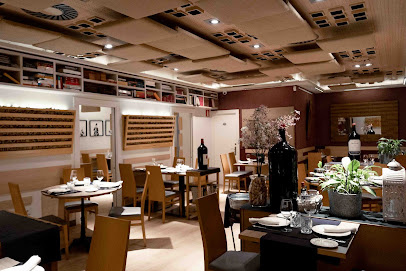
Experience authentic Galician flavors at Restaurante Alabaster in Madrid - where tradition meets culinary innovation in every exquisite dish.
Restaurante La Gamella
0.3 km
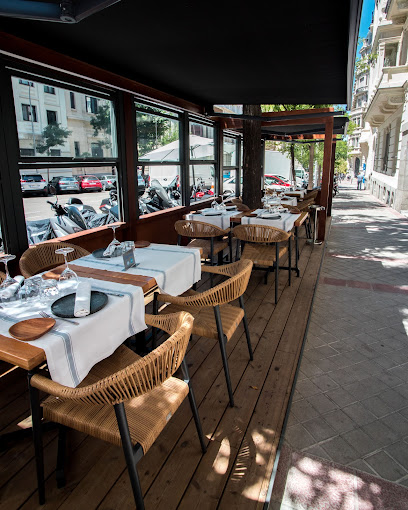
Experience authentic Spanish cuisine at Restaurante La Gamella in Madrid's Retiro district - where tradition meets modernity.
La Vaca y La Huerta - Restaurante barrio Salamanca
0.3 km
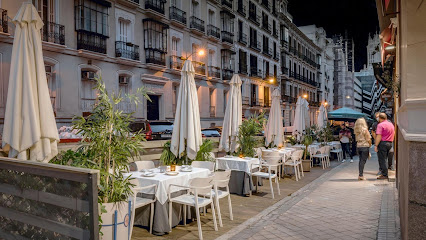
Discover La Vaca y La Huerta: A Mediterranean culinary delight in Madrid's Salamanca district known for its exquisite grill specialties.
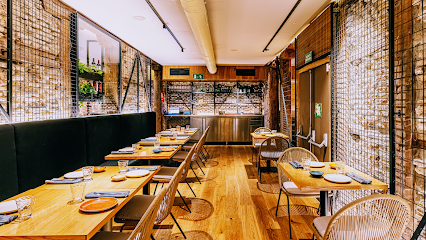
Restaurante Cazorla
0.3 km
Experience authentic Spanish cuisine at Restaurante Cazorla, where every dish tells a story of tradition and flavor in the heart of Madrid.
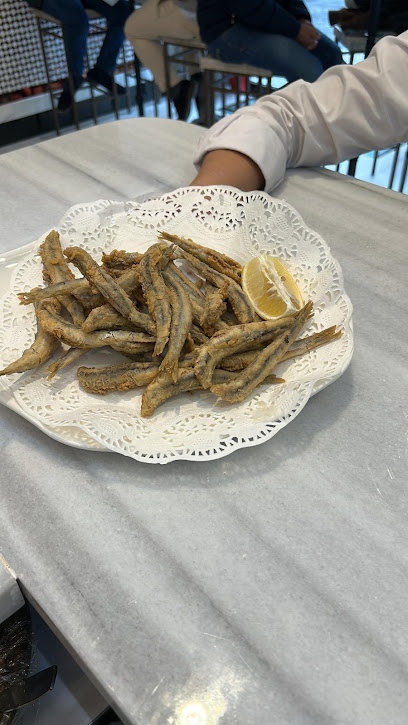
Restaurante La Castafiore
0.4 km
Experience authentic Mediterranean flavors at Restaurante La Castafiore in Madrid's historic Centro district.
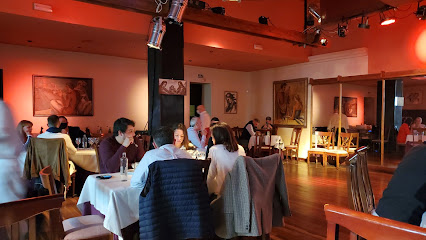
Casa Marius
0.4 km
Discover Casa Marius: A Mediterranean brasserie in Madrid serving exquisite rice dishes and authentic Spanish cuisine amidst a vibrant atmosphere.
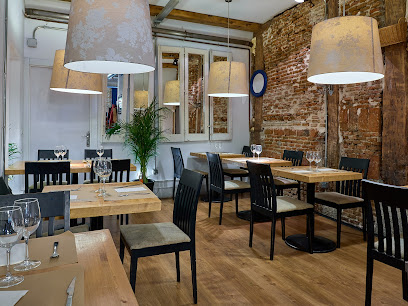
Ático Restaurante & Terraza
0.4 km
Discover exquisite Mediterranean cuisine with stunning views at Ático Restaurante & Terraza in the heart of Madrid.
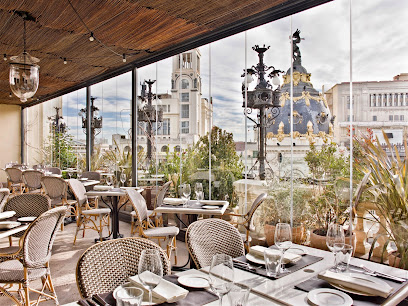
Restaurante Morgana
0.5 km
Discover exquisite Galician cuisine at Restaurante Morgana, where traditional flavors meet modern flair in the heart of Madrid's Centro district.
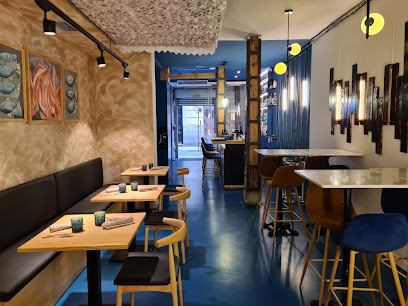
Vinitus Gran Via Madrid
0.5 km
Discover authentic Mediterranean cuisine at Vinitus Gran Via in Madrid—where every dish tells a story of tradition and flavor.
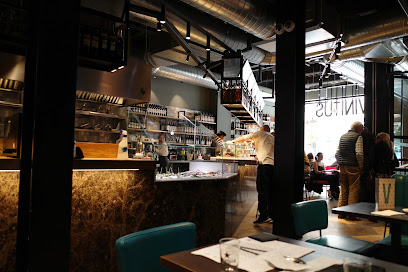
Oven Mozzarella Gran Vía 6
0.5 km
Experience authentic Italian cuisine at Oven Mozzarella on Gran Vía - where every bite is a taste of Italy amidst the vibrant energy of Madrid.
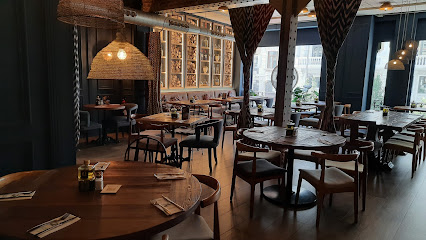
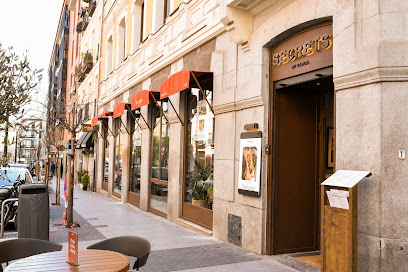
Secrets Chueca
0.5 km
Experience the best brunch in Madrid at Secrets Chueca - where modern cuisine meets vibrant atmosphere.
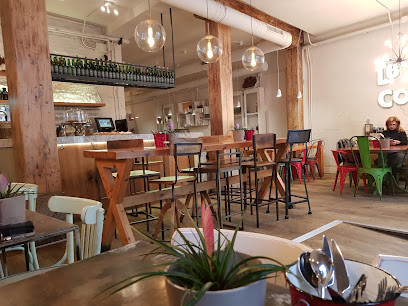
Le Coco
0.5 km
Savor innovative Spanish cuisine at Le Coco in Madrid's vibrant Centro district, where every dish tells a story.
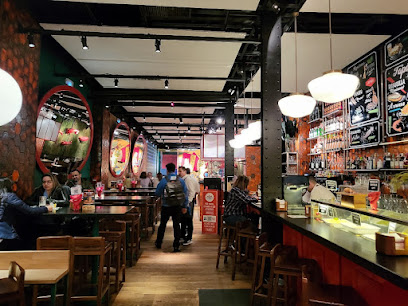
Mercado de la Reina 10
0.6 km
Discover delicious grilled dishes and authentic Spanish tapas at Mercado de la Reina in Madrid's vibrant Gran Vía area.
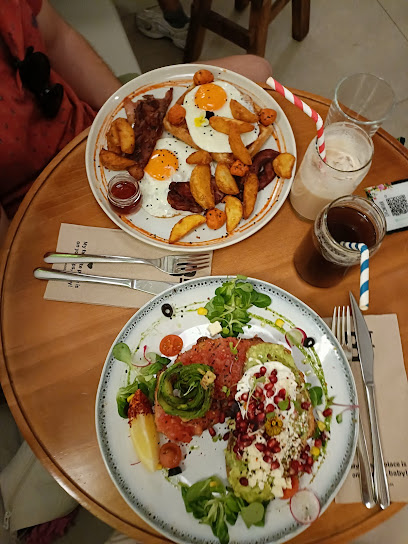
Brunchit - Chueca Madrid
0.6 km
Discover Brunchit in Chueca, where every bite celebrates fresh flavors and vibrant culinary creativity amidst Madrid's lively atmosphere.
Markets, malls and hidden boutiques

Gion
0.4 km
Explore Gion, Madrid's charming gift shop and clothing store, for unique souvenirs that reflect the heart of Spanish culture and style.

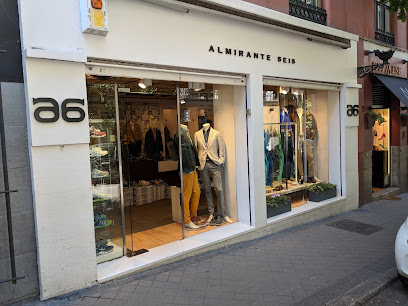
Store Fashion Men Multimarca - ALMIRANTE SEIS - Madrid
0.4 km
Explore unique men's fashion at Almirante Seis in Madrid - where style meets sophistication and personalized service.
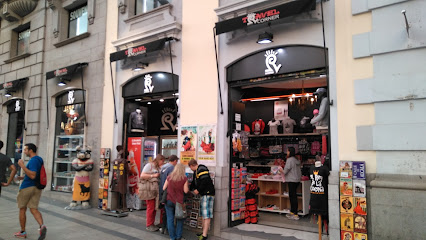
Travel Corner
0.4 km
Discover unique souvenirs and local crafts at Travel Corner, a charming gift shop in Madrid's vibrant Centro district.
Pinko Store Madrid Serrano
0.6 km
Discover fashion elegance at Pinko Store Madrid Serrano, where style meets sophistication in the heart of Salamanca.

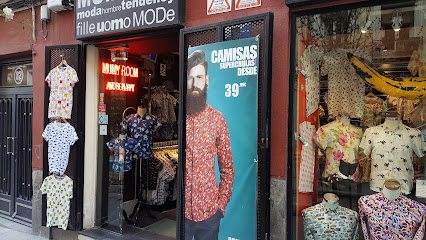
Mumy Room Chueca
0.6 km
Discover unique fashion pieces at Mumy Room Chueca, a trendy clothing store in Madrid's vibrant Chueca neighborhood, perfect for every style enthusiast.
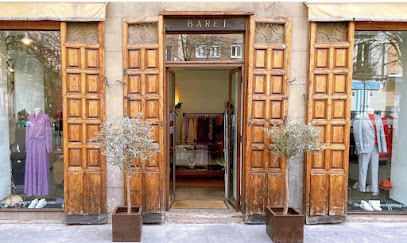
BAREI
0.6 km
Explore BAREI in Madrid for chic clothing and stylish accessories that define contemporary fashion in the heart of the city.
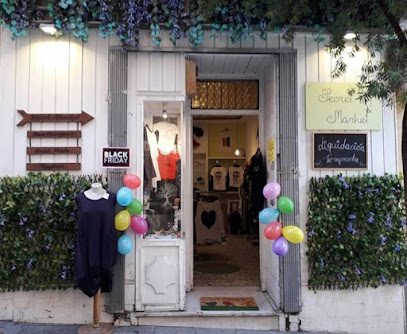
Secret Market Chueca
0.6 km
Explore Secret Market Chueca: A boutique clothing store in Madrid's vibrant Chueca district, offering unique fashion and local flair.
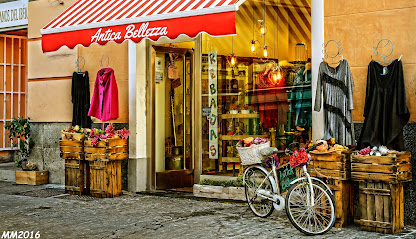
Antica Bellezza
0.6 km
Discover the elegance of Antica Bellezza, Madrid's premier women's clothing store, where fashion meets style in a chic shopping experience.
Mosaico Vintage - Madrid (Chueca)
0.6 km
Explore Mosaico Vintage in Chueca, Madrid, for unique fashion and an unforgettable shopping experience in a vibrant neighborhood.
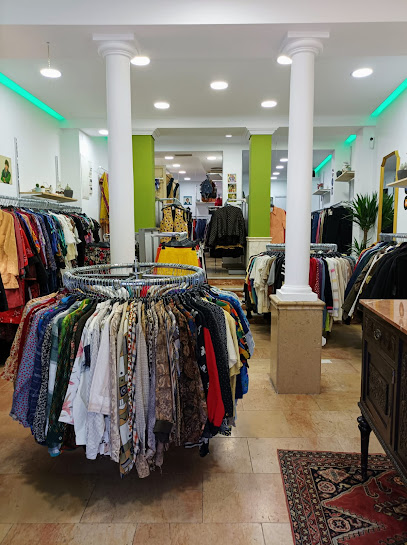
Alphaville Vintage Ropa Vintage Chueca
0.6 km
Explore Alphaville Vintage Ropa Vintage Chueca, the ultimate destination for unique vintage clothing and sustainable fashion in Madrid.
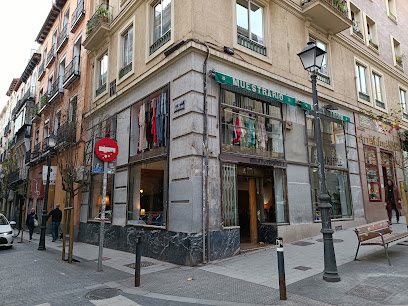
From Madrid With Love
0.6 km
Explore the heart of Madrid with unique gifts and local artisan treasures at From Madrid With Love, a charming gift shop in the city center.
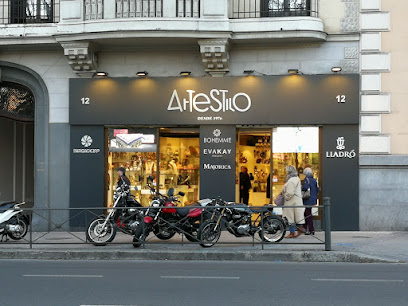
Artestilo
0.6 km
Explore Artestilo in Madrid for exquisite art, unique gifts, and handcrafted treasures reflecting the city's rich cultural heritage.
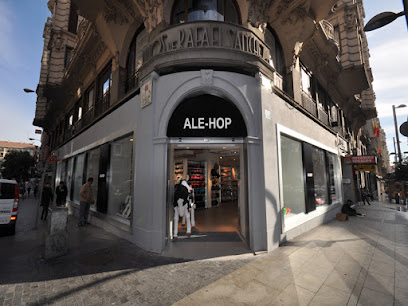
ALE-HOP
0.6 km
Explore ALE-HOP in Madrid: A treasure trove of gifts, fashion, and home decor in a vibrant shopping experience.
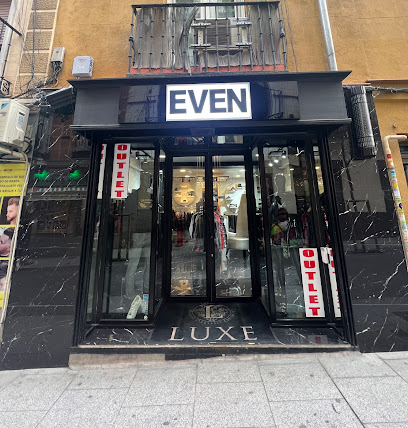
Even
0.6 km
Explore Even, a trendy clothing store in Madrid's Centro district, offering stylish apparel and sustainable fashion for every taste.
WOW Concept
0.6 km
Explore WOW Concept, Madrid's trendsetting clothing and department store, where style meets unique shopping experiences in a vibrant atmosphere.

Essential bars & hidden hideouts

James Joyce Irish Pub Madrid
0.1 km
Immerse yourself in the lively atmosphere of James Joyce Irish Pub, where Ireland meets Madrid with great food, drinks, and entertainment.
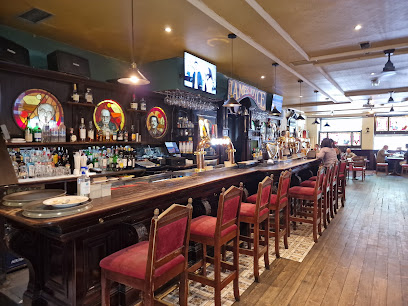
a.n.E.l. Tapas & Lounge Bar Madrid
0.2 km
Experience authentic Spanish cuisine in Madrid's Salamanca district at a.n.E.l. Tapas & Lounge Bar, a vibrant tapas bar offering a delightful culinary adventure.
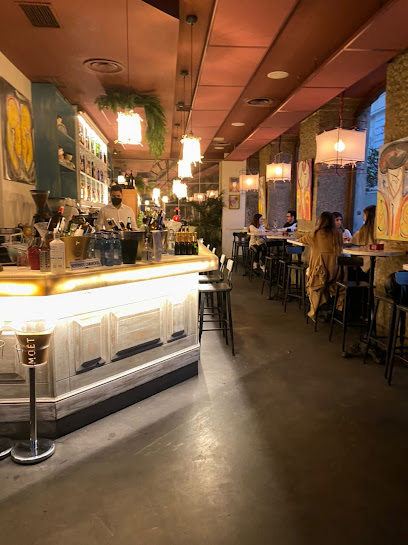
Slowly Gran Vía
0.4 km
Discover Madrid's nightlife at Slowly Gran Vía, a charming bar offering a delightful selection of drinks and a vibrant atmosphere in the heart of the city.
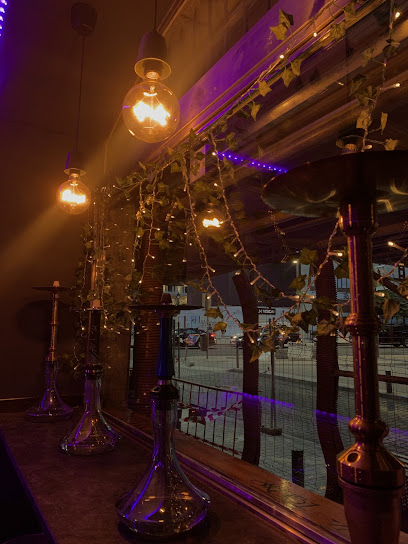
ZAFYRO Cocktail Experience
0.5 km
Discover the essence of Madrid's nightlife at ZAFYRO Cocktail Experience, where expertly crafted cocktails meet a vibrant atmosphere.
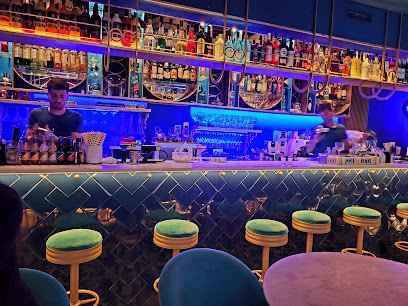
Champagne Bar
0.5 km
Discover the elegance of Champagne Bar in Madrid, where luxury meets a delightful selection of the world's finest champagnes.

Bee Beer Chueca
0.5 km
Experience craft beer culture and authentic tapas at Bee Beer Chueca, Madrid's vibrant brewpub in the heart of Chueca district.
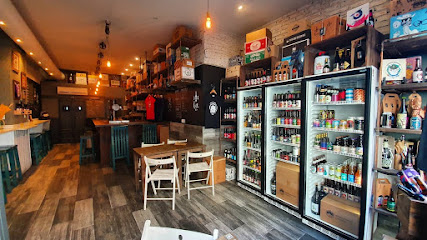
Ficus Bar
0.5 km
Experience the vibrant nightlife of Madrid at Ficus Bar, known for its innovative cocktails and lively ambiance in the heart of the city.
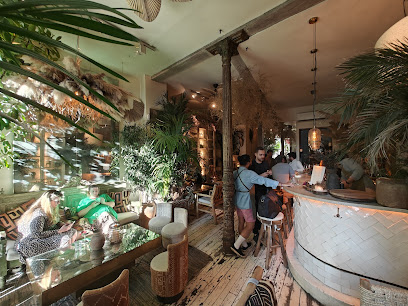
La Bohemia
0.5 km
Experience the vibrant nightlife of Madrid at La Bohemia, a lively bar in the Chueca district, perfect for cocktails and socializing.
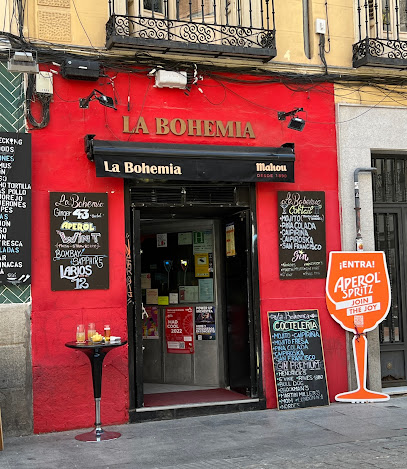
SPECIA ATELIER BAR
0.5 km
Discover the artistic ambiance and creative cocktails at SPECIA ATELIER BAR, a vibrant gem in Madrid's Chueca district.
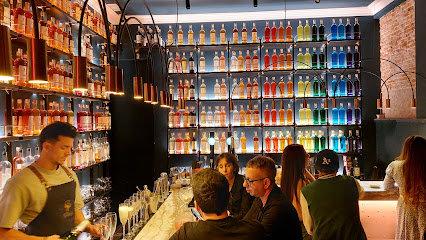
Chuecking Tapas Bar
0.6 km
Experience authentic Spanish flavors at Chuecking Tapas Bar in the heart of Madrid, where tradition meets innovation in every bite.
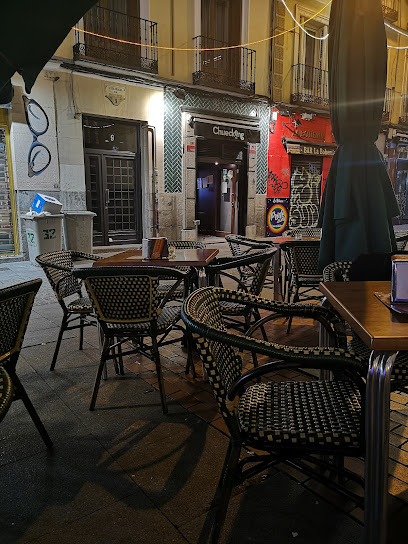
Gin Club
0.6 km
Discover the vibrant atmosphere and exquisite gin cocktails at Madrid's Gin Club, where every sip is a journey into flavor.
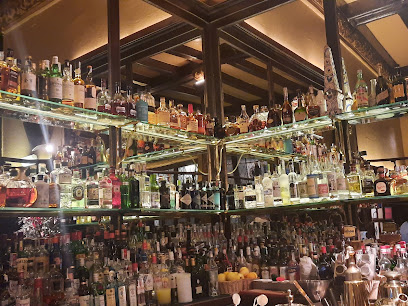
Bar Cock
0.6 km
Experience the vibrant nightlife of Madrid at Bar Cock, famed for its exquisite cocktails and stylish ambiance, perfect for a memorable evening.
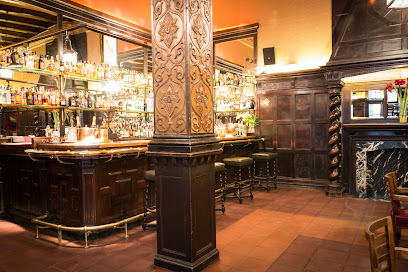
ONLY ONE CHUECA
0.6 km
Immerse yourself in the vibrant nightlife of Madrid at ONLY ONE CHUECA, where every drink tells a story and every night is an adventure.
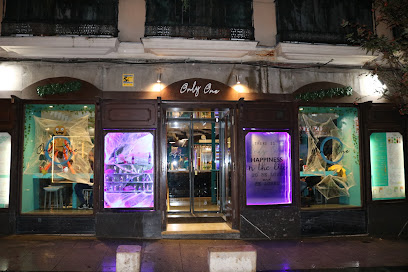
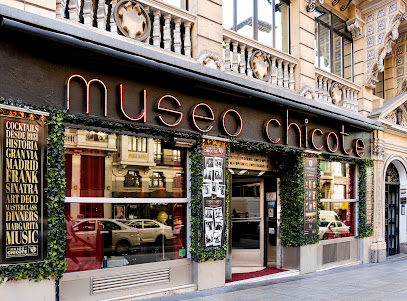
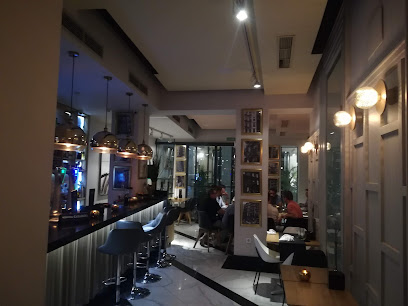
Museo Chicote
0.6 km
Unwind at Museo Chicote, Madrid's iconic cocktail bar known for its rich history, exquisite drinks, and vibrant nightlife atmosphere.
W42
0.6 km
Discover the lively atmosphere of W42, a vibrant bar in Salamanca, where delicious tapas and fine cocktails await every visitor.
Nightclubs & after hour spots

Discoteca Gunilla Club
0.3 km
Unleash your nightlife adventure at Discoteca Gunilla Club, where Madrid's vibrant beats and stylish ambiance await every party enthusiast.
Black & White
0.5 km
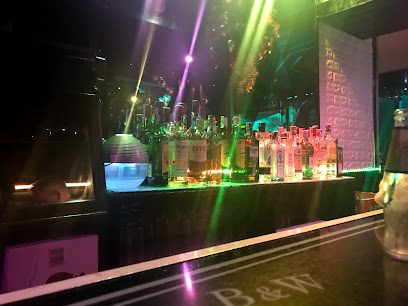
Discover the electric nightlife of Black & White, Madrid's top disco club featuring live drag shows and a vibrant dance scene.
Club 54
0.5 km
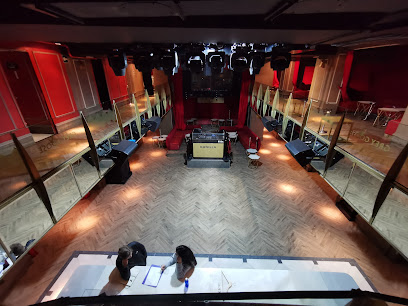
Discover Madrid's nightlife at Club 54, a premier disco club and inclusive dance hall in the heart of the city, perfect for unforgettable nights out.
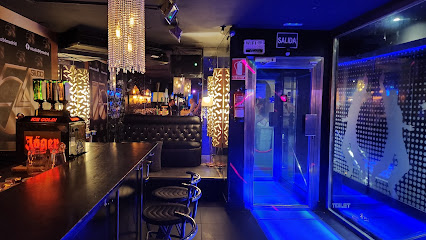
La Lulú Bar
0.6 km
Experience the vibrant nightlife of Madrid at La Lulú Bar, a lively gay bar and nightclub offering unforgettable parties and an inclusive atmosphere.
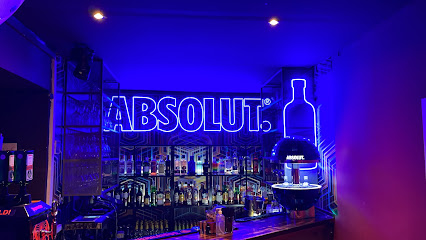
CHA CHÁ The Club Madrid
0.6 km
Discover the vibrant nightlife at CHA CHÁ The Club Madrid, where music, dance, and unforgettable memories await you in the heart of the city.
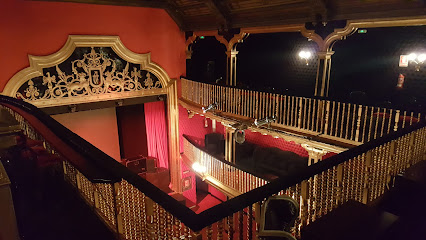
Triskel Show Bar
0.7 km
Dive into an electrifying nightlife experience at Triskel Show Bar, Madrid's premier disco club, where music and dance come alive.

El 12 CLUB - Madrid
0.7 km
Experience the vibrant nightlife of Madrid at El 12 CLUB – a premier gay bar and club known for its inclusive atmosphere and electrifying dance floor.
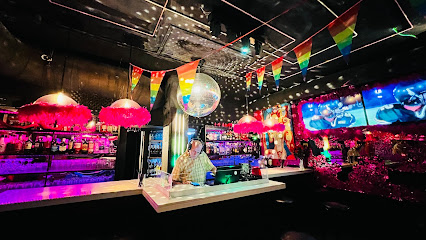
Delirio Dance Club
0.7 km
Immerse yourself in Madrid’s lively nightlife at Delirio Dance Club, where electrifying beats and vibrant energy await all night long.

IMPOSIBLE CLUB
0.7 km
Discover the electrifying ambiance of Imposible Club, a top night club in Madrid's Centro district, where unforgettable nights come alive.
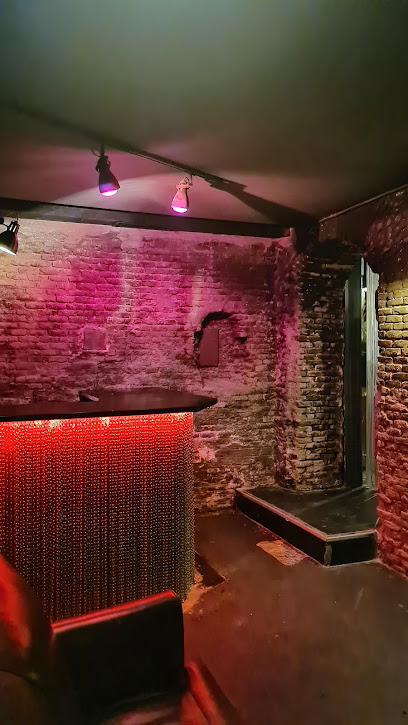
Supperclub 31
0.8 km
Discover the electrifying nightlife at Supperclub 31, Madrid's premier disco club, where music and fun come alive until dawn.

Fosforito
0.8 km
Experience the electrifying nightlife of Madrid at Fosforito, a premier night club in the stylish Salamanca district, where unforgettable memories await.

Esencia House Club
0.8 km
Discover the heart of Madrid's nightlife at Esencia House Club, where music, dance, and unforgettable moments await.

Sala El Sol
0.8 km
Discover the heart of Madrid's nightlife at Sala El Sol, where every night is a celebration of music, dance, and unforgettable memories.
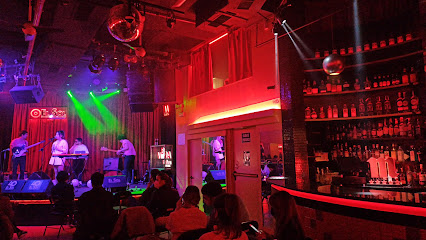
Mandala Club
0.8 km
Discover the vibrant energy of Mandala Club, Madrid's premier disco spot for unforgettable nights of dance and music.
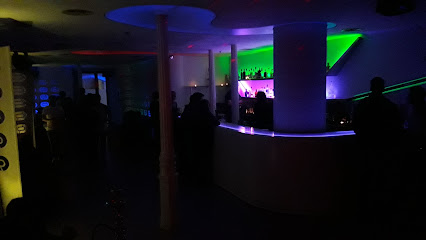
Bearbie Madrid
0.9 km
Experience the vibrant nightlife of Madrid at Bearbie, a lively disco club where music, dancing, and unforgettable moments come together.