

Free Up-Country Travel Guide & Mobile App
Explore Up-Country with free travel guides. Discover regional history, expert tips, proposed trips, and audio guides on web or mobile app.


Explore Sri Lanka's Up-Country for Kandy's heritage, cool tea estates, mountain railways, waterfalls and highland walking routes.
Read more about Up-Country
When is the best time to visit Up-Country?
Best: January–March · 24–25°C| Month | High (°C) | Rainfall (mm) |
|---|---|---|
| January (best) | 24 | 100 |
| February (best) | 24 | 95 |
| March (best) | 25 | 110 |
| April | 27 | 135 |
| May | 27 | 150 |
| June | 26 | 155 |
| July | 26 | 165 |
| August | 26 | 160 |
| September | 26 | 145 |
| October | 25 | 140 |
| November | 25 | 125 |
| December | 24 | 110 |
Getting to and around Up-Country
How to get there
Transportation
Top city travel guides in Up-Country
The cities of Up-Country, and the easiest places to base yourself.
-

-

-
-

-

-


Swipe for more cities
Destinations in Up-Country
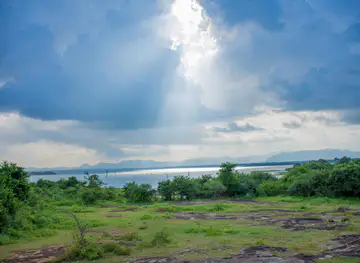
Resorts, valleys and scenic spots worth a trip of their own.
-

-
-

-

-

-


Swipe for more destinations
Best attractions in Up-Country
The Up-Country's attractions combine culture, landscape and working agricultural heritage. Kandy centres on the Temple of the Sacred Tooth Relic, the former royal setting and nearby cultural institutions, while the Royal Botanic Gardens at Peradeniya offer a broad collection of tropical and subtropical plants. In the higher districts, tea estates and factories around Nuwara Eliya, Hatton and the Uva hills explain how plantation agriculture shaped the region; visits depend on individual estate arrangements. Horton Plains National Park provides high-elevation grassland, cloud forest and marked walking routes, while the Peak Wilderness area protects important mountain ecosystems. Waterfalls, viewpoints and forest paths appear throughout the hill country, though access and safety vary after rain. The railway itself is a major attraction, linking towns through steep valleys and tea slopes. Ella, Haputale and Bandarawela are useful bases for walks and scenic excursions, while smaller estate communities reveal the region's social history. Visitors interested in heritage can also seek out Kandyan temples, colonial-era buildings and traditional dance performances, creating an itinerary that moves beyond scenery alone.
-
National park
Horton Plains National Park
Discover the breathtaking beauty and biodiversity of Horton Plains National Park, a must-visit destination for nature lovers in Sri Lanka.
-
Tourist attraction
Bambarakanda Falls
Discover the breathtaking heights of Bambarakanda Falls, Sri Lanka's tallest waterfall, surrounded by stunning landscapes and rich biodiversity.
-
Landmark
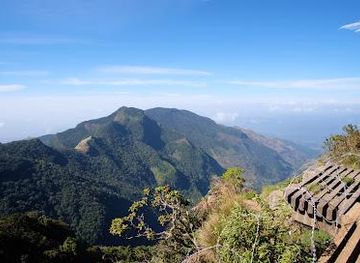
Great World's End Drop
Discover the breathtaking views and rich biodiversity at the Great World's End Drop, a natural wonder in Sri Lanka's Horton Plains National Park.
-
Tourist attraction
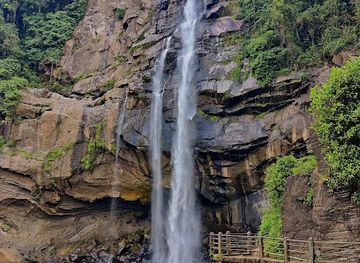
Aberdeen Waterfall
Experience the breathtaking beauty of Aberdeen Waterfall, a hidden gem in Ginigathhena, Sri Lanka, perfect for nature lovers and adventure seekers.


Best landmarks in Up-Country
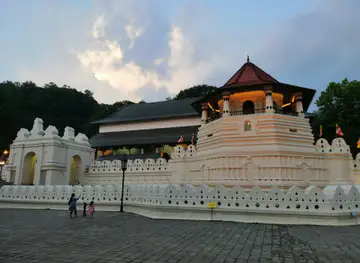
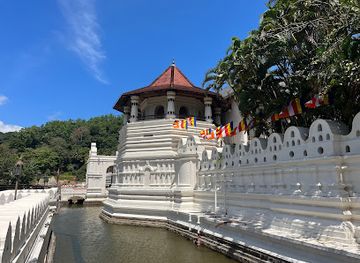
The Temple of the Sacred Tooth Relic in Kandy is the Up-Country's most important religious and political landmark, associated with the Kandyan monarchy and the veneration of the Buddha's tooth relic. Kandy Lake and the surrounding hills form a recognisable urban setting, while the old royal precinct preserves the relationship between court, religion and landscape. In Nuwara Eliya, the town's colonial-era villas, hotels and public buildings reflect the creation of a high-altitude retreat and plantation centre under British rule. The railway infrastructure through the hills, including stations, viaducts and tunnels, is an enduring monument to the engineering and export economy of the colonial period. Around Haputale and Ella, escarpments and folded tea slopes are geographical landmarks as much as scenic viewpoints. Horton Plains represents a different kind of significance: its high plateau, cloud forest and watershed function make it one of the central highlands' defining natural landscapes. Tea factories and estate bungalows, where access is permitted, complete the region's visual record of plantation history.
-
Buddhist temple
Sri Dalada Maligawa
Explore Sri Dalada Maligawa, a UNESCO World Heritage Site in Kandy, where the sacred Tooth Relic of Buddha resides amidst stunning architecture and rich history.
-
Botanical garden
Royal Botanic Gardens, Peradeniya
Explore the Royal Botanic Gardens in Peradeniya, Sri Lanka - a vibrant haven filled with diverse flora and stunning landscapes, perfect for nature lovers.
-
Fortress
Sigiriya
Explore Sigiriya, a stunning fortress and UNESCO World Heritage Site in Sri Lanka, known for its rich history and breathtaking views.
-
Fortress
Galle Dutch Fort
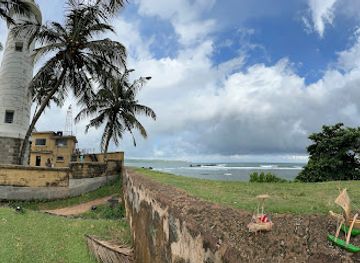
Discover the enchanting Galle Dutch Fort, a UNESCO World Heritage Site blending rich history with stunning coastal views and vibrant culture.

Explore Up-Country on the map
Plan your trip on one map. See where the top cities, national parks and sights are, and book hotels and experiences in a few clicks.
Best hotels in Up-Country
Best restaurants in Up-Country
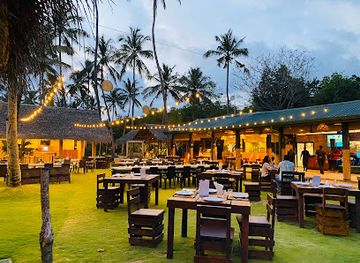
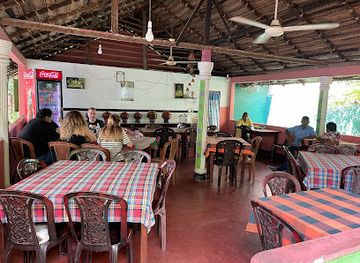
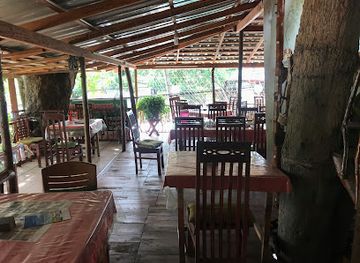
Dining in the Up-Country ranges from Kandy restaurants and hotel dining rooms to modest cafés, bakeries, market stalls and family-run establishments in hill towns. Sri Lankan rice and curry, string hoppers, hoppers, dhal, sambols and roti are widely available, while short eats such as vegetable pastries and savoury rolls suit railway journeys and cool-weather travel. Highland markets supply vegetables, fruit and spices, and the plantation districts reflect the cooking traditions of Indian Tamil communities alongside wider Sri Lankan cuisine. Nuwara Eliya and the larger towns have cafés serving tea, cakes and international dishes, while rural inns may offer simpler menus that require advance planning. Tea is central to the region's identity, although the cup served to visitors may vary considerably according to estate, preparation and setting. Restaurants associated with hotels often provide the broadest choice, but small local eateries can offer a more direct introduction to everyday highland food at modest cost.
-
Seafood
Dutch Trails Sri Lanka
Experience exquisite seafood dining alongside thrilling adventures at Dutch Trails Sri Lanka in beautiful Negombo.
-
Restaurant
Athula Restaurant
Experience authentic Sri Lankan cuisine at Athula Restaurant in Dambulla – where flavor meets tradition in every dish.
-
Restaurant
Hill Cool Restaurant හිල් කූල් රෙස්ටුරන්ට්
Experience authentic Sri Lankan cuisine amidst breathtaking hill country views at Hill Cool Restaurant in Kotagala.
-
Restaurant
Wijesiri Family Restaurant
Experience authentic Sri Lankan flavors at Wijesiri Family Restaurant in Sigiriya - where every meal tells a story.

Best bars in Up-Country
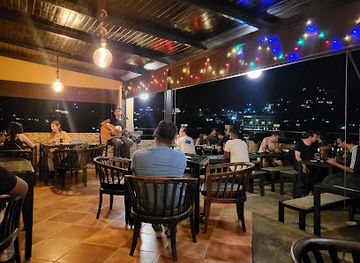
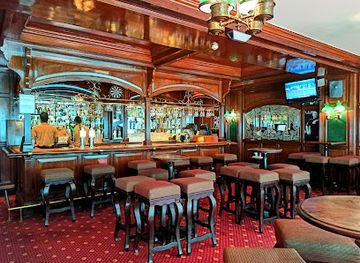
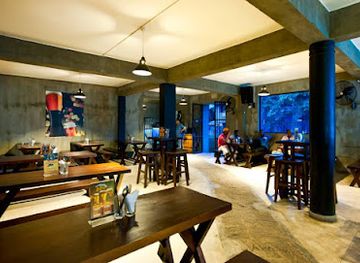
Evening life in the Up-Country is generally quiet and social rather than centred on a large nightclub scene. Kandy has the widest choice of hotel lounges, restaurants, cafés and occasional live entertainment, while Nuwara Eliya and the larger tea-country towns offer pubs, hotel bars and places serving drinks after dinner. In Ella, the visitor-oriented centre has a more noticeable evening scene, with casual bars, music and restaurants, though the atmosphere changes quickly outside the main street. Bandarawela and Haputale are better suited to relaxed meals, tea and early nights than late clubbing. Traditional pubs and hotel bars are common meeting places in the hills, but opening arrangements can vary and rural accommodation may have few facilities. Visitors should remember that alcohol is not central to every community's social life and should behave discreetly near religious sites and residential areas.
-
Bar
Slightly Chilled Lounge Bar and Restaurant
Experience the perfect blend of Asian fusion cuisine and a relaxed atmosphere at Slightly Chilled Lounge Bar and Restaurant in Kandy.
-
Pub
Cheers Pub
Experience the vibrant atmosphere and delightful cuisine at Cheers Pub, the heart of Colombo's nightlife scene.
-
Pub
Malli
Discover the lively ambiance of Malli Pub in Sri Jayawardenepura Kotte, where great drinks and friendly conversations await.
-
Sports bar
Playtrix Sports Bar and Cafe
Discover Colombo's premier sports bar and cafe, where live sports meets delicious dining in a vibrant atmosphere.

Best nightclubs in Up-Country
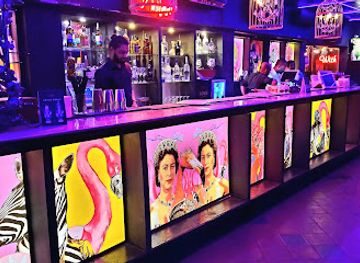
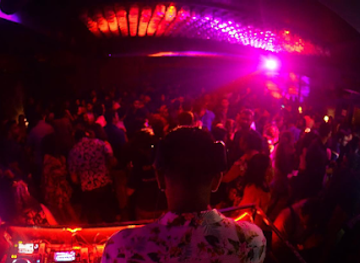
Evening life in the Up-Country is generally quiet and social rather than centred on a large nightclub scene. Kandy has the widest choice of hotel lounges, restaurants, cafés and occasional live entertainment, while Nuwara Eliya and the larger tea-country towns offer pubs, hotel bars and places serving drinks after dinner. In Ella, the visitor-oriented centre has a more noticeable evening scene, with casual bars, music and restaurants, though the atmosphere changes quickly outside the main street. Bandarawela and Haputale are better suited to relaxed meals, tea and early nights than late clubbing. Traditional pubs and hotel bars are common meeting places in the hills, but opening arrangements can vary and rural accommodation may have few facilities. Visitors should remember that alcohol is not central to every community's social life and should behave discreetly near religious sites and residential areas.
-
Disco club
The Love Bar at Flamingo House
Discover the heart of Colombo's nightlife at The Love Bar, a trendy disco club offering great drinks, vibrant music, and an unforgettable party atmosphere.
-
Disco club
Rhythm and Blues
Dive into the lively nightlife of Colombo at Rhythm and Blues, where classic R&B and vibrant energy create an unforgettable dance experience.
-
Night club
Cleopatra Nightclub
Discover the vibrant nightlife at Cleopatra Nightclub, Colombo's premier destination for music, dancing, and unforgettable experiences.
-
Night club
The Chiller Room
Discover the electrifying nightlife of Colombo at The Chiller Room, a premier nightclub with great music and an unforgettable atmosphere.

Best shops in Up-Country
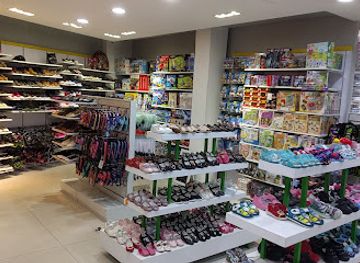
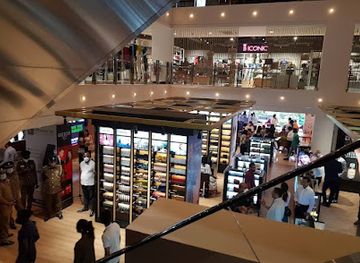
Shopping in the Up-Country is strongest in Kandy's markets, town centres and craft shops, where visitors can find spices, tea, textiles, jewellery, carved objects and Sri Lankan food products. Tea is the most obvious regional purchase, but quality and provenance vary, so buying from an established estate outlet or reputable shop is preferable to choosing solely by packaging. Nuwara Eliya's market reflects the area's vegetable-growing economy, with produce from the cool highlands sold alongside everyday goods. Smaller towns such as Haputale, Bandarawela and Ella are useful for local snacks, practical clothing, spices and modest handicrafts rather than extensive retail browsing. Kandy offers the broadest selection of traditional arts and souvenirs, while estate communities may sell tea through local channels when arrangements permit. Bargaining can occur in some informal markets but is not appropriate everywhere; compare quality, ask about materials and avoid purchasing archaeological objects or wildlife products.
-
Shopping mall
Crescat Boulevard
Explore Crescat Boulevard, Colombo's vibrant shopping mall offering local and international brands, delicious food, and entertainment for all ages.
-
Souvenir store
Laksala
Discover the heart of Sri Lankan culture at Laksala, the ultimate souvenir store in Colombo, brimming with unique crafts and local treasures.
-
Department store
Cool Planet
Explore Cool Planet in Kandy for a unique shopping experience filled with fashion, accessories, and local culture.
-
Shopping mall
ODEL Mall Kandy
Experience the lively atmosphere of ODEL Mall Kandy, where shopping, dining, and leisure come together in a unique Sri Lankan setting.


Get your free copy of our complete guide to Up-Country, delivered straight to you.
Everything on this page, from attractions and restaurants to essentials and local phrases, in one PDF you can read offline, print or share.
Already have an account? Sign in
Your Up-Country guide is ready.
We'll send it to · Not you? Sign out

Getting your guide ready…
We are putting together a fresh copy of the Up-Country guide. This can take up to a minute.
This can take a few moments. If your browser asks, choose Allow so the download can start. You'll find the guide in your Downloads folder.
Nothing happened? Download it again
Sorry, the guide is taking longer than usual. Please try again in a minute, or get it by email instead.
Up-Country essentials
Currency and Payment
Safety
Emergency Situations
Do's and Don'ts
Local Tips
From Eve
Local phrases worth knowing
You don't need to get them perfect. A few words go a long way, and locals appreciate the effort.
Basics
| English | Local | Say it |
|---|---|---|
| Hello | ආයුබෝවන් | [Āyubōvan] |
| Goodbye | ගුඩ්බයි | [Guḍbai] |
| Yes | ඔව් | [Ov] |
| No | නැහැ | [Næhæ] |
| Please/You're welcome | කරුණාකර | [Karunākara] |
| Thank you | ස්තුතියි | [Sthuthiyi] |
| Excuse me/Sorry | මට කණගාටුයි | [Maṭa kaṇagāṭuyi] |
| How are you? | ඔබට කෙසේද? | [Obaṭa kesēda?] |
| Fine. And you? | හොඳයි. ඔබට? | [Hoṇḍai. Obaṭa?] |
| Do you speak English? | ඔබට ඉංග්රීසි කතා කරන්නද? | [Obaṭa iṅgrīsi kathā karannada?] |
| I don't understand | මට තේරෙන්නේ නැහැ | [Maṭa thērennē næhæ] |
Eating & Drinking
| English | Local | Say it |
|---|---|---|
| I'd like to see the menu, please | මෙන්න මෙනුව බලන්න | [Menna menuva balanna] |
| I don't eat meat | මම මස් ආහාර නොකෙරෙමි | [Mama mas āhāra nokeremi] |
| Cheers! | සතුටුයි! | [Satuṭuyi!] |
| I would like to pay, please | කොන්දන්න, කරුණාකර | [Koṇdanna, karunākara] |
Emergencies
| English | Local | Say it |
|---|---|---|
| Help! | ආධාරයක්! | [Ādhārayak!] |
| Go away! | පලා යන්න! | [Palā yanna!] |
| Call the Police! | පොලිසිය කැදපන්න! | [Polisiya kædapanna!] |
| Call a doctor! | සෞඛ්ය වෛද්යවරයා කැදපන්න! | [Saukhya vaidya varayā kædapanna!] |
| I'm lost | මම අහිමිවී ගියා | [Mama ahimiwī giya] |
| I'm ill | මට අසනීපයි | [Maṭa asanīpayi] |
Shopping
| English | Local | Say it |
|---|---|---|
| I'd like to buy... | මට මිලදී ගන්න ඕනෑ... | [Maṭa milādī ganna ōnæ...] |
| I'm just looking | මම බලනවා | [Mama balanavā] |
| How much is it? | ඒක කොච්චරද? | [Ēka kochcharada?] |
| That's too expensive | ඒකදී ලැබෙන පිරිවැය වැඩි | [Ēkādī labena pirivaya væḍi] |
| Can you lower the price? | මිල අඩු කරන්න පුළුවන්ද? | [Mila aḍu karanna puḷuvanda?] |
Time & Numbers
| English | Local | Say it |
|---|---|---|
| What time is it? | දවස කොච්චරද? | [Dawasa kochcharada?] |
| It's one o'clock | එකයි | [Ekayi] |
| Half past (10) | අර්ධය (10) | [Ardhaya (10)] |
| Morning | උදෑසන | [Udæsaṇa] |
| Afternoon | දහවල් | [Dahaval] |
| Evening | සවස | [Savase] |
| Yesterday | ඊයේ | [Ēyē] |
| Today | අද | [Ada] |
| Tomorrow | හෙට | [Heṭa] |
| 1 | 1 | [1] |
| 2 | 2 | [2] |
| 3 | 3 | [3] |
| 4 | 4 | [4] |
| 5 | 5 | [5] |
| 6 | 6 | [6] |
| 7 | 7 | [7] |
| 8 | 8 | [8] |
| 9 | 9 | [9] |
| 10 | 10 | [10] |
Transport & Directions
| English | Local | Say it |
|---|---|---|
| Where's a/the...? | කෙසේද...? | [Kesēda...?] |
| What's the address? | ලිපිනය කුමක්ද? | [Lipinaya kumakda?] |
| Can you show me (on the map)? | මාපයේ මට පෙන්වන්න? | [Māpayē maṭa penvanna?] |
| When's the next (bus)? | ඉදිරියෙන් (බස්) කවදද? | [Idiriyen (bas) kawadada?] |
| A ticket (to ....) | පැතිකඩක් (ට ....) | [Pæthikaḍak (ṭa ....)] |
History of Up-Country
Early Settlement and the Central Highlands
The central mountains have long influenced settlement, agriculture and movement across Sri Lanka. Forested uplands, river sources and difficult passes helped create a distinct interior zone, while archaeological evidence from the wider central region records human activity over many centuries. The highlands were not isolated from the rest of the island: they supplied water, forest products and agricultural resources, and their valleys linked communities with the plains. The rugged terrain later helped the Kandyan kingdom preserve political independence, while today the same geography shapes transport, farming and the distribution of towns.
Kandy and the Kandyan Kingdom
Kandy became the centre of the Kandyan kingdom, which survived as the island's principal independent Sinhalese realm after Portuguese and Dutch control expanded along the coasts. The kingdom's authority was expressed through its court, temples, irrigation systems and relationships with regional chiefs. Kandy's Temple of the Sacred Tooth Relic held exceptional political and religious importance because possession of the relic was closely connected with legitimate kingship. The city's lake, shrines and surviving architectural traditions continue to reflect this period, even though much of the visible urban fabric has changed.
The British Annexation of Kandy in 1815
The Kandyan Convention of 1815 transferred sovereignty over the kingdom to the British, ending the island's long period of political independence in the central highlands. Resistance continued, including the Uva rebellion of 1817–18, which was suppressed with severe consequences for communities and agriculture. British administration introduced new legal, military and commercial systems, while roads and later railways reoriented the region towards plantation production and colonial centres. The political transition remains an important part of how Kandy and the surrounding highlands are interpreted today.
Plantations and the Making of Tea Country
During the nineteenth century, British planters established coffee plantations in the central hills, but a coffee blight in the 1860s and 1870s encouraged a major shift towards tea. Estates spread across districts including Nuwara Eliya, Dimbula and Uva, transforming slopes, labour patterns and export connections. Colonial companies built factories, bungalows, roads and rail links to move produce to Colombo. The plantation landscape was economically powerful but depended on difficult and unequal labour arrangements, leaving a social legacy that remains visible in estate settlements and the communities descended from workers recruited from southern India.
Railways and Highland Towns
Railway construction from the lowlands into the central hills linked Kandy and later the tea districts with Colombo's port and export economy. Engineering the lines required bridges, tunnels, cuttings and steep gradients, and the railway helped establish or expand towns such as Nanu Oya, Hatton and Haputale as transport and commercial centres. Although originally built primarily for trade and administration, the line became an important passenger route and now forms a major part of the visitor experience. Its continuing significance lies in both practical connectivity and the way it reveals the geography of the highlands.
Post-Independence Plantation Communities
After Sri Lanka gained independence in 1948, the future of the plantation sector and the citizenship of many Indian Tamil estate workers became major political issues. Repatriation agreements and later legislation affected citizenship, voting rights and family life, while nationalisation and restructuring changed the ownership and management of many estates. Indian Tamil communities nevertheless remained central to tea production and to the cultural character of the Up-Country. Their languages, Hindu temples, schools, festivals and labour history are essential to understanding the region beyond its colonial scenery.
Conservation and the Contemporary Highland Economy
In recent decades, the central highlands have been recognised for their ecological importance as well as their cultural and agricultural value. Protected areas such as Horton Plains National Park and the Peak Wilderness region conserve montane grasslands, forests and watersheds, while tourism has expanded around rail journeys, tea, walking and heritage. The region continues to balance environmental pressures, plantation livelihoods, urban growth and visitor demand. Contemporary Up-Country travel therefore takes place within a landscape shaped by both long-established communities and ongoing debates about conservation, access and economic change.
Up-Country in Photos
Browse through our photo collection highlighting the charm and character of the destination.
Neighbouring regions of Up-Country
The closest regions to Up-Country, if you have time for more than one.
-

-

-

-

-


Swipe for more regions

