

Nendaz, Switzerland Travel Guide
Discover Nendaz, a Swiss Alpine paradise offering year-round adventure, stunning scenery, and a unique blend of traditional charm and modern amenities.
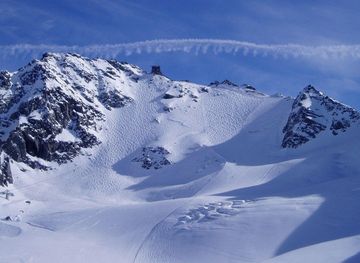
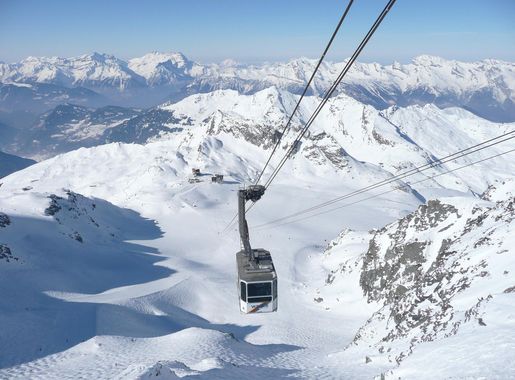
Nendaz, nestled in the heart of the Swiss Alps, is a picturesque destination that offers an extraordinary blend of natural beauty and cultural richness. Located in the Valais region, this charming village is renowned for its breathtaking landscapes, making it a paradise for outdoor enthusiasts and photographers alike. The stunning views of the Rhone Valley and the majestic peaks of the Pennine Alps provide a perfect backdrop for any adventure. In winter, Nendaz transforms into a winter wonderland, attracting skiers and snowboarders to its extensive network of slopes. As part of the Four Valleys ski area, it promises exhilarating runs and pristine snow. For those seeking a more relaxed experience, the village offers cozy chalets, delightful local cuisine, and a chance to immerse in the traditional Swiss mountain lifestyle. During the summer months, Nendaz is a haven for hikers and bikers. The area boasts over 250 kilometers of marked trails, including the famous Bisse walks along historic irrigation channels. The lush meadows, alpine flora, and crystal-clear streams make every hike a memorable journey. Moreover, Nendaz is known for its vibrant folklore festivals and events, which give visitors a unique glimpse into the local culture and traditions.

Know before you go
Hi, I'm Eve. Here are a few practical things to know before exploring Nendaz.
- Visit in late January for the annual Ice Climbing World Cup, a thrilling event that showcases the best in the sport.
- Take a guided tour of the ancient Bisses, the historical irrigation channels that provide insight into the region's agricultural heritage.
- Sample local Valais wines and cheeses at one of the village's quaint eateries for an authentic taste of the region.
- Use the free Nendaz shuttle bus in winter to easily access different parts of the ski area without the hassle of driving.
- Check out the weekly local markets for fresh produce and handicrafts, perfect for a souvenir or a picnic.
Explore Nendaz: Things to Do, Places to Eat, Hotels & More
Handpicked recommendations for top attractions, local dining, accommodations, and more

Best attractions in Nendaz
Top-rated picks
Best Attractions

Domaine des Iles
Discover the tranquility of Domaine des Iles in Sion, a perfect blend of nature and recreational activities for every traveler.

Grande Dixence dam
Discover the Grande Dixence Dam, an engineering masterpiece surrounded by the breathtaking beauty of the Swiss Alps, perfect for adventure and exploration.

Office de Tourisme de Chamonix-Mont-Blanc
Discover Chamonix-Mont-Blanc's beauty through its tourist information center, your essential guide to the Alpine paradise.

Alimentarium
Explore the fascinating world of food at the Alimentarium in Vevey, Switzerland, where culinary history meets interactive learning in a stunning lakeside setting.

Best landmarks in Nendaz
Top-rated picks
Best Landmarks

Hôtel Nendaz 4 Vallées & Spa
Discover the perfect blend of luxury, wellness, and breathtaking alpine views at Hôtel Nendaz 4 Vallées & Spa in the heart of the Swiss Alps.

Nendaz Tourisme
Explore the beautiful Swiss Alps with Nendaz Tourisme, your guide to adventure, culture, and unforgettable experiences in Haute-Nendaz.

Station de ski - Les 4 Vallées
Experience the ultimate winter adventure at Les 4 Vallées, Switzerland's premier ski resort, with breathtaking slopes and vibrant après-ski culture.

Edelweiss
Discover the luxurious comfort and stunning views of Edelweiss, a premier hotel in Haute-Nendaz, Switzerland, perfect for alpine adventures.

Best restaurants in Nendaz
Top-rated picks
Best Restaurants

Chez Caroline
Experience delightful family dining at Chez Caroline in Siviez - where every meal is crafted with love amidst stunning Swiss scenery.

La Cabane
Experience authentic Swiss cuisine at La Cabane in Haute-Nendaz, where local flavors meet stunning alpine views.

Auberge Les Bisses
Experience authentic Swiss cuisine and cozy accommodations at Auberge Les Bisses in scenic Nendaz.

La Taverne de L'Alpée
Savor the best of Swiss cuisine at La Taverne de L'Alpée in Haute-Nendaz—where tradition meets flavor amidst stunning mountain views.

Best bars in Nendaz
Top-rated picks
Best Bars

La Cabane
Experience authentic Swiss cuisine and breathtaking mountain views at La Cabane, a must-visit restaurant in Haute-Nendaz.

La Taverne de L'Alpée
Experience the taste of authentic Swiss cuisine at La Taverne de L'Alpée in Haute-Nendaz, where culinary delights meet breathtaking alpine views.
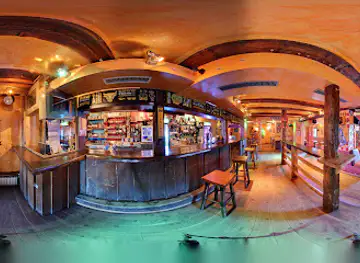
Cactus Saloon Nendaz
Experience the vibrant atmosphere at Cactus Saloon Nendaz, where Tex-Mex meets Swiss hospitality in a lively bar setting.

La Cantina Tex-Mex Restaurant
Experience the vibrant flavors of Mexico at La Cantina Tex-Mex Restaurant, a must-visit culinary delight in Haute-Nendaz, Switzerland.

Best nightclubs in Nendaz
Top-rated picks
Best Nightclubs

Cactus Saloon Nendaz
Discover the vibrant nightlife at Cactus Saloon Nendaz, where Tex-Mex flavors meet live music and a fun atmosphere in the heart of the Alps.

Café-Bar Le Mazot
Experience the charm of Café-Bar Le Mazot in Nendaz – a cozy retreat for drinks, snacks, and breathtaking mountain views.

Le BOB - Ski bar bistro
Discover the charm of Le BOB - Ski bar bistro, your perfect après-ski retreat in the heart of the Swiss Alps with delightful food and a vibrant atmosphere.

The Green Rabbit - Nendaz
Discover the excitement of The Green Rabbit - Nendaz, a premier nightclub offering a lively atmosphere and unforgettable alpine nightlife experiences.

Best shops in Nendaz
Top-rated picks
Best Shops

Coop Supermarché Nendaz
Discover the heart of Haute-Nendaz shopping at Coop Supermarché, offering local products, fresh produce, and Swiss delicacies for every tourist's needs.

Supermarché Migros - Haute-Nendaz
Discover the flavors of Switzerland at Supermarché Migros - Haute-Nendaz, where quality meets convenience in the heart of the Alps.

La Cave à Lait
Discover the rich flavors of Swiss cheese at La Cave à Lait, a cozy cheese shop and wine bar in the heart of Nendaz.

Boulangerie Pâtisserie La Nendette
Discover the artisanal baked goods and delightful pastries at Boulangerie Pâtisserie La Nendette in Haute-Nendaz, a must-visit for every sweet tooth.

Explore Nendaz on the Map
A handpicked selection of must-see spots in Nendaz, mapped for you.
Nendaz Essentials
-
Nendaz is located in the canton of Valais in Switzerland. The nearest international airport is Geneva Airport, approximately 160 kilometers away. From Geneva, you can take a train to Sion, which is the closest major town to Nendaz. The train journey takes about 2 hours. From Sion, you can take a bus or taxi to Nendaz, which is about a 20-minute drive.
-
In Nendaz, local buses operate regularly and connect various parts of the town and neighboring areas. There are also taxis available for hire. For those who prefer to drive, car rentals are available in Sion and Nendaz. During the winter season, free ski buses are provided to transport visitors to the various ski lifts and slopes.
-
The official currency in Switzerland is the Swiss Franc (CHF). Credit and debit cards are widely accepted in hotels, restaurants, and shops. ATMs are readily available, and you can withdraw Swiss Francs using international bank cards. It is advisable to carry some cash for smaller establishments and remote areas.
-
Nendaz is generally a safe destination for tourists. However, it is always wise to take standard precautions such as avoiding poorly lit areas at night and keeping an eye on your belongings in crowded places. There are no specific high-crime areas targeting tourists, but staying vigilant and aware of your surroundings is always recommended.
-
In case of emergency, dial 112 for immediate assistance. Nendaz has local police and medical facilities available. It is recommended to have travel insurance that covers medical emergencies. For minor health issues, there are pharmacies in Nendaz where you can purchase over-the-counter medications.
-
Fashion: Do dress in layers, as weather can change rapidly, especially in the mountains. Avoid overly casual clothing in fine dining restaurants. Religion: Do respect local customs and traditions. While there are no specific religious dress codes, modest clothing is advisable when visiting churches. Public Transport: Do be respectful and give up your seat to elderly passengers. Don't talk loudly or play music on public transport. Greetings: Do greet people with a friendly 'Bonjour' or 'Grüessech' (in Swiss German). A handshake is also common. Eating & Drinking: Do try local delicacies and accept food offerings graciously. Don't refuse an invitation to a meal, as it is considered impolite.
-
To experience Nendaz like a local, visit the weekly markets where you can buy fresh produce and local specialties. Engage with locals, as they are often friendly and willing to share stories about the town's history and culture. Don't miss hiking the Bisse du Milieu, a historic irrigation channel offering stunning views. For a unique experience, attend the annual Alphorn Festival held in July, celebrating traditional Swiss music and culture.
When is the best time to visit Nendaz?
Useful Local Phrases for Nendaz
You don't need to speak the language perfectly. Even learning a few simple words can make conversations warmer—and locals usually appreciate the effort.
— Eve

Here are the phrases I use most often in Nendaz. Try a few—you'll be surprised how far they go! 😊
❤️
-
- HelloBonjour
[bon-zhoor] - GoodbyeAu revoir
[oh reh-vwahr] - YesOui
[wee] - NoNon
[nohn] - Please/You're welcomeS'il vous plaît
[seel voo pleh] - Thank youMerci
[mehr-see] - Excuse me/SorryExcusez-moi
[ehk-skew-zay mwah] - How are you?Comment ça va?
[koh-mohn sah vah] - Fine. And you?Bien. Et vous?
[byehn. Ay voo] - Do you speak English?Parlez-vous anglais?
[par-lay voo ahng-glay] - I don't understandJe ne comprends pas
[zhuh nuh kohm-prahnd pah]
- HelloBonjour
-
- I'd like to see the menu, pleaseJe voudrais voir le menu, s'il vous plaît
[zhuh voo-dray vwahr luh meh-nyoo, seel voo pleh] - I don't eat meatJe ne mange pas de viande
[zhuh nuh mahnj pah duh vyand] - Cheers!Santé!
[sahn-tay] - I would like to pay, pleaseJe voudrais payer, s'il vous plaît
[zhuh voo-dray pay-ay, seel voo pleh]
- I'd like to see the menu, pleaseJe voudrais voir le menu, s'il vous plaît
-
- Help!Au secours!
[oh suh-koor] - Go away!Allez-vous en!
[ah-lay voo zan] - Call the Police!Appelez la police!
[ah-peh-lay lah poh-lees] - Call a doctor!Appelez un médecin!
[ah-peh-lay uh meh-deh-sahn] - I'm lostJe suis perdu
[zhuh swee pair-doo] - I'm illJe suis malade
[zhuh swee mah-lahd]
- Help!Au secours!
-
- I'd like to buy...Je voudrais acheter...
[zhuh voo-dray zah-shtay...] - I'm just lookingJe regarde juste
[zhuh ruh-gahrd zhew-stuh] - How much is it?Combien ça coûte?
[kohm-byen sah koot] - That's too expensiveC'est trop cher
[say troh shair] - Can you lower the price?Pouvez-vous baisser le prix?
[poo-veh voo bay-say luh pree]
- I'd like to buy...Je voudrais acheter...
-
- What time is it?Quelle heure est-il?
[kell er eh-teel] - It's one o'clockIl est une heure
[eel eh zewn er] - Half past (10)Dix heures et demie
[dees er ay duh-mee] - MorningMatin
[mah-tan] - AfternoonAprès-midi
[ah-pray meh-dee] - EveningSoir
[swah] - YesterdayHier
[yehr] - TodayAujourd'hui
[oh-zhoor-dwee] - TomorrowDemain
[duh-mahn] - 1Un
[uhn] - 2Deux
[duh] - 3Trois
[twa] - 4Quatre
[kah-truh] - 5Cinq
[sank] - 6Six
[sees] - 7Sept
[sept] - 8Huit
[wheet] - 9Neuf
[nuhf] - 10Dix
[dees]
- What time is it?Quelle heure est-il?
-
- Where's a/the...?Où est...?
[oo eh...] - What's the address?Quelle est l'adresse?
[kell eh la-dress] - Can you show me (on the map)?Pouvez-vous me montrer (sur la carte)?
[poo-veh voo muh mohn-tray (surr lah kart)] - When's the next (bus)?Quand est le prochain (bus)?
[kahn eh luh proh-shahn (bus)] - A ticket (to ....)Un billet (pour ....)
[uhn bee-yay (poor)]
- Where's a/the...?Où est...?
History of Nendaz
-
Nestled in the heart of the Swiss Alps, Nendaz boasts a rich history that dates back to antiquity. Archaeological finds suggest that the area was inhabited as early as the Neolithic period. Over the centuries, Celtic tribes settled in the region, leaving behind remnants of their culture and way of life. The strategic location of Nendaz made it a vital passageway through the Alps, fostering trade and interaction between different cultural groups.
-
The Roman Empire left an indelible mark on Nendaz. During the Roman period, the area was integrated into the province of Alpes Poeninae. Roman roads and infrastructure facilitated movement and communication, and remnants of these ancient pathways can still be traced today. Artefacts such as coins, pottery, and tools discovered in Nendaz offer a glimpse into the Roman way of life and their influence on the region’s development.
-
In the medieval period, Nendaz came under the influence of various feudal lords and ecclesiastical authorities. The Counts of Savoy and the Bishops of Sion played significant roles in the region's governance. Castles and fortifications from this era, such as the Tour de Duin, highlight the strategic importance of Nendaz in controlling the alpine passes. The medieval period also saw the establishment of agricultural practices that have shaped the landscape of Nendaz for centuries.
-
In the early 19th century, the region of Valais, which includes Nendaz, was annexed by Napoleon Bonaparte and became part of the Helvetic Republic. This period of French control brought about significant administrative changes and modernization efforts. However, it was short-lived, as the Congress of Vienna in 1815 saw Valais being incorporated into the Swiss Confederation as a canton, solidifying Nendaz’s place within modern Switzerland.
-
Nendaz is renowned for its intricate system of bisses, traditional irrigation channels that date back to the Middle Ages. These channels were vital for transporting water from the mountains to the agricultural terraces, ensuring the fertility of the land. The Bisse de Saxon and the Bisse Vieux are among the most famous and well-preserved examples. These irrigation systems are not only a testament to the ingenuity of past generations but also a key cultural heritage that continues to be celebrated today.
-
The 20th century brought significant transformation to Nendaz with the advent of modern tourism. The construction of ski resorts and the promotion of alpine sports turned Nendaz into a popular destination for winter enthusiasts. The development of infrastructure, including cable cars and hotels, has integrated Nendaz into the broader Swiss tourism industry. Despite modernization, Nendaz has managed to retain its traditional charm, balancing the needs of tourism with the preservation of its cultural and historical identity.
Neighbouring destination travel guides
Browse our curated selection of top destinations, scenic points, and must-visit spots in the area.


Your all‑in‑one travel companion app
Explore expert travel guides, compare and book tours, experiences, hotels, and more—all from the palm of your hand. Download now for seamless trip planning wherever your wanderlust takes you.


Explore More of Valais

Looking beyond Nendaz? Discover Valais for broader travel guides, local hot-spots, and regional highlights.
Explore ValaisExplore More of Switzerland

Looking beyond Nendaz? Discover Switzerland for broader travel guides, local hot-spots, and regional highlights.
Explore SwitzerlandNendaz in Photos
Browse through our photo collection highlighting the charm and character of the destination.



Nendaz: The Alpine Jewel of Switzerland
Nendaz, nestled in the heart of the Swiss Alps, is a picturesque destination that offers an extraordinary blend of natural beauty and cultural richness. Located in the Valais region, this charming village is renowned for its breathtaking landscapes, making it a paradise for outdoor enthusiasts and photographers alike. The stunning views of the Rhone Valley and the majestic peaks of the Pennine Alps provide a perfect backdrop for any adventure. In winter, Nendaz transforms into a winter wonderland, attracting skiers and snowboarders to its extensive network of slopes. As part of the Four Valleys ski area, it promises exhilarating runs and pristine snow. For those seeking a more relaxed experience, the village offers cozy chalets, delightful local cuisine, and a chance to immerse in the traditional Swiss mountain lifestyle. During the summer months, Nendaz is a haven for hikers and bikers. The area boasts over 250 kilometers of marked trails, including the famous Bisse walks along historic irrigation channels. The lush meadows, alpine flora, and crystal-clear streams make every hike a memorable journey. Moreover, Nendaz is known for its vibrant folklore festivals and events, which give visitors a unique glimpse into the local culture and traditions.