

Free East Tennessee Travel Guide & Mobile App
Explore East Tennessee with free travel guides. Discover regional history, expert tips, proposed trips, and audio guides on web or mobile app.


Explore East Tennessee for Great Smoky Mountains trails, Appalachian music, lively river towns, scenic drives and distinctive Southern food.
Read more about East Tennessee
Getting to and around East Tennessee
How to get there
Transportation
Top city travel guides in East Tennessee
The cities of East Tennessee, and the easiest places to base yourself.
-

-

-

-

-

-


Swipe for more cities
Destinations in East Tennessee
Resorts, valleys and scenic spots worth a trip of their own.
-
-
-

-

-

-


Swipe for more destinations
Best attractions in East Tennessee
East Tennessee's attractions range from major mountain landscapes to museums, historic sites and riverfront recreation. Great Smoky Mountains National Park is the region's defining natural destination, with routes through Cades Cove, Newfound Gap and the Roaring Fork area, as well as historic cabins, churches and mills. The park's popular gateways, including Gatlinburg, Pigeon Forge and Townsend, offer very different styles of visitor infrastructure. Cherokee National Forest, Big South Fork National River and Recreation Area and Frozen Head State Park extend the opportunities for hiking, paddling, climbing and wildlife observation. Knoxville adds the Tennessee River, the Knoxville Museum of Art, the Museum of East Tennessee History and the Tennessee Theatre, while Chattanooga combines riverfront attractions, railroad heritage and access to Lookout Mountain. The Tri-Cities area offers the Birthplace of Country Music story, historic Jonesborough and Sycamore Shoals State Historic Park. Families will find aquariums, science attractions and amusement facilities, particularly around Chattanooga and the Smokies, while outdoor enthusiasts can choose from whitewater on the Ocoee River, caving, cycling, fishing and long-distance footpaths.
-
Museum
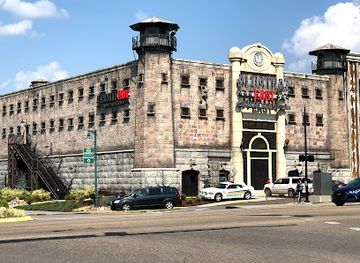
Alcatraz East Crime Museum
Explore the dark and fascinating history of crime at Alcatraz East Crime Museum in Pigeon Forge, featuring exhibits on infamous criminals and forensic science.
-
Tourist attraction
CLIMB Works Smoky Mountains - Zipline Tour
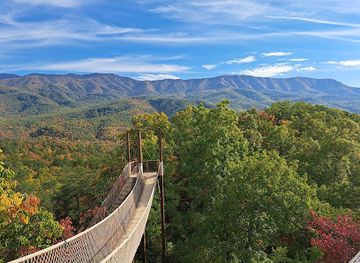
Experience the thrill of ziplining through the breathtaking Smoky Mountains with CLIMB Works, a top attraction for adventure lovers in Gatlinburg, TN.
-
Tourist attraction
The Lost Sea Adventure
Explore the mesmerizing underground world of The Lost Sea Adventure, home to one of the largest underground lakes in the U.S. and stunning natural formations.
-
Tourist attraction
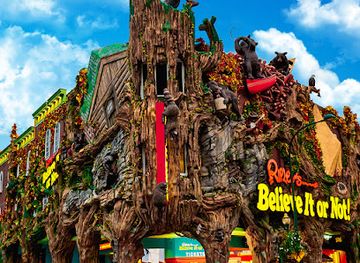
Ripley's Believe It or Not!
Explore the extraordinary and bizarre at Ripley's Believe It or Not! in Gatlinburg, where every corner reveals a new wonder and interactive adventure awaits.

Best landmarks in East Tennessee
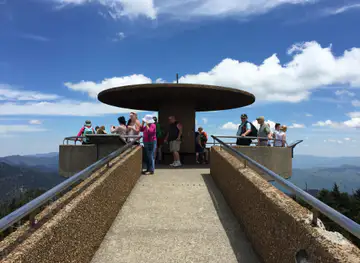
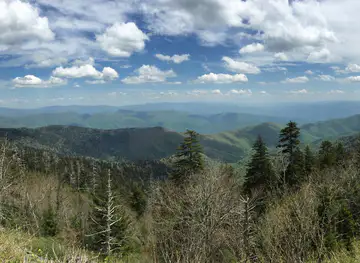
The Great Smoky Mountains form East Tennessee's most recognisable natural landmark, with forested ridges, Clingmans Dome near the North Carolina border and historic valleys such as Cades Cove giving the landscape both scenic and cultural significance. At Knoxville, the Tennessee River, the Sunsphere and the Tennessee Theatre help define the city, while the nearby Marble Springs State Historic Site preserves the home and legacy of early Tennessee governor John Sevier. Chattanooga's Walnut Street Bridge crosses the Tennessee River as a prominent pedestrian landmark, and Lookout Mountain's exposed escarpment has both natural and Civil War associations. In the north-east, the Carter Family Fold story and Bristol's state-line setting reflect the area's musical identity, while Sycamore Shoals marks an important site in frontier and Cherokee-era history. Historic Jonesborough, Tennessee's oldest incorporated town, retains a walkable core of early buildings and civic sites. Fort Loudoun State Historic Park on the lower Little Tennessee River presents a reconstructed eighteenth-century fort in a landscape connected with colonial, Cherokee and imperial history.
-
Tourist attraction
The Lost Sea Adventure
Explore the enchanting underground world of The Lost Sea Adventure in Tennessee, home to the largest subterranean lake in the U.S. and a must-visit tourist attraction.
-
National reserve
Cumberland Gap National Historical Park
Discover the historical and natural beauty of Cumberland Gap National Historical Park, where rich history meets stunning landscapes in a unique adventure.
-
Tourist attraction
Belle Meade Historic Site & Winery
Explore the rich history and exquisite wines of Belle Meade Historic Site & Winery, a cultural gem in Nashville's beautiful landscape.
-
Historical landmark
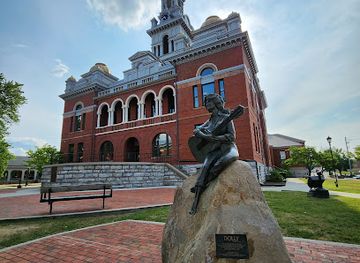
Dolly Parton Statue
Discover the Dolly Parton Statue in Sevierville, TN - a tribute to the music legend and a must-see landmark for fans and tourists alike.


Explore East Tennessee on the map
Plan your trip on one map. See where the top cities, national parks and sights are, and book hotels and experiences in a few clicks.
Best hotels in East Tennessee
Best restaurants in East Tennessee
East Tennessee cooking connects Appalachian pantry traditions with the broader Southern table. Menus may feature trout from mountain waters, country ham, biscuits, cornbread, beans, greens, fried chicken, barbecue and seasonal produce, while sorghum syrup and fruit preserves add distinctly Appalachian notes. Knoxville and Chattanooga have the region's broadest range of contemporary restaurants, breweries, cafés and international food, with independent dining concentrated in established urban districts. In the Smokies, restaurants range from family-style Southern cooking and barbecue to resort-oriented dining, though options vary considerably outside the main gateways. The Tri-Cities and smaller towns offer diners' breakfasts, local bakeries, meat-and-three plates and traditional country cooking alongside newer craft-food businesses. Farmers' markets and farm shops are useful for finding apples, honey, preserves, cheese and other regional produce. Menus reflect the wider South as well as East Tennessee, so dishes such as barbecue should not automatically be presented as exclusive to the region.
-
Country food restaurant
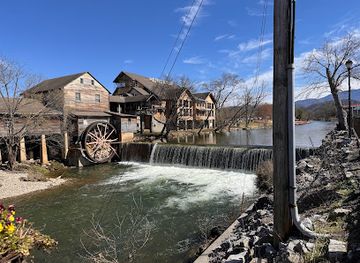
The Old Mill Restaurant
Discover authentic Southern cuisine at The Old Mill Restaurant in Pigeon Forge – where tradition meets flavor in a charming setting.
-
New American
Local Goat - New American Restaurant Pigeon Forge
Discover the taste of New American cuisine at Local Goat, where fresh ingredients meet innovative cooking in Pigeon Forge.
-
Barbecue
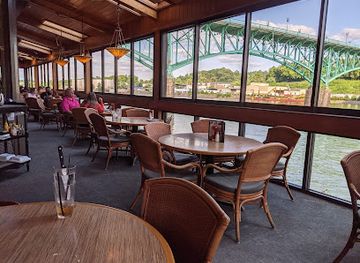
Calhoun's On The River
Experience mouthwatering barbecue at Calhoun's On The River in Knoxville—where delicious food meets stunning riverside views.
-
American
Stock & Barrel
Discover Stock & Barrel: Knoxville's premier destination for gourmet burgers and craft drinks in a lively Market Square setting.


Best bars in East Tennessee
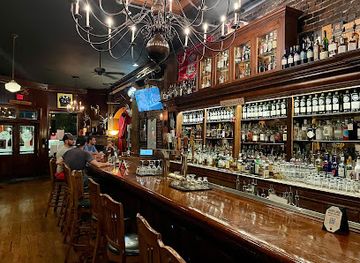
Evening life in East Tennessee is concentrated in Knoxville and Chattanooga, with additional activity in Johnson City, Kingsport, Bristol, Gatlinburg and Pigeon Forge. Knoxville's downtown and nearby districts support breweries, cocktail bars, music rooms, restaurants and venues associated with the University of Tennessee, while Chattanooga combines craft beer, live music, riverfront dining and a small but varied bar scene. The Tri-Cities have a strong connection to live music, including country, bluegrass and alternative performances, although venues and schedules change. In the Smokies, evening entertainment is shaped by tourism, with family-oriented shows, restaurants, breweries and bars in the principal resort towns rather than a single club district. Rural East Tennessee generally closes earlier and centres on local pubs, diners and community music events. Visitors should arrange transport in advance outside city centres and remember that alcohol laws and service practices follow Tennessee regulations.
-
Sports bar
Twin Peaks
Experience the ultimate sports bar environment at Twin Peaks in Knoxville, where American cuisine meets an electrifying atmosphere.
-
Bar
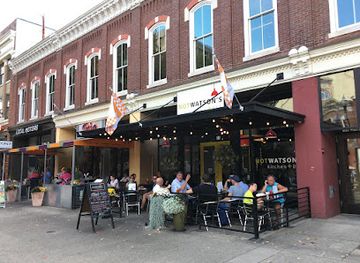
Not Watson's Kitchen + Bar
Experience the vibrant flavors and welcoming atmosphere at Not Watson's Kitchen + Bar in Knoxville's Market Square, where great food meets great company.
-
Grill
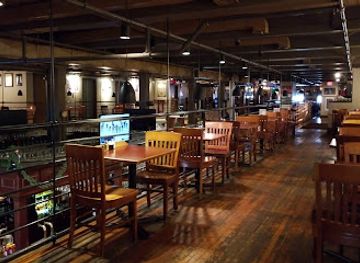
Downtown Grill & Brewery
Experience the vibrant flavors and craft brews of Downtown Grill & Brewery, a culinary gem in Knoxville's heart.
-
Pub
Boyd’s Jig and Reel
Discover the vibrant atmosphere of Boyd's Jig and Reel, a top pub in Knoxville offering live music, delicious food, and a lively bar experience.

Best nightclubs in East Tennessee
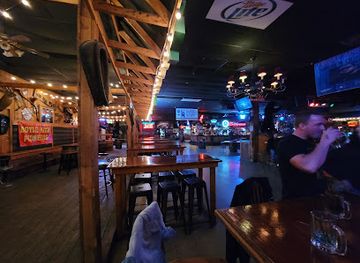
Evening life in East Tennessee is concentrated in Knoxville and Chattanooga, with additional activity in Johnson City, Kingsport, Bristol, Gatlinburg and Pigeon Forge. Knoxville's downtown and nearby districts support breweries, cocktail bars, music rooms, restaurants and venues associated with the University of Tennessee, while Chattanooga combines craft beer, live music, riverfront dining and a small but varied bar scene. The Tri-Cities have a strong connection to live music, including country, bluegrass and alternative performances, although venues and schedules change. In the Smokies, evening entertainment is shaped by tourism, with family-oriented shows, restaurants, breweries and bars in the principal resort towns rather than a single club district. Rural East Tennessee generally closes earlier and centres on local pubs, diners and community music events. Visitors should arrange transport in advance outside city centres and remember that alcohol laws and service practices follow Tennessee regulations.
-
Night club
Cotton Eyed Joe
Immerse yourself in Knoxville's nightlife at Cotton Eyed Joe, where vibrant music, spacious dance floors, and unforgettable moments await you.
-
Lounge
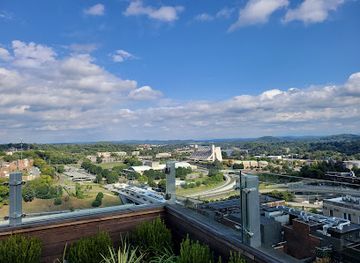
Radius Rooftop Lounge
Discover the vibrant ambiance and breathtaking views at Radius Rooftop Lounge in downtown Knoxville, where cocktails and relaxation meet.
-
Grill
Brackins Blues Club
Discover Brackins Blues Club: a vibrant grill and live music venue in Maryville, TN, offering delicious food and unforgettable performances.
-
Lounge
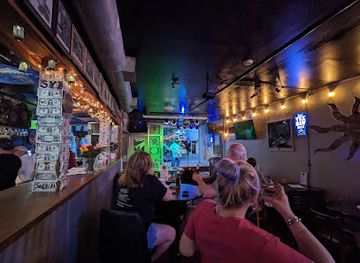
Five Thirty Lounge
Experience the vibrant nightlife of Downtown Knoxville at Five Thirty Lounge, where unique cocktails and a stylish ambiance await.

Best shops in East Tennessee
Shopping varies from urban independent retail to mountain crafts and food producers. Knoxville offers the widest selection of bookshops, galleries, clothing stores, design shops, antiques and locally made goods, particularly in downtown and established neighbourhood commercial areas. Chattanooga has independent boutiques, galleries, outdoor-gear retailers and markets, while Johnson City, Kingsport, Bristol and historic Jonesborough provide smaller-town shopping with regional crafts and antiques. The Smokies' gateway communities are oriented towards visitors and include craft outlets, souvenir shops, galleries and stores selling quilts, woodwork, pottery and Appalachian-themed goods; quality and provenance vary, so look for makers' information. Farmers' markets and farm shops are good places to buy honey, sorghum products, preserves, apples, local cheese and other seasonal foods. Tennessee-made whiskey and other alcoholic products are subject to age and transport rules, so international visitors should check customs allowances before purchasing for travel. Authentic regional shopping is generally found in specialist galleries, maker studios and community markets rather than generic souvenir outlets.
-
Outlet mall
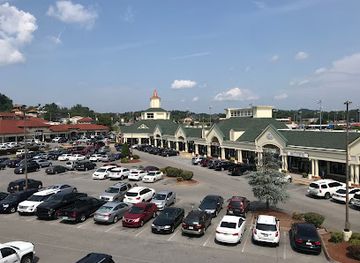
Tanger Outlets Sevierville
Discover unbeatable deals on your favorite brands at Tanger Outlets Sevierville, a top shopping destination in Tennessee.
-
Gift shop
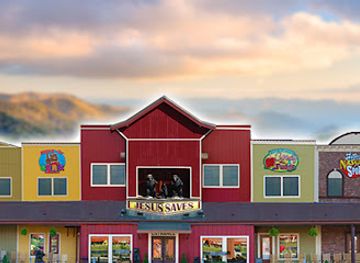
Three Bears General Store
Explore the whimsical Three Bears General Store in Pigeon Forge, where unique gifts, delectable sweets, and family fun await at every turn.
-
Park
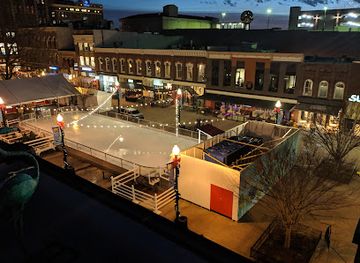
Market Square
Explore Market Square in Knoxville, a vibrant park filled with boutique shops, outdoor dining, and seasonal events that highlight local culture.
-
General store
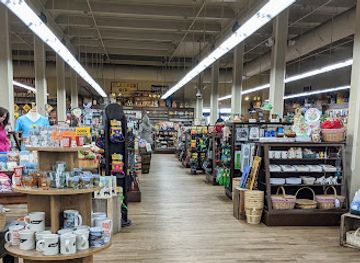
Mast General Store Knoxville
Explore a treasure trove of unique gifts and outdoor gear at Mast General Store Knoxville, where adventure meets nostalgia in a charming atmosphere.
Get your free copy of our complete guide to East Tennessee, delivered straight to you.
Everything on this page, from attractions and restaurants to essentials and local phrases, in one PDF you can read offline, print or share.
Already have an account? Sign in
Your East Tennessee guide is ready.
We'll send it to · Not you? Sign out

Getting your guide ready…
We are putting together a fresh copy of the East Tennessee guide. This can take up to a minute.
This can take a few moments. If your browser asks, choose Allow so the download can start. You'll find the guide in your Downloads folder.
Nothing happened? Download it again
Sorry, the guide is taking longer than usual. Please try again in a minute, or get it by email instead.
East Tennessee essentials
Currency and Payment
Safety
Emergency Situations
Do's and Don'ts
Local Tips
From Eve
Local phrases worth knowing
You don't need to get them perfect. A few words go a long way, and locals appreciate the effort.
Basics
| English | Local | Say it |
|---|---|---|
| Hello | Hey there | [Hay thair] |
| Goodbye | See ya later | [See ya lay-ter] |
| Yes | Yep | [Yep] |
| No | Naw | [Naw] |
| Please/You're welcome | No problem | [No prob-lum] |
| Thank you | Thanks a bunch | [Thangs a bunch] |
| Excuse me/Sorry | Pardon me | [Pardon me] |
| How are you? | How ya doin'? | [How ya doin'?] |
| Fine. And you? | I’m good, how 'bout you? | [I’m good, how 'bout you?] |
| Do you speak English? | Ya speakin' English? | [Ya speakin' English?] |
| I don't understand | I ain't followin' | [I ain't followin'] |
Eating & Drinking
| English | Local | Say it |
|---|---|---|
| I'd like to see the menu, please | Can I see the menu? | [Can I see the menu?] |
| I don't eat meat | I don’t eat no meat | [I don’t eat no meat] |
| Cheers! | Cheers! | [Cheers!] |
| I would like to pay, please | I’d like to settle up | [I’d like to settle up] |
Emergencies
| English | Local | Say it |
|---|---|---|
| Help! | Help! | [Help!] |
| Go away! | Leave me alone! | [Leave me alone!] |
| Call the Police! | Call the cops! | [Call the cops!] |
| Call a doctor! | Get a doctor! | [Get a doctor!] |
| I'm lost | I’m turned around | [I’m turned around] |
| I'm ill | I’m feelin' poorly | [I’m feelin' poorly] |
Shopping
| English | Local | Say it |
|---|---|---|
| I'd like to buy... | I wanna buy... | [I wanna buy...] |
| I'm just looking | Just lookin' around | [Just lookin' around] |
| How much is it? | How much fer this? | [How much fer this?] |
| That's too expensive | That's a bit pricey | [That's a bit pricey] |
| Can you lower the price? | Can ya cut me a deal? | [Can ya cut me a deal?] |
Time & Numbers
| English | Local | Say it |
|---|---|---|
| What time is it? | What time is it? | [What time is it?] |
| It's one o'clock | It's one o'clock | [It's one o'clock] |
| Half past (10) | Half past ten | [Half past ten] |
| Morning | Mornin' | [Mornin'] |
| Afternoon | Afternoon | [Afternoon] |
| Evening | Evenin' | [Evenin'] |
| Yesterday | Yesterday | [Yesterday] |
| Today | Today | [Today] |
| Tomorrow | Tomorrow | [Tomorrow] |
| 1 | One | [One] |
| 2 | Two | [Two] |
| 3 | Three | [Three] |
| 4 | Four | [Four] |
| 5 | Five | [Five] |
| 6 | Six | [Six] |
| 7 | Seven | [Seven] |
| 8 | Eight | [Eight] |
| 9 | Nine | [Nine] |
| 10 | Ten | [Ten] |
Transport & Directions
| English | Local | Say it |
|---|---|---|
| Where's a/the...? | Where’s the...? | [Where’s the...?] |
| What's the address? | What’s the address? | [What’s the address?] |
| Can you show me (on the map)? | Can ya point it out? | [Can ya point it out?] |
| When's the next (bus)? | When's the next bus? | [When's the next bus?] |
| A ticket (to ....) | A ticket to ... | [A ticket to ...] |
History of East Tennessee
Cherokee Homelands and Early Indigenous History
Before European settlement, much of East Tennessee formed part of the homeland and travelling landscape of the Cherokee people. Important Cherokee communities and political centres developed along the Little Tennessee River and in the southern Appalachian valleys. Chota and Tanasi, a Cherokee town from which the state name is derived, were located in the Little Tennessee Valley, while the Overhill Cherokee towns played a major role in diplomacy and trade. Archaeological sites, preserved landscapes and interpretive institutions such as the Sequoyah Birthplace Memorial reflect this history. Forced removal in the nineteenth century profoundly disrupted Cherokee communities, although the Eastern Band of Cherokee Indians remains based nearby in western North Carolina.
Frontier Settlement and the Watauga Association
In the eighteenth century, settlers from Virginia and North Carolina moved into the valleys and uplands of what is now East Tennessee. The Watauga Association, established in the 1770s along the Watauga River near present-day Elizabethton, created an early form of local government beyond the established colonial boundaries. Fort Watauga at Sycamore Shoals State Historic Park commemorates this frontier period, when negotiations, trade and conflict connected settlers, Cherokee communities and the wider Atlantic world. The region's river valleys became routes for migration towards the interior and helped establish the settlement pattern that still shapes East Tennessee.
Statehood, Knoxville and the Early Republic
Tennessee entered the Union in 1796, and Knoxville served as the state's first capital before the seat of government moved west. Founded in the 1790s, Knoxville developed at the meeting point of the Tennessee River and important overland routes. The town became a political and commercial centre for eastern settlers, while courthouse towns and river landings expanded across the valleys. The early republic brought greater pressure on Cherokee lands and intensified movement into the region. Historic buildings, older street layouts and institutions in Knoxville, Greeneville and other communities preserve elements of this formative period.
The Civil War in East Tennessee
East Tennessee was strategically important during the American Civil War and had a stronger Unionist tradition than many parts of the Confederacy. Railways, mountain passes and the Tennessee River made the region valuable to both armies. The 1863 Battle of Fort Sanders formed part of the Union defence of Knoxville, while the Battle of Blue Springs near Greeneville and the Battle of Chattanooga affected control of the wider Appalachian and Tennessee corridors. Guerrilla warfare, divided communities and military occupation brought severe disruption. Fort Sanders, Chickamauga and Chattanooga National Military Park, and other preserved sites help explain the conflict's regional geography.
Railways, Industry and the Tennessee Valley
During the late nineteenth and early twentieth centuries, railways connected East Tennessee's towns with national markets and encouraged coal mining, timber extraction, iron production and manufacturing. Knoxville became a major commercial and industrial centre, while Chattanooga grew around railways, foundries and river transport. The Tennessee River was reshaped by twentieth-century dam construction, improving navigation and generating electricity but also transforming towns, farms and valleys. The Tennessee Valley Authority, created in 1933, brought electrification, flood control and economic development to the wider Tennessee Valley, leaving a lasting mark on the region's landscape and infrastructure.
Appalachian Music and the Bristol Sessions
East Tennessee's traditional music developed from British and Irish ballad traditions, African American musical influences, religious singing and local dance repertories. In 1927, recording sessions in Bristol captured performances by musicians including the Carter Family and Jimmie Rodgers. These recordings became known as the Bristol Sessions and helped shape the commercial development of country music. The Birthplace of Country Music Museum in Bristol, Virginia, interprets this history; although the museum is outside Tennessee, the musical story is inseparable from the Tennessee-Virginia border community. Bluegrass, old-time and gospel traditions remain important across East Tennessee.
The Great Smoky Mountains National Park
Great Smoky Mountains National Park was established in 1934 after land acquisition and a long campaign involving state and federal authorities, private donors and conservation advocates. Families living in the proposed park area were displaced or required to leave as the landscape became federally protected. The park's forests, biodiversity and historic structures now attract millions of visitors, while preserved farms, churches and mills document earlier Appalachian settlement. Its designation as a UNESCO World Heritage Site reflects its natural and cultural importance. Tourism around the park has become one of East Tennessee's major economic forces.
East Tennessee in Photos
Browse through our photo collection highlighting the charm and character of the destination.
Neighbouring regions of East Tennessee
The closest regions to East Tennessee, if you have time for more than one.
-

-

-
-

-


Swipe for more regions
Explore more

Explore more of Tennessee
Discover Tennessee: A melting pot of music, history, and natural beauty, offering visitors an authentic taste of Southern hospitality and unforgettable experiences.
Explore Tennessee