

Free Tennessee Valley Travel Guide & Mobile App
Explore Tennessee Valley with free travel guides. Discover regional history, expert tips, proposed trips, and audio guides on web or mobile app.


Explore Tennessee Valley river towns, Knoxville and Chattanooga for Appalachian history, waterside trails, outdoor adventures and Southern food.
Read more about Tennessee Valley
Getting to and around Tennessee Valley
How to get there
Transportation
Top city travel guides in Tennessee Valley
The cities of Tennessee Valley, and the easiest places to base yourself.
-

-

-

-

-


Swipe for more cities
Destinations in Tennessee Valley
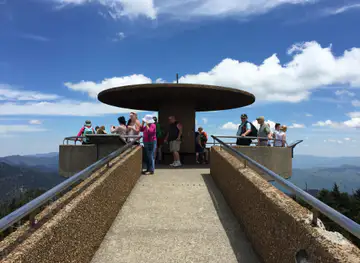
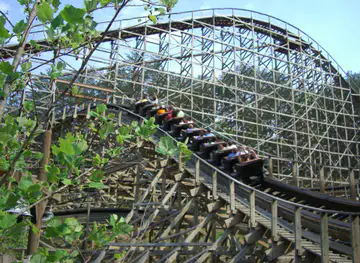
Resorts, valleys and scenic spots worth a trip of their own.
-
-
-

-

-
-


Swipe for more destinations
Best attractions in Tennessee Valley
Tennessee Valley attractions combine riverfront cities with historic parks, reservoirs, museums and wooded outdoor spaces. Knoxville offers the Tennessee River, Market Square, the Knoxville Museum of Art, the Museum of East Tennessee History and accessible greenways, while Ijams Nature Center provides trails and wildlife habitats close to the city. Around Vonore, Fort Loudoun State Historic Park and the Sequoyah Birthplace Museum interpret colonial conflict, Cherokee history and the valley's changing communities. Reservoirs associated with the Tennessee River support boating, fishing and birdwatching, although access and facilities vary by location. Chattanooga has the Tennessee Aquarium, riverfront parks, creative venues and the Tennessee Riverwalk, as well as Lookout Mountain attractions and Civil War interpretation. Outdoor visitors can choose from paddling, cycling, hiking, cave visits and scenic drives, but some mountain destinations beyond the immediate valley require separate planning. The region's attraction landscape is defined less by one concentrated resort area than by the relationship between water, ridges, cities and historic settlements.
-
Park
Coolidge Park
Experience the charm of Coolidge Park in Chattanooga, a perfect blend of nature and recreation, ideal for families and tourists alike.
-
Escape room center
The Escape Game Nashville (Opry Mills)
Experience thrilling adventures and solve intricate puzzles at The Escape Game Nashville, an exciting escape room center in Opry Mills.
-
Wax museum
Madame Tussauds Nashville
Explore the world of fame at Madame Tussauds Nashville, where lifelike wax figures of your favorite celebrities await in an unforgettable setting.
-
Tourist attraction
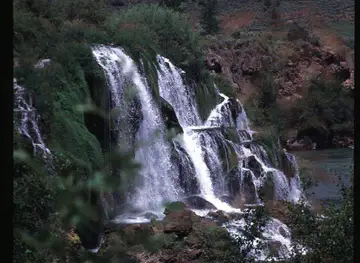
Bald River Falls
Experience the breathtaking Bald River Falls in Tennessee's Cherokee National Forest, a natural wonder perfect for relaxation and adventure.



Best landmarks in Tennessee Valley
The Tennessee River is the region's defining geographical landmark, widening into reservoirs and shaping the locations of Knoxville, Chattanooga and numerous smaller communities. In Knoxville, the Henley Street Bridge and the Gay Street Bridge are prominent crossings that frame the urban riverfront, while the Sunsphere remains a recognisable symbol of the city's 1982 World's Fair legacy. Chattanooga's Walnut Street Bridge, one of the best-known historic pedestrian bridges in the United States, links the central city with the north shore across the Tennessee River. Lookout Mountain forms a major natural landmark above Chattanooga, its escarpment explaining the city's strategic importance and commanding views over the valley; it is a mountain landmark rather than a separate city. Fort Loudoun's reconstructed eighteenth-century defences near Vonore mark a significant colonial and Cherokee-era landscape. Around the valley, dams, lock structures and broad reservoirs express the physical legacy of the Tennessee Valley Authority, while ridges such as Missionary Ridge preserve the area’s military and geographical importance.
-
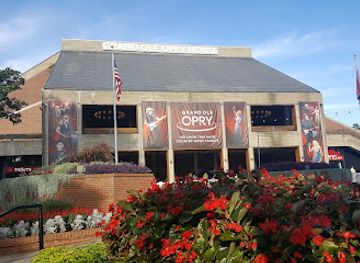
Live Music
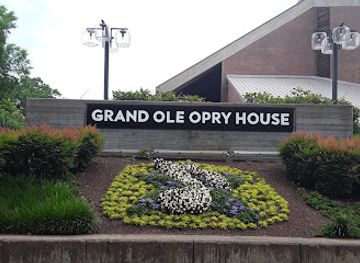
Grand Ole Opry
Experience the magic of live country music at the Grand Ole Opry, an iconic venue celebrating the heart and soul of Nashville's musical heritage.
-
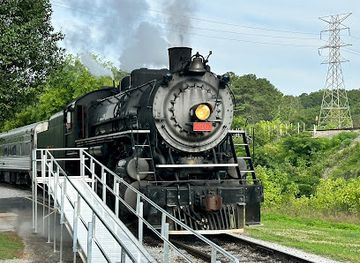
Rail museum
Tennessee Valley Railroad Museum
Explore the rich history of railroading at the Tennessee Valley Railroad Museum, where trains come to life in a stunning Tennessee landscape.
-
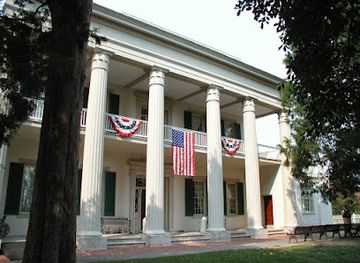
History museum
Andrew Jackson’s Hermitage
Explore the rich history of Andrew Jackson's Hermitage, a beautifully preserved estate showcasing the life of the seventh U.S. President.
-
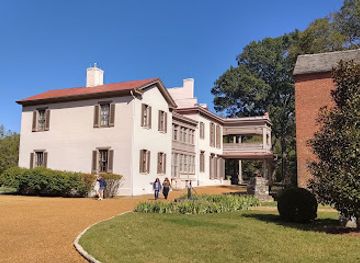
Tourist attraction
Belle Meade Historic Site & Winery
Explore the elegance of Belle Meade Historic Site & Winery, where history meets fine wine in the heart of Nashville, Tennessee.
Explore Tennessee Valley on the map
Plan your trip on one map. See where the top cities, national parks and sights are, and book hotels and experiences in a few clicks.
Best hotels in Tennessee Valley
Best restaurants in Tennessee Valley
Dining across the Tennessee Valley draws on Southern and Appalachian traditions while reflecting the cosmopolitan growth of Knoxville and Chattanooga. Menus commonly feature barbecue, fried or grilled catfish, biscuits, cornbread, seasonal vegetables, beans and regional desserts, alongside newer interpretations of farm produce and international cooking. Knoxville's central districts support cafés, breweries, food halls and independent restaurants, while Chattanooga has a broad urban dining scene around its downtown and riverfront areas. In smaller valley communities, expect family restaurants, diners, barbecue establishments and casual places serving generous regional portions rather than a dense choice of late-night venues. Farmers' markets are useful for peaches, tomatoes, greens, baked goods and other seasonal produce, while local breweries and craft-beverage producers often accompany food-focused venues. Recipes and preferences vary between towns, so it is better to regard the valley as part of the wider Southern food culture with strong East Tennessee and Appalachian influences than to assign every dish a specifically local origin.
-
American
The Loveless Cafe
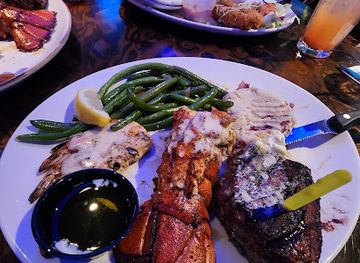
Experience authentic Southern cuisine at The Loveless Cafe in Nashville - a culinary landmark known for its hearty meals and warm hospitality.
-
Italian
Maggiano's Little Italy
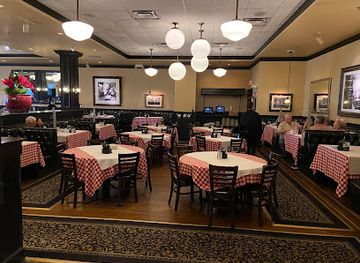
Experience authentic Italian cuisine at Maggiano's Little Italy in Nashville, where flavor meets tradition in a warm family-friendly setting.
-
Seafood
Aquarium Restaurant
Experience the magic of dining surrounded by mesmerizing aquatic life at Nashville's Aquarium Restaurant.
-
Restaurant
Rainforest Cafe
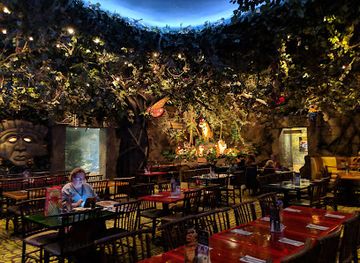
Experience an immersive jungle-themed dining adventure at Rainforest Cafe in Nashville, featuring American cuisine amidst animatronic wildlife.

Best bars in Tennessee Valley
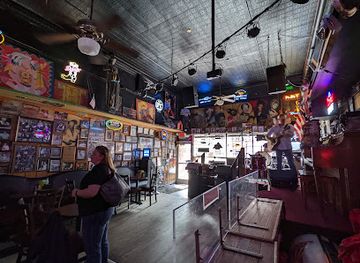
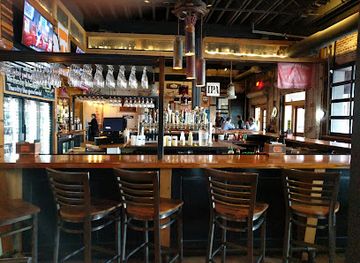
Evening life is concentrated in Knoxville and Chattanooga, with smaller valley towns generally centred on pubs, restaurants, breweries and community events rather than large clubs. Knoxville's downtown, Old City and nearby districts offer bars, live music, comedy, breweries and venues connected with the university and arts scenes. Chattanooga has a varied selection of breweries, cocktail bars, live-performance spaces and restaurants, particularly in and around the central city, though the atmosphere changes substantially between weekdays and weekends. Outside the two cities, historic inns, neighbourhood bars and lakeside establishments provide a quieter evening, often with earlier closing patterns and seasonal variation. Country, bluegrass, rock and singer-songwriter performances are part of the wider regional music culture, but schedules change frequently. Visitors should use licensed venues, arrange transport before drinking and avoid assuming that rural waterfront facilities operate late into the night.
-
Live music bar
Ole Red
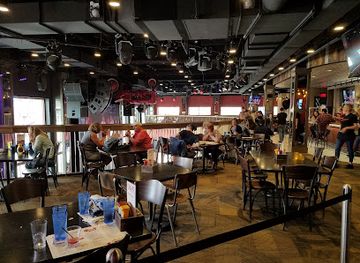
Discover the vibrant heart of Nashville at Ole Red, a lively live music bar and restaurant serving Southern cuisine and unforgettable performances.
-
Live music bar
Robert's Western World
Experience authentic country music and delicious Southern cuisine at Robert's Western World, Nashville's iconic live music bar and restaurant.
-
American
Feed Table and Tavern
Experience the Best of Southern Cuisine at Feed Table and Tavern in Chattanooga, TN - Where Flavor Meets Live Music.
-
Bar
Blackhorse Pub & Brewery Clarksville
Discover the charm of Blackhorse Pub & Brewery in Clarksville, TN, where craft beers meet delectable pub cuisine in a lively atmosphere.

Best nightclubs in Tennessee Valley
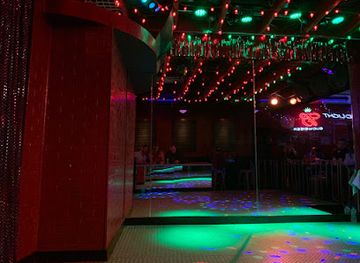
Evening life is concentrated in Knoxville and Chattanooga, with smaller valley towns generally centred on pubs, restaurants, breweries and community events rather than large clubs. Knoxville's downtown, Old City and nearby districts offer bars, live music, comedy, breweries and venues connected with the university and arts scenes. Chattanooga has a varied selection of breweries, cocktail bars, live-performance spaces and restaurants, particularly in and around the central city, though the atmosphere changes substantially between weekdays and weekends. Outside the two cities, historic inns, neighbourhood bars and lakeside establishments provide a quieter evening, often with earlier closing patterns and seasonal variation. Country, bluegrass, rock and singer-songwriter performances are part of the wider regional music culture, but schedules change frequently. Visitors should use licensed venues, arrange transport before drinking and avoid assuming that rural waterfront facilities operate late into the night.
-
Night club
Reagan's Retro Bar
Discover the lively atmosphere of Reagan's Retro Bar in Chattanooga, where nostalgia meets modern nightlife with great drinks and music.
-
Night club
Dirty Little Secret
Dive into Nashville's electrifying nightlife at Dirty Little Secret, where live music and crafted cocktails create unforgettable nights.
-
Night club
The Soul Train Lounge Formally Paradise Entertainment Center Continues
Experience vibrant nightlife at The Soul Train Lounge in Memphis, where music, dancing, and culinary delights come together in a soulful atmosphere.
-
Night club
Club XYZ
Discover the vibrant nightlife of Knoxville at Club XYZ, a lively night club and cocktail bar offering great music, drinks, and an unforgettable experience.



Best shops in Tennessee Valley
-
Scenic spot
Rock City Gardens
Explore the stunning natural beauty of Rock City Gardens, a scenic spot on Lookout Mountain with breathtaking views and vibrant landscapes.
-
Tourist attraction
Ruby Falls
Discover the enchanting beauty of Ruby Falls, a stunning underground waterfall nestled in the heart of Chattanooga, Tennessee.
-
Gift shop
Three Bears General Store
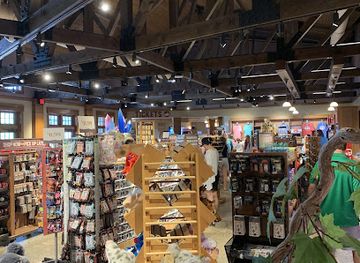
Discover a delightful blend of sweets, souvenirs, and fun at Three Bears General Store in Pigeon Forge, a must-visit for every traveler.
-
Shopping mall
West Town Mall
Experience Knoxville's premier shopping destination at West Town Mall, featuring top brands, delightful dining, and a vibrant atmosphere.



Get your free copy of our complete guide to Tennessee Valley, delivered straight to you.
Everything on this page, from attractions and restaurants to essentials and local phrases, in one PDF you can read offline, print or share.
Already have an account? Sign in
Your Tennessee Valley guide is ready.
We'll send it to · Not you? Sign out

Getting your guide ready…
We are putting together a fresh copy of the Tennessee Valley guide. This can take up to a minute.
This can take a few moments. If your browser asks, choose Allow so the download can start. You'll find the guide in your Downloads folder.
Nothing happened? Download it again
Sorry, the guide is taking longer than usual. Please try again in a minute, or get it by email instead.
Tennessee Valley essentials
Currency and Payment
Safety
Emergency Situations
Do's and Don'ts
Local Tips
From Eve
Local phrases worth knowing
You don't need to get them perfect. A few words go a long way, and locals appreciate the effort.
Basics
| English | Local | Say it |
|---|---|---|
| Hello | Howdy | [/ˈhaʊ.di/] |
| Goodbye | See ya later | [/si jə ˈleɪ.tər/] |
| Yes | Yep | [/jɛp/] |
| No | Nope | [/noʊp/] |
| Please/You're welcome | Please/No problem | [/pliːz/ /noʊ ˈprɑː.bləm/] |
| Thank you | Thank ya | [/θæŋk jə/] |
| Excuse me/Sorry | Excuse me/Sorry 'bout that | [/ɪkˈskjuːz mi/ /ˈsɔː.ri bɑʊt ðæt/] |
| How are you? | How y'all doin'? | [/haʊ jɔl ˈduː.ɪn/] |
| Fine. And you? | I'm good. How 'bout you? | [/aɪm ɡʊd/ /haʊ baʊt ju/] |
| Do you speak English? | Do ya speak English? | [/du jə spiːk ˈɪŋɡlɪʃ/] |
| I don't understand | I ain't followin' | [/aɪ eɪnt ˈfɑː.loʊ.ɪn/] |
Eating & Drinking
| English | Local | Say it |
|---|---|---|
| I'd like to see the menu, please | Can I see the menu, please? | [/kæn aɪ si ðə ˈmɛn.juː ˈpliːz/] |
| I don't eat meat | I don't eat no meat | [/aɪ doʊnt iːt noʊ miːt/] |
| Cheers! | Cheers! | [/tʃɪrz/] |
| I would like to pay, please | I'd like to settle up, please | [/aɪd laɪk tə ˈsɛt.əl ʌp ˈpliːz/] |
Emergencies
| English | Local | Say it |
|---|---|---|
| Help! | Help! | [/hɛlp/] |
| Go away! | Get on outta here! | [/ɡɛt ɑn ˈaʊ.tə hɪr/] |
| Call the Police! | Call the law! | [/kɔl ðə lɔː/] |
| Call a doctor! | Get a doctor here! | [/ɡɛt ə ˈdɑːk.tər hɪr/] |
| I'm lost | I'm lost | [/aɪm lɔst/] |
| I'm ill | I'm not feelin' too good | [/aɪm nɑt ˈfiː.lɪn tuː ɡʊd/] |
Shopping
| English | Local | Say it |
|---|---|---|
| I'd like to buy... | I wanna buy... | [/aɪ ˈwɑː.nə baɪ/] |
| I'm just looking | Just looking around | [/dʒʌst ˈlʊk.ɪŋ əˈraʊnd/] |
| How much is it? | How much is this here? | [/haʊ mʌtʃ ɪz ðɪs hɪr/] |
| That's too expensive | That's a bit too pricey | [/ðæts ə bɪt tuː ˈpraɪ.si/] |
| Can you lower the price? | Can ya bring that price down? | [/kæn jə brɪŋ ðæt praɪs daʊn/] |
Time & Numbers
| English | Local | Say it |
|---|---|---|
| What time is it? | What time is it? | [/wʌt taɪm ɪz ɪt/] |
| It's one o'clock | It’s one o'clock | [/ɪts wʌn əˈklɑk/] |
| Half past (10) | Half past ten | [/hæf pæst tɛn/] |
| Morning | Mornin' | [/ˈmɔːrn.ɪn/] |
| Afternoon | Afternoon | [/ˌæf.tɚˈnun/] |
| Evening | Evenin' | [/ˈiːv.nɪŋ/] |
| Yesterday | Yesterday | [/ˈjɛs.tər.deɪ/] |
| Today | Today | [/təˈdeɪ/] |
| Tomorrow | Tomorrow | [/təˈmɔːr.oʊ/] |
| 1 | One | [/wʌn/] |
| 2 | Two | [/tu/] |
| 3 | Three | [/θri/] |
| 4 | Four | [/fɔr/] |
| 5 | Five | [/faɪv/] |
| 6 | Six | [/sɪks/] |
| 7 | Seven | [/ˈsɛv.ən/] |
| 8 | Eight | [/eɪt/] |
| 9 | Nine | [/naɪn/] |
| 10 | Ten | [/tɛn/] |
Transport & Directions
| English | Local | Say it |
|---|---|---|
| Where's a/the...? | Where's a/the...? | [/wɛrz ə/ðə.../] |
| What's the address? | What's the address? | [/wʌts ði əˈdrɛs/] |
| Can you show me (on the map)? | Can ya show me on the map? | [/kæn jə ʃoʊ mi ɑn ðə mæp/] |
| When's the next (bus)? | When's the next bus? | [/wɛn ðə nɛkst bʌs/] |
| A ticket (to ....) | A ticket to.... | [/ə ˈtɪk.ɪt tə/] |
History of Tennessee Valley
Indigenous Tennessee Valley and Cherokee Homelands
The Tennessee Valley has been inhabited for thousands of years, with archaeological evidence of Indigenous communities along its rivers and fertile terraces. In the historic period, much of eastern Tennessee formed part of the homeland of the Cherokee, whose towns, farms, trading routes and political life were tied to the region's waterways and mountains. The Cherokee town of Tanasi, associated with the Tennessee River, helped give the state its name. Cherokee history remains visible through the Sequoyah Birthplace Museum and other cultural interpretation, although the forced removal of many Cherokee people in the nineteenth century is an essential part of the region's story.
European Expansion and Fort Loudoun, 1750s
European-American expansion into the valley intensified during the eighteenth century as British authorities and colonial settlers sought alliances, land and trade routes. Fort Loudoun, built beside the Little Tennessee River in the 1750s, was intended to support British relations with the Cherokee during the French and Indian War. Its history also illustrates how diplomatic relationships broke down amid competing territorial pressures and violence. The reconstructed fort and archaeological interpretation at Fort Loudoun State Historic Park near Vonore provide an unusually direct connection with this period.
Settlement, Statehood and River Communities
After the American Revolution, settlers moved more extensively into the Tennessee Valley, establishing farms, ferries, mills and market towns. Knoxville was founded in 1791 and became an important political and commercial centre, while river access connected communities with the wider interior South. Tennessee entered the Union in 1796, and the valley's towns developed around agriculture, trade and transportation. The region's historic buildings, courthouse squares, churches and older commercial streets reflect successive phases of growth rather than a single uniform architectural style.
Civil War in the Valley
The Tennessee Valley's rivers, railways and mountain gaps made it strategically important during the American Civil War. Knoxville was contested and experienced the Union siege of 1863, while Chattanooga became a crucial military objective because control of the city opened routes into the Deep South. The Chattanooga campaigns and the Battle of Lookout Mountain, often remembered through the phrase 'Battle Above the Clouds', reshaped Union access to the region. Fortifications, cemeteries and battlefield landscapes around Chattanooga and Knoxville preserve this military geography.
Railways, Industry and the Rise of Chattanooga
Railways and river transport transformed the valley during the nineteenth century, strengthening Chattanooga as a commercial and industrial centre. Ironworking, manufacturing, warehousing and freight movement expanded around the city, while Knoxville grew as a regional market and later as a centre of education and administration. Industrial development brought prosperity but also pollution, labour disputes and major changes to the riverfront. Contemporary museums, restored districts and reused industrial spaces reveal how the valley's economy shifted from heavy industry towards services, education, healthcare, tourism and technology.
The Tennessee Valley Authority, 1930s Onwards
The Tennessee Valley Authority was created in 1933 during the New Deal to address flooding, rural poverty, navigation and electricity generation across the Tennessee River system. Its dams and reservoirs changed the valley's physical and economic geography, providing power and new opportunities for recreation while also displacing communities and altering river ecosystems. TVA developments around dams such as Fort Loudoun and Watts Bar remain visible in the region's broad waterways, lakeside settlements and power infrastructure. The organisation continues to influence land and water management throughout the valley.
Modern Conservation, Culture and Riverfront Renewal
In the late twentieth and early twenty-first centuries, Tennessee Valley cities invested heavily in riverfront renewal, public parks, museums and environmental restoration. Chattanooga's waterfront redevelopment and Knoxville's river parks helped reconnect urban life with the Tennessee River, while conservation organisations protected wetlands, forests and wildlife corridors. The region now presents its industrial and military past alongside outdoor recreation, research, craft production and live music. This mixture of inherited landscapes and new civic investment is central to the valley's contemporary identity.
Tennessee Valley in Photos
Browse through our photo collection highlighting the charm and character of the destination.
Neighbouring regions of Tennessee Valley
The closest regions to Tennessee Valley, if you have time for more than one.
-

-

-

-
-


Swipe for more regions
Explore more

Explore more of Tennessee
Discover Tennessee: A melting pot of music, history, and natural beauty, offering visitors an authentic taste of Southern hospitality and unforgettable experiences.
Explore Tennessee