

Free Appalachian Mountains Travel Guide & Mobile App
Explore Appalachian Mountains with free travel guides. Discover regional history, expert tips, proposed trips, and audio guides on web or mobile app.


Explore Tennessee's Appalachian Mountains for Great Smoky Mountain trails, forested ridges, scenic rivers, music heritage and mountain communities.
Read more about Appalachian Mountains
Getting to and around Appalachian Mountains
How to get there
Transportation
Top city travel guides in Appalachian Mountains
The cities of Appalachian Mountains, and the easiest places to base yourself.
-

-

-

-

-

-


Swipe for more cities
Destinations in Appalachian Mountains
Resorts, valleys and scenic spots worth a trip of their own.
-
-
-

-

-

-


Swipe for more destinations
Best attractions in Appalachian Mountains
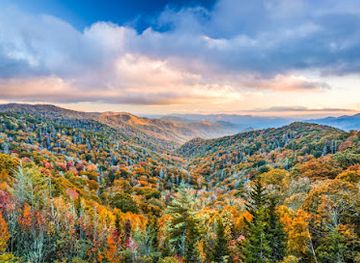
The Appalachian Mountains in Tennessee offer a broad combination of protected landscapes, outdoor recreation and cultural attractions. Great Smoky Mountains National Park is the principal draw, with forest trails, waterfalls, historic farms, mountain streams and viewpoints reached by road or on foot. It is also an important wildlife destination, although animals should be observed at a distance. Gatlinburg and Pigeon Forge provide concentrated visitor infrastructure, while Townsend is better suited to exploring the park's western side and its preserved mountain communities. Cherokee National Forest adds a more dispersed experience of rivers, lakes, hiking routes and scenic drives, including the Ocoee area, known for white-water activities. In the north-east, Cumberland Gap National Historical Park interprets a major Appalachian passage and offers trails with wide valley views. Roan Mountain State Park and the highlands near the Appalachian Trail are valued for hiking, seasonal wildflowers and cooler summit conditions. Around Knoxville and Chattanooga, museums, historic sites and Civil War landscapes provide an urban and historical counterpoint to the forests. Together, these attractions reveal a region shaped as much by changing land use and mountain communities as by scenery.
-
National park
Great Smoky Mountains National Park
Explore the stunning landscapes and rich biodiversity of Great Smoky Mountains National Park, a must-visit destination for nature lovers and outdoor adventurers.
-
Amusement park
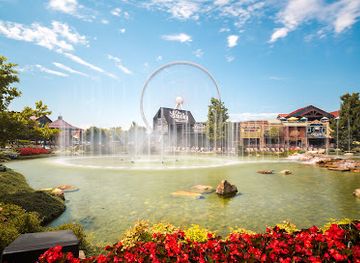
The Island in Pigeon Forge
Experience the magic of The Island in Pigeon Forge, a premier amusement park blending rides, dining, and shopping for an unforgettable family adventure.
-
Aquarium
Ripley's Aquarium of the Smokies
Discover the magic of marine life at Ripley's Aquarium of the Smokies in Gatlinburg, where adventure and education swim hand in hand.
-
Live Music
Grand Ole Opry
Discover the Grand Ole Opry, Nashville's iconic venue where country music legends have graced the stage and unforgettable memories are made.


Best landmarks in Appalachian Mountains
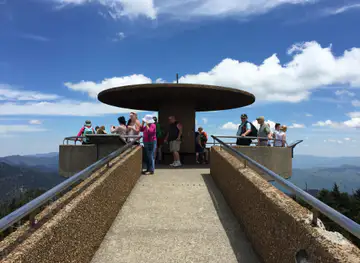
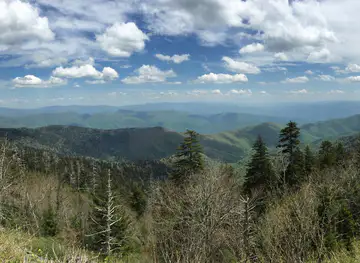
The most recognisable natural landmark in Tennessee's Appalachians is the Great Smoky Mountains range, whose forested ridges and shifting blue haze gave the national park its name. Clingmans Dome, on the Tennessee–North Carolina boundary, is the highest point in the Great Smoky Mountains and the highest point in Tennessee, although the access road and observation area are seasonal. Cades Cove's historic churches, cabins and mills form a notable cultural landscape within the park, preserving evidence of communities that predated federal protection. In the north-east, Roan Mountain and the grassy balds of the Roan Highlands create a distinctive open highland landscape amid heavily forested ridges. Cumberland Gap is both a natural passage and a historic symbol of movement through the Appalachians, while Lookout Mountain at Chattanooga is a major escarpment associated with Civil War history and expansive views. The Ocoee River and its steep wooded valley represent the region's powerful watercourses and recreation landscape. Historic mountain settlements, churches, mills and farmsteads add human scale to these larger landmarks, showing how people adapted their lives to narrow valleys and elevated terrain.
-
Live Music
Grand Ole Opry
Discover the Grand Ole Opry, an iconic venue where legends are made, and the spirit of country music comes alive in Nashville's rich musical heritage.
-
Visitor center
Cades Cove Visitor Center
Explore the natural beauty and rich history of Cades Cove at the Visitor Center, your gateway to the Great Smoky Mountains.
-
History museum
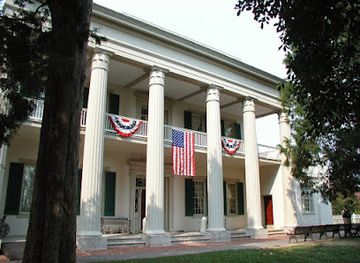
Andrew Jackson’s Hermitage
Discover the life and legacy of Andrew Jackson at his historic estate, Andrew Jackson's Hermitage, a must-visit for history enthusiasts and tourists alike.
-
Amusement park
Tweetsie Railroad
Discover the magic of Tweetsie Railroad, a charming amusement park in North Carolina offering thrilling rides, live entertainment, and scenic train adventures.



Explore Appalachian Mountains on the map
Plan your trip on one map. See where the top cities, national parks and sights are, and book hotels and experiences in a few clicks.
Best hotels in Appalachian Mountains
Best restaurants in Appalachian Mountains
Dining in the Tennessee Appalachians ranges from family-run diners and country cafés to resort restaurants, brewpubs and contemporary kitchens in Knoxville, Chattanooga and the larger gateway towns. Local food traditions draw on corn, beans, greens, trout, apples, sorghum and smoked meats, with biscuits, cornbread and preserves common on traditional menus. Mountain trout is particularly associated with the region's rivers and upland waters, while apples and cider are prominent around parts of eastern Tennessee. Barbecue is important across the state, though preparation and sauce preferences vary between communities and should not be treated as a single Appalachian style. In the Smokies, restaurants cater to a large visitor economy, whereas rural areas may have fewer choices and earlier closing times. Farmers' markets, roadside produce stalls, craft bakeries and seasonal events offer opportunities to taste local ingredients. Tennessee whiskey is a national product rather than an exclusively Appalachian one, but distilleries and whiskey-focused drinks are part of the wider regional dining scene.
-
Breakfast
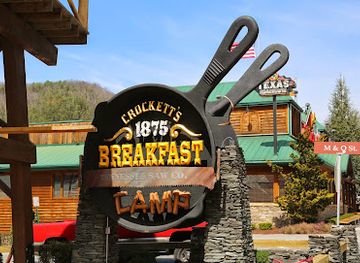
Crockett's Breakfast Camp
Discover the charm of Appalachian breakfast cuisine at Crockett's Breakfast Camp in Gatlinburg - where hearty meals meet warm hospitality.
-
Southern
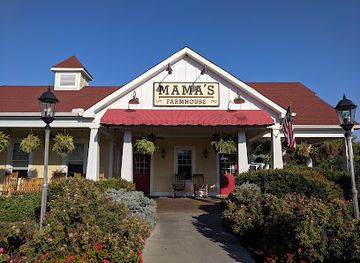
Mama's Farmhouse
Experience authentic Southern comfort food at Mama's Farmhouse in Pigeon Forge – where every meal feels like a family gathering.
-
Southern
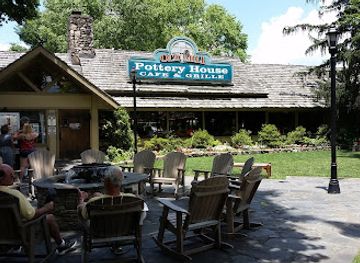
The Old Mill Pottery House Café
Discover authentic Southern cuisine at The Old Mill Pottery House Café in Pigeon Forge – where comfort food meets stunning scenery.
-
Steak
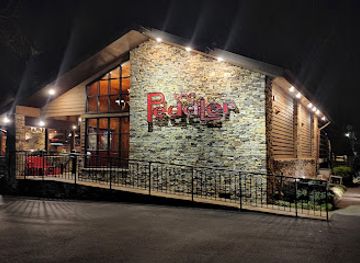
The Peddler Steakhouse
Experience top-notch steak dining at The Peddler Steakhouse in Gatlinburg—where every meal is a celebration of flavor and hospitality.
Best bars in Appalachian Mountains
Evening life in the Tennessee Appalachians is concentrated in gateway towns and cities rather than spread through the mountains. Gatlinburg and Pigeon Forge have the largest visitor-oriented selection, including casual bars, entertainment venues, live music and restaurants open later than those in rural communities. Knoxville has a more varied scene around its central districts, with breweries, small music rooms, cocktail bars and venues connected to the city's university and arts life. Chattanooga provides another substantial urban choice, including bars, breweries and live performance spaces. Elsewhere, evenings generally centre on neighbourhood pubs, historic inns, restaurants, country music, bluegrass performances and community events rather than nightclubs. Some mountain towns have seasonal entertainment linked to tourism, but opening arrangements change and should be checked locally. Visitors staying in remote cabins should expect quiet nights, limited transport after dark and little access to spontaneous bar-hopping. Responsible drinking is particularly important where winding roads and infrequent taxis make driving distances significant.
-
Blues club
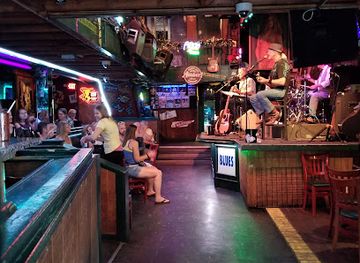
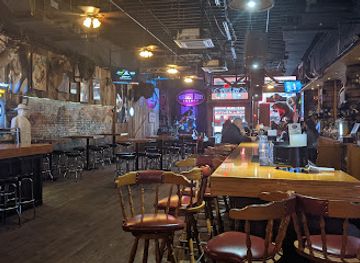
Bourbon Street Blues and Boogie Bar
Discover the heart of Nashville's music scene at Bourbon Street Blues and Boogie Bar - a vibrant blues club with unforgettable live performances.
-
Restaurant
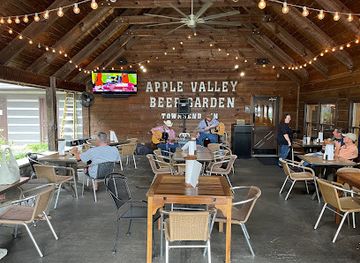
Apple Valley Mountain Village & Cafe
Discover the charm of Apple Valley Mountain Village & Cafe, where delicious meals, unique gifts, and local music await in the heart of Tennessee.
-
Live music bar
The Stage on Broadway
Discover the heart of Nashville's music scene at The Stage on Broadway, where live performances and Southern hospitality come together.
-
Live music bar
Whiskey Bent Saloon
Discover the lively atmosphere and live music of Whiskey Bent Saloon, a must-visit bar in the heart of Nashville, offering great drinks and unforgettable performances.

Best nightclubs in Appalachian Mountains
Evening life in the Tennessee Appalachians is concentrated in gateway towns and cities rather than spread through the mountains. Gatlinburg and Pigeon Forge have the largest visitor-oriented selection, including casual bars, entertainment venues, live music and restaurants open later than those in rural communities. Knoxville has a more varied scene around its central districts, with breweries, small music rooms, cocktail bars and venues connected to the city's university and arts life. Chattanooga provides another substantial urban choice, including bars, breweries and live performance spaces. Elsewhere, evenings generally centre on neighbourhood pubs, historic inns, restaurants, country music, bluegrass performances and community events rather than nightclubs. Some mountain towns have seasonal entertainment linked to tourism, but opening arrangements change and should be checked locally. Visitors staying in remote cabins should expect quiet nights, limited transport after dark and little access to spontaneous bar-hopping. Responsible drinking is particularly important where winding roads and infrequent taxis make driving distances significant.
-
Night club
Cotton Eyed Joe
Discover the excitement of Cotton Eyed Joe, Knoxville's premier night club, featuring live music, dancing, and a vibrant atmosphere for unforgettable nights.
-
Restaurant
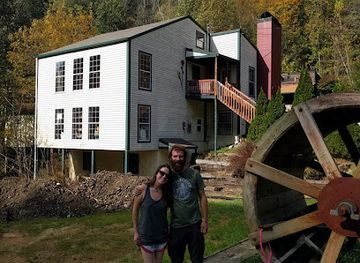
The Appalachian Station at 19E
Experience the heart of Appalachian culture at The Appalachian Station at 19E in Roan Mountain, featuring delicious food, live music, and cozy accommodations.
-
Night club
Second Fiddle
Discover the lively nightlife of Nashville at Second Fiddle, a vibrant night club and bar renowned for live music and an electric atmosphere.
-
Night club
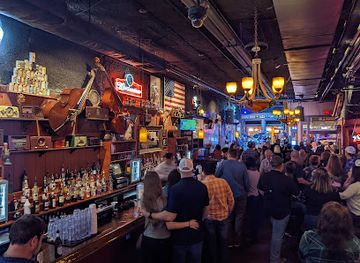
Reagan's Retro Bar
Discover the lively spirit of Reagan's Retro Bar, where vintage charm meets modern nightlife in Chattanooga's Southside Historic District.


Best shops in Appalachian Mountains
Shopping in the Tennessee Appalachians is centred on gateway towns, historic main streets, craft studios, farmers' markets and the large visitor-oriented retail areas around Gatlinburg, Pigeon Forge and Sevierville. Gatlinburg has an especially dense concentration of shops selling regional crafts, sweets, artwork, clothing and souvenirs, while Pigeon Forge is more heavily shaped by resort commerce and family tourism. In smaller communities, visitors may find pottery, woodwork, quilts, paintings, handmade soaps, local honey, preserves and mountain-themed books rather than extensive retail choice. Knoxville and Chattanooga offer broader independent shopping, galleries, food halls and bookshops, with a stronger contemporary urban character. Farmers' markets are useful for seasonal produce, baked goods and locally made products, although dates and locations vary. Authentic purchases are best distinguished from mass-produced souvenirs by asking about the maker and materials. Whiskey-related gifts, Appalachian music recordings and locally produced foods can travel well, subject to United States customs and the import rules of the visitor's home country.
-
Book store
Books-A-Million
Explore an extensive collection of books, collectibles, and gifts at Books-A-Million in Cleveland, TN, where every corner holds a new discovery.

Get your free copy of our complete guide to Appalachian Mountains, delivered straight to you.
Everything on this page, from attractions and restaurants to essentials and local phrases, in one PDF you can read offline, print or share.
Already have an account? Sign in
Your Appalachian Mountains guide is ready.
We'll send it to · Not you? Sign out

Getting your guide ready…
We are putting together a fresh copy of the Appalachian Mountains guide. This can take up to a minute.
This can take a few moments. If your browser asks, choose Allow so the download can start. You'll find the guide in your Downloads folder.
Nothing happened? Download it again
Sorry, the guide is taking longer than usual. Please try again in a minute, or get it by email instead.
Appalachian Mountains essentials
Currency and Payment
Safety
Emergency Situations
Do's and Don'ts
Local Tips
From Eve
Local phrases worth knowing
You don't need to get them perfect. A few words go a long way, and locals appreciate the effort.
Basics
| English | Local | Say it |
|---|---|---|
| Hello | Howdy | [Ha-dee] |
| Goodbye | See ya later | [See ya lay-ter] |
| Yes | Yep | [Yep] |
| No | Naw | [Naw] |
| Please/You're welcome | Thank ya | [Thank ya] |
| Thank you | Thanks a bunch | [Thanks a bunch] |
| Excuse me/Sorry | Pardon me | [Pardon me] |
| How are you? | How ya doin'? | [How ya doin'?] |
| Fine. And you? | I’m good. And you? | [I’m good. And you?] |
| Do you speak English? | Ya speakin' English? | [Ya speakin' English?] |
| I don't understand | I ain't followin' | [I ain't followin'] |
Eating & Drinking
| English | Local | Say it |
|---|---|---|
| I'd like to see the menu, please | Can I see the menu, please? | [Can I see the menu, please?] |
| I don't eat meat | I don't eat no meat | [I don't eat no meat] |
| Cheers! | To good times! | [To good times!] |
| I would like to pay, please | I’d like to settle up, please | [I’d like to settle up, please] |
Emergencies
| English | Local | Say it |
|---|---|---|
| Help! | Help me! | [Help me!] |
| Go away! | Leave me be! | [Leave me be!] |
| Call the Police! | Call the cops! | [Call the cops!] |
| Call a doctor! | Get a doctor! | [Get a doctor!] |
| I'm lost | I’m lost as a goose | [I’m lost as a goose] |
| I'm ill | I ain't feelin' good | [I ain't feelin' good] |
Shopping
| English | Local | Say it |
|---|---|---|
| I'd like to buy... | I wanna buy... | [I wanna buy...] |
| I'm just looking | Just browsin' | [Just browsin'] |
| How much is it? | How much's this here? | [How much's this here?] |
| That's too expensive | That's a bit high | [That's a bit high] |
| Can you lower the price? | Can ya cut the price down? | [Can ya cut the price down?] |
Time & Numbers
| English | Local | Say it |
|---|---|---|
| What time is it? | What time's it? | [What time's it?] |
| It's one o'clock | It's one o'clock | [It's one o'clock] |
| Half past (10) | Half past ten | [Half past ten] |
| Morning | Mornin' | [Mornin'] |
| Afternoon | Afternoon | [Afternoon] |
| Evening | Evenin' | [Evenin'] |
| Yesterday | Yestiddy | [Yestiddy] |
| Today | Today | [Today] |
| Tomorrow | Tomorrah | [Tomorrah] |
| 1 | One | [One] |
| 2 | Two | [Two] |
| 3 | Three | [Three] |
| 4 | Four | [Four] |
| 5 | Five | [Five] |
| 6 | Six | [Six] |
| 7 | Seven | [Seven] |
| 8 | Eight | [Eight] |
| 9 | Nine | [Nine] |
| 10 | Ten | [Ten] |
Transport & Directions
| English | Local | Say it |
|---|---|---|
| Where's a/the...? | Where's a...? | [Where's a...?] |
| What's the address? | What’s the address? | [What’s the address?] |
| Can you show me (on the map)? | Can ya point it out? | [Can ya point it out?] |
| When's the next (bus)? | When's the next bus? | [When's the next bus?] |
| A ticket (to ....) | A ticket to... | [A ticket to...] |
History of Appalachian Mountains
Cherokee Homelands and Overhill Towns
The southern Appalachian region of Tennessee was part of the homeland of the Cherokee, whose communities, farms, political centres and travel routes extended along the Tennessee River and its tributaries. The Overhill towns on the western side of the southern Appalachians were important centres of Cherokee life and diplomacy. Place names, archaeological evidence and surviving cultural institutions reflect this history. European-American settlement, warfare, land cessions and federal policy progressively displaced Cherokee communities, culminating in the forced removal remembered as the Trail of Tears. The Eastern Band of Cherokee Indians, based principally in neighbouring North Carolina, maintains important cultural connections with the wider mountain region.
Cumberland Gap and Early American Expansion
Cumberland Gap, where Tennessee meets Kentucky and Virginia, became one of the principal natural passages through the Appalachian Mountains. Long used by Indigenous peoples, it was traversed by colonial-era travellers and later by settlers moving westward. Daniel Boone and the Wilderness Road are associated with this movement, although the route's significance extended well beyond any single individual. The gap helped connect eastern settlements with the interior of North America and became a strategic location during the American Civil War. Cumberland Gap National Historical Park preserves the landscape and explains the overlapping Indigenous, frontier, military and migration histories.
Statehood, Settlement and Mountain Agriculture
Tennessee entered the Union in 1796, and settlement expanded through the valleys and ridges of the east. Small farms commonly depended on corn, beans, livestock, orchards and forest resources, with communities linked by difficult roads and river routes. Churches, schools, mills and general stores became important local institutions. Mountain terrain limited large-scale plantation agriculture in many areas, though the region was not isolated from the wider economy or from slavery. The resulting settlement pattern of narrow coves, ridge roads and dispersed farms remains visible in parts of eastern Tennessee, particularly around historic communities now preserved within or near protected landscapes.
Civil War in the Southern Mountains
East Tennessee was strategically important during the American Civil War because of its railways, river routes, mountain passes and divided political loyalties. Many residents supported the Union, while others backed the Confederacy, producing local conflict, military occupation and disruption. Knoxville, Chattanooga, Cumberland Gap and the surrounding valleys all figured in campaigns and manoeuvres. Battles at Chattanooga and nearby Lookout Mountain were major turning points in the western theatre, while the Knoxville campaign affected control of eastern Tennessee. Fortifications, cemeteries and preserved battlefields continue to provide evidence of this turbulent period.
Timber, Railways and the Creation of the Smokies
During the late nineteenth and early twentieth centuries, railways and industrial logging transformed the southern Appalachian mountains. Large areas of old-growth forest were cut, and timber communities grew around sawmills and transportation lines. Concern about the loss of mountain forests helped inspire the creation of Great Smoky Mountains National Park in the 1930s. The park's establishment also involved the removal or relocation of longstanding residents, a difficult history that sits alongside the conservation achievement. Historic cabins, churches, cemeteries and mills preserved in the park reveal aspects of the communities that occupied its valleys before federal protection.
The Tennessee Valley Authority and Modernisation
The Tennessee Valley Authority, established in 1933 as part of the New Deal, brought major changes to the Tennessee Valley through hydroelectric generation, flood control, navigation and rural electrification. Dams and reservoirs altered river landscapes, displaced some communities and supported new industries and recreation. The Norris Dam project, north-east of Knoxville, became an early and influential example of this programme. The authority's work helped modernise many parts of eastern Tennessee while also reshaping the relationship between mountain communities, agriculture, transport and water management.
Music, Tourism and the Contemporary Mountains
Old-time music, ballad traditions, gospel, bluegrass and country performance developed through a mixture of Indigenous, African-American, European and local influences across the southern Appalachians. Radio, recordings, festivals and touring helped carry these traditions beyond the mountains, while modern musicians continue to reinterpret them. From the mid-twentieth century onwards, improved roads and protected landscapes also accelerated tourism, especially in the Great Smoky Mountains and resort towns such as Gatlinburg and Pigeon Forge. Contemporary Appalachian Tennessee therefore combines conservation, outdoor recreation, heritage interpretation, agriculture, manufacturing and commercial tourism rather than representing a single unchanging rural culture.
Appalachian Mountains in Photos
Browse through our photo collection highlighting the charm and character of the destination.
Neighbouring regions of Appalachian Mountains
The closest regions to Appalachian Mountains, if you have time for more than one.
-

-

-

-

-


Swipe for more regions
Explore more

Explore more of Tennessee
Discover Tennessee: A melting pot of music, history, and natural beauty, offering visitors an authentic taste of Southern hospitality and unforgettable experiences.
Explore Tennessee