

Free Northern Middle Tennessee Travel Guide & Mobile App
Explore Northern Middle Tennessee with free travel guides. Discover regional history, expert tips, proposed trips, and audio guides on web or mobile app.


Explore Northern Middle Tennessee for Nashville music, Civil War history, river landscapes, historic towns, country cooking and outdoor escapes.
Read more about Northern Middle Tennessee
Getting to and around Northern Middle Tennessee
How to get there
Transportation
Top city travel guides in Northern Middle Tennessee
The cities of Northern Middle Tennessee, and the easiest places to base yourself.
-

-
-

-

-

-


Swipe for more cities
Destinations in Northern Middle Tennessee
Resorts, valleys and scenic spots worth a trip of their own.
-
-


Swipe for more destinations
Best attractions in Northern Middle Tennessee
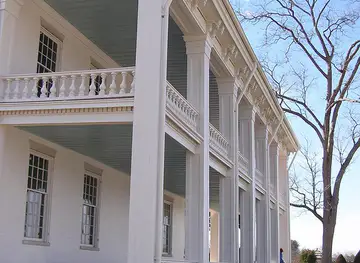
Northern Middle Tennessee offers a mixture of major urban institutions and widely spaced outdoor and heritage sites. Nashville’s museums cover country music, African American music, state history and visual art, while Centennial Park, the Nashville Zoo and the city’s greenways provide alternatives to indoor sightseeing. The Cumberland River corridor and nearby reservoirs support boating, fishing, walking and birdwatching, although access and facilities vary by site. Clarksville adds riverside parks, galleries and university-linked cultural programming, while smaller towns such as Gallatin and Springfield have historic squares, local museums and preserved civic buildings. Civil War interpretation is a major theme, with Fort Negley in Nashville and battlefield landscapes farther south and west in the broader Middle Tennessee area. The Andrew Jackson Hermitage, a historic plantation property east of Nashville, combines architecture, gardens, museum interpretation and difficult histories of enslavement. Visitors should distinguish the region’s urban attractions from its rural parks and farms: distances are manageable by car but not always by public transport, and seasonal heat, storms and muddy trails can affect outdoor plans.
-
Live Music
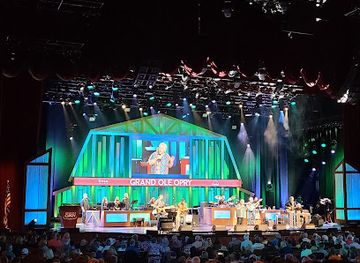
Grand Ole Opry
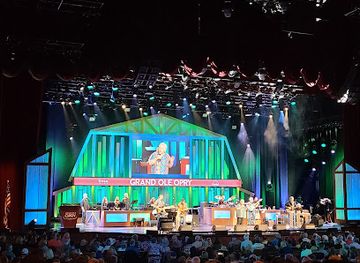
Explore the Grand Ole Opry, where the spirit of country music comes alive in Nashville’s historic live music venue.
-
 Aquarium
Tennessee Aquarium
Discover the marine treasures of the Tennessee Aquarium, a family-friendly attraction showcasing diverse aquatic ecosystems and conservation efforts.
-
Museum
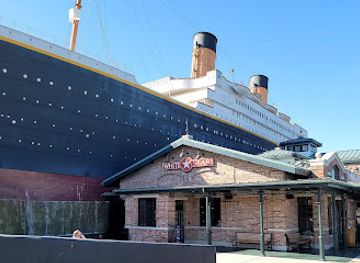
TITANIC Museum Attraction
Discover the extraordinary history and legacy of the Titanic at the TITANIC Museum Attraction in Pigeon Forge, Tennessee.
-
Live Music
Ryman Auditorium
Discover the iconic Ryman Auditorium, a historic venue that has hosted legendary performances and embodies the spirit of Nashville's vibrant music culture.
Best landmarks in Northern Middle Tennessee
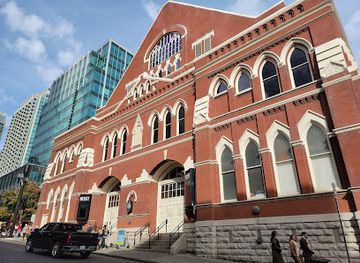
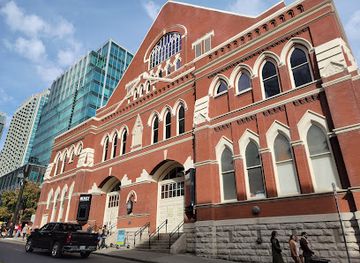
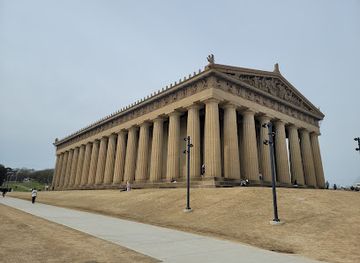
The Tennessee State Capitol in Nashville is a prominent nineteenth-century civic landmark and the seat of the state government, occupying a hill above the downtown grid. The Ryman Auditorium, originally built as a religious meeting place, became one of the most influential performance venues in American music and remains a defining piece of Nashville’s architectural and cultural identity. The Parthenon in Centennial Park is a full-scale early-twentieth-century reproduction of the Athenian temple, created for Tennessee’s centennial exposition and now housing an art collection. East of the city, Andrew Jackson’s Hermitage preserves a presidential home and plantation landscape while interpreting the lives of the enslaved people who worked there. Fort Negley’s surviving stonework marks Nashville’s Civil War defences, and the Cumberland River is itself a geographical landmark that explains the city’s historic location. In the northern part of the region, Clarksville’s historic downtown and riverside setting express the importance of river trade, while rural courthouse squares and historic homes in Sumner and Robertson counties provide a smaller-scale architectural record.
-
Live Music
Grand Ole Opry
Experience the magic of live country music at the Grand Ole Opry, a historic venue that celebrates the rich heritage of American music in the heart of Nashville.
-
Live Music
Ryman Auditorium
Discover the iconic Ryman Auditorium, a historic concert hall in Nashville renowned for its exceptional live music and rich cultural heritage.
-
Museum
Country Music Hall of Fame and Museum
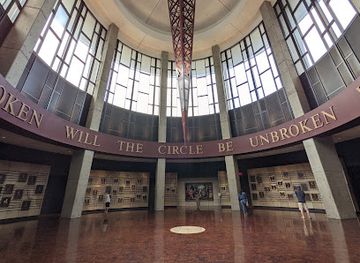
Explore the rich heritage of country music in Nashville at the Country Music Hall of Fame and Museum, where legends come to life through interactive exhibits and memorabilia.
-
Art museum
The Parthenon
Explore Nashville's Parthenon, a magnificent replica of the ancient Greek temple, offering art, history, and breathtaking architecture in a serene park setting.
Explore Northern Middle Tennessee on the map
Plan your trip on one map. See where the top cities, national parks and sights are, and book hotels and experiences in a few clicks.
Best hotels in Northern Middle Tennessee
Best restaurants in Northern Middle Tennessee
Dining in Northern Middle Tennessee ranges from Nashville’s sophisticated restaurants and international food scene to barbecue joints, meat-and-three cafés, diners, bakeries, farm-oriented restaurants and traditional pubs. Barbecue is an important Tennessee comfort food, while biscuits, fried chicken, hot chicken, country ham, catfish and seasonal vegetables appear in many regional menus; individual dishes often belong to wider Southern and American traditions rather than originating exclusively here. Nashville’s established food districts offer chef-led cooking alongside casual eateries, and Clarksville, Gallatin, Springfield and other towns provide locally rooted options with a less concentrated dining landscape. Farmers’ markets and farm shops may offer fruit, vegetables, preserves, baked goods and locally made products when in season. Tennessee whiskey and locally produced beer are common features of drinks menus, but visitors should check county and venue regulations. Reservations are sensible for popular Nashville restaurants, while rural dining may involve earlier closing times and fewer alternatives between towns.
-
American
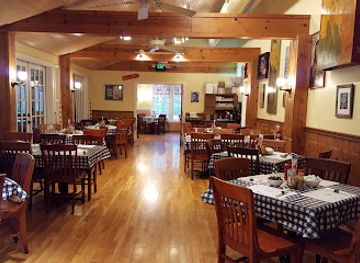
The Loveless Cafe
Experience the heart of Southern cuisine at The Loveless Cafe in Nashville—home of famous biscuits and warm hospitality.
-
Live music bar
Ole Red
Discover Ole Red: Nashville's premier live music bar serving delicious Southern cuisine in an unforgettable atmosphere filled with entertainment.
-
American
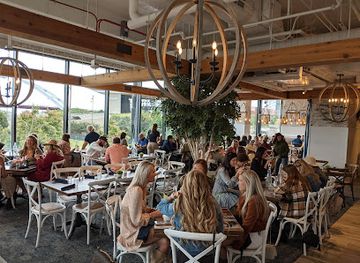
The Hampton Social - Nashville
Experience coastal-inspired dining at The Hampton Social in Nashville – where vibrant ambiance meets delicious American cuisine.
-
Southern
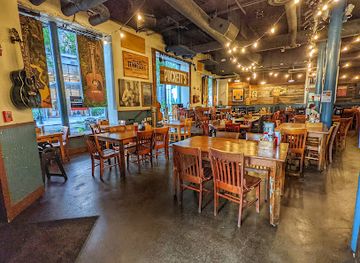
Puckett's Restaurant - Downtown Nashville
Experience Southern comfort food and live music at Puckett's Restaurant in Downtown Nashville - A must-visit culinary destination.

Best bars in Northern Middle Tennessee
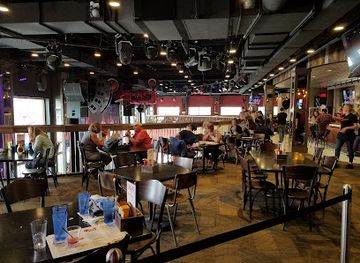
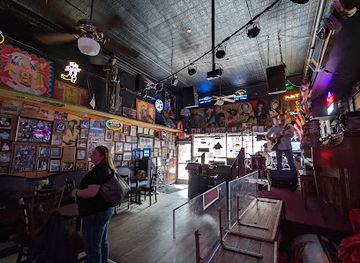
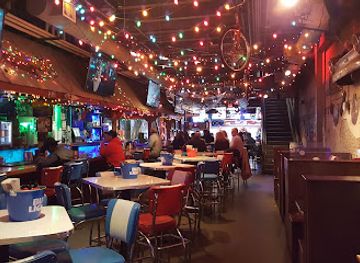
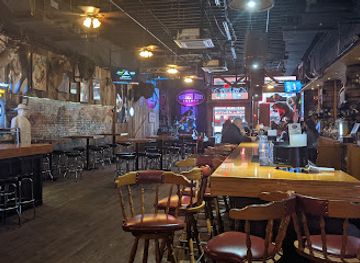
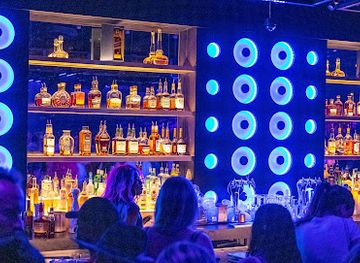
Nashville has the region’s largest evening scene, with honky-tonks, live-music rooms, cocktail bars, breweries, wine bars, theatres and late venues concentrated in and around downtown and several established neighbourhoods. Its music offering extends beyond country to gospel, rock, blues, jazz and contemporary genres, although the atmosphere and cover arrangements vary widely. Broadway is the best-known entertainment corridor, but visitors seeking a quieter evening can look to neighbourhood bars, listening rooms and restaurant-led nightlife elsewhere in the city. Clarksville supports a smaller scene shaped by its university community, live music and independent bars, while Gallatin and other towns rely more on pubs, restaurants and occasional performances than nightclubs. In rural Northern Middle Tennessee, evenings generally centre on food, conversation and community events rather than late-night venues. Check age requirements, transport arrangements and current admission policies, and never drive after drinking.
-
Live music bar
Ole Red
Discover the vibrant nightlife of Nashville at Ole Red, a live music venue serving delicious Southern cuisine and cocktails in an energetic atmosphere.
-
Live music bar
Robert's Western World
Discover Nashville's vibrant live music scene at Robert's Western World, where Southern cuisine meets unforgettable country tunes.
-
Live music bar
Tin Roof
Experience the heart of Nashville's live music scene at Tin Roof, where great food and unforgettable performances come together.
-
Live music bar
Whiskey Bent Saloon
Whiskey Bent Saloon: Dive into the vibrant live music scene of Nashville with great drinks and unforgettable performances.
Best nightclubs in Northern Middle Tennessee
Nashville has the region’s largest evening scene, with honky-tonks, live-music rooms, cocktail bars, breweries, wine bars, theatres and late venues concentrated in and around downtown and several established neighbourhoods. Its music offering extends beyond country to gospel, rock, blues, jazz and contemporary genres, although the atmosphere and cover arrangements vary widely. Broadway is the best-known entertainment corridor, but visitors seeking a quieter evening can look to neighbourhood bars, listening rooms and restaurant-led nightlife elsewhere in the city. Clarksville supports a smaller scene shaped by its university community, live music and independent bars, while Gallatin and other towns rely more on pubs, restaurants and occasional performances than nightclubs. In rural Northern Middle Tennessee, evenings generally centre on food, conversation and community events rather than late-night venues. Check age requirements, transport arrangements and current admission policies, and never drive after drinking.
-
Night club
Hit Parader Nashville
Hit Parader Nashville: Dive into the vibrant nightlife with live music, delicious food, and an unforgettable atmosphere in the heart of Music City.
-
Night club
Second Fiddle
Discover the heart of Nashville's nightlife at Second Fiddle, where live music meets delicious drinks in a vibrant atmosphere.
-
Night club
Dirty Little Secret
Discover Nashville's nightlife at Dirty Little Secret, a lively night club in Printers Alley, where music and dancing come alive.
-
Night club
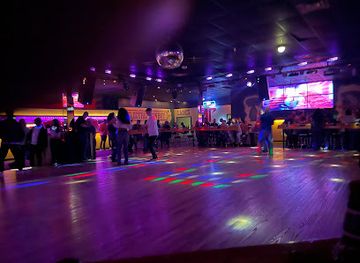
Electric Cowboy Clarksville
Discover the vibrant nightlife at Electric Cowboy Clarksville, where dancing, drinks, and entertainment come together for an unforgettable experience.


Best shops in Northern Middle Tennessee
Nashville provides the region’s broadest shopping choice, from independent boutiques, record shops, bookshops, galleries and design stores to larger commercial centres and familiar American retailers. Downtown and neighbourhood districts offer music-related merchandise, though quality and provenance vary, so locally made instruments, artwork, prints and vinyl can be more meaningful purchases than generic souvenirs. Farmers’ markets and seasonal produce stalls sell baked goods, preserves, crafts and Tennessee food products, while antique shops and independent stores in towns such as Franklin, Gallatin, Springfield and Clarksville reflect different local identities. Rural shopping is usually dispersed rather than concentrated in a single major retail district, and opening days may be limited. Good regional gifts include locally produced food, arts and crafts, books about Tennessee history and music, and products from responsible small businesses. Sales tax is normally added at payment, and visitors should check baggage restrictions before buying liquids or food products for an international journey.
-
Antique store
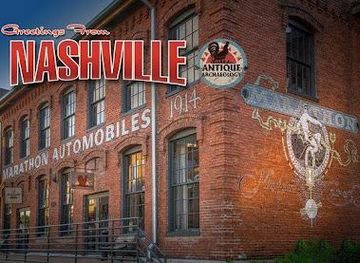
Antique Archaeology Nashville
Explore Antique Archaeology in Nashville - A Unique Destination for Vintage Finds and Souvenirs.
-
Business center
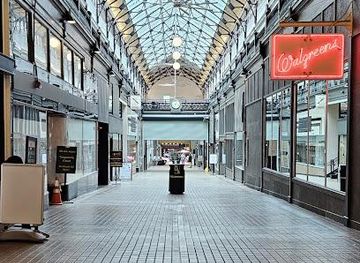
The Arcade Nashville
Explore The Arcade Nashville, a historic shopping center blending unique boutiques, delightful eateries, and rich architectural beauty in the heart of the city.
-
Shopping mall
Marathon Village
Discover Marathon Village in Nashville: A historic shopping hub blending culture, art, and local artisan treasures.
-
Jewelry store
Uncommon James
Discover unique jewelry and accessories at Uncommon James, Nashville's chic boutique reflecting the city's artistic spirit.
Get your free copy of our complete guide to Northern Middle Tennessee, delivered straight to you.
Everything on this page, from attractions and restaurants to essentials and local phrases, in one PDF you can read offline, print or share.
Already have an account? Sign in
Your Northern Middle Tennessee guide is ready.
We'll send it to · Not you? Sign out

Getting your guide ready…
We are putting together a fresh copy of the Northern Middle Tennessee guide. This can take up to a minute.
This can take a few moments. If your browser asks, choose Allow so the download can start. You'll find the guide in your Downloads folder.
Nothing happened? Download it again
Sorry, the guide is taking longer than usual. Please try again in a minute, or get it by email instead.
Northern Middle Tennessee essentials
Currency and Payment
Safety
Emergency Situations
Do's and Don'ts
Local Tips
From Eve
Local phrases worth knowing
You don't need to get them perfect. A few words go a long way, and locals appreciate the effort.
Basics
| English | Local | Say it |
|---|---|---|
| Hello | Howdy | [Ha-dee] |
| Goodbye | See ya | [See ya] |
| Yes | Yep | [Yep] |
| No | Nope | [Nope] |
| Please/You’re welcome | Please/No problem | [Please/No prob-lum] |
| Thank you | Thank ya | [Thank ya] |
| Excuse me/Sorry | Excuse me/Sorry 'bout that | [Ex-cuse me/Sorry 'bout that] |
| How are you? | How ya doin'? | [How ya doin'?] |
| Fine. And you? | I’m good. And you? | [I'm good. And you?] |
| Do you speak English? | Do ya speak English? | [Do ya speak English?] |
| I don't understand | I ain't followin’ | [I ain't followin’] |
Eating & Drinking
| English | Local | Say it |
|---|---|---|
| I'd like to see the menu, please | Can I see the menu, please? | [Can I see the menu, please?] |
| I don't eat meat | I don’t eat no meat | [I don’t eat no meat] |
| Cheers! | Cheers! | [Cheers!] |
| I would like to pay, please | Can I pay, please? | [Can I pay, please?] |
Emergencies
| English | Local | Say it |
|---|---|---|
| Help! | Help! | [Help!] |
| Go away! | Get lost! | [Get lost!] |
| Call the Police! | Call the cops! | [Call the cops!] |
| Call a doctor! | Get a doctor! | [Get a doctor!] |
| I'm lost | I’m lost | [I'm lost] |
| I'm ill | I ain't feelin' good | [I ain't feelin' good] |
Shopping
| English | Local | Say it |
|---|---|---|
| I'd like to buy... | I wanna buy... | [I wanna buy...] |
| I'm just looking | Just lookin’ | [Just lookin’] |
| How much is it? | How much's it gonna cost? | [How much's it gonna cost?] |
| That's too expensive | That’s way too high | [That’s way too high] |
| Can you lower the price? | Can ya bring the price down? | [Can ya bring the price down?] |
Time & Numbers
| English | Local | Say it |
|---|---|---|
| What time is it? | What time is it? | [What time is it?] |
| It's one o'clock | It’s one o’clock | [It’s one o’clock] |
| Half past (10) | Half past ten | [Half past ten] |
| Morning | Mornin' | [Mornin'] |
| Afternoon | Afternoon | [Afternoon] |
| Evening | Evenin' | [Evenin'] |
| Yesterday | Yesterday | [Yesterday] |
| Today | Today | [Today] |
| Tomorrow | Tomorrow | [Tomorrow] |
| 1 | One | [One] |
| 2 | Two | [Two] |
| 3 | Three | [Three] |
| 4 | Four | [Four] |
| 5 | Five | [Five] |
| 6 | Six | [Six] |
| 7 | Seven | [Seven] |
| 8 | Eight | [Eight] |
| 9 | Nine | [Nine] |
| 10 | Ten | [Ten] |
Transport & Directions
| English | Local | Say it |
|---|---|---|
| Where's a/the...? | Where’s the...? | [Where’s the...?] |
| What's the address? | What’s the address? | [What’s the address?] |
| Can you show me (on the map)? | Can ya show me on the map? | [Can ya show me on the map?] |
| When's the next (bus)? | When's the next bus? | [When's the next bus?] |
| A ticket (to ....) | A ticket to... | [A ticket to...] |
History of Northern Middle Tennessee
Indigenous Landscapes and Mississippian Heritage
Long before European settlement, the Cumberland Valley and adjoining uplands supported Indigenous communities whose settlements, agricultural practices and trading networks shaped Middle Tennessee. Mississippian-period sites, including the important archaeological landscape at Old Stone Fort in nearby central Tennessee, reveal the complexity of societies that built ceremonial and defensive earthworks. Within Northern Middle Tennessee, archaeological traces and place names are reminders that the region’s colonial history began on an already inhabited landscape. The Cherokee, Chickasaw, Creek and other peoples maintained connections with the wider area before forced removal and the expansion of American settlement.
Frontier Settlement and Fort Nashborough, Late Eighteenth Century
European-American settlement accelerated after the American Revolution, when Cumberland River crossings and overland routes encouraged the establishment of communities including Nashville, founded as Fort Nashborough in 1779. The river served as a route for migration, trade and communication, although travel was difficult and relations with Indigenous nations were frequently violent. Early settlements developed around forts, farms and ferries, and their growth laid the foundations for the courthouse towns and transport corridors that still structure Northern Middle Tennessee.
Plantation Agriculture, Enslavement and the Antebellum Economy
During the early and mid-nineteenth century, fertile valleys and transport links supported farms producing cotton, tobacco, corn and livestock. The prosperity of many white landowners depended on the labour of enslaved African Americans, whose work shaped agriculture, households, skilled trades and commercial life. Historic properties around Nashville and the wider region preserve only part of this story; museums, churches, cemeteries and African American neighbourhoods provide essential context. River commerce and the arrival of railways strengthened Nashville’s role as a regional market and administrative centre before the Civil War.
The Civil War in Middle Tennessee, 1861–1865
Northern Middle Tennessee was strategically important during the American Civil War because of its railways, rivers, roads and proximity to Nashville. The Union victory at the Battle of Nashville in December 1864 ended a major Confederate offensive and helped secure Union control of the city. Fort Negley, the largest inland stone fort built by Union forces during the war, remains in Nashville, while nearby battlefields and historic sites interpret military operations, civilian disruption and the experiences of enslaved and newly emancipated people. The conflict permanently altered the region’s politics, economy and communities.
Railways, Industry and the Growth of Nashville
After the Civil War, rail connections and river transport helped Nashville expand as a commercial, educational and governmental centre. Warehousing, manufacturing, publishing, banking and healthcare joined agriculture as important parts of the economy. The city’s civic architecture and neighbourhoods grew during this period, while surrounding towns such as Springfield, Gallatin and Clarksville remained linked to farming and regional trade. Industrial development also brought social change, including new migration patterns and the growth of African American institutions, businesses and cultural organisations.
The Rise of Nashville’s Music Industries
Nashville’s music identity developed through overlapping traditions rather than a single event. The Grand Ole Opry, broadcasting, recording studios, music publishing and venues such as the Ryman Auditorium helped establish the city as a centre of country music during the twentieth century. African American gospel, blues, rhythm and blues and other traditions were equally important to the region’s musical development. The industry continues to influence tourism, employment and cultural life across Northern Middle Tennessee, while venues and museums increasingly interpret the contributions of women, Black musicians and other communities.
Modern Metropolitan Expansion and River-Corridor Change
Since the late twentieth century, Nashville and surrounding counties have experienced major population growth, suburban development and economic diversification. Healthcare, higher education, technology, tourism and entertainment now stand alongside music and manufacturing. Clarksville has also expanded through its university, transport connections and relationship with Fort Campbell across the state line. Growth has brought new restaurants, cultural institutions and greenways, but also congestion, housing pressure and continuing debates over land use, historic preservation and the protection of river and rural landscapes.
Northern Middle Tennessee in Photos
Browse through our photo collection highlighting the charm and character of the destination.
Neighbouring regions of Northern Middle Tennessee
The closest regions to Northern Middle Tennessee, if you have time for more than one.
-
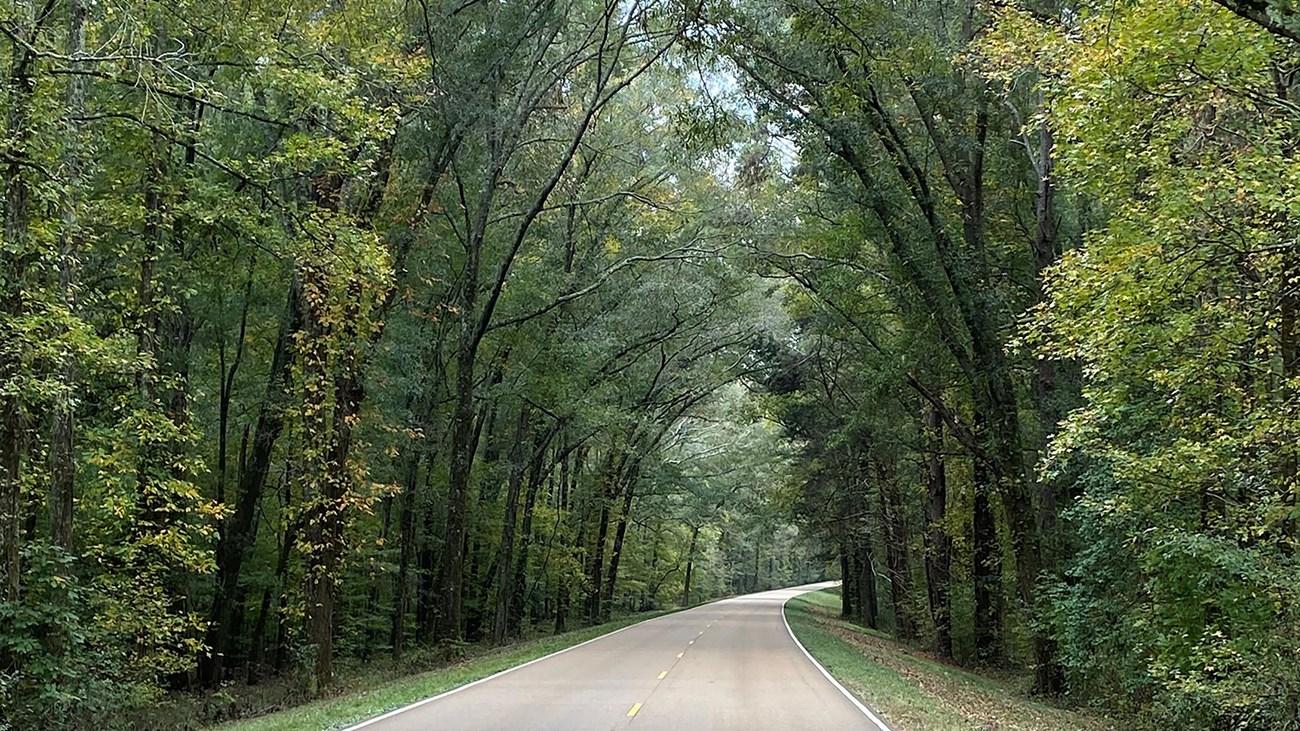 Highland Rim
Explore Tennessee’s Highland Rim for limestone uplands, caves, waterfalls, state parks, whiskey heritage and small-town landscapes near Nashville.
-
-

-

-


Swipe for more regions
Explore more

Explore more of Tennessee
Discover Tennessee: A melting pot of music, history, and natural beauty, offering visitors an authentic taste of Southern hospitality and unforgettable experiences.
Explore Tennessee