

Free Middle Tennessee Travel Guide & Mobile App
Explore Middle Tennessee with free travel guides. Discover regional history, expert tips, proposed trips, and audio guides on web or mobile app.


Explore Middle Tennessee for Nashville music, Civil War history, historic towns, Southern food, river landscapes and wooded countryside.
Read more about Middle Tennessee
Getting to and around Middle Tennessee
How to get there
Transportation
Top city travel guides in Middle Tennessee
The cities of Middle Tennessee, and the easiest places to base yourself.
-

-

-

-
-

-


Swipe for more cities
Destinations in Middle Tennessee
Resorts, valleys and scenic spots worth a trip of their own.
-

-
-
-

-

-


Swipe for more destinations
Best attractions in Middle Tennessee
Middle Tennessee's attractions range from Nashville's major cultural institutions to historic landscapes and outdoor areas spread across the wider region. In the capital, the Country Music Hall of Fame and Museum, National Museum of African American Music, Tennessee State Museum, Ryman Auditorium and the Parthenon provide different perspectives on music, society, art and state history. The Grand Ole Opry represents Nashville's long broadcasting tradition, while neighbourhoods such as Germantown and historic quarters around the centre reveal older layers of the city. Beyond Nashville, Andrew Jackson's Hermitage, Stones River National Battlefield, the Carter House and Carnton near Franklin, and Oaklands Mansion in Murfreesboro interpret politics, plantation society and the Civil War. Nature-oriented visitors can walk at Radnor Lake and Percy Warner Park, explore the Harpeth River area or travel towards the Duck River and Cumberland Plateau for forests, caves, waterfalls and gorges. Because the region is extensive, its attractions are best organised geographically rather than treated as a collection of nearby stops.
-
National park
Great Smoky Mountains National Park
Discover the awe-inspiring landscapes and rich biodiversity of Great Smoky Mountains National Park, a top destination for outdoor adventure and natural beauty.
-
Live Music
Grand Ole Opry
Experience the essence of country music at the Grand Ole Opry, a historic venue where legends are made and unforgettable memories are crafted.
-
Museum
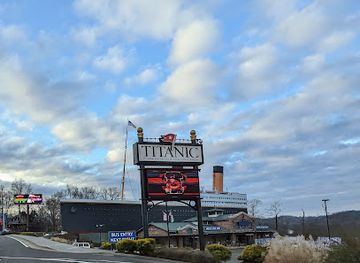
TITANIC Museum Attraction
Explore the TITANIC Museum Attraction in Pigeon Forge - A journey through history with authentic artifacts and immersive exhibits.
-
Live Music
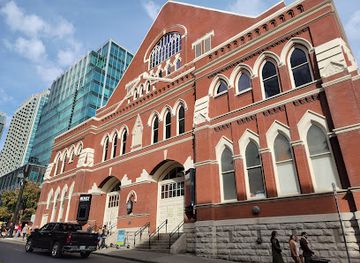
Ryman Auditorium
Discover the legendary Ryman Auditorium, a historic concert hall in Nashville, showcasing live music and rich musical heritage.

Best landmarks in Middle Tennessee
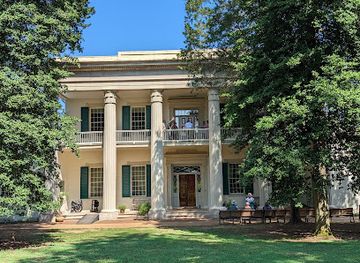
The Tennessee State Capitol in Nashville is an important nineteenth-century civic landmark, while the nearby Tennessee State Library and Archives area forms part of the capital's governmental and cultural centre. The Parthenon in Centennial Park is a full-scale early twentieth-century reproduction of the ancient Greek building and an instantly recognisable feature of Nashville. Ryman Auditorium, known for its role in broadcasting and live music, is one of the city's most significant performance landmarks. East of Nashville, the Hermitage preserves Andrew Jackson's mansion, grounds and associated buildings while interpreting the plantation's enslaved community. In Franklin, the Carter House and Carnton are closely associated with the 1864 battle and retain different architectural and historical associations. Stones River National Battlefield near Murfreesboro marks a major Civil War engagement, while the Duck River and the forested escarpments of the Cumberland Plateau provide natural landmarks shaped by water, limestone and long geological erosion.
-
History museum
Andrew Jackson’s Hermitage
Discover the rich history of Andrew Jackson's Hermitage, a beautifully preserved estate that reveals the life of America's seventh president.
-
Museum
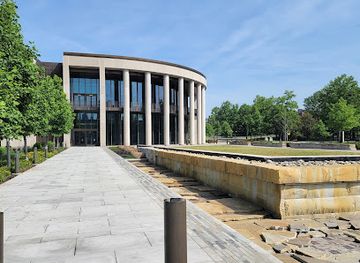
Tennessee State Museum
Discover Tennessee's rich history at the Tennessee State Museum, featuring free admission and engaging exhibits for all ages in the heart of Nashville.
-
State park
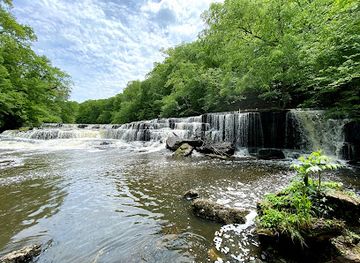
Old Stone Fort State Archaeological Park
Explore the ancient earthworks and scenic trails of Old Stone Fort State Archaeological Park, a historical gem in Manchester, Tennessee, perfect for nature lovers.
-
Tourist attraction
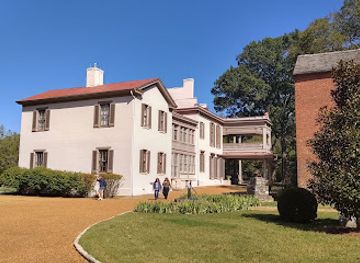
Belle Meade Historic Site & Winery
Experience Southern charm at Belle Meade Historic Site & Winery, where history meets fine wine in Nashville's lush landscapes.
Explore Middle Tennessee on the map
Plan your trip on one map. See where the top cities, national parks and sights are, and book hotels and experiences in a few clicks.
Best hotels in Middle Tennessee
Best restaurants in Middle Tennessee
Middle Tennessee's food culture combines established Southern cooking with an increasingly broad urban dining scene. Nashville is closely associated with hot chicken, barbecue, meat-and-three plates, biscuits and sweet tea, while its restaurants also draw on the city's international population and contemporary culinary talent. Franklin, Murfreesboro, Columbia and other county seats offer independent cafés, bakeries, diners, breweries and restaurants serving regional comfort food. Farm produce, local dairy, grains and seasonal fruit appear at markets and on menus across the countryside. Tennessee whiskey is an important part of the state's drinks heritage, although visitors should distinguish whiskey made in Tennessee from products specific to Middle Tennessee. Rural inns and barbecue restaurants can provide a more traditional setting, while Nashville supports everything from casual counters to chef-led dining. Portions, spice levels and service customs vary, so menus and local recommendations are useful when trying hot chicken or other regional specialities.
-
American
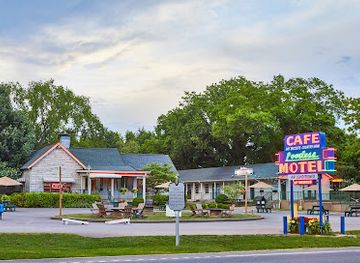
The Loveless Cafe
Experience authentic Southern comfort food at The Loveless Cafe in Nashville - where tradition meets deliciousness in every bite!
-
Southern
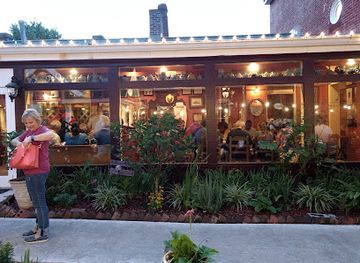
Monell's
Discover Monell's in Nashville - where Southern flavors meet warm hospitality in a historic dining experience.
-
Italian
Maggiano's Little Italy
Experience authentic Italian cuisine at Maggiano's Little Italy in Nashville - where every meal is a celebration of flavor and tradition.
-
Southern
Acme Feed & Seed
Discover the heart of Nashville at Acme Feed & Seed - where Southern cuisine meets live music in a vibrant atmosphere.
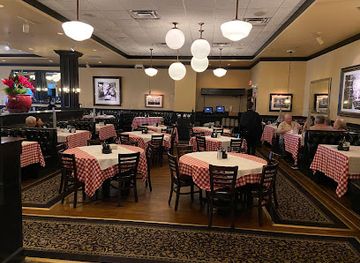
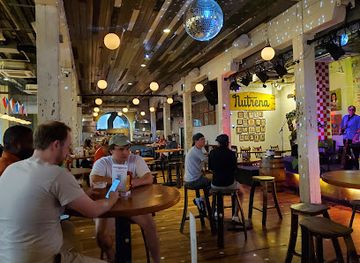
Best bars in Middle Tennessee
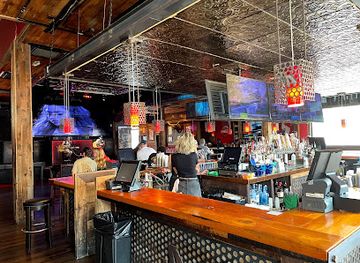
Nashville has Middle Tennessee's largest and most varied evening scene, centred on live music venues, honky-tonks, songwriter rooms, breweries, cocktail bars, restaurants and theatres. Broadway is the most concentrated entertainment area, but live music is also found in neighbourhood venues, listening rooms and the long-established Music Row area. The Ryman Auditorium and Grand Ole Opry are performance institutions rather than ordinary nightlife venues, so tickets and arrangements differ from those of walk-in bars. Franklin, Murfreesboro, Columbia and other larger towns tend towards historic pubs, breweries, restaurants and occasional live performances rather than a dense nightclub culture. Rural evenings are generally quieter, with social life focused on local restaurants, community events and traditional bars. Visitors should respect venue age requirements, keep noise appropriate in residential districts and use a taxi or booked car service if drinking.
-
Live music bar
Ole Red
Dive into the vibrant music scene at Ole Red, where delicious Southern cuisine meets electrifying live performances in the heart of Nashville.
-
Live music bar
Robert's Western World
Experience the vibrant heart of Nashville at Robert's Western World, a live music bar known for its Southern comfort food and lively entertainment.
-
Grill
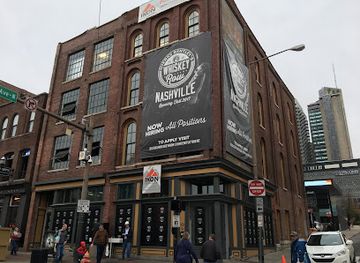
Dierks Bentley's Whiskey Row - Nashville
Discover the lively atmosphere of Dierks Bentley's Whiskey Row in Nashville, where delicious American cuisine meets live music and nightlife.
-
Live music bar
Jason Aldean's Kitchen + Rooftop Bar
Discover the vibrant spirit of Nashville at Jason Aldean's Kitchen + Rooftop Bar, where live music meets delicious Southern cuisine.
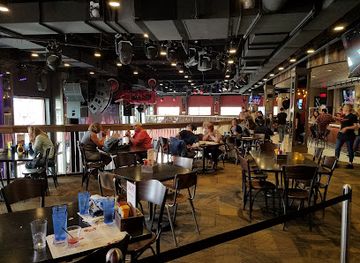
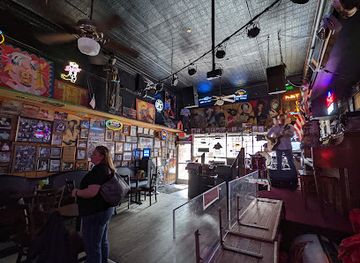
Best nightclubs in Middle Tennessee
Nashville has Middle Tennessee's largest and most varied evening scene, centred on live music venues, honky-tonks, songwriter rooms, breweries, cocktail bars, restaurants and theatres. Broadway is the most concentrated entertainment area, but live music is also found in neighbourhood venues, listening rooms and the long-established Music Row area. The Ryman Auditorium and Grand Ole Opry are performance institutions rather than ordinary nightlife venues, so tickets and arrangements differ from those of walk-in bars. Franklin, Murfreesboro, Columbia and other larger towns tend towards historic pubs, breweries, restaurants and occasional live performances rather than a dense nightclub culture. Rural evenings are generally quieter, with social life focused on local restaurants, community events and traditional bars. Visitors should respect venue age requirements, keep noise appropriate in residential districts and use a taxi or booked car service if drinking.
-
Barbecue
Barrel House BBQ
Experience the rich flavors of authentic Southern barbecue at Barrel House BBQ in Lynchburg, TN, a must-visit for all food lovers.
-
Restaurant
Miss Mary Bobo's Restaurant
Experience the heart of Southern cuisine and hospitality at Miss Mary Bobo's Restaurant in Lynchburg, TN, an unforgettable culinary adventure.
-
Distillery
Cascade Hollow Distilling Co. (George Dickel Distillery)
Discover the rich heritage and craftsmanship of George Dickel whiskey at Cascade Hollow Distilling Co. in Tullahoma, Tennessee.
-
Winery
Lynchburg Winery
Explore Lynchburg Winery in Tennessee, where exquisite wines meet breathtaking views in a charming winery experience.


Best shops in Middle Tennessee
Nashville offers the region's broadest shopping choice, from independent boutiques, record shops, bookshops and galleries to the retail areas of larger districts and the long-established businesses around downtown. The city's music identity makes recordings, posters, instruments and locally designed apparel more meaningful purchases than generic souvenirs. Franklin's historic Main Street has independent shops, antiques, galleries and food retailers in a preserved town-centre setting, while Murfreesboro and Columbia provide more conventional local shopping alongside specialist stores. Farmers' markets across Middle Tennessee are useful for seasonal produce, preserves, baked goods and locally made products, although exact market days vary. Craft galleries and studios may feature pottery, woodwork, textiles, jewellery and visual art from regional makers. Visitors should check that claimed local products are genuinely made in Tennessee and remember that sales tax is normally added to displayed prices.
-
Outlet mall
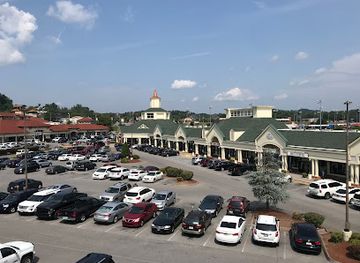
Tanger Outlets Sevierville
Discover unbeatable deals at Tanger Outlets Sevierville, where premium brands meet affordable prices in a stunning mountain setting.
-
Gift shop
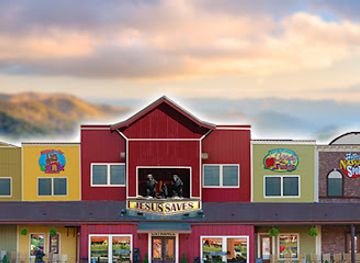
Three Bears General Store
Explore a world of gifts, sweets, and local treasures at Three Bears General Store in Pigeon Forge, a perfect stop for every tourist.
-
Shopping mall
The Mall at Green Hills
Explore The Mall at Green Hills in Nashville, where upscale shopping meets gourmet dining in a stylish and inviting environment.
-
Shopping mall
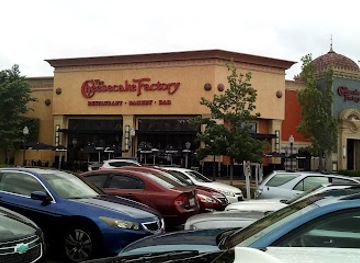
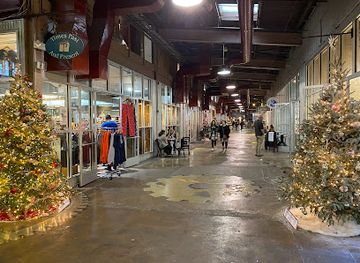
The Factory at Franklin
Explore The Factory at Franklin: Where Shopping Meets Culture in a Historic Setting.
Get your free copy of our complete guide to Middle Tennessee, delivered straight to you.
Everything on this page, from attractions and restaurants to essentials and local phrases, in one PDF you can read offline, print or share.
Already have an account? Sign in
Your Middle Tennessee guide is ready.
We'll send it to · Not you? Sign out

Getting your guide ready…
We are putting together a fresh copy of the Middle Tennessee guide. This can take up to a minute.
This can take a few moments. If your browser asks, choose Allow so the download can start. You'll find the guide in your Downloads folder.
Nothing happened? Download it again
Sorry, the guide is taking longer than usual. Please try again in a minute, or get it by email instead.
Middle Tennessee essentials
Currency and Payment
Safety
Emergency Situations
Do's and Don'ts
Local Tips
From Eve
Local phrases worth knowing
You don't need to get them perfect. A few words go a long way, and locals appreciate the effort.
Basics
| English | Local | Say it |
|---|---|---|
| Hello | Howdy | [HAW-dee] |
| Goodbye | See ya | [SEE yah] |
| Yes | Yep | [Yep] |
| No | Nah | [Nah] |
| Please/You're welcome | Please/No problem | [Pleez/Noh PROB-lum] |
| Thank you | Thank ya | [THANG yah] |
| Excuse me/Sorry | Excuse me/Sorry 'bout that | [EX-kyoos mee/SOR-ee bowt that] |
| How are you? | How y'all doin'? | [Haw y'all DO-in?] |
| Fine. And you? | I'm good. And you? | [I'm GOOD. An' you?] |
| Do you speak English? | Y'all speakin' English? | [Y'all SPEAK-in EN-glish?] |
| I don't understand | I ain't followin' | [I ain't FOLLOW-in'] |
Eating & Drinking
| English | Local | Say it |
|---|---|---|
| I'd like to see the menu, please | Can I see the menu, please? | [Can I SEE the MEN-yoo, pleez?] |
| I don't eat meat | I don't eat meat | [I don't EAT meat] |
| Cheers! | Cheers! | [Cheers!] |
| I would like to pay, please | Can I get the check, please? | [Can I GET the CHEK, pleez?] |
Emergencies
| English | Local | Say it |
|---|---|---|
| Help! | Help! | [Help!] |
| Go away! | Leave me alone! | [LEAVE me a-LONE!] |
| Call the Police! | Call the cops! | [Call the COPS!] |
| Call a doctor! | Get a doctor! | [GET a DOC-tor!] |
| I'm lost | I'm lost | [I'm LOST] |
| I'm ill | I'm not feelin' good | [I'm not FEEL-in' good] |
Shopping
| English | Local | Say it |
|---|---|---|
| I'd like to buy... | I wanna buy... | [I WAN-na buy...] |
| I'm just looking | Just lookin' | [Just LOOK-in'] |
| How much is it? | How much is this? | [How MUCH is this?] |
| That's too expensive | That's too high | [That's too HIGH] |
| Can you lower the price? | Can ya bring the price down? | [Can ya BRING the PRICE down?] |
Time & Numbers
| English | Local | Say it |
|---|---|---|
| What time is it? | What time y'all got? | [What TIME y'all GOT?] |
| It's one o'clock | It's one o'clock | [It's ONE o'clock] |
| Half past (10) | Half past ten | [Half PAST ten] |
| Morning | Mornin' | [MORN-in'] |
| Afternoon | Afternoon | [AF-ter-NOON] |
| Evening | Evenin' | [EVEN-in'] |
| Yesterday | Yestiddy | [YES-tid-dee] |
| Today | Today | [To-DAY] |
| Tomorrow | Tomorra | [To-MOR-ra] |
| 1 | One | [One] |
| 2 | Two | [Two] |
| 3 | Three | [Three] |
| 4 | Four | [Four] |
| 5 | Five | [Five] |
| 6 | Six | [Six] |
| 7 | Seven | [Seven] |
| 8 | Eight | [Eight] |
| 9 | Nine | [Nine] |
| 10 | Ten | [Ten] |
Transport & Directions
| English | Local | Say it |
|---|---|---|
| Where's a/the...? | Where's a...? | [Where's a...?] |
| What's the address? | What's the address? | [What's the AD-dress?] |
| Can you show me (on the map)? | Can you show me on the map? | [Can you SHOW me on the MAP?] |
| When's the next (bus)? | When's the next bus? | [When's the NEXT bus?] |
| A ticket (to ....) | A ticket to ... | [A TICK-et to ...] |
History of Middle Tennessee
Indigenous Societies and Ancient Earthworks
Indigenous peoples have lived in Middle Tennessee for thousands of years. Woodland and Mississippian communities farmed river valleys, traded across the interior and constructed ceremonial and residential earthworks. Sites such as Mound Bottom in Cheatham County and Old Stone Fort near Manchester preserve material evidence of these earlier societies, although their meanings and histories should not be reduced to simple labels. The region remains part of the traditional homelands of Native nations including the Muscogee, Cherokee and Chickasaw, among others.
Frontier Settlement and the Cumberland Towns
Euro-American settlement expanded across Middle Tennessee in the late eighteenth century, following earlier Indigenous paths and river routes. Nashville, founded as a frontier settlement in 1779, grew because of its position on the Cumberland River and its role in regional trade. Roads, ferries and river transport connected farms and emerging towns, while conflict, displacement and disease profoundly affected Indigenous communities. Murfreesboro, founded in 1811, later became an important political and commercial centre in the developing state.
Cotton, Enslavement and Antebellum Prosperity
During the nineteenth century, fertile parts of Middle Tennessee supported farms producing cotton, tobacco, grains and livestock. Wealth accumulated through plantation agriculture, commerce and enslaved labour, with Nashville developing as a major inland market and transportation hub. Historic houses and estates, including Andrew Jackson's Hermitage and properties in Franklin and Columbia, reveal the architecture and ambitions of the period while also documenting the coercive system on which much of its prosperity depended. Enslaved communities formed an essential part of the region's economy and social history.
The Civil War in Middle Tennessee
Middle Tennessee was strategically important during the American Civil War because of its railways, roads, rivers and proximity to the Confederate heartland. The battles of Stones River, fought near Murfreesboro in late 1862 and early 1863, and Franklin, fought in 1864, caused heavy casualties. Nashville became a major Union base and supply centre after its capture in 1862. Battlefields, cemeteries, fortifications and preserved buildings across the region form a connected historical landscape, but they also reflect the destruction and profound social upheaval brought by the war.
Railways, Industry and the Growth of Nashville
Railway expansion in the nineteenth century strengthened Nashville's position as a regional distribution and manufacturing centre. The city developed institutions, warehouses, publishing houses and industrial works, while surrounding towns remained closely tied to agriculture and small-scale trade. The Cumberland River and later improved roads continued to shape commerce. Murfreesboro, Franklin, Columbia and other county seats developed their own civic squares and commercial streets, many of which retain buildings from the nineteenth and early twentieth centuries.
Civil Rights and Social Change
Nashville was an important centre of the modern civil-rights movement. In 1960, student-led sit-ins challenged segregation at downtown lunch counters, and sustained non-violent protest contributed to their desegregation. Black churches, colleges, community organisations and local activists played central roles in this campaign. The struggle formed part of a wider national movement and remains visible through sites and interpretation in Nashville. Across Middle Tennessee, African American history also encompasses rural communities, music, religious institutions, labour and civic leadership that cannot be represented by the capital alone.
The Development of Music City
Nashville's music industry grew from publishing, radio and recording in the early twentieth century into a powerful national centre for country music and related genres. The Grand Ole Opry, established in 1925 as a radio programme, helped broadcast the city's musical identity, while recording studios and independent labels attracted performers, producers and songwriters. The Ryman Auditorium, Music Row and institutions such as the Country Music Hall of Fame preserve different parts of this story. Contemporary Middle Tennessee also supports gospel, bluegrass, rock, Americana, hip-hop and classical music.
Middle Tennessee in Photos
Browse through our photo collection highlighting the charm and character of the destination.
Neighbouring regions of Middle Tennessee
The closest regions to Middle Tennessee, if you have time for more than one.
-

-
-
 Highland Rim
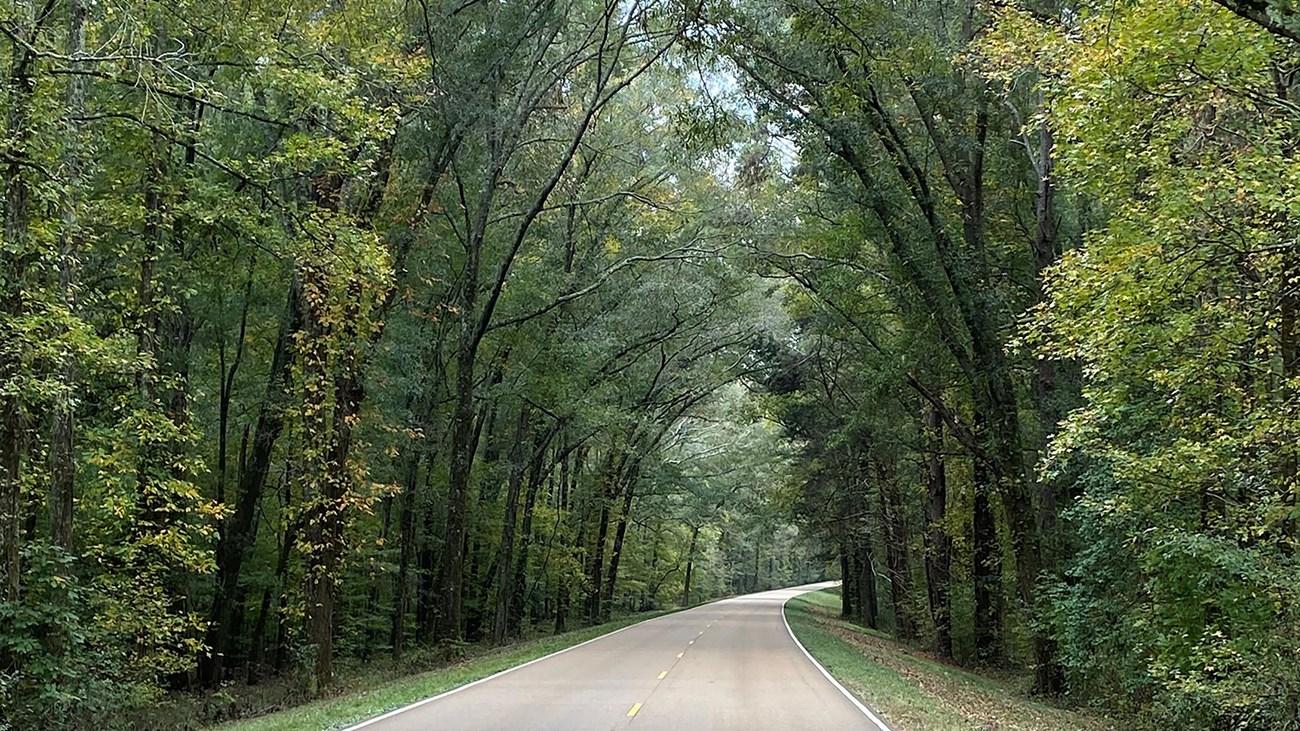
Explore Tennessee’s Highland Rim for limestone uplands, caves, waterfalls, state parks, whiskey heritage and small-town landscapes near Nashville.
-

-


Swipe for more regions
Explore more

Explore more of Tennessee
Discover Tennessee: A melting pot of music, history, and natural beauty, offering visitors an authentic taste of Southern hospitality and unforgettable experiences.
Explore Tennessee