

Free Hill Country Travel Guide & Mobile App
Explore Hill Country with free travel guides. Discover regional history, expert tips, proposed trips, and audio guides on web or mobile app.


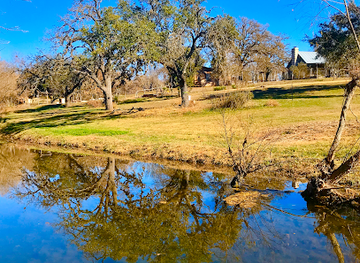
Explore Texas Hill Country for limestone landscapes, historic towns, swimming holes, vineyards, barbecue, hiking and wide-open Central Texas scenery.
Read more about Hill Country
Getting to and around Hill Country
How to get there
Transportation
Top city travel guides in Hill Country
The cities of Hill Country, and the easiest places to base yourself.
-

-

-

-


Swipe for more cities
Destinations in Hill Country
Resorts, valleys and scenic spots worth a trip of their own.
-

-

-


Swipe for more destinations
Best attractions in Hill Country
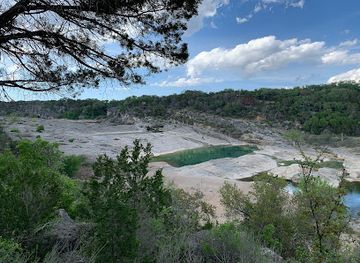
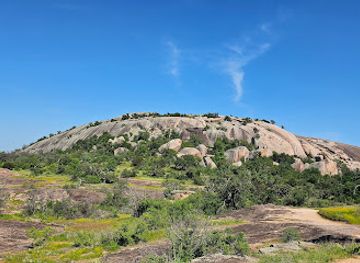
Hill Country attractions are defined as much by landscape as by individual buildings. Enchanted Rock State Natural Area, north of Fredericksburg, offers demanding walks and expansive views over granite country, while Pedernales Falls State Park presents a striking limestone river landscape west of Austin. Hamilton Pool Preserve near Dripping Springs is known for its collapsed grotto and seasonal waterfall, with access subject to conservation controls. Lyndon B. Johnson National Historical Park combines presidential history with ranch buildings and live-stock landscapes near Stonewall. Fredericksburg’s museums and historic centre explore German-Texan and military history, while the National Museum of the Pacific War provides a substantial account of the Second World War. Caves, springs, climbing areas, wildlife preserves, vineyards and scenic cycling roads extend across the region, but many sites require advance planning, timed entry or careful attention to weather and water conditions. The western uplands around Llano and Kerrville feel more spacious and ranch-oriented than the busier recreation corridors closer to Austin.
-
State park
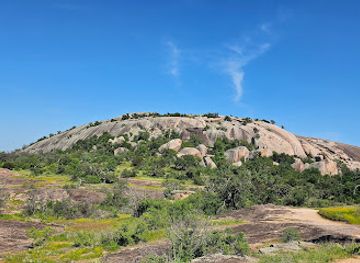
Enchanted Rock State Natural Area
Explore the breathtaking beauty of Enchanted Rock State Natural Area, a top tourist attraction in Texas offering hiking, climbing, and stunning natural views.
-
State park
Pedernales Falls State Park
Experience the breathtaking landscapes and outdoor adventures at Pedernales Falls State Park, a natural gem in Texas Hill Country.
-
History museum
National Museum of the Pacific War
Explore the rich history of World War II at the National Museum of the Pacific War in Fredericksburg, Texas, where courage and sacrifice are honored.

Best landmarks in Hill Country
Enchanted Rock is the Hill Country's most recognisable natural landmark: a vast pink granite dome that rises above the surrounding uplands and embodies the geological character of the western region. The Guadalupe River is another defining feature, particularly where it passes through Kerrville and other riverside communities, although its flow and recreational conditions vary. Fredericksburg's historic centre, with its long Main Street and German-influenced civic and commercial architecture, records the nineteenth-century settlement of the area. At the Lyndon B. Johnson National Historical Park near Stonewall, the ranch landscape, family home and presidential aircraft hangar connect local geography with national political history. The Vereinskirche replica in Fredericksburg represents the town's early German religious and civic life, while Stonewall's historic farm country conveys the continuing importance of agriculture. Limestone bluffs, cedar-covered ridges, springs and granite outcrops are not isolated monuments but the visual framework through which the region's towns, ranches and roads are understood.
-
Nature preserve
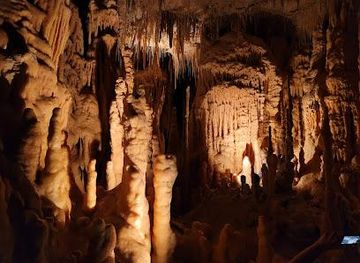
Natural Bridge Caverns
Discover the breathtaking beauty and rich history of Natural Bridge Caverns, a Texas treasure filled with stunning formations and outdoor adventures.
-
State park
Enchanted Rock State Natural Area
Explore the breathtaking Enchanted Rock State Natural Area, a premier destination in Texas for hiking, wildlife, and stunning natural beauty.
-
History museum
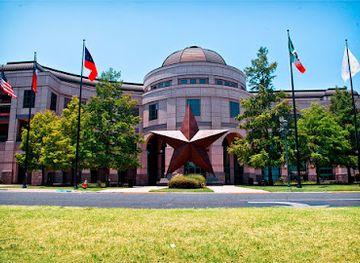
Bullock Texas State History Museum
Discover the captivating history of Texas at the Bullock Texas State History Museum, where engaging exhibits and immersive experiences await every visitor.
-
History museum
National Museum of the Pacific War
Uncover the profound stories of valor and sacrifice at the National Museum of the Pacific War in Fredericksburg, Texas, a must-visit for history enthusiasts.
Explore Hill Country on the map
Plan your trip on one map. See where the top cities, national parks and sights are, and book hotels and experiences in a few clicks.
Best hotels in Hill Country
Best restaurants in Hill Country
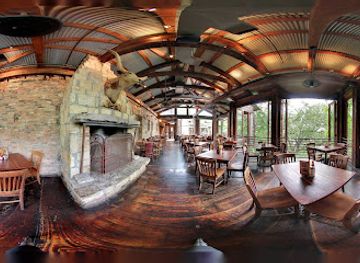
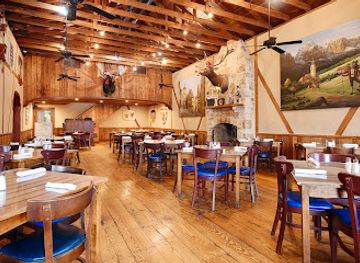
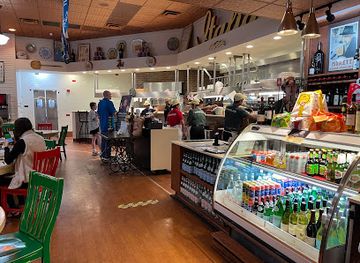
Hill Country dining draws on Central Texas barbecue, ranching, German-Texan baking and the produce of a hot agricultural climate. Smoked brisket, pork and sausage are central to the local food landscape, while Fredericksburg is particularly associated with German-influenced breads, pastries and traditional dishes. Peaches, pecans, seasonal vegetables and locally raised beef appear in farm shops, cafés and contemporary kitchens, and vineyards have encouraged menus built around regional wines. Small-town diners, barbecue establishments, bakeries, food trucks, farm-to-table restaurants and rural inns coexist with more polished dining rooms in Fredericksburg, Dripping Springs, Wimberley, Kerrville and other larger centres. Farmers' markets are useful for sampling preserves, honey, baked goods and seasonal produce, although availability changes throughout the year. Portions, service customs and tipping follow broadly American practice, while the strongest regional character often comes from the relationship between local ingredients, smokehouse traditions and German settlement history.
-
Barbecue
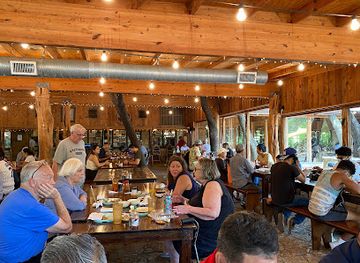
The Salt Lick BBQ
Experience authentic Texas barbecue at The Salt Lick BBQ in Driftwood – a family-friendly haven for meat lovers!
-
American
Gristmill River Restaurant & Bar
Experience unforgettable riverside dining at Gristmill River Restaurant & Bar in Gruene - where delicious American cuisine meets stunning natural beauty.
-
Cafe
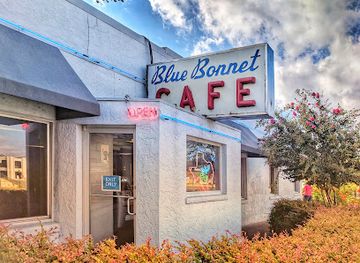
Blue Bonnet Cafe
Discover delicious comfort food at Blue Bonnet Cafe in Marble Falls - A true taste of Texas hospitality awaits!
-
German
The Auslander
Discover the heart of Germany in Fredericksburg at The Auslander - where authentic flavors meet vibrant culture.
Best bars in Hill Country
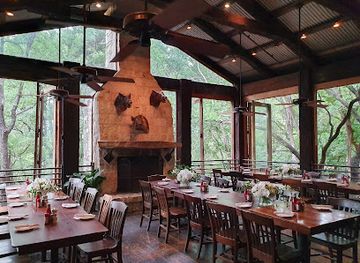
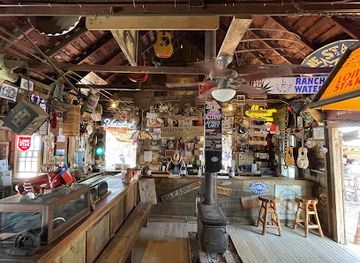
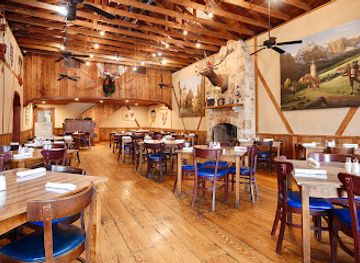
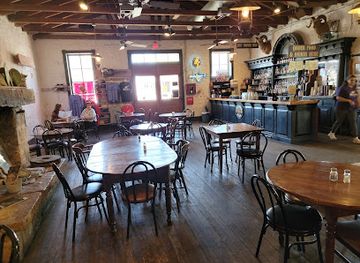
Evening life in the Hill Country is led by traditional pubs, beer gardens, wine-tasting rooms, live-music venues and historic dance halls rather than a dense nightclub scene. Fredericksburg, Dripping Springs, Wimberley, Kerrville and nearby communities have the broadest choice of breweries, wine bars, restaurants and occasional performances. The area's country-music tradition is especially visible at established dance halls and small venues, where schedules can be seasonal or event-dependent. Austin, outside the main Hill Country countryside, is the major nearby gateway for large-scale concerts and late-night clubs, while San Antonio provides another urban option to the south. In rural districts, venues may be several miles apart and closing times can be earlier than visitors expect, so a designated driver or pre-arranged transport is important. Night-time stargazing, quiet ranch stays and dinners overlooking the landscape are also significant parts of the region's evening culture.
-
American
Gristmill River Restaurant & Bar
Experience the best of American cuisine at Gristmill River Restaurant & Bar, where riverside dining meets live entertainment in Gruene, Texas.
-
Bar
Luckenbach Texas
Discover the soulful charm of Luckenbach, Texas - a musical haven and cultural landmark in the heart of the Hill Country.
-
Bar
The Auslander
Discover the heart of German cuisine and culture at The Auslander, a premier bar and restaurant in Fredericksburg, Texas.
-
American
Hondo's On Main
Experience the vibrant flavors of American cuisine at Hondo's On Main in Fredericksburg, Texas, a local favorite for food and fun.
Best nightclubs in Hill Country
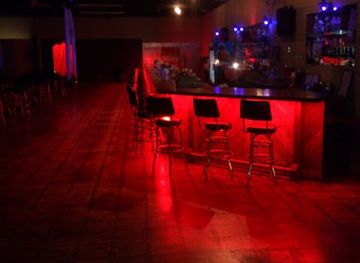
Evening life in the Hill Country is led by traditional pubs, beer gardens, wine-tasting rooms, live-music venues and historic dance halls rather than a dense nightclub scene. Fredericksburg, Dripping Springs, Wimberley, Kerrville and nearby communities have the broadest choice of breweries, wine bars, restaurants and occasional performances. The area's country-music tradition is especially visible at established dance halls and small venues, where schedules can be seasonal or event-dependent. Austin, outside the main Hill Country countryside, is the major nearby gateway for large-scale concerts and late-night clubs, while San Antonio provides another urban option to the south. In rural districts, venues may be several miles apart and closing times can be earlier than visitors expect, so a designated driver or pre-arranged transport is important. Night-time stargazing, quiet ranch stays and dinners overlooking the landscape are also significant parts of the region's evening culture.
-
Karaoke bar
Velvet Lounge
Velvet Lounge in Fredericksburg is the ultimate karaoke destination, offering an unforgettable night of music, drinks, and fun in Texas.
-
Bar
Club Fuego
Discover the electrifying nightlife at Club Fuego in Harker Heights, where music, drinks, and unforgettable moments await you.
-
Bistro
THE CLUB at Barons CreekSide
Discover The Club at Barons CreekSide: A charming bistro and wine bar in Fredericksburg, offering live music and delectable dishes for an unforgettable evening.
-
Night club
The Rose Room
Discover The Rose Room: A premier night club in Austin, Texas, offering vibrant nightlife, live music, and a fantastic atmosphere for unforgettable evenings.


Best shops in Hill Country
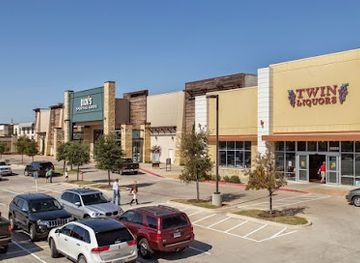
Shopping in the Hill Country is concentrated in historic town centres, independent galleries, food shops, farmers' markets and roadside stands rather than large retail districts. Fredericksburg offers the broadest heritage-oriented selection, including German-influenced foods, books, art, antiques, clothing and Texas-made gifts. Wimberley has a strong gallery and craft presence, while towns such as Marble Falls, Kerrville and Johnson City combine practical high-street shopping with independent boutiques and local produce. Regional purchases may include pecans, preserves, honey, peaches when in season, wine, spirits, pottery, leather goods, woven items and Western-style clothing. Gallery opening patterns and market days vary, particularly outside peak seasons, so visitors should check locally before making a special journey. Buy only legally produced plants, rocks, fossils or wildlife-related items, and remember that products labelled local may come from a wider part of Texas rather than the immediate Hill Country.
-
Shopping mall
Hill Country Galleria
Experience shopping, dining, and entertainment at Hill Country Galleria, a premier destination in the heart of Texas Hill Country.
-
Gift shop
Uncommon Objects
Discover a unique blend of gift shop charm and antique treasures at Uncommon Objects in the heart of Austin, Texas.
-
Shopping mall
Shops at the Galleria
Discover the ultimate shopping experience at the Shops at the Galleria in Bee Cave, TX, featuring top retail brands, dining options, and entertainment.
-
Gift shop
Texas Hill Country Olive Co.
Explore Texas Hill Country Olive Co. for gourmet flavors, stunning landscapes, unique gifts, and an unforgettable experience in the heart of Texas.


Get your free copy of our complete guide to Hill Country, delivered straight to you.
Everything on this page, from attractions and restaurants to essentials and local phrases, in one PDF you can read offline, print or share.
Already have an account? Sign in
Your Hill Country guide is ready.
We'll send it to · Not you? Sign out

Getting your guide ready…
We are putting together a fresh copy of the Hill Country guide. This can take up to a minute.
This can take a few moments. If your browser asks, choose Allow so the download can start. You'll find the guide in your Downloads folder.
Nothing happened? Download it again
Sorry, the guide is taking longer than usual. Please try again in a minute, or get it by email instead.
Hill Country essentials
Currency and Payment
Safety
Emergency Situations
Do's and Don'ts
Local Tips
From Eve
Local phrases worth knowing
You don't need to get them perfect. A few words go a long way, and locals appreciate the effort.
Basics
| English | Local | Say it |
|---|---|---|
| Hello | Howdy | [hau-dee] |
| Goodbye | See ya later | [see ya lay-ter] |
| Yes | Yep | [yehp] |
| No | Nope | [nohp] |
| Please/You're welcome | Please/No problem | [pleez/no prob-lum] |
| Thank you | Thanks a bunch | [thanks a bunch] |
| Excuse me/Sorry | Excuse me/Sorry 'bout that | [ex-kyoos mee/saw-ree bout that] |
| How are you? | How ya doin'? | [how ya doin'?] |
| Fine. And you? | I'm doin' fine. And you? | [I'm doin' fine. And you?] |
| Do you speak English? | Ya speakin' English? | [ya speakin' ing-lish?] |
| I don't understand | I ain't gettin' it | [I ain't gettin' it] |
Eating & Drinking
| English | Local | Say it |
|---|---|---|
| I'd like to see the menu, please | Can I see the menu, please? | [can I see the men-yoo, pleez?] |
| I don't eat meat | I don't eat no meat | [I don't eat no meet] |
| Cheers! | Cheers! | [cheers] |
| I would like to pay, please | I wanna pay, please | [I wanna pay, pleez] |
Emergencies
| English | Local | Say it |
|---|---|---|
| Help! | Help! | [help] |
| Go away! | Get outta here! | [get outta here!] |
| Call the Police! | Call the cops! | [call the cops!] |
| Call a doctor! | Get a doctor! | [get a doctor!] |
| I'm lost | I'm lost | [I'm lost] |
| I'm ill | I'm feelin' sick | [I'm feelin' sick] |
Shopping
| English | Local | Say it |
|---|---|---|
| I'd like to buy... | I wanna buy... | [I wanna buy...] |
| I'm just looking | Just lookin' | [just lookin'] |
| How much is it? | How much's this here? | [how much's this here?] |
| That's too expensive | That's too rich for my blood | [that's too rich for my blood] |
| Can you lower the price? | Can ya knock down the price? | [can ya knock down the price?] |
Time & Numbers
| English | Local | Say it |
|---|---|---|
| What time is it? | What time ya got? | [what time ya got?] |
| It's one o'clock | It's one o'clock | [it's one o'clock] |
| Half past (10) | Half past ten | [half past ten] |
| Morning | Mornin' | [mornin'] |
| Afternoon | Afternoon | [afternoon] |
| Evening | Evenin' | [evenin'] |
| Yesterday | Yesterday | [yesterday] |
| Today | Today | [today] |
| Tomorrow | Tomorrow | [tomorrow] |
| 1 | One | [one] |
| 2 | Two | [two] |
| 3 | Three | [three] |
| 4 | Four | [four] |
| 5 | Five | [five] |
| 6 | Six | [six] |
| 7 | Seven | [seven] |
| 8 | Eight | [eight] |
| 9 | Nine | [nine] |
| 10 | Ten | [ten] |
Transport & Directions
| English | Local | Say it |
|---|---|---|
| Where's a/the...? | Where's the...? | [where's the...?] |
| What's the address? | What's the address? | [what's the ad-dress?] |
| Can you show me (on the map)? | Can ya show me on the map? | [can ya show me on the map?] |
| When's the next (bus)? | When's the next bus? | [when's the next bus?] |
| A ticket (to ....) | A ticket to... | [a ticket to...] |
History of Hill Country
Indigenous Homelands and Early Encounters
Long before European settlement, the springs, rivers and uplands of Central Texas supported Indigenous peoples including the Tonkawa, Comanche, Apache and Coahuiltecan communities, among others. Archaeological evidence records long use of caves, river corridors and rock shelters, while place names and surviving cultural histories reflect a much deeper past than the region’s nineteenth-century towns suggest. Spanish expeditions entered the area from the seventeenth century onwards, establishing missions and routes elsewhere in Texas and beginning a period of changing alliances, conflict and disease.
Spanish and Mexican Texas
During Spanish and Mexican rule, the Hill Country remained comparatively lightly settled but gained importance through exploration, ranching and the movement of people between San Antonio, the interior and northern settlements. Mission and presidio networks were concentrated mainly around San Antonio, outside much of the central upland region, yet they influenced roads, land claims and relations across Central Texas. After Mexican independence in 1821, evolving colonisation policies encouraged new settlement, setting conditions for the dramatic demographic changes that followed Texas independence.
German Settlement in the Nineteenth Century
German immigrants played a major role in shaping the settled Hill Country from the 1840s onwards. Fredericksburg was founded in 1846, and German communities also developed around towns such as New Braunfels, outside the core western region, and smaller rural settlements. Immigrants introduced distinctive building traditions, farming practices, musical customs and foodways, while adapting to drought, limited water and frontier conditions. Fachwerk-style details, historic Vereinskirche associations, bakeries and family names remain visible elements of the region’s cultural landscape.
Ranching, Farming and Changing Waterways
As settlement expanded, ranching, cotton cultivation, orchards and small farms became central to the Hill Country economy. The region’s thin soils and irregular rainfall encouraged land uses suited to dry conditions, including cattle, goats and later vineyards. Dams and reservoirs altered some river systems, supplying growing communities and enabling recreation while also changing habitats. The legacy is visible in working ranches, historic barns, pecan groves, stone fences and long-running debates over groundwater, springs, development and conservation.
The Lyndon B. Johnson Era
The Hill Country was the political and personal landscape of Lyndon B. Johnson, who was born near Stonewall, taught in the area and maintained the LBJ Ranch. His presidency from 1963 to 1969 brought national attention to a region otherwise associated with ranching and small towns. The Lyndon B. Johnson National Historical Park preserves the ranch, childhood home and related sites, while the nearby National Museum of the Pacific War in Fredericksburg reflects another important twentieth-century connection through Admiral Chester W. Nimitz, who was born there.
Tourism, Wine and Conservation
From the late twentieth century, improved roads, rising interest in rural recreation and the growth of Austin and San Antonio transformed the Hill Country into a major leisure region. Vineyards, breweries, guesthouses, music venues and heritage tourism joined established ranching and agricultural economies. At the same time, state parks, local preserves and land trusts expanded efforts to protect springs, caves, oak woodland and endangered habitats. Contemporary Hill Country identity therefore combines working landscapes with carefully managed outdoor tourism and continuing pressure from population growth.
Hill Country in Photos
Browse through our photo collection highlighting the charm and character of the destination.
Neighbouring regions of Hill Country
The closest regions to Hill Country, if you have time for more than one.
-

-

-

-

-


Swipe for more regions
Explore more
Explore more of Texas
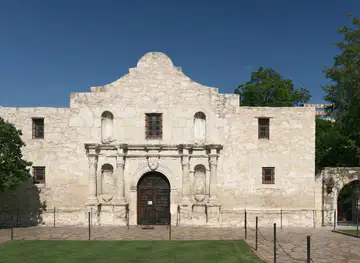
Discover the diverse landscapes, rich history, vibrant cities, and culinary delights of Texas, the Lone Star State, where adventure and culture await at every turn.
Explore Texas