

Free South Texas Travel Guide & Mobile App
Explore South Texas with free travel guides. Discover regional history, expert tips, proposed trips, and audio guides on web or mobile app.


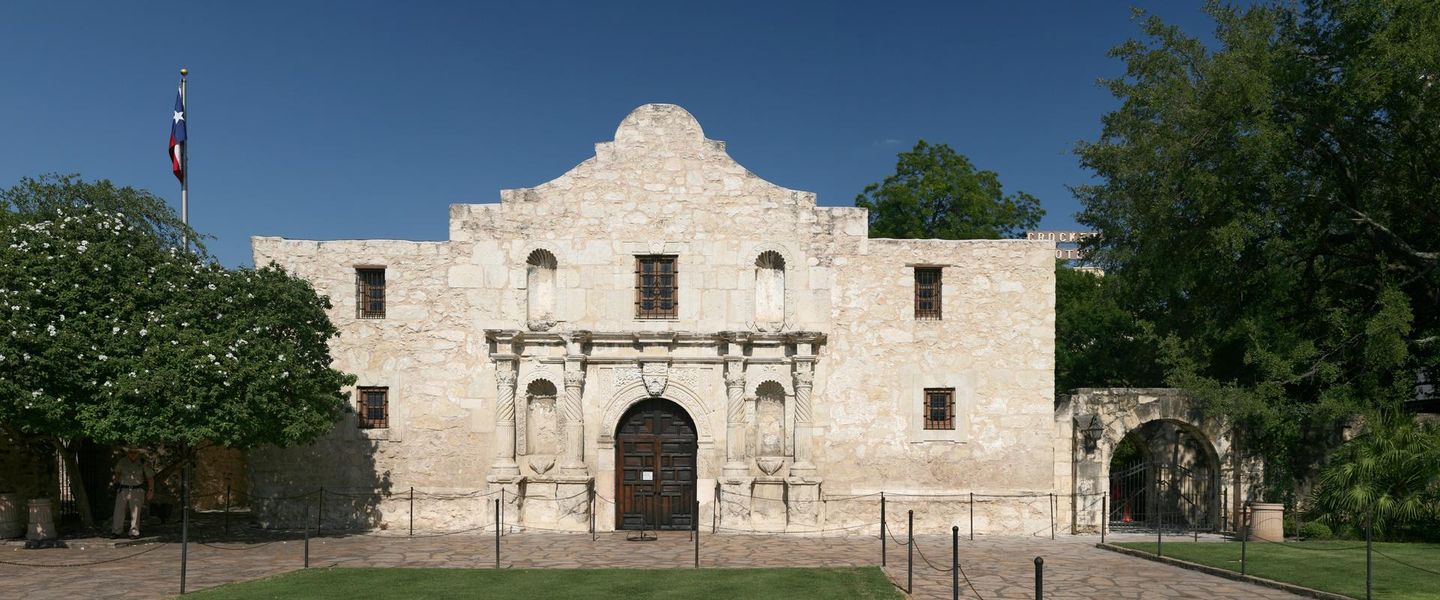


Explore South Texas for Gulf beaches, bird-rich wetlands, borderland culture, historic missions, ranch country and distinctive coastal cuisine.
Read more about South Texas
Getting to and around South Texas
How to get there
Transportation
Top city travel guides in South Texas
The cities of South Texas, and the easiest places to base yourself.
-
-

-
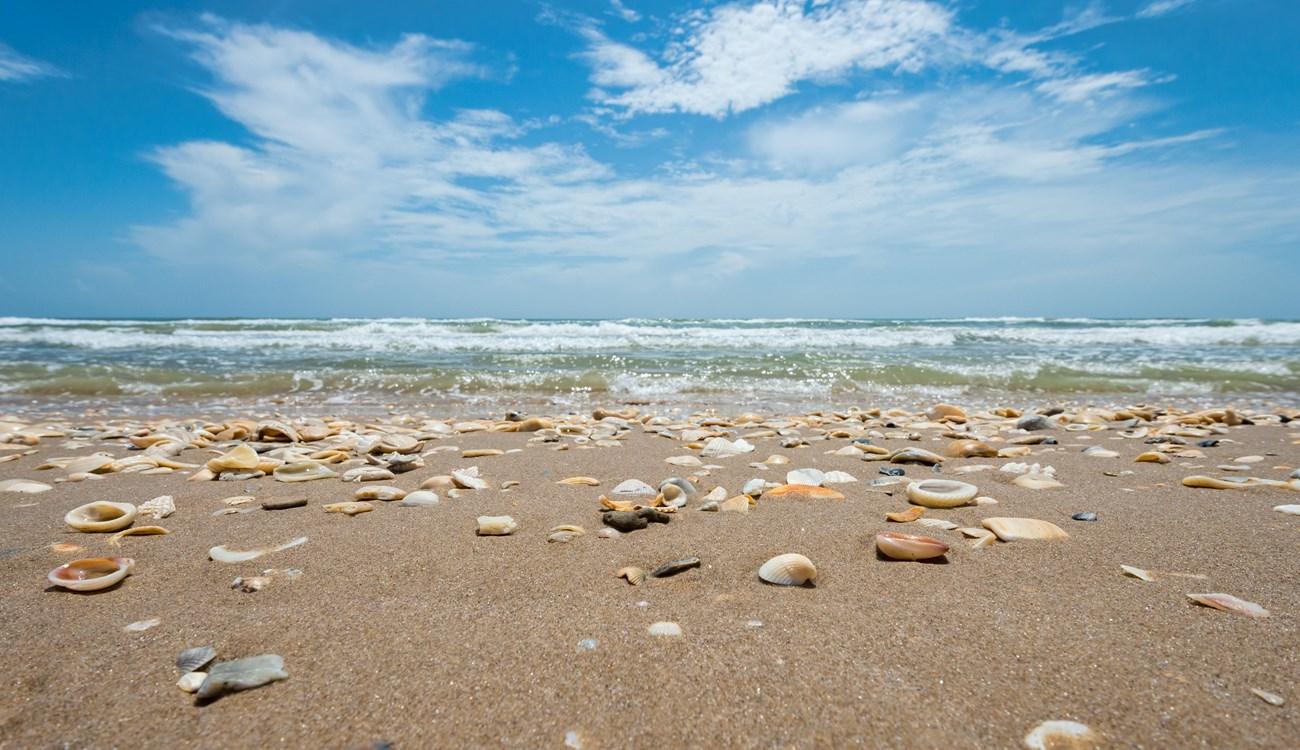 South Padre Island
Discover South Padre Island, Texas: Pristine beaches, thrilling water sports, and vibrant nightlife make it a premier destination for adventure and relaxation.
South Padre Island
Discover South Padre Island, Texas: Pristine beaches, thrilling water sports, and vibrant nightlife make it a premier destination for adventure and relaxation.
-

-

-


Swipe for more cities
Destinations in South Texas
Resorts, valleys and scenic spots worth a trip of their own.
-

-

-
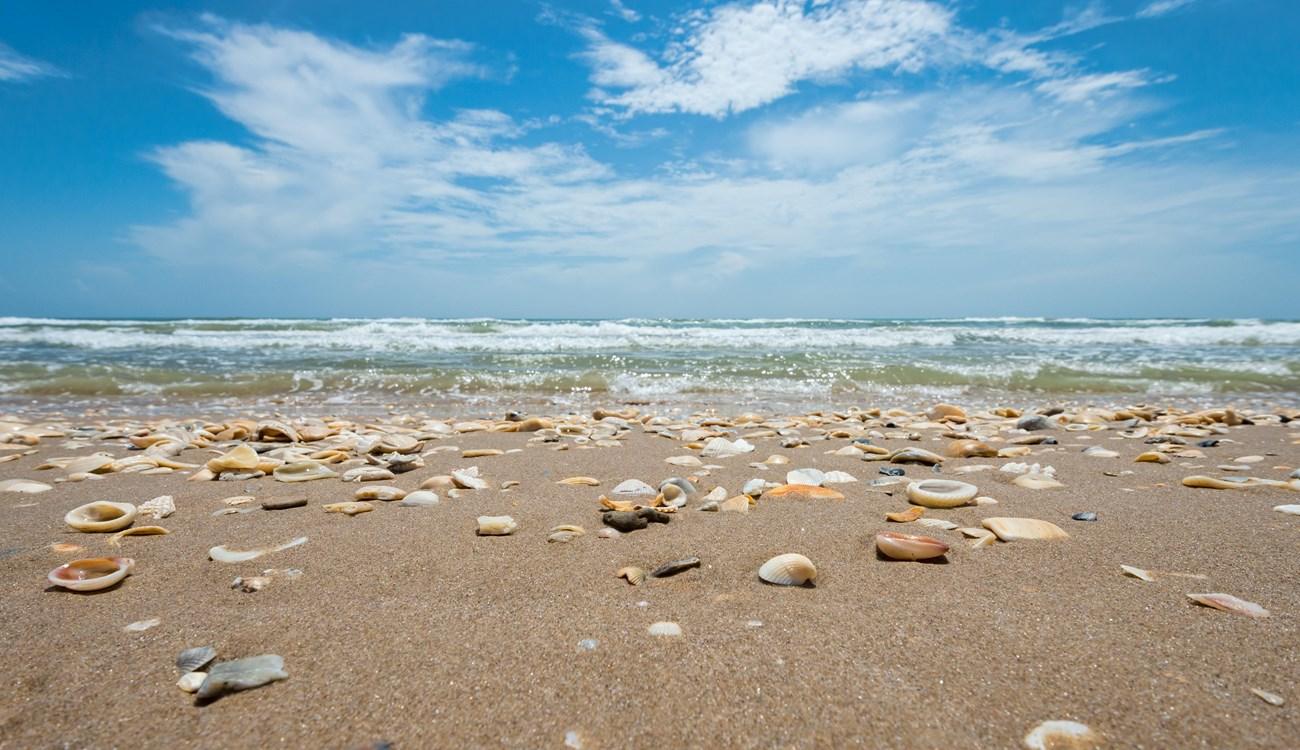 Padre Island National Seashore
, Texas: sea turtles, shorebirds, wild beaches, dunes, camping and quiet Gulf Coast adventure near Corpus Christi.
Padre Island National Seashore
Padre Island National Seashore, Texas: sea turtles, shorebirds, wild beaches, dunes, camping and quiet Gulf Coast adventure near Corpus Christi.
-


Swipe for more destinations
Best attractions in South Texas
South Texas offers a wide range of experiences shaped by its geography rather than by one concentrated sightseeing district. Along the Coastal Bend, Corpus Christi combines museums, a working harbour, beaches and access to Padre Island National Seashore, where shorebirds, sea turtles and open barrier-island landscapes are central attractions. The Laguna Madre, Aransas Bay and surrounding wetlands support birdwatching, kayaking, fishing and wildlife excursions. In the lower Rio Grande Valley, the World Birding Center network and federal wildlife refuges provide trails and observation areas through resacas, wetlands and thornscrub habitat. Goliad State Park and the historic communities of Goliad introduce the region's Spanish colonial and revolutionary history, while the King Ranch area offers insight into large-scale ranching. Laredo, Brownsville and McAllen add museums, historic districts, public art, markets and cultural venues. South Padre Island is oriented towards beaches and water-based recreation, whereas inland towns offer agricultural, culinary and borderlands experiences. Conditions can be hot and exposed, so visitors should check access arrangements and seasonal restrictions before travelling to remote natural sites.
-
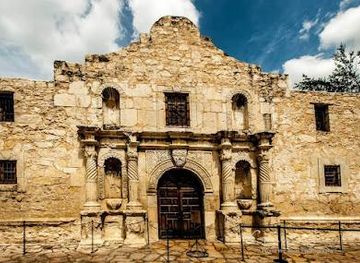
The Alamo
Explore The Alamo in San Antonio, a historic site that embodies the spirit of Texas independence and offers a glimpse into a pivotal moment in American history.
-
Science museum
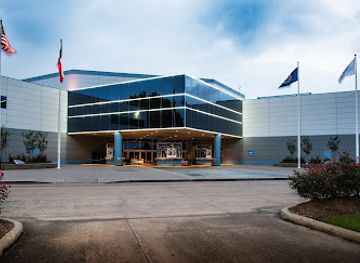
Space Center Houston
Discover the universe at Space Center Houston, where science, exploration, and adventure meet in a thrilling journey through space.
-
Park
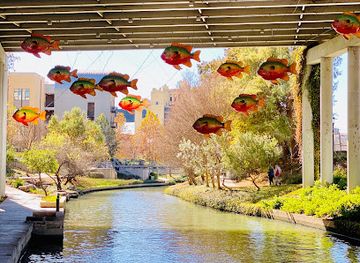
San Antonio River Walk
Explore the scenic beauty and cultural richness of the San Antonio River Walk, a vibrant park that delights with dining, shopping, and entertainment.
-
Theme park
Six Flags Fiesta Texas
Experience the excitement of Six Flags Fiesta Texas, a premier amusement park filled with thrilling rides, entertaining shows, and family-friendly attractions in San Antonio.

Best landmarks in South Texas
South Texas landmarks express its borderlands history, maritime geography and expansive ranch culture. The Presidio La Bahia complex and the nearby Our Lady of Loreto Chapel at Goliad are among the region's most significant colonial-era architectural survivals, while the Fannin Battleground State Historic Site recalls a decisive and tragic episode of the Texas Revolution. In Brownsville, historic buildings and the remains of Fort Brown reflect the city's military and border history; Laredo's San Agustin Historic District preserves an older urban core shaped by Spanish and Mexican settlement. The King Ranch headquarters area near Kingsville symbolises the scale and influence of South Texas ranching, although access to private areas is controlled. Padre Island National Seashore is a natural landmark distinguished by its long undeveloped barrier-island shoreline, dunes and sea-turtle habitat. The Laguna Madre and the lower Rio Grande are less monumental in architectural terms but equally important as defining geographical features, linking wetlands, wildlife, agriculture and border communities. Together these places show why South Texas cannot be reduced to beaches or border cities alone.
-
Nature preserve
Natural Bridge Caverns
Explore the stunning Natural Bridge Caverns, a mesmerizing historical landmark in Texas, showcasing incredible geological formations and rich natural beauty.
-
Monument
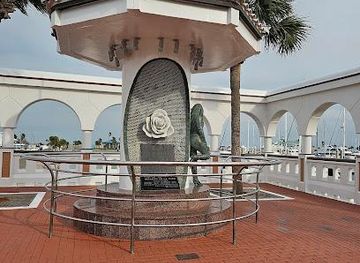
Selena Memorial Statue
Explore the Selena Memorial Statue in Corpus Christi, a heartfelt tribute to the beloved Tejano singer, celebrating her legacy and vibrant spirit.
-
Historical place
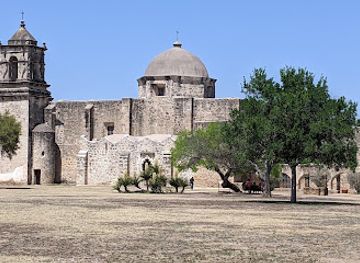
San Antonio Missions National Historical Park
Discover the historical significance and architectural beauty of San Antonio Missions National Historical Park, a UNESCO World Heritage site in Texas.
-
Historical place
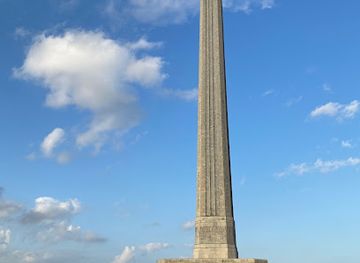
San Jacinto Battleground State Historic Site
Discover the San Jacinto Battleground State Historic Site, a monumental testament to Texas independence and a must-visit for every history-loving traveler.

Explore South Texas on the map
Plan your trip on one map. See where the top cities, national parks and sights are, and book hotels and experiences in a few clicks.
Best hotels in South Texas
Best restaurants in South Texas
South Texas dining reflects the meeting of Gulf Coast resources, ranching traditions and the culinary cultures of the Rio Grande borderlands. Corpus Christi and other coastal communities offer shrimp, oysters, redfish and other seafood, while inland menus commonly feature smoked brisket, sausage, steaks and other barbecue traditions. In Laredo, McAllen, Brownsville and smaller Valley communities, restaurants and bakeries serve dishes influenced by northern Mexican and Tejano cooking, including tacos, tamales, barbacoa, menudo, flour tortillas and pan dulce. Citrus from the lower Rio Grande Valley, locally grown vegetables and seasonal produce also appear in markets and contemporary kitchens. Casual taquerias, family-run cafés, barbecue establishments, seafood restaurants, diners and rural venues are more characteristic than a single formal dining scene. Farmers' markets and food halls provide opportunities to encounter local produce, while craft beer and Texas wines from elsewhere in the state may accompany meals. Recipes and terminology vary between communities, so the region is best understood as a collection of overlapping food traditions rather than one fixed cuisine.
-
Mexican restaurant
Mi Tierra Cafe y Panaderia
Discover authentic Mexican flavors at Mi Tierra Cafe y Panaderia in San Antonio – a vibrant culinary gem with delicious food and festive atmosphere.
-
American
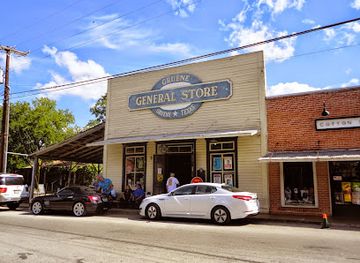
Gristmill River Restaurant & Bar
Experience authentic American cuisine at Gristmill River Restaurant & Bar in Gruene, Texas – where history meets flavor by the river.
-
Seafood
Doc's Seafood and Steaks
Discover fresh seafood delights at Doc's Seafood and Steaks on Padre Island - a must-visit dining destination for every traveler.
-
American
Butter Churn
Savor the essence of American cuisine at Butter Churn—where hearty Southern dishes meet warm hospitality in Aransas Pass.
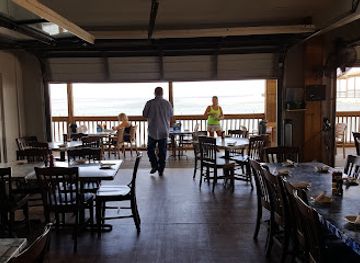
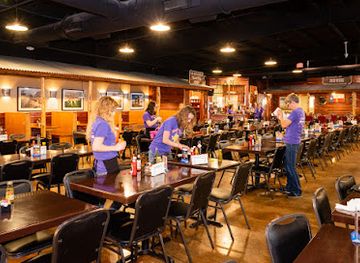
Best bars in South Texas
Evening life in South Texas differs considerably between cities, beach communities and rural districts. Corpus Christi has the region's broadest mixture of waterfront bars, live music, late-opening restaurants and casual venues, while South Padre Island develops a more seasonal nightlife centred on the seafront and holiday periods. Laredo, McAllen and Brownsville offer bars, music venues, independent cafés and restaurants where English and Spanish may both be heard. In smaller towns, the traditional pub equivalent is more often a local bar, cantina, brewery, dance hall or restaurant rather than a large nightclub. Live conjunto, Tejano and other regional music traditions appear alongside country, rock and contemporary entertainment, though programmes and venues change over time. Nightlife is generally concentrated in urban areas and visitor seasons; much of the ranch and wildlife country becomes quiet after dark. Visitors should arrange transport in advance, avoid drinking and driving, and remember that local licensing and age requirements apply throughout Texas.
-
Seafood
Doc's Seafood and Steaks
Experience fresh seafood and mouthwatering steaks at Doc's Seafood and Steaks, a premier dining destination on Padre Island, Corpus Christi.
-
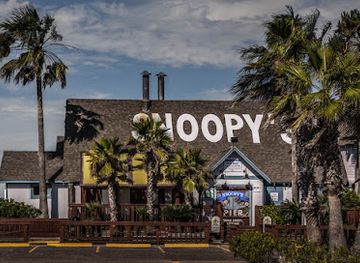
Restaurant
Snoopy's Pier
Experience the best of Texas coastal dining at Snoopy's Pier, where fresh seafood meets stunning Gulf views.
-
Hamburger
Padre Island Burger Company
Discover the delicious burgers and laid-back vibe at Padre Island Burger Company, a top destination for food lovers on the Texas coast.
-
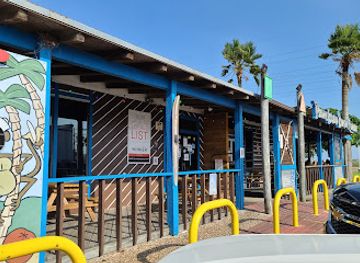
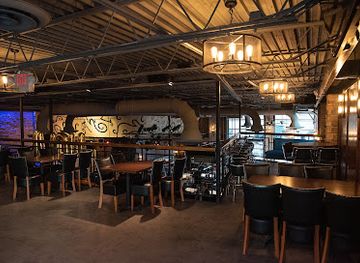
Bar
Howl at the Moon San Antonio
Discover the lively atmosphere, live music, and signature cocktails at Howl at the Moon San Antonio, a top entertainment spot in the heart of the city.
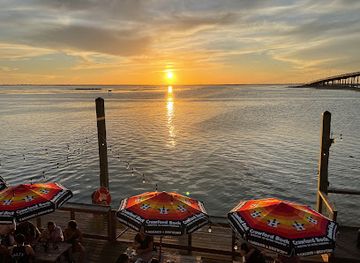
Best nightclubs in South Texas
Evening life in South Texas differs considerably between cities, beach communities and rural districts. Corpus Christi has the region's broadest mixture of waterfront bars, live music, late-opening restaurants and casual venues, while South Padre Island develops a more seasonal nightlife centred on the seafront and holiday periods. Laredo, McAllen and Brownsville offer bars, music venues, independent cafés and restaurants where English and Spanish may both be heard. In smaller towns, the traditional pub equivalent is more often a local bar, cantina, brewery, dance hall or restaurant rather than a large nightclub. Live conjunto, Tejano and other regional music traditions appear alongside country, rock and contemporary entertainment, though programmes and venues change over time. Nightlife is generally concentrated in urban areas and visitor seasons; much of the ranch and wildlife country becomes quiet after dark. Visitors should arrange transport in advance, avoid drinking and driving, and remember that local licensing and age requirements apply throughout Texas.
-
Night club
Bonham Exchange
Experience the vibrant nightlife at Bonham Exchange in San Antonio, a welcoming gay night club featuring great music, dancing, and a fun atmosphere.
-
Night club
Elysium
Experience the vibrant nightlife at Elysium, Austin's premier night club and live music venue, where unforgettable memories are made.
-
Sports bar
Pelican Lounge
Experience the lively atmosphere of Pelican Lounge, the perfect sports bar in Corpus Christi for food, drinks, and live sporting events.
-
Adult entertainment club
Jaguars Club Edinburg
Discover the vibrant nightlife at Jaguars Club Edinburg, a premier adult entertainment venue offering music, dance, and unforgettable performances.



Best shops in South Texas
Shopping in South Texas ranges from ordinary urban retail to markets and independent businesses reflecting the region's borderlands culture. Corpus Christi and the coastal towns cater to beach visitors with practical outdoor equipment, casual clothing, artwork and locally themed goods, while Laredo, McAllen and Brownsville have larger commercial districts shaped by domestic and cross-border shoppers. Historic areas and downtown streets may contain independent boutiques, galleries, bookshops, jewellers and craft retailers, although stock and opening arrangements vary. Farmers' markets and seasonal produce stands are useful places to look for citrus, vegetables, honey, baked goods and other regional products in the lower Rio Grande Valley. Food is often the most portable souvenir: packaged spices, sweets, preserves, coffee and locally made snacks travel more easily than fresh produce, subject to customs rules. Ranch and Western-style goods, woven items, pottery and contemporary work by regional artists can also be found, particularly in cultural districts and museum shops. Visitors crossing the international border should check current United States and Mexican customs requirements before purchasing food, plants, alcohol or other restricted goods.
-
Shopping mall
Historic Market Square
Discover the heart of San Antonio at the Historic Market Square, where local crafts, delicious food, and vibrant culture come together.
-
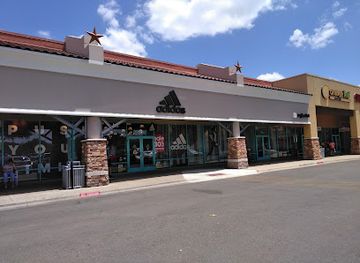
Outlet mall
San Marcos Premium Outlets
Experience unbeatable deals and a variety of designer brands at San Marcos Premium Outlets, the ultimate shopping destination in Texas.
-
Shopping mall
Shops at Rivercenter
Discover the perfect blend of shopping, dining, and scenic beauty at the Shops at Rivercenter in San Antonio, Texas.
-
Historical landmark
Pearl Brewery
Explore the historic Pearl Brewery in San Antonio, a vibrant hub of shopping, dining, and cultural events that beautifully blend the past and present.


Get your free copy of our complete guide to South Texas, delivered straight to you.
Everything on this page, from attractions and restaurants to essentials and local phrases, in one PDF you can read offline, print or share.
Already have an account? Sign in
Your South Texas guide is ready.
We'll send it to · Not you? Sign out

Getting your guide ready…
We are putting together a fresh copy of the South Texas guide. This can take up to a minute.
This can take a few moments. If your browser asks, choose Allow so the download can start. You'll find the guide in your Downloads folder.
Nothing happened? Download it again
Sorry, the guide is taking longer than usual. Please try again in a minute, or get it by email instead.
South Texas essentials
Currency and Payment
Safety
Emergency Situations
Do's and Don'ts
Local Tips
From Eve
Local phrases worth knowing
You don't need to get them perfect. A few words go a long way, and locals appreciate the effort.
Basics
| English | Local | Say it |
|---|---|---|
| Hello | Hola | [OH-lah] |
| Goodbye | Adiós | [ah-DYOHs] |
| Yes | Sí | [SEE] |
| No | No | [NOH] |
| Please/You're welcome | Por favor/De nada | [por fah-VOR/deh NAH-dah] |
| Thank you | Gracias | [GRAH-syahs] |
| Excuse me/Sorry | Perdón/Lo siento | [pehr-DON/loh SYEN-toh] |
| How are you? | ¿Cómo estás? | [KOH-moh eh-STAHS] |
| Fine. And you? | Bien. ¿Y tú? | [BYEN. ee TOO] |
| Do you speak English? | ¿Hablas inglés? | [AH-blas een-GLES] |
| I don't understand | No entiendo | [NOH en-TYEN-doh] |
Eating & Drinking
| English | Local | Say it |
|---|---|---|
| I'd like to see the menu, please | Me gustaría ver el menú, por favor | [meh goos-tah-REE-ah vehr el meh-NOO, por fah-VOR] |
| I don't eat meat | No como carne | [NOH KOH-moh KAR-neh] |
| Cheers! | ¡Salud! | [sah-LOOD] |
| I would like to pay, please | Me gustaría pagar, por favor | [meh goos-tah-REE-ah pah-GAR, por fah-VOR] |
Emergencies
| English | Local | Say it |
|---|---|---|
| Help! | ¡Ayuda! | [ah-YOO-dah] |
| Go away! | ¡Vete! | [VEH-teh] |
| Call the Police! | ¡Llama a la policía! | [YAH-mah ah lah poh-lee-SEE-ah] |
| Call a doctor! | ¡Llama a un doctor! | [YAH-mah ah oon dok-TOR] |
| I'm lost | Estoy perdido | [es-TOY pehr-DEE-doh] |
| I'm ill | Estoy enfermo/a | [es-TOY en-FER-mo/a] |
Shopping
| English | Local | Say it |
|---|---|---|
| I'd like to buy... | Me gustaría comprar... | [meh goos-tah-REE-ah kom-PRAHR] |
| I'm just looking | Solo estoy mirando | [SOH-loh es-TOY mee-RAHN-doh] |
| How much is it? | ¿Cuánto cuesta? | [KWAN-toh KWES-tah] |
| That's too expensive | Eso es muy caro | [EH-so es MOO-ee KAH-roh] |
| Can you lower the price? | ¿Puedes bajar el precio? | [PWEH-des bah-HAR el PREH-syo] |
Time & Numbers
| English | Local | Say it |
|---|---|---|
| What time is it? | ¿Qué hora es? | [KEH OH-rah es] |
| It's one o'clock | Es la una | [es lah OO-nah] |
| Half past (10) | Y diez y media | [ee DYESS ee MEH-dee-ah] |
| Morning | Mañana | [mah-NYAH-nah] |
| Afternoon | Tarde | [TAR-deh] |
| Evening | Noche | [NOH-cheh] |
| Yesterday | Ayer | [ah-YER] |
| Today | Hoy | [OY] |
| Tomorrow | Mañana | [mah-NYAH-nah] |
| 1 | Uno | [OO-noh] |
| 2 | Dos | [DOS] |
| 3 | Tres | [TRES] |
| 4 | Cuatro | [KWAH-troh] |
| 5 | Cinco | [SEEN-koh] |
| 6 | Seis | [SAYS] |
| 7 | Siete | [SYEH-teh] |
| 8 | Ocho | [OH-choh] |
| 9 | Nueve | [NWEH-beh] |
| 10 | Diez | [DYESS] |
Transport & Directions
| English | Local | Say it |
|---|---|---|
| Where's a/the...? | ¿Dónde hay un/una...? | [DON-deh I un/UNA] |
| What's the address? | ¿Cuál es la dirección? | [KWAL es lah dee-rek-SYON] |
| Can you show me (on the map)? | ¿Puedes mostrarme (en el mapa)? | [PWEH-des mos-TRAHR-me (en el MAH-pah)] |
| When's the next (bus)? | ¿Cuándo es el próximo (autobús)? | [KWAN-doh es el PROK-see-mo (ow-toh-BOOS)] |
| A ticket (to ....) | Un boleto (a ....) | [OON boh-LEH-toh (ah ....)] |
History of South Texas
Indigenous South Texas and the Coastal Plains
Long before European settlement, South Texas was inhabited by Indigenous peoples whose lives were adapted to thornscrub, river corridors, bays and barrier islands. Communities including the Coahuiltecan peoples occupied much of the southern coastal plain, while Karankawa and other groups were associated with parts of the coast. Their economies drew on fishing, shellfish, hunting, gathering and seasonal movement. Disease, warfare, displacement and the expansion of colonial and later ranching societies severely disrupted these communities, but Indigenous history remains fundamental to understanding the region's earliest landscapes and archaeological record.
Spanish Missions and Colonial Settlement
Spanish authorities established missions, presidios and settlements across the region from the eighteenth century onwards, seeking to extend imperial control and convert Indigenous communities while protecting routes between northern Mexico and Texas. Mission Espiritu Santo de Zuniga, associated with the settlement at Goliad, was moved several times before its final location near the San Antonio River. Spanish landholding patterns, livestock, irrigation practices, place names and Catholic traditions left a lasting imprint on South Texas, even as many early missions struggled with disease, conflict and limited resources.
Mexican Independence and the Texas Revolution
South Texas was part of the Mexican state of Coahuila y Tejas after Mexican independence in 1821. Trade and settlement connected the region closely with northern Mexico, while disagreements over governance, immigration, slavery and political authority contributed to the Texas Revolution. The Goliad area became a major theatre of the conflict: the 1836 Battle of Coleto Creek and the subsequent Goliad Campaign had far-reaching consequences, and the Goliad Massacre became one of the revolution's most remembered episodes. The region's borderlands identity was shaped by these contested political transitions.
Ranching, Land and the South Texas Plains
After Texas joined the United States and later became a state, large ranches expanded across the South Texas Plains. Cattle, horses, sheep and later oil and agriculture influenced settlement patterns, land ownership and transport. The King Ranch, founded in the nineteenth century near present-day Kingsville, became an especially influential example of large-scale ranching and land management. Fencing, water infrastructure and rail connections transformed older open-range systems, while Mexican and Tejano workers, families and communities remained central to the region's agricultural and ranching economy.
Railways, Ports and Border Commerce
Railway expansion in the late nineteenth and early twentieth centuries strengthened Corpus Christi, Brownsville, Laredo and other settlements as centres of trade and transport. Port development connected the Gulf Coast to national and international markets, while bridges and customs facilities formalised movement across the Rio Grande. Agriculture, livestock, shipping and later manufacturing all benefited from these networks. The border was never simply a line of separation: family ties, labour, commerce and cultural exchange continued to link South Texas with the Mexican states of Tamaulipas, Nuevo Leon and Coahuila.
Agriculture, Water and Modern South Texas
Irrigation and reservoir construction helped transform parts of the lower Rio Grande Valley into major growing areas for citrus, vegetables and other crops, although farming has always depended on contested and carefully managed water supplies. Corpus Christi and the wider Coastal Bend also developed important port, energy and industrial functions. Since the mid-twentieth century, urban growth, international trade, tourism and conservation have increasingly shaped the region alongside ranching and farming. Wildlife refuges, coastal reserves and protected barrier-island habitats now form an important part of South Texas's economic and environmental future.
South Texas in Photos
Browse through our photo collection highlighting the charm and character of the destination.
Neighbouring regions of South Texas
The closest regions to South Texas, if you have time for more than one.
-

-

-

-

-


Swipe for more regions
Explore more
Explore more of Texas
Discover the diverse landscapes, rich history, vibrant cities, and culinary delights of Texas, the Lone Star State, where adventure and culture await at every turn.
Explore Texas