

Edwards Plateau, Texas Travel Guide
Discover the natural beauty, rich history, and outdoor adventures of the Edwards Plateau, Texas' enchanting Hill Country destination.
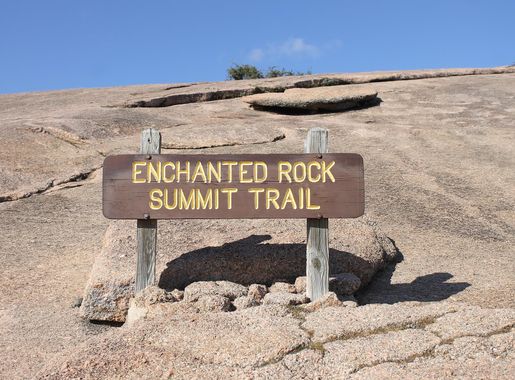
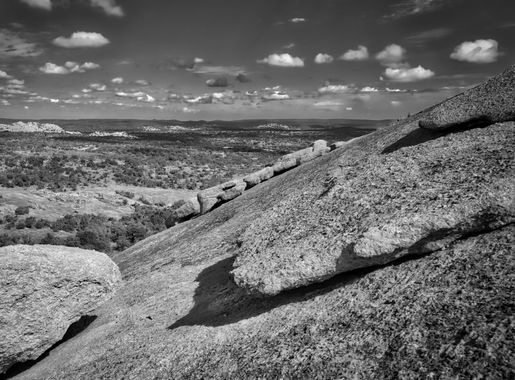
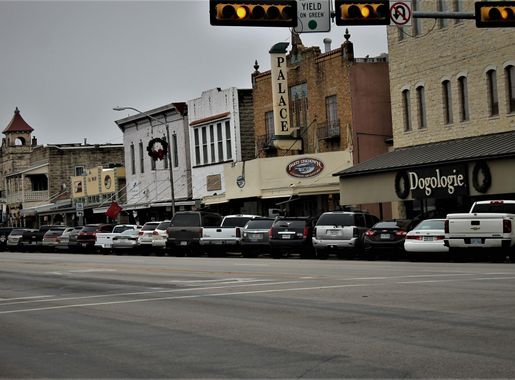
Nestled in the heart of Texas, the Edwards Plateau is a captivating destination that offers a unique blend of natural beauty, rich history, and outdoor adventure. This region, often referred to as the Texas Hill Country, is known for its rolling hills, clear rivers, and diverse wildlife, making it a haven for nature enthusiasts and adventure seekers alike. One of the highlights of the Edwards Plateau is its stunning landscape. The area is characterized by limestone hills, lush valleys, and scenic rivers such as the Guadalupe, Llano, and Pedernales. Visitors can explore numerous state parks and natural areas, including the iconic Enchanted Rock, where you can hike, rock climb, and enjoy panoramic views of the surrounding countryside. The Edwards Plateau is also rich in cultural heritage. The region is home to charming small towns like Fredericksburg and Kerrville, where you can experience local Texan hospitality, visit historic sites, and enjoy regional cuisine. The area's German heritage is particularly notable, with many towns featuring traditional German architecture and festivals. For those interested in wildlife, the Edwards Plateau is a biodiversity hotspot. It is home to numerous species of birds, mammals, and plants, some of which are found nowhere else in the world. Birdwatchers, in particular, will find the region to be a paradise, with opportunities to spot rare and migratory species throughout the year.

Know before you go
Hi, I'm Eve. Here are a few practical things to know before exploring Edwards Plateau.
- Visit during spring or fall for the best weather and to see wildflowers in bloom.
- Bring sturdy hiking boots if you plan to explore the trails and rock formations.
- Stay in one of the quaint bed-and-breakfasts in Fredericksburg for an authentic experience.
- Check local event calendars for festivals and cultural events during your visit.
- Pack binoculars and a camera for birdwatching and wildlife photography.
Top City Travel Guides in Edwards Plateau
The cities of Edwards Plateau, and the easiest places to base yourself.

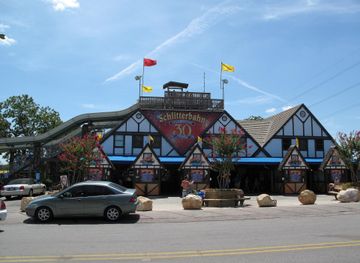
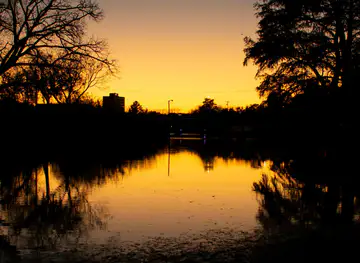
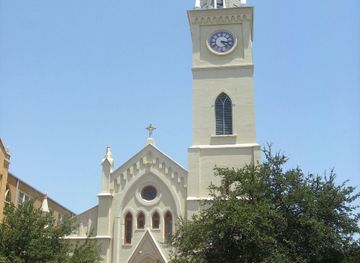

Destinations in Edwards Plateau
Resorts, valleys and scenic spots worth a trip of their own.


Explore Edwards Plateau: Things to Do, Places to Eat, Hotels & More
Handpicked recommendations for top attractions, local dining, accommodations, and more

Top Attractions & Sightseeing in Edwards Plateau
Top-rated picks
Best Attractions

Garner State Park
Explore the stunning landscapes and recreational activities of Garner State Park, a perfect destination for nature lovers and adventure seekers in Texas.

Garner Dam and Picnic Area
Explore Garner Dam and Picnic Area in Concan, Texas, offering stunning landscapes, diverse wildlife, and perfect picnic spots for nature enthusiasts.

Frio Bat Flight Tours
Experience the breathtaking spectacle of thousands of bats emerging at sunset in the heart of Texas Hill Country with Frio Bat Flight Tours.

Garner State Park Entrance and Ranger Station
Explore Garner State Park, a Texas Hill Country gem filled with stunning landscapes, outdoor adventures, and a serene escape into nature.

Best landmarks in Edwards Plateau
Top-rated picks
Best Landmarks

Fort Concho National Historic Landmark
Discover the rich military history of the American frontier at Fort Concho National Historic Landmark in San Angelo, Texas.

Fort McKavett State Historic Site
Explore Texas history at Fort McKavett State Historic Site, a captivating historical landmark showcasing the remnants of a vital military outpost.

Fort Lancaster and Battlefield State Historic Site
Explore Fort Lancaster and Battlefield State Historic Site, a living testament to Texas history, showcasing military heritage in a breathtaking desert landscape.

Galveston Red Light District Tour
Explore Galveston's intriguing past with the Red Light District Tour, where history meets captivating tales of the city's vibrant underbelly.

Best restaurants in Edwards Plateau
Top-rated picks
Best Restaurants

Lost Maples Cafe
Discover the charm of Lost Maples Cafe in Utopia, TX—your go-to spot for delicious American breakfasts amidst breathtaking natural beauty.

Mill Creek Cafe
Discover Mill Creek Cafe in Leakey: A family-friendly haven offering delicious American comfort food amidst Texas Hill Country's stunning landscapes.

The Wagon Wheel Cafe
Experience authentic Southern hospitality with delicious home-cooked meals at The Wagon Wheel Cafe in Eldorado, Texas.

Best bars in Edwards Plateau
Top-rated picks
Best Bars
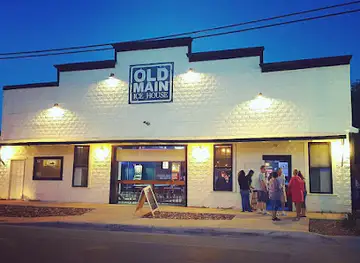
Old Main Ice House
Discover the vibrant nightlife at Old Main Ice House, where live music and great drinks create the perfect atmosphere in Cibolo, TX.

Lost Maples Cafe
Discover the flavors of Texas Hill Country at Lost Maples Cafe, a cozy American eatery famous for its delicious breakfast and warm hospitality.

Bent Rim Grill
Experience the delicious flavors of Bent Rim Grill in Leakey, Texas, where casual dining meets local charm and mouthwatering meals await.
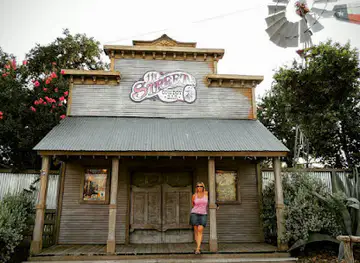
11th Street Cowboy Bar
Discover the essence of cowboy culture at 11th Street Cowboy Bar in Bandera, Texas – a lively venue for music, dancing, and authentic Texan fun.


Best shops in Edwards Plateau
Top-rated picks
Best Shops

Grapevine Mills
Explore Grapevine Mills for a vibrant shopping experience with diverse stores, delightful dining, and family-friendly entertainment in Texas.

Rio Grande Valley Premium Outlets
Discover unbeatable deals on top brands at Rio Grande Valley Premium Outlets, the ultimate shopping destination in Texas.

The Shops at Legacy
Discover a vibrant shopping hub at The Shops at Legacy in Plano, Texas, where retail therapy meets culinary delights in a lively atmosphere.

MacArthur Park
Experience the best of shopping and dining at MacArthur Park in Irving, Texas, where every visit offers new discoveries and delightful experiences.

Explore Edwards Plateau on the Map
A handpicked selection of must-see spots in Edwards Plateau, mapped for you.
Edwards Plateau Essentials
-
Edwards Plateau is located in central Texas and can be accessed by several means. The nearest major airport is Austin-Bergstrom International Airport (AUS), approximately 100 miles east of the region. From Austin, you can rent a car or take a bus to reach various towns within Edwards Plateau. Another option is San Antonio International Airport (SAT), about 75 miles south. You can also drive to the plateau via Interstate 10 or U.S. Route 87, both of which provide scenic routes through the Texas Hill Country.
-
While public transportation options are limited within Edwards Plateau, renting a car is the most convenient way to explore the area. Local taxis and rideshare services like Uber and Lyft are available in larger towns but may not be as reliable in more remote areas. Biking is also an option for those looking to enjoy the scenic routes and natural beauty. Ensure you have a GPS or a reliable map, as cell service can be spotty in rural areas.
-
The official currency in the United States is the US Dollar (USD). Credit and debit cards are widely accepted in most towns and tourist areas within Edwards Plateau. ATMs are available in larger towns, but it is advisable to carry some cash for small purchases, especially in rural areas. Mobile payment options like Apple Pay and Google Wallet are also accepted in many establishments.
-
Edwards Plateau is generally a safe destination for tourists. However, it is advisable to take standard precautions. Avoid walking alone at night in unfamiliar areas and always be aware of your surroundings. While crime rates targeting tourists are low, it is best to stay vigilant, especially in larger towns. Keep your belongings secure and avoid displaying valuables openly.
-
In case of emergency, dial 911 for immediate assistance. Medical facilities are available in larger towns like San Angelo and Fredericksburg. It is recommended to have travel insurance that covers medical emergencies. For minor health issues, there are pharmacies in most towns where you can purchase over-the-counter medications. Familiarize yourself with the locations of the nearest hospitals and urgent care centers.
-
Fashion: Do dress comfortably and appropriately for outdoor activities, as the region is known for its natural attractions. Avoid overly formal attire. Religion: Do respect local customs and traditions, especially when visiting historical sites. Public Transport: Do be patient and courteous, as public transportation is limited. Plan your trips ahead of time. Greetings: Do greet people with a friendly 'hello' or 'howdy.' A firm handshake is also common. Eating & Drinking: Do try local Texan cuisine, including BBQ and Tex-Mex. Don't forget to tip your servers, as it is customary.
-
To experience Edwards Plateau like a local, visit the numerous farmers' markets for fresh produce and handmade goods. Engage with locals at community events and festivals, which are frequent in the area. Explore the many state parks and natural reserves, such as Enchanted Rock State Natural Area and Pedernales Falls State Park. Don't miss out on local wineries and breweries, which offer tours and tastings.
When is the best time to visit Edwards Plateau?
Useful Local Phrases for Edwards Plateau
You don't need to speak the language perfectly. Even learning a few simple words can make conversations warmer—and locals usually appreciate the effort.
— Eve

Here are the phrases I use most often in Edwards Plateau. Try a few—you'll be surprised how far they go! 😊
❤️
-
- HelloHowdy
[hau-dee] - GoodbyeSee ya later
[see yah lay-ter] - YesYup
[yup] - NoNah
[nah] - Please/You’re welcomePlease/No problem
[pleez/no prob-lum] - Thank youThanks a lot
[thanks a lot] - Excuse me/SorryPardon me/Sorry
[par-don mee/sor-ree] - How are you?How ya doin'?
[how yah doin'?] - Fine. And you?I’m good. And you?
[I’m good. And you?] - Do you speak English?You speakin' English?
[you speakin' ing-glish?] - I don’t understandI don’t get it
[I don’t get it]
- HelloHowdy
-
- I’d like to see the menu, pleaseCould I see the menu, please?
[could I see the men-yoo, pleez?] - I don’t eat meatI’m not eatin' meat
[I’m not eatin' meat] - Cheers!Cheers!
[cheers] - I would like to pay, pleaseCan I pay, please?
[can I pay, pleez?]
- I’d like to see the menu, pleaseCould I see the menu, please?
-
- Help!Help!
[help] - Go away!Get outta here!
[get outta here!] - Call the Police!Call the cops!
[call the cops!] - Call a doctor!Get a doctor!
[get a doc-tor!] - I’m lostI’m lost
[I’m lost] - I’m illI’m sick
[I’m sick]
- Help!Help!
-
- I’d like to buy...I wanna buy...
[I wanna buy...] - I’m just lookingJust lookin'
[just lookin'] - How much is it?What’s the price?
[what's the price?] - That’s too expensiveThat costs too much
[that costs too much] - Can you lower the price?Can ya bring the price down?
[can yah bring the price down?]
- I’d like to buy...I wanna buy...
-
- What time is it?What time is it?
[what time is it?] - It’s one o’clockIt’s one o’clock
[it’s one o’clock] - Half past (10)Half past ten
[half past ten] - MorningMorning
[morning] - AfternoonAfternoon
[afternoon] - EveningEvening
[evening] - YesterdayYesterday
[yes-ter-day] - TodayToday
[to-day] - TomorrowTomorrow
[to-mor-row] - 1One
[one] - 2Two
[two] - 3Three
[three] - 4Four
[four] - 5Five
[five] - 6Six
[six] - 7Seven
[seven] - 8Eight
[eight] - 9Nine
[nine] - 10Ten
[ten]
- What time is it?What time is it?
-
- Where's a/the...?Where’s a...?
[where's a...?] - What’s the address?What’s the address?
[what's the ad-dress?] - Can you show me (on the map)?Can ya show me (on the map)?
[can yah show me (on the map)?] - When’s the next (bus)?When’s the next bus?
[when's the next bus?] - A ticket (to ....)A ticket (to ...)
[a tick-et (to ...)]
- Where's a/the...?Where’s a...?
History of Edwards Plateau
-
Long before Europeans set foot on the Edwards Plateau, the region was inhabited by Native American tribes, such as the Tonkawa and Lipan Apache. Archaeological evidence, including petroglyphs and artifacts, points to a rich history of hunting, gathering, and early agricultural practices dating back thousands of years.
-
In the 17th century, Spanish explorers ventured into the Edwards Plateau, claiming the land for Spain. They established missions like San Saba Mission in 1757, aiming to convert and settle Native American populations. This mission, however, faced numerous challenges, including resistance from native tribes and harsh environmental conditions.
-
During the Texas Revolution in the 1830s, the Edwards Plateau saw skirmishes and troop movements as Texians fought for independence from Mexico. Following the successful revolution, the newly formed Republic of Texas sought to settle the plateau, leading to conflicts with native tribes and an influx of settlers seeking new opportunities.
-
The late 19th century brought the boom of cattle drives through the Edwards Plateau. The Chisholm Trail, a major route for driving cattle from Texas to Kansas railheads, passed through the region. This era saw an economic boost from ranching, with cowboys and cattle barons leaving a lasting cultural legacy.
-
In the mid-1800s, German immigrants began settling in the Edwards Plateau, particularly in towns like Fredericksburg and New Braunfels. They brought with them unique cultural traditions, architecture, and farming techniques that still influence the region today. The German heritage is celebrated through festivals, cuisine, and historic sites.
-
In the 20th and 21st centuries, the Edwards Plateau has become a focal point for conservation efforts. Organizations and local communities are working to preserve the unique karst landscapes, aquifers, and diverse ecosystems. The establishment of parks and wildlife refuges highlights the ongoing commitment to protecting the natural beauty and biodiversity of the region.
Neighbouring Regions of Edwards Plateau
The closest regions to Edwards Plateau, if you have time for more than one.

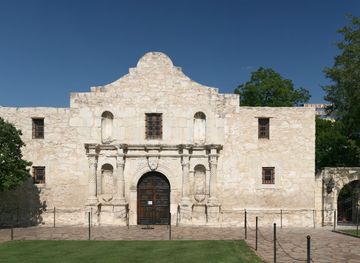
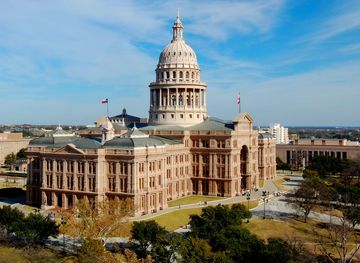


Your all‑in‑one travel companion app
Explore expert travel guides, compare and book tours, experiences, hotels, and more—all from the palm of your hand. Download now for seamless trip planning wherever your wanderlust takes you.


Explore More of Texas
Looking beyond Edwards Plateau? Discover Texas for broader travel guides, local hot-spots, and regional highlights.
Explore TexasEdwards Plateau in Photos
Browse through our photo collection highlighting the charm and character of the destination.







The Enchanting Edwards Plateau: Nature’s Heart in Texas
Nestled in the heart of Texas, the Edwards Plateau is a captivating destination that offers a unique blend of natural beauty, rich history, and outdoor adventure. This region, often referred to as the Texas Hill Country, is known for its rolling hills, clear rivers, and diverse wildlife, making it a haven for nature enthusiasts and adventure seekers alike. One of the highlights of the Edwards Plateau is its stunning landscape. The area is characterized by limestone hills, lush valleys, and scenic rivers such as the Guadalupe, Llano, and Pedernales. Visitors can explore numerous state parks and natural areas, including the iconic Enchanted Rock, where you can hike, rock climb, and enjoy panoramic views of the surrounding countryside. The Edwards Plateau is also rich in cultural heritage. The region is home to charming small towns like Fredericksburg and Kerrville, where you can experience local Texan hospitality, visit historic sites, and enjoy regional cuisine. The area's German heritage is particularly notable, with many towns featuring traditional German architecture and festivals. For those interested in wildlife, the Edwards Plateau is a biodiversity hotspot. It is home to numerous species of birds, mammals, and plants, some of which are found nowhere else in the world. Birdwatchers, in particular, will find the region to be a paradise, with opportunities to spot rare and migratory species throughout the year.