

Free Rio Grande Valley Travel Guide & Mobile App
Explore Rio Grande Valley with free travel guides. Discover regional history, expert tips, proposed trips, and audio guides on web or mobile app.


Explore the Rio Grande Valley for borderland history, subtropical birdlife, citrus country, South Texas food and Gulf Coast beaches.
Read more about Rio Grande Valley
Getting to and around Rio Grande Valley
How to get there
Transportation
Top city travel guides in Rio Grande Valley
The cities of Rio Grande Valley, and the easiest places to base yourself.
-
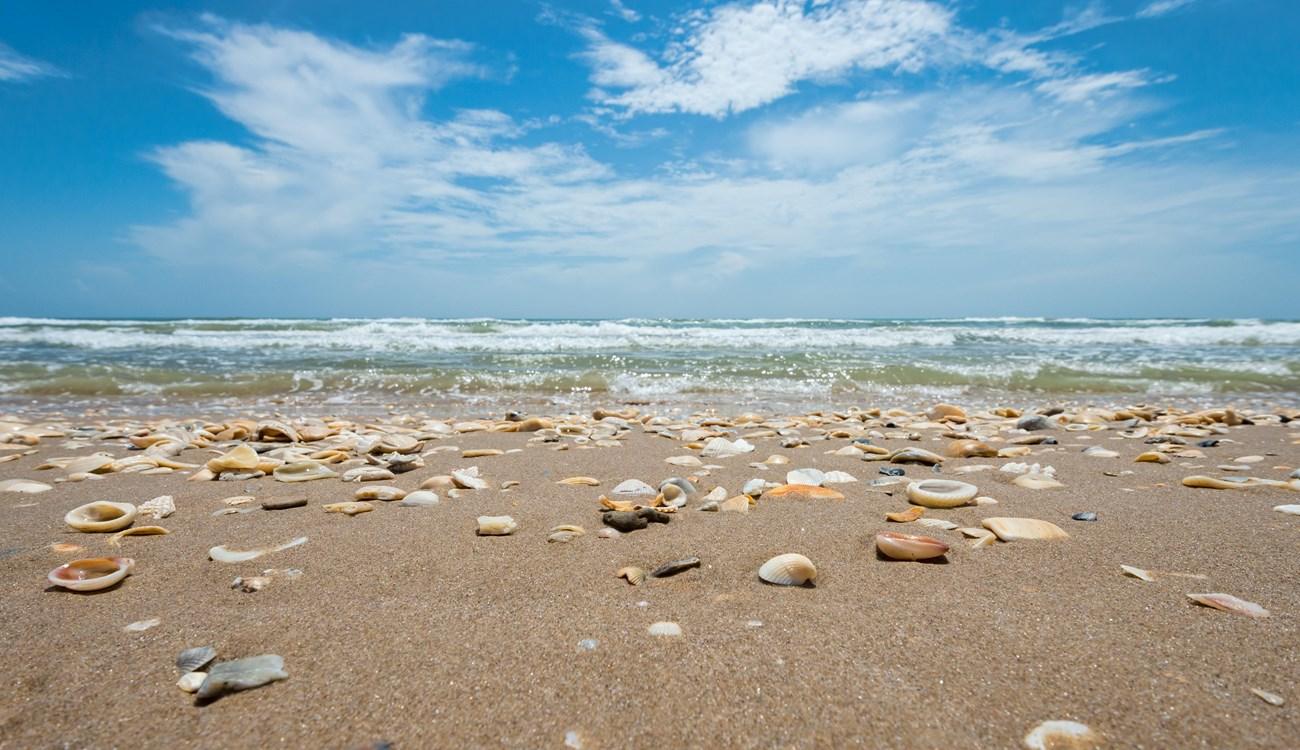 South Padre Island
Discover South Padre Island, Texas: Pristine beaches, thrilling water sports, and vibrant nightlife make it a premier destination for adventure and relaxation.
-

-


Swipe for more cities
Destinations in Rio Grande Valley
Resorts, valleys and scenic spots worth a trip of their own.
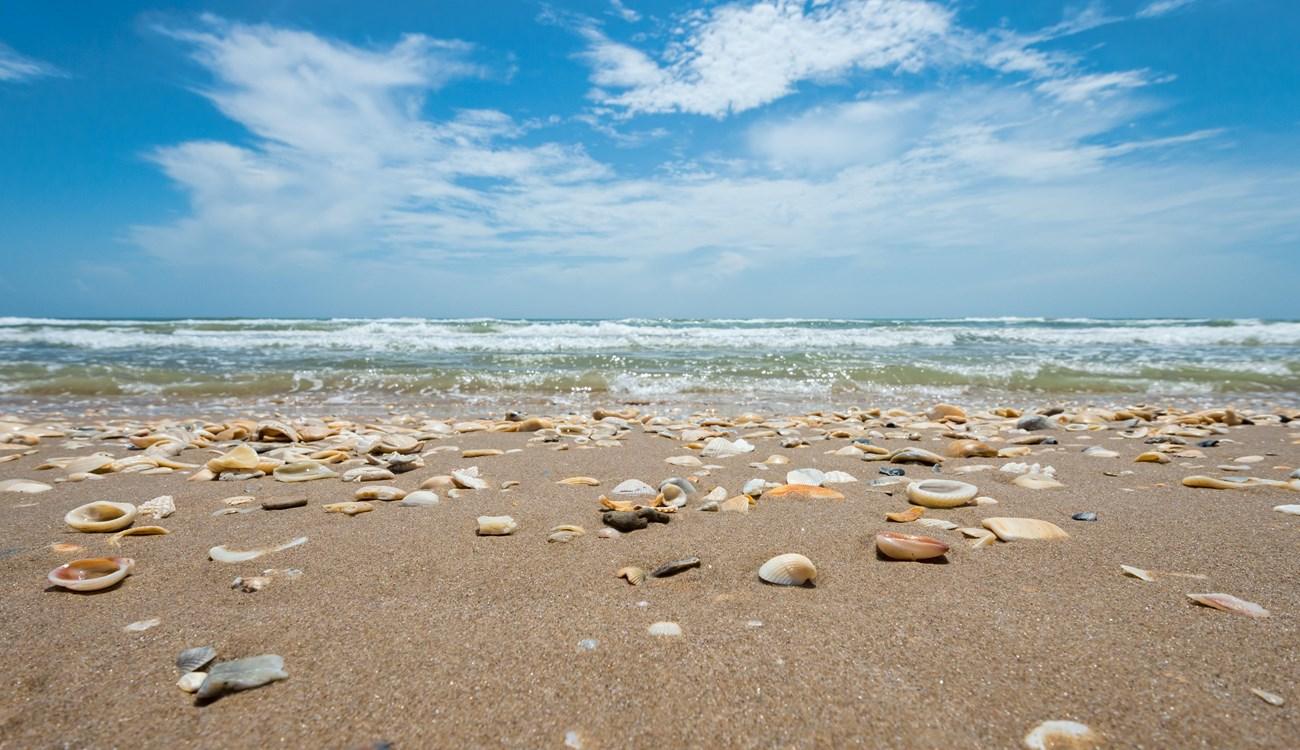
Swipe for more destinations
Best attractions in Rio Grande Valley
The Rio Grande Valley's attractions combine wildlife, borderland history, coastal recreation and the everyday culture of South Texas. Birders and nature enthusiasts can explore the separate tracts of the Lower Rio Grande Valley National Wildlife Refuge, Santa Ana National Wildlife Refuge and Laguna Atascosa National Wildlife Refuge, as well as the World Birding Center sites around Mission, Weslaco and nearby communities. These habitats support subtropical plants, migratory birds and wildlife adapted to river woodland and thornscrub. Brownsville contributes museums, historic streets and access to Palo Alto Battlefield National Historical Park, where the U.S.–Mexican War is interpreted through an open prairie landscape. The coast offers beaches, fishing and boating around South Padre Island and Port Isabel, while the SpaceX South Texas launch complex near Boca Chica is an industrial and technological presence with access controlled by current safety arrangements. Inland, Roma and Rio Grande City provide historic river-town settings, and urban McAllen and Edinburg offer galleries, performing arts, parks and restaurants. Distances are considerable, so the attraction landscape is best approached as a set of linked day trips rather than a compact sightseeing circuit.
-
Outlet mall
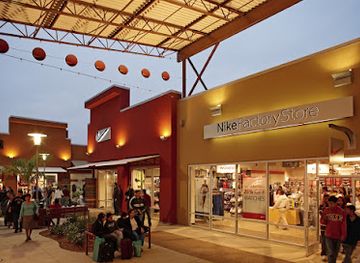
Rio Grande Valley Premium Outlets
Explore Rio Grande Valley Premium Outlets for unbeatable deals on top brands and a vibrant shopping experience in Texas.
-
Zoo
Gladys Porter Zoo
Explore the vibrant wildlife and lush landscapes at Gladys Porter Zoo, a top tourist attraction in Brownsville, Texas.
-
Tourist attraction
Beach Waterpark
Experience the thrill of water rides and relaxation at Beach Waterpark, the ultimate family-friendly destination on South Padre Island.
-
Boat tour agency
The Original Dolphin Watch
Discover the wonders of marine life on exciting dolphin-watching tours with The Original Dolphin Watch in South Padre Island, Texas.


Best landmarks in Rio Grande Valley
The Rio Grande itself is the Valley's defining geographical landmark, forming a sinuous international boundary through farmland, towns and pockets of river woodland. In Brownsville, the historic downtown and the Stillman House Museum reflect the city's nineteenth-century development, while the nearby Palo Alto Battlefield landscape marks the first major battle of the U.S.–Mexican War. The Port Isabel Lighthouse, rising above the coastal town of Port Isabel, is a recognisable nineteenth-century navigation landmark near the Valley's Gulf-facing communities. The Queen Isabella Causeway provides the principal visual and transport link towards South Padre Island, though the island is a distinct coastal destination rather than a historic monument. In Roma, the restored buildings of the Roma Historic District overlook the river and preserve an important nineteenth-century trading settlement. The Basilica of the National Shrine of Our Lady of San Juan del Valle in San Juan is a major religious landmark and pilgrimage destination, while the broad wetlands and thornscrub protected by the Valley's refuges serve as natural landmarks in their own right. The launch infrastructure near Boca Chica adds a striking contemporary industrial presence to the coastal horizon, with public access subject to official restrictions.
-
Tourist attraction
Basilica Of Our Lady of San Juan del Valle - National Shrine
Explore the Basilica of Our Lady of San Juan del Valle, a serene sanctuary of faith and culture in the heart of Texas's Rio Grande Valley.
-
Outlet mall
Rio Grande Valley Premium Outlets
Discover unbeatable savings on top brands at the Rio Grande Valley Premium Outlets, a shopper's haven in Mercedes, Texas, perfect for tourists and locals alike.
-
Tourist attraction
Gladys Porter Zoo
Explore Gladys Porter Zoo in Brownsville, Texas—home to diverse wildlife, conservation programs, and engaging exhibits for a family-friendly adventure.
-
Historical place
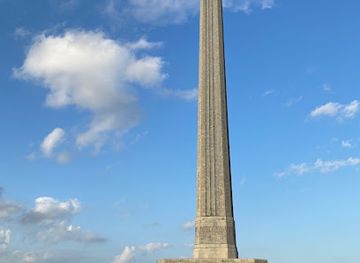
San Jacinto Battleground State Historic Site
Explore the historic San Jacinto Battleground, the site of Texas' independence, featuring monuments, trails, and rich cultural heritage.


Explore Rio Grande Valley on the map
Plan your trip on one map. See where the top cities, national parks and sights are, and book hotels and experiences in a few clicks.
Best hotels in Rio Grande Valley
Best restaurants in Rio Grande Valley
Dining in the Rio Grande Valley reflects its South Texas borderland setting. Mexican and Tex-Mex cooking is central, with regional menus commonly featuring flour tortillas, tacos, enchiladas, beans, rice, grilled meats and chile-based sauces, while recipes and preferences vary between families and communities. Barbecue, burgers and other Texas staples sit alongside seafood on the coast, where restaurants serve fish, shrimp and casual fried seafood in settings geared towards beach and fishing visitors. Brownsville, McAllen, Edinburg and Harlingen have the broadest range of cafés, taquerias, bakeries and contemporary restaurants, while smaller river and ranching communities offer informal local dining and traditional evening meals. Citrus is an important agricultural product and appears in drinks, desserts and seasonal produce stalls. Farmers' markets and specialist shops can be useful for locally grown fruit, honey, baked goods and other South Texas products, though availability varies by season. Tipping and service customs follow wider US practice.
-
Seafood
Blackbeards'
Discover fresh seafood delights at Blackbeards', where vibrant flavors meet a lively coastal atmosphere in South Padre Island.
-
Restaurant
Louie's Backyard
Discover Louie's Backyard: A premier seafood restaurant and vibrant nightlife spot on South Padre Island offering stunning views and live entertainment.
-
Seafood
Dirty Al's
Experience the best seafood dining at Dirty Al's on South Padre Island - where fresh flavors meet fun vibes.
-
Grill
Wanna Wanna Inn Beach Bar & Grill
Experience coastal dining at its best at Wanna Wanna Inn Beach Bar & Grill – where great food meets stunning ocean views on South Padre Island.


Best bars in Rio Grande Valley
Evening life is concentrated in Brownsville, McAllen, Edinburg and the coastal communities rather than spread evenly across the Valley. Downtown Brownsville and central McAllen offer bars, restaurants, cafés and occasional live music in historic or revitalised commercial areas, while Edinburg's university population contributes a younger evening scene. South Padre Island has the region's most pronounced resort nightlife, including casual beach bars, music venues and seasonal late-night activity, although its atmosphere changes considerably outside peak holiday periods. Elsewhere, evening entertainment tends to centre on family restaurants, traditional bars, breweries, live performances and community events rather than large clubs. Local venues may present Tejano, conjunto, country, rock or other live music, reflecting the region's overlapping Texas and Mexican influences. Check current arrangements before travelling, particularly for seasonal coastal venues, and do not drink and drive on the region's long rural roads.
-
Bar
Clayton's Beach Bar & Event Venue
Experience the vibrant atmosphere and delicious seafood at Clayton's Beach Bar & Event Venue, your ultimate destination in South Padre Island.
-
Restaurant
Louie's Backyard
Discover the lively atmosphere of Louie's Backyard, a premier restaurant and entertainment venue on South Padre Island, offering seafood, live music, and stunning waterfront views.
-
Seafood
Dirty Al's
Dirty Al's in South Padre Island: A seafood haven offering fresh dishes and a lively bar atmosphere for an unforgettable dining experience.
-
Grill
Wanna Wanna Inn Beach Bar & Grill
Experience the vibrant atmosphere and delicious cuisine at Wanna Wanna Inn Beach Bar & Grill in South Padre Island - a perfect blend of beach fun and culinary delights.


Best nightclubs in Rio Grande Valley
Evening life is concentrated in Brownsville, McAllen, Edinburg and the coastal communities rather than spread evenly across the Valley. Downtown Brownsville and central McAllen offer bars, restaurants, cafés and occasional live music in historic or revitalised commercial areas, while Edinburg's university population contributes a younger evening scene. South Padre Island has the region's most pronounced resort nightlife, including casual beach bars, music venues and seasonal late-night activity, although its atmosphere changes considerably outside peak holiday periods. Elsewhere, evening entertainment tends to centre on family restaurants, traditional bars, breweries, live performances and community events rather than large clubs. Local venues may present Tejano, conjunto, country, rock or other live music, reflecting the region's overlapping Texas and Mexican influences. Check current arrangements before travelling, particularly for seasonal coastal venues, and do not drink and drive on the region's long rural roads.
-
Bar
Clayton's Beach Bar & Event Venue
Discover the vibrant beachside atmosphere at Clayton's Beach Bar & Event Venue, where delicious food, refreshing drinks, and live entertainment await.
-
Grill
Tequila Sunset Bar & Grill
Discover the vibrant flavors and lively atmosphere at Tequila Sunset Bar & Grill, your go-to spot for grill delights and live music in South Padre Island.
-
Grill
Bar Louie - South Padre Island
Discover the vibrant flavors of Bar Louie in South Padre Island, where American cuisine meets a lively bar atmosphere perfect for all occasions.
-
Sports bar
Coral Reef Lounge
Experience the best of South Padre Island's nightlife at Coral Reef Lounge, where sports, cocktails, and karaoke come together for an unforgettable evening.


Best shops in Rio Grande Valley
Shopping in the Rio Grande Valley ranges from practical urban retail to local produce, crafts and border-oriented commerce. McAllen and nearby Edinburg have the region's largest concentration of shopping centres, national retailers, independent boutiques, galleries and speciality food shops, while Brownsville combines contemporary retail with historic downtown businesses. Harlingen serves as a commercial centre for the mid-Valley, and smaller towns offer antique shops, western goods, local bakeries and modest high-street shopping rather than extensive department-store districts. Farmers' markets and seasonal stalls are good places to look for citrus, honey, preserves, baked goods and other regional produce. Mexican-influenced ceramics, woven items, religious goods and decorative crafts may appear in specialist shops, but quality and provenance vary, so ask questions before buying expensive pieces. Nuevo Progreso and other Mexican border destinations are outside the United States and require an international crossing; they should not be treated as ordinary Valley shopping districts, and visitors should check current border rules and re-entry requirements.
-
Outlet mall
Rio Grande Valley Premium Outlets
Explore the Rio Grande Valley Premium Outlets for amazing deals on top brands in a vibrant outdoor shopping environment.
-
Shopping mall
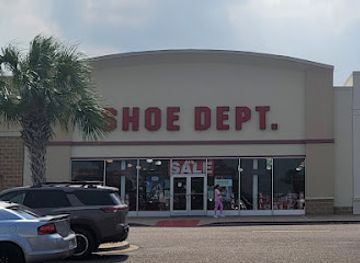
Shoppes at Rio Grande Valley
Explore the diverse shopping, dining, and entertainment options at Shoppes at Rio Grande Valley in Edinburg, Texas, for an unforgettable experience.
-
Department store
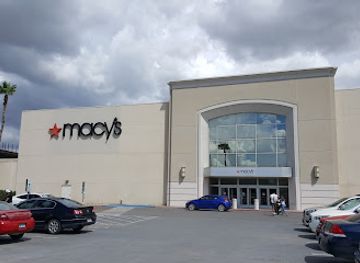
Macy's
Experience the best of shopping at Macy's in McAllen, Texas – your go-to destination for fashion, beauty, and family apparel.
-
Department store
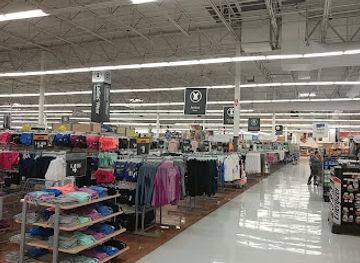
Walmart Supercenter
Discover Walmart Supercenter in Rio Grande City, where affordability meets convenience with a diverse selection of groceries, electronics, and more.
Get your free copy of our complete guide to Rio Grande Valley, delivered straight to you.
Everything on this page, from attractions and restaurants to essentials and local phrases, in one PDF you can read offline, print or share.
Already have an account? Sign in
Your Rio Grande Valley guide is ready.
We'll send it to · Not you? Sign out

Getting your guide ready…
We are putting together a fresh copy of the Rio Grande Valley guide. This can take up to a minute.
This can take a few moments. If your browser asks, choose Allow so the download can start. You'll find the guide in your Downloads folder.
Nothing happened? Download it again
Sorry, the guide is taking longer than usual. Please try again in a minute, or get it by email instead.
Rio Grande Valley essentials
Currency and Payment
Safety
Emergency Situations
Do's and Don'ts
Local Tips
From Eve
Local phrases worth knowing
You don't need to get them perfect. A few words go a long way, and locals appreciate the effort.
Basics
| English | Local | Say it |
|---|---|---|
| Hello | Hola | [Olah] |
| Goodbye | Adiós | [Ah-dee-ohs] |
| Yes | Sí | [See] |
| No | No | [No] |
| Please/You're welcome | Por favor/De nada | [Por fah-bor/Deh nah-dah] |
| Thank you | Gracias | [Grah-see-as] |
| Excuse me/Sorry | Perdón | [Pehr-dohn] |
| How are you? | ¿Cómo estás? | [Koh-moh ehs-tahs] |
| Fine. And you? | Bien. ¿Y tú? | [Bee-en. Ee too] |
| Do you speak English? | ¿Hablas inglés? | [Ah-blahs een-glehs] |
| I don't understand | No entiendo | [No ehn-tee-en-doh] |
Eating & Drinking
| English | Local | Say it |
|---|---|---|
| I'd like to see the menu, please | Quisiera ver el menú, por favor | [Kee-syeh-rah vehr el meh-noo, por fah-bor] |
| I don't eat meat | No como carne | [No koh-moh kar-neh] |
| Cheers! | ¡Salud! | [Sah-lud] |
| I would like to pay, please | Quisiera pagar, por favor | [Kee-syeh-rah pah-gar, por fah-bor] |
Emergencies
| English | Local | Say it |
|---|---|---|
| Help! | ¡Ayuda! | [Ah-yoo-dah] |
| Go away! | ¡Vete! | [Veh-teh] |
| Call the Police! | ¡Llama a la policía! | [Yah-mah ah lah poh-lee-see-ah] |
| Call a doctor! | ¡Llama a un doctor! | [Yah-mah ah oon dok-tor] |
| I'm lost | Estoy perdido | [Ehs-toy pehr-dee-doh] |
| I'm ill | Estoy enfermo/a | [Ehs-toy ehn-fehr-moh/ah] |
Shopping
| English | Local | Say it |
|---|---|---|
| I'd like to buy... | Quisiera comprar... | [Kee-syeh-rah kohm-prar] |
| I'm just looking | Solo estoy mirando | [Soh-loh ehs-toy mee-rahn-doh] |
| How much is it? | ¿Cuánto cuesta? | [Kwan-toh kwes-tah] |
| That's too expensive | Eso es muy caro | [Eh-soh es moo-ee kah-roh] |
| Can you lower the price? | ¿Puedes bajar el precio? | [Pweh-des bah-har el preh-sio] |
Time & Numbers
| English | Local | Say it |
|---|---|---|
| What time is it? | ¿Qué hora es? | [Keh oh-rah es] |
| It's one o'clock | Es la una | [Es lah oo-nah] |
| Half past (10) | Y diez y media | [Ee dyehs ee meh-dee-ah] |
| Morning | Mañana | [Mah-nyah-nah] |
| Afternoon | Tarde | [Tar-deh] |
| Evening | Noche | [Noh-cheh] |
| Yesterday | Ayer | [Ah-yehr] |
| Today | Hoy | [Oy] |
| Tomorrow | Mañana | [Mah-nyah-nah] |
| 1 | Uno | [Oo-noh] |
| 2 | Dos | [Dohs] |
| 3 | Tres | [Trehs] |
| 4 | Cuatro | [Kwatroh] |
| 5 | Cinco | [Seen-koh] |
| 6 | Seis | [Seys] |
| 7 | Siete | [Syeh-teh] |
| 8 | Ocho | [Oh-choh] |
| 9 | Nueve | [Nweh-beh] |
| 10 | Diez | [Dyehs] |
Transport & Directions
| English | Local | Say it |
|---|---|---|
| Where's a/the...? | ¿Dónde está un/una...? | [Dohn-deh ehs-tah oon/oo-nah] |
| What's the address? | ¿Cuál es la dirección? | [Kwahl es lah dee-rehk-syohn] |
| Can you show me (on the map)? | ¿Puedes mostrarme (en el mapa)? | [Pweh-des mohs-trar-meh (en el mah-pah)] |
| When's the next (bus)? | ¿Cuándo es el próximo (autobús)? | [Kwan-doh es el prohk-see-moh (ow-toh-boos)] |
| A ticket (to ....) | Un boleto (a ....) | [Oon bo-leh-toh (ah ....)] |
History of Rio Grande Valley
Indigenous Peoples and Spanish Borderlands
Long before European settlement, Indigenous communities lived along the river, coastal plain and thornscrub environments of what is now South Texas. Spanish expeditions and missions reached the lower Rio Grande from the seventeenth century onwards, bringing new forms of agriculture, livestock raising and Catholic administration. The river became a zone of movement and exchange rather than an absolute cultural divide. Many present-day place names, settlement patterns and land traditions reflect this Spanish and Mexican colonial legacy.
Mexican Settlement and the Founding of Brownsville
The lower Rio Grande developed within Mexico until the Texas Revolution and the 1848 Treaty of Guadalupe Hidalgo altered the international boundary. Brownsville was founded in 1848 near the former settlement of Matamoros and became an important commercial and military centre. Communities on both sides of the river remained closely connected through family, trade and language, even as an international border was formalised. Historic buildings in Brownsville and river towns such as Roma preserve traces of this nineteenth-century borderland development.
The U.S.–Mexican War and Palo Alto
The first major battle of the U.S.–Mexican War took place at Palo Alto, north of present-day Brownsville, in May 1846. The open prairie battlefield illustrates how geography affected nineteenth-century warfare, while nearby Resaca de la Palma was the site of a subsequent engagement. The Palo Alto Battlefield National Historical Park protects part of this landscape and interprets the conflict's military and political consequences. The war permanently changed the region's national affiliation and helped establish the Rio Grande as the boundary between the United States and Mexico.
Ranching, Irrigation and Citrus Agriculture
After the Civil War, ranching remained central to the Valley, but railways, irrigation projects and land development gradually transformed the economy. The arrival of rail connections in the early twentieth century made it easier to export agricultural products and encouraged the growth of towns such as Harlingen, McAllen and Edinburg. Irrigation from the Rio Grande supported vegetables, sugar cane and citrus orchards, helping create the agricultural landscape associated with the region today. Water management remains an important practical and environmental issue.
Revolution, Migration and Border Commerce
The Mexican Revolution, beginning in 1910, affected the Valley through military activity, migration and intensified cross-border trade. Brownsville, the river ports and communities opposite Mexican towns became busy points of movement and commerce. Later generations of Mexican-American residents shaped the region's civic institutions, schools, churches, businesses and cultural life. The result is not simply a border economy but a society with deep family and cultural connections extending across the Rio Grande.
Military Expansion and Modern Urban Growth
The Second World War and the post-war period brought major military, transport and population changes. Harlingen Army Air Field, now associated with Valley aviation history, was part of the wartime training network, while nearby towns expanded through new roads, irrigation and agriculture. In the later twentieth century, McAllen and Edinburg became the principal urban and educational centres of Hidalgo County. Retail, healthcare, logistics and international trade increasingly joined agriculture as foundations of the modern regional economy.
Conservation and the Contemporary Valley
By the late twentieth century, concern over habitat loss led to efforts to protect fragments of the lower Rio Grande's once-continuous woodland and thornscrub. The Lower Rio Grande Valley National Wildlife Refuge, Santa Ana National Wildlife Refuge and other protected areas now conserve important habitat for migratory birds, ocelots and other wildlife. At the same time, the coast, ports of entry, agriculture and expanding cities continue to shape the region. Modern conservation therefore operates within a working, populated border landscape rather than an untouched wilderness.
Rio Grande Valley in Photos
Browse through our photo collection highlighting the charm and character of the destination.
Neighbouring regions of Rio Grande Valley
The closest regions to Rio Grande Valley, if you have time for more than one.
-
-

-

-

-


Swipe for more regions
Explore more
Explore more of Texas
Discover the diverse landscapes, rich history, vibrant cities, and culinary delights of Texas, the Lone Star State, where adventure and culture await at every turn.
Explore Texas